Why Lighting Matters
Lighting is one of the most important elements of interior design. It does far more than simply illuminate a room – it influences mood, enhances functionality and helps create the atmosphere you want in your home.
The right lighting can make a small room feel more spacious, highlight architectural features and create a warm, welcoming environment. Poor lighting, on the other hand, can make even the most beautifully decorated space feel flat, cold or impractical.
Whether you’re renovating a room or simply updating your décor, choosing the right lighting can have a significant impact on how your home looks and feels.
5 Key Considerations When Choosing the Perfect Lighting for Your Home
1. Consider the Function of the Room
Before choosing any light fixture, think about how the room is used.
Different spaces require different levels of light. A kitchen or home office needs bright, practical lighting for everyday tasks, while a bedroom benefits from softer lighting that promotes relaxation.
For the best results, incorporate three key types of lighting:
- Ambient lighting – the main source of light in the room, such as ceiling lights or recessed spotlights.
- Task lighting – focused lighting for activities such as reading, cooking or working.
- Accent lighting – decorative lighting used to highlight artwork, shelving, fireplaces or architectural features.
Combining all three creates a balanced lighting scheme that is both practical and visually appealing.
2. Think About the Mood You Want to Create
Lighting plays a major role in setting the mood of a room.
Warm white lighting creates a cosy and inviting atmosphere, making it ideal for living rooms, dining rooms and bedrooms. Cooler lighting provides a brighter, more energising feel and works particularly well in kitchens, bathrooms and home offices.
Dimmable lighting offers added flexibility, allowing you to adjust brightness levels depending on the time of day or occasion. From entertaining guests to relaxing with a book, the right lighting helps create the perfect ambience.
3. Choose Fixtures That Complement Your Interior Style
Light fittings are more than practical features – they are also important design elements.
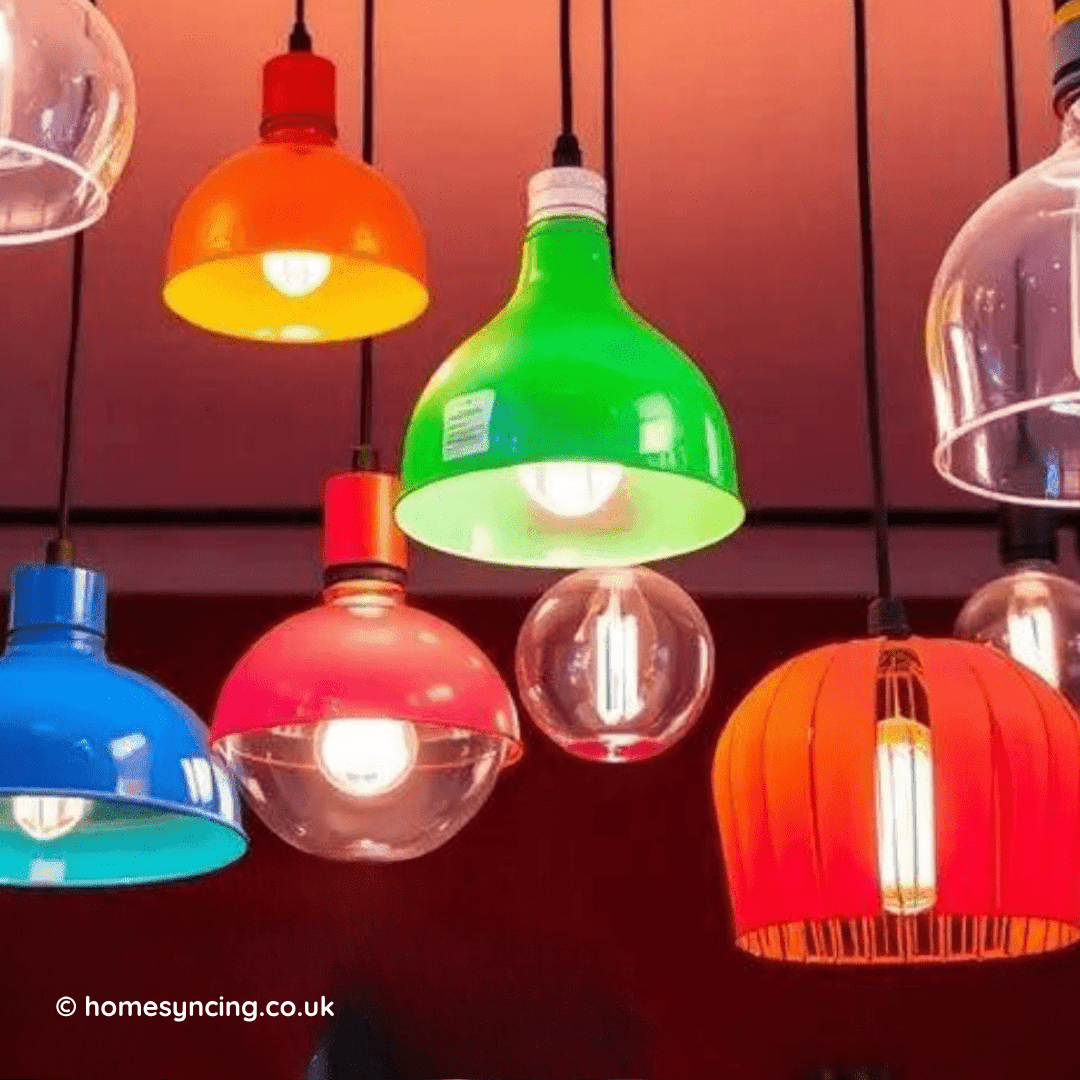
A statement pendant light can become a focal point in a dining room, while elegant wall lights can add character to a hallway or living space. Table lamps and floor lamps can introduce texture, colour and personality while providing additional layers of light.
When selecting fixtures, consider how they work with your existing décor. Whether your style is modern, traditional, industrial or Scandinavian-inspired, your lighting should enhance the overall look of the room.
4. Layer Lighting for Depth and Flexibility
One of the most common lighting mistakes is relying on a single ceiling light.
Layered lighting creates depth, warmth and visual interest. It also allows you to adapt the lighting to suit different activities and times of day.
For example, a living room might include:
- A central pendant or ceiling light
- Table lamps beside seating areas
- Wall lights for added ambience
- Accent lighting to highlight artwork or shelving
By combining multiple light sources, you can create a more comfortable and versatile space.
5. Prioritise Energy Efficiency
Modern lighting solutions allow homeowners to reduce energy consumption without compromising on style.
LED bulbs are one of the most energy-efficient options available. They use significantly less electricity than traditional bulbs, last longer and are available in a wide range of colour temperatures and brightness levels.
It’s also worth considering practical factors such as maintenance, bulb replacement and compatibility with smart home systems. Choosing efficient, easy-to-use lighting can help reduce running costs while improving everyday convenience.
Transform Your Home with the Right Lighting
The right lighting has the power to completely transform a room. It can make spaces feel brighter, warmer, larger and more welcoming while enhancing both functionality and style.
When planning your lighting, think beyond simply choosing a light fitting. Consider how you want each room to feel, how the space is used and how different layers of light can work together to create the perfect balance.
With thoughtful planning, lighting can become one of the most effective tools for creating a home that is both beautiful and practical.
Further Reading: Illuminate Your World: How to Maximise Natural Light in Your Home