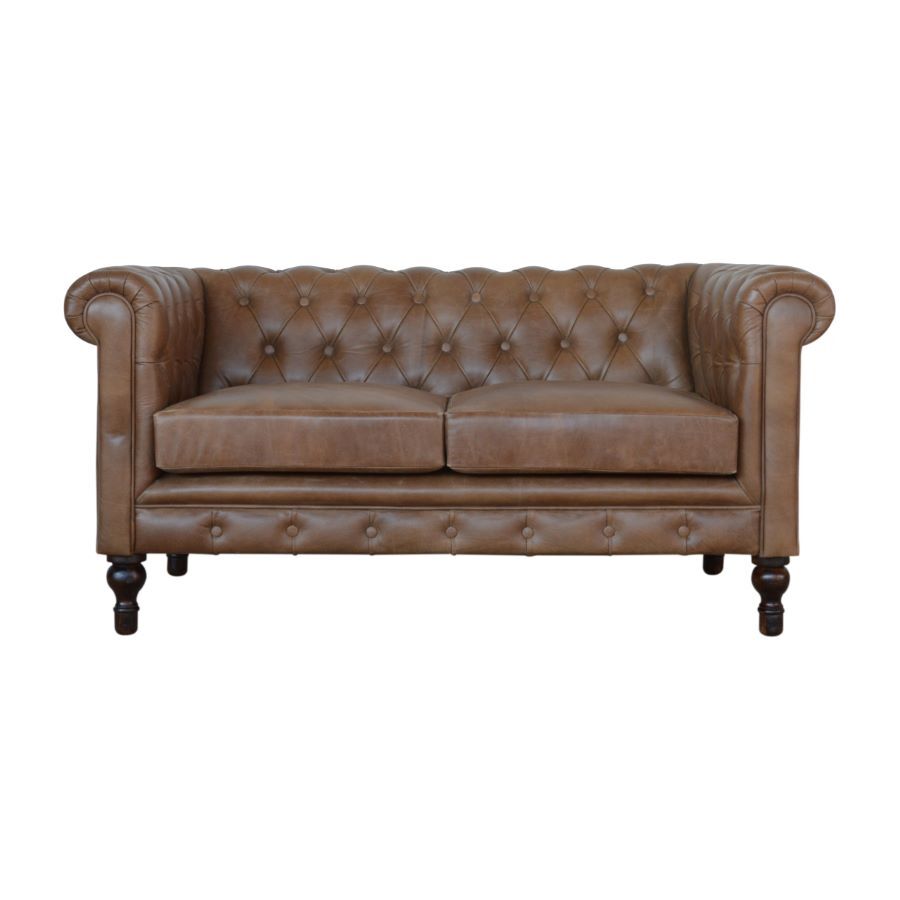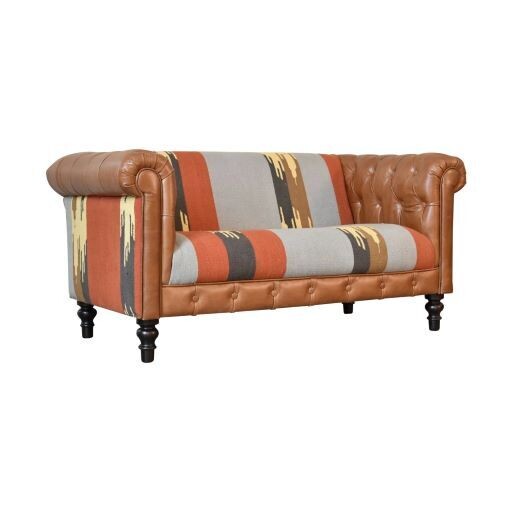
The Luxurious History of the Chesterfield Sofa

There are few pieces of furniture that inspire as much as the Chesterfield Sofa. This classic piece of furniture has a rich history dating back to the 18th century. The Chesterfield Sofa has a unique & timeless design that is as popular today as it was centuries ago.

The Chesterfield Sofa was first invented in the 18th century & was named after the fourth Earl of Chesterfield, Lord Philip Stanhope. The sofa was designed to be a comfortable seat for the Lord to sit on & relax. Originally the chair had low backrests. However, the design evolved over time into what is now known as the iconic Chesterfield Sofa. The reason why the Chesterfield Sofa has such a distinctive look is due to its intricate button-tufting design that creates a unique texture & a luxurious feel.

One of the reasons why the Chesterfield Sofa has become so popular is because of its association with wealth, luxury, & elegance. The sofa quickly became a symbol of the middle & upper classes in the UK & was often seen in upscale homes & business offices. In fact, the Chesterfield Sofa became so synonymous with luxury that it was used in the design of the Titanic’s first-class lounge.

The Chesterfield Sofa was not only a stylish piece of furniture, it was also designed to be functional. The high arms & backrests of the sofa allowed the sitter to be comfortable & protected from drafts. The thick padding, which is still used today, made the sofa comfortable to sit on for extended periods of time. The sofa was also designed to be durable & long-lasting, which is why it is still a popular piece of furniture today.  One further major change that occurred was the introduction of a second Chesterfield Sofa design with a higher backrest. This design became known as the Queen Anne Chesterfield Sofa.

The Chesterfield Sofa is a classic piece of furniture that has stood the test of time. Its timeless design has been appreciated by generations of homeowners & its luxurious feel has made it a staple in upscale homes & business offices.

We have a great range of Chesterfield Sofas, take a look.

Sleep in Style – How to Create the Perfect Bedroom

Creating a Bedroom That Feels Like a True Retreat

Your bedroom should be a place of quiet restoration – somewhere you can withdraw from the day, slow your pace and feel at ease. Creating a space that supports rest and relaxation does take thought, but it need not feel daunting. With careful choices and a measured approach, your bedroom can become a calm, welcoming retreat that is both comfortable and characterful.


Begin with the Bed

The bed is the heart of the bedroom and deserves careful attention. A well-made bed sets the tone for the entire space, both visually and practically. Invest in a good-quality mattress and pillows that offer proper support, and choose bed linen that feels soft and breathable against the skin.

Neutral shades such as warm white, soft stone or gentle beige create a sense of calm and timelessness. Layering is key: a light duvet, a textured throw and a small selection of cushions add comfort without excess, giving the bed an inviting, considered feel.


Make Space for Storage

A restful bedroom is one free from unnecessary clutter. Thoughtful storage allows the room to feel ordered and unhurried. Choose pieces that suit the scale of the space, whether that is a wardrobe, chest of drawers or a discreet bedside cabinet.

Well-made storage furniture can add quiet character as well as function. Natural materials, simple lines and gentle finishes help the room feel settled and balanced, ensuring practical needs are met without disrupting the calm.


Use Lighting to Shape the Mood

Lighting plays a vital role in how a bedroom feels throughout the day. Rather than relying on a single source, aim for a layered approach. Soft overhead lighting provides general illumination, while bedside lamps or wall lights offer gentle pools of light for reading and winding down.

Daylight is equally important. Where possible, allow natural light to enter freely by keeping window dressings light and unfussy. As evening falls, warmer lighting will help the room feel cosy and reassuring.


Create a Sense of Comfort

Comfort lies at the centre of a successful bedroom. Introduce softness through textiles: a rug underfoot, layered bedding and perhaps an upholstered chair or bench. These elements bring warmth and help the room feel lived-in rather than styled.

Choose a colour palette that soothes you personally. Muted tones, natural hues and gentle contrasts tend to work well, creating an atmosphere that encourages rest. Personal touches – a favourite picture, a cherished photograph or a well-loved book – help the room feel truly your own.


Finish with Thoughtful Details

Accessories should be chosen with care and restraint. A mirror to catch the light, a simple vase, or a softly scented candle can add interest without overwhelming the space. Each item should earn its place, contributing either beauty or usefulness.

Too many decorative objects can disrupt the sense of calm, so allow the room space to breathe. Often, less truly is more.


A Room Made for Rest

A well-considered bedroom reflects both your needs and your character. It is not created overnight, but gradually, through thoughtful decisions and an appreciation for comfort, quality and simplicity. With time and care, your bedroom can become a place of quiet refuge – a space that restores and reassures, night after night.

See our range of bedroom furniture here.

Further Reading: Affordable Decorating Ideas That Will Transform Your HomeSustainable Chic: A Beginner’s Guide to Circular Design

Daily Inspiration: Follow Us on Instagram, BlueSkyThreads , PinterestTwitterTikTok

How to Create a French Themed Inspired Interior Design

Creating a French-Inspired Interior with Timeless Charm

If you are drawn to interiors that feel elegant yet lived-in, a French-inspired design offers a graceful way to bring warmth and character into your home. Rooted in tradition and shaped by centuries of craftsmanship, this style blends ornate historic details with relaxed, everyday comfort. The result is an interior that feels both refined and welcoming, where beauty is found in balance rather than excess.

French-inspired interiors often take cues from townhouses, country homes and rural farmhouses, combining decorative plasterwork, time-worn floors and carefully chosen furnishings. Whether you are restoring a generous room or gently refreshing a familiar space, the French approach rewards thoughtful layering and an appreciation for detail.


Choose Furniture with History and Soft Elegance

French interiors are defined by their easeful mix of old and new. Antique or antique-style furniture sits comfortably alongside simpler, contemporary pieces, creating a sense of continuity rather than formality. Look for furniture with graceful curves and delicate detailing: cabriole legs, carved frames and gently worn finishes all contribute to the style’s enduring appeal.

Upholstery should feel natural and tactile. Linen, cotton and soft silks work well in muted shades, allowing the form of the furniture to stand out. Rather than bold statements, colour is often introduced subtly through cushions, throws or a faded fabric that feels settled and familiar.


Build a Calm Palette with Thoughtful Accents

Colour plays a quiet but important role in a French-inspired interior. Soft neutrals such as warm whites, pale greys and gentle stone tones form the foundation, creating a sense of light and calm. These shades reflect natural light beautifully and allow architectural details to shine.

Accents of stronger colour can then be added with restraint. Deep blues, muted reds or soft greens work well when used sparingly, perhaps in a rug, artwork or a set of cushions. Patterned wallpaper, particularly floral or toile designs, can also be used to introduce interest, ideally as a feature rather than across an entire space.


Introduce Decorative Details with Care

Decoration in French interiors is deliberate rather than lavish. A small number of carefully chosen pieces will have far greater impact than an abundance of ornament. Mirrors with decorative frames, gently aged metalwork, glassware or a single statement clock can all bring a sense of quiet grandeur.

Larger items, such as an armoire or display cabinet, provide both function and presence, anchoring the room visually. In smaller spaces, a painted side table, a delicate dressing table or a well-placed decorative object can evoke the same charm without overwhelming the room.


Celebrate Natural Materials and Texture

Texture is central to creating a French-inspired interior that feels warm and authentic. Traditional homes favour natural materials, particularly wood and stone, which age beautifully over time. Wooden floors, whether left bare or softened with rugs, add warmth and a sense of continuity.

Layering textiles is another way to enrich the space. Woollen throws, velvet cushions, embroidered fabrics and woven baskets all add depth and softness. These tactile elements prevent the room from feeling formal, instead encouraging comfort and ease.


Use Lighting to Create Atmosphere

Lighting should enhance the gentle elegance of the interior rather than dominate it. Chandeliers, wall sconces and table lamps with curved forms and traditional detailing are particularly well suited to a French-inspired scheme. Warm metal finishes, such as bronze or aged gold, lend a soft glow and echo the warmth of natural materials.

Rather than relying on a single light source, aim for layered lighting that can be adjusted throughout the day. Lamps with fabric or lightly coloured shades help to create a welcoming, intimate atmosphere, especially in the evening.


A Style That Invites You In

A French-inspired interior is not about perfection, but about harmony. It brings together furniture, materials and decoration in a way that feels unforced and quietly confident. When done well, it creates rooms that are elegant yet comfortable, refined yet deeply human.

By taking time to choose pieces with care, embracing natural materials and allowing your space to evolve gradually, you can create an interior that feels timeless rather than styled. More than a decorative scheme, a French-inspired home offers a sense of retreat – a place that invites you to slow down and enjoy the everyday beauty of your surroundings.

Click here for a selection of French Themed Inspired Furniture

Further Reading: Affordable Decorating Ideas That Will Transform Your HomeSustainable Chic: A Beginner’s Guide to Circular Design

Daily Inspiration: Follow Us on Instagram, BlueSkyThreads , PinterestTwitterTikTok

How to get the Industrial Look!

A Guide to Industrial Furniture–Themed Interiors

Industrial furniture–themed interiors have grown steadily in popularity, appealing to those drawn to spaces with honesty, character and a sense of history. Rooted in the careful adaptation of old workshops, mills and warehouses, the industrial style celebrates materials in their natural state and values function as much as form. What began as a practical response to reusing redundant buildings has evolved into a distinctive interior style that feels both robust and quietly refined.

At its heart, industrial design is about revealing rather than concealing. Brickwork is left bare, timber shows its scars, and metal is allowed to age gracefully. These elements come together to create interiors that feel grounded, purposeful and reassuringly authentic. Whether you are refreshing a single room at home or shaping a contemporary workspace, an industrial furniture–themed interior offers a timeless and adaptable approach.

This guide will help you navigate the key elements of the style, offering thoughtful ways to introduce industrial character while maintaining warmth and balance.


Choose a Considered Industrial Colour Palette

An industrial interior is anchored by a restrained and understated colour palette. Soft greys, warm charcoals, off-whites and earthy browns form the foundation, echoing the tones of stone, concrete and aged timber. These neutral shades allow the materials themselves to take centre stage.

Metallic accents – such as steel, patinated copper or brushed brass – can be introduced sparingly to add depth and quiet interest. Rather than relying on colour for impact, industrial interiors use texture and contrast: smooth metal against rough brick, pale plaster beside dark wood. This thoughtful simplicity gives the space a sense of calm while allowing individual features to shine.


Invest in Reclaimed Wood Furniture

Few materials capture the spirit of industrial design as beautifully as reclaimed wood. Furniture crafted from salvaged timber carries a sense of history, marked by knots, grain variations and time-worn surfaces. These imperfections are not flaws but stories, lending warmth and individuality to the space.

Reclaimed wood works particularly well for larger pieces such as dining tables, shelving units and sideboards, where its character can be fully appreciated. Whether left natural or gently darkened, these pieces bring balance to the harder edges of metal and concrete, ensuring the interior feels welcoming rather than stark.


Embrace Honest Metal Finishes

Metal plays a defining role in industrial interiors. Iron, steel and aged copper are commonly used for furniture frames, shelving, handles and structural details. Their appeal lies in their strength and simplicity, often expressed through clean lines and unfussy forms.

Rather than highly polished finishes, look for metal that shows subtle signs of age or wear. A soft patina or lightly distressed surface adds depth and reinforces the sense of authenticity that is central to the industrial style. When used alongside natural wood, metal introduces contrast without overpowering the space.


Choose Lighting with Purpose and Character

Lighting is an essential element in shaping an industrial interior. Fixtures are often bold and functional, drawing inspiration from factories and workshops. Pendant lights, wall-mounted fittings and simple floor lamps with exposed bulbs work particularly well.

Warm, soft light helps to counterbalance the robustness of industrial materials. Exposed filament bulbs, for example, add a gentle glow and a sense of craft, highlighting textures and architectural details. Wherever possible, allow light fittings to feel purposeful rather than decorative, contributing to the overall honesty of the space.


Think Beyond Furniture

An industrial interior is about more than the furniture alone. Architectural details and finishing touches play an equally important role. Exposed brick walls, visible pipework, concrete floors and utilitarian hardware all contribute to the character of the space.

Rather than hiding these elements, allow them to become part of the design. A simple shelf fixed with metal brackets, a visible beam, or a length of exposed ducting can add interest and authenticity. The key is restraint: select a few features to celebrate, allowing the space to breathe and avoiding clutter.


Creating a Space with Enduring Appeal

Designing an industrial furniture–themed interior need not feel daunting. By choosing a calm, neutral palette, investing in reclaimed materials, embracing metal finishes and allowing practical details to remain visible, you can create a space that feels both robust and inviting.

Above all, industrial design rewards patience and thoughtfulness. It is a style that values craftsmanship, longevity and the quiet beauty of materials shaped by use. When approached with care, it results in interiors that feel rooted, characterful and enduring – spaces to live and work in comfortably, now and for years to come.

We have some great pieces that will create a fantastic industrial look.  Click here to see a selection.

Further Reading: Affordable Decorating Ideas That Will Transform Your HomeSustainable Chic: A Beginner’s Guide to Circular Design

Daily Inspiration: Follow Us on Instagram, BlueSkyThreads , PinterestTwitterTikTok

Selecting Soft Furnishings

Soft furnishings bring comfort, warmth and character to a home. They soften hard edges, invite you to pause and, with a little thought, can help a space feel truly welcoming. With so much choice available, selecting cushions, throws and textiles can feel daunting. A considered approach, however, will help you choose pieces that sit comfortably together and enhance the atmosphere of your rooms.

Materials matter

The starting point for any soft furnishing is the fabric itself. Natural materials are often the most rewarding to live with. Cotton is a dependable favourite: breathable, versatile and hard-wearing, it suits everyday use and works well across seasons. Linen offers a relaxed elegance, its gentle creases adding to its charm.

Wool comes into its own in cooler months. Naturally insulating and resilient, it brings depth and warmth, whether woven into a cushion cover or draped as a throw. For those seeking a sense of indulgence, materials such as velvet, silk or leather can add richness and texture, though they do require a little more care and may not be the best choice in busy family homes.

A thoughtful use of colour and pattern

Cushions and textiles provide an opportunity to introduce colour and pattern without committing to large-scale changes. Begin with a restrained palette: two or three colours that complement one another will give a sense of cohesion. From there, you can introduce variety through pattern. Stripes, checks and florals can sit happily side by side when united by a shared colour or tone.

If you prefer a calmer scheme, explore different shades of the same colour. A range of blues, for example, can create a soothing, layered effect, while still offering interest through texture and weave.

Comfort through shape and scale

A well-chosen mix of shapes and sizes makes a room feel relaxed and lived in. Square cushions provide structure, while round or rectangular ones soften the arrangement. Varying sizes on a sofa or bed adds visual rhythm and allows everyone to find their own version of comfort.

The same principle applies to throws, rugs and floor cushions. In smaller rooms, choose pieces that are proportionate to the space, allowing the room to breathe. In larger areas, generous textiles can help create intimacy and define zones for sitting or reading.

Living with your choices

Soft furnishings should suit not only your home but also your way of life. If your household includes children or pets, durability and washability are key. Removable, machine-washable covers will make everyday living simpler. Those with allergies or sensitive skin may wish to favour natural, hypoallergenic fibres and avoid harsh synthetic blends.

Enjoy the process

Perhaps most importantly, allow yourself to experiment. Layer cushions in different textures, fold a throw over the arm of a chair, or place a floor cushion by the fire to create a quiet corner for reading. Soft furnishings are among the easiest elements to change, making them ideal for refreshing a room as the seasons shift or tastes evolve.

Choosing cushions and soft furnishings need not be overwhelming. With a thoughtful balance of materials, colour, pattern and scale, you can create spaces that feel both comfortable and personal. There is no single right answer—only what feels right for you and your home. Take your time, trust your instincts, and enjoy the pleasure of shaping rooms that welcome you in at the end of the day.

We have a great range of cushions to add colour, comfort and warmth to your home.  To see them click here!

Further Reading: Affordable Decorating Ideas That Will Transform Your HomeSustainable Chic: A Beginner’s Guide to Circular Design

Daily Inspiration: Follow Us on Instagram, BlueSkyThreads , PinterestTwitterTikTok

Translate »