The Picnic: A Guide to Dining Outdoors

There is something quietly reassuring about a picnic. It asks very little of us, and yet offers so much in return: fresh air, good company, and the simple pleasure of food shared outdoors. Whether spread across a familiar patch of garden or carried further afield to a meadow, riverbank or coastline, a picnic invites us to slow down and notice where we are.

What is a picnic?

At its heart, a picnic is simply a meal taken outdoors. But that definition feels almost too modest. A picnic is not just about eating—it is about pausing. It is the act of carrying food beyond the walls of the home and allowing the setting to shape the experience. The rustle of trees, the warmth of the sun, or even the unpredictability of the British weather all become part of the occasion.

There is no strict formality to it. A picnic can be as simple as a loaf of bread and a flask of tea, or as carefully arranged as a full outdoor spread. What matters is the intention: to step outside and enjoy a moment that feels a little removed from the everyday.

Relax, Rewind and have a Picnic.
image of a sunny day - blue skies and sunshine, field with trees in view.

A brief history of the picnic

The idea of dining outdoors has long been woven into British life. In earlier centuries, informal outdoor meals were often associated with hunting parties or rural gatherings. By the 18th and 19th centuries, the notion of the picnic had evolved into something more leisurely—an occasion for socialising, where each guest might bring a dish to share.

As landscapes became more accessible and public parks more widespread, picnicking found its place among everyday pleasures. It was no longer reserved for grand occasions, but something to be enjoyed by families and friends alike. Today, that tradition continues—quietly unchanged in spirit, even as our surroundings and habits shift.

Planning and preparing for a picnic

A well-planned picnic has an ease about it. Not overcomplicated, but thoughtfully considered.

Start with the setting. A shaded spot beneath a tree, a view across open countryside, or even a sheltered corner of the garden can shape the mood of the day. Consider the ground—whether it is likely to be dry, level, or in need of a little extra comfort.

Next comes timing. A picnic need not be rushed. Choosing a time that allows you to linger—late morning drifting into afternoon, or early evening as the light softens—can make all the difference.

Preparation is best kept simple. Foods that travel well and can be enjoyed without fuss are ideal. Packing in advance, with everything in its place, allows the day itself to unfold more naturally.

Food and drink for a picnic

Picnic food is at its best when it is uncomplicated, satisfying, and easy to share.

You might begin with:

  • Fresh bread, sandwiches, or savoury pastries
  • Seasonal salads or simple quiches
  • Cheese, chutneys and cold meats
  • Fresh fruit—apples, berries or grapes

For something a little indulgent:

  • Homemade cakes or biscuits
  • Scones with jam and cream
  • Chocolate or small sweet treats

Drinks can be just as considered:

  • A flask of tea or coffee for comfort
  • Chilled elderflower cordial or fruit juices
  • Sparkling water or a lightly chilled wine for a more leisurely gathering

The aim is not abundance for its own sake, but a thoughtful selection that feels easy to enjoy outdoors.

What to bring—and why it matters

Part of the pleasure of a picnic lies in the details. The right pieces make the experience feel both comfortable and quietly special.

A picnic hamper keeps everything organised and easy to carry. With compartments for food, drink and essentials, it turns preparation into something orderly rather than hurried.

Cutlery and crockery—even simple, reusable pieces—bring a sense of occasion. They allow you to serve and share food properly, rather than relying on makeshift solutions.

A rug or picnic blanket is perhaps the most essential item of all. It creates a place to gather, offering comfort and a defined space to settle into. A blanket with a water-resistant backing is especially useful on cooler or damp ground.

For longer afternoons, folding chairs can provide added comfort, particularly where the ground is uneven or when sitting for extended periods.

A small picnic table can be a welcome addition if you prefer a raised surface for food and drink—useful for keeping items steady and within easy reach.

Other thoughtful additions might include:

  • Napkins or cloths for ease and tidiness
  • A cool bag to keep food fresh
  • A bag for collecting any waste, leaving the space as you found it

Each item plays its part, not in excess, but in making the experience feel considered and untroubled.

A moment worth returning to

Perhaps the enduring appeal of a picnic is its simplicity. It does not demand elaborate planning or distant travel. It asks only that we step outside, bring a few essentials, and allow ourselves the time to enjoy them.

In a world that often feels hurried, a picnic offers a different rhythm. It is a reminder that some of the most meaningful moments are also the simplest: food shared, time given, and the quiet presence of the outdoors.

And once you have done it—once you have spread out the blanket and settled in—you may find it is something you return to, again and again.

Our Favourite Picnic Items can be found here 🧺

Daily Inspiration: Follow Us on Instagram, BlueSky, Threads , Pinterest, Twitter, TikTok
Making a Splash: Why Swimming Matters

As the days grow longer and the warmth of summer settles in, there’s a natural pull towards water. Whether it’s the gentle ripple of a local pool, the salty breeze of the seaside, or the charm of an open-air lido, swimming offers a simple, joyful way for families to spend time together. More than just a pastime, it’s a life skill—one that builds confidence, strengthens the body, and opens the door to countless shared experiences.

A Skill for Life

Swimming is one of the most valuable abilities a person can learn. It supports physical health by improving cardiovascular fitness, strengthening muscles, and enhancing coordination, all while being low-impact and accessible to a wide range of ages and abilities. For children, learning to swim fosters independence and resilience; for adults, it offers a restorative way to stay active.

Beyond the physical, water has a calming quality. Time spent swimming—whether gliding through a quiet pool or bobbing gently in the sea—can ease stress and encourage mindfulness. For families, it becomes a shared rhythm: encouraging one another, celebrating small milestones, and simply enjoying being together.

Summer: A Season of Opportunity

Summer provides the perfect setting to introduce or deepen a love of swimming. School holidays, warmer weather, and travel plans often bring opportunities to explore different water environments.

Local leisure centres and community pools offer a safe, structured place to practise skills. Many provide family sessions, lessons, and shallow areas for younger swimmers. On holiday, hotel pools can become a hub of activity, where children gain confidence in a relaxed setting.

The sea, meanwhile, offers a more adventurous experience. Rock pools, gentle waves, and wide sandy shores invite exploration and play. Outdoor lidos—many of which have been thoughtfully restored across the UK—combine fresh air with the reassuring boundaries of a managed swimming space, often set in beautiful surroundings.

The Quiet Joy of Lidos

There’s something rather special about outdoor swimming. Lidos, with their open skies and often historic charm, invite a slower pace. Early morning swims can feel almost meditative, while family sessions bring laughter and lively energy.

Using these spaces well is part of the experience. A few simple courtesies go a long way: respecting lane swimming where it’s in place, being mindful of others’ space, and following local guidance helps keep the atmosphere welcoming for everyone. Many lidos also encourage eco-conscious habits, such as rinsing before entering the pool and avoiding litter—small gestures that protect these treasured places.

Equipment That Builds Confidence and Fun

The right equipment can transform a swimming session, especially for younger or less confident swimmers.

  • Kickboards are a wonderful starting point, helping children focus on leg movement while keeping their upper body supported.
  • Pull buoys assist with upper-body strength and technique for more confident swimmers.
  • Goggles make a world of difference, allowing swimmers to open their eyes underwater without discomfort, which can be key to building confidence.
  • Snorkels can add a sense of exploration, particularly in clear waters, while also helping with breathing technique.
  • Floats and buoyancy aids provide reassurance for beginners, offering support while still encouraging movement.
  • Swim and dive toys—from sinking rings to floating games—turn practice into play, helping children associate water with enjoyment rather than uncertainty.
East. Sleep. Swim. Repeat.

When choosing swimwear and outdoor gear, comfort and practicality matter. Well-fitting costumes, rash vests for sun protection, and non-slip footwear for poolside or rocky beaches can all help make the experience more enjoyable.

Safety and Awareness

While swimming is a pleasure, it’s important to approach it with care. Supervision is essential, particularly for children and less experienced swimmers. Pools often have lifeguards, but active attention from adults remains key.

In the sea, conditions can change quickly. Checking local guidance, being aware of tides, and understanding simple safety signals can make all the difference. Choosing designated swimming areas and avoiding overly rough conditions helps keep outings safe and enjoyable.

Even in familiar settings, it’s wise to take breaks, stay hydrated, and be mindful of fatigue. Confidence grows best when it’s built steadily and supported thoughtfully.

To Succeed you first have yo take the plunge.

A Shared Experience

Swimming has a way of bringing people together. It invites laughter, gentle encouragement, and moments of quiet achievement. From a child’s first splash to a family’s seaside adventure, these experiences often become cherished memories.

This summer, whether you’re visiting a local pool, discovering a hidden lido, or heading to the coast, take the opportunity to embrace the water. With a little preparation and a spirit of curiosity, swimming can offer not just exercise, but connection—between people, places, and the simple pleasures of the season.

Further Reading: Dive Into Wild Swimming

Daily Inspiration: Follow Us on Instagram, BlueSky, Threads , Pinterest, Twitter, TikTok
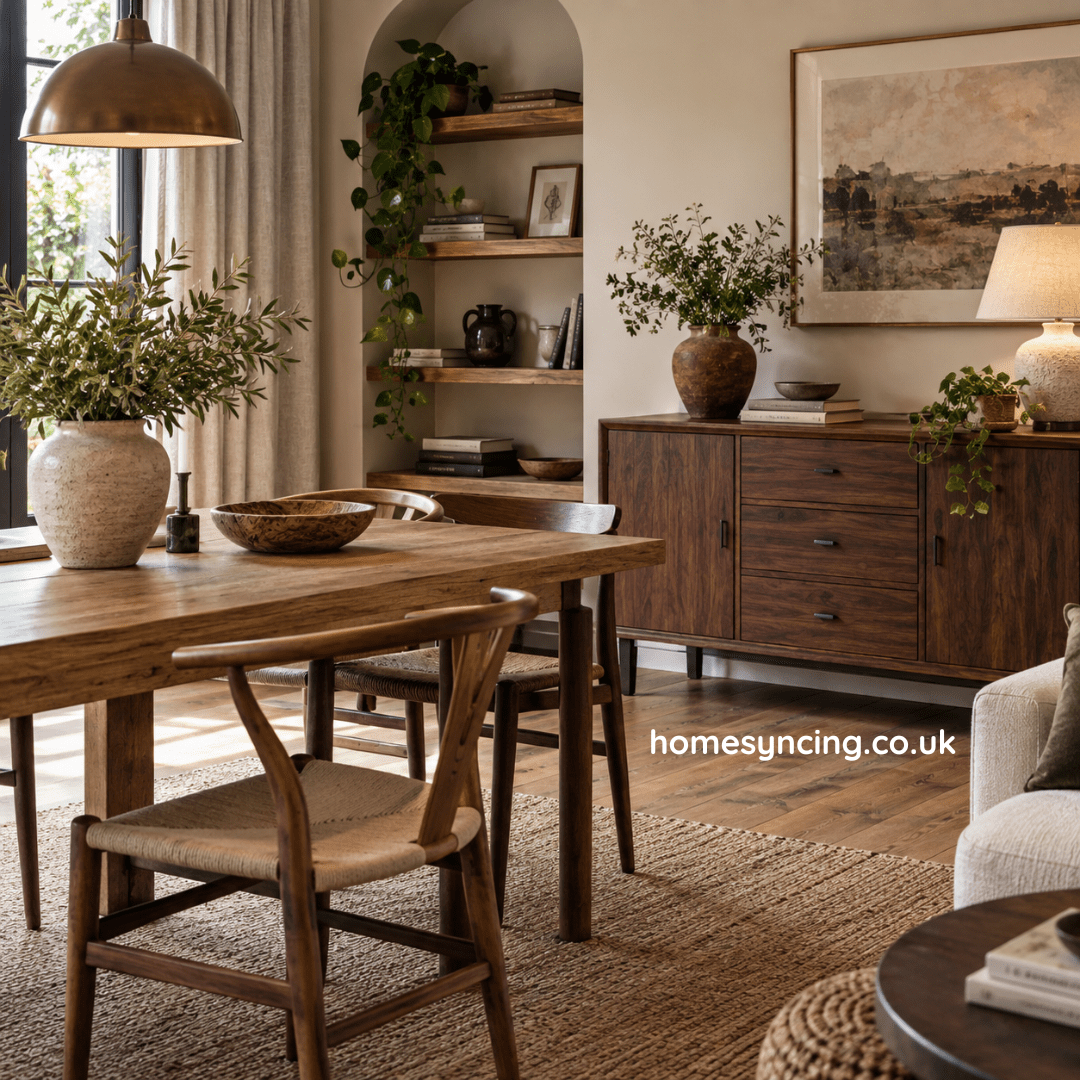
Welcome Spring: Fresh Home Styling Ideas to Brighten Your Space

After months of cosy blankets, warm lighting, and rich winter tones, there’s something deeply satisfying about shaking off the cold and welcoming a new season indoors. Spring offers the perfect opportunity to refresh your home with lighter fabrics, cheerful colours, and natural touches that reflect the renewal happening outside your windows.

You don’t need a complete overhaul to transform your space. Small, thoughtful changes can make a significant difference, breathing new life into familiar rooms and creating an atmosphere that feels both uplifting and inviting. From swapping out heavy textiles to incorporating fresh florals and opening up your space to natural light, spring styling is about embracing simplicity and celebrating the brighter days ahead.

Whether you’re looking to make subtle adjustments or embark on a more comprehensive refresh, these ideas will help you transition your home from winter’s embrace to spring’s gentle awakening. Let’s explore how to create a space that feels as fresh and inspiring as the season itself.

Clear the Clutter and Create Space

Before introducing new elements, take time to declutter and create breathing room in your home. Winter often brings an accumulation of items—extra blankets, boots by the door, layers of decor that made spaces feel snug during darker months. Spring is your chance to edit thoughtfully.

Start by removing items that served a specific winter purpose. Pack away heavy throws, thick cushions, and any seasonal decorations that no longer feel relevant. As you clear surfaces and tidy shelves, you’ll notice how much lighter and more spacious your rooms begin to feel.

Consider donating items you no longer need or use. Clearing out unused belongings creates physical space and mental clarity, making room for the fresh energy spring brings. A decluttered home provides the perfect canvas for your spring styling to truly shine.

Lighten Your Textiles

One of the most effective ways to welcome spring is by changing your soft furnishings. Heavy wool throws, velvet cushions, and thick curtains that provided warmth during winter can be replaced with lighter alternatives that suit the season.

Swap dark, dense fabrics for cotton, linen, or lightweight blends in softer colours. Think cream, pale blue, soft green, or gentle coral tones that mirror the colours emerging in nature. These fabrics feel fresh against the skin and allow your rooms to breathe as temperatures rise.

Don’t forget about bedding. Replacing your winter duvet with a lighter tog and choosing crisp cotton or linen sheets can transform your bedroom into a restful spring sanctuary. Layer with a lightweight throw at the foot of the bed for those cooler evenings that still linger early in the season.

Window treatments also deserve attention. If you’ve been using heavy curtains to keep warmth in, consider switching to sheer or semi-sheer fabrics that filter light beautifully while maintaining privacy. This simple change allows natural light to flood your rooms, instantly lifting the atmosphere.

Embrace Natural Light

After months of relying on artificial lighting, spring is the time to maximise natural light throughout your home. Clean your windows inside and out to remove winter grime and allow sunshine to stream through unobstructed.

Rearrange furniture to take advantage of light sources. Move reading chairs closer to windows, reposition mirrors to reflect light into darker corners, and remove any obstacles blocking natural light flow. The more daylight you invite in, the more spacious and energised your home will feel.

Consider your lighting fixtures as well. Replace dim bulbs with brighter ones, or switch to warm-toned LED bulbs that mimic natural daylight. During the day, open blinds and curtains fully to let the outside in, blurring the boundaries between indoor and outdoor spaces.

Introduce Fresh Florals and Greenery

Nothing says spring quite like fresh flowers and vibrant greenery. Incorporating plants and blooms throughout your home brings life, colour, and a connection to the natural world just outside your door.

Start with fresh-cut flowers in key areas—a vase on the dining table, a small arrangement on your bedside table, or a cheerful bunch in the kitchen. Choose seasonal flowers like tulips, daffodils, or ranunculus for an authentic spring feel. Even a single stem in a simple glass can make a delightful statement.

Houseplants offer lasting greenery that purifies air and adds visual interest. If you’re new to plant care, start with easy-to-maintain varieties like pothos, snake plants, or peace lilies. Display them on shelves, windowsills, or in hanging planters to add vertical interest.

For those with outdoor space, bringing potted herbs indoors serves both decorative and practical purposes. Basil, mint, and rosemary add lovely scents while providing fresh ingredients for cooking. Place them on a sunny kitchen windowsill for easy access and visual appeal.

Refresh Your Colour Palette

Spring styling often involves shifting from the deep, moody tones of winter to lighter, more cheerful hues. You don’t need to repaint entire rooms—subtle colour introductions through accessories can achieve the same effect.

Incorporate pastels like blush pink, soft yellow, mint green, or powder blue through cushions, artwork, or decorative objects. These gentle colours evoke the freshness of spring blooms without overwhelming your existing colour scheme.

If pastels feel too sweet for your taste, consider crisp whites, warm creams, or natural earth tones like terracotta and soft sage. These colours feel clean and refreshing while maintaining sophistication and versatility.

Add pops of brighter colour through flowers, books, or small decorative pieces. A vibrant yellow vase, a stack of coral-spined books, or a bowl of fresh lemons can inject energy into neutral spaces without requiring major changes.

Bring the Outdoors In

Creating connections between your interior and the natural world outside enhances the spring feeling throughout your home. Beyond plants and flowers, there are numerous ways to incorporate natural elements into your styling.

Display natural materials like driftwood, smooth stones, or branches in interesting vessels. These organic elements add texture and visual interest while maintaining the fresh, uncluttered aesthetic spring styling favours.

Open windows when weather permits to invite fresh air inside. The sound of birdsong, the scent of blooming flowers, and the gentle breeze through open windows all contribute to a genuine spring atmosphere that can’t be replicated artificially.

Consider your outdoor spaces as extensions of your interior. If you have a garden, balcony, or patio, style these areas to encourage outdoor living. Add comfortable seating, outdoor cushions, and perhaps some string lights to create inviting spaces for enjoying longer, warmer evenings.

Refresh Your Surfaces

Winter often means surfaces become covered with layers of items—candles for atmosphere, books for long evenings, decorative objects for visual warmth. Spring is the perfect time to edit these displays and create cleaner, more streamlined surfaces.

Clear coffee tables, shelves, and mantels of excess items. Keep only what you truly love or use regularly, creating space for surfaces to breathe. This doesn’t mean leaving everything bare—thoughtful curation is key.

Style surfaces with fewer, more impactful pieces. A single beautiful vase, a stack of your favourite books, or a sculptural object can make more of a statement than numerous smaller items competing for attention.

Introduce trays to contain smaller objects while maintaining visual order. A wooden or marble tray can hold a few carefully chosen items—perhaps a candle, a small plant, and a decorative object—creating a cohesive vignette without clutter.

Update Your Scent Story

Our sense of smell powerfully influences how we experience our homes. Transitioning from winter’s warm, spicy scents to spring’s lighter, fresher fragrances helps signal the seasonal change on a sensory level.

Replace heavy candles scented with cinnamon, vanilla, or wood notes with lighter options featuring florals, citrus, or herbs. Lavender, lemon, eucalyptus, and fresh linen scents all evoke spring’s clean, revitalising qualities.

Fresh flowers naturally perfume rooms with delicate fragrances that change throughout their lifespan. Hyacinths, freesias, and lily of the valley offer particularly lovely scents that aren’t overwhelming.

Consider opening windows regularly to let fresh air circulate, naturally refreshing your home’s scent. Sometimes the best spring fragrance is simply the clean smell of outdoor air moving through your space.

Create Inviting Outdoor Connections

If you’re fortunate to have outdoor space, spring is the time to make it welcoming and usable. Clean outdoor furniture, refresh cushions, and sweep away winter debris to prepare patios, balconies, or gardens for the season ahead.

Even small outdoor areas can become extensions of your living space with thoughtful styling. Add weatherproof cushions in spring colours, hang outdoor lights, or place potted plants strategically to define the space.

For those without private outdoor access, create window boxes or style a balcony edge with flowering plants. These small touches connect you to nature and bring spring’s vibrancy right to your doorstep.

Layer Textures Thoughtfully

Spring styling isn’t about removing all warmth and texture—it’s about choosing lighter, more varied textures that feel appropriate for the season. Layer different materials to create depth and interest without heaviness.

Combine natural linen with smooth ceramics, woven baskets with glass vases, or wooden elements with soft cotton. This variety creates visual and tactile interest while maintaining the lighter feeling spring calls for.

Incorporate texture through natural materials—rattan furniture, jute rugs, or bamboo accessories all add warmth and character while feeling perfectly suited to warmer weather. These materials also help bridge the gap between indoor and outdoor aesthetics.

Refresh Your Artwork and Displays

Consider rotating artwork and decorative displays to reflect the changing season. This doesn’t require purchasing new pieces—simply moving existing artwork to different locations can make your space feel refreshed.

If you have botanical prints, landscape paintings, or photography featuring natural scenes, bring these to prominence during spring. Their subject matter resonates with the season and reinforces your styling efforts.

Create small seasonal displays on shelves or mantels using objects you already own. A collection of white ceramics, a grouping of glass vessels, or a display of natural objects like shells or smooth stones can capture spring’s essence without requiring new purchases.

Make It Your Own

While these suggestions offer a starting point, the most important aspect of spring home styling is making choices that resonate with you and your lifestyle. Not every trend or idea will suit your space, and that’s perfectly fine.

Choose elements that bring you joy and reflect your personal style. If bright colours aren’t your preference, embrace a more neutral palette with texture and natural materials. If you love bold patterns, incorporate them through spring-appropriate fabrics and colours.

The goal isn’t perfection—it’s creating a home that feels fresh, welcoming, and aligned with the energy of the season. Small changes can have significant impact, and the process of refreshing your space should be enjoyable rather than stressful.

Embrace the Season’s Invitation

Spring home styling offers more than aesthetic updates—it’s an opportunity to align your living space with the natural cycles happening around you. By making thoughtful changes that lighten, brighten, and refresh your home, you create an environment that supports this season of renewal and growth.

Start with the changes that feel most appealing or manageable, whether that’s introducing fresh flowers, swapping textiles, or simply opening windows to let spring air circulate. Each small adjustment contributes to a larger transformation that welcomes the season fully into your home.

As you refresh your space, you might find that spring styling inspires other positive changes—perhaps encouraging you to spend more time outdoors, try new recipes with seasonal ingredients, or simply pause to appreciate the beauty of this transitional time. Your home can become a place that not only reflects spring’s arrival but actively helps you celebrate it.

Further Reading: Affordable Decorating Ideas That Will Transform Your HomeSustainable Chic: A Beginner’s Guide to Circular Design

Daily Inspiration: Follow Us on Instagram, BlueSkyThreads , PinterestTwitterTikTok

Add a Touch of Sparkle: The Joy of Chandelier Lighting

Lighting does so much more than simply help us see in the dark. It shapes the mood of a room, influences how we feel, and acts as the jewellery that finishes an outfit. While spotlights are practical and lamps are cosy, nothing quite captures the imagination like a chandelier.

For centuries, these dazzling fixtures have been the crown jewels of interiors. But if you think they are reserved solely for grand ballrooms or palaces, think again. Today, the chandelier has evolved. It is accessible, versatile, and ready to transform any space into something truly special. Whether you are renovating a period property or adding character to a new build, discovering the joy of statement lighting is an adventure in design.

What defines a chandelier?

At its simplest, a chandelier is a branched ornamental light fixture designed to be mounted on ceilings or walls. Unlike a standard pendant light, which typically hangs from a single cord with one bulb, a chandelier features multiple arms or branches holding multiple light sources.

The word itself comes from the French ‘chandelle’ meaning candle, hinting at its origins. However, the modern definition has expanded beautifully. While we still love the classic tiered crystal designs that catch the light in a thousand tiny rainbows, the category now includes sleek industrial metals, rustic wooden beams, and mid-century modern starbursts. It is less about a specific material and more about the impact. A chandelier is designed to command attention and serve as the artistic centrepiece of a room.

From candlelight to electric dreams

The history of the chandelier is a journey through time, reflecting the changing tastes and technologies of the ages.

In the medieval period, the earliest chandeliers were strictly functional. They were simple wooden crosses with spikes to hold candles, hoisted into the air by ropes in churches and abbeys. They were rustic, practical, and a far cry from the glitter we associate with the name today.

It wasn’t until the 16th and 17th centuries that they became status symbols. Rock crystal chandeliers began to appear in the homes of the wealthy, designed to refract the weak light of candles and amplify the brightness in a room. By the 18th century, the discovery of lead crystal changed everything. Glassmakers discovered that adding lead oxide to glass made it clearer, easier to cut, and incredibly prismatic. This led to the creation of the elaborate, glittering fixtures that adorned the palaces of Europe.

The 19th century brought gas lighting, followed by the electric revolution. Suddenly, chandeliers didn’t need to catch candle smoke; they could be cleaner, brighter, and more creative. Today, we have the freedom to enjoy designs from any of these eras, mixing history with modern LED efficiency.

Breaking the ‘stately home’ myth

There is a common misconception that you need high ceilings, decorative cornicing, and a manor house address to hang a chandelier. This simply isn’t true.

Modern lighting designers have democratised elegance. You can find petite chandeliers designed specifically for cloakrooms or hallways, and flush-mount options (where the fixture sits closer to the ceiling) that provide all the drama without stealing your headspace in rooms with lower ceilings.

The style of your home shouldn’t hold you back, either.

  • For the minimalist: Look for clean lines, geometric shapes, and matte black or brass finishes.
  • For the rustic cottage: Consider fixtures made from distressed wood, wrought iron, or designs that mimic antlers.
  • For the urban apartment: Industrial styles using exposed bulbs and pipework create a trendy, loft-style vibe.

A chandelier is no longer a symbol of exclusion; it is an invitation to express your personal style, regardless of your square footage.

Why invite a chandelier into your home?

Aside from their obvious beauty, there are compelling reasons to choose a chandelier over standard downlights or plain shades.

Instant focal point

Every room needs an anchor—a place for the eye to rest. In a living room, this might be the fireplace; in a bedroom, the bed. A chandelier provides an immediate, stunning focal point that pulls a design scheme together. It draws the eye upward, making a room feel taller and more spacious.

Unmatched ambience

Because chandeliers use multiple bulbs, they offer a different quality of light. Rather than a single harsh beam, you get a diffuse, glowing radiance that spreads evenly across the room. When paired with a dimmer switch, a chandelier becomes a mood-maker. Turn it up for board games and homework, or dim it down for a romantic dinner or a relaxing evening with a book.

versatile elegance

A chandelier has the power to soften hard edges. In a kitchen full of stainless steel appliances and stone worktops, a crystal or glass chandelier adds a necessary touch of softness and glamour. In a bathroom, it transforms a functional space into a personal spa.

How to choose the perfect chandelier

Selecting the right fixture can feel daunting, but it creates a wonderful opportunity to be creative. Keep these practical tips in mind to ensure your choice fits perfectly.

Get the scale right

Size matters. A fixture that is too small will look lost, while one that is too large will overwhelm the space. A handy designer’s trick is to add the length and width of the room together in feet, and use that number as the diameter of your chandelier in inches. For example, if your room is 10 feet by 12 feet, look for a fixture with a diameter of roughly 22 inches.

Consider the drop

Height is crucial for safety and aesthetics. In a dining room, the bottom of the chandelier should hang roughly 30 to 36 inches above the table surface. This ensures it illuminates the meal without blocking the view across the table. In open walking areas, ensure the bottom of the light is at least 7 feet from the floor so no tall guests bump their heads.

Match the finish

Look at the existing metals in your room. What finish are your door handles, curtain rails, or cabinet knobs? You don’t have to match everything perfectly, but keeping within the same family (like warm gold/brass or cool chrome/nickel) helps create a cohesive look.

Check the light source

Think about the quality of light you need. Do you want the warm, flickering look of candle-style bulbs, or the bright, clean light of modern LEDs? Many chandeliers now come with integrated LEDs, which mean you never have to change a bulb, but traditional sockets offer more flexibility to change the “colour temperature” of the room later on.

Light up your life

Installing a chandelier is one of the most effective upgrades you can make to your home. It creates a sense of occasion every time you flick the switch. Whether you crave the romance of dripping crystals or the sharp edge of modern sculpture, there is a light out there waiting to transform your ceiling.

So, look up. Is your space reaching its full potential? perhaps it’s time to add a little sparkle. Explore our collection today and find the piece that makes your home shine.

See our range of chandeliers here

Further Reading: Affordable Decorating Ideas That Will Transform Your HomeSustainable Chic: A Beginner’s Guide to Circular Design

Daily Inspiration: Follow Us on Instagram, BlueSkyThreads , PinterestTwitterTikTok

Interior Design Trends 2026

Thinking ahead is always exciting, especially when it comes to the sanctuary of our homes. While 2024 and 2025 have focused on grounding us with earth tones and sustainable materials, 2026 promises to push those boundaries further. We are looking at a future where personal expression meets cutting-edge technology, all wrapped up in a deep respect for heritage and nature.

The interior design landscape in the UK is shifting. We aren’t just decorating spaces anymore; we are curating environments that actively support our wellbeing, reflect our digital lives, and honour the environment. Whether you are planning a major renovation or just looking to refresh a corner of your living room, understanding these future shifts can help you create a home that feels both current and timeless.

Let’s explore the key trends predicted to shape UK interiors in 2026.

Biophilic Design 2.0: Beyond the Potted Plant

We have all embraced the “bring the outdoors in” philosophy, filling our shelves with succulents and ferns. But by 2026, biophilic design is expected to evolve from a trend into a standard building block of interior architecture. It is no longer just about having plants; it is about mimicking nature’s systems.

Living Walls and Moss Art

Expect to see “living walls” moving from commercial spaces into residential hallways and bathrooms. These vertical gardens improve air quality and provide a stunning, tactile focal point. For those with less of a green thumb, preserved moss art offers the same visual texture without the maintenance.

Natural Light Maximisation

Architects and designers will prioritise sunlight like never before. Renovations will focus on expanding window sizes, installing skylights, and using reflective materials to bounce light into deeper corners of the home. This isn’t just aesthetic; it’s a health-conscious move to align our circadian rhythms with the natural day.

Raw and Unrefined Textures

Furniture and finishes will move away from the perfectly polished. We will see a surge in raw timber with visible grains, unglazed terracotta tiles, and stone surfaces that retain their natural, rugged edges. This tactile richness invites touch and creates a grounding atmosphere.

The Return of Colour: Deep, Moody, and Expressive

The era of the “sad beige” home is officially waning. While neutrals will always have their place as a base, 2026 will be the year we fully embrace saturation and depth.

Jewel Tones Take Centre Stage

Prepare for a resurgence of rich, regal colours. Emerald greens, sapphire blues, and amethyst purples will be used to drench rooms in colour. This technique, known as “colour drenching”—where walls, trim, and even ceilings are painted the same shade—creates a cosy, enveloping feel that is perfect for British winters.

Warm Terracottas and Rusts

Connecting back to the earth, warm hues ranging from burnt orange to deep rust and clay will be popular. These shades bring an instant sense of warmth and history to a space, working beautifully in kitchens and dining areas.

Digital Pastels

Influenced by the digital world and the metaverse, we will also see a rise in “digital” colours—electric lilacs, hyper-bright pinks, and neon greens used as bold accents against darker backdrops. These pops of colour add a futuristic edge and a sense of playfulness.

Smart Homes with a Soul

Technology in the home is becoming smarter, but also more invisible. The clunky gadgets of the early 2020s are disappearing, replaced by integrated tech that supports our lifestyle without dominating the aesthetic.

Invisible Tech

In 2026, technology will be felt but not seen. Think speakers integrated into drywall, wireless charging stations built into stone countertops, and televisions that roll away or transform into art when not in use. The goal is a seamless experience where the tech serves the design, rather than disrupting it.

AI-Assisted Living

Smart lighting systems that adjust colour temperature based on the time of day will become standard. We will also see more AI-driven energy management systems that learn our habits to heat and cool our homes more efficiently, saving money and reducing carbon footprints.

Wellness Tech

Bathrooms are transforming into home spas with the help of technology. Smart showers that remember your preferred temperature, chromotherapy lighting for relaxation, and high-tech Japanese toilets will be high on the wish list for renovations.

Maximalism with Meaning

Maximalism is evolving. It is less about clutter and more about curation. This trend, often called “curated maximalism,” encourages showcasing collections and items that tell a story.

Heritage and Heirloom Pieces

There is a growing appreciation for the old and the storied. Antique furniture, vintage rugs, and family heirlooms will be mixed with modern pieces to create a layered, eclectic look. It’s about rejecting the “fast furniture” culture and valuing craftsmanship that stands the test of time.

Gallery Walls Evolved

The gallery wall is here to stay, but it is becoming more three-dimensional. Instead of just framed prints, expect to see ceramic plates, textile art, masks, and sculptural pieces mixed in. It creates a dynamic visual landscape that reflects the homeowner’s travels and interests.

Pattern Clashing

Don’t be afraid to mix stripes with florals, or checks with ikat. The key to mastering this trend in 2026 is scale. Mixing large-scale patterns with smaller, intricate designs creates balance rather than chaos.

Multifunctional Spaces for Hybrid Lives

The way we use our homes has fundamentally changed, and our floor plans are finally catching up. The dedicated “home office” is evolving into flexible zones that adapt throughout the day.

Zoning with Texture and Colour

Open-plan living is shifting towards “broken-plan” layouts. Instead of building walls, designers are using shelving units, changes in floor level, or contrasting flooring materials to define different zones. A rug might define a cosy reading nook, while a change in ceiling paint colour marks the dining area.

Modular Furniture

Furniture that works harder will be essential. Sofas with built-in storage, dining tables that extend for work or play, and room dividers that double as acoustic panels will be key for smaller UK homes and flats.

The “Snug” Revival

As a counterpoint to open spaces, the “snug” remains a beloved feature. These small, enclosed rooms are dedicated to relaxation—no screens allowed. Filled with soft textiles and dim lighting, they offer a retreat from the hyper-connected world.

Sustainable Chic: Circular Design

Sustainability is no longer a trend; it is a necessity. However, the aesthetic of sustainability is becoming more refined and luxurious.

Recycled Luxury

We will see high-end materials created from waste. Countertops made from recycled glass, carpets woven from ocean plastics, and acoustic panels made from recycled textiles will be desirable for their beauty as much as their eco-credentials.

Local Craftsmanship

Buying local reduces carbon footprints and supports the UK economy. There will be a renewed focus on British craftsmanship, from Stoke-on-Trent ceramics to Scottish wool throws. Knowing the maker and the origin of a piece adds to its value and story.

Repair and Upcycling

The “make do and mend” attitude gets a glamorous makeover. Visible mending on textiles and professional restoration of furniture will be celebrated. It’s about honouring the lifespan of an object and rejecting the throwaway culture.

How to Prepare for 2026

You don’t need to overhaul your entire home to get ready for these changes. Start small and choose the elements that resonate with you.

  • Experiment with Colour: Try painting a small room or a piece of furniture in a bold jewel tone.
  • Invest in Quality: Next time you buy furniture, look for solid wood or vintage pieces that can be repaired and last for decades.
  • Green Your Space: Add a vertical planter or simply focus on nurturing the plants you have.
  • Declutter with Purpose: Review your possessions. Keep what is useful or beautiful, and responsibly donate or recycle the rest to make space for a more curated look.

The future of interior design in the UK is vibrant, comfortable, and deeply personal. It invites us to create homes that are not just showpieces, but supporting characters in the story of our lives.

Further Reading: Affordable Decorating Ideas That Will Transform Your HomeSustainable Chic: A Beginner’s Guide to Circular Design

Daily Inspiration: Follow Us on Instagram, BlueSkyThreads , PinterestTwitterTikTok

Translate »