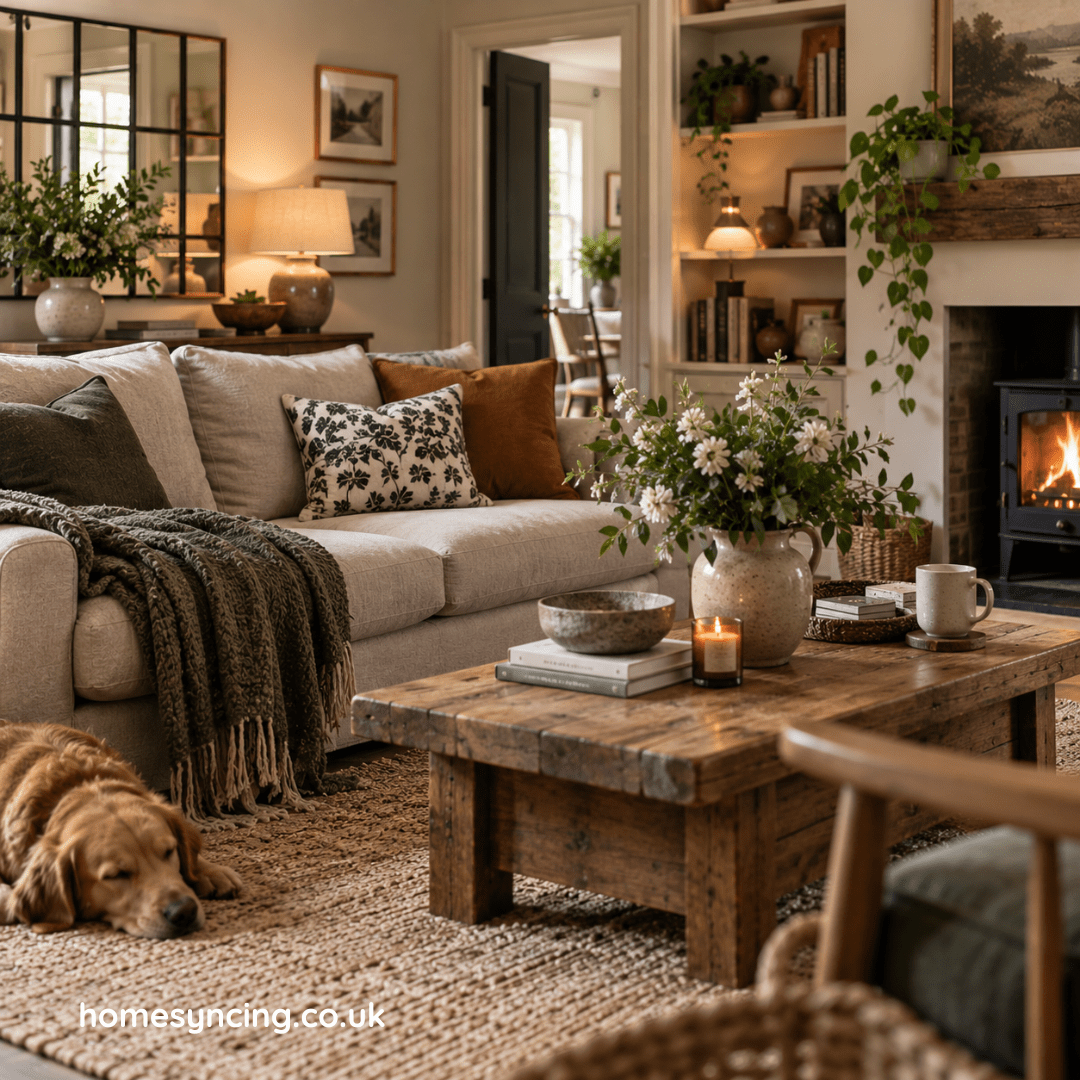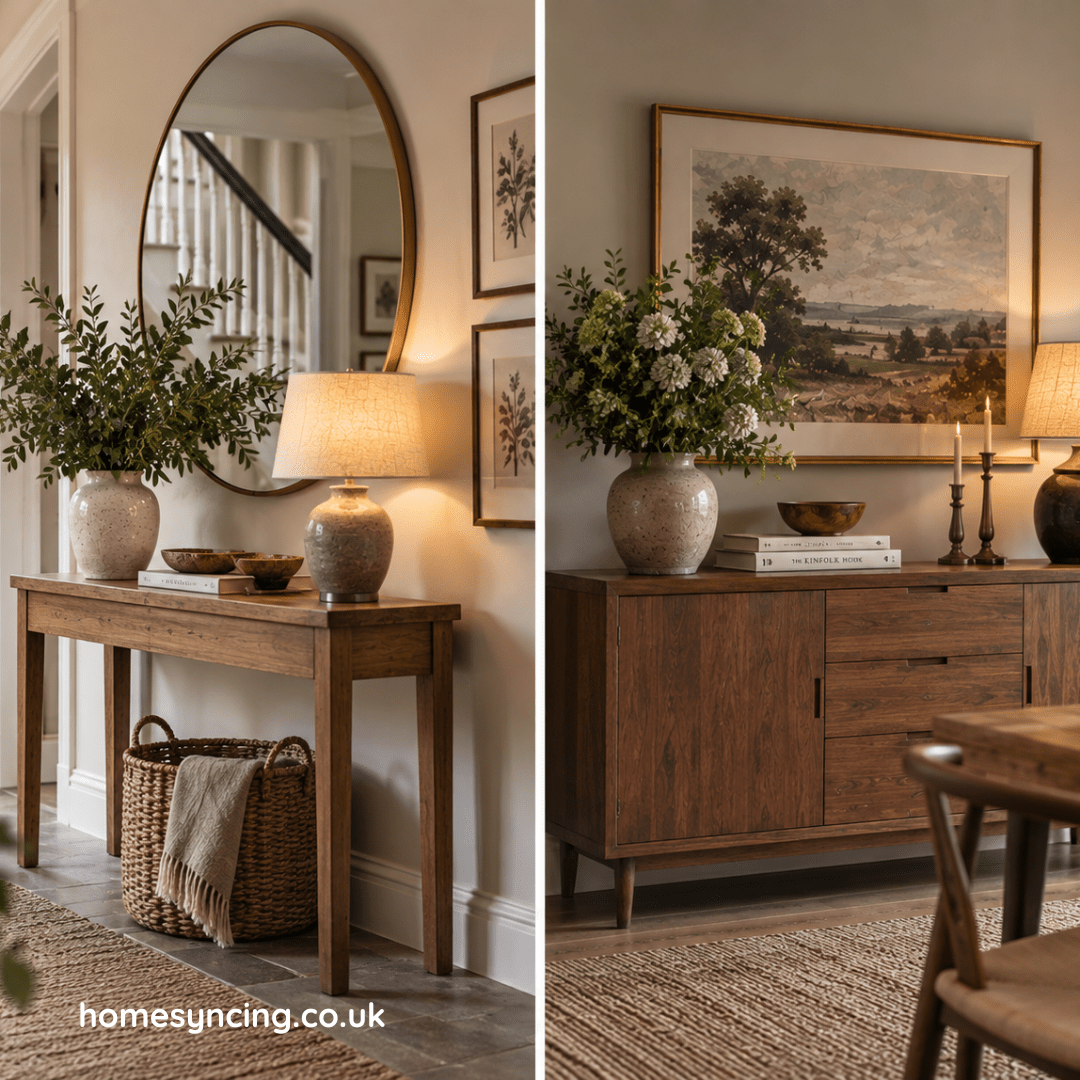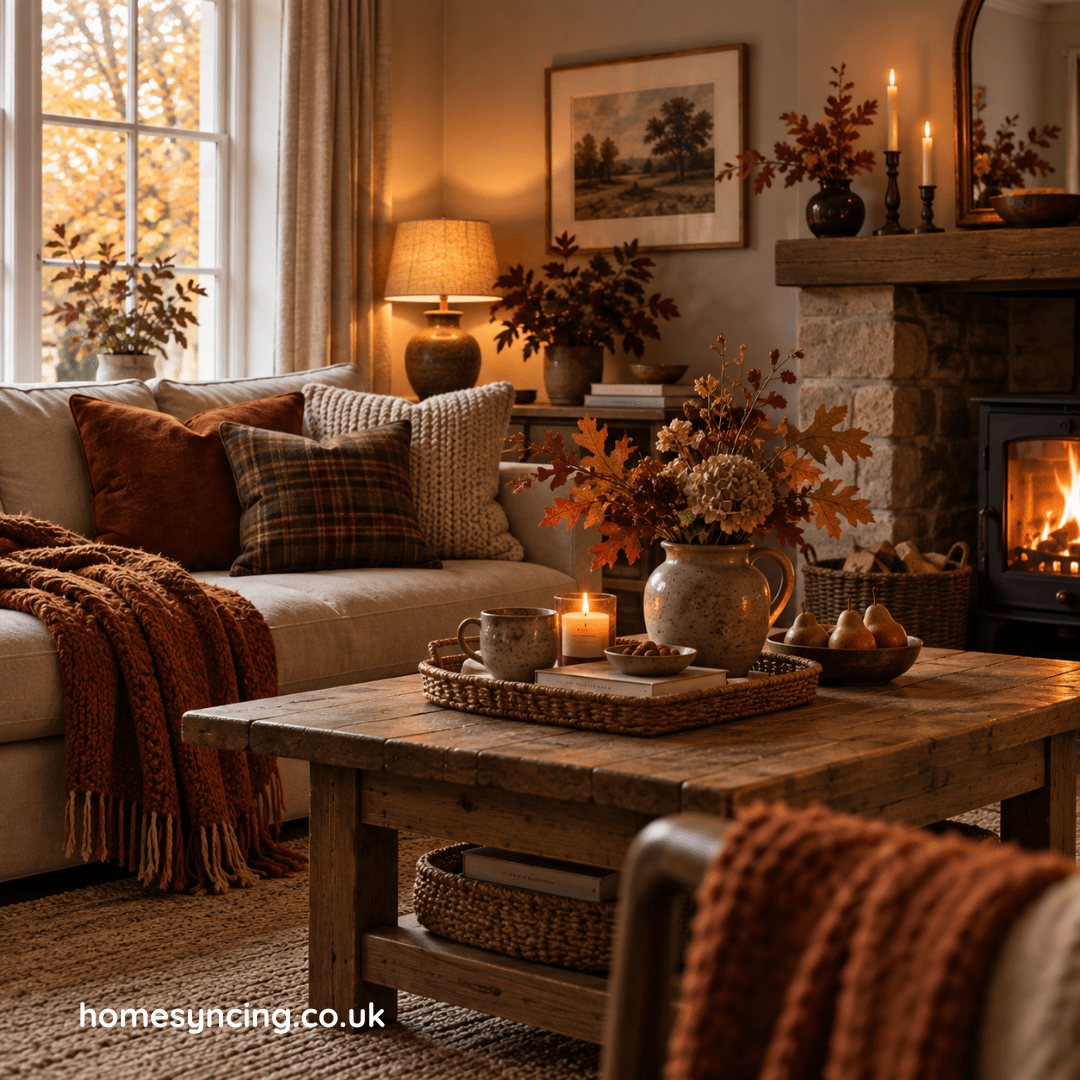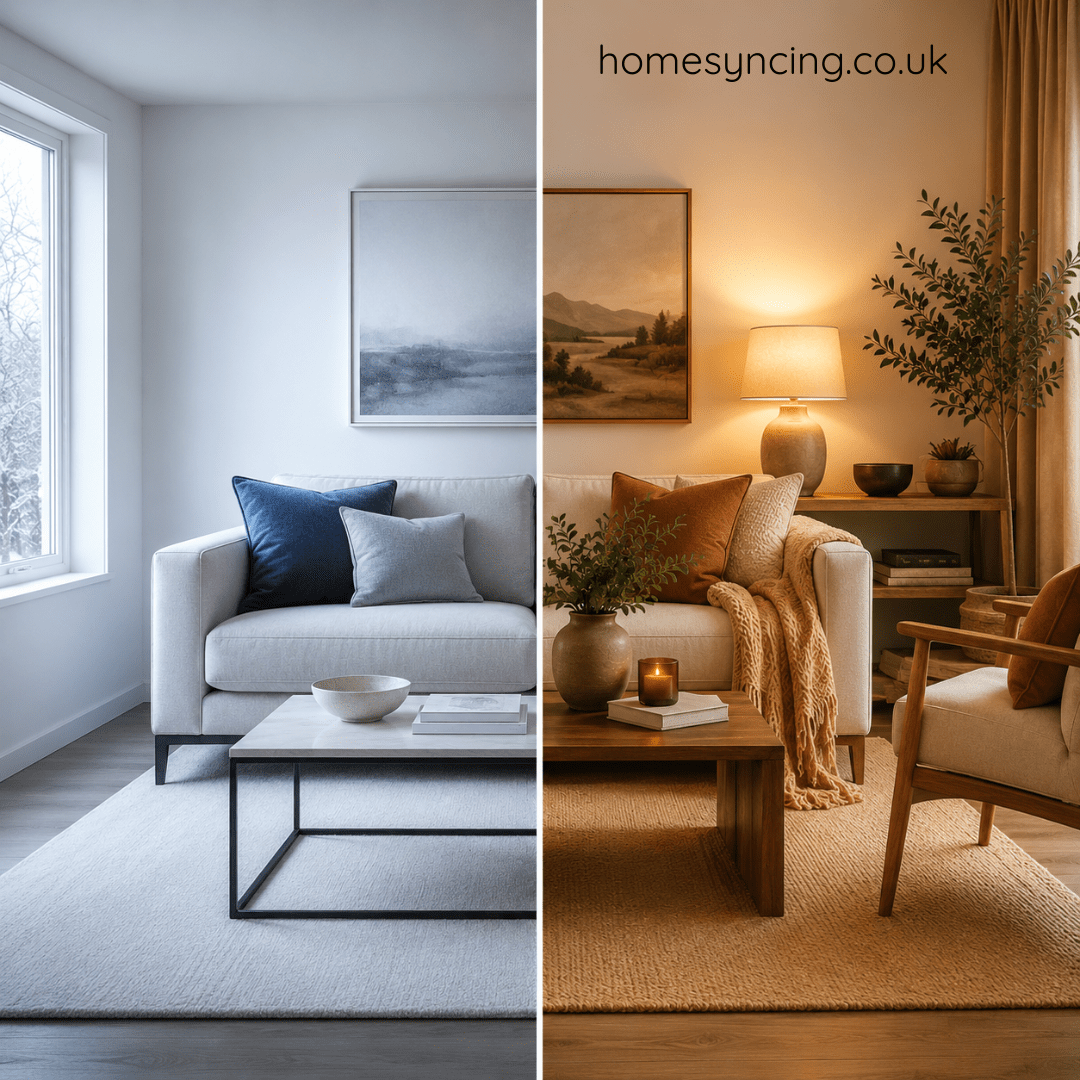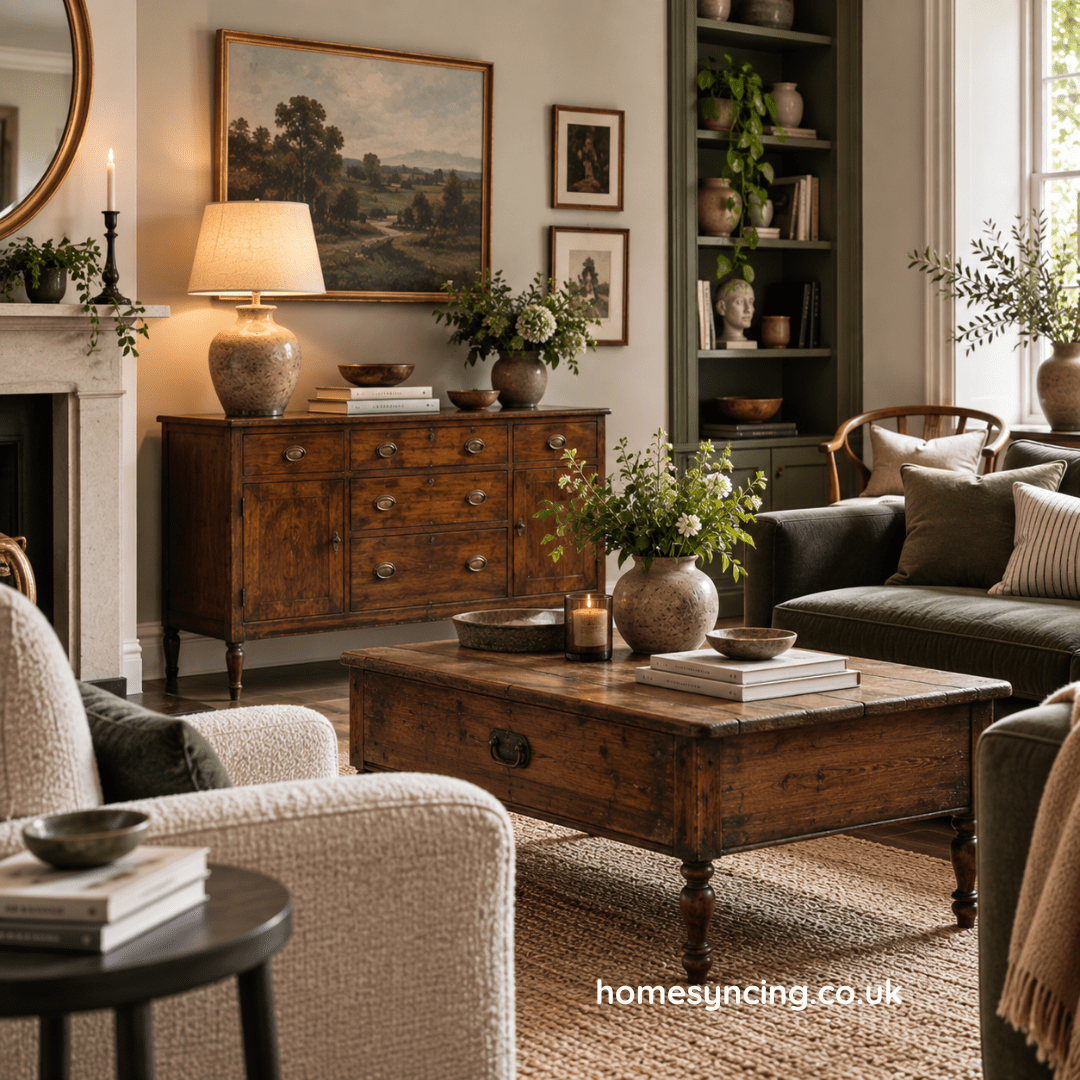
The Return of Colour: Moody & Expressive Interiors

For the best part of a decade, our homes have been dominated by the ‘Scandi’ influence. We have seen endless variations of brilliant white, soft greys, and safe, neutral oatmeal tones. While these spaces are undeniably airy and clean, the tide is turning. A new wave of interior design is crashing onto the shore, and it is bringing a sense of drama with it.

We are witnessing the return of colour. But this isn’t about bright pops of primary red or yellow. It is about deep, saturated hues that create atmosphere and emotion. It is the era of the moody, expressive aesthetic—a style that prioritises feeling over minimalism.

If you have found yourself yearning for a home that feels less like a clinic and more like a warm embrace, you are ready to explore this trend. Let’s take a look at what defines this look, how you can bring it into your own space, and why stepping over to the dark side might be the brightest idea you have had for your home.

What defines the ‘Deep and Moody’ aesthetic?

At its core, this trend is about rejecting the idea that a room must look as large and bright as possible to be beautiful. Instead, it leans into the idea of the home as a cocoon or a sanctuary.

This style draws inspiration from various sources: the opulence of the Victorian era, the relaxed vibe of a dimly lit speakeasy, and the natural, grounding tones of deep forests and twilight skies. It uses colour to blur the boundaries of a room, creating a sense of infinite depth rather than rigid boxiness.

The palette is rich and complex. Think forest greens that border on black, aubergine and burgundy, midnight navy, spiced terracotta, and chocolate browns. These are colours with weight and history. When applied correctly, they don’t just sit on the walls; they transform the mood of the room entirely, encouraging you to slow down, relax, and disconnect from the outside world.

How to achieve the look in your home

Transitioning from white walls to deep colour can feel daunting, but the results are often spectacular. Here is how to master the moody aesthetic without your home feeling like a cave.

1. Master the art of ‘Colour Drenching’

One of the most effective ways to use dark colours is a technique called colour drenching. This involves painting everything—the walls, the skirting boards, the architraves, the radiators, and sometimes even the ceiling—in the same shade.

By removing the visual breaks that white trim usually creates, you stop the eye from being drawn to the edges of the room. This makes walls appear taller and the space more cohesive. It wraps the room in colour, creating that essential cosy feeling.

2. Layer your lighting

Lighting is the secret weapon of dark interiors. If you paint a room navy blue and light it with a single, harsh overhead bulb, it will look flat and cold.

To bring deep colours to life, you need pools of warm light. Use table lamps with fabric shades, floor lamps to highlight corners, and wall sconces to wash light down the paintwork. The goal is to create shadows and highlights that show off the complexity of the colour.

3. Embrace texture and contrast

Dark colours absorb light, so you need materials that reflect it or add softness to prevent the room from feeling two-dimensional.

  • Velvet and Wool: Use plush fabrics on sofas and cushions to add softness and warmth.
  • Metals: Brass, gold, and copper accents pop beautifully against dark backgrounds, adding a touch of luxury.
  • Wood: Dark woods enhance the library feel, while lighter woods can provide a necessary contrast.

4. Curate your art

Dark walls make the perfect backdrop for artwork. A gallery wall of prints in gold or wooden frames stands out vividly against a deep green or charcoal wall. The dark paint acts as a frame itself, drawing the eye directly to your favourite pieces.

The benefits of going dark

Why are so many people trading their ‘safe’ neutrals for something so bold? The benefits extend beyond just aesthetics.

Instant atmosphere

White rooms can sometimes feel sterile or unfinished. Deep colours immediately lend a room a sense of history and gravity. A dining room painted in a rich burgundy feels instantly ready for a candlelit dinner party. A living room in deep teal feels prepared for a movie marathon. The atmosphere is built-in.

The ‘Cocooning’ effect

There is a psychological comfort in darker spaces. Just as we feel exposed in an open field but safe in a den, dark rooms satisfy a primal need for shelter. This makes deep colours particularly excellent for bedrooms, snugs, and living areas where the main activity is resting.

Hiding the imperfections

On a practical level, darker paints and busy wallpapers are excellent at masking the wear and tear of family life. Scuff marks, fingerprints, and uneven plasterwork are far more visible on a pristine white wall than they are on a surface painted in a complex, deep matte shade.

Are there any disadvantages?

While we love this look, it is important to consider your specific space before opening the paint tin.

The perception of space

The age-old rule says that “light colours expand, dark colours contract.” While colour drenching can mitigate this, a small room painted black will generally feel more intimate and enclosed. If you are claustrophobic, this might not be the style for your smallest box room. However, if you embrace the smallness, it can become a jewel box of a room.

It requires commitment

Painting a room white is easy. Painting a room deep emerald green requires preparation, multiple coats, and a steady hand. Furthermore, if you decide to change it back to a pale colour in three years, you are looking at a lot of primer. This is a design choice for those who are ready to commit to a vision.

Lighting dependency

As mentioned, these rooms rely heavily on good artificial lighting. If you live in a space with very poor natural light and you don’t want to invest in lamps and rewiring, a dark wall might make the room feel gloomy rather than moody during the day.

Ready to take the plunge?

The return of colour is an invitation to be brave with your home. It is an opportunity to stop worrying about what is “safe” or what will appeal to a future buyer, and instead create a space that moves you emotionally.

You don’t have to paint your whole house black overnight. Start small. A downstairs toilet, a hallway, or a study are perfect places to experiment with a bolder palette. Pick up a tester pot, paint a large patch, and watch how it changes throughout the day. You might just find that once you go dark, you never want to go back to white again.

Further Reading: Affordable Decorating Ideas That Will Transform Your HomeSustainable Chic: A Beginner’s Guide to Circular Design

Daily Inspiration: Follow Us on Instagram, BlueSkyThreads , PinterestTwitterTikTok

Biophilic Design v2: Beyond the Potted Plant

Have you ever walked into a room and immediately felt your shoulders drop an inch? Perhaps it wasn’t the furniture or the colour of the walls, but something more elemental. Maybe it was the way the light filtered through the blinds, mimicking dappled sunshine through leaves, or the raw texture of a wooden table under your fingertips.

This feeling of calm connection is the essence of biophilic design. But if you think this trend starts and ends with a lonely succulent on a windowsill, think again. We are entering the era of Biophilic Design 2.0—a movement that goes far deeper than simply adding greenery to a space. It is about weaving the patterns, rhythms, and textures of the natural world into the very fabric of our homes and workplaces.

What is Biophilic Design 2.0?

Biophilia, a term popularised by biologist E.O. Wilson, refers to the innate human tendency to seek connections with nature. The first wave of biophilic design in interiors focused heavily on the obvious: plant walls, office jungles, and ample use of the colour green. While these are wonderful elements, Biophilic Design 2.0 is a more holistic evolution.

It moves beyond the decorative application of nature and focuses on the experience of nature. It asks questions like: How does the air move in this room? How does the light change throughout the day? Does the space sound soft and organic, or hard and artificial?

This evolution prioritises three main pillars:

  1. Nature in the Space: Direct physical presence of nature (plants, water, animals).
  2. Natural Analogues: Organic, non-living and indirect evocations of nature (natural shapes, wood, stone).
  3. Nature of the Space: Spatial configurations that mimic natural environments (prospect, refuge, mystery).

It is about creating environments that support our biological rhythms and psychological well-being, rather than just offering a pretty backdrop for a Zoom call.

How to Achieve Biophilic Design 2.0

Transforming your home into a sanctuary doesn’t require a total renovation. By focusing on sensory inputs and natural rhythms, you can achieve a profound shift in atmosphere.

Embrace “Perfectly Imperfect” Textures

Nature is rarely smooth or uniform. A forest floor is a chaotic mix of crunch and soft moss; a river stone is worn but irregular. To mimic this, steer clear of high-gloss, sterile finishes. Instead, opt for materials that invite touch and show their history.

  • Raw Wood: Choose timber with visible grain and knots. Reclaimed wood adds instant warmth and history.
  • Stone and Clay: Use unpolished stone for countertops or terracotta tiles for flooring. These materials ground a space and provide tactile feedback that synthetic materials cannot match.
  • Natural Fibres: Layer wool rugs, linen curtains, and rattan furniture. These textures soften acoustics and create a cosy “cocooning” effect.

Master the Light

Lighting is perhaps the most crucial element of Biophilic Design 2.0. Our circadian rhythms—our internal body clocks—are governed by the sun. Artificial, static lighting confuses these rhythms, leading to fatigue and poor sleep.

  • Maximise Daylighting: Keep window treatments sheer to allow natural light to flood in during the day. Place mirrors strategically to bounce sunlight into darker corners.
  • Dynamic Lighting: Install dimmer switches and use bulbs that can change colour temperature. Mimic the sun by using bright, cool light in the morning for focus, and transitioning to warm, amber glows in the evening to signal rest.
  • Dappled Light: Use light fixtures that cast shadows, similar to light filtering through a tree canopy. This creates visual interest and a sense of movement.

Curate Organic Shapes

In nature, straight lines and sharp 90-degree angles are the exception, not the rule. Our eyes find curves and organic forms easier to process, leading to a subconscious sense of ease.

  • Soft Edges: Choose round coffee tables, curved sofas, or arched mirrors.
  • Fractal Patterns: Look for wallpapers or fabrics that feature repeating but varying patterns, like fern leaves or snowflakes. These are visually stimulating without being overwhelming.
  • Fluid Layouts: Arrange furniture to allow for a flowing path through the room, rather than rigid, grid-like corridors.

The Benefits of a Nature-Connected Home

Why go to this effort? The impact of biophilic design is backed by robust scientific research. It isn’t just about aesthetics; it is about health.

Reduced Stress and Anxiety

Multiple studies have shown that exposure to natural elements lowers cortisol levels (the stress hormone) and reduces heart rate. A space rich in wood and natural light acts as a passive stress reliever, helping you unwind the moment you step through the door.

Enhanced Creativity and Focus

Have you ever had your best ideas while on a walk? Natural environments restore our cognitive functions. By bringing these elements into your workspace, you can combat mental fatigue. This “attention restoration” leads to better concentration and improved problem-solving abilities.

Better Sleep and Recovery

By aligning your indoor lighting with natural circadian rhythms and using materials that improve air quality, you create an environment conducive to rest. This is particularly vital in bedrooms, where the goal is deep, restorative sleep.

Are There Any Disadvantages?

While the benefits are compelling, it is important to approach Biophilic Design 2.0 with a practical mindset.

  • Maintenance: Natural materials often require more care than their synthetic counterparts. Wood needs oiling, stone needs sealing, and, yes, plants need watering.
  • Cost: High-quality natural materials like solid oak or marble can be more expensive upfront than laminate or plastic. However, their longevity often offers better value over time.
  • Sustainability Check: Just because something is “natural” doesn’t mean it’s eco-friendly. Always check the source. Is the timber FSC-certified? Is the stone quarried locally or shipped halfway across the world? True biophilic design respects the nature it seeks to emulate.

Create Your Sanctuary

Biophilic Design 2.0 is an invitation to slow down and notice the world around you. It challenges us to build spaces that feel as good as they look.

Start small. Swap a plastic chair for a wooden one. Open the curtains. touch the surfaces in your home and ask yourself if they feel cold or welcoming. By prioritising our innate connection to the earth, we can create homes that heal, inspire, and endure.

Ready to bring the outdoors in? Explore our collection of handcrafted, natural furniture and start building your sanctuary today.

Further Reading: Affordable Decorating Ideas That Will Transform Your HomeSustainable Chic: A Beginner’s Guide to Circular Design

Daily Inspiration: Follow Us on Instagram, BlueSkyThreads , PinterestTwitterTikTok

Make Every Square Metre Count: Multifunctional Spaces

Our homes have always been our sanctuaries. They are where we rest, gather with loved ones, and escape the outside world. But recently, our living spaces have had to work much harder. The spare room is now a yoga studio, the kitchen table doubles as a conference room, and the living room corner has become a dedicated study zone.

As our lives become more hybrid—blending remote work, hobbies, and relaxation—our homes must adapt to match. We no longer have the luxury of rooms that serve a single purpose. Instead, we are looking for fluidity. We need spaces that can shift gears as quickly as we do, moving seamlessly from a 9-to-5 workspace to a cosy evening retreat.

Creating a multifunctional home isn’t just about squeezing a desk into a hallway. It is about clever design, intentional zoning, and choosing furniture that earns its keep. Let’s explore how you can transform your home into a flexible haven that supports every aspect of your hybrid life.

Understanding the Multifunctional Space

At its core, a multifunctional space is a room or area designed to serve two or more distinct purposes. However, successful multifunctional design goes beyond simply placing a treadmill next to a sofa. It requires a thoughtful approach to layout and atmosphere.

A truly successful dual-purpose room allows you to perform different activities without them clashing. Ideally, the design should allow you to “pack away” one function when it is time to engage in another. For example, a home office in a bedroom should not remind you of unread emails while you are trying to sleep. A playroom in the lounge should not feel cluttered with toys when you are hosting a dinner party.

The goal is to create harmony. By prioritising flexibility, you can ensure your home feels spacious and organised, regardless of the square footage.

Strategies for Creating Flexible Rooms

Achieving a multifunctional home requires a blend of creativity and practicality. Whether you live in a compact city flat or a sprawling family house, these strategies will help you unlock the potential of your space.

1. Master the Art of Zoning

Zoning is the secret weapon of interior designers. It involves visually breaking up a room into distinct areas dedicated to specific tasks. You do not need to build walls to achieve this; you can use soft furnishings and decor to draw the lines.

  • Rug Placement: Use area rugs to anchor furniture groupings. A large, textured rug can define a seating area, while a smaller, flat-weave rug can mark out a workspace.
  • Lighting: Lighting sets the mood. Use bright task lighting for desk areas and reading nooks, but switch to softer, ambient lamps for relaxation zones. Dimmers are essential for changing the atmosphere instantly.
  • Colour Blocking: Paint a specific corner or alcove in a contrasting colour to signal a change in function. A deep green arch painted behind a desk can mentally separate work from the rest of a neutral living room.

2. Choose Hardworking Furniture

When space is at a premium, every piece of furniture must justify its footprint. Look for designs that offer hidden storage or can change shape to suit the occasion.

  • Extendable Tables: A console table that expands into a dining table is perfect for those who only host occasionally.
  • Storage Ottomans: These are the ultimate multitaskers. They serve as footrests, extra seating for guests, and storage for blankets, toys, or gym equipment.
  • Sofa Beds: Modern sofa beds have come a long way. Choose a model that looks stylish as a sofa but unfolds easily to accommodate overnight guests.
  • Fold-down Desks: Wall-mounted desks that fold flat against the wall are ideal for narrow spaces or bedrooms, allowing you to reclaim the floor space once the workday is done.

3. Utilise Vertical Space

When you cannot spread out, look up. Your walls offer valuable real estate for storage and functionality without eating into your floor plan.

Install floor-to-ceiling shelving units to maximise storage. Use lower shelves for items you need daily, like books or baskets of toys, and reserve the higher shelves for decorative items or archival storage. In a kitchen-diner, vertical storage can hold crockery on one side and office supplies on the other, blending the two functions effortlessly.

4. Divide and Conquer

Sometimes, you need a physical barrier to separate activities. Room dividers offer privacy and structure without blocking light or closing off the space permanently.

Open shelving units work beautifully as dividers. They delineate zones while keeping the room feeling airy. Alternatively, folding screens or curtains can be pulled across to hide a workspace or a messy hobby corner at the end of the day, instantly restoring calm to the room.

The Benefits of a Hybrid Home

Embracing multifunctional design brings a wealth of advantages to your lifestyle.

Maximising Potential

The most obvious benefit is efficiency. By making rooms work double-time, you effectively increase the usable square footage of your home. A guest room that sits empty for 50 weeks of the year is a wasted opportunity. By adding a desk and a comfortable reading chair, that room becomes a daily sanctuary rather than an occasional convenience.

Future-Proofing

Life changes, and your home should be able to keep up. A multifunctional approach gives you the flexibility to adapt. A nursery can evolve into a home office; a dining room can become a craft space. When you design for flexibility, you ensure your home remains useful and relevant for years to come.

Tidier Living

Multifunctional spaces demand organization. To make them work, you must adopt smart storage solutions. This naturally encourages a clutter-free environment. When everything has a dedicated home—hidden away in an ottoman or tucked into a cupboard—your living areas feel more serene and spacious.

Potential Disadvantages to Consider

While the benefits are significant, living in a multifunctional home does present challenges. It is helpful to be aware of these so you can design around them.

The “Always On” Feeling

One of the biggest risks of hybrid spaces, particularly regarding home offices, is the inability to switch off. If your desk is in your living room, it acts as a constant visual reminder of your to-do list.

  • The Fix: Ensure your work setup can be hidden. Use a cupboard desk (a “cloffice”), a screen, or simply a disciplined routine of clearing your laptop away into a drawer every evening.

Noise and Distraction

Open-plan, multifunctional living can be noisy. Someone trying to watch television while another person cooks or takes a call can lead to friction.

  • The Fix: Incorporate soft materials like curtains, cushions, and rugs to absorb sound. If possible, use headphones for work calls or entertainment to respect shared zones.

Constant Resetting

A room that serves two purposes often needs to be “reset” between activities. Moving a dining table to exercise or clearing away a craft project to eat dinner can become tiresome.

  • The Fix: Choose the path of least resistance. Select furniture that is easy to move (on wheels, perhaps) and ensure storage is immediately accessible so tidying up takes seconds, not minutes.

Reclaim Your Space

Your home is unique, and the way you use it should reflect your personal rhythm. Whether you are carving out a reading nook in a hallway or turning a kitchen island into a homework station, the key is intentionality.

Start small. Look at one room in your home that feels underused or cluttered. Could better zoning or a smarter piece of furniture unlock its potential? With a little imagination and some clever design choices, you can create a home that supports every facet of your hybrid life—inviting creativity, productivity, and rest in equal measure.

Ready to transform your home? Browse our collection of versatile storage solutions and modular furniture to find the perfect pieces for your space.

Further Reading: Affordable Decorating Ideas That Will Transform Your HomeSustainable Chic: A Beginner’s Guide to Circular Design

Daily Inspiration: Follow Us on Instagram, BlueSkyThreads , PinterestTwitterTikTok

Sustainable Chic: A Beginner’s Guide to Circular Design

Have you ever looked at a wardrobe bursting with clothes yet felt you had nothing to wear? You are not alone. For decades, the fashion industry has operated on a straight line: we take resources, make a garment, wear it for a short while, and then throw it away. This ‘take-make-waste’ model has left us with overflowing landfills and a planet under pressure. But a refreshing change is sweeping through the design world, and it promises to transform how we dress and live.

Enter circular design. It is a philosophy that looks to nature for inspiration. In the natural world, waste does not exist; one organism’s waste becomes another’s food. A fallen leaf nourishes the soil, which feeds the tree, which grows a new leaf. Circular design aims to replicate this regenerative cycle in our closets and homes. It invites us to rethink our relationship with the things we own, moving away from disposable culture toward a system where materials are kept in use for as long as possible.

Embracing this approach doesn’t mean sacrificing style. In fact, it opens the door to higher quality, innovation, and creativity. It is about curating a lifestyle that looks good and does good. Whether you are a budding designer or a conscious consumer, understanding circularity is the first step toward a more sustainable, stylish future. Let’s explore what this concept means and how it is reshaping the world of design.

What is circular design?

To understand circular design, we must first look at the system we are trying to replace. The traditional ‘linear’ economy is a one-way street. Raw materials are extracted, turned into products, used briefly, and discarded. It is a model with a distinct beginning and a definitive, often messy, end.

Circular design bends that line into a loop. It is a strategy where products are created with their entire lifecycle in mind. The goal is to design out waste and pollution, keep products and materials in use, and regenerate natural systems. In a circular model, a product is never just ‘finished’. When a garment is worn out, it is not trash; it is a resource bank for the next generation of products.

Think of it as a continuous journey. A cotton shirt is designed to be durable. When it can no longer be worn, it is repaired. When it can no longer be repaired, it is broken down into fibres to be spun into new yarn. If it cannot be recycled, it is composted to return nutrients to the earth. This approach requires designers to think ahead, anticipating how an item will be used, reused, and eventually unmade.

How to achieve circularity

Achieving a truly circular system requires a shift in mindset and methods. It is not just about recycling; it is about rewriting the rules of creation. Here are the core principles that designers and brands use to bring circularity to life.

Design for durability

The most sustainable product is the one you already own. Therefore, the first step in circular design is creating items that last. This means using robust, high-quality materials and construction techniques that withstand wear and tear. It pushes back against the trend of planned obsolescence, where items are designed to break or go out of style quickly. For the consumer, this translates to investing in timeless pieces—classic trench coats, solid wood furniture, or leather boots—that age beautifully and stay functional for years.

Material selection

The ingredients matter. Circular design prioritises renewable, non-toxic resources that are safe for both people and the planet. Designers are increasingly turning to mono-materials (products made from a single type of material) because they are much easier to recycle. For example, a 100% cotton t-shirt is far simpler to process than a poly-cotton blend. Innovative materials are also taking centre stage, from leather alternatives made from pineapple leaves to fabrics creating from ocean plastics.

Design for disassembly

Have you ever tried to separate the components of an old gadget or a pair of trainers? It is often impossible because of strong glues and permanent fixtures. Circular design champions ‘design for disassembly’. This means creating products that can be easily taken apart. Ideally, buttons can be unscrewed, zippers removed, and soles separated from uppers. This modular approach allows for easy repairs—replacing a broken part rather than the whole item—and ensures that materials can be efficiently sorted for recycling at the end of their life.

New business models

Achieving circularity also involves changing how we access products. We are seeing a rise in rental platforms, subscription services, and resale markets. Instead of owning a dress for a one-off event, you might rent it. Brands are launching ‘take-back’ schemes, encouraging customers to return old items for store credit so the brand can responsibly recycle or resell them. This shifts the focus from ownership to access and stewardship.

The benefits of going circular

Transitioning to a circular model offers profound rewards that extend far beyond the environment. It creates a ripple effect of positive change.

Environmental restoration

The most obvious benefit is a drastic reduction in waste. By keeping materials in the loop, we reduce the need for landfills and incineration. It also lessens our dependence on virgin resources. If we recycle existing cotton, we don’t need to grow as much new cotton, saving vast amounts of water and pesticides. Furthermore, circular systems generally have a lower carbon footprint, helping to combat climate change.

Economic opportunities

Circular design drives innovation. It challenges businesses to invent new materials and technologies, sparking creativity and growth. It creates new jobs in repair, refurbishment, and recycling sectors. For companies, it offers supply chain security; by reclaiming materials, they are less vulnerable to fluctuating raw material prices.

Consumer satisfaction

For you, the shopper, circular design means better products. It signals a return to quality and craftsmanship. You get items that fit better, last longer, and hold their value. There is also a distinct emotional benefit—the peace of mind that comes from knowing your choices are contributing to a healthy planet. It invites a deeper connection with your belongings, encouraging you to cherish, care for, and mend them.

The challenges and disadvantages

While the vision of a circular economy is inspiring, the path to get there is not without obstacles. It is important to acknowledge the hurdles we face in making this the industry standard.

Higher initial costs

Currently, producing circular goods can be more expensive. Sourcing ethical materials, ensuring fair labour practices, and implementing take-back schemes require significant investment. Consequently, the price tag on sustainable items is often higher than fast fashion alternatives. While this cost pays off over time through durability, it can be a barrier for budget-conscious shoppers.

Complexity in recycling

Technologically, we are still catching up. Recycling certain materials is difficult. As mentioned, blended fabrics are notoriously hard to separate. While chemical recycling technologies are improving, they are not yet available at a scale that can handle the sheer volume of global textile waste. We need better infrastructure to collect, sort, and process these materials efficiently.

A shift in consumer behaviour

Circular design demands a change in habits. We have been conditioned to crave the ‘new’ constantly. Embracing circularity means slowing down. It requires us to repair a tear rather than buying a replacement, or to choose a second-hand item over a brand new one. Changing cultural norms and valuing longevity over novelty takes time and education.

Create your own circular wardrobe

The journey toward a circular future is exciting, and you have a vital role to play. You don’t need to be a designer to champion this movement. Start by looking at what you already own with fresh eyes. Can you repair that button? Could you dye that faded shirt a new colour?

When you do shop, ask questions. Look for natural fibres, check for durability, and see if the brand offers a take-back scheme. Explore rental options for special occasions and discover the treasure trove of pre-loved fashion. Every small choice sends a signal that you value a world where nothing goes to waste.

Embrace the beauty of longevity. Care for your clothes, share them, and keep the cycle spinning.

Further Reading: Affordable Decorating Ideas That Will Transform Your Home Sustainable Chic: A Beginner’s Guide to Circular Design, Biophilic Design v2: Beyond the Potted Plant, Make Every Square Metre Count: Multifunctional Spaces

Daily Inspiration: Follow Us on Instagram, BlueSkyThreads , PinterestTwitterTikTok

Tweed in Interior Design: Timeless Texture Meets Modern Style

When you think of tweed, perhaps images of countryside estates, tailored blazers or vintage hunting jackets come to mind. But this distinctive fabric has found a new life beyond the wardrobe. Tweed is making a powerful statement in interior design, bringing warmth, texture, and heritage into contemporary homes. Whether adorning an armchair, cushioning a sofa or adding character to wall panels, tweed offers a unique blend of rustic charm and refined elegance that few materials can match.

This guide explores the rich history of tweed, its defining characteristics, and how you can incorporate this classic textile into your home. From subtle accents to bold upholstery choices, tweed proves itself as versatile as it is enduring.

What is Tweed?

Tweed is a rough-textured woollen fabric, traditionally woven with a plain or twill weave and characterised by its soft, open texture. The fabric often features flecked patterns created by weaving together yarns of different colours, which gives tweed its signature depth and visual interest. Typically made from wool, tweed is known for its durability, warmth, and resistance to wind and water—qualities that made it indispensable in its country of origin.

The term “tweed” is believed to have originated from a misreading of the Scottish word “tweel” (the Scots word for twill). Another theory suggests the name derives from the River Tweed, which flows through the Scottish Borders where much of the fabric was historically produced. Regardless of its etymological roots, tweed has become synonymous with Scotland and the British Isles.

A Brief History of Tweed

Tweed’s story begins in the rural communities of Scotland and Ireland during the 18th and 19th centuries. Woven by hand on traditional looms, it was originally created as practical clothing for farmers, shepherds, and estate workers who needed protection from harsh weather. The fabric’s robust nature and insulating properties made it ideal for outdoor work.

By the Victorian era, tweed had transcended its utilitarian beginnings. Scottish landowners and the British aristocracy adopted it for country pursuits such as hunting, shooting, and fishing. Queen Victoria’s fondness for all things Scottish during her reign further elevated tweed’s status. Her purchase of Balmoral Castle in 1852 sparked a fashion for Highland dress and Scottish textiles, cementing tweed’s place in fashionable society.

Different regions developed their own distinctive tweeds. Harris Tweed, handwoven by islanders in the Outer Hebrides, became particularly renowned and is now protected by an Act of Parliament. Donegal tweed from Ireland features colourful flecks and slubs, while Cheviot tweed takes its name from the sheep breed native to the border hills between England and Scotland.

Throughout the 20th century, tweed remained a staple of country attire and academic dress. Fashion designers like Coco Chanel famously reimagined tweed for women’s wear in the 1920s, creating elegant suits that became iconic. More recently, tweed has experienced a renaissance in both fashion and interiors, appreciated for its texture, heritage, and sustainable qualities.

How to Use Tweed in Interior Design

Tweed brings a tactile richness to interiors that few other fabrics can replicate. Its textured surface catches light beautifully, creating depth and visual interest. The natural fibres lend warmth and authenticity, whilst the traditional patterns provide a connection to craft and history. Here’s how to harness tweed’s potential in your home.

Creating Atmosphere with Texture

Tweed excels at adding layers of texture to a room. Its woven surface introduces a tactile element that invites touch and creates visual complexity. When paired with smooth surfaces like polished wood, glass, or metal, tweed provides contrast that makes spaces feel more balanced and considered.

Consider the overall mood you wish to create. Tweed in earthy tones—browns, greys, mossy greens—evokes countryside retreats and cosy libraries. These colours work particularly well in studies, living rooms, and bedrooms where a sense of refuge is desired. Lighter tweeds in cream, oatmeal, or soft grey can brighten spaces whilst maintaining texture and warmth, making them suitable for both traditional and contemporary settings.

For those seeking drama, tweed in deeper hues such as charcoal, navy, or forest green can anchor a room and provide a sophisticated backdrop. These darker shades work especially well in larger pieces like sofas or curtains, where they create impact without overwhelming the space.

Balancing Traditional and Modern

One of tweed’s greatest strengths is its ability to bridge different design eras. In traditional interiors, tweed feels entirely at home alongside dark woods, leather, and brass fixtures. It reinforces the heritage aesthetic without appearing costume-like or contrived.

In modern and contemporary spaces, tweed introduces an unexpected element that adds warmth and prevents interiors from feeling stark or impersonal. A tweed-upholstered chair in a minimalist room becomes a statement piece, its texture and pattern providing focal interest. Similarly, tweed cushions on a sleek modern sofa can soften the lines whilst adding personality.

Mixing tweed with other natural materials creates harmony. Pair it with linen, leather, wood, stone, or wool for a cohesive look that celebrates natural textures. Avoid overwhelming a room with too many competing patterns—if you’re using a heavily flecked tweed, balance it with solid colours or subtle textures elsewhere.

Interior Design Ideas Using Tweed

Ready to introduce tweed into your home? Here are some inspiring ways to incorporate this classic fabric across different rooms and applications.

Upholstered Furniture

Tweed-covered furniture makes a lasting impression. A statement armchair upholstered in Harris Tweed becomes an heirloom piece, combining comfort with craftsmanship. The fabric’s durability means it can withstand daily use whilst developing character over time.

Sofas upholstered in tweed anchor living rooms beautifully. Choose a classic herringbone pattern in neutral tones for versatility, or select a more vibrant Donegal tweed if you want your sofa to become the room’s focal point. Tweed’s texture hides minor wear better than smooth fabrics, making it practical for family homes.

For a more subtle approach, consider an ottoman or footstool in tweed. These smaller pieces allow you to experiment with the fabric without committing to a large upholstery project. They’re also easier to reposition, letting you move colour and texture around your space as your mood or dĂ©cor changes.

Soft Furnishings and Accessories

If reupholstering furniture feels too permanent, soft furnishings offer an accessible entry point. Tweed cushions scattered across a sofa or bed instantly add depth and interest. Mix different tweed patterns and colours for an eclectic, layered look, or stick to a single shade for understated elegance.

Throws and blankets in tweed provide both visual appeal and practical warmth. Draped over the arm of a chair or folded at the foot of a bed, they invite use whilst contributing to the room’s aesthetic. Tweed curtains or Roman blinds introduce pattern and texture to windows, softening hard architectural elements whilst providing privacy and insulation.

Even smaller accessories can make an impact. Tweed lampshades diffuse light beautifully, creating a warm glow. Covered storage boxes or book covers in tweed add coordinated texture to shelves and surfaces.

Wall Treatments and Panels

For those seeking something truly distinctive, tweed wall panels create a striking effect. Upholstered wall panels in a study or library add acoustic softening whilst enveloping the room in texture. The fabric’s natural insulation properties also provide subtle warmth.

Alternatively, use tweed as a headboard covering. Stretching tweed across a simple frame creates an upholstered headboard that adds softness and luxury to a bedroom. Choose a herringbone or check pattern for visual interest, or opt for a heathered solid if you prefer subtlety.

Tweed can even be framed as textile art. A beautiful piece of Harris Tweed or vintage Donegal tweed mounted in a simple frame becomes a sculptural wall hanging, celebrating the fabric’s pattern and weave.

Green Tweed Upholstered Deep Button Chesterfield Armchair.

Dining Spaces

Tweed brings unexpected warmth to dining areas. Chair seats upholstered in tweed transform ordinary dining chairs into characterful seating. The fabric’s durability makes it practical for this high-use application, whilst its texture adds visual richness.

For a more temporary update, consider tweed chair pads or seat cushions tied to chair backs. These can be changed seasonally or when you fancy a refresh. Table runners in tweed (or tweed-look fabrics) can also introduce texture to tablescapes, particularly effective for autumn and winter entertaining.

Tweed-Finished Furniture and Styling Your Home

Pre-finished tweed furniture offers convenience for those who want the look without undertaking upholstery projects. Many furniture makers and retailers now offer pieces featuring tweed or tweed-inspired fabrics, making it easier than ever to incorporate this textile into your home.

Choosing Ready-Made Tweed Pieces

When selecting tweed furniture, examine the quality of both the fabric and the construction. Authentic Harris Tweed bears a certification label guaranteeing it was handwoven in the Outer Hebrides from pure virgin wool. This marks a piece of genuine heritage and ensures durability.

For other tweeds, check the composition. Pure wool provides the best wearing qualities, though wool blends with a small percentage of synthetic fibres can offer easier care. Feel the fabric—it should be substantial without being stiff, with a pleasant texture against the hand.

Consider the furniture’s frame and construction as well. A beautifully upholstered chair deserves a sturdy foundation. Look for hardwood frames, proper springing, and quality foam or traditional stuffing. Well-made tweed furniture should last for decades, developing a pleasing patina rather than showing shabby wear.

Styling Tweed in Your Home

Once you’ve acquired tweed pieces, thoughtful styling brings out their best qualities. In a living room, position a tweed armchair near a window where natural light can highlight the fabric’s texture and colour variations. Pair it with a reading lamp and a small side table to create an inviting reading nook.

Layer your tweed furniture with complementary textiles. A sheepskin throw draped over a tweed chair adds luxury and warmth. Velvet or linen cushions provide textural contrast whilst picking up colours from the tweed’s flecked pattern.

Surrounding materials matter too. Tweed looks particularly handsome against exposed wood—whether polished floorboards, rustic ceiling beams, or wooden furniture. The natural affinity between wood and wool creates harmonious compositions. Stone and brick also complement tweed beautifully, reinforcing the fabric’s connection to natural materials and rural landscapes.

Don’t shy away from mixing tweed with more refined elements. A tweed chair can hold its own in a room featuring crystal chandeliers, gilt mirrors, or silk curtains. This juxtaposition of rustic and refined creates depth and prevents interiors from feeling one-dimensional.

Caring for Tweed

Proper care ensures your tweed furnishings remain beautiful for years. Regular vacuuming with an upholstery attachment prevents dust from settling into the weave. For spills, blot immediately with a clean, absorbent cloth—avoid rubbing, which can damage the fibres or spread the stain.

Most tweeds are dry-clean only, so consult a professional for deep cleaning or stain removal. Between cleanings, refresh upholstered pieces by taking cushions outdoors on a dry day and giving them a gentle beating to release dust. The fresh air will also help dissipate any lingering odours.

Rotate cushions regularly to ensure even wear. If your tweed piece receives direct sunlight, consider using window treatments to prevent fading. Though tweed is remarkably durable, these simple practices will extend its life and maintain its appearance.

Embracing Heritage in Modern Homes

Tweed’s journey from Highland hillsides to contemporary interiors reflects our enduring appreciation for materials that combine beauty with purpose. Its texture tells stories of craft traditions, rural landscapes, and the skilled hands that worked the looms. When you choose tweed for your home, you’re not simply selecting a fabric—you’re bringing in a piece of cultural heritage that adds depth and meaning to your surroundings.

Whether you opt for a single statement chair or layer tweed throughout your rooms, this distinctive textile rewards those willing to embrace its character. Its natural warmth, visual interest, and remarkable durability make it a wise choice for homes that value substance alongside style.

As you consider your next interior update, look beyond fleeting trends to materials with proven longevity. Tweed has weathered centuries of changing fashions because it offers something timeless: honest beauty rooted in craft and landscape. Your home deserves furnishings that will grow more beloved with age. Tweed delivers exactly that.

Further Reading: Affordable Decorating Ideas That Will Transform Your Home

Daily Inspiration: Follow Us on Instagram, BlueSkyThreads , PinterestTwitterTikTok

Translate »