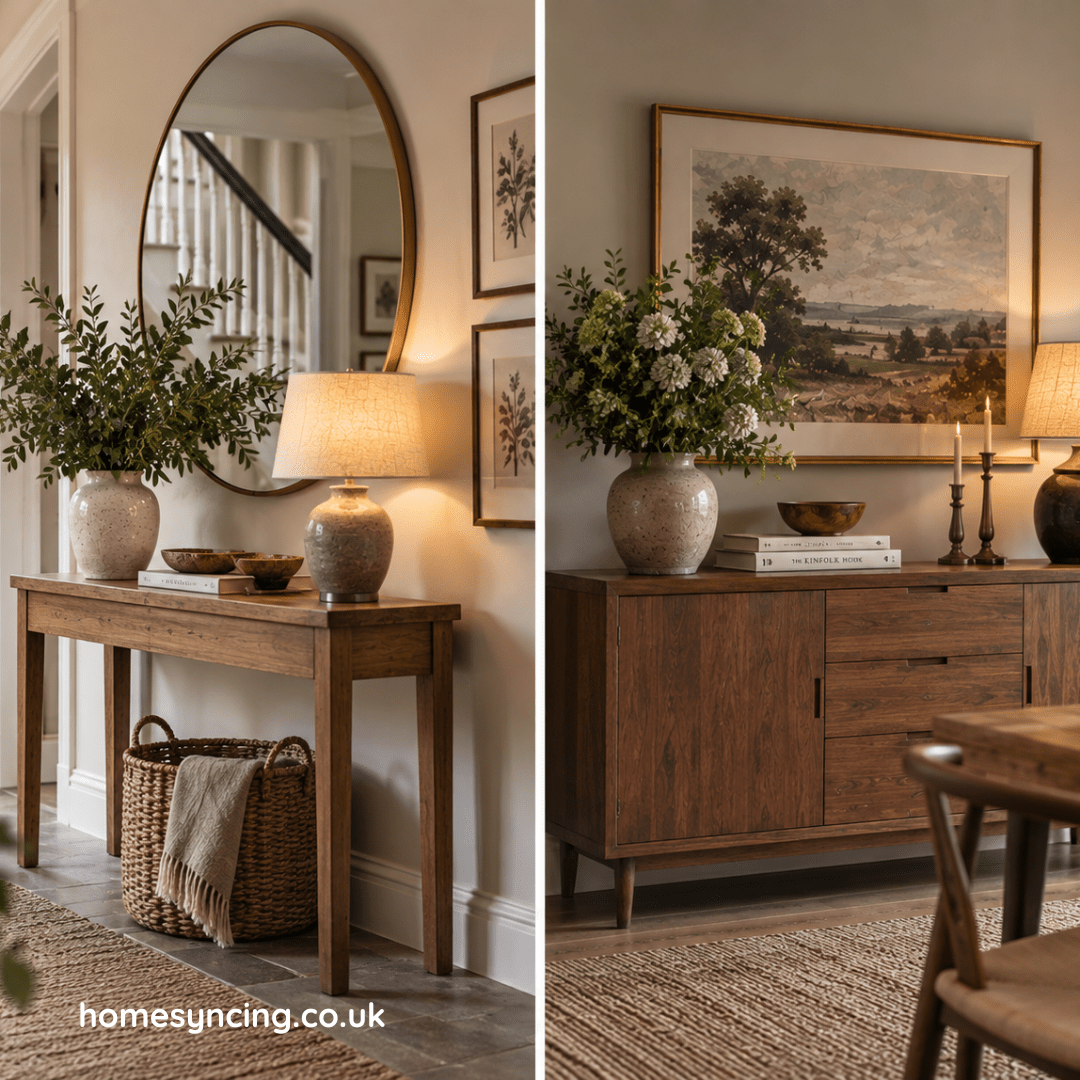
How to Choose the Right Size Furniture for Your Room

There is a particular kind of disappointment that comes from bringing a beautiful piece of furniture home, only to discover it does not quite work in the space.

A sofa that overwhelms the room.

A coffee table that leaves no space to walk around.

A dining table that looks perfect in the showroom but makes the kitchen feel crowded.

Choosing furniture is about more than simply finding pieces you love. The size and scale of each item play an important role in how a room feels and functions.

The right furniture should feel as though it belongs.

It should allow you to move comfortably, create a welcoming atmosphere and make the most of the space you have.

Whether you are furnishing a new home, refreshing a single room or replacing a much-loved piece, understanding proportion can make all the difference.

Start With Your Room, Not the Furniture

It is tempting to begin with the furniture.

You spot a beautiful sofa or an elegant console table and immediately imagine it in your home.

But before making any decisions, take time to understand your room.

Every space has its own character.

A narrow sitting room requires different choices from a large open-plan area.

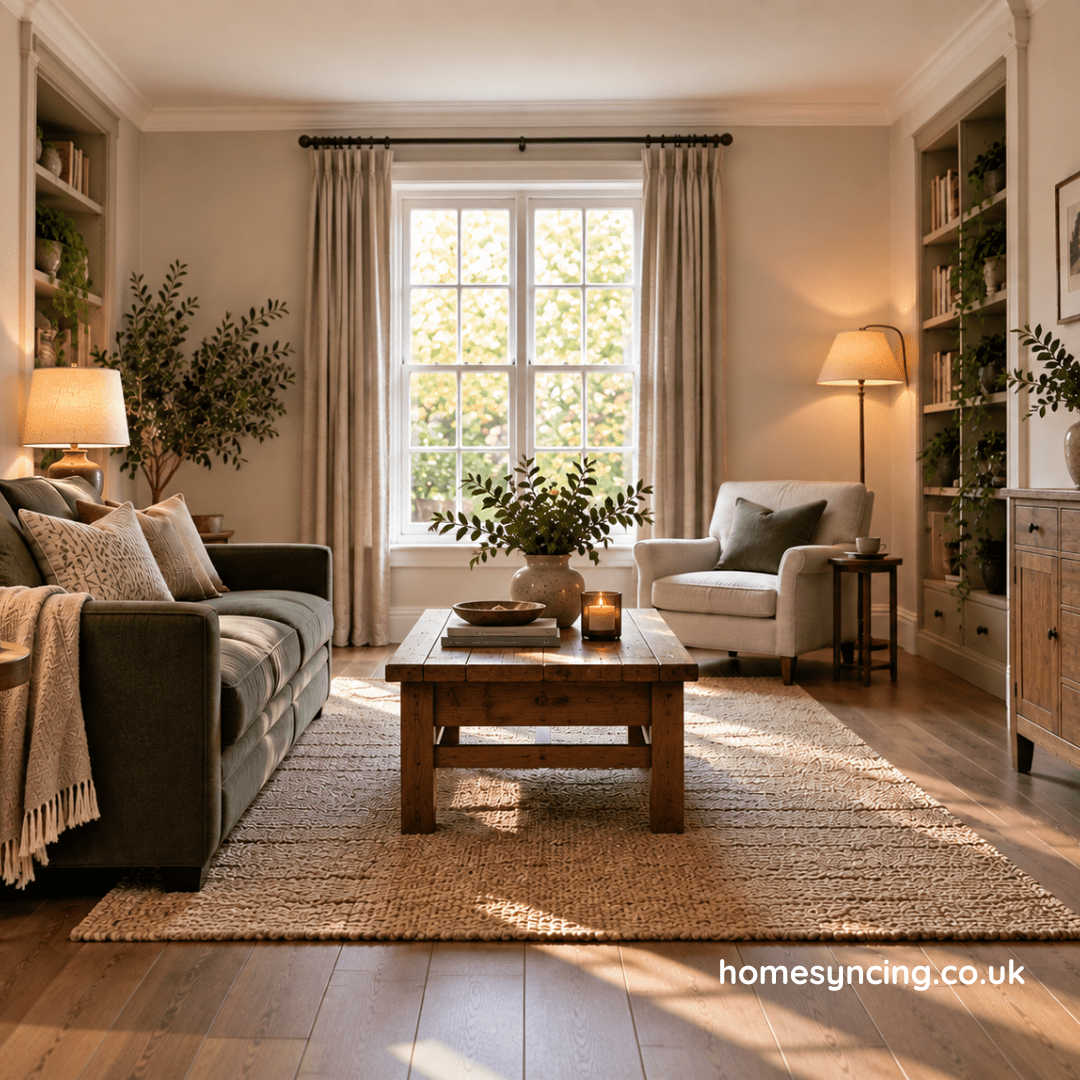
A cosy cottage room may benefit from smaller, carefully chosen pieces, while a generous drawing room can accommodate larger furniture without feeling crowded.

Begin by measuring:

  • The length and width of the room
  • Doorways and entrances
  • Window positions
  • Radiators and heating sources
  • Existing features you want to keep

Do not forget the journey furniture needs to make before it reaches its final destination. A beautiful piece is no use if it cannot fit through the front door.

Measure Twice, Choose Once

One of the simplest ways to avoid furniture mistakes is to measure carefully.

It sounds obvious, but many people fall in love with a piece of furniture before checking whether it will truly suit their home.

Use masking tape on the floor to mark out the dimensions of a sofa, table or cabinet you are considering.

This simple trick gives you a surprising sense of scale.

You can see:

  • How much floor space it will take up
  • Whether walkways remain comfortable
  • Whether doors and drawers can open properly
  • How other furniture will sit alongside it

It is a small step that can save a great deal of frustration.

Understanding Scale and Proportion

A room feels balanced when furniture works together.

A large sofa paired with a tiny coffee table can feel uneven.

A delicate side table beside an oversized armchair may disappear completely.

Scale is about how furniture relates to everything around it.

Think about the size of your room, the height of your ceilings and the other pieces you already own.

A large room can usually handle stronger, more substantial furniture.

A smaller room often benefits from pieces with lighter profiles that allow the space to breathe.

The aim is not to fill every corner.

The aim is to create harmony.

Choosing the Right Sofa Size

The sofa is often the largest investment in a living room, so choosing the right size is especially important.

Before buying, consider how you use the space.

Do you enjoy hosting family and friends?

Do you prefer curling up with a book?

Do you need space for children or pets?

A large corner sofa may be ideal for a family room but could dominate a smaller sitting room.

A classic two or three-seater sofa paired with an armchair can sometimes offer more flexibility.

Remember to consider the space around the sofa too.

A room should not feel like you are squeezing past furniture every time you walk through it.

Comfort comes from having room to live.

Finding the Perfect Coffee Table

Coffee tables may be smaller than sofas, but they have a big impact on how a room works.

A coffee table that is too large can make a seating area feel cramped.

One that is too small can look lost.

Ideally, a coffee table should complement the size of your seating.

It should be close enough to reach comfortably but leave enough space to move around.

Consider what you use it for.

Do you need space for books, candles and flowers?

Do you prefer a simple surface for a cup of tea?

The perfect coffee table is both practical and pleasing to look at.

Choosing Tables for Dining Spaces

The dining table is where many homes come together.

It hosts everyday meals, celebrations, homework, conversations and quiet cups of coffee.

When choosing a dining table, consider both the number of people you usually seat and the space needed around it.

A table should allow chairs to be pulled out comfortably without blocking walkways.

Think about how the room feels when the table is in use.

A dining space should encourage people to gather, not make them feel confined.

The Importance of Smaller Furniture Pieces

Smaller pieces often bring a room together.

A console table in an entrance hall creates a welcoming first impression.

A side table beside an armchair provides a practical place for a lamp or a favourite book.

A narrow cabinet can add storage without overwhelming a room.

These pieces are often where personality appears.

They provide opportunities to display treasured objects, family photographs, flowers or items collected over time.

The smallest details often make a house feel like home.

Making Small Rooms Feel Spacious

A smaller room does not mean you have to compromise on style.

The key is choosing furniture carefully.

Consider:

  • Pieces with slim profiles
  • Furniture that provides storage
  • Lighter designs that allow more floor space to show
  • Items that serve more than one purpose

A well-chosen smaller sofa can feel far more comfortable than a large one that takes over the room.

Sometimes less furniture creates more possibilities.

Avoiding the Showroom Effect

One of the easiest mistakes when furnishing a home is buying everything as a matching set.

While coordinated furniture can look appealing in a showroom, homes often feel warmer when they include different shapes, textures and pieces collected over time.

A room should reflect the people who live there.

Mixing furniture sizes and styles carefully creates character.

A modern lamp beside a traditional wooden table.

A favourite chair passed down through generations.

A new piece alongside something already loved.

These combinations make a home feel personal.

Think About How Your Home Will Change

Furniture is an investment, so think beyond today.

Will your needs change?

Could a table work in another room in the future?

Could a sideboard provide useful storage as your family grows?

Will the style still appeal in years to come?

Choosing versatile furniture means your home can evolve naturally.

The best pieces adapt alongside you.

The Beauty of a Well-Proportioned Home

A room does not need to be large to feel beautiful.

It simply needs furniture that belongs within it.

The right-sized pieces create comfort, balance and ease.

They allow you to move naturally.

They make rooms feel welcoming.

They give treasured items space to be appreciated.

Choosing furniture is not only about measurements.

It is about understanding how you want your home to feel.

A beautifully furnished room is not one where every inch has been filled.

It is one where everything has its place.

Where furniture supports everyday life.

Where the space feels calm, comfortable and entirely your own.

Further Reading: Affordable Decorating Ideas That Will Transform Your HomeSustainable Chic: A Beginner’s Guide to Circular DesignThe Psychology of Colour in the Home, How to Choose and Measure for a Dining Table

Daily Inspiration: Follow Us on Instagram, BlueSkyThreads , PinterestTwitterTikTok

Statement Furniture: How One Special Piece Can Transform a Room

A room does not always need a complete makeover to feel refreshed and inviting. Sometimes, a single carefully chosen piece of furniture can completely change the way a space looks and feels.

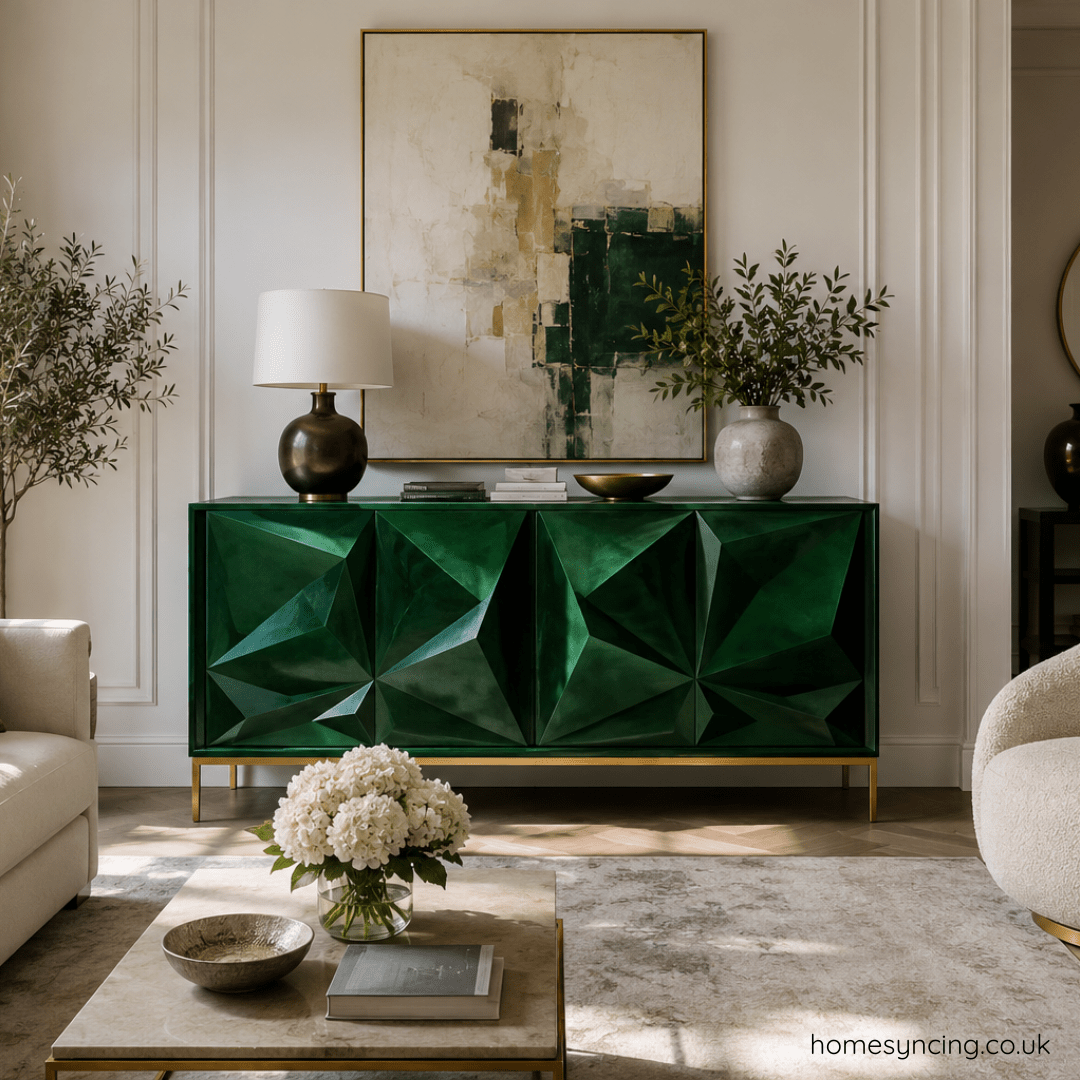
A statement piece brings character, creates a focal point and adds a sense of individuality to your home. It might be a beautifully crafted cabinet, an elegant armchair, a striking console table or a unique piece that catches the eye the moment you enter the room.

The most memorable interiors are often not those filled with countless decorative items, but those where each piece has been thoughtfully chosen. One special item, surrounded by simpler furnishings, can become the heart of a room.

What is statement furniture?

Statement furniture is a piece that naturally draws attention. It has something distinctive about it — perhaps an unusual design, beautiful craftsmanship, interesting materials or a story behind it.

Unlike everyday furniture chosen purely for function, a statement piece brings personality and emotion into a space.

It could be:

  • A hand-finished wooden sideboard with beautiful grain and texture.
  • A bold armchair that creates a comfortable reading corner.
  • A large mirror that adds light and elegance to a hallway.
  • A sculptural coffee table that becomes a conversation piece.
  • A characterful cabinet that provides both storage and style.

The right statement piece does not simply fill a space — it helps define it.

Why one special piece can make such a difference

A well-chosen piece of furniture acts as an anchor for a room. It gives the eye somewhere to rest and helps guide other design choices.

For example, a beautifully made dining table can influence the lighting, seating and accessories around it. A distinctive sideboard can inspire the colours and artwork chosen for a dining room. A statement chair can transform an empty corner into a welcoming place to relax.

Rather than trying to change everything at once, investing in one meaningful piece allows a room to develop naturally.

Choose something that reflects your personality

The best statement furniture is not necessarily the biggest or most expensive piece in the room. It is the piece that feels right for your home.

Perhaps you are drawn to traditional designs with a sense of history, or maybe you prefer contemporary furniture with clean lines and simple forms. The important thing is choosing something that connects with your personal style.

A home should tell the story of the people who live there. Furniture with character helps create that feeling.

Look for pieces that make you pause, pieces that you enjoy looking at every day and pieces that you can imagine keeping for years to come.

Let your statement piece shine

Once you have chosen a special item, give it room to be appreciated. Too many competing pieces can make a room feel busy and prevent your statement furniture from having the impact it deserves.

Consider creating space around it and allowing it to become the focus.

A striking cabinet may need little more than a simple arrangement of favourite objects. A beautiful chair may only need a soft cushion and a nearby lamp. A statement table can become the centre of family gatherings without needing elaborate decoration.

Sometimes, less really does allow a special piece to be noticed.

Balance bold pieces with simpler surroundings

A common concern when choosing statement furniture is whether it will overwhelm a room. The key is balance.

If you have a bold piece of furniture, allow other elements to provide a quieter backdrop. Neutral walls, natural textures and simple accessories can help highlight a distinctive item.

For example:

  • Pair an ornate traditional cabinet with a calm, understated colour palette.
  • Balance a contemporary sofa with softer fabrics and natural materials.
  • Place a striking piece of furniture against a simple wall to create a natural focal point.

Contrast often creates the most interesting interiors.

Statement furniture does not have to follow trends

Trends can provide inspiration, but truly special furniture often sits beyond fashion. A quality piece with timeless appeal can adapt as your home changes around it.

A classic wooden chest, an elegant mirror or a beautifully designed chair can work in many different settings over the years.

Choosing furniture carefully means creating a home that feels personal rather than simply following the latest styles.

Make everyday spaces feel special

Statement furniture is not only for large rooms or grand homes. Even the smallest spaces can benefit from a carefully chosen piece.

A beautiful console table can make an entrance feel welcoming. A characterful bedside table can add charm to a bedroom. A distinctive lamp table can create a finished feel in a quiet corner.

Small moments of beauty throughout the home can make everyday life feel more enjoyable.

Choosing furniture with a story

Many of the most treasured pieces in a home have a story attached to them. They remind us of places we have visited, people we love or moments we want to remember.

A statement piece can become part of the history of your home — something that is enjoyed today and perhaps passed on in years to come.

Furniture is not just about how a room looks. It is about how a room feels.

Creating a home with character

A beautifully designed home is not created by filling every corner. It is created by choosing pieces that bring meaning, comfort and character.

One special piece of furniture can transform a room by adding warmth, interest and a sense of identity. It becomes more than an object — it becomes part of the story of your home.

Whether it is a treasured antique, a contemporary design or simply a piece that you fell in love with, the right statement furniture can bring a room to life.


Further Reading: Affordable Decorating Ideas That Will Transform Your HomeSustainable Chic: A Beginner’s Guide to Circular Design

Daily Inspiration: Follow Us on Instagram, BlueSkyThreads , PinterestTwitterTikTok

Tweed in Interior Design: Timeless Texture Meets Modern Style

When you think of tweed, perhaps images of countryside estates, tailored blazers or vintage hunting jackets come to mind. But this distinctive fabric has found a new life beyond the wardrobe. Tweed is making a powerful statement in interior design, bringing warmth, texture, and heritage into contemporary homes. Whether adorning an armchair, cushioning a sofa or adding character to wall panels, tweed offers a unique blend of rustic charm and refined elegance that few materials can match.

This guide explores the rich history of tweed, its defining characteristics, and how you can incorporate this classic textile into your home. From subtle accents to bold upholstery choices, tweed proves itself as versatile as it is enduring.

What is Tweed?

Tweed is a rough-textured woollen fabric, traditionally woven with a plain or twill weave and characterised by its soft, open texture. The fabric often features flecked patterns created by weaving together yarns of different colours, which gives tweed its signature depth and visual interest. Typically made from wool, tweed is known for its durability, warmth, and resistance to wind and water—qualities that made it indispensable in its country of origin.

The term “tweed” is believed to have originated from a misreading of the Scottish word “tweel” (the Scots word for twill). Another theory suggests the name derives from the River Tweed, which flows through the Scottish Borders where much of the fabric was historically produced. Regardless of its etymological roots, tweed has become synonymous with Scotland and the British Isles.

A Brief History of Tweed

Tweed’s story begins in the rural communities of Scotland and Ireland during the 18th and 19th centuries. Woven by hand on traditional looms, it was originally created as practical clothing for farmers, shepherds, and estate workers who needed protection from harsh weather. The fabric’s robust nature and insulating properties made it ideal for outdoor work.

By the Victorian era, tweed had transcended its utilitarian beginnings. Scottish landowners and the British aristocracy adopted it for country pursuits such as hunting, shooting, and fishing. Queen Victoria’s fondness for all things Scottish during her reign further elevated tweed’s status. Her purchase of Balmoral Castle in 1852 sparked a fashion for Highland dress and Scottish textiles, cementing tweed’s place in fashionable society.

Different regions developed their own distinctive tweeds. Harris Tweed, handwoven by islanders in the Outer Hebrides, became particularly renowned and is now protected by an Act of Parliament. Donegal tweed from Ireland features colourful flecks and slubs, while Cheviot tweed takes its name from the sheep breed native to the border hills between England and Scotland.

Throughout the 20th century, tweed remained a staple of country attire and academic dress. Fashion designers like Coco Chanel famously reimagined tweed for women’s wear in the 1920s, creating elegant suits that became iconic. More recently, tweed has experienced a renaissance in both fashion and interiors, appreciated for its texture, heritage, and sustainable qualities.

How to Use Tweed in Interior Design

Tweed brings a tactile richness to interiors that few other fabrics can replicate. Its textured surface catches light beautifully, creating depth and visual interest. The natural fibres lend warmth and authenticity, whilst the traditional patterns provide a connection to craft and history. Here’s how to harness tweed’s potential in your home.

Creating Atmosphere with Texture

Tweed excels at adding layers of texture to a room. Its woven surface introduces a tactile element that invites touch and creates visual complexity. When paired with smooth surfaces like polished wood, glass, or metal, tweed provides contrast that makes spaces feel more balanced and considered.

Consider the overall mood you wish to create. Tweed in earthy tones—browns, greys, mossy greens—evokes countryside retreats and cosy libraries. These colours work particularly well in studies, living rooms, and bedrooms where a sense of refuge is desired. Lighter tweeds in cream, oatmeal, or soft grey can brighten spaces whilst maintaining texture and warmth, making them suitable for both traditional and contemporary settings.

For those seeking drama, tweed in deeper hues such as charcoal, navy, or forest green can anchor a room and provide a sophisticated backdrop. These darker shades work especially well in larger pieces like sofas or curtains, where they create impact without overwhelming the space.

Balancing Traditional and Modern

One of tweed’s greatest strengths is its ability to bridge different design eras. In traditional interiors, tweed feels entirely at home alongside dark woods, leather, and brass fixtures. It reinforces the heritage aesthetic without appearing costume-like or contrived.

In modern and contemporary spaces, tweed introduces an unexpected element that adds warmth and prevents interiors from feeling stark or impersonal. A tweed-upholstered chair in a minimalist room becomes a statement piece, its texture and pattern providing focal interest. Similarly, tweed cushions on a sleek modern sofa can soften the lines whilst adding personality.

Mixing tweed with other natural materials creates harmony. Pair it with linen, leather, wood, stone, or wool for a cohesive look that celebrates natural textures. Avoid overwhelming a room with too many competing patterns—if you’re using a heavily flecked tweed, balance it with solid colours or subtle textures elsewhere.

Interior Design Ideas Using Tweed

Ready to introduce tweed into your home? Here are some inspiring ways to incorporate this classic fabric across different rooms and applications.

Upholstered Furniture

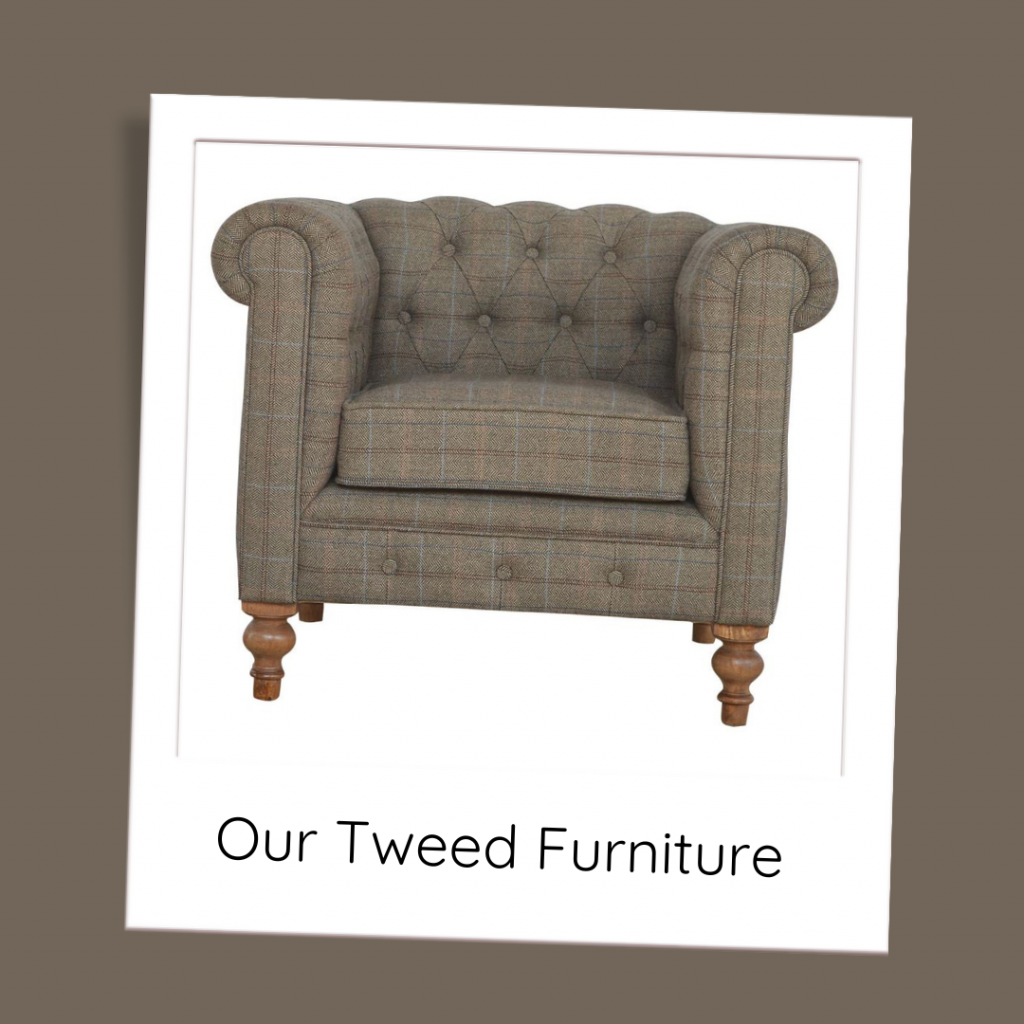
Tweed-covered furniture makes a lasting impression. A statement armchair upholstered in Harris Tweed becomes an heirloom piece, combining comfort with craftsmanship. The fabric’s durability means it can withstand daily use whilst developing character over time.

Sofas upholstered in tweed anchor living rooms beautifully. Choose a classic herringbone pattern in neutral tones for versatility, or select a more vibrant Donegal tweed if you want your sofa to become the room’s focal point. Tweed’s texture hides minor wear better than smooth fabrics, making it practical for family homes.

For a more subtle approach, consider an ottoman or footstool in tweed. These smaller pieces allow you to experiment with the fabric without committing to a large upholstery project. They’re also easier to reposition, letting you move colour and texture around your space as your mood or décor changes.

Soft Furnishings and Accessories

If reupholstering furniture feels too permanent, soft furnishings offer an accessible entry point. Tweed cushions scattered across a sofa or bed instantly add depth and interest. Mix different tweed patterns and colours for an eclectic, layered look, or stick to a single shade for understated elegance.

Throws and blankets in tweed provide both visual appeal and practical warmth. Draped over the arm of a chair or folded at the foot of a bed, they invite use whilst contributing to the room’s aesthetic. Tweed curtains or Roman blinds introduce pattern and texture to windows, softening hard architectural elements whilst providing privacy and insulation.

Even smaller accessories can make an impact. Tweed lampshades diffuse light beautifully, creating a warm glow. Covered storage boxes or book covers in tweed add coordinated texture to shelves and surfaces.

Wall Treatments and Panels

For those seeking something truly distinctive, tweed wall panels create a striking effect. Upholstered wall panels in a study or library add acoustic softening whilst enveloping the room in texture. The fabric’s natural insulation properties also provide subtle warmth.

Alternatively, use tweed as a headboard covering. Stretching tweed across a simple frame creates an upholstered headboard that adds softness and luxury to a bedroom. Choose a herringbone or check pattern for visual interest, or opt for a heathered solid if you prefer subtlety.

Tweed can even be framed as textile art. A beautiful piece of Harris Tweed or vintage Donegal tweed mounted in a simple frame becomes a sculptural wall hanging, celebrating the fabric’s pattern and weave.

Green Tweed Upholstered Deep Button Chesterfield Armchair.

Dining Spaces

Tweed brings unexpected warmth to dining areas. Chair seats upholstered in tweed transform ordinary dining chairs into characterful seating. The fabric’s durability makes it practical for this high-use application, whilst its texture adds visual richness.

For a more temporary update, consider tweed chair pads or seat cushions tied to chair backs. These can be changed seasonally or when you fancy a refresh. Table runners in tweed (or tweed-look fabrics) can also introduce texture to tablescapes, particularly effective for autumn and winter entertaining.

Tweed-Finished Furniture and Styling Your Home

Pre-finished tweed furniture offers convenience for those who want the look without undertaking upholstery projects. Many furniture makers and retailers now offer pieces featuring tweed or tweed-inspired fabrics, making it easier than ever to incorporate this textile into your home.

Choosing Ready-Made Tweed Pieces

When selecting tweed furniture, examine the quality of both the fabric and the construction. Authentic Harris Tweed bears a certification label guaranteeing it was handwoven in the Outer Hebrides from pure virgin wool. This marks a piece of genuine heritage and ensures durability.

For other tweeds, check the composition. Pure wool provides the best wearing qualities, though wool blends with a small percentage of synthetic fibres can offer easier care. Feel the fabric—it should be substantial without being stiff, with a pleasant texture against the hand.

Consider the furniture’s frame and construction as well. A beautifully upholstered chair deserves a sturdy foundation. Look for hardwood frames, proper springing, and quality foam or traditional stuffing. Well-made tweed furniture should last for decades, developing a pleasing patina rather than showing shabby wear.

Styling Tweed in Your Home

Once you’ve acquired tweed pieces, thoughtful styling brings out their best qualities. In a living room, position a tweed armchair near a window where natural light can highlight the fabric’s texture and colour variations. Pair it with a reading lamp and a small side table to create an inviting reading nook.

Layer your tweed furniture with complementary textiles. A sheepskin throw draped over a tweed chair adds luxury and warmth. Velvet or linen cushions provide textural contrast whilst picking up colours from the tweed’s flecked pattern.

Surrounding materials matter too. Tweed looks particularly handsome against exposed wood—whether polished floorboards, rustic ceiling beams, or wooden furniture. The natural affinity between wood and wool creates harmonious compositions. Stone and brick also complement tweed beautifully, reinforcing the fabric’s connection to natural materials and rural landscapes.

Don’t shy away from mixing tweed with more refined elements. A tweed chair can hold its own in a room featuring crystal chandeliers, gilt mirrors, or silk curtains. This juxtaposition of rustic and refined creates depth and prevents interiors from feeling one-dimensional.

Caring for Tweed

Proper care ensures your tweed furnishings remain beautiful for years. Regular vacuuming with an upholstery attachment prevents dust from settling into the weave. For spills, blot immediately with a clean, absorbent cloth—avoid rubbing, which can damage the fibres or spread the stain.

Most tweeds are dry-clean only, so consult a professional for deep cleaning or stain removal. Between cleanings, refresh upholstered pieces by taking cushions outdoors on a dry day and giving them a gentle beating to release dust. The fresh air will also help dissipate any lingering odours.

Rotate cushions regularly to ensure even wear. If your tweed piece receives direct sunlight, consider using window treatments to prevent fading. Though tweed is remarkably durable, these simple practices will extend its life and maintain its appearance.

Embracing Heritage in Modern Homes

Tweed’s journey from Highland hillsides to contemporary interiors reflects our enduring appreciation for materials that combine beauty with purpose. Its texture tells stories of craft traditions, rural landscapes, and the skilled hands that worked the looms. When you choose tweed for your home, you’re not simply selecting a fabric—you’re bringing in a piece of cultural heritage that adds depth and meaning to your surroundings.

Whether you opt for a single statement chair or layer tweed throughout your rooms, this distinctive textile rewards those willing to embrace its character. Its natural warmth, visual interest, and remarkable durability make it a wise choice for homes that value substance alongside style.

As you consider your next interior update, look beyond fleeting trends to materials with proven longevity. Tweed has weathered centuries of changing fashions because it offers something timeless: honest beauty rooted in craft and landscape. Your home deserves furnishings that will grow more beloved with age. Tweed delivers exactly that.

Further Reading: Affordable Decorating Ideas That Will Transform Your Home

Daily Inspiration: Follow Us on Instagram, BlueSkyThreads , PinterestTwitterTikTok

Create a Stunning Conservatory Living Space

Your conservatory holds incredible potential as one of the most versatile rooms in your home. This glass-wrapped sanctuary can become anything from a tranquil reading nook to an entertaining hub that seamlessly blends indoor comfort with outdoor beauty. Whether your conservatory currently serves as storage space or you’re looking to refresh its design, 2025 brings exciting trends that will help you create a space you’ll love spending time in.

Modern conservatory design has evolved far beyond the traditional sunroom filled with wicker furniture and houseplants. Today’s approach focuses on creating multi-functional spaces that work year-round, incorporating contemporary design elements whilst celebrating the unique architectural features that make conservatories so special. The key lies in balancing comfort, style and practicality to create a room that truly enhances your lifestyle.

Essential Furniture for Your Conservatory

Seating That Works All Year Round

The foundation of any well-designed conservatory begins with comfortable seating that can withstand temperature fluctuations and varying light conditions. Modular sofas have emerged as the top choice for 2025, offering flexibility to reconfigure your space for different occasions. Look for pieces with removable, washable covers in natural fabrics like linen or cotton, which breathe well in warmer months.

Rattan and wicker furniture continues to reign supreme, but 2025’s interpretation favours sleeker, more contemporary designs. Choose pieces with clean lines and neutral cushions that can be easily swapped out seasonally. Avoid overly ornate traditional styles, which can make your conservatory feel dated.

Built-in bench seating along one wall maximises space whilst providing storage underneath. Add comfortable cushions and throws to create a cosy reading corner that takes advantage of natural light throughout the day.

Tables That Multitask

Coffee tables with storage compartments are essential for maintaining a clutter-free conservatory. Opt for pieces made from sustainable materials like reclaimed wood or bamboo, which align with 2025’s eco-conscious design trends. Nesting tables offer versatility, allowing you to expand surface space when entertaining and tuck them away when not needed.

Dining tables in conservatories work best when they’re appropriately scaled to the space. Round tables promote conversation and work well in smaller conservatories, whilst rectangular tables suit larger spaces and can double as work surfaces during the day.

Lighting Solutions for Every Hour

Layered Lighting Approach

Conservatories present unique lighting challenges due to their abundant natural light during the day and potential darkness at night. A layered lighting approach ensures your space remains inviting throughout all hours.

Pendant lights suspended from the ceiling create dramatic focal points whilst providing ambient lighting. Choose fixtures with adjustable heights to accommodate the varying ceiling heights typical in conservatories. Natural materials like rattan or bamboo shades complement the outdoor connection.

String lights remain popular but avoid the basic fairy light approach. Instead, invest in commercial-grade café lights with Edison bulbs for a sophisticated bistro atmosphere. These work particularly well when draped along the roofline or wrapped around structural elements.

Floor lamps with adjustable arms provide task lighting for reading whilst adding height variation to your furniture arrangement. Look for pieces that can withstand humidity and temperature changes common in conservatories.

What’s Out: Harsh Overhead Lighting

Avoid single, bright overhead fixtures that create harsh shadows and make the space feel more like a greenhouse than a living room. Similarly, overly decorative chandeliers can compete with the conservatory’s architectural features and feel out of place in this naturally-focused environment.

Colour Schemes and Decorative Elements

Nature-Inspired Palettes

2025’s conservatory colour trends draw heavily from natural palettes. Sage greens, warm terracotta, and creamy whites create a harmonious connection between indoor and outdoor spaces. These colours work beautifully with the abundant plant life that conservatories naturally accommodate.

Deep jewel tones like navy blue or forest green can anchor the space and provide sophistication, particularly when used in larger furniture pieces or accent walls. However, use these sparingly to avoid overwhelming the airy feel that makes conservatories so appealing.

Textile Choices That Endure

Natural fibres take centre stage in 2025 conservatory design. Jute, cotton, and linen offer both style and practicality, handling temperature fluctuations better than synthetic materials. Layer different textures to create visual interest without relying solely on colour.

Indoor-outdoor fabrics have improved dramatically and now offer the durability needed for conservatory use without sacrificing style. These materials resist fading, moisture and temperature extremes whilst maintaining the soft feel essential for comfort.

Flooring and Rugs: Foundation Elements

Practical Yet Beautiful Flooring

Your conservatory’s flooring needs to withstand temperature changes, potential moisture, and heavy foot traffic. Natural stone, ceramic tiles or luxury vinyl planks that mimic wood offer durability whilst maintaining style. Underfloor heating transforms these harder surfaces into comfortable options year-round.

Rug Selection Strategy

Large area rugs help define seating areas and add warmth to hard flooring surfaces. Choose rugs made from natural materials like jute, sisal or wool that can handle the unique conditions of conservatory living. Flat-weave styles are easier to clean and less likely to trap moisture than high-pile alternatives.

Layering smaller rugs creates visual interest and allows for easy cleaning or replacement. This approach also lets you experiment with patterns and textures without committing to one large, expensive piece.

Avoid delicate Persian or silk rugs, which can be damaged by temperature fluctuations and sun exposure. Similarly, very dark colours may fade unevenly over time.

Storage Solutions That Blend Seamlessly

Built-in storage maximises your conservatory’s potential without cluttering the visual space. Window seat storage, floating shelves, and integrated plant stands keep necessities within reach whilst maintaining clean lines.

Decorative baskets serve dual purposes, providing storage for throws, magazines or gardening supplies whilst adding texture and natural elements to your design scheme. Choose pieces that complement your colour palette and can withstand humidity changes.

Avoid plastic storage containers or temporary solutions that detract from the sophisticated atmosphere you’re creating. Instead, invest in beautiful storage pieces that enhance your overall design.

Bringing Your Vision to Life

Creating your ideal conservatory requires thoughtful planning and attention to the unique characteristics of this special space. Start with your largest pieces—seating and tables—then layer in lighting, textiles and decorative elements that reflect your personal style whilst embracing current trends.

Remember that your conservatory should feel connected to both your home’s interior design and your garden’s natural beauty. The most successful conservatory designs celebrate this unique position, creating a space that truly bridges indoor and outdoor living.

Transform your conservatory into the stunning living space you’ve always envisioned. Begin with one element—perhaps a beautiful new seating arrangement or a dramatic lighting fixture—and build from there. Your glass-wrapped sanctuary awaits its next chapter.

Further Reading: Make an Entrance: Your Guide to a Statement Hallway, Clever Ways to Use Mirrors in Your Home, How to Restyle Your Home Like an Interior Designer, Your Home Should Be Your Sanctuary

Follow Us on Instagram for Daily Inspiration 💙

Make an Entrance: Your Guide to a Statement Hallway

Often overlooked, the hallway is much more than just a path from one room to another. It’s the first impression your home makes, a welcoming space that sets the tone for everything that follows. Now, this transitional space is stepping into the spotlight, emerging as the design playground of choice for homeowners and interior enthusiasts alike.

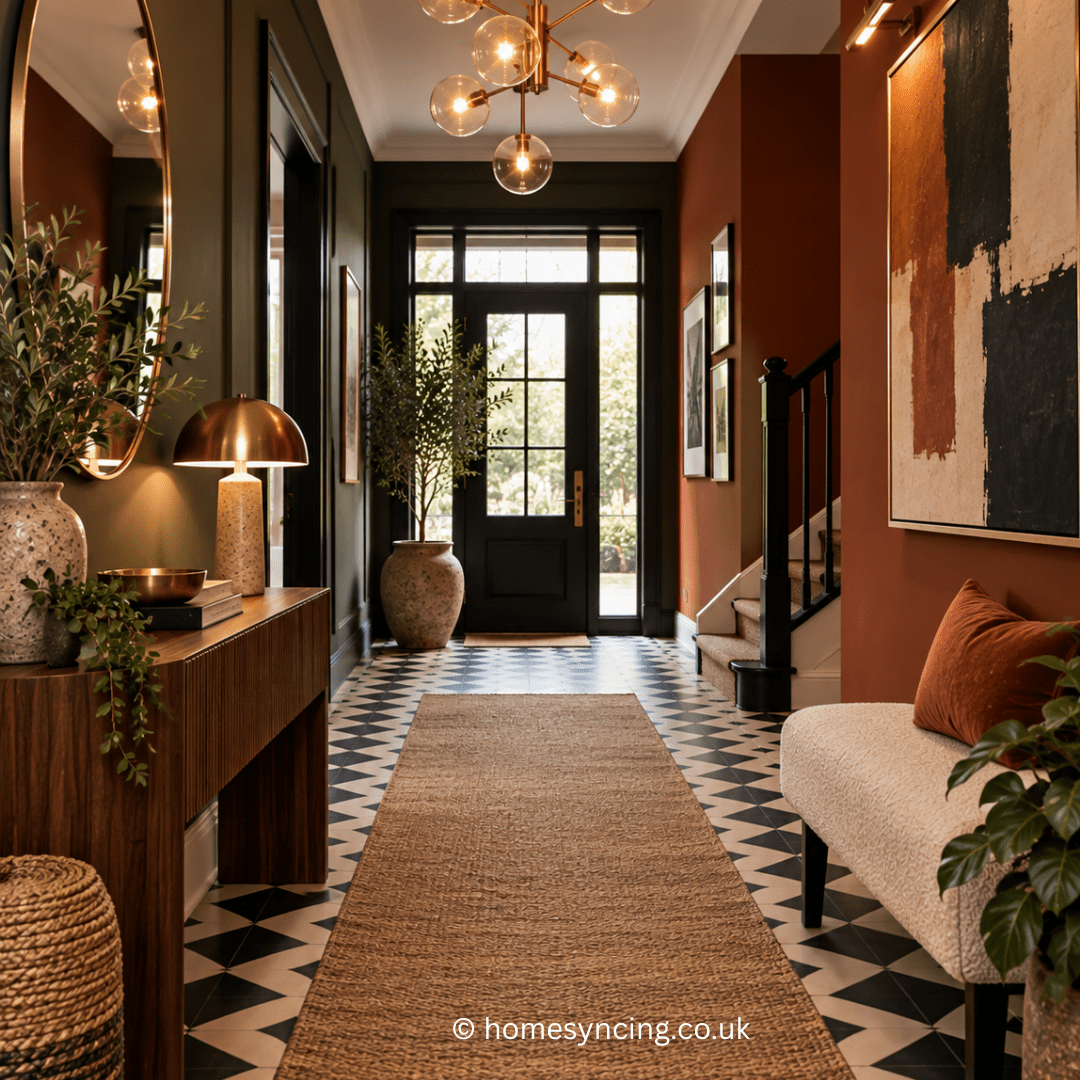
Because a hallway is rarely a space to linger, it offers a unique opportunity to be bold. It’s the perfect canvas to test vibrant colours, striking patterned runners, epic feature lights, and elaborately tiled floors that might feel overwhelming in rooms where you spend more time.

Ready to transform your entryway from a simple corridor into a stunning statement? Discover how you can unleash your creativity and give your hallway the grand entrance it deserves.

Why Your Hallway Deserves the Spotlight

Think of your hallway as the opening chapter of your home’s story. It’s the first thing guests see and the space that welcomes you home each day. A well-designed hallway can instantly lift the mood, introduce your personal style, and create a seamless flow into the rest of your home. It’s a chance to experiment with design ideas you might shy away from in a living room or bedroom, making it a low-risk, high-reward project.

Embrace Bold Colours

One of the quickest and most effective ways to make a statement is with colour. Since hallways are often smaller spaces with limited natural light, many people default to neutral shades. But this is exactly why you should consider going bold.

Go Dark and Dramatic

Don’t be afraid of dark hues. Deep blues, rich greens, or even a sophisticated charcoal can create a cosy, cocooning effect that feels incredibly chic. These dramatic colours can make a narrow space feel more intimate and distinguished. When paired with good lighting and reflective surfaces like mirrors, a dark hallway can feel anything but small.

Play with Bright Hues

If dark and moody isn’t your style, why not go for something bright and cheerful? A splash of sunny yellow, a vibrant teal, or a playful coral can inject energy and personality into your entrance. You could paint the entire hallway for a full-impact look, or create a feature wall to draw the eye as you enter.

The Fifth Wall: Your Ceiling

Don’t forget to look up! Painting the ceiling—often called the “fifth wall”—is a fantastic way to add an unexpected pop of colour and character. A contrasting ceiling colour can make the space feel taller and adds a layer of design sophistication.

Lay the Groundwork with Flooring

Your hallway floor has to be practical, but that doesn’t mean it has to be boring. Flooring is a brilliant opportunity to introduce pattern, texture, and style right from the front door.

Patterned Tiles for Timeless Appeal

Victorian-style geometric tiles are a classic choice for a reason. They are durable, easy to clean, and add instant character and charm. Whether you opt for a traditional monochrome design or something more colourful, patterned tiles create a stunning focal point and a hard-wearing surface perfect for a high-traffic area.

The Power of a Runner

If new flooring isn’t an option, a runner is the perfect solution. It adds warmth, colour, and pattern while protecting the floor underneath. Choose a bold, graphic print to make a modern statement, or a traditional Persian-style rug for a touch of timeless elegance. A striped runner can also be a clever trick to make a narrow hallway appear longer.

Let There Be Light

Lighting is crucial in any room, but it’s especially important in a hallway, which can often lack natural light. The right lighting can transform the space from a dark passageway into a bright and inviting entrance.

Choose an Epic Feature Light

Make a dramatic statement with a show-stopping ceiling light. A large, sculptural pendant or a dazzling chandelier can become the centrepiece of your hallway, drawing the eye upwards and adding a touch of glamour. Consider the scale of your space; a high ceiling can handle a larger, more elaborate fitting, while a lower ceiling might suit a stylish semi-flush mount light.

Layer Your Lighting

Don’t rely on just one overhead light. Layering your lighting creates depth and ambience. Wall sconces can add a soft, welcoming glow and highlight artwork, while a slim console table with a stylish lamp can create a warm, inviting focal point.

Furnish for Function and Flair

Even the narrowest of hallways can accommodate some well-chosen furniture. The key is to select pieces that are both beautiful and functional.

The Versatile Console Table

A slimline console table is a hallway hero. It provides a surface for keys, mail, and a decorative lamp or vase of flowers, without taking up too much floor space. Look for designs with drawers or a lower shelf for extra storage to keep clutter at bay.

Smart Seating Solutions

If you have the space, a bench can be a practical and stylish addition. It offers a place to sit while putting on or taking off shoes and can provide hidden storage for footwear, bags, and other outdoor essentials.

The Magic of Mirrors

A mirror is a must-have for any hallway. It will bounce light around, making the space feel brighter and larger, and it’s perfect for that last-minute check before you head out the door. Choose a large, ornate mirror to create a grand statement, or group several smaller mirrors together for a more eclectic look.

Your Hallway, Your Statement

Your hallway is the perfect place to let your personality shine. It’s a space where you can be daring with your design choices and create an entrance that truly reflects your style. By embracing bold colours, interesting patterns, and statement lighting, you can transform a functional corridor into a beautiful and memorable part of your home.

Discover our full range of paints, lighting, and home accessories to start creating your own statement hallway today.

Further Reading: Clever Ways to Use Mirrors in Your Home, How to Restyle Your Home Like an Interior Designer, Your Home Should Be Your Sanctuary

Follow Us on Instagram for Daily Offers and Inspiration 💙

Translate »