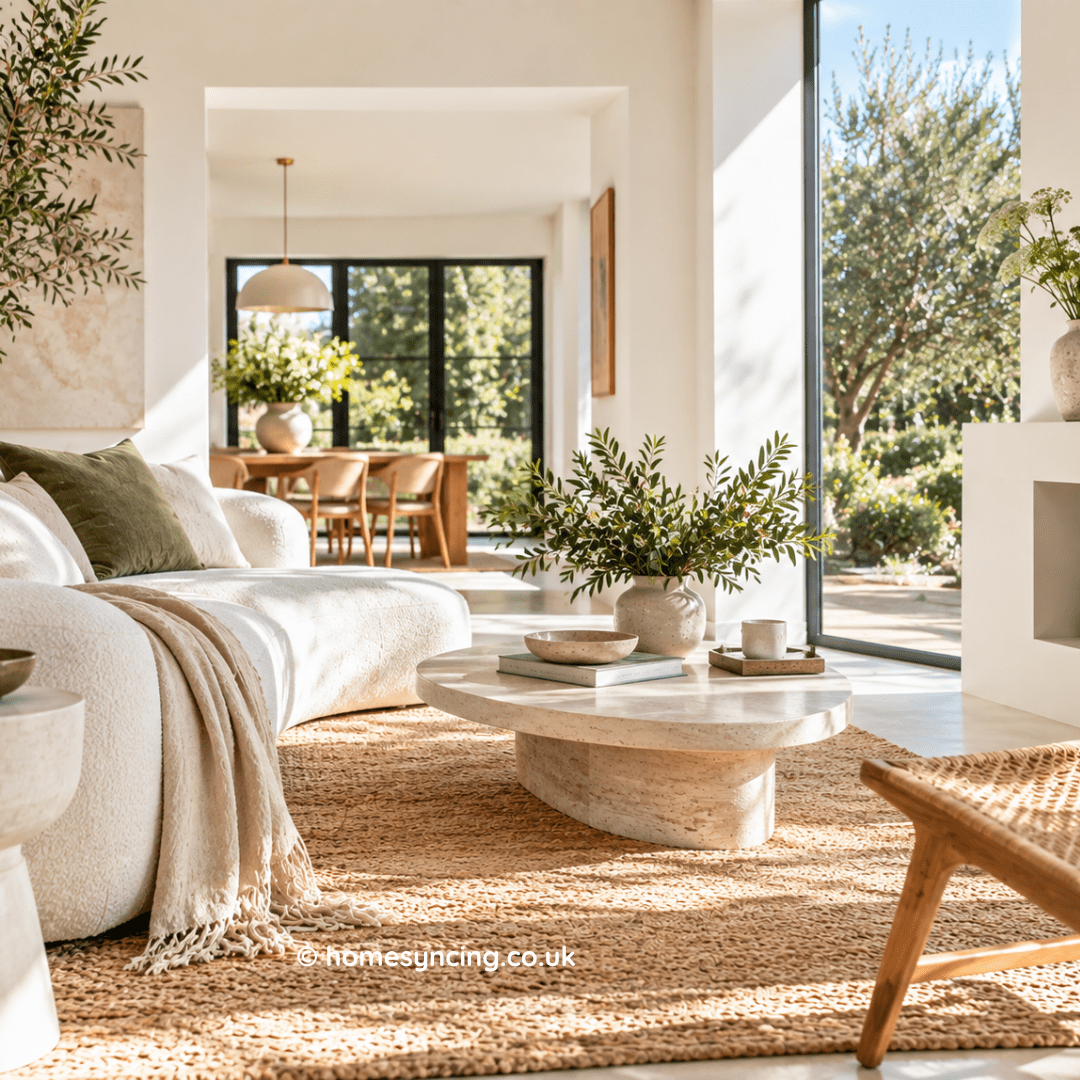
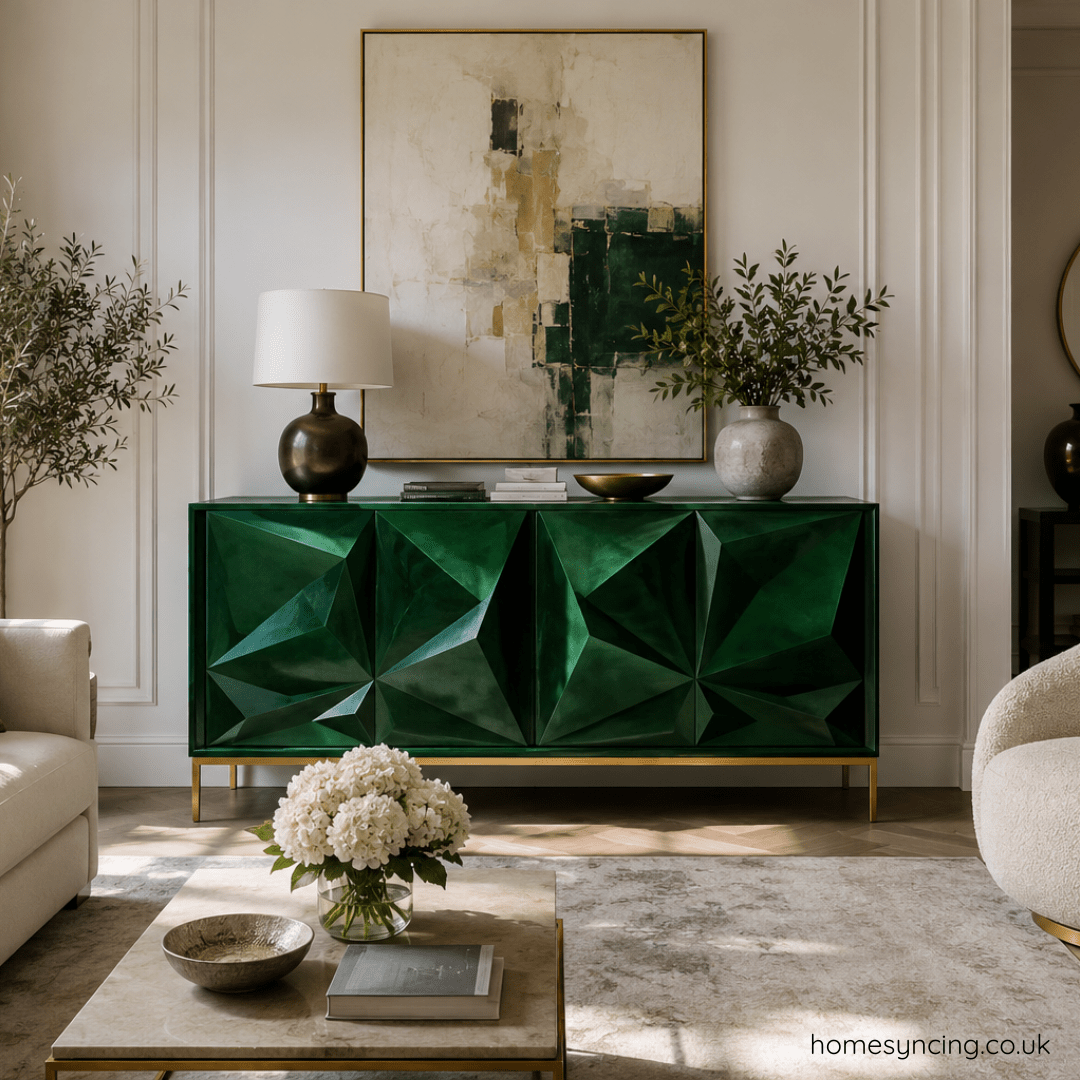
Statement Furniture: How One Special Piece Can Transform a Room

A room does not always need a complete makeover to feel refreshed and inviting. Sometimes, a single carefully chosen piece of furniture can completely change the way a space looks and feels.

A statement piece brings character, creates a focal point and adds a sense of individuality to your home. It might be a beautifully crafted cabinet, an elegant armchair, a striking console table or a unique piece that catches the eye the moment you enter the room.

The most memorable interiors are often not those filled with countless decorative items, but those where each piece has been thoughtfully chosen. One special item, surrounded by simpler furnishings, can become the heart of a room.

What is statement furniture?

Statement furniture is a piece that naturally draws attention. It has something distinctive about it — perhaps an unusual design, beautiful craftsmanship, interesting materials or a story behind it.

Unlike everyday furniture chosen purely for function, a statement piece brings personality and emotion into a space.

It could be:

  • A hand-finished wooden sideboard with beautiful grain and texture.
  • A bold armchair that creates a comfortable reading corner.
  • A large mirror that adds light and elegance to a hallway.
  • A sculptural coffee table that becomes a conversation piece.
  • A characterful cabinet that provides both storage and style.

The right statement piece does not simply fill a space — it helps define it.

Why one special piece can make such a difference

A well-chosen piece of furniture acts as an anchor for a room. It gives the eye somewhere to rest and helps guide other design choices.

For example, a beautifully made dining table can influence the lighting, seating and accessories around it. A distinctive sideboard can inspire the colours and artwork chosen for a dining room. A statement chair can transform an empty corner into a welcoming place to relax.

Rather than trying to change everything at once, investing in one meaningful piece allows a room to develop naturally.

Choose something that reflects your personality

The best statement furniture is not necessarily the biggest or most expensive piece in the room. It is the piece that feels right for your home.

Perhaps you are drawn to traditional designs with a sense of history, or maybe you prefer contemporary furniture with clean lines and simple forms. The important thing is choosing something that connects with your personal style.

A home should tell the story of the people who live there. Furniture with character helps create that feeling.

Look for pieces that make you pause, pieces that you enjoy looking at every day and pieces that you can imagine keeping for years to come.

Let your statement piece shine

Once you have chosen a special item, give it room to be appreciated. Too many competing pieces can make a room feel busy and prevent your statement furniture from having the impact it deserves.

Consider creating space around it and allowing it to become the focus.

A striking cabinet may need little more than a simple arrangement of favourite objects. A beautiful chair may only need a soft cushion and a nearby lamp. A statement table can become the centre of family gatherings without needing elaborate decoration.

Sometimes, less really does allow a special piece to be noticed.

Balance bold pieces with simpler surroundings

A common concern when choosing statement furniture is whether it will overwhelm a room. The key is balance.

If you have a bold piece of furniture, allow other elements to provide a quieter backdrop. Neutral walls, natural textures and simple accessories can help highlight a distinctive item.

For example:

  • Pair an ornate traditional cabinet with a calm, understated colour palette.
  • Balance a contemporary sofa with softer fabrics and natural materials.
  • Place a striking piece of furniture against a simple wall to create a natural focal point.

Contrast often creates the most interesting interiors.

Statement furniture does not have to follow trends

Trends can provide inspiration, but truly special furniture often sits beyond fashion. A quality piece with timeless appeal can adapt as your home changes around it.

A classic wooden chest, an elegant mirror or a beautifully designed chair can work in many different settings over the years.

Choosing furniture carefully means creating a home that feels personal rather than simply following the latest styles.

Make everyday spaces feel special

Statement furniture is not only for large rooms or grand homes. Even the smallest spaces can benefit from a carefully chosen piece.

A beautiful console table can make an entrance feel welcoming. A characterful bedside table can add charm to a bedroom. A distinctive lamp table can create a finished feel in a quiet corner.

Small moments of beauty throughout the home can make everyday life feel more enjoyable.

Choosing furniture with a story

Many of the most treasured pieces in a home have a story attached to them. They remind us of places we have visited, people we love or moments we want to remember.

A statement piece can become part of the history of your home — something that is enjoyed today and perhaps passed on in years to come.

Furniture is not just about how a room looks. It is about how a room feels.

Creating a home with character

A beautifully designed home is not created by filling every corner. It is created by choosing pieces that bring meaning, comfort and character.

One special piece of furniture can transform a room by adding warmth, interest and a sense of identity. It becomes more than an object — it becomes part of the story of your home.

Whether it is a treasured antique, a contemporary design or simply a piece that you fell in love with, the right statement furniture can bring a room to life.


Further Reading: Affordable Decorating Ideas That Will Transform Your HomeSustainable Chic: A Beginner’s Guide to Circular Design

Daily Inspiration: Follow Us on Instagram, BlueSkyThreads , PinterestTwitterTikTok

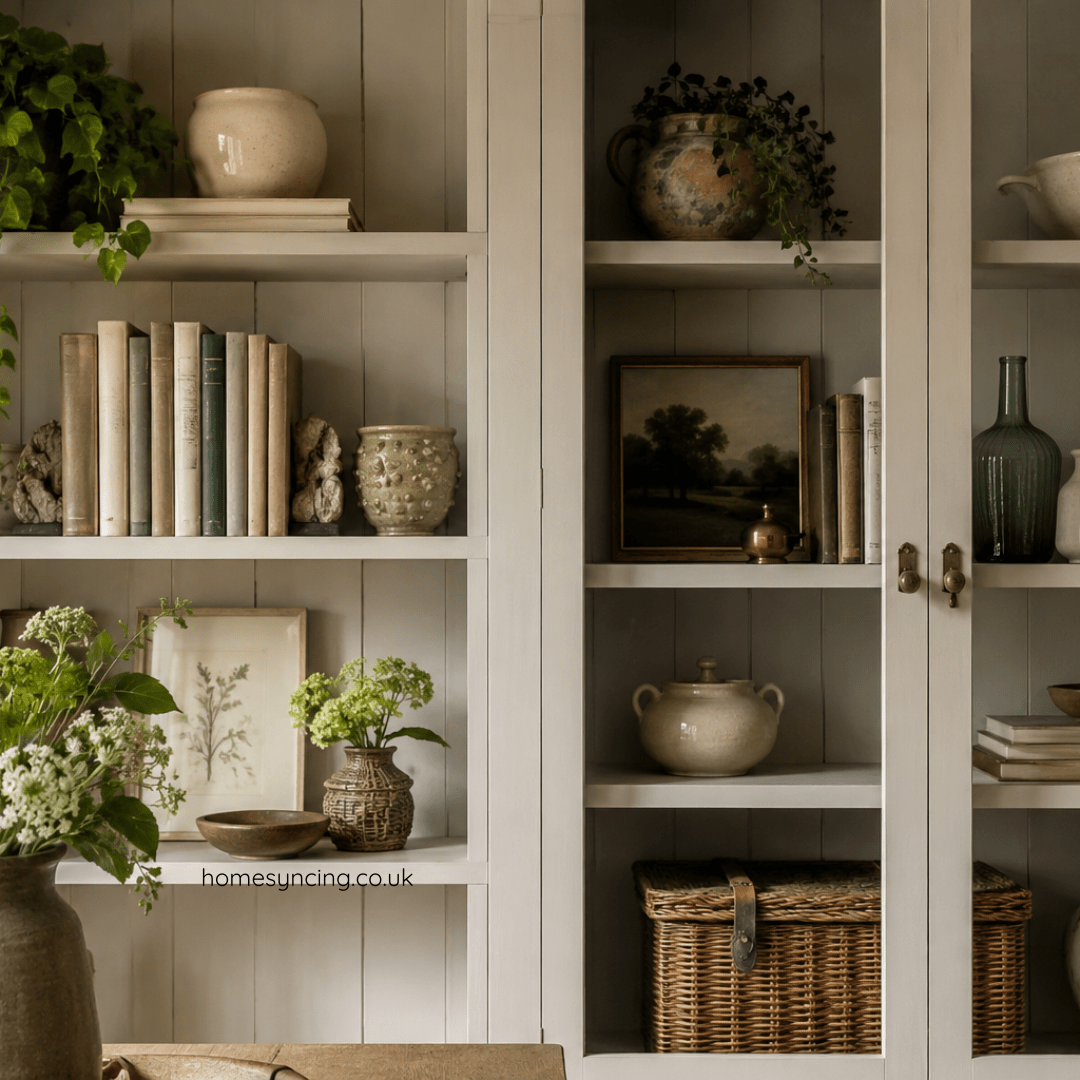
How to Style Shelves and Display Cabinets Beautifully

Shelves and display cabinets offer one of the simplest ways to bring personality, warmth and character into your home. They provide a place to showcase favourite objects, treasured memories and beautiful pieces collected over time, turning everyday storage into something much more meaningful.

A carefully arranged shelf can tell a story. A display cabinet can become a focal point in a room. Whether filled with books, ceramics, family heirlooms or natural finds, these spaces offer a wonderful opportunity to reflect the things you love.

However, creating a display that feels balanced and inviting can sometimes be more difficult than it first appears. Too many items can make a space feel cluttered, while too few can leave it feeling empty. The secret is finding the right balance between organisation, texture and personality.

Start with a clear space

Before styling shelves or a display cabinet, begin by removing everything and looking at the space with fresh eyes.

This gives you the opportunity to decide which pieces truly deserve to be displayed and which items may be better stored elsewhere.

A beautiful display does not need to contain every treasured possession. Often, fewer carefully chosen objects have a greater impact.

Think about the feeling you want to create. Do you want the display to feel calm and simple, full of colour and character, or like a collection built over many years?

Choose objects with meaning

The most inviting shelves are those that feel personal rather than carefully arranged for appearance alone.

A home should reflect the people who live there, so include pieces that have a story behind them:

  • Books that you enjoy returning to.
  • Family photographs.
  • Handmade ceramics.
  • Artwork or prints.
  • Objects collected during travels.
  • Natural treasures such as shells, stones or dried flowers.

These personal touches create a display that feels authentic and welcoming.

Create balance with height and shape

One of the easiest ways to style shelves beautifully is to consider the shape and height of each object.

A collection where everything is the same size can appear flat, while a mixture of heights creates movement and interest.

Try combining:

  • Tall objects such as vases, candlesticks or plants.
  • Medium pieces such as framed artwork or decorative items.
  • Smaller objects placed alongside books or grouped together.

Allow some empty space between items too. This helps each piece stand out and prevents the display from feeling overcrowded.

Use the rule of odd numbers

Grouping objects in odd numbers, particularly threes or fives, is a useful styling technique. Arrangements with uneven numbers often feel more natural and relaxed.

For example, a shelf might include:

  • A stack of books.
  • A small ceramic bowl.
  • A vase or plant.

The aim is not to create a perfect formula, but to build a display that feels effortless.

Layer objects for depth

Shelves can sometimes feel flat because everything is placed in a single line. Adding layers creates a more interesting and thoughtful arrangement.

Try placing:

  • Artwork or framed photographs towards the back.
  • Books stacked horizontally to create a base for smaller objects.
  • Smaller decorative pieces in front of larger items.
  • Objects slightly off-centre rather than perfectly aligned.

This creates depth and encourages the eye to explore the display.

Bring nature indoors

Natural elements can soften shelves and display cabinets, adding colour and texture throughout the year.

A simple vase of seasonal flowers, a leafy houseplant or a collection of natural materials can bring a sense of the outdoors inside.

Consider:

  • Fresh flowers in spring and summer.
  • Autumn branches and dried grasses.
  • Evergreen foliage during the colder months.
  • Wooden, stone or ceramic accessories.

Natural materials work beautifully with both traditional and contemporary interiors.

Create a colour story

A cohesive colour palette can help shelves feel calm and considered. This does not mean everything needs to match, but repeating a few colours throughout the display can create harmony.

For example, you might combine:

  • Soft greens with natural wood and warm neutrals.
  • Blue and white ceramics with glass and linen.
  • Earthy tones with terracotta, woven textures and handmade pottery.

Your shelves should complement the wider room, connecting with furniture, wall colours and soft furnishings.

Style display cabinets with care

Display cabinets offer the advantage of creating a dedicated place for treasured collections while protecting them from dust.

Glass-fronted cabinets work particularly well for:

  • Ceramics and pottery.
  • Glassware.
  • Books.
  • Collectables.
  • Family pieces.

Avoid filling every shelf completely. Allowing some breathing space helps individual items become appreciated.

You can also use the lower sections of cabinets for practical storage, keeping everyday items hidden while allowing special pieces to take centre stage.

Mix old and new pieces

A beautiful display often combines different styles and eras. An antique vase can sit alongside a contemporary sculpture. Modern artwork can provide a striking contrast against traditional furniture.

Mixing old and new creates a home that feels layered and lived in.

Rather than trying to create a perfectly matching arrangement, choose pieces that share a connection through colour, texture or simply the fact that you love them.

Change displays with the seasons

Shelves and cabinets do not need to remain the same throughout the year. Small changes can refresh a room and reflect the changing seasons.

You might add:

  • Spring flowers and lighter colours.
  • Summer greenery and natural textures.
  • Autumn leaves, warm ceramics and rustic tones.
  • Winter candles and festive touches.

Seasonal styling is a simple way to keep your home feeling connected to the world outside.

Avoid common styling mistakes

A few simple considerations can help create a more balanced display:

Avoid overcrowding
Too many objects can hide the beauty of individual pieces.

Avoid placing everything symmetrically
Perfect symmetry can sometimes feel formal. A more relaxed arrangement often feels more natural.

Avoid displaying items you do not love
Your home should be filled with things that bring pleasure or meaning.

Create displays that feel like home

The most beautiful shelves and display cabinets are not those that look untouched or perfect. They are the ones that reveal a little about the people who live there.

A favourite book, a handmade bowl, a family photograph or a treasured object collected over time can transform a simple shelf into something personal.

Styling shelves is not about following strict rules. It is about creating moments of beauty, celebrating the things you love and allowing your home to tell its own story.

With thoughtful choices and a little creativity, shelves and display cabinets can become some of the most charming features in your home — spaces filled with character, memories and everyday inspiration.

Further Reading: The Psychology of Colour in the Home, Timeless Interior Trends That Never Date, Ways to Make Your Home Feel More Expensive, Slow Living at Home

Daily Inspiration: Follow Us on Instagram, BlueSkyThreads , PinterestTwitterTikTok

The White Edit: The Timeless Trend

White interiors have captivated designers and homeowners for centuries, from the pristine chambers of Versailles to the minimalist lofts of modern Manhattan. This enduring design philosophy, often referred to as “The White Edit,” transforms spaces through the strategic use of white and off-white furnishings, creating environments that feel both luxurious and serene.

The White Edit isn’t merely about painting walls white or purchasing white furniture. It’s a sophisticated approach to interior design that celebrates texture, form, and light whilst maintaining a cohesive palette. This design philosophy emerged from various movements throughout history—from the stark elegance of Scandinavian design to the pristine simplicity of modern minimalism.

Understanding this design style requires appreciating its nuanced approach to creating depth and interest without relying on bold colours. The White Edit challenges designers to craft compelling spaces through contrast, texture, and carefully considered proportions rather than vibrant hues.

Understanding The White Edit Design Philosophy

The White Edit represents more than a colour choice—it embodies a design philosophy rooted in restraint and refinement. This approach traces its origins to several influential movements, including the Bauhaus school’s emphasis on functional beauty and the Scandinavian tradition of hygge, which celebrates comfort and cosiness through simplicity.

Historically, white interiors signified wealth and status, as white fabrics and furnishings required extensive maintenance and frequent replacement. The Georgian townhouses of 18th-century London often featured white-painted rooms to showcase the homeowner’s ability to maintain such pristine spaces. This association with luxury persists today, though modern materials make white interiors far more practical.

The contemporary White Edit draws inspiration from various sources: the serene monasteries of medieval Europe, the sun-bleached coastal homes of the Mediterranean, and the clean lines of modernist architecture. Each influence contributes to a design language that prioritises light, space, and tranquillity.

This design philosophy operates on the principle that removing colour distractions allows other design elements—texture, proportion, and light—to take centre stage. The result is spaces that feel larger, brighter, and more harmonious.

Essential Considerations for The White Edit

Successfully executing The White Edit requires careful consideration of several key factors that can make or break the overall effect.

Lighting and Natural Elements

Natural light serves as the foundation of any successful White Edit. White surfaces reflect and amplify available light, but the quality and direction of that light dramatically affects how whites appear throughout the day. North-facing rooms may render whites cooler and bluer, whilst south-facing spaces warm whites to cream or ivory tones.

Artificial lighting becomes equally crucial. Layer different light sources—ambient, task, and accent lighting—to create depth and prevent the harsh, sterile appearance that can plague poorly planned white interiors. Warm LED bulbs help counteract the potentially cold feeling of extensive white surfaces.

Texture and Material Variety

The absence of colour in The White Edit places enormous importance on texture and material selection. Successful white interiors incorporate diverse materials: rough-hewn timber beams against smooth plaster walls, nubby linen cushions beside sleek ceramic surfaces, or weathered stone floors beneath crisp white furniture.

Natural materials bring warmth and authenticity to white spaces. Raw oak, natural linen, wool, stone, and rattan introduce organic textures that prevent white interiors from feeling artificial or sterile. These materials age beautifully, developing patina and character that enhances rather than detracts from the overall aesthetic.

Architectural Details and Proportions

White interiors highlight architectural features more dramatically than coloured spaces. Crown moulding, panelling, and structural elements become focal points when rendered in white. However, this also means any architectural flaws or poor proportions become more apparent.

Consider how white affects spatial perception. Light colours advance visually, making rooms feel larger but potentially overwhelming in poorly proportioned spaces. Strategic use of different white tones can help define zones and create visual interest without introducing colour.

Benefits of Embracing The White Edit

The White Edit offers numerous advantages that explain its enduring popularity among designers and homeowners alike.

Timeless Elegance and Versatility

White interiors transcend fleeting trends, providing a timeless backdrop that adapts to changing tastes and lifestyles. This versatility allows homeowners to refresh their spaces through accessories, artwork or single statement pieces without requiring complete redesigns.

The neutral foundation of The White Edit accommodates various decorating approaches. Whether your taste leans towards Scandinavian minimalism, French country charm, or contemporary modernism, white provides an adaptable canvas for personal expression.

Enhanced Natural Light and Spatial Perception

White surfaces reflect up to 80% of available light, dramatically brightening interiors and reducing reliance on artificial illumination during daylight hours. This light-enhancing quality makes white particularly valuable in small spaces, urban environments with limited natural light, or homes with challenging orientations.

The psychological effects of bright, airy spaces cannot be understated. White interiors often promote feelings of calm, cleanliness, and openness, contributing to overall wellbeing and mental clarity.

Sophisticated Backdrop for Art and Collections

The White Edit creates museum-quality backgrounds for displaying artwork, collections, or statement furniture pieces. Against white walls and amongst white furnishings, colourful artwork appears more vibrant, whilst sculptural objects gain prominence through contrast.

This neutral backdrop allows you to rotate seasonal displays or change focal points without clashing with existing décor. A single bouquet of peonies or a carefully chosen throw can transform the entire mood of a white room.

Potential Drawbacks to Consider

Despite its many advantages, The White Edit presents certain challenges that require thoughtful solutions.

Maintenance and Practicality Concerns

White surfaces show dirt, scuffs, and stains more readily than darker alternatives. This visibility requires more frequent cleaning and maintenance, particularly in high-traffic areas or homes with young children or pets. Consider the practical implications of white furniture and fabrics in your specific living situation.

However, modern materials and treatments have made white interiors far more practical than their historical counterparts. Performance fabrics, stain-resistant treatments, and durable finishes help address traditional maintenance concerns.

Risk of Sterile or Impersonal Atmospheres

Poorly executed white interiors can feel cold, institutional, or lacking in personality. Without careful attention to texture, lighting, and personal touches, The White Edit may create spaces that feel more like medical facilities than welcoming homes.

Combat this risk through layering textures, incorporating natural materials, and including personal collections or meaningful objects that reflect your personality and lifestyle.

Expert Tips for Mastering The White Edit

Successfully implementing The White Edit requires attention to detail and understanding of how different whites interact with each other and their environment.

Embrace White’s Many Variations

Pure white rarely exists in nature, and successful white interiors typically incorporate multiple white tones. Warm whites contain hints of yellow, pink or beige, whilst cool whites lean towards blue or grey undertones. Understanding these subtle differences prevents clashing and creates sophisticated tonal variations.

Sample different whites in your space before committing. Paint large swatches on different walls to observe how each white behaves in varying light conditions throughout the day.

Strategic Introduction of Contrast

The White Edit doesn’t mean eliminating all contrast. Strategic use of darker elements—black window frames, dark timber floors or charcoal accents—prevents white spaces from appearing washed out whilst maintaining the overall light, airy aesthetic.

Consider the 80/20 rule: maintain approximately 80% white or light neutral surfaces whilst introducing 20% darker or contrasting elements for visual anchoring and depth.

Layer Textures Thoughtfully

Build visual interest through texture rather than colour. Combine smooth and rough surfaces, matte and glossy finishes, hard and soft materials. A white interior might feature smooth marble countertops, rough-textured walls, glossy ceramic accessories, matte painted furniture and soft wool textiles.

Natural textures particularly enhance white interiors. Incorporate elements like weathered wood, natural stone, woven baskets or live plants to bring organic warmth to pristine white spaces.

Creating Your Perfect White Haven

The White Edit offers a sophisticated approach to interior design that celebrates light, texture and form over bold colour statements. This timeless philosophy creates spaces that feel both luxurious and serene, providing adaptable backgrounds for evolving tastes and lifestyles.

Success with The White Edit requires understanding its nuanced approach to colour, texture, and light. Rather than simply choosing white paint and white furniture, embrace the complexity of creating depth and interest through material selection, lighting design, and architectural consideration.

Start small with a single room to test your approach before committing to an entire home transformation. Pay attention to how different whites interact in your specific space and lighting conditions. Most importantly, remember that The White Edit should enhance your lifestyle rather than constrain it—adapt these principles to create spaces that truly feel like home.

Further Reading: Affordable Decorating Ideas That Will Transform Your Home

Daily Inspiration: Follow Us on Instagram, BlueSkyThreads , PinterestTwitterTikTok

The Black Edit: A Bold Statement in Interior Design

Black has long held a commanding presence in the world of design. From the sleek lacquered furniture of ancient China to the dramatic gothic interiors of Victorian England, black finishes have conveyed sophistication, mystery and timeless elegance. Today, the “Black Edit” represents a contemporary design movement that embraces black-finished furniture and decorative items as statement pieces that transform ordinary spaces into extraordinary ones.

This design approach isn’t about creating dark, oppressive rooms. Rather, it’s about harnessing the power of black to add depth, contrast and visual drama to your home. Whether you’re drawn to the minimalist allure of matt black metal or the luxurious sheen of ebonised wood, understanding how to work with black finishes can elevate your interior design to new heights.

Understanding the Black Edit Aesthetic

The Black Edit style centres on incorporating black-finished furniture and decorative objects as focal points within a space. This might include ebonised wooden cabinets, powder-coated metal shelving, black-painted vintage pieces or contemporary furniture with black lacquer finishes.

What distinguishes this approach from simply painting everything black is its thoughtful, curated nature. The Black Edit involves selecting specific pieces that serve as anchors or accent points, creating visual interest through contrast rather than overwhelming a space with darkness. A black-painted chest of drawers against white walls, a cluster of black ceramic vases on a light timber sideboard or a statement black pendant light above a dining table—these are the building blocks of this aesthetic.

Historically, black furniture held particular significance in different cultures. In Japan, black lacquerware known as “urushi” was prized for its durability and beauty, often featuring intricate gold decorations. In 18th-century Europe, japanning—a technique that imitated Asian lacquerwork—became fashionable, with black finishes adorning cabinets and screens in wealthy households. Understanding this rich heritage reminds us that black finishes have always been associated with craftsmanship and refinement.

Key Considerations Before Embracing Black

Before committing to black-finished pieces, several practical factors deserve consideration.

Room size and natural light play crucial roles in how black furniture will appear in your space. Rooms with abundant natural light can accommodate larger black pieces without feeling confined. South-facing rooms with generous windows can handle bold black furniture beautifully, as the natural light prevents the space from feeling heavy. Conversely, smaller rooms or those with limited daylight require a more restrained approach—perhaps a single statement piece rather than multiple black items.

Existing colour schemes must be evaluated carefully. Black works harmoniously with numerous palettes, but the overall effect varies significantly. Paired with whites and greys, black creates a crisp, modern aesthetic. Combined with warm woods and natural textures, it offers sophisticated contrast whilst maintaining warmth. Against jewel tones like emerald or sapphire, black provides grounding weight that prevents the space from feeling frivolous.

Maintenance requirements differ depending on the finish type. Matt black surfaces show dust and fingerprints less readily than high-gloss finishes, making them more practical for frequently used pieces. However, glossy black lacquer, whilst requiring more careful maintenance, reflects light beautifully and can make spaces feel larger. Consider how much time you’re willing to invest in upkeep when selecting your finishes.

The Benefits of Black-Finished Pieces

Black furniture and decorative items offer several compelling advantages that explain their enduring popularity.

Versatility across styles stands as perhaps black’s greatest strength. A black metal bookshelf suits industrial lofts and contemporary flats equally well. An ebonised Victorian chair transitions seamlessly from traditional to eclectic interiors. This adaptability means your investment in quality black pieces remains relevant as your tastes evolve.

Creating visual depth becomes effortless with black accents. Where pale furnishings can sometimes feel flat or washed out, black introduces shadows and dimension. A black-framed mirror, for instance, doesn’t just reflect light—it creates a defined boundary that makes the reflection more striking. Black picture frames similarly draw the eye to artwork, providing definition that lighter frames cannot achieve.

Timeless sophistication never goes out of fashion. Whilst trendy colours come and go, black maintains its elegant appeal decade after decade. A well-made black cabinet purchased today will look equally appropriate in twenty years, making it a sound long-term investment.

Concealing imperfections proves particularly useful in rental properties or older homes. Black paint can disguise scratched or damaged furniture, giving tired pieces new life. Where natural wood might show every mark, black finishes offer forgiveness whilst maintaining style.

Black is Back Edit

Potential Drawbacks to Consider

Honesty demands acknowledging that black finishes aren’t universally suitable.

Showing dust and marks presents the most common complaint. Fingerprints appear readily on glossy black surfaces, and dust shows starkly against black furniture in well-lit rooms. Regular cleaning becomes necessary to maintain the crisp appearance that makes black so appealing.

Overwhelming smaller spaces can occur when enthusiasm outpaces practicality. A small bedroom furnished entirely with black pieces risks feeling cave-like rather than cosy. The solution lies in restraint—one or two black items rather than comprehensive black furnishings.

Temperature perception deserves mention, though its impact varies. Some people find rooms with substantial black furniture feel psychologically cooler or more formal. This perception matters less in bedrooms or studies but might influence decisions about family living spaces.

Tips for Successfully Implementing the Black Edit

Mastering the Black Edit requires strategic thinking and careful balance.

Start with accent pieces if you’re uncertain about committing fully to black furniture. A black side table, lamp or set of shelves allows you to test how black elements work in your space without major investment. These smaller pieces can be moved between rooms as you refine your approach.

Balance with lighter elements prevents spaces from feeling heavy. For every substantial black piece, incorporate lighter counterpoints—white walls, pale timber flooring, cream upholstery or metallic accents. This interplay between light and dark creates the visual drama that makes the Black Edit so compelling.

Mix textures and finishes rather than relying on a single type of black surface. Combine matte black metal with glossy black lacquer, or pair painted black wood with black leather. These varied textures catch light differently, adding complexity and interest to your scheme.

Consider undertones when selecting black paint or finishes. Black isn’t simply black—it contains subtle undertones of blue, brown or green that become apparent in different lighting conditions. Test samples in your space at various times of day before committing to ensure the undertone complements your existing palette.

Use black to define zones in open-plan spaces. A black bookshelf or console table can subtly delineate areas without requiring walls or screens, maintaining flow whilst creating visual organisation.

Embrace contrast with artwork and accessories. Black furniture provides an excellent backdrop for colourful art, vibrant textiles, or metallic decorative objects. The neutral foundation allows other elements to shine without competition.

Making the Black Edit Work for You

The Black Edit offers a sophisticated approach to interior design that rewards careful implementation. By understanding both its possibilities and limitations, you can harness black’s dramatic potential whilst avoiding common pitfalls.

Start small, observe how black elements transform your space, and build gradually towards your vision. Remember that successful interior design isn’t about following trends slavishly—it’s about creating environments that reflect your personality whilst functioning beautifully for daily life. Black-finished furniture and decorative pieces, when thoughtfully selected and positioned, provide the foundation for spaces that feel both timeless and distinctly contemporary.

Further Reading: Affordable Decorating Ideas That Will Transform Your Home

Daily Inspiration: Follow Us on Instagram, BlueSky, Threads , Pinterest, Twitter, TikTok

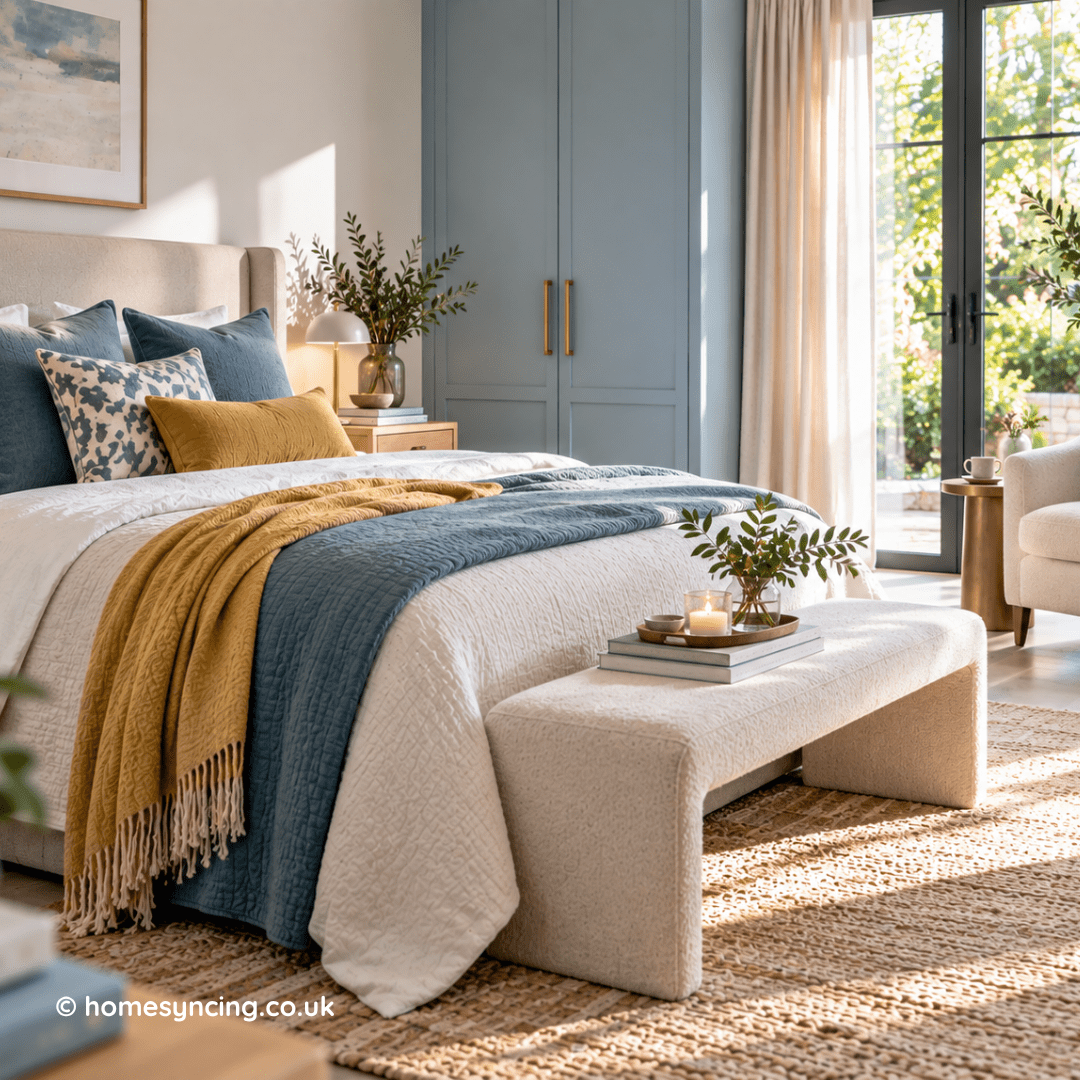
How to Create a Stunning Guest Bedroom That Wows Your Visitors

Creating a welcoming guest bedroom is one of the most rewarding home decorating projects you can tackle. A thoughtfully designed guest space shows your visitors that you care about their comfort and makes them feel truly at home. Whether you’re working with a spare room, converting a home office or maximising a multi-purpose space, you can transform any area into a stunning retreat that your guests will remember fondly.

The key to a successful guest bedroom lies in balancing comfort with style. You want to create a space that’s both beautiful to look at and practical to use. This means considering everything from the basics like comfortable bedding and adequate storage to the finishing touches that make the room feel special and personalised.

A well-designed guest bedroom doesn’t require a huge budget or professional interior design skills. With some planning and attention to detail, you can create a space that rivals any boutique hotel. The secret is focusing on the essentials first, then layering in decorative elements that reflect your personal style whilst keeping your guests’ needs at the forefront.

Essential Furniture for a Functional Guest Bedroom

The foundation of any stunning guest bedroom starts with choosing the right furniture pieces. Your selections should prioritise comfort and practicality whilst contributing to the room’s overall aesthetic appeal.

Choosing the Perfect Bed

The bed is undoubtedly the most important piece of furniture in your guest bedroom. A comfortable mattress is non-negotiable, as poor sleep can ruin an entire visit. If you’re working with a smaller space, consider a high-quality sofa bed or daybed that can serve multiple purposes when guests aren’t staying.

For traditional guest bedrooms, a double bed offers the most versatility, accommodating both couples and single guests comfortably. Ensure your mattress is medium-firm, as this suits most sleep preferences. Don’t forget to invest in quality pillows with different firmness levels to cater to various sleeping styles.

The bed frame you choose should complement your room’s style whilst being sturdy and quiet. Avoid beds that creak or wobble, as these can disturb your guests’ sleep. Wooden frames offer timeless appeal, whilst upholstered headboards add a touch of luxury and comfort for reading in bed.

Storage Solutions That Work

Your guests need somewhere to unpack and store their belongings, even for short stays. A chest of drawers provides essential storage space and can double as a surface for displaying decorative items or holding a lamp.

Consider adding a luggage rack or bench at the foot of the bed where guests can place their suitcases. This small addition prevents cases from ending up on the floor or bed and shows thoughtful planning on your part.

A wardrobe or clothes rail with hangers is essential for longer stays. If built-in storage isn’t available, a freestanding wardrobe or even a stylish clothes rail can work beautifully. Provide a mix of hangers including padded ones for delicate items and trouser hangers for wrinkle-free storage.

Seating Areas for Relaxation

A comfortable chair creates a cosy reading nook and gives guests somewhere to sit while getting dressed or simply relaxing. An armchair with good back support works perfectly, especially when paired with a small side table for books, drinks or personal items.

If space is limited, an ottoman or storage bench can provide seating whilst offering additional storage. These versatile pieces can hold extra bedding, towels or other guest essentials whilst serving as a place to sit.

Practical Surfaces and Lighting

Bedside tables are essential for holding lamps, books, glasses of water, and personal items. Choose tables with drawers or shelves to provide extra storage space. If you’re using mismatched pieces, ensure they’re similar in height and scale for a cohesive look.

Good lighting is crucial for guest comfort. Provide bedside lamps for reading, and ensure the main room lighting is warm and inviting rather than harsh and clinical. A combination of ambient and task lighting creates the most welcoming atmosphere.

Decorative Themes That Create Atmosphere

Once you’ve sorted the functional elements, it’s time to infuse your guest bedroom with personality and style. The decorative theme you choose sets the tone for the entire space and can transform a basic room into a memorable retreat.

Classic and Timeless Elegance

A classic decorating approach never goes out of style and appeals to guests with varying tastes. This theme focuses on quality pieces in neutral colours with traditional patterns and textures. Think crisp white linens, wooden furniture with clean lines, and subtle floral or geometric patterns.

Incorporate timeless elements like vintage-inspired artwork, classic books on the bedside table, and fresh flowers in simple vases. This approach creates a sophisticated atmosphere that feels both welcoming and refined.

Modern Minimalist Comfort

For those who prefer clean lines and uncluttered spaces, a minimalist approach can be incredibly effective. Focus on quality over quantity, choosing fewer pieces that make a strong impact. Neutral colour palettes, natural materials and plenty of white space create a calming environment.

Key elements include platform beds with simple frames, floating shelves instead of bulky furniture and artwork with clean geometric designs. The beauty of minimalist design lies in its simplicity and the sense of calm it creates.

Cosy Country Charm

Country-style guest bedrooms exude warmth and comfort through natural materials, soft colours, and traditional patterns. Think exposed wooden beams, vintage quilts, and furniture with a weathered or distressed finish.

Layer different textures through throws, cushions, and rugs in complementary colours. Floral patterns, gingham and other traditional country motifs work beautifully when used sparingly. The goal is to create a space that feels lived-in and comfortable rather than overly styled.

Contemporary Boutique Hotel Style

This theme brings the luxury of high-end hotels into your home through careful attention to detail and quality finishes. Focus on rich textures, sophisticated colour schemes and hotel-inspired amenities.

Layer different fabrics and textures through cushions, throws, and window treatments. Choose artwork that makes a statement, and don’t forget hotel-style touches like quality bathrobes, slippers and premium toiletries.

Coastal and Beach-Inspired Serenity

Coastal themes work particularly well in guest bedrooms as they evoke feelings of relaxation and holiday vibes. Use a palette of blues, whites and sandy beiges, incorporating natural materials like rattan and driftwood.

Nautical elements should be used sparingly to avoid creating a theme park effect. Instead, focus on the colours and textures that remind you of the seaside: flowing curtains that move like waves, textured cushions that evoke sandy beaches and artwork featuring seascapes or coastal scenes.

Accessories That Enhance Comfort and Style

The right accessories can elevate your guest bedroom from functional to fabulous. These finishing touches show attention to detail and consideration for your guests’ comfort and enjoyment.

Luxurious Bedding and Textiles

Quality bedding is perhaps the most important accessory in any guest bedroom. Invest in 100% cotton sheets with a thread count between 200-400 for the best combination of comfort and durability. Higher thread counts aren’t necessarily better and can actually feel less breathable.

Layer your bedding thoughtfully with a quality duvet and cover, comfortable pillows, and attractive throws or blankets. Choose colours and patterns that complement your chosen theme whilst ensuring everything coordinates harmoniously.

Don’t forget about curtains or blinds, which serve both practical and decorative purposes. They provide privacy and light control whilst adding colour, pattern, or texture to your room. Choose treatments that can block out light completely for guests who prefer dark sleeping conditions.

Artwork and Personal Touches

Carefully chosen artwork adds personality to your guest bedroom and creates focal points that draw the eye. Choose pieces that reflect your style whilst remaining universally appealing. Local photography, abstract prints or classic botanical illustrations work well in most settings.

Consider creating a small gallery wall with a collection of smaller pieces or make a statement with one larger artwork above the bed. Ensure all pieces are properly hung and secured, as nothing says amateur like crooked or poorly mounted art.

Personal touches like books, fresh flowers, or small decorative objects make the space feel lived-in and welcoming. However, avoid overcrowding surfaces or making the room feel cluttered. The key is finding the right balance between personality and practicality.

Mirrors and Lighting Accessories

Mirrors serve both functional and decorative purposes in guest bedrooms. They’re essential for guests getting ready and can make smaller rooms feel larger and brighter. Choose mirrors that complement your decorative theme, whether that’s a simple rectangular mirror for minimalist spaces or an ornate vintage piece for traditional rooms.

Table lamps, floor lamps, and even string lights can add warmth and ambiance to your guest bedroom. Layer different types of lighting to create a welcoming atmosphere that can be adjusted for different activities and times of day.

Plants and Natural Elements

Living plants bring life and freshness to any space, but choose varieties that are easy to care for and can tolerate varying light conditions. Snake plants, pothos and ZZ plants are excellent choices for guest bedrooms as they’re virtually indestructible and improve air quality.

If maintaining live plants seems daunting, high-quality artificial plants have come a long way and can provide the same visual benefits without the maintenance requirements. Natural elements like wooden bowls, stone accessories or woven baskets add texture and interest whilst maintaining a organic feel.

Finishing Touches That Make the Difference

The final layer of your guest bedroom design involves those small but significant details that transform a nice room into an unforgettable experience for your visitors.

Creating a Welcome Experience

Consider creating a welcome basket or tray with thoughtful items your guests might need or appreciate. This could include bottled water, local treats, magazines, maps of the area or information about nearby restaurants and attractions.

Provide fresh towels that are easily accessible, either folded neatly on the bed or placed in an obvious location like the top of the chest of drawers. Include both bath towels and hand towels and consider adding a face cloth for added convenience.

Practical Essentials

Stock the room with items your guests might have forgotten or need during their stay. A small basket with phone chargers, adapters, basic toiletries, pain relievers and other essentials shows incredible thoughtfulness.

Ensure there are adequate power outlets near the bed and desk areas. If existing outlets are insufficient, consider adding USB charging stations or extension cords in convenient locations.

Seasonal Adaptations

Consider how your guest bedroom can be adapted for different seasons to ensure year-round comfort. Extra blankets stored in a ottoman or wardrobe can be brought out during colder months, whilst lightweight throws and better ventilation might be needed during summer.

Seasonal decorative touches can keep the room feeling fresh and current. This might involve swapping throw pillows, changing artwork or adding seasonal flowers or plants.

Technology and Modern Conveniences

While maintaining the room’s peaceful atmosphere, consider adding modern conveniences that today’s guests expect. This might include a bluetooth speaker for music, good WiFi coverage or even a smart TV if space and budget allow.

However, be mindful not to overwhelm the space with technology. The goal is to enhance comfort without compromising the serene atmosphere you’ve worked to create.

Your Guest Bedroom Transformation Awaits

Creating a stunning guest bedroom is about more than just decorating a spare room—it’s about crafting an experience that makes your visitors feel valued and comfortable. By focusing on functional furniture choices, selecting a cohesive decorative theme, adding thoughtful accessories and paying attention to finishing touches, you can create a space that rivals any luxury hotel.

Remember that the most beautiful guest bedroom is one that serves your guests’ practical needs whilst reflecting your personal style. Start with the essentials like a comfortable bed and adequate storage, then build up the decorative layers gradually. Don’t feel pressured to complete everything at once; a thoughtfully curated room often develops over time.

Take photos of your finished guest bedroom to remember what works well, and don’t hesitate to make adjustments based on feedback from your guests. The best host is one who continues to refine and improve the guest experience based on real-world use.

Your guests will appreciate the effort you’ve put into creating a welcoming space, and you’ll have the satisfaction of knowing you’ve created something truly special. Start planning your guest bedroom transformation today—your future visitors will thank you for it.

Further Reading: How to Create a Productive Home Workspace, Transform Your Small Space: Ways to Create Big Interior Design Impact, Home Styling: Personality & Character

For Daily Inspiration, Latest Offers, News of Just Added Items and Notification of our Latest Blogs, Follow Us on Instagram 💚
Translate »