Your home should tell your story. Every room, every corner and every detail should reflect who you are and what you love. Yet many homes feel generic, lacking the warmth and character that makes them truly special. The good news is that creating a personalised space doesn’t require a complete renovation or unlimited budget. With thoughtful planning and creative touches, you can transform any house into a home that feels uniquely yours.
Adding personality to your home is about more than following design trends. It’s about creating spaces that feel comfortable, functional and authentically you. Whether you’re starting from scratch in a new property or refreshing your current space, the key is understanding what makes you feel at home and translating those elements into your décor.
What to Consider Before You Begin
Before diving into decorating, take time to assess your space and define your goals. Start by walking through each room with fresh eyes. Notice the architectural features, natural light patterns and existing elements you want to keep or change.
Consider your lifestyle needs carefully. Do you entertain frequently? Are you working from home? Do you have children or pets? These factors will influence your design choices and help you prioritise functionality alongside aesthetics.
Think about your personal style preferences. Gather inspiration from magazines, Pinterest or Instagram, but focus on identifying common themes rather than copying exact looks. You might gravitate towards minimalist spaces, cosy cottage vibes or bold contemporary designs. Understanding your preferences will guide your decisions and create cohesion throughout your home.
Budget is another crucial consideration. Determine how much you can spend overall and allocate funds across different areas. Remember that you don’t need to complete everything at once. Creating a timeline allows you to tackle one room or project at a time while building towards your overall vision.
Creating Your Personal Style Vision
Developing a cohesive style vision prevents your home from feeling disjointed or overwhelming. Start by creating a mood board that captures colours, textures, patterns and styles that appeal to you. This visual reference will help you make consistent choices as you shop and decorate.
Consider the story you want your home to tell. Perhaps you want to celebrate your travels, showcase your love of books, or create a calming retreat from busy city life. Having a clear narrative helps you make decisions that support your overall vision.
Don’t feel pressured to stick to one specific design style. Many beautiful homes blend elements from different aesthetics. You might combine Scandinavian minimalism with vintage finds, or mix modern furniture with traditional architectural details. The key is ensuring all elements work together harmoniously.
Test your ideas before committing to major purchases. Use paint samples, fabric swatches and mood boards to see how different elements work together. Take photos of potential combinations and live with them for a few days before making final decisions.
Decoration, Furniture and Accessory Considerations
When selecting furniture and décor, prioritise pieces that serve both functional and aesthetic purposes. A beautiful storage ottoman provides seating while hiding clutter. A vintage ladder can display throws and magazines while adding architectural interest.
Mix different textures and materials to create visual depth. Combine smooth ceramics with rough natural fibres, sleek metals with weathered wood, or soft fabrics with hard surfaces. This layering approach prevents rooms from feeling flat or one-dimensional.
Scale matters more than you might think. Large artwork can make a small room feel bigger, while tiny accessories can get lost in spacious areas. Use the rule of thirds when arranging items and vary heights to create dynamic displays.
Quality often trumps quantity when building a personalised home. It’s better to invest in fewer, well-made pieces that you truly love than to fill your space with items that don’t reflect your taste. These investment pieces can serve as foundations that you build around over time.
Consider the flow between rooms when making décor choices. Repeating colours, materials, or design elements throughout your home creates visual continuity. This doesn’t mean everything must match perfectly, but there should be connecting threads that tie spaces together.
Creating Memorable First Impressions at Entrances
Your entrance sets the tone for your entire home. This space should immediately communicate your personality while being functional for daily use. Start by ensuring the area is well-lit, both for safety and to create a welcoming atmosphere.
Add personality through colour and pattern. A bold front door colour, patterned floor tiles, or vibrant wallpaper can make a striking first impression. If you prefer subtlety, consider textured materials, interesting hardware or carefully chosen lighting fixtures.
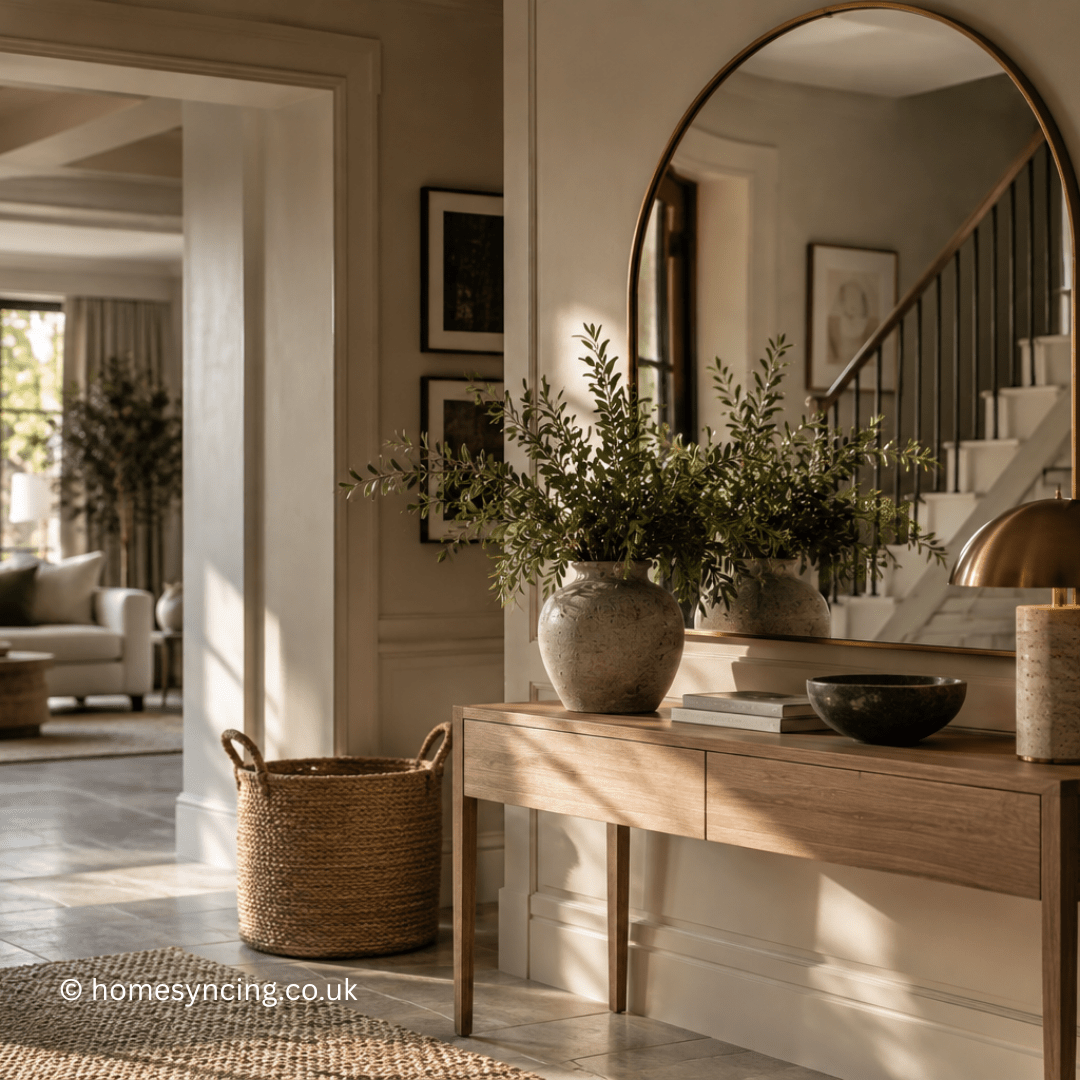
Include practical elements that serve your lifestyle. A console table provides surface space for keys and post, while also offering an opportunity to display flowers or artwork. Hooks, baskets or a coat cupboard keep the space organised and clutter-free.
Don’t forget about scent and sound. A reed diffuser or scented candle can create a welcoming atmosphere, while a small speaker for background music adds warmth. Consider what sensory experience you want guests to have when they enter your home.
Extend your entrance styling to outdoor spaces if possible. Planters, outdoor lighting, and seasonal decorations create continuity between exterior and interior spaces. Even small touches like a personalised doormat or house numbers in your preferred style contribute to the overall impression.
Displaying Personal Effects and Memories
Personal items tell your story and make your house feel like home. However, displaying these treasures requires thoughtful curation to avoid creating cluttered or overwhelming spaces.
Create dedicated display areas for your most meaningful items. A gallery wall can showcase family photos, artwork, and prints that reflect your interests. Floating shelves offer space for books, ceramics, or travel souvenirs while maintaining clean lines.
Group similar items together for maximum impact. A collection of vintage cameras, ceramic vases, or family photographs gains visual weight when displayed as a cohesive group. Use odd numbers when arranging items, as this creates more dynamic and interesting compositions.
Rotate your displays seasonally or when you acquire new pieces. This keeps your décor feeling fresh while giving different items their moment to shine. Store pieces you’re not currently displaying safely so they remain in good condition.
Consider the stories your displays tell. Mix different types of personal items to create interesting narratives. A vintage map from a memorable trip displayed alongside photographs and a souvenir creates a more compelling story than any single item alone.
Be selective about what you display. Not every personal item needs to be on show. Choose pieces that bring you joy, tell important stories or contribute to your room’s aesthetic. Store other meaningful items safely and rotate them into your displays occasionally.
Art and Soft Furnishings That Reflect You
Artwork is one of the most effective ways to inject personality into your home. Don’t limit yourself to traditional paintings or prints. Photography, textiles, sculptures and even functional items like vintage mirrors or decorative plates can serve as art.
Support local artists or choose pieces that connect to your experiences. Art from places you’ve visited, pieces by artists whose stories resonate with you or works that simply bring you joy will always feel more personal than generic prints.
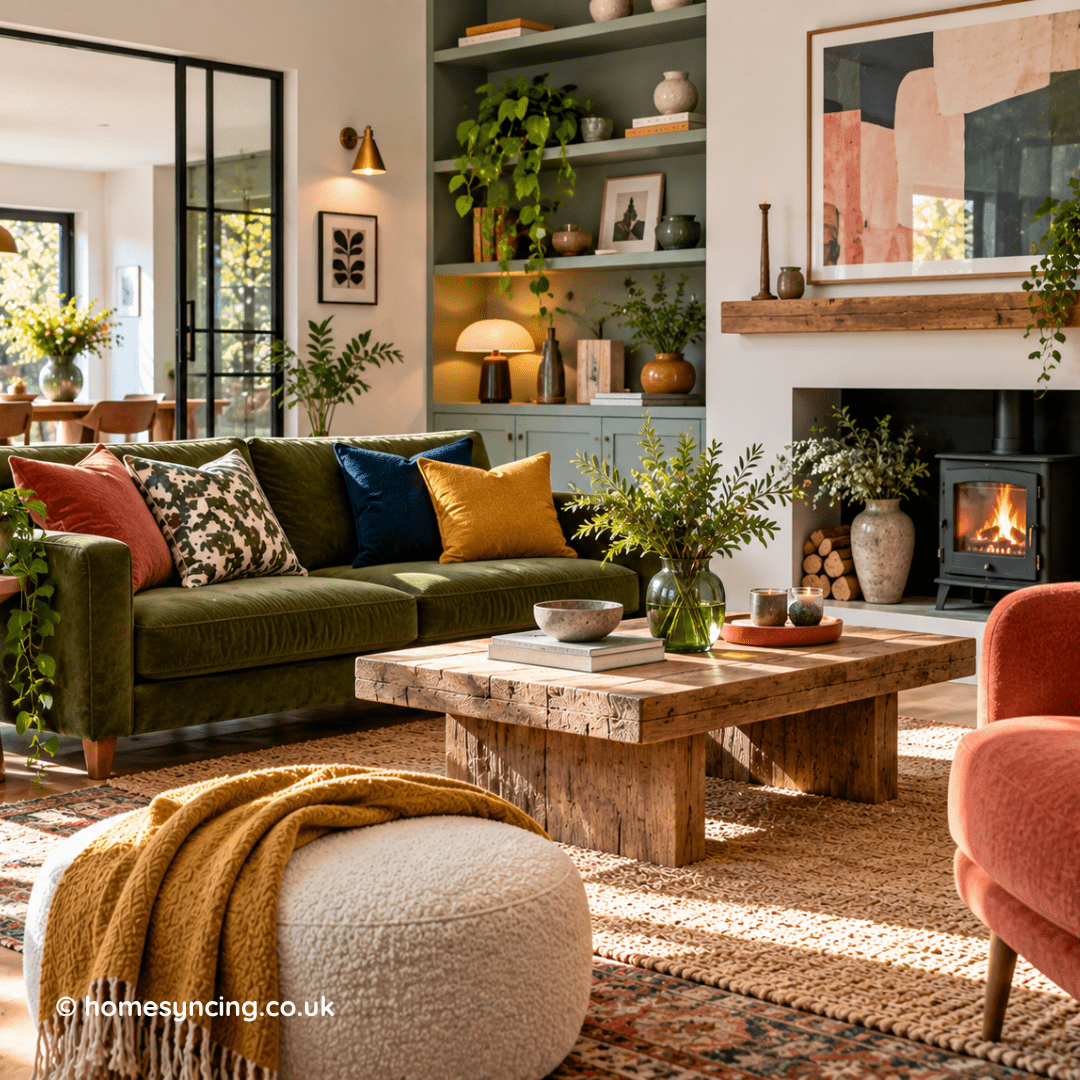
Soft furnishings offer opportunities to experiment with colour, pattern, and texture. Cushions, throws, curtains, and rugs can be changed seasonally or when your taste evolves. These elements add comfort while contributing to your room’s personality.
Layer different textiles to create depth and interest. Mix patterns thoughtfully by varying scale and sticking to a cohesive colour palette. A large floral pattern might pair beautifully with small geometric prints if they share common colours.
Don’t underestimate the power of plants as living art. Greenery adds life, colour, and texture to any space. Choose plants that suit your lifestyle and available light, from low-maintenance succulents to dramatic statement plants like fiddle leaf figs.
Adding Finishing Touches That Matter
The smallest details often have the biggest impact on how personalised your home feels. Light switches, door handles, curtain poles, and other functional elements contribute to your overall aesthetic when chosen thoughtfully.
Lighting deserves special attention as it affects both function and atmosphere. Layer different types of lighting throughout each room. Ambient lighting provides overall illumination, task lighting supports specific activities, and accent lighting highlights features or creates mood.
Candles, lamps, and fairy lights can transform a space’s atmosphere instantly. Choose lighting that complements your décor style and serves your practical needs. Dimmer switches allow you to adjust lighting throughout the day and for different activities.
Consider unexpected places to add personality. Inside wardrobes, drawer linings, the backs of bookshelves, or underneath stair treads can feature bold wallpapers or paint colours that surprise and delight when discovered.
Hardware and fixtures matter more than you might think. Updating cabinet handles, light switches, or tap fixtures can modernise spaces without major renovation. Choose pieces that complement your overall style and maintain consistency throughout your home.
Making Your Home Functional for Your Lifestyle
Personality shouldn’t come at the expense of functionality. The most successful home designs balance beauty with practicality, creating spaces that work for your daily life while expressing your style.
Assess how you actually use each space and design accordingly. If you prefer casual dining, create a comfortable breakfast bar rather than a formal dining room. If you work from home, carve out a dedicated office space that inspires productivity.
Storage solutions can be both functional and decorative. Beautiful baskets, vintage suitcases or modern storage furniture can hide clutter while contributing to your décor. Built-in storage often provides the most seamless solutions while maximising space.
Consider traffic patterns when arranging furniture. Ensure clear pathways through rooms and position seating to encourage conversation. Furniture should enhance how you live rather than creating obstacles or awkward layouts.
Adapt your spaces to support your hobbies and interests. Display your book collection prominently if you’re an avid reader. Create a dedicated space for crafting, exercising or whatever activities bring you joy. Your home should support the life you want to live.
Think about maintenance when making design choices. Beautiful but high-maintenance finishes or fabrics might not suit busy lifestyles or homes with children and pets. Choose materials and furnishings that can withstand your daily life while maintaining their appeal.
Your Home, Your Story
Creating a home with genuine personality takes time, thought, and patience. The most characterful homes evolve gradually, with each addition carefully considered and meaningfully chosen. Trust your instincts, invest in pieces you truly love and don’t rush the process.
Remember that your home should serve you, not the other way around. While inspiration from magazines and social media can be helpful, the best homes reflect their inhabitants’ real lives, preferences and needs. Stay true to your own style rather than chasing trends that don’t resonate with you.
Start small if the prospect of decorating your entire home feels overwhelming. Focus on one room or even one corner, perfect it, then move on to the next area. This approach allows you to learn what works in your space and refine your style as you go.
Most importantly, enjoy the process of making your house a home. Every carefully chosen piece, every thoughtful arrangement and every personal touch contributes to creating a space that truly reflects who you are. Your home should be your sanctuary, a place where you feel completely comfortable and authentically yourself.
Further Reading: Affordable Decorating Ideas That Will Transform Your Home, Create a Cosy Autumn Home