Christmas is just around the corner, and if you’re anything like us, you’re excited to turn your home into a winter wonderland. The centrepiece? A stunning Christmas tree that captures the magic of the season. Whether you’re a seasoned decorator or experiencing Christmas tree decorating with your family for the first time, we’ve got you covered with the latest trends and insider tips.
Ensuring Your Christmas Tree Decoration is Stunning and On-Trend
Before you start, it’s important to have a vision for your Christmas tree. Here are a few steps to guide you:
1. Choose a Theme
Select a theme that reflects your personal style or the mood you want to convey. This could be traditional, minimalist, rustic, or contemporary. Having a theme helps in selecting the right decorations and maintaining a cohesive look.
2. Opt for a Consistent Colour Palette
Choose a colour palette that complements your home decor. A consistent colour scheme adds elegance and sophistication to your tree.
2024 Colour Themes and Trends for Christmas Tree Decoration
This year, Christmas tree decorations are all about mixing tradition with modernity. Here are some inspiring themes and colour palettes for 2024:
Pastel Glam
Soft pastels like blush pink, mint green, and lavender combined with metallics offer a dreamy, sophisticated look.
Woodland Wonder
Bring the outdoors in with earthy tones like moss green, rich browns, and natural wood elements.
Nordic Nights
Think minimalist with a twist. Opt for greys and whites accented with deep blues to create a serene, Scandi-inspired tree.
Vintage Charm
Incorporate vintage elements with red, gold, and burgundy tones. Add antique-style ornaments for nostalgia.
How to Attach the Decorations
The art of attaching decorations can make or break your tree’s look. Here’s how to do it like a pro:
1. Start with the Lights
Before anything else, wrap your tree in lights. Ensure they’re evenly distributed, moving from the bottom to the top in a spiral motion.
2. Hang the Ornaments
Start with larger ornaments and distribute them evenly around the tree. Fill in the gaps with smaller ones to add depth and interest.
3. Use Ribbon Strategically
Ribbon adds texture and movement. Drape it gracefully from the top, weaving it in and out of branches, or tie bows for a classic look.
4. Add the Finishing Touches
Top your tree with a star, angel, or bow. Add picks and sprays for extra flair — they’re perfect for filling in any sparse areas.
Tips, Tricks, and Ideas for the Perfect Showcase Christmas Tree
Balance is Key: Step back frequently while decorating to ensure your tree looks balanced from all angles.
Layer Textures: Mix different materials like glass, metal, and fabric for visual interest.
Personalise It: Add ornaments that hold special meaning to your family for a personal touch.
Safety First: If you have children or pets, place delicate or breakable ornaments higher up.
Eco-Friendly Options: Consider using energy-saving LED lights and reusable or natural materials for decorations.
Decorating your Christmas tree should be a fun and joyous activity, bringing family together and setting the festive tone in your home. This year, experiment with new trends and colours, but don’t forget the personal touches that make it uniquely yours.
Happy decorating, and may your holiday season be filled with warmth and joy!
Creating a space where you can unwind and rejuvenate is essential for your well-being. Your bedroom should be a sanctuary that promotes calmness and relaxation. From choosing the right colours to incorporating soothing scents, we’ll cover all the elements you need to create a peaceful retreat. Let’s begin this exciting transformation towards bedroom bliss.
Bedroom Bliss
The Importance of a Calming Bedroom
A restful sleep environment is crucial for both your physical and mental health. A well-designed bedroom can significantly improve your sleep quality, mood and overall well-being. It’s not just about aesthetics; it’s about creating a space that harmonises with your senses and promotes a sense of peace. To achieve this, you must consider several factors, including the colours, textures, scents, lighting and accessories in your room.
When you walk into a calming bedroom, you should feel a wave of relaxation wash over you. This effect is achieved through thoughtful design choices that cater to your personal preferences and needs. By paying attention to the details, you can create a space that feels like an extension of yourself, where you can truly unwind.
Now, let’s dive into the specifics of creating a bedroom that radiates calm and relaxation.
Choosing the Right Colours
Colours play a significant role in setting the mood of your bedroom. Soft, muted tones are ideal for creating a serene atmosphere. Think pastels, neutrals and earthy hues that evoke a sense of calm. Blue, green, and lavender are particularly effective at promoting relaxation and sleep.
When selecting your colour palette, consider using a monochromatic scheme or complementary colours to maintain harmony. Avoid bright and bold colours as they can be stimulating and counterproductive to relaxation. Instead, opt for shades that soothe the mind and create a gentle backdrop for your space.
Experiment with different combinations to find what resonates with you. Remember, your bedroom should reflect your personal style while promoting tranquillity.
Texture Matters
Incorporating various textures is key to creating a cosy and inviting bedroom. Soft, tactile materials like plush rugs, velvet cushions and knitted throws add warmth and comfort. Layering different textures can create a rich and dynamic environment that appeals to the senses.
Consider adding a mix of smooth and rough textures to balance the overall feel of the room. For example, pairing a silky bedspread with a chunky knit blanket can create a pleasing contrast. Natural materials like wood, linen and cotton also contribute to a serene and organic atmosphere.
Don’t be afraid to experiment with textures to find the perfect combination that makes your space feel like a true haven.
The Power of Scent
Aromatherapy can significantly enhance the calming ambiance of your bedroom. Certain scents, like lavender, chamomile, and eucalyptus, are known for their relaxing properties. Incorporate these scents through candles, essential oils or diffusers to create a soothing atmosphere.
You can also use scented sachets in your drawers or linen sprays on your bedding to keep your room smelling fresh and inviting. Consider changing scents according to the seasons to keep things interesting and harmonious with the time of year.
Be mindful of the intensity of the scents you choose. The goal is to create an environment that gently envelops you in tranquillity, not one that overwhelms your senses.
Lighting for Relaxation
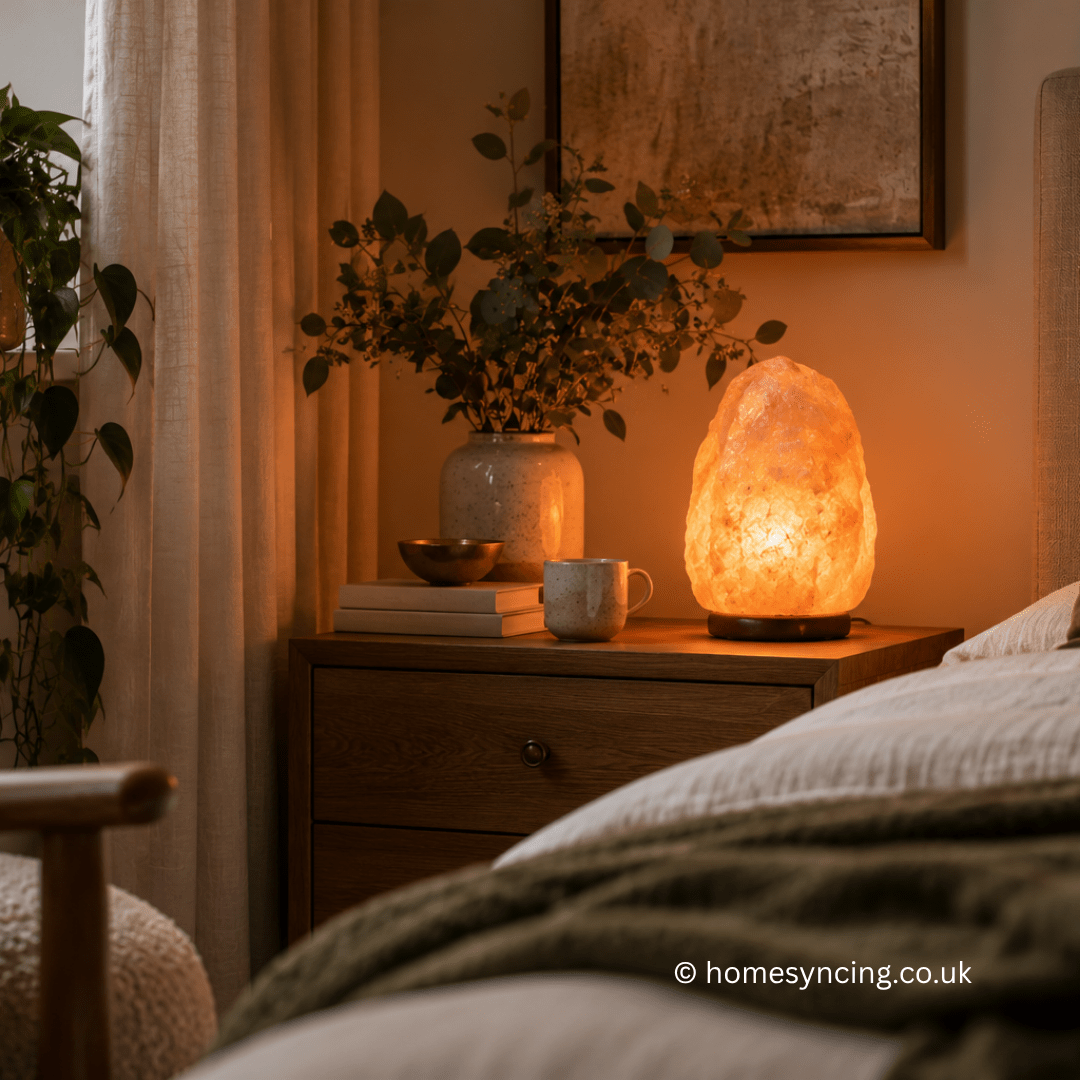
Proper lighting is essential for setting the mood in your bedroom. Soft, warm lighting creates a cosy and inviting atmosphere, while bright, harsh lights can be jarring. Consider using dimmable lights or lamps with adjustable brightness to control the intensity of the light in your room.
Natural light also plays a crucial role in creating a relaxing environment. If possible, allow natural light to filter into your room during the day and use blackout curtains to ensure complete darkness at night. This balance will help regulate your circadian rhythm and improve your sleep quality.
Incorporate a mix of ambient, task and accent lighting to create a layered and versatile lighting scheme that caters to different needs and activities.
Comfortable Bedding
Investing in high-quality bedding is one of the best ways to ensure a restful night’s sleep. Choose materials that are soft, breathable and comfortable against your skin. Egyptian cotton, linen and bamboo are excellent options for creating a luxurious and inviting bed.
Pay attention to the thread count and weave of your sheets to ensure maximum comfort. Layer your bed with pillows, cushions, and throws to add both visual appeal and extra comfort. Don’t forget to change your bedding regularly to maintain freshness and hygiene.
Your bed should be the focal point of your bedroom, inviting you to relax and unwind at the end of the day.
Flooring Choices
The type of flooring you choose can significantly impact the overall feel of your bedroom. Soft, plush carpets create a warm and cosy atmosphere, while hardwood floors offer a more elegant and timeless look. Consider using area rugs to add texture and warmth to your space, regardless of the type of flooring you have.
If you prefer hard flooring, opt for natural materials like wood or bamboo, which add an organic and calming element to your room. Heated floors can also be a luxurious addition, providing warmth and comfort during the colder months.
Your choice of flooring should complement the overall design and contribute to the sense of tranquillity in your bedroom.
Wall Treatments
The walls of your bedroom are a blank canvas that you can use to enhance the calming atmosphere. Consider painting your walls in soft, neutral colours that promote relaxation. Alternatively, you can use wallpaper with subtle patterns or textures to add visual interest without overwhelming the space.
Artwork and wall decor can also play a significant role in creating a serene environment. Choose pieces that inspire calm and happiness, such as nature scenes or abstract art in soothing colours. Avoid cluttering your walls with too many items; instead, opt for a few well-chosen pieces that resonate with you.
Your wall treatments should enhance the overall aesthetic of your bedroom and contribute to its relaxing atmosphere.
Accessorising with Purpose
Accessories are the finishing touches that bring your bedroom design together. Choose items that not only add visual appeal but also serve a practical purpose. For example, a stylish bedside table with storage can keep your essentials within reach while adding to the overall look of your room.
Consider incorporating elements from nature, such as plants or flowers, to bring a sense of calm and freshness to your space. Decorative cushions, throws and rugs can add layers of texture and warmth, making your bedroom feel more inviting and cosy.
Be mindful of not over-accessorising, as clutter can detract from the calming atmosphere you wish to create.
Decluttering for Peace of Mind
A clutter-free bedroom is essential for promoting relaxation and reducing stress. Take the time to declutter your space, removing any items that don’t serve a purpose or bring you joy. Invest in storage solutions that keep your belongings organised and out of sight.
Consider adopting a minimalist approach to your bedroom decor, focusing on quality over quantity. This will help create a clean and serene environment that allows you to unwind and recharge.
Regularly reassess your belongings and make adjustments as needed to maintain a clutter-free and peaceful space.
Personalising Your Space
Your bedroom should be a reflection of your personality and style. Incorporate personal touches that make the space truly yours, such as family photos, cherished mementos, or items that hold sentimental value. These elements will make your bedroom feel more welcoming and comforting.
Consider creating a dedicated space for relaxation activities, such as a reading nook or a meditation corner. This will provide you with a designated area to unwind and focus on self-care.
Personalising your space ensures that your bedroom feels like a true sanctuary, tailored to your needs and preferences.
Creating a Routine
Establishing a bedtime routine can significantly enhance the calming atmosphere of your bedroom. Consistent routines signal to your body that it’s time to wind down and prepare for sleep. Consider incorporating activities such as reading, meditating, or listening to soothing music into your nightly routine.
Create a bedtime schedule that works for you and stick to it as much as possible. This consistency will help regulate your sleep patterns and improve your overall well-being.
By creating a routine, you’ll reinforce the calming environment of your bedroom and ensure a restful night’s sleep.
Creating a calm and relaxing bedroom is essential for your well-being. By carefully considering elements such as colours, textures, scents, lighting and accessories, you can transform your space into a tranquil oasis. Remember to personalise your bedroom to reflect your style and preferences, and maintain a clutter-free environment to promote relaxation.
By following these tips, you’ll be well on your way to achieving bedroom bliss. For further guidance and inspiration, consider booking a consultation with one of our expert designers. They can help you refine your vision and create the perfect sanctuary tailored to your needs. Explore more about creating a serene bedroom and take the first step towards a more restful and rejuvenating space.
Simple Ways Your Living Space Can Improve Your Wellbeing
Home is far more than a collection of rooms. It is where the day begins and ends, where quiet moments unfold and where memories slowly gather over time. A thoughtfully arranged home can become a place of comfort, creativity and calm – a gentle refuge from the busyness of everyday life.
Creating a happy home does not require grand renovations or expensive furnishings. Often, it is the smaller details – the light through a window, the colours on the walls, or the scent of fresh flowers – that shape how a space feels.
By paying attention to the atmosphere of your home and making small, meaningful adjustments, you can create an environment that supports your wellbeing and encourages a sense of contentment.
Why Your Home Environment Matters
The spaces we spend time in have a quiet but powerful influence on how we feel. A home that feels welcoming and balanced can help reduce stress, lift your mood and encourage relaxation.
When a space is thoughtfully designed, it becomes easier to unwind after a long day, focus on the things you enjoy and spend meaningful time with family and friends.
Several elements of the home environment contribute to this sense of wellbeing, including:
Natural light
Comfortable and practical furnishings
Colour and texture
Organisation and simplicity
Personal touches and meaningful objects
When these elements come together harmoniously, a home begins to feel less like a structure and more like a sanctuary.
Bringing Creativity Into Your Home
One of the simplest ways to create a joyful home is to allow your creativity to shape it.
Homes feel most welcoming when they reflect the people who live in them. Handmade items, carefully chosen decorations and personal collections all add warmth and character to a space.
You might consider:
Displaying artwork you love
Creating simple DIY projects
Framing family photographs
Incorporating heirlooms or vintage finds
Using handmade ceramics or textiles
These small expressions of creativity give your home a unique personality and make it a place that feels deeply personal.
The Power of Colour in a Happy Home
Colour plays a remarkable role in shaping the atmosphere of a room. The shades we choose can subtly influence our mood and energy.
Soft, calming tones often create restful environments, while brighter colours can add warmth and vitality.
Some colour ideas to consider include:
Soft blues and greens for calm and relaxation
Warm neutrals for comfort and balance
Sunny yellows for cheerfulness and energy
Earthy tones to bring a sense of grounding and connection with nature
Rather than filling a room with bold colours, many homes benefit from a balanced palette with gentle contrasts and natural textures.
Creating a Calm and Inviting Atmosphere
Ambience is created through a combination of light, sound and layout. These subtle elements can transform how a space feels.
Lighting
Lighting is particularly important in shaping the mood of a room. Soft, warm lighting often creates a cosy and welcoming environment, especially during the darker evenings of the year.
Table lamps, candles and wall lights can help add layers of gentle illumination.
Sound
Music also has a powerful influence on atmosphere. A quiet background playlist can create a soothing environment for relaxing evenings or quiet mornings at home.
Layout
Furniture arrangement should allow for easy movement and natural conversation. Spaces that feel open and comfortable tend to encourage relaxation and connection.
Choosing Furniture That Supports Comfort
Furniture should be both beautiful and practical. The pieces you choose will shape how comfortable your home feels day to day.
When selecting furniture, consider:
Comfort and ergonomics
Quality and durability
How the piece fits within the room
Whether it suits your lifestyle
A deep sofa for relaxed evenings, a sturdy dining table for shared meals or a comfortable reading chair can all help create spaces where people naturally gather and feel at ease.
Small Details That Make a Home Feel Complete
Often, it is the finishing touches that bring a room together.
Soft furnishings, artwork and natural textures help soften a space and create a sense of warmth.
Simple additions might include:
Cushions and throws
Woven rugs
Decorative ceramics
Fresh flowers
Framed prints or artwork
These details add layers of interest and help transform a room from functional to welcoming.
The Subtle Influence of Scent
Scent is a powerful part of how we experience our homes, yet it is often overlooked.
Certain fragrances can instantly change the atmosphere of a room. Gentle natural scents can encourage relaxation and comfort.
Popular choices for a calming home include:
Lavender for relaxation
Citrus for freshness and energy
Eucalyptus for clarity
Rose or jasmine for warmth and softness
Scented candles, essential oil diffusers or simply a vase of fresh flowers can bring these fragrances into your home.
The Calm of an Organised Home
Clutter can easily make a home feel overwhelming. Creating a sense of order often leads to a greater sense of calm.
Keeping surfaces clear and belongings organised can help a space feel more peaceful and easier to enjoy.
Helpful habits include:
Regular decluttering
Simple storage solutions
Baskets and shelving for everyday items
Maintaining tidy routines
A home that feels organised allows the mind to settle and encourages a more restful atmosphere.
Creating Quiet Spaces for Rest and Reflection
Modern life can be busy and noisy, which makes quiet corners of the home especially valuable.
Designating a small area for calm activities can help create a sense of retreat within your home.
This might be:
A comfortable reading nook
A meditation or yoga space
A cosy armchair beside a window
A quiet desk for writing or reflection
Even a small corner arranged with care can become a place of stillness and restoration.
Spaces That Bring People Together
A happy home is not only a place of rest but also a place of connection.
Creating areas where friends and family can gather encourages conversation and shared experiences.
Examples include:
A welcoming living room with comfortable seating
A dining table where meals are shared
A garden patio or terrace for summer evenings
These spaces help nurture relationships and bring warmth to everyday life.
The Importance of Natural Light
Natural light is one of the most uplifting elements in any home.
Sunlight has a remarkable ability to brighten both a room and a person’s mood. Rooms that allow light to flow freely often feel more open, fresh and energising.
To make the most of natural light:
Keep windows clear of heavy obstructions
Choose light curtains or blinds
Use mirrors to reflect sunlight
Arrange furniture to allow light to move through the space
Even on overcast days, natural daylight helps maintain a sense of connection with the outdoors.
Bringing Nature Indoors
Nature has a calming and restorative effect, which is why bringing elements of the outdoors inside can greatly improve how a home feels.
Houseplants, natural materials and organic textures can create a gentle sense of tranquillity.
Ways to introduce nature into your home include:
Houseplants in living areas and bedrooms
Herbs growing on a kitchen windowsill
Wooden furniture and woven baskets
Stone, clay or ceramic decorations
Plants not only add beauty but also help create a fresh and vibrant atmosphere.
Personalising Your Space
A truly happy home reflects the people who live in it.
Personal objects give a home its story and create a sense of belonging. Photographs, souvenirs from travels or treasured gifts all contribute to this feeling.
Displaying meaningful items reminds us of experiences, relationships and moments that matter.
Your home should feel like an extension of yourself – comfortable, authentic and welcoming.
The Role of Art and Decoration
Art can transform a room and add emotional depth to a space.
Whether it is a landscape painting, a handmade sculpture or a framed print, art brings colour, texture and personality to the walls.
When choosing artwork, select pieces that genuinely resonate with you. The goal is not to follow trends, but to surround yourself with things that inspire or bring quiet enjoyment.
A thoughtfully chosen piece of art can change the character of a room entirely.
Creating a Home That Supports Happiness
A happy home is not defined by perfection or expensive design. It is shaped by thoughtful choices, comfort and the small details that make everyday life more enjoyable.
By welcoming natural light, incorporating nature, keeping spaces organised and filling your home with meaningful objects, you can create an environment that nurtures calm and contentment.
Over time, these gentle adjustments turn a house into something more enduring – a place of warmth, creativity and belonging.
And in the quiet moments between the everyday routines, you may find that happiness often begins right at home. 🌿
Are you Looking for a fun and engaging activity to keep your kids entertained during the summer holidays? A kids’ archery day in the garden can be a perfect way to combine outdoor play with learning a new skill. Here’s how you can set up a fun, safe, and memorable archery day for children aged 8-14.
Why Archery?
Archery is not only a fun activity but also a great way for kids to improve their focus, hand-eye coordination, and physical strength. Plus, it’s an activity that can be enjoyed individually or as a group, making it perfect for a summer garden party with friends.
Safety First
Before we get into the fun details, let’s talk about safety. Ensuring that all participants are safe is paramount. Here are some key safety measures to implement:
Rubber Tipped Darts: Use rubber-tipped darts instead of traditional arrows to prevent injuries.
Age Appropriate Equipment: Ensure that the bows and darts are suitable for children aged 8-14. Petron, for instance, offers a range of age-appropriate archery equipment.
Supervision: Always have an adult supervising the activity to ensure that all safety rules are followed.
To set up your kids’ archery day, you’ll need the following equipment:
Target: A sturdy target that can withstand repeated hits from rubber-tipped darts.
Bow: Age-appropriate bows that are easy for the kids to handle.
Darts: Rubber-tipped darts for safety.
Setting Up the Garden
Transform your garden into an archery range by following these steps:
Select a Safe Area: Choose an open space in your garden where there are no obstacles or hazards.
Set Up the Target: Place the target at a suitable distance based on the children’s age and skill level.
Create a Firing Line: Mark a clear line from which the kids will shoot their darts. Ensure that everyone stands behind this line when someone is shooting.
Schedule for the Day
Here’s a suggested schedule to keep the kids engaged throughout the day:
Morning
Welcome & Safety Briefing (10 mins): Explain the rules and safety measures.
Warm-Up Session (15 mins): Light stretches and exercises to get everyone ready.
Introduction to Archery (30 mins): Basic instructions on how to hold the bow, aim, and shoot.
Mid-Morning
Free Practice Session (45 mins): Allow the kids to practice shooting at the target with guidance.
Lunch Break
Picnic Lunch (1 hour): Set up a picnic area in the garden where everyone can relax and enjoy their food.
Afternoon
Archery Challenges (1 hour): Set up fun challenges like hitting specific spots on the target or shooting from different distances.
Garden Party Games (30 mins): Incorporate other garden games to keep the energy levels high.
Late Afternoon
Archery Competition (45 mins): Organize a friendly competition where the kids can show off their skills. Offer small prizes for winners.
Cool Down & Snacks (30 mins): Offer snacks and drinks while everyone cools down and relaxes.
Creating a kids’ archery day in the garden is a fantastic way to get your children outdoors, active, and learning a new skill. With the right equipment and safety measures, you can ensure a fun and memorable experience for everyone involved.
Celebrate National Picnic Week with the Perfect Outdoor Adventure
National Picnic Week is the ideal time to grab a blanket, pack some delicious food, and head outdoors with friends and family. This year’s celebration runs from June 17th to June 25th, offering the perfect excuse to enjoy the beauty of nature and create lasting memories. But what exactly is National Picnic Week, and how can you make the most of it?
Understanding National Picnic Week
When is National Picnic Week in the UK?
Held during the third week of June, National Picnic Week is a celebration dedicated to outdoor dining. In 2024, it kicks off on June 17th and concludes on June 25th. Mark your calendars and start planning your perfect picnic!
What is National Picnic Week All About?
National Picnic Week was established to encourage people to enjoy the great outdoors while savouring yummy food. It’s about gathering loved ones, exploring new places, and cherishing the simple pleasures of life. With the weather warming up, this week offers an excellent opportunity to reconnect with nature and relax.
Why Should You Get Involved?
Joining in on National Picnic Week is not just about eating outside; it’s about improving your well-being. Fresh air, physical activity, and social interaction are just a few benefits of picnicking. Whether you’re an outdoor enthusiast, a traveller, a gardener, or part of a family looking for quality time, picnics provide endless joy.
Essentials of a Great Picnic
What Makes a Great Picnic?
A great picnic combines three essential elements – location, food, and company. Choose a scenic spot, bring a variety of tasty treats, and invite people whose company you enjoy. Add a touch of creativity and planning, and you have the recipe for a memorable day.
How to Create a Great Picnic?
Creating an unforgettable picnic involves more than just tossing a few sandwiches into a basket. Consider the following tips to elevate your picnic experience:
Location – Find a beautiful and accessible spot. Parks, beaches, gardens- all can be perfect places.
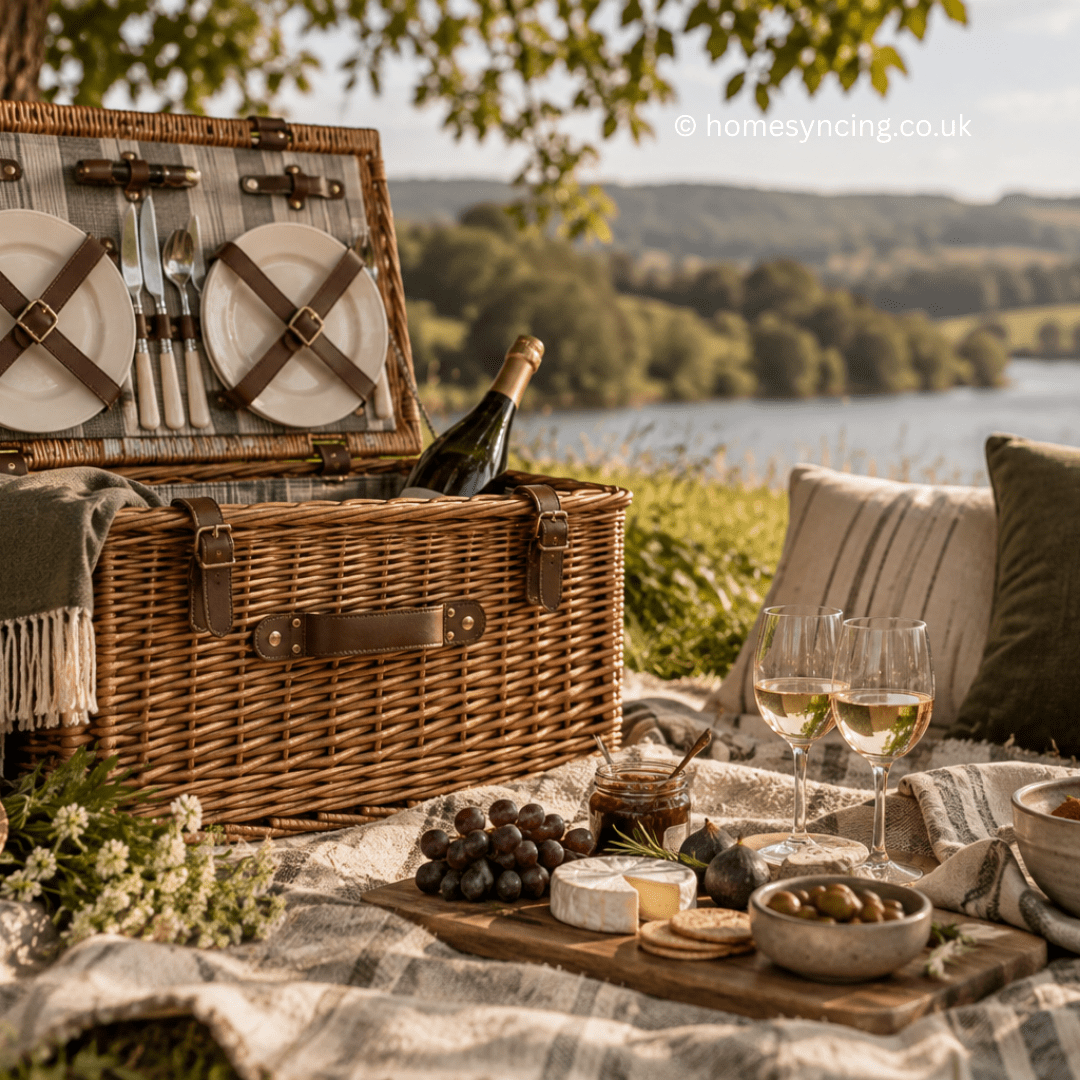
Hamper – Invest in a stylish and practical picnic hamper that can keep your food fresh and organised.
What to Pack – Bring a mix of savoury and sweet foods, drinks, and plenty of water. Don’t forget utensils, napkins, and a blanket!
Theme – Add some excitement by choosing a theme. It could be anything from a classic English tea party to a tropical luau.
Planning Your Ideal Picnic
Choosing the Perfect Place
The location sets the tone for your picnic. Consider popular spots like Hyde Park in London, the Lake District, or your local green space. Look for areas with shade, seating options, and scenic views.
Packing the Perfect Hamper
A well-packed hamper is crucial for a successful picnic. Include reusable containers, cutlery, cups, and a cooler for perishables. Packing items separately can help keep your food intact and delicious.
What to Pack for Your Picnic
When packing for your picnic, balance is key. Consider:
Main Courses – Sandwiches, wraps, and salads.
Snacks – Cheese, crackers, fruits, and nuts.
Desserts – Cookies, brownies, and fresh berries.
Drinks – Lemonade, iced tea, or your favourite wine.
Adding a Theme to Your Picnic
Themes can add a fun twist to your picnic. Here are a few ideas:
Vintage Tea Party – Think lace tablecloths, china tea sets, and scones.
Tropical Getaway – Pineapples, coconut drinks, and vibrant decorations.
Rustic Charm – Wooden crates, mason jars, and gingham blankets.
Engaging Your Picnic Companions
Who to Invite
Picnics are best enjoyed with good company. Invite family, friends, or colleagues who share your love for the outdoors. For families, it’s a great way to bond with children and create cherished memories.
Fun Activities to Include
Enhance your picnic with engaging activities:
Games – Bring along a frisbee, a football, or a kite.
Music – A portable speaker can set the mood with your favourite tunes.
Nature Walks – Explore the surroundings and enjoy a leisurely walk.
Capturing the Moment
Don’t forget to capture the memories. Bring a camera or use your smartphone to take photos of the beautiful scenery and happy moments. Share your experience on social media to inspire others to join in the fun.
Making Your Picnic Eco-Friendly
Sustainable Picnic Practices
To make your picnic eco-friendly, consider:
Reusable Items – Use cloth napkins, metal cutlery, and durable plates.
Minimise Waste – Avoid single-use plastics and dispose of waste properly.
Local Produce – Support local farmers by using fresh, locally-sourced ingredients.
Leave No Trace
Always leave your picnic spot as you found it. Clean up all litter and take everything back with you. Respect nature and other visitors to keep the environment pristine.
Supporting Local Businesses
By choosing local produce and products, you support small businesses and reduce your carbon footprint. Visit farmer’s markets and local shops for fresh and unique picnic supplies.
National Picnic Week is a fantastic opportunity to enjoy the outdoors, delicious food, and great company. With thoughtful planning and a touch of creativity, you can create unforgettable picnic experiences. Whether you’re a seasoned outdoor enthusiast or just looking for a fun family activity, National Picnic Week offers something for everyone. Mark your calendars, pack your hampers, and get ready to create lasting memories.
To make your picnic planning even smoother, select the perfect spot and take time to choose the most suitable menu. Let’s make this National Picnic Week the best one yet!