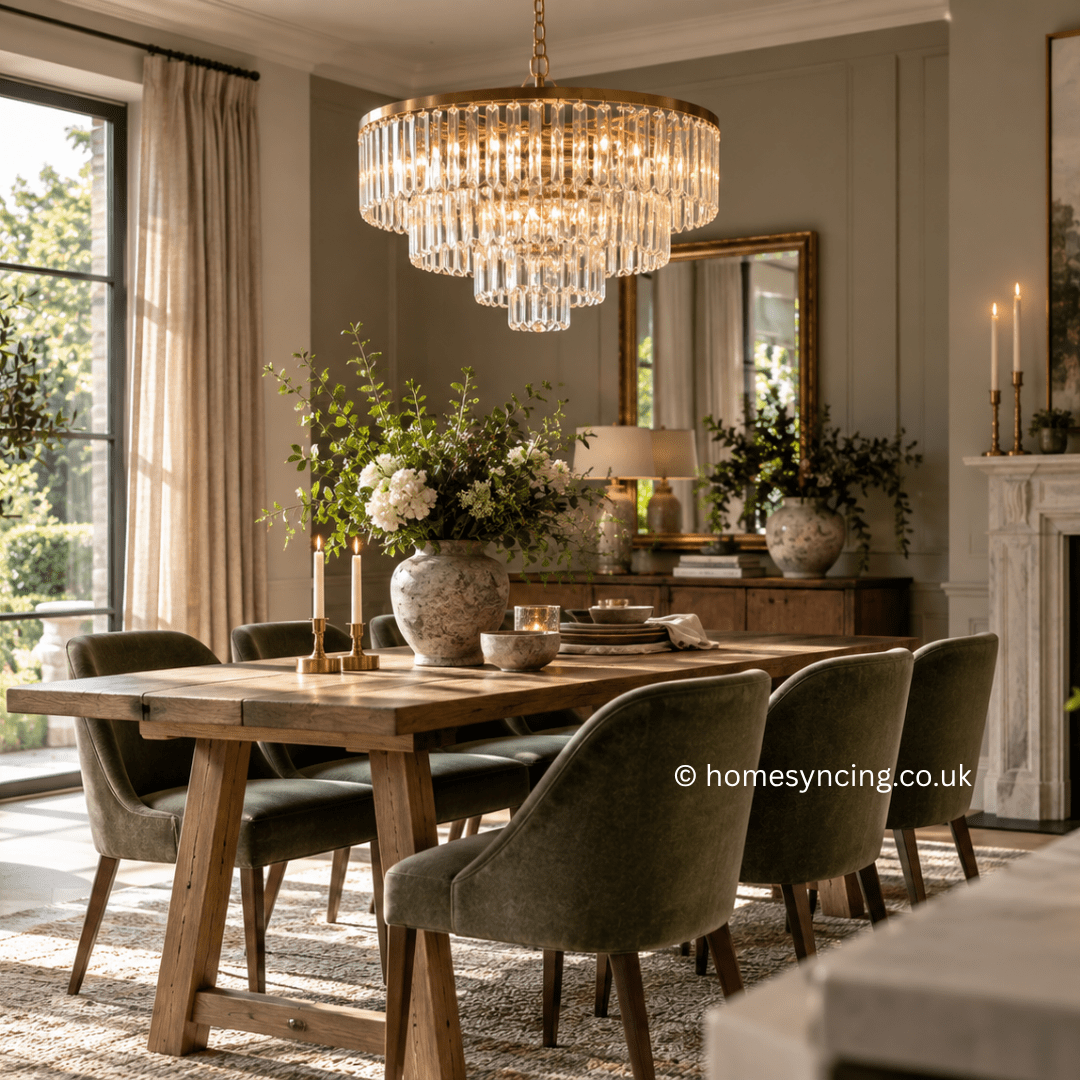
Touch of Sparkle: Chandelier Lighting

Lighting does so much more than simply help us see in the dark. It shapes the mood of a room, influences how we feel, and acts as the jewellery that finishes an outfit. While spotlights are practical and lamps are cosy, nothing quite captures the imagination like a chandelier.

For centuries, these dazzling fixtures have been the crown jewels of interiors. But if you think they are reserved solely for grand ballrooms or palaces, think again. Today, the chandelier has evolved. It is accessible, versatile, and ready to transform any space into something truly special. Whether you are renovating a period property or adding character to a new build, discovering the joy of statement lighting is an adventure in design.

What defines a chandelier?

At its simplest, a chandelier is a branched ornamental light fixture designed to be mounted on ceilings or walls. Unlike a standard pendant light, which typically hangs from a single cord with one bulb, a chandelier features multiple arms or branches holding multiple light sources.

The word itself comes from the French ‘chandelle’ meaning candle, hinting at its origins. However, the modern definition has expanded beautifully. While we still love the classic tiered crystal designs that catch the light in a thousand tiny rainbows, the category now includes sleek industrial metals, rustic wooden beams, and mid-century modern starbursts. It is less about a specific material and more about the impact. A chandelier is designed to command attention and serve as the artistic centrepiece of a room.

From candlelight to electric dreams

The history of the chandelier is a journey through time, reflecting the changing tastes and technologies of the ages.

In the medieval period, the earliest chandeliers were strictly functional. They were simple wooden crosses with spikes to hold candles, hoisted into the air by ropes in churches and abbeys. They were rustic, practical, and a far cry from the glitter we associate with the name today.

It wasn’t until the 16th and 17th centuries that they became status symbols. Rock crystal chandeliers began to appear in the homes of the wealthy, designed to refract the weak light of candles and amplify the brightness in a room. By the 18th century, the discovery of lead crystal changed everything. Glassmakers discovered that adding lead oxide to glass made it clearer, easier to cut, and incredibly prismatic. This led to the creation of the elaborate, glittering fixtures that adorned the palaces of Europe.

The 19th century brought gas lighting, followed by the electric revolution. Suddenly, chandeliers didn’t need to catch candle smoke; they could be cleaner, brighter, and more creative. Today, we have the freedom to enjoy designs from any of these eras, mixing history with modern LED efficiency.

Breaking the ‘stately home’ myth

There is a common misconception that you need high ceilings, decorative cornicing, and a manor house address to hang a chandelier. This simply isn’t true.

Modern lighting designers have democratised elegance. You can find petite chandeliers designed specifically for cloakrooms or hallways, and flush-mount options (where the fixture sits closer to the ceiling) that provide all the drama without stealing your headspace in rooms with lower ceilings.

The style of your home shouldn’t hold you back, either.

  • For the minimalist: Look for clean lines, geometric shapes, and matte black or brass finishes.
  • For the rustic cottage: Consider fixtures made from distressed wood, wrought iron, or designs that mimic antlers.
  • For the urban apartment: Industrial styles using exposed bulbs and pipework create a trendy, loft-style vibe.

A chandelier is no longer a symbol of exclusion; it is an invitation to express your personal style, regardless of your square footage.

Why invite a chandelier into your home?

Aside from their obvious beauty, there are compelling reasons to choose a chandelier over standard downlights or plain shades.

Instant focal point

Every room needs an anchor—a place for the eye to rest. In a living room, this might be the fireplace; in a bedroom, the bed. A chandelier provides an immediate, stunning focal point that pulls a design scheme together. It draws the eye upward, making a room feel taller and more spacious.

Unmatched ambience

Because chandeliers use multiple bulbs, they offer a different quality of light. Rather than a single harsh beam, you get a diffuse, glowing radiance that spreads evenly across the room. When paired with a dimmer switch, a chandelier becomes a mood-maker. Turn it up for board games and homework, or dim it down for a romantic dinner or a relaxing evening with a book.

versatile elegance

A chandelier has the power to soften hard edges. In a kitchen full of stainless steel appliances and stone worktops, a crystal or glass chandelier adds a necessary touch of softness and glamour. In a bathroom, it transforms a functional space into a personal spa.

How to choose the perfect chandelier

Selecting the right fixture can feel daunting, but it creates a wonderful opportunity to be creative. Keep these practical tips in mind to ensure your choice fits perfectly.

Get the scale right

Size matters. A fixture that is too small will look lost, while one that is too large will overwhelm the space. A handy designer’s trick is to add the length and width of the room together in feet, and use that number as the diameter of your chandelier in inches. For example, if your room is 10 feet by 12 feet, look for a fixture with a diameter of roughly 22 inches.

Consider the drop

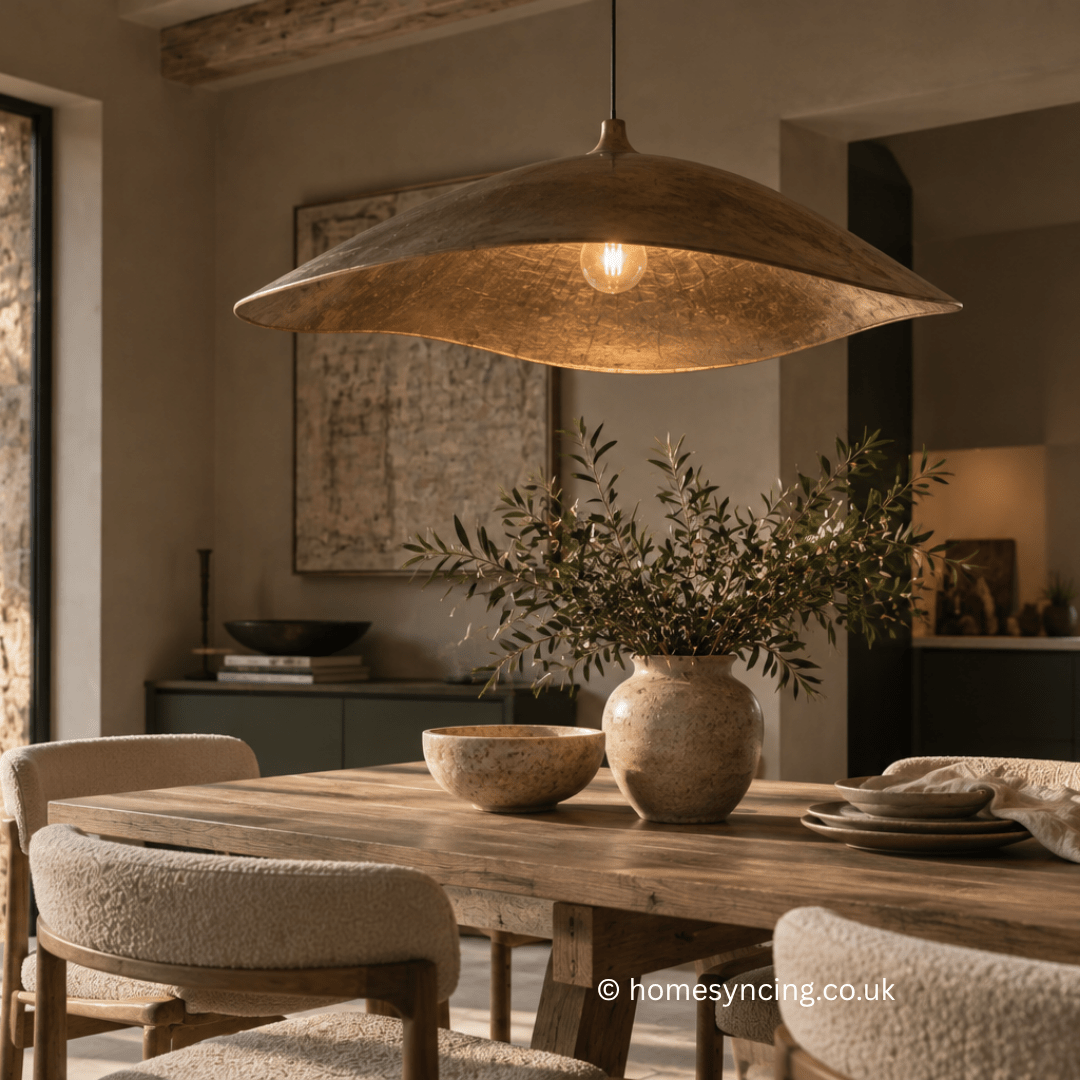
Height is crucial for safety and aesthetics. In a dining room, the bottom of the chandelier should hang roughly 30 to 36 inches above the table surface. This ensures it illuminates the meal without blocking the view across the table. In open walking areas, ensure the bottom of the light is at least 7 feet from the floor so no tall guests bump their heads.

Match the finish

Look at the existing metals in your room. What finish are your door handles, curtain rails, or cabinet knobs? You don’t have to match everything perfectly, but keeping within the same family (like warm gold/brass or cool chrome/nickel) helps create a cohesive look.

Check the light source

Think about the quality of light you need. Do you want the warm, flickering look of candle-style bulbs, or the bright, clean light of modern LEDs? Many chandeliers now come with integrated LEDs, which mean you never have to change a bulb, but traditional sockets offer more flexibility to change the “colour temperature” of the room later on.

Light up your life

Installing a chandelier is one of the most effective upgrades you can make to your home. It creates a sense of occasion every time you flick the switch. Whether you crave the romance of dripping crystals or the sharp edge of modern sculpture, there is a light out there waiting to transform your ceiling.

So, look up. Is your space reaching its full potential? perhaps it’s time to add a little sparkle. Explore our collection today and find the piece that makes your home shine.

See our range of chandeliers here

Further Reading: Affordable Decorating Ideas That Will Transform Your HomeSustainable Chic: A Beginner’s Guide to Circular Design

Daily Inspiration: Follow Us on Instagram, BlueSkyThreads , PinterestTwitterTikTok

Illuminate with Statement Lighting

Are you ready to transform your home into a visual masterpiece? Statement lighting is not just a way to brighten a room—it’s a bold design choice that brings personality, drama and sophistication to your space. From oversized pendants to sculptural lamps, the right lighting can capture attention, set the mood and elevate your interiors to dazzling new heights.

Whether you’re an interior design enthusiast, a lighting aficionado or just looking for fresh ideas, this guide to statement lighting will spark your imagination and inspire your next big design move.

Statement Lighting in a Room

Lighting is No Longer Just Functional

Gone are the days when lighting simply served a practical purpose. Today, it’s an integral part of interior design—a powerful tool to transform the ambiance of any room. Picture this: a dramatic chandelier cascading over your dining table, casting soft, golden light that creates an intimate and inviting atmosphere. Or a modern floor lamp with geometric lines that becomes the centrepiece of your living room. Lighting isn’t just functional anymore—it’s art.

Statement lighting excels when it combines aesthetics with practicality. These fixtures not only illuminate your space but command attention and become a conversation starter. Whether you’re designing a minimalist haven or a bold, eclectic environment, the right lighting can uniquely define and amplify your room’s style.

Contemporary Lighting Fixtures as Works of Art

When it comes to statement lighting, think big and bold. Oversized pendants, sculptural table lamps, and intricate chandeliers blur the lines between function and art. These contemporary fixtures make a bold impression while complementing your interior décor.

Here are some trending options to consider:

  • Oversized Pendants: Perfect for dining tables or kitchen islands, these lights make a dramatic impact without overwhelming the space.
  • Sculptural Lamps: Think organic shapes, modern materials and edgy silhouettes that double as artistic sculptures.
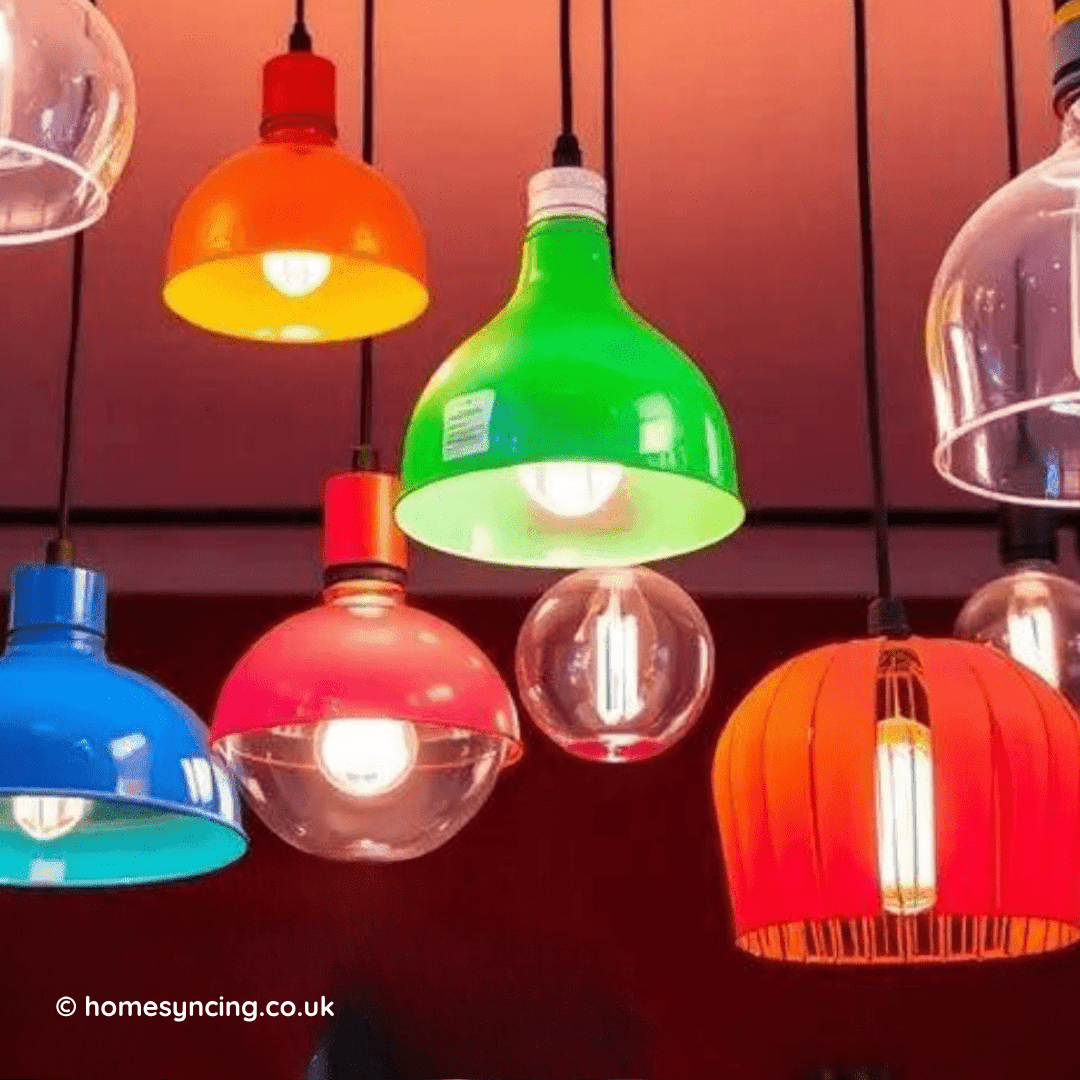
  • Clustered Bulbs: A collection of hanging lights at various heights creates drama and visual intrigue.
  • Industrial Designs: From exposed Edison bulbs to matte black metals, industrial lighting offers a raw yet stylish addition to your home.

By incorporating these attention-grabbing designs, you can instantly update your space with modern appeal.

Accentuate Your Space with Statement Lighting

The true magic of statement lighting lies in its ability to highlight your room’s best features. A well-chosen fixture draws the eye to key areas of your home while enhancing its overall aesthetic.

  • Dining Areas: A striking chandelier or pendant light over the dining table adds a sense of elegance and intimacy, perfect for cosy dinners or festive gatherings.
  • Living Rooms: Highlight your seating area with a unique floor lamp or a dramatic overhead fixture, creating a focal point that anchors the space.
  • Bedrooms: Swap a traditional bedside lamp for a pendant light or wall-mounted fixture to add sophistication with a soft glow.
  • Entryways: Make an unforgettable first impression with a show-stopping ceiling light in your hall or foyer.

To maximise the impact of statement lighting, complement it with subtle accents and balanced décor. This ensures it shines as the hero of the room without seeming out of place.

Set the Mood with Dimmable Features

Dimmable lighting is a secret weapon in interior design. It allows you to control the atmosphere of a room, adjusting the brightness to suit your needs—bright and energising for productive mornings or warm and subdued for relaxing evenings.

For example:

  • Install dimmable chandeliers in your living room to switch effortlessly between entertaining guests and enjoying a quiet movie night.
  • Use dimmable pendant lights in your dining room to create a gentle glow for romantic dinners.
  • Incorporate LED strip lights with dimming capabilities under shelves or cabinets for soft, ambient lighting.

With dimmable features, you have complete control over your space, ensuring the lighting adapts to every occasion and time of day.

Make Your Statement Lighting Shine

If you’re ready to elevate your interiors, it’s time to unlock the potential of statement lighting. Begin by evaluating the style and purpose of each room, then choose fixtures that align with your design vision. Don’t shy away from bold choices—after all, the best statement pieces are the ones that leave a lasting impression.

Whether you want to refresh a single room or completely reimagine your home, statement lighting offers endless opportunities to experiment, be creative and showcase your personal style.

Your Turn to Shine

Inspired to transform your space with striking statement lighting? Start exploring your options, and let your creativity light the way. For more interior design ideas and expert tips, visit our website or consult our lighting specialists to find the perfect fixtures for your home.

It’s not just lighting—it’s a work of art waiting to illuminate your world. ✨

Further Reading: Choosing the Perfect Lighting for your Home

Follow us on Instagram for Daily Inspiration

Choosing the Perfect Lighting for Your Home  

Why Lighting Matters

Lighting is one of the most important elements of interior design. It does far more than simply illuminate a room – it influences mood, enhances functionality and helps create the atmosphere you want in your home.

The right lighting can make a small room feel more spacious, highlight architectural features and create a warm, welcoming environment. Poor lighting, on the other hand, can make even the most beautifully decorated space feel flat, cold or impractical.

Whether you’re renovating a room or simply updating your décor, choosing the right lighting can have a significant impact on how your home looks and feels.

5 Key Considerations When Choosing the Perfect Lighting for Your Home

1. Consider the Function of the Room

Before choosing any light fixture, think about how the room is used.

Different spaces require different levels of light. A kitchen or home office needs bright, practical lighting for everyday tasks, while a bedroom benefits from softer lighting that promotes relaxation.

For the best results, incorporate three key types of lighting:

  • Ambient lighting – the main source of light in the room, such as ceiling lights or recessed spotlights.
  • Task lighting – focused lighting for activities such as reading, cooking or working.
  • Accent lighting – decorative lighting used to highlight artwork, shelving, fireplaces or architectural features.

Combining all three creates a balanced lighting scheme that is both practical and visually appealing.

2. Think About the Mood You Want to Create

Lighting plays a major role in setting the mood of a room.

Warm white lighting creates a cosy and inviting atmosphere, making it ideal for living rooms, dining rooms and bedrooms. Cooler lighting provides a brighter, more energising feel and works particularly well in kitchens, bathrooms and home offices.

Dimmable lighting offers added flexibility, allowing you to adjust brightness levels depending on the time of day or occasion. From entertaining guests to relaxing with a book, the right lighting helps create the perfect ambience.

3. Choose Fixtures That Complement Your Interior Style

Light fittings are more than practical features – they are also important design elements.

A statement pendant light can become a focal point in a dining room, while elegant wall lights can add character to a hallway or living space. Table lamps and floor lamps can introduce texture, colour and personality while providing additional layers of light.

When selecting fixtures, consider how they work with your existing décor. Whether your style is modern, traditional, industrial or Scandinavian-inspired, your lighting should enhance the overall look of the room.

4. Layer Lighting for Depth and Flexibility

One of the most common lighting mistakes is relying on a single ceiling light.

Layered lighting creates depth, warmth and visual interest. It also allows you to adapt the lighting to suit different activities and times of day.

For example, a living room might include:

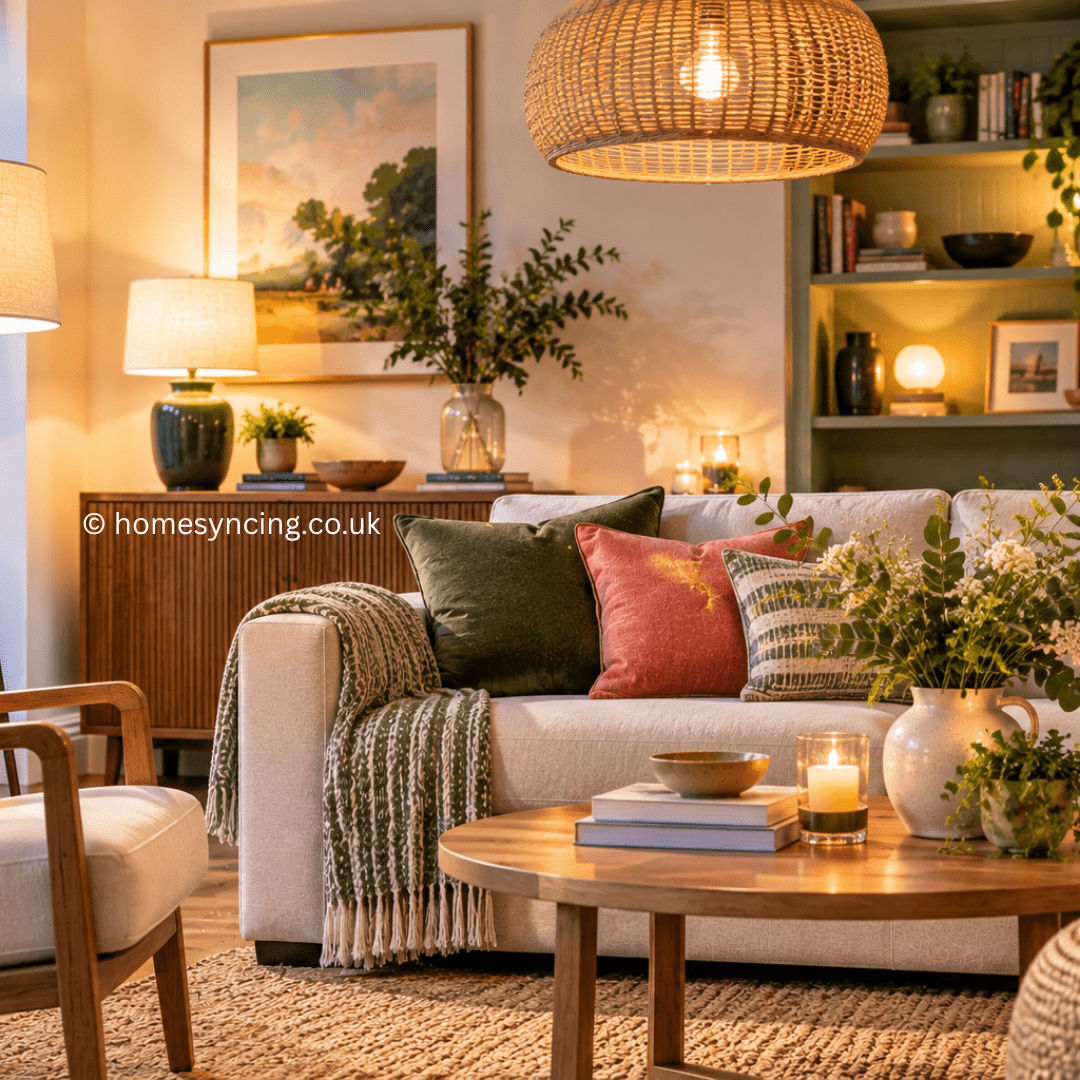
  • A central pendant or ceiling light
  • Table lamps beside seating areas
  • Wall lights for added ambience
  • Accent lighting to highlight artwork or shelving

By combining multiple light sources, you can create a more comfortable and versatile space.

5. Prioritise Energy Efficiency

Modern lighting solutions allow homeowners to reduce energy consumption without compromising on style.

LED bulbs are one of the most energy-efficient options available. They use significantly less electricity than traditional bulbs, last longer and are available in a wide range of colour temperatures and brightness levels.

It’s also worth considering practical factors such as maintenance, bulb replacement and compatibility with smart home systems. Choosing efficient, easy-to-use lighting can help reduce running costs while improving everyday convenience.

Transform Your Home with the Right Lighting

The right lighting has the power to completely transform a room. It can make spaces feel brighter, warmer, larger and more welcoming while enhancing both functionality and style.

When planning your lighting, think beyond simply choosing a light fitting. Consider how you want each room to feel, how the space is used and how different layers of light can work together to create the perfect balance.

With thoughtful planning, lighting can become one of the most effective tools for creating a home that is both beautiful and practical.

Further Reading: Illuminate Your World: How to Maximise Natural Light in Your Home

For Daily Inspiration – Follow us in Instagram

Finding your Perfect Lighting

Lighting is often the quiet hero of a well-considered home. It softens hard edges, highlights treasured pieces and gently shapes the mood of a room from morning through to evening. Done well, interior lighting design brings harmony and warmth; done poorly, it can leave even the most beautifully decorated space feeling flat.

With so many styles, fittings and bulbs available, choosing the right lighting for your home can feel daunting. This guide will help you approach the process with confidence, ensuring your lighting enhances both your interiors and the way you live within them.


Begin with the Purpose of the Room

Every room in your home has its own character and function. The lighting should reflect this.

  • Kitchen lighting requires bright, focused task lighting to support food preparation and everyday activity.
  • Dining room lighting benefits from softer illumination that encourages conversation and comfort.
  • Living room lighting should feel layered and adaptable, shifting easily from daytime brightness to evening calm.
  • Home office lighting calls for clarity and reduced glare to support concentration.

Before selecting fittings, ask yourself how the space is used throughout the day. A room rarely serves just one purpose, and your lighting should be flexible enough to support each moment.


Embrace Layered Lighting

One ceiling light alone rarely creates a welcoming atmosphere. The most successful interiors use layered lighting — a thoughtful combination of three types:

1. Ambient Lighting

This is your main source of light, often provided by a ceiling fitting, pendant or discreet downlights. It establishes overall brightness.

2. Task Lighting

Table lamps, reading lamps and under-cabinet lights provide focused illumination for specific activities such as cooking, reading or working.

3. Accent Lighting

Wall lights, picture lights and subtle spotlights add depth and draw attention to artwork, architectural features or cherished objects.

Layering these elements brings texture and dimension to a room. It also allows you to adjust the mood with ease, whether hosting friends or settling down for a quiet evening.


Align Lighting with Your Interior Style

Lighting fixtures are more than practical necessities — they are design statements in their own right.

  • Traditional interiors often suit elegant chandeliers, wall sconces with soft shades and fittings in warm metallic finishes.
  • Contemporary spaces may call for clean lines, sculptural pendants or understated geometric designs.
  • Rustic or country-inspired homes pair beautifully with natural materials such as glass, linen, rattan or aged brass.

Rather than treating lighting as an afterthought, consider how each piece complements your furniture, colour palette and architectural details. A well-chosen pendant or statement chandelier can anchor a room with quiet confidence.


Choose the Right Light Bulbs

While fittings attract the eye, the bulb determines the quality of light.

Modern LED bulbs are energy-efficient, long-lasting and emit less heat than traditional incandescent options. When selecting bulbs, pay attention to colour temperature:

  • Warm white (around 2700K) creates a soft, inviting glow ideal for living rooms and bedrooms.
  • Neutral to cool white (3500K–4100K) provides clearer, brighter light suited to kitchens, bathrooms and workspaces.

Consistency matters. Mixing drastically different colour temperatures within one space can feel disjointed. Aim for harmony throughout each room.


Consider Scale and Proportion

The size of your lighting should feel balanced within the room.

  • In a smaller room, a carefully chosen pendant can draw the eye upward and create the illusion of height.
  • In a larger space, multiple light sources arranged in zones help prevent the room from feeling cavernous.
  • Over a dining table or kitchen island, ensure fittings are proportionate to the surface beneath.

Always measure carefully before purchasing. Allow adequate clearance so fittings do not obstruct movement or sightlines. Good lighting should enhance comfort, not hinder it.


Think Beyond Illumination

Lighting is not simply about visibility; it is about atmosphere. A softly lit corner can invite relaxation, while a well-placed wall light can add quiet drama. Dimmer switches are particularly useful, allowing you to tailor brightness to suit the time of day and occasion.

Natural light should also be considered. Observe how daylight moves through your home and use artificial lighting to complement it rather than compete with it.


Creating a Home That Feels Welcoming

Choosing the best lighting for your home interiors requires care, but it need not feel overwhelming. By considering the room’s purpose, layering your lighting, selecting appropriate bulbs and respecting proportion, you can create spaces that feel balanced, warm and thoughtfully designed.

When approached with intention, lighting becomes more than a practical necessity. It becomes a gentle expression of your home’s character — shaping moments, enhancing comfort and bringing each room quietly to life.

Take your time, experiment thoughtfully and allow your lighting to reflect the way you wish to live.

Take a look at our range of lighting for your home here.

Further Reading: Affordable Decorating Ideas That Will Transform Your HomeSustainable Chic: A Beginner’s Guide to Circular Design

Daily Inspiration: Follow Us on Instagram, BlueSkyThreads , PinterestTwitterTikTok

Salt Lamps: Create a Calmer, More Relaxing Home

Imagine returning home to a space that instantly helps you unwind — somewhere that encourages you to slow down, take a deeper breath, and gently leave the demands of the day behind. As we spend so much of our lives indoors, the atmosphere within our homes can have a significant influence on how we feel.

Creating a sense of calm, comfort and balance doesn’t always require major changes. Sometimes, it’s the small details that make the biggest difference. One increasingly popular way to enhance the mood of a living space is with a salt lamp.

Known for their warm glow and natural beauty, salt lamps have become a favourite feature in homes designed to feel peaceful, cosy and restorative. But what exactly are they, and why do so many people choose to incorporate them into their interiors?

What Is a Salt Lamp?

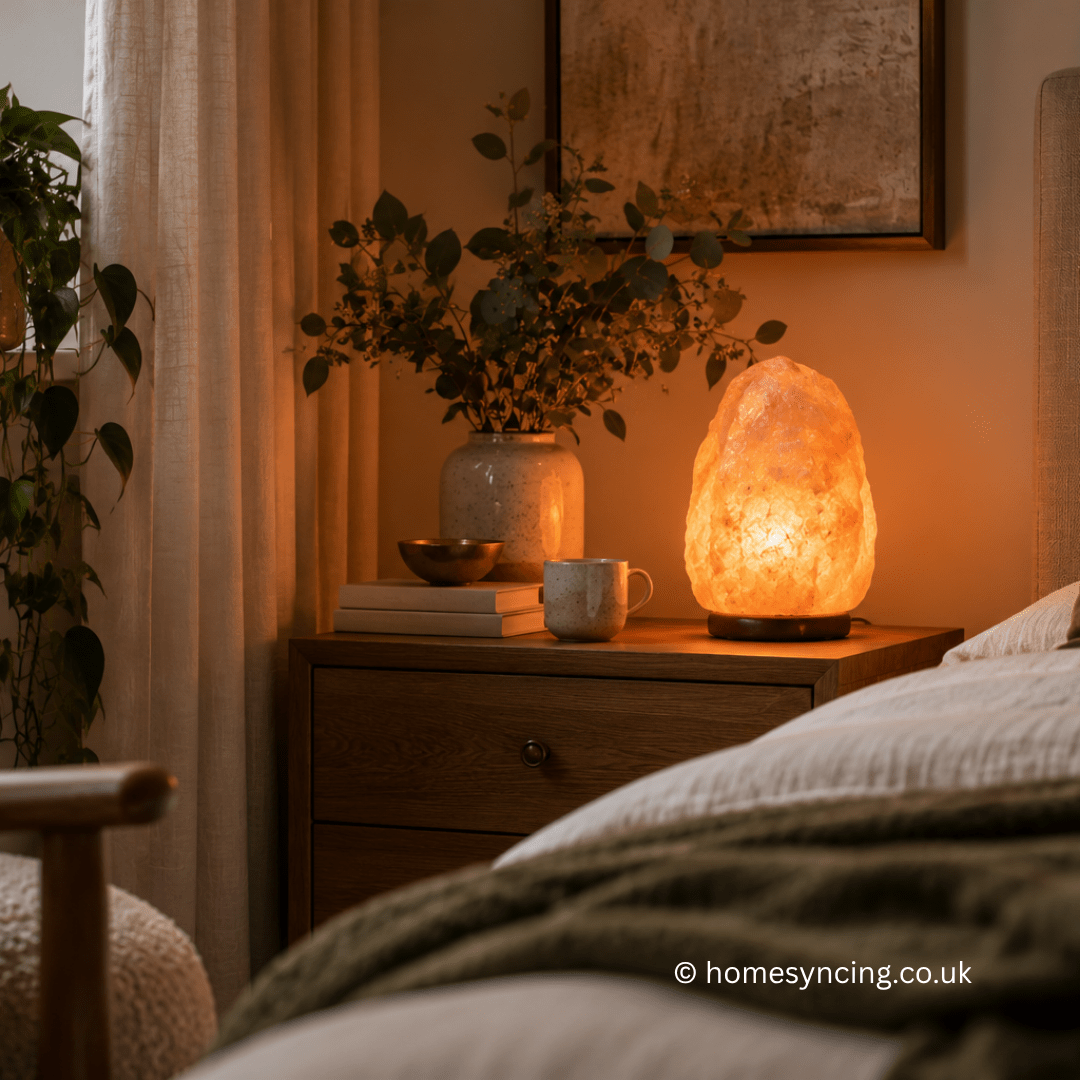
Salt lamps are crafted from solid blocks of natural salt, traditionally sourced from mines in the Himalayan region. Each piece is unique, with variations in shape, texture and colour ranging from soft peach and blush pink to rich amber and deep orange.

A small bulb or tealight placed inside the salt crystal gently illuminates the stone from within, creating a warm, inviting glow. The combination of natural materials and soft lighting gives salt lamps their distinctive character and makes them an attractive decorative feature in almost any room.

Transforming the Atmosphere of a Room

One of the most appealing qualities of a salt lamp is the way it can subtly transform the mood of a space. Unlike bright overhead lights, which can sometimes feel harsh or clinical, a salt lamp produces a gentle, diffused glow that creates a softer and more relaxing environment.

Whether placed in a living room, bedroom, reading nook or meditation corner, the warm light helps create an atmosphere that feels calm, comfortable and welcoming. Many people enjoy using salt lamps during the evening as a way of transitioning from the busyness of the day to a more restful state of mind.

Encouraging Relaxation and Wellbeing

The appeal of salt lamps lies less in any specific claim and more in the ambience they help create. A thoughtfully lit room often feels more inviting and peaceful, encouraging moments of rest, reflection and relaxation.

Combined with natural textures, soft furnishings and uncluttered surroundings, a salt lamp can contribute to a space that feels balanced and restorative. Whether you’re enjoying a quiet evening, practising mindfulness or simply taking a moment for yourself, the warm glow can help create a more soothing environment.

Creating a More Peaceful Evening Routine

Many people choose to place salt lamps in bedrooms as an alternative to bright bedside lighting. Their gentle illumination provides enough light to create a cosy atmosphere without overwhelming the senses.

As part of an evening routine, a salt lamp can help signal that it’s time to slow down and prepare for rest. Reading, journalling or simply relaxing in a softly lit room can feel more enjoyable and calming when harsh lighting is replaced with a warm, ambient glow.

Choosing the Right Salt Lamp for Your Home

When selecting a salt lamp, it’s worth considering both size and colour.

Larger lamps can create a stronger visual impact and illuminate a wider area, making them ideal for living rooms or larger spaces. Smaller lamps work beautifully on bedside tables, shelves or desks where a more subtle glow is desired.

Colour also influences the atmosphere. Lighter shades tend to produce a softer, more delicate light, while deeper amber tones create a richer, cosier feel. Because every salt crystal is naturally formed, each lamp has its own unique appearance, adding character and individuality to your home.

A Natural Addition to Any Interior

Salt lamps are valued not as a cure-all, but as a simple way to enhance the overall feeling of a space. Their organic textures and warm illumination complement a wide range of interior styles, from modern minimalist homes to rustic and nature-inspired settings.

Paired with natural materials such as wood, stone and soft textiles, they help create interiors that feel thoughtfully designed, comfortable and inviting.

Bringing More Calm Into Everyday Life

Creating a peaceful home doesn’t always require a complete redesign. Sometimes, a single carefully chosen feature can change the way a room feels.

A salt lamp offers a simple yet effective way to introduce warmth, softness and atmosphere into your living space. Its natural beauty and gentle glow encourage moments of calm, helping transform everyday rooms into places where you can truly relax and recharge.

After all, it’s often the quietest details that have the greatest impact.

We have a great range of Salt Lamps.

Further Reading: Affordable Decorating Ideas That Will Transform Your HomeSustainable Chic: A Beginner’s Guide to Circular Design

Daily Inspiration: Follow Us on Instagram, BlueSkyThreads , PinterestTwitterTikTok

Translate »