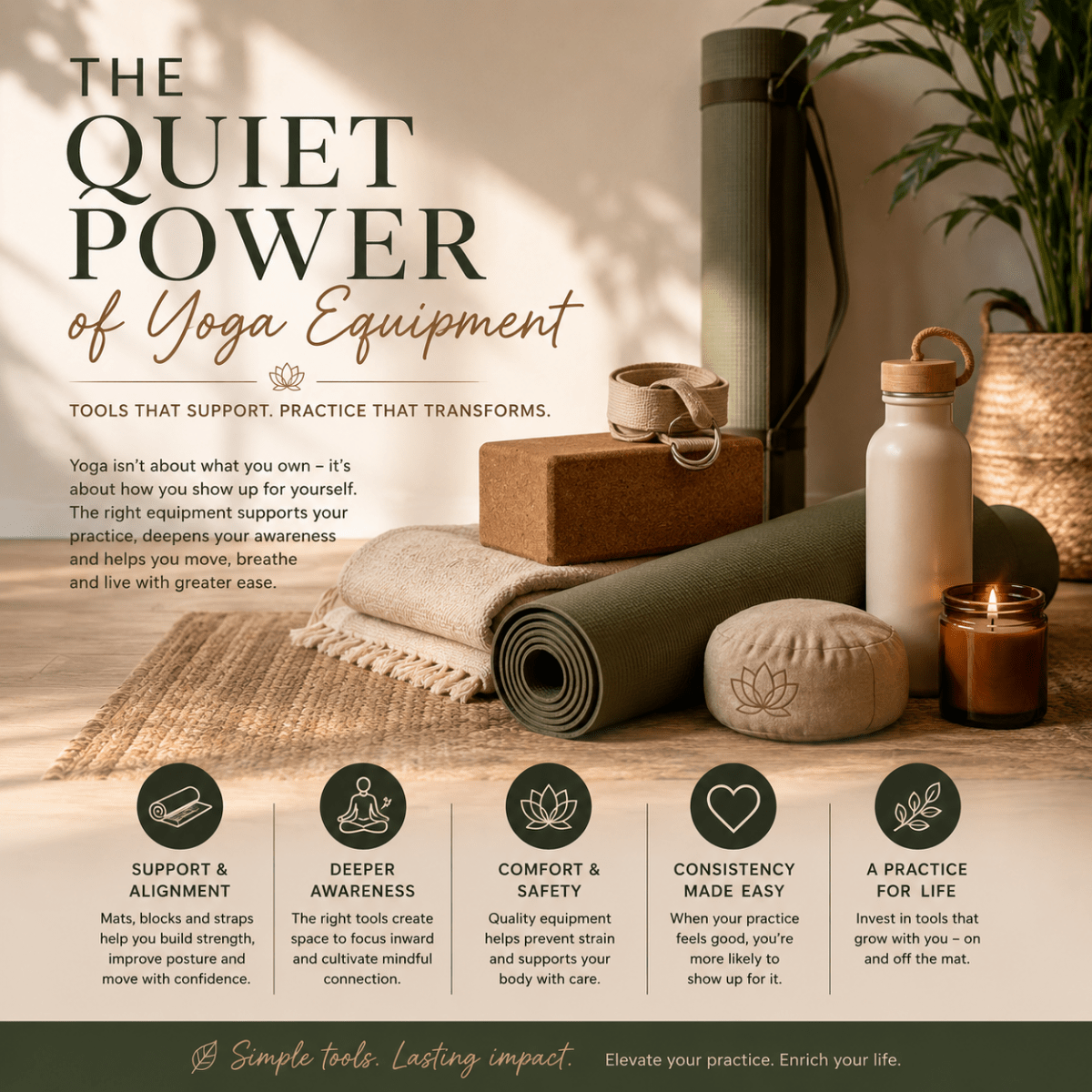
The Quiet Power of Yoga Equipment

Discover how yoga equipment—from blocks and mats to cushions and rollers—can gently support your practice. Learn their benefits, uses, and how to choose wisely in this calming, practical guide.

A thoughtful guide to props, practice and presence

There is a quiet moment before practice begins. The mat is unrolled, the room settles, and the day loosens its grip. Yoga asks very little of us at first—just to arrive. Yet, over time, we come to understand that the smallest supports can make the deepest difference.

Yoga equipment is often seen as an optional extra, but in truth, it can become a trusted companion. Each piece—simple in design—offers steadiness, comfort, or challenge where it is needed most. What follows is a gentle exploration of these tools, how they serve us, and how they might find their place in your own practice.


Yoga Blocks and Bricks: Meeting Yourself Where You Are

There is something reassuring about a yoga block. Solid and dependable, it meets you exactly where you are, without expectation.

Blocks and bricks are used to bring the ground closer, particularly in moments when the body is still learning its range. In poses that ask for reach or balance, they offer a steady hand.
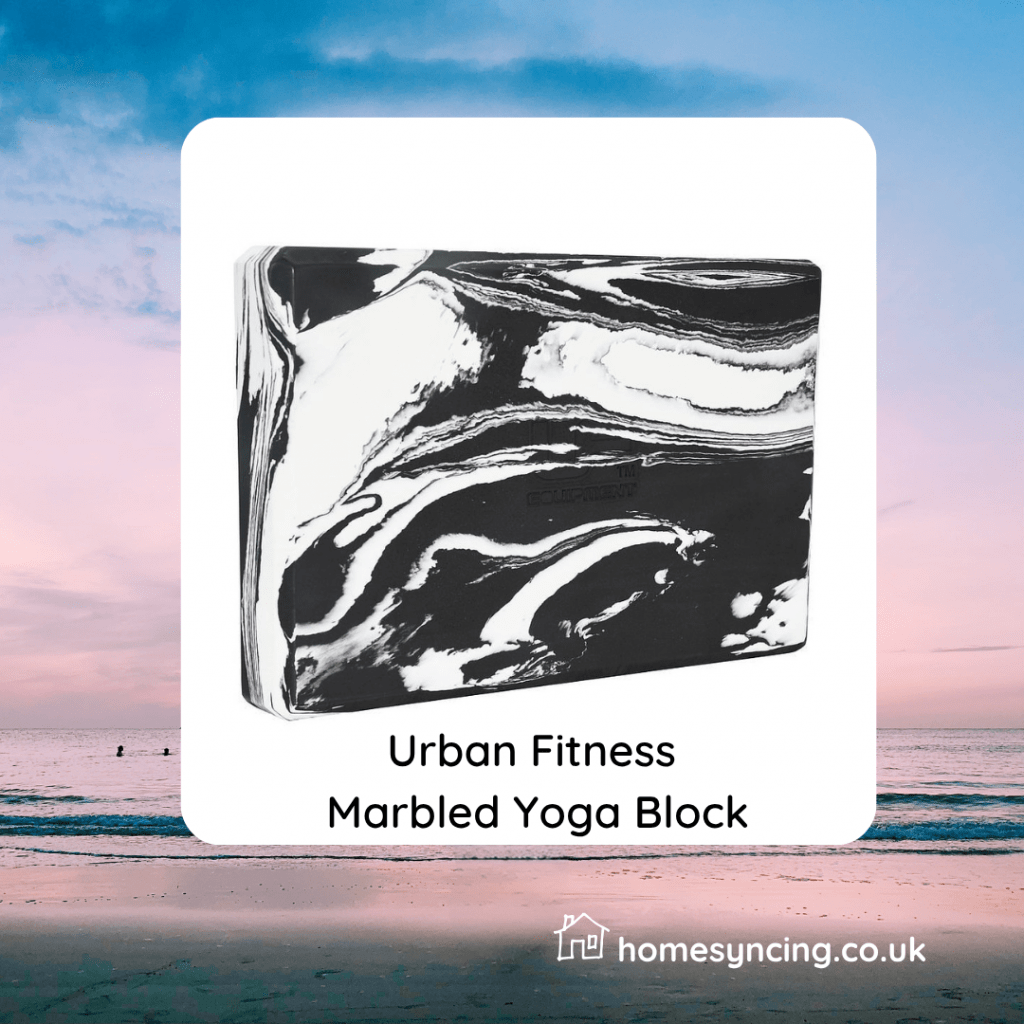
Urban Fitness Marbled Yoga Block

Their Purpose in Practice

Placed beneath the hand in a standing pose, or beneath the hips in a seated one, blocks create space where there may otherwise be strain. They encourage alignment without force, allowing the body to open gradually.

The Benefits

With their support, posture becomes more considered, and movement more mindful. They reduce the urge to overstretch, replacing it with a sense of ease and quiet progression.

How to Work Them In

You might reach for a block in a triangle pose, resting your hand upon it rather than the floor. Or sit upon one at the start of practice, allowing the spine to lengthen naturally.

Choosing Well

A block should feel firm but not unyielding. Cork offers a grounded weight; foam, a lighter touch. What matters most is that it feels steady beneath you.

A Gentle Note

Two blocks will serve you better than one. They bring balance—both physically and in the way you move.


Yoga Rollers: A Slow Unwinding

After movement comes release. The yoga roller invites you to pause and listen more closely to the body’s quieter signals.
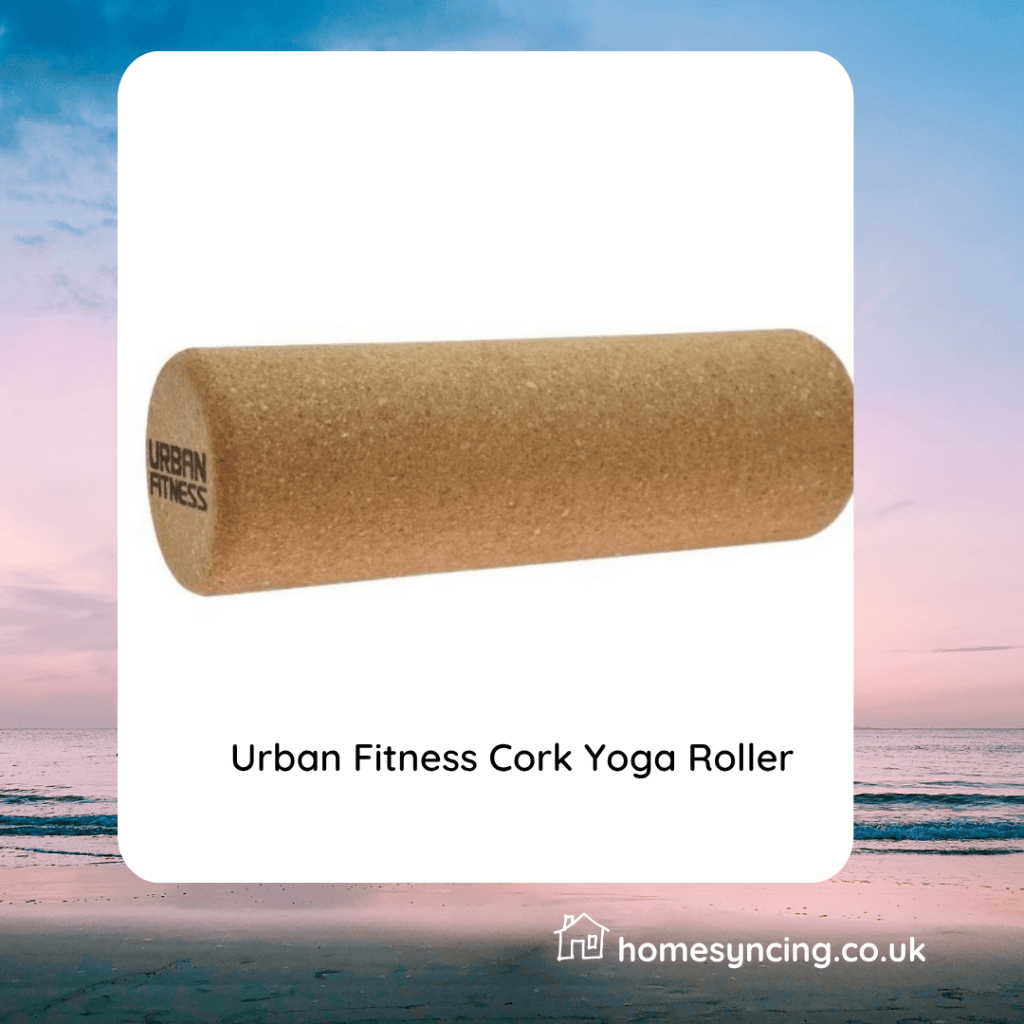
Urban Fitness Cork Yoga Roller

Their Purpose in Practice

Used for self-massage, rollers ease the tension that lingers in muscles. They are not hurried tools, but ones that ask for patience.

The Benefits

With steady use, they can soften tightness, improve circulation, and restore a sense of lightness after effort.

How to Work Them In

At the close of practice, you might roll gently along the back or beneath the legs. The motion is slow, deliberate, and attentive.

Choosing Well

A softer roller suits those new to the practice; a firmer one offers deeper release. Texture is a matter of preference—smooth for broad strokes, ridged for precision.

A Gentle Note

Less is often more. Move slowly, and allow the body time to respond.


The Yoga Mat: A Place to Begin

Every practice begins here. The mat is not simply a surface, but a small, defined space that becomes your own.
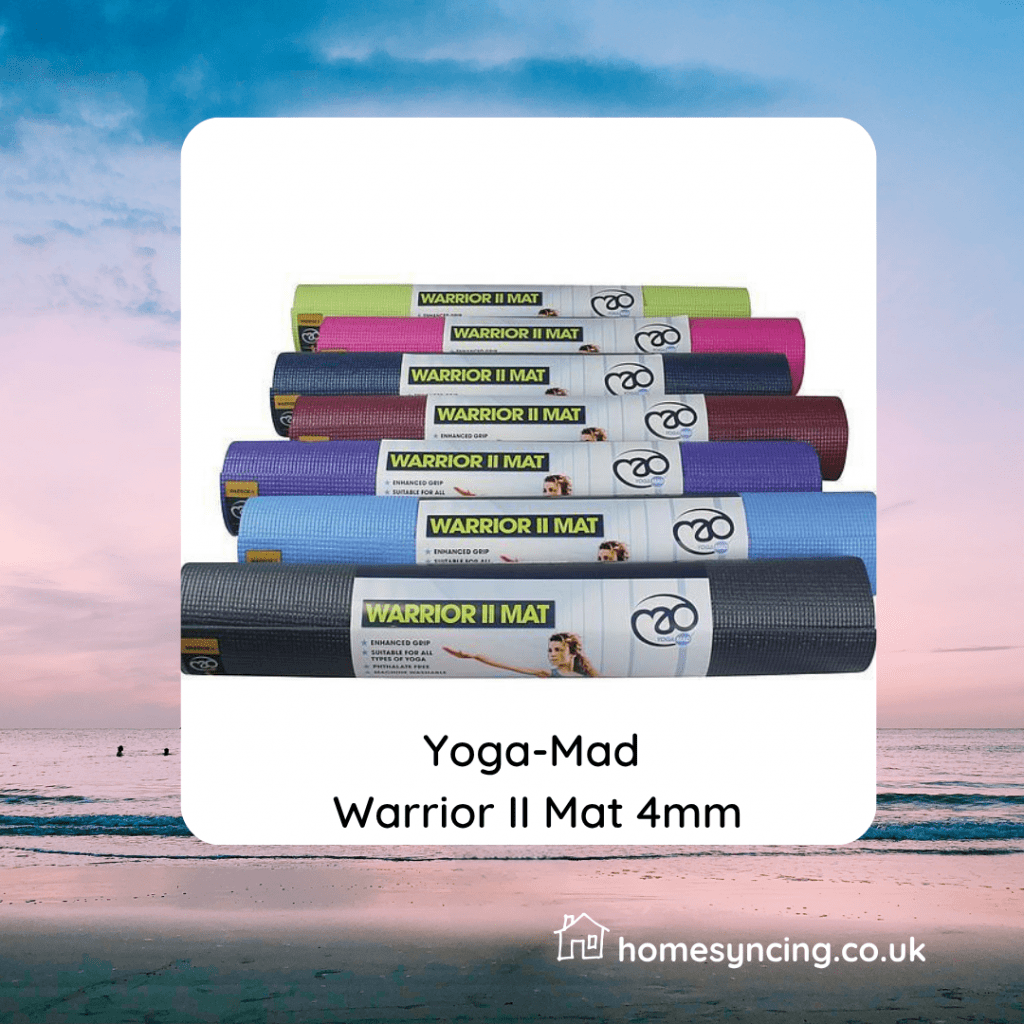
Yoga-Mad Warrior II Mat

Its Purpose in Practice

It offers grip beneath the hands and feet, and a layer of comfort between you and the ground.

The Benefits

A good mat steadies you. It allows you to move with confidence, without slipping or distraction.

How to Work It In

From the first stretch to the final rest, the mat holds the entire arc of your practice. Its edges quietly guide your alignment.

Choosing Well

Look for a mat that feels secure underfoot, with enough cushioning to protect the joints. Materials vary, but a natural feel and reliable grip are worth seeking out.

A Gentle Note

A well-chosen mat becomes familiar over time—something you return to, again and again.


Yoga Cushions: Resting Into Stillness

There is a softness to a yoga cushion that invites the body to let go.
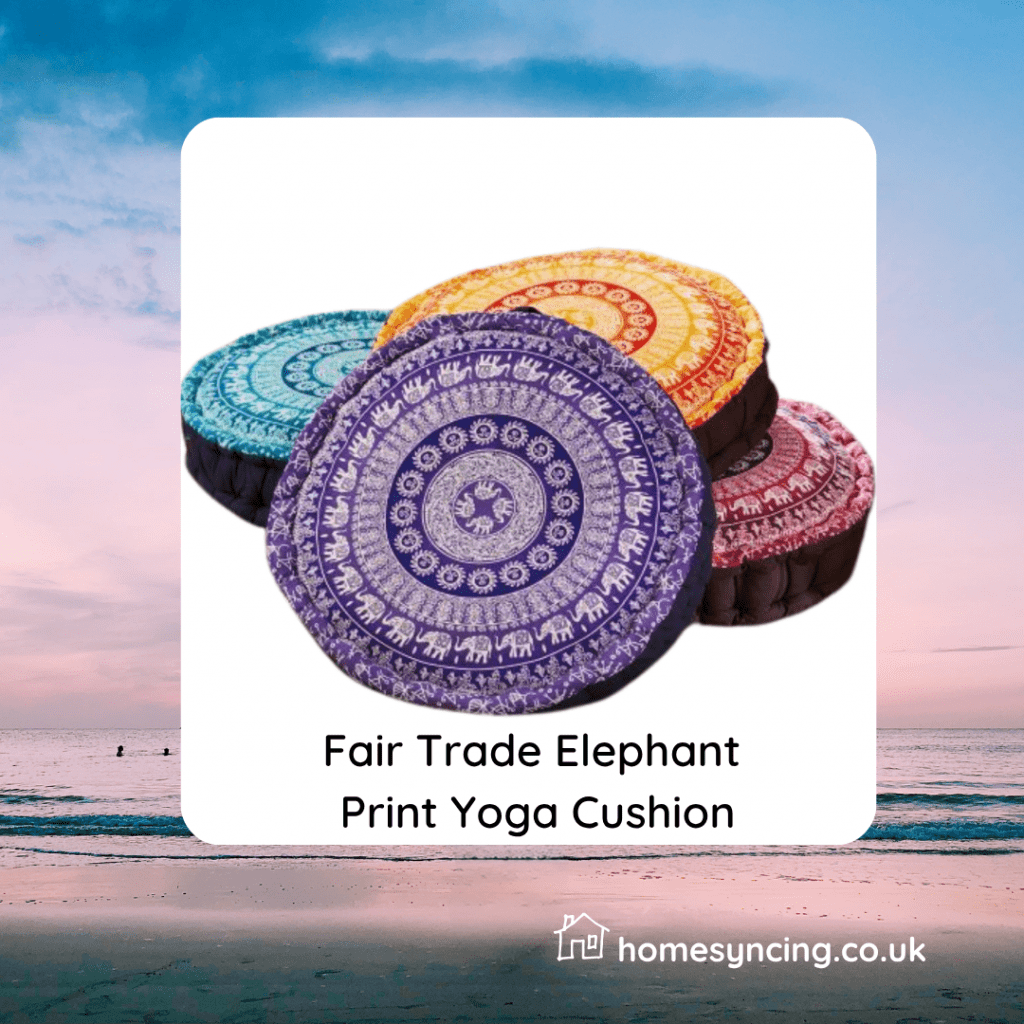
Fair Trade Elephant Print Yoga Cushion

Their Purpose in Practice

Cushions, or bolsters, support the body in restful poses. They are often used in slower practices, where stillness is the aim.

The Benefits

They allow the body to relax deeply, easing pressure from the joints and encouraging a longer, more restful hold.

How to Work Them In

Placed beneath the knees or along the spine, a cushion can transform a simple rest into something more restorative.

Choosing Well

Some prefer a firmer, cotton-filled cushion; others a softer feel. Shape matters less than comfort and support.

A Gentle Note

These are tools for rest, not effort. Let them hold you fully.


The Soft Exercise Ball: A Subtle Challenge

Small and unassuming, the soft exercise ball brings a quiet intensity to practice.
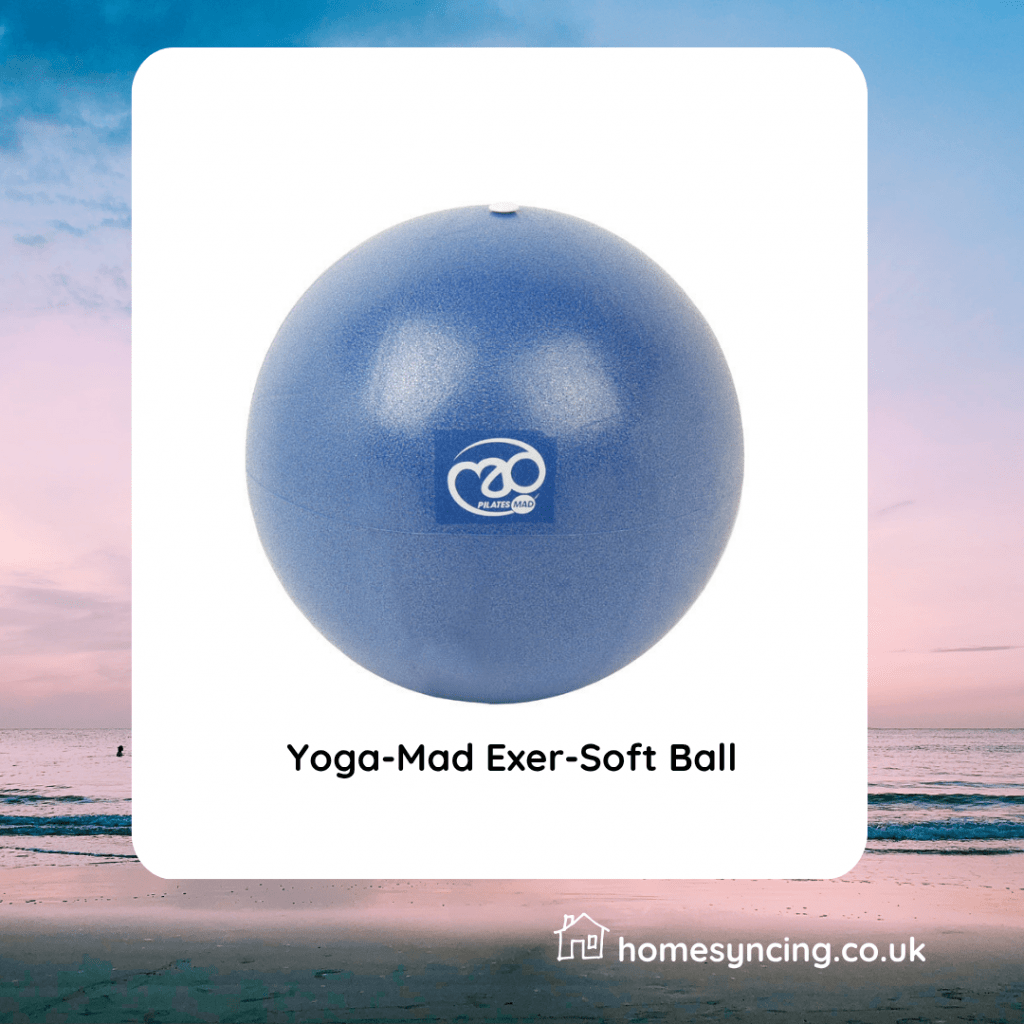
Yoga-Mad Exer-Soft Ball

Its Purpose in Practice

Used to engage the body more deeply, it introduces an element of balance and control.

The Benefits

It awakens smaller muscle groups, particularly through the core, and refines coordination.

How to Work It In

Held gently between the thighs or placed beneath the lower back, it encourages the body to work with greater awareness.

Choosing Well

A modest size and a lightly textured surface will offer the best control.

A Gentle Note

It is not about force, but subtle engagement—small adjustments that make a lasting difference.


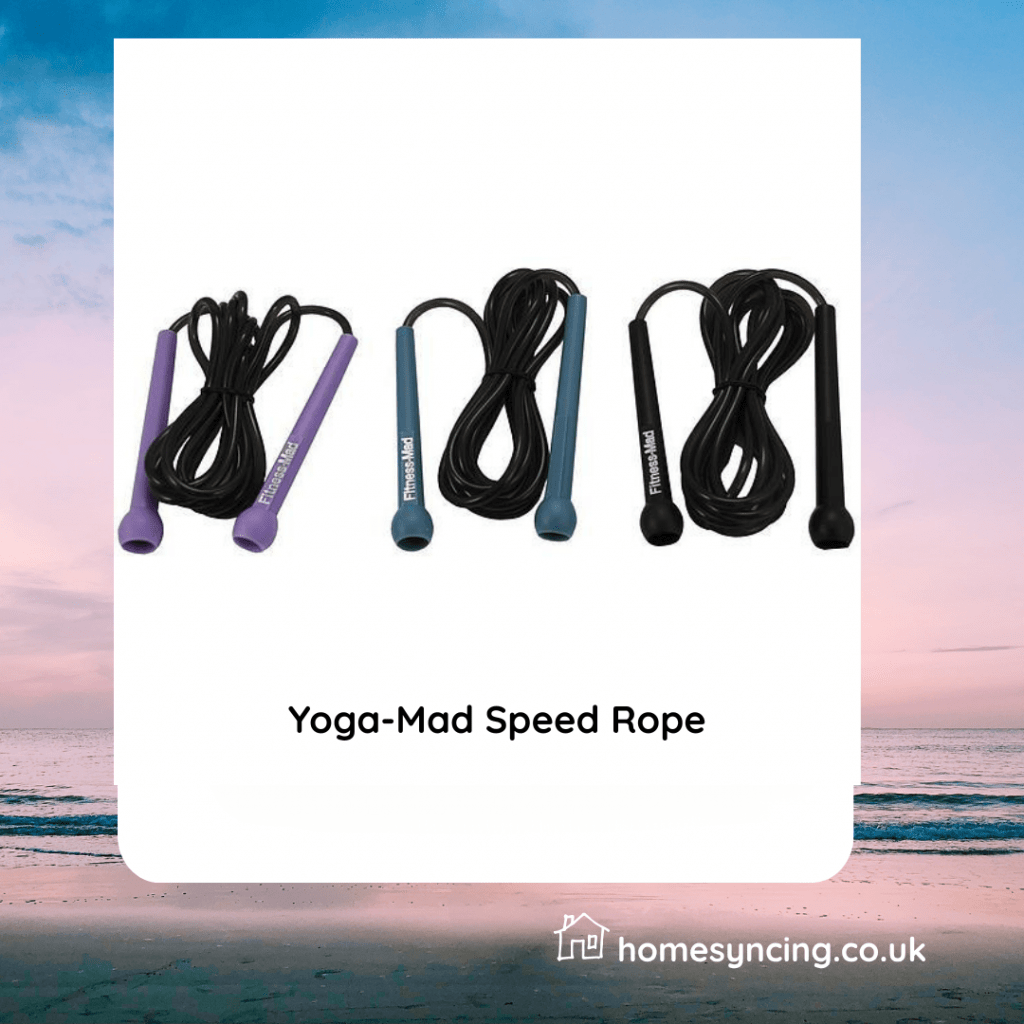
The Skipping Rope: A Rhythm Before Stillness

Though not traditional, the skipping rope has its place. It brings warmth and rhythm before the stillness of yoga begins.
Yoga-Mad Speed Rope
Yoga-Mad Speed Rope

Its Purpose in Practice

Used as a simple warm-up, it prepares the body and sharpens the breath.

The Benefits

It lifts the heart rate, improves coordination, and readies the body for movement.

How to Work It In

A few minutes of gentle skipping at the start of practice can shift your energy, making the transition into yoga feel more fluid.

Choosing Well

A rope that turns smoothly and adjusts to your height will feel effortless to use.

A Gentle Note

Keep it light. This is a beginning, not a test of endurance.


Bringing It All Together

There is no need to use everything at once. Yoga is not built on accumulation, but on attention.

A simple practice might begin with a mat and a block, adding a cushion for rest. On another day, a roller may follow, easing the body back into balance.

The value of these tools lies not in their number, but in how thoughtfully they are used.


A Final Reflection

Yoga equipment does not change the essence of practice—it simply supports it. Each piece offers a quiet form of guidance, helping you move with greater care, awareness, and ease.

Over time, these small additions become part of the rhythm. Not essential, perhaps, but deeply appreciated.

And so, as you return to your mat, you may find that what once seemed like simple objects have become something more: companions in a practice that continues to unfold.


Daily Inspiration: Follow Us on Instagram, BlueSkyThreads , PinterestTwitterTikTok

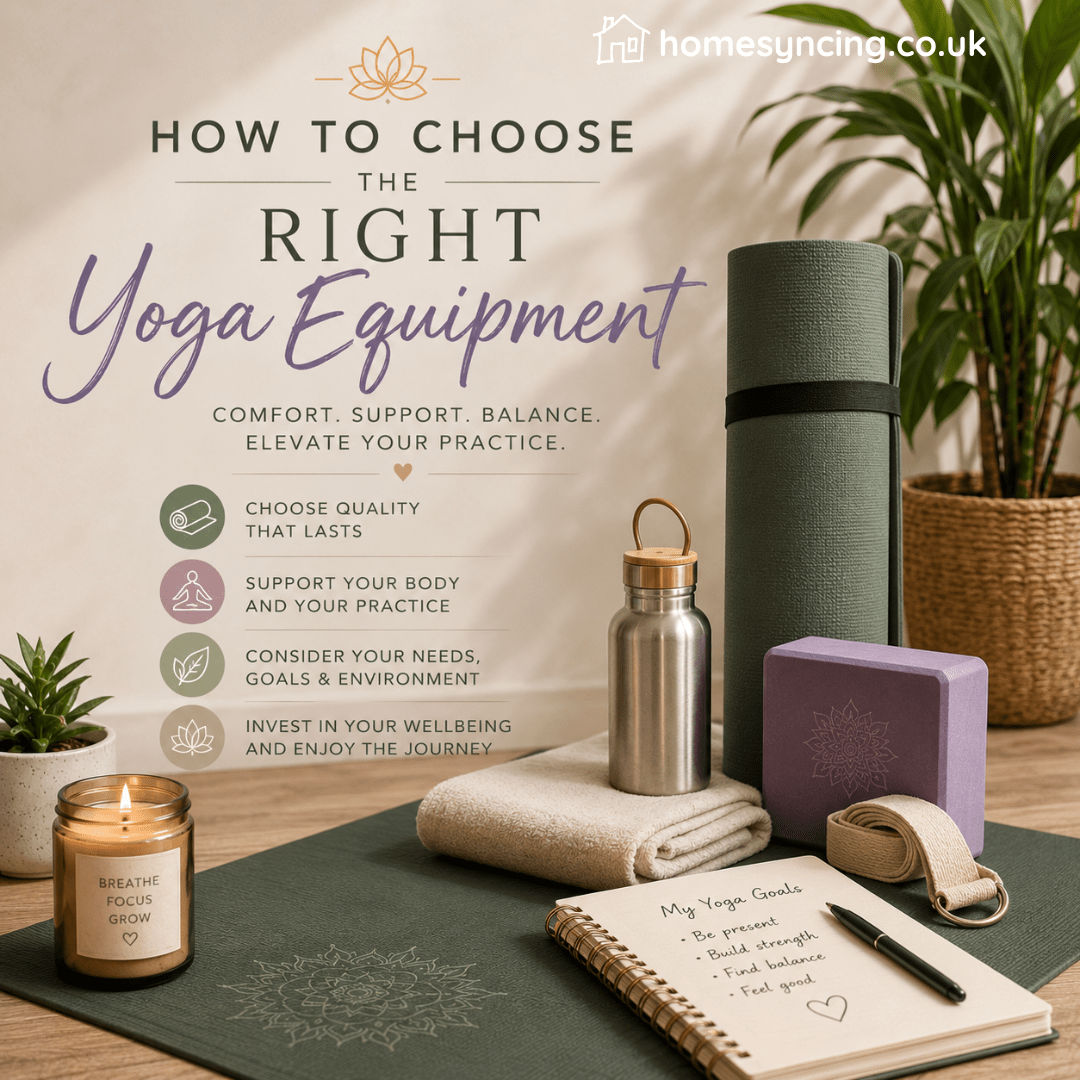
How to Chose the Right Yoga Equipment

Starting with yoga can be an incredibly exciting journey, but choosing the right yoga equipment can also be daunting. With the number of options available in the market, it’s easy to feel a bit overwhelmed. As someone deeply passionate about health & fitness, we have always found yoga to be a great way to stay grounded and keep myself moving.

Consider your budget:   Before selecting any yoga equipment, you should always set your budget for all the items you require. For instance, there is no need to splurge on a yoga mat if you don’t have enough to spend, especially if you’re just starting. Strike a balance between quality and price.

Quality:   With a variety of yoga equipment available in the market, selecting the one with the best quality should always be a priority. The quality of equipment depends on its durability & performance. So, go for branded ones and read the reviews to know about the quality of the product.

Comfort:   Comfort of equipment is the most crucial thing to consider as it directly affects your yoga performance. Always choose the one that suits you best, from yoga mats to yoga bras, and avoid ones that incite discomfort. Comfortable equipment enables you to perform poses & exercises confidently.

Size & dimension:   When buying equipment, check its size & dimension to see if it fits your body type & yoga practice. Moreover, the size and dimension depend on the poses. Some large mats may be perfect for some poses, while some small blocks may be perfect for others.

Material:   It is important to know the material of your equipment. For example, a yoga mat made with polyvinyl chloride (PVC) is an excellent choice for beginners due to its affordable price and perfect gripping. Materials like natural rubber and recycled cork are a great choice for the environment.

Choosing the right yoga equipment requires research & careful decision-making. Be sure to pick the right yoga equipment for yourself that will make your yoga experience more fulfilling & enjoyable.

We have selected some great quality yoga equipment to be found here.

Further Reading: The Power of a Smile: Radiate Confidence and JoyThe Power of Forgiveness

For Daily Inspiration Follow Us on Instagram

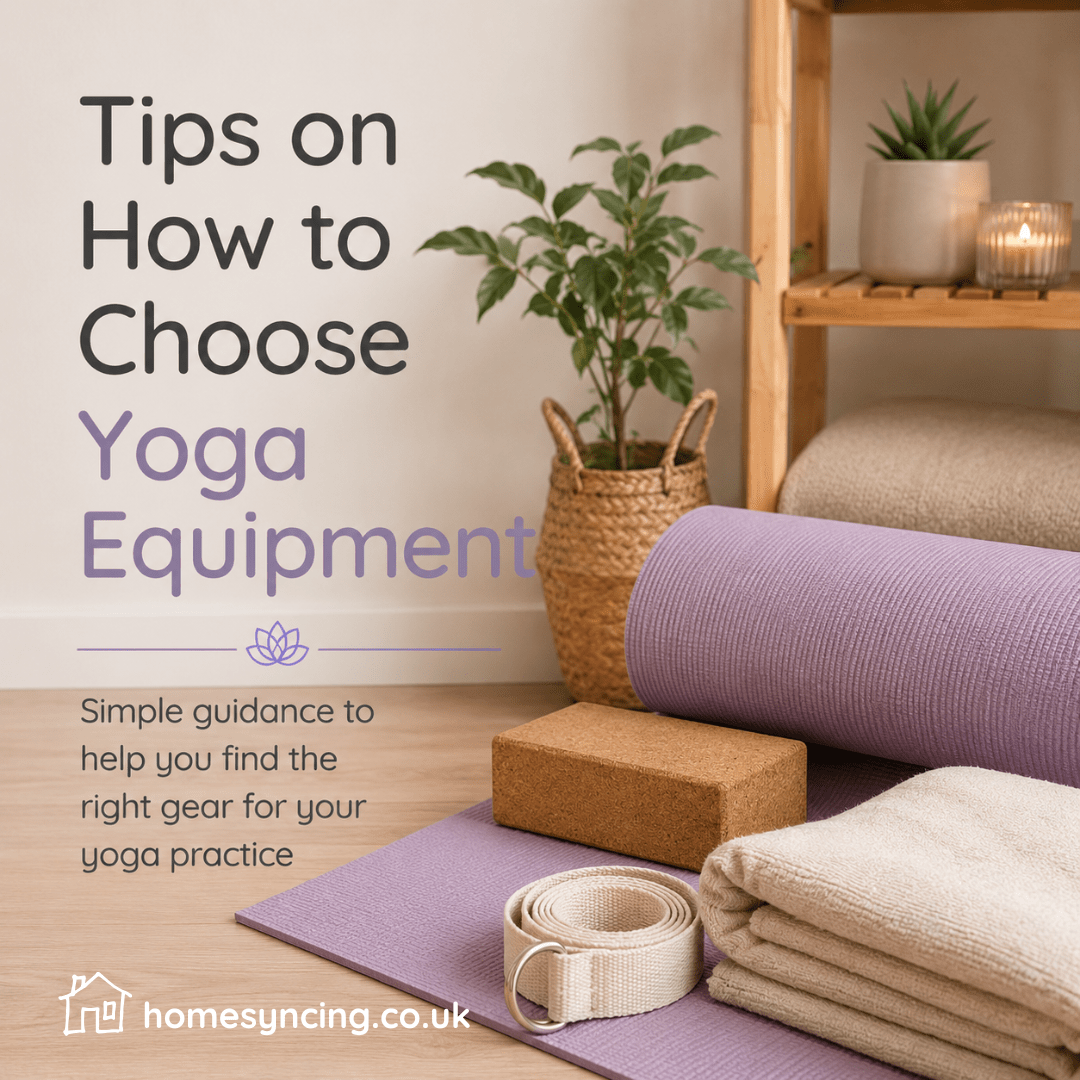
Tips on How to Choose Yoga Equipment

Beginning yoga is a quietly transformative step. Whether you are unrolling your mat at home before breakfast or joining a local class in the village hall, the right yoga equipment can help you feel supported, steady and confident from the very first pose.

Yet with so many options available — from eco-friendly yoga mats to supportive yoga blocks — knowing what to choose can feel overwhelming. This guide will help you select the best yoga equipment for your needs, balancing comfort, quality and value, so you can focus on what truly matters: your practice.


Start With Your Budget

Before adding items to your basket, take a moment to consider your budget. Investing in quality yoga equipment is worthwhile, but there is no need to overspend, especially if you are just starting out.

A well-made yoga mat at a sensible price will serve you perfectly while you explore your practice. Over time, you may decide to refine or expand your kit. Aim for a thoughtful balance between durability and affordability rather than being swayed by trends.


Prioritise Quality and Durability

Good yoga equipment should feel reliable and long-lasting. A mat that curls at the corners or blocks that compress too easily can distract from your focus and flow.

When choosing yoga accessories, consider:

  • Durability – Will it withstand regular practice?
  • Grip and stability – Does the mat stay in place on the floor?
  • Performance – Does it properly support your balance and alignment?

Reading reviews and choosing trusted brands can offer reassurance, but ultimately the equipment should feel solid and dependable in your hands.


Comfort Is Essential

Yoga invites you to tune into your body, so comfort is paramount. From yoga mats to yoga clothing, everything you use should allow ease of movement without irritation or restriction.

A comfortable yoga mat will cushion your joints during kneeling or seated poses. Supportive yoga wear should move with you rather than against you. If something causes distraction or discomfort, it is unlikely to enhance your practice.

When possible, test how a mat feels under your palms and feet. The right texture can make all the difference, particularly in standing or balancing postures.


Consider Size and Dimensions

Yoga equipment is not one-size-fits-all. Your height, build and the style of yoga you practise will influence what suits you best.

  • Yoga mats: Taller practitioners may prefer a longer or wider mat to allow full extension in poses such as Downward Facing Dog.
  • Yoga blocks: Smaller blocks may offer precision for certain poses, while larger ones can provide more stable support.
  • Yoga straps: Ensure the length allows you to comfortably extend your reach in seated stretches.

Choosing the correct size ensures you can move freely and safely without constantly adjusting your space.


Choose Materials Wisely

The material of your yoga equipment affects not only performance but also sustainability.

  • PVC yoga mats are often affordable and provide excellent grip, making them suitable for beginners.
  • Natural rubber mats offer strong traction and a more eco-conscious alternative.
  • Cork yoga blocks and recycled materials are increasingly popular for those wishing to tread more lightly on the environment.

If environmental impact matters to you, look for responsibly sourced and recyclable materials. Many modern yoga brands now offer sustainable options without compromising on quality.


Essential Yoga Equipment for Beginners

If you are just beginning, you do not need a vast collection. Start with:

  1. A reliable yoga mat
  2. One or two yoga blocks
  3. A yoga strap (optional but helpful for flexibility)

These simple pieces will support most beginner sequences and allow you to build confidence gradually.


Take Your Time

Choosing the right yoga equipment is not a race. The most satisfying purchases are made with care and consideration. Reflect on how and where you plan to practise — indoors, outdoors, at home or in class — and select equipment that complements that setting.

By considering budget, quality, comfort, size and materials, you can create a small but dependable collection of yoga essentials that supports your wellbeing for years to come.

A thoughtful beginning often leads to a lasting practice.

Explore our complete yoga range and find the pieces that feel right for you. Click here to see our complete yoga range.

Further Reading: How to Choose Equipment for your Home Gym, Dive into Wild Swimming: The Joy of Swimming Outdoors, The Ultimate Guide to Soft Spikey Massage Balls, Guide to Yoga Cushions, Exploring the Benefits of Yoga – Improve your Wellbeing

Daily Inspiration: Follow Us on Instagram, BlueSkyThreads , PinterestTwitterTikTok

Translate »