Cosy Bedroom Décor Ideas to Transform Your Space  

Your bedroom should be your sanctuary – a cosy retreat where you can relax, unwind and escape from the day’s demands. Whether you’re starting from scratch or looking to add a few touches to enhance the snug vibe of your bedroom, we’ve got you covered. From choosing the right decorations to perfecting your bedding and selecting tranquil colour schemes, this guide lists ideas to help you create the bedroom you’ve always dreamed of. 

Start with the Basics: Must-Have Bedroom Décor  

Creating a cosy bedroom begins with the basics. These décor essentials will serve as the foundation of your warm and inviting space. 

String Lights  

Adding soft string lights to walls or hanging them around your bed frame can create a magical glow. A warm white tone works particularly well for a cosy atmosphere.  

Layered Curtains  

Opt for sheer curtains to allow natural light during the day, paired with heavier blackout curtains for nights. This mix adds texture while giving you flexibility.  

Wall Art  

Choose art that reflects your personality and adds warmth. Framed prints, abstract designs or quotes can instantly elevate your space. Consider soft, muted colours for that snug vibe.  

Plants and Greenery  

Bring life to your bedroom with plants such as peace lilies or snake plants. They not only enhance air quality but also add a fresh and relaxing touch.  

Accent Wall  

Create an accent wall using peel-and-stick wallpaper in soft, earthy tones, or try a painted feature in a deep emerald green or navy blue for a dramatic yet cosy effect.  

Functional Nightstands  

Choose bedside tables with drawers to minimise clutter. Add a small lamp and a stylish tray for keeping essential items orderly.  

Unique Lighting Fixtures  

Consider a statement lamp or pendant light with a warm glow. Dimmable options are a great way to adjust the mood to your liking.  

Dress Your Bed Like a Pro  

Your bed is the centrepiece of your bedroom and dressing it right can make all the difference.  

Choose Soft, Luxurious Fabrics  

Opt for high-thread count sheets or linen bedding for the ultimate cosy experience. Choose materials that get softer with every wash.  

Add a Plush Duvet or Comforter  

Go for a high-quality down or down-alternative duvet. Don’t forget to layer it with a duvet cover that complements your colour scheme.  

Invest in Pillows  

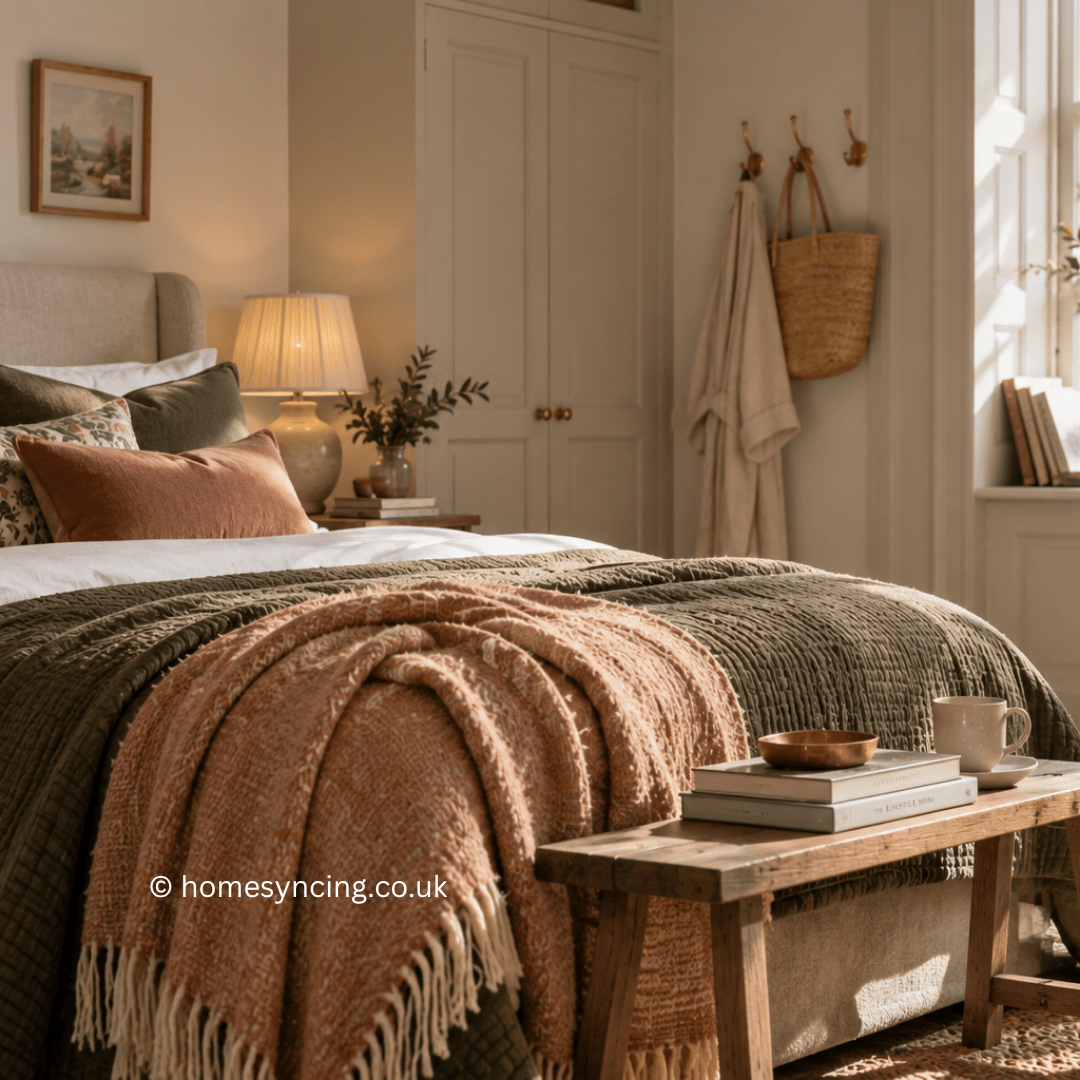
Use multiple pillows in varying sizes and textures for a deluxe hotel-like feel. Don’t hesitate to mix patterns or materials like velvet and cotton.  

Layer Blankets and Throws  

Adding layers of blankets or knitted throws introduces texture and keeps you warm on chilly evenings. Choose neutral or pastel hues for a cohesive look.  

Bed Valances and Toppers  

A well-fitted valance can make your bed look complete, while a mattress topper adds an extra layer of softness.  

Headboards and Cushions  

A padded or tufted headboard brings a sense of luxury and warmth, transforming the bed into the room’s focal point.  

Cosy Colour Schemes You’ll Love  

The right colours can set the tone for your bedroom. Lean into soothing palettes to enhance a tranquil and inviting atmosphere.  

Earthy Neutrals  

Tan, beige and cream tones create a blank canvas that feels warm and homely, allowing you to layer in décor.  

Soft Blues and Greens  

Pale blue or sage green is perfect for evoking calmness and comfort.  

Warm Terracottas and Mustards  

Add hints of warmth that invite you in, reminiscent of the changing seasons.  

Greys and Whites  

Minimalists will appreciate the clean, tranquil look of muted grey paired with crisp whites.  

Moody Tones  

For something more dramatic, try deep colours like charcoal grey, rich navy or forest green. Pair these with lighter accents to maintain balance.  

The Finishing Touches  

It’s the little details that take your bedroom from nice to next-level cosy.  

Candles  

Nothing says cosy like the flicker of candlelight. Choose scented candles like vanilla, lavender or cedarwood to complement the atmosphere.  

Soft Rugs  

Add a plush area rug next to the bed to keep your feet warm in the mornings. A faux sheepskin or woven jute rug is cosy and chic.  

Personal Touches  

Dressers and shelves can house framed photographs, keepsakes, or meaningful trinkets that make the space feel truly yours.  

Diffusers and Essential Oils  

Introduce a soothing aroma with a diffuser. Scents like eucalyptus, chamomile, or sandalwood are perfect for relaxation.  

Books and Journals  

Keep a few books or a journal on your nightstand for moments of unwinding before bed. They double as décor when styled neatly.  

Textures  

Combine different textures for depth—think velvet cushions, fluffy blankets and sleek wood furniture.  

Ideas To Steal  

We’ve pulled together even more creative ideas to help make your bedroom extra snug.  

  • Fairy Light Canopy: Hang lights around your bed for a dreamy effect.  
  • Hanging Chair: A corner nook with a hanging chair and cushion makes an ideal spot to curl up.  
  • Hammam Basket: A stylish storage basket for extra throws.  
  • Mirror Magic: A large mirror reflects light and expands the space.  
  • Seasonal Décor: Bring in seasonal accents, such as autumn wreaths or summery blooms.  
  • Reading Nook: Create a snug reading corner with an oversized chair and floor lamp.  
  • Wallpaper Ceiling: Don’t neglect the ceiling—think murals or subtle wallpapers!  
  • Ambient LEDs: Add LED strips around shelves or headboards for an adjustable glow.  
  • Under-bed Storage: Stylish yet practical woven baskets or rolling drawers.  
  • Multi-layer Curtains: Triple the fabric layers for a luxe look.  

Extra Cosy Recommendations  

  • Weighted Blanket: Perfect for chilly nights or just feeling extra snug.  
  • Layer with Pattern: Striped or floral pillowcases bring personality to subtle tones.  
  • Seasonal Colour Accents: Rotate your colour palette with the seasons by bringing in accent items like cushions, throws or décor.  

Make Your Bedroom a Sanctuary  

There’s no right or wrong way to create cosiness—it’s all about reflecting your personality and needs. From selecting your colour palette to layering bedding like a pro, these décor ideas are perfect for any bedroom makeover.  

Feeling inspired? Don’t hold back! Start experimenting with these ideas and transform your bedroom into the ultimate retreat you’ll never want to leave.  

Further Inspiration: Follow us on Instagram

Further Reading: Discover the Secrets to Bedroom Bliss

Master the Art of Staying Organised When Moving  

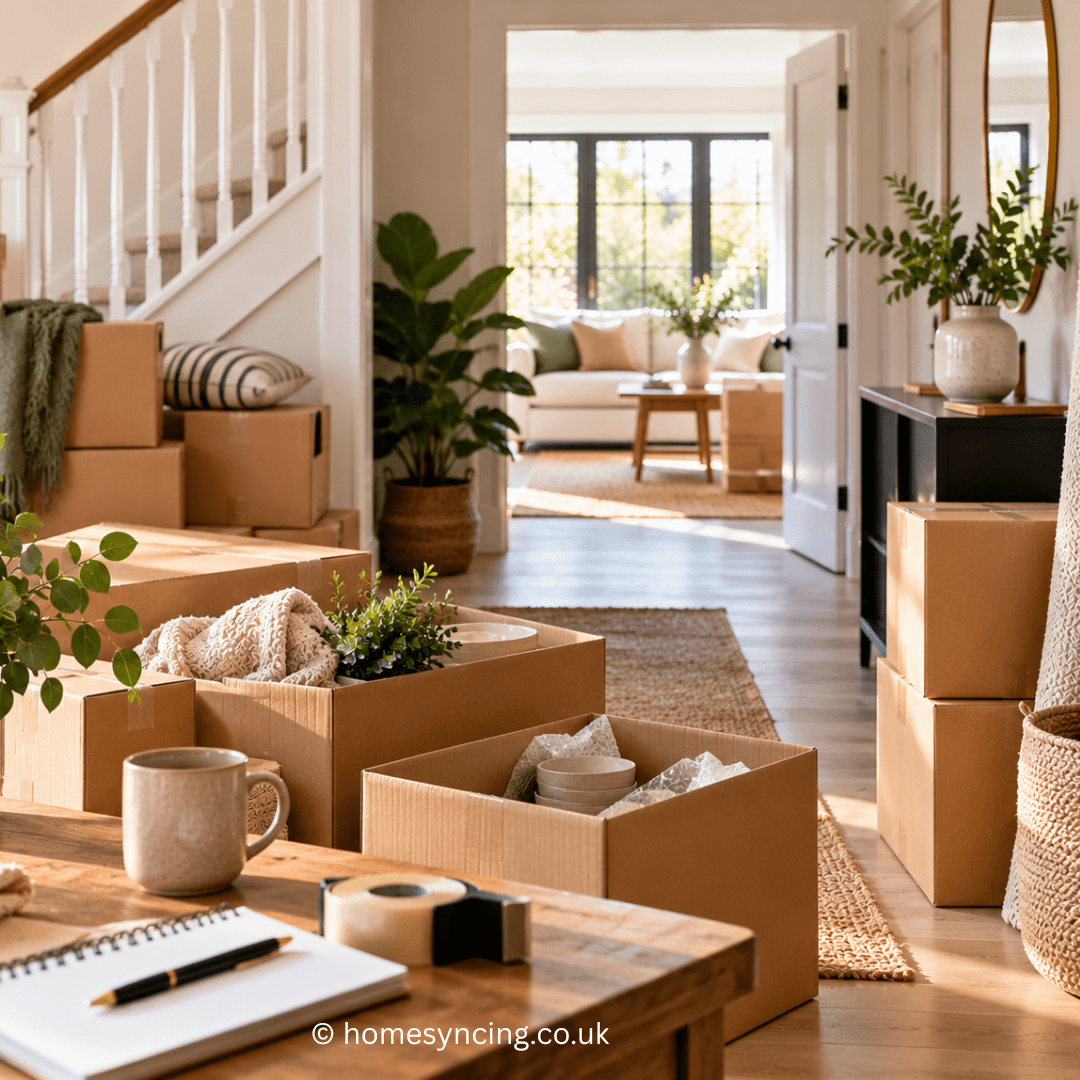
Moving house — whether it’s your first or fifteenth time — has a way of making even the most organised among us feel overwhelmed. From packing boxes to redirecting mail and coordinating movers, there are countless tasks to tick off. But fear not! With the right strategies and a bit of planning, you can make your move smooth, stress-free and, dare we say, enjoyable.  

This guide will walk you through how to stay organised during a move, covering what to consider, what to do, and how to stay on top of it all. Whether you’re a seasoned mover or taking the big leap for the first time, these tips will help you feel in control every step of the way.  

Why Organisation is Key When Moving  

Moving can feel like juggling flaming boxes — an endless list of tasks, unexpected surprises and limited time. But staying organised will save you time, money, and a world of stress. When you plan ahead, you’re less likely to misplace cherished items, overspend on last-minute expenses or feel completely overwhelmed on moving day.  

Here’s how to keep calm and carry on when tackling your house move.  

What to Consider Before Moving  

Before you start packing, it’s important to take a step back and look at the big picture. Consider these five key factors to ensure your move starts off on the right foot.  

1. Create a Timeline  

When’s your moving date? Mark it on the calendar, then work backwards to build a plan. Consider milestones like when to start packing, booking movers, and finalising paperwork. A realistic timeline will keep you on track and prevent any last-minute panics.  

2. Set a Budget  

Moving can be costly, so setting a budget upfront is essential. Include costs like removals, storage fees, cleaning services, packing materials, and even lunches or snacks for moving day. Unexpected expenses may pop up, but your budget serves as a guide to keep spending in check.  

3. Declutter Before You Pack  

There’s no point in moving items you no longer need. A thorough declutter not only lightens your load (and reduces moving costs) but also makes unpacking simpler. Donate, recycle or sell items you no longer use.  

Use these categories as a starting point during your decluttering sessions: 

  • Clothes, shoes and accessories  
  • Kitchen gadgets and utensils  
  • Books, magazines and old paperwork  
  • Furniture and decor  
  • Toys, games and hobby supplies  

4. Research & Book Services Early  

Removals company? Storage unit? Pet sitter on moving day? These need to be booked in advance. Compare quotes, read reviews and lock in arrangements so you’re not scrambling for last-minute help.  

5. Consider Your New Space  

Take some time to think about the layout and functionality of your new home. Knowing where items will go when you arrive can help with packing and labelling boxes. Measure large furniture in advance to ensure it fits through doorways!  

How to Organise and Stay on Top of Things  

With the initial planning squared away, it’s time to focus on the details. The following steps will help you stay efficient and stress-free as the big day approaches.  

1. Create a Moving Checklist  

A checklist is your best friend during a move. Break it down into categories like packing, notifying utility providers and booking moving companies. Ticking tasks off as you go will provide a satisfying sense of progress.  

2. Organise Packing Supplies  

Stock up on essentials, including: 

  • Sturdy boxes (in various sizes)  
  • Packing tape and scissors  
  • Labels, markers, and sticky notes  
  • Bubble wrap or packing paper for fragile items  
  • A checklist (digital or paper) for tracking the contents of each box  

Don’t forget to keep a box of essentials for moving day, such as toiletries, medications, snacks, and important documents.  

3. Pack Smart (Room by Room)  

To avoid chaos, pack one room at a time. Start with items you use the least (think holiday decorations or off-season clothes) and leave essentials for last. Label each box clearly with its destination room and a brief list of contents.  

Pro tip: Colour-code your boxes by room for easier identification. Use coloured labels or tape to match with each area in your new home (e.g., blue for the kitchen, green for the bathroom).  

4. Keep Important Documents Safe  

Don’t pack passports, contracts, or financial documents in random boxes. Instead, keep all essential paperwork in a designated folder or file and carry it with you on moving day.  

5. Notify Relevant Parties  

Once your moving date is set, it’s time to inform services and organisations. This includes: 

  • Utility companies (electricity, water, internet, gas)  
  • Your employer, school or university  
  • Banks and financial institutions  
  • HMRC, DVLA and insurance providers  
  • Subscriptions and memberships  

Set aside a specific day to make these calls or submit online forms. The earlier you notify, the easier it’ll be.  

6. Ask for Help  

Moving doesn’t have to be a solo mission. Ask friends or family to lend a hand with packing, child or pet care or coordinating logistics. Many people are happy to help in exchange for coffee or a pizza dinner!  

Keeping Calm on Moving Day  

Moving day is finally here! Here’s how to keep things running smoothly: 

  • Start early. The earlier you begin, the more time you’ll have to tackle unexpected challenges.  
  • Double-check boxes and labels. Make sure everything is securely packed and easy to identify.  
  • Stay hydrated. Have water bottles on hand for yourself, movers and helpers. Snacks are a bonus too!  
  • Take breaks. Moving can be exhausting—don’t forget to pause for a rest or a laugh with your helpers.  

After the Move  

Congratulations, you’re in your new home! But the work isn’t quite finished yet.  

Unpack Strategically  

Prioritise unpacking bedrooms, bathrooms, and the kitchen first. With those essentials in place, the rest can follow at a more relaxed pace.  

Introduce Yourself to Neighbours  

Creating connections in your new community is an important (and often overlooked) part of the moving process. Stop by to say hello or leave a note introducing yourself.  

Update Your Address  

Make sure all your accounts are updated with your new address and don’t forget to set up a postal redirection if necessary.  

Celebrate!  

Finally, take a moment to celebrate your achievement. You’ve made it through a move—time to kick back, relax and enjoy your new home.  

Moving Can Be Simple with a Plan  

Moving doesn’t have to be chaotic. With careful planning and these steps, you’ll stay organised, save time and turn what can be a stressful experience into an exciting new adventure.  

If you found these tips helpful, be sure to share this guide with anyone planning their next move. Here’s to a smooth transition and a joyous start in your new home!  

For Daily Inspiration – Follow us on Instagram

Further Reading: Master your Day: The Ultimate Guide to Getting Organised Create your Dream Home: A Guide to Building the Perfect Mood Board

Clever Storage Solutions for Every Nook and Cranny

There are few homes that seem to have quite enough storage.

Coats gather in the hallway. Shoes multiply by the door. Spare bed linen occupies half a wardrobe, while chargers, paperwork, children’s games and all the other necessities of daily life somehow find their way onto surfaces that were once beautifully clear.

The temptation is to assume that the answer is simply more cupboards.

Often, it isn’t.

Some of the best storage solutions for small spaces come from looking again at the parts of a house we tend to overlook: the awkward space beneath a staircase, the narrow strip beside a chimney breast, the wall above a doorway or the sloping eaves of an attic bedroom.

Older houses are particularly good at presenting these puzzles. Uneven walls, alcoves and curious corners may make standard furniture difficult to accommodate, but they can also inspire wonderfully individual solutions.

The secret to an organised home isn’t hiding everything from sight. It is giving the things you use a sensible place to live – and making that storage feel as though it belongs there.

Begin with What You Actually Need to Store

Before commissioning fitted cupboards or buying another basket, spend a little time understanding the problem.

What is causing the clutter?

If shoes are permanently scattered across the hallway, you probably need accessible shoe storage rather than another general-purpose cupboard.

If kitchen worktops are crowded with appliances, look at whether cupboards could be reorganised before adding more furniture.

If a bedroom wardrobe is overflowing, the problem might be an inefficient arrangement of rails and shelves rather than a lack of overall space.

Good storage starts with the objects themselves.

Group similar things together and consider how frequently you use them. Everyday possessions should be easy to reach. Seasonal or occasional items can occupy higher shelves, the back of cupboards or less accessible areas.

This simple distinction can transform how effectively existing storage works.

Make Better Use of Vertical Space

When floor space is limited, look upwards.

Many homes contain considerable unused space between the top of furniture and the ceiling. Taking shelving or cabinetry higher can provide useful storage without occupying another centimetre of floor.

In a kitchen, tall cupboards can accommodate serving dishes and equipment used only occasionally. In a sitting room, floor-to-ceiling bookshelves can turn an empty wall into a miniature library. In a bedroom, cupboards above wardrobes can provide somewhere for suitcases, spare bedding or seasonal clothing.

There is an aesthetic benefit too.

Tall joinery can emphasise the proportions of a room and make the ceiling appear higher, particularly when cabinetry is painted in a colour related to the walls.

But don’t automatically fill every wall from floor to ceiling.

Storage needs breathing space just as furniture does.

A beautifully proportioned cupboard with a little wall visible around it can sometimes be more successful than squeezing cabinetry into every available gap.

Transform the Space Under the Stairs

Few awkward spaces have quite as much potential as the area beneath a staircase.

In many homes it becomes an accidental cupboard: coats hanging from every available hook, shoes piled on the floor and mysterious boxes gradually migrating towards the darkest corner.

Thoughtful under-stairs storage can make far better use of it.

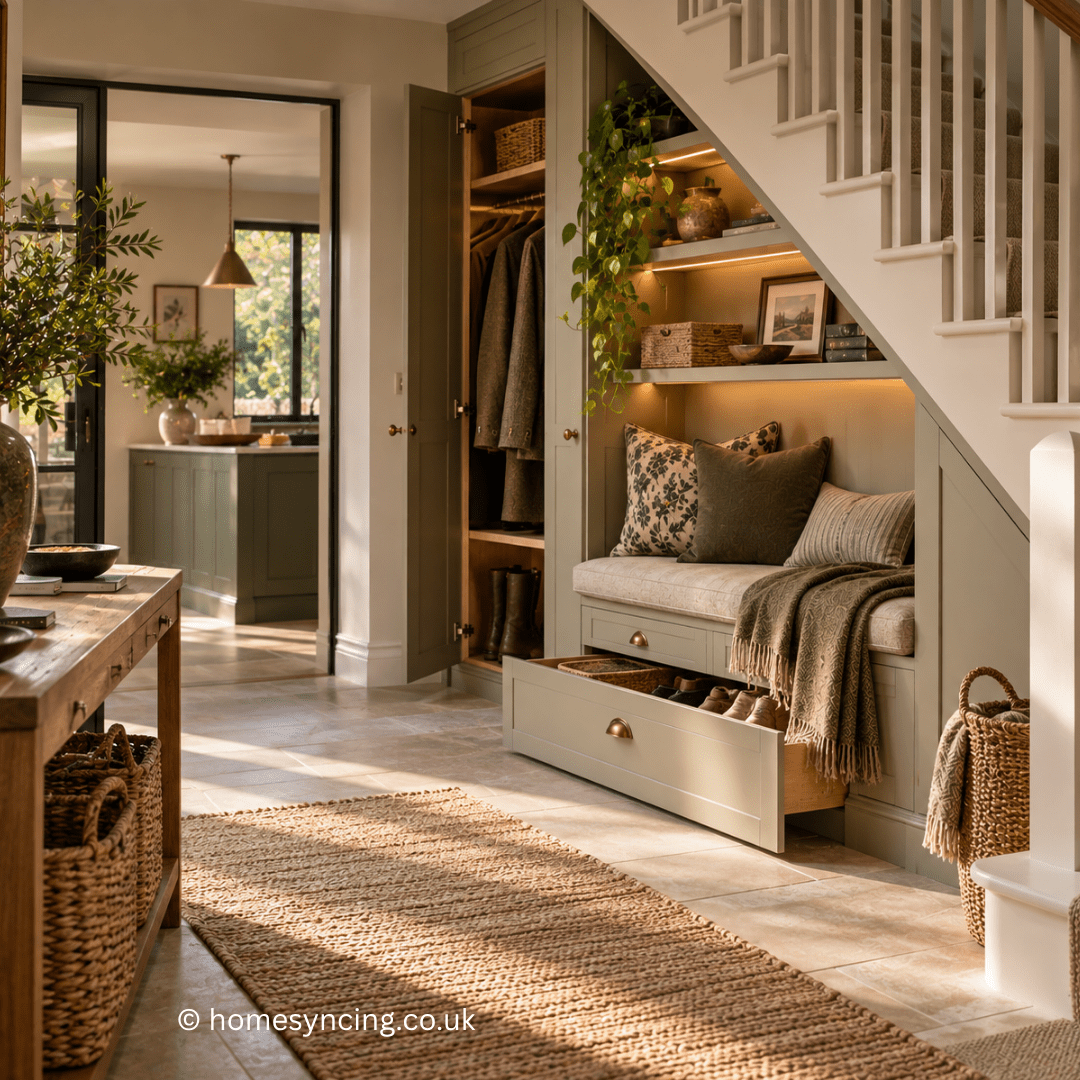
Fitted cupboards that follow the slope of the staircase can provide concealed storage for coats, vacuum cleaners, ironing boards and household supplies.

Deep pull-out drawers work particularly well for shoes because they make the full depth accessible. Rather than kneeling down and reaching into a dark cupboard, the contents come to you.

Where the staircase is wide enough, part of the space might become something more inviting.

A built-in bench with drawers underneath creates somewhere to sit while putting on shoes. Add a cushion, a wall light and perhaps a small shelf above, and an awkward architectural space becomes a useful part of the hallway.

In the right position, it might even become a reading nook.

Give the Hallway Somewhere to Put Everything

Hallways are often among the smallest and hardest-working spaces in a home.

They need to accommodate coats, shoes, bags, umbrellas, post, keys and all the paraphernalia that accompanies people through the front door.

The most successful hallway storage ideas make those everyday habits easier.

A shallow cupboard may be sufficient for coats without narrowing the passage unnecessarily. A bench with shoe storage beneath gives people somewhere to sit, while hooks positioned at sensible heights encourage coats and bags to be put away.

A small shelf, console or wall-mounted drawer can provide somewhere for keys and post.

Baskets are useful here, particularly for hats, scarves and gloves, but they work best when each has a purpose. A hallway filled with anonymous baskets can simply become clutter concealed inside other clutter.

If you have children, storage they can actually reach is far more likely to be used.

Good organisation should make the easiest action the tidiest one.

Use Alcoves Rather Than Fighting Them

Alcoves are among the most characterful features of older houses, particularly those found either side of a chimney breast.

Rather than searching endlessly for furniture with exactly the right dimensions, consider allowing the architecture to dictate the solution.

Fitted cupboards with shelves above can provide an elegant mixture of concealed and open storage. Books, ceramics and favourite objects remain visible, while less decorative necessities disappear behind doors below.

Freestanding furniture can work equally well.

An old cupboard, chest of drawers or narrow bookcase placed within an alcove often brings more individuality than perfectly fitted joinery.

There is no rule that every recess needs to be filled precisely.

Sometimes the small gaps around a freestanding piece are what allow an old room to retain its character.

Turn Window Seats into Storage

A window is naturally somewhere we are drawn towards.

If the architecture allows, a built-in window seat can make that part of the room even more useful.

Drawers beneath the seat are ideal for toys, blankets, books or games. A hinged seat can provide deeper storage, although everyday items are usually easier to reach in drawers because the cushions don’t have to be removed each time.

Keep the upholstery relatively simple.

A comfortable seat cushion, one or two patterned cushions and perhaps a small wall light are often enough to turn the space into somewhere genuinely inviting.

The best window seats don’t look like storage at first glance.

They simply look like somewhere you would like to sit.

Make Awkward Corners Work Harder

Nearly every home contains a corner that conventional furniture refuses to understand.

Perhaps it is too narrow for a cupboard, too shallow for a chest of drawers or interrupted by a radiator, sloping ceiling or structural column.

These spaces reward imagination.

A narrow set of shelves might accommodate cookery books in a kitchen. A tiny alcove can become a drinks cupboard. A shallow recess might hold a run of hooks rather than a bulky wardrobe.

Even a few carefully positioned corner shelves can provide useful storage without dominating a room.

Before ordering bespoke furniture, however, ask whether the space actually needs filling.

Not every nook and cranny requires storage.

Occasionally the best thing to put in an awkward corner is a lamp, a chair or nothing at all.

Find Storage Beneath the Eaves

Attic rooms often contain generous floor space beneath sloping ceilings that is difficult to use conventionally.

This is ideal territory for built-in storage ideas.

Low cupboards can follow the roofline, providing storage for clothes, luggage, children’s toys or seasonal belongings while leaving the taller parts of the room clear for furniture and movement.

Drawers can be particularly useful because they make deep spaces easier to access.

In bedrooms, fitted wardrobes can sometimes be designed around the slope of the roof rather than stopping where the ceiling begins to fall.

Well-designed eaves storage has another advantage: it can visually simplify an awkward room.

Instead of adding several pieces of freestanding furniture beneath competing roof angles, a calm run of cabinetry can help the architecture feel more coherent.

Rethink the Wardrobe Before Buying a Bigger One

A wardrobe can be enormous and still be badly organised.

Before deciding you need more bedroom storage, look carefully inside what you already have.

A single rail with a large empty area beneath it may not be making good use of the available height. Adding a second rail for shorter clothes can significantly increase hanging capacity.

Shelves above the rail can hold bags and boxes, while drawers below provide somewhere for folded clothes.

Shelf dividers can keep stacks of knitwear or bed linen under control, while smaller boxes prevent accessories from disappearing towards the back.

The inside of wardrobe doors can sometimes accommodate hooks or shallow organisers too, provided they don’t interfere with the contents when the doors close.

The principle is simple: organise storage around what you own rather than expecting your belongings to conform to an arbitrary arrangement.

Choose Furniture That Earns Its Space

In smaller homes, furniture that performs more than one function can be invaluable.

An ottoman at the end of a bed can store spare blankets. A coffee table with drawers can keep remote controls and chargers out of sight. A bench in a hallway can conceal shoes beneath its seat.

Beds with built-in drawers are particularly useful where there isn’t room for additional cupboards.

Even a traditional chest can work hard. Used as a coffee table or placed beneath a window, it provides both a surface and substantial concealed storage.

There is, however, a balance to strike.

Not every piece of furniture needs a secret compartment.

Choose multifunctional furniture where it genuinely solves a problem rather than simply because storage has been added to it.

Use Open and Closed Storage Together

A completely open room can look cluttered. A room made entirely from closed cupboards can feel rather severe.

Combining the two usually creates a more comfortable balance.

Hide practical things behind doors and drawers.

Display the things worth seeing.

Books, pottery, framed photographs and a few treasured objects can bring life to open shelving, while paperwork, cables, toys and household supplies are generally happier behind a cupboard door.

This distinction is particularly useful in living rooms.

Low cabinetry can conceal technology and everyday clutter while shelving above holds books and objects collected over time.

The result feels organised without appearing sterile.

Make Kitchen Storage Work Harder

The kitchen is one room where every centimetre can matter.

Look first at the places that are commonly wasted.

Narrow gaps can sometimes accommodate pull-out cupboards for bottles and jars. Deep corner cupboards become considerably more useful when fitted with mechanisms that bring their contents forward.

Drawer dividers prevent utensils from becoming tangled, while deep drawers can be more convenient than low cupboards for pans and crockery.

A pantry cupboard needn’t be enormous either.

Even a relatively narrow cabinet can hold a surprising quantity when shelves are carefully spaced according to what actually needs to fit on them.

Keep frequently used ingredients at eye level and reserve the highest shelves for occasional equipment.

And before adding more kitchen storage, have a clear-out.

There is little benefit in commissioning beautiful cabinetry simply to provide permanent accommodation for three appliances nobody uses.

Don’t Overlook the Space Behind Doors

The back of a door is one of the simplest areas to put to work.

Hooks can hold dressing gowns, bags or towels. Purpose-made over-door organisers can provide additional storage in bedrooms, utility rooms and cupboards.

Inside pantry and cupboard doors, shallow racks may hold smaller items that would otherwise become lost on deep shelves.

Keep weight and door function in mind.

Storage shouldn’t prevent a door from opening properly or place excessive strain on hinges.

Done thoughtfully, however, this otherwise unused surface can solve several small storage problems at once.

Give Utility Spaces Proper Organisation

Utility rooms, boot rooms and laundry cupboards rarely need to be glamorous, but they benefit enormously from good planning.

Store cleaning products together and keep them appropriately secured, particularly in households with children or pets.

Use wall-mounted storage for brooms, brushes and mops rather than allowing them to lean in a corner.

Shelves above appliances can hold laundry supplies and baskets, while cupboards can conceal less attractive necessities.

If there is room, a tall cupboard for the vacuum cleaner, ironing board and cleaning equipment can prevent these awkward objects from migrating elsewhere in the house.

Utility storage is at its best when you can find what you need without moving three other things first.

Use Baskets Where They Make Sense

Woven baskets introduce warmth and texture while concealing the less picturesque parts of everyday life.

They are particularly useful for throws, toys, magazines and accessories.

Natural materials such as willow, rattan and seagrass sit comfortably alongside timber furniture, painted cabinetry and stone floors, making them as decorative as they are useful.

But baskets aren’t the solution to every storage problem.

Small objects thrown indiscriminately into a large basket soon become impossible to find.

Use them for categories of belongings rather than miscellaneous clutter.

One basket for blankets is useful.

A basket labelled mentally as ‘things we don’t know where to put’ is simply a portable version of the original problem.

Let Colour Make Storage Part of the Room

Storage doesn’t have to disappear.

Painted cabinetry can become one of the most attractive features in a room.

Soft olive, deep forest green, warm mushroom and earthy neutral shades work particularly well with natural timber, aged brass and woven textures.

In a small room, painting fitted storage in a similar colour to the walls can make it feel quieter and more architectural.

Alternatively, darker cabinetry can create depth and provide a deliberate focal point.

Consider the room throughout the day before choosing a colour.

Natural light can transform paint dramatically, particularly in hallways and north-facing rooms.

Samples are worth living with before making a decision.

Use Bespoke Storage Where It Truly Helps

Made-to-measure joinery can be transformative, particularly where architecture makes standard furniture impractical.

Under stairs, beneath sloping ceilings, around chimney breasts and within irregular alcoves are all places where bespoke storage can make excellent use of difficult dimensions.

But bespoke doesn’t necessarily mean covering an entire room in cabinetry.

Often the most successful joinery solves one particular problem beautifully.

If commissioning fitted furniture, think beyond its immediate use.

Could adjustable shelves make it more adaptable? Could a cupboard intended for children’s toys later accommodate books or household storage? Can components be repaired or altered in future?

Homes change, and good storage should be capable of changing with them.

A Little DIY Can Go a Long Way

Not every storage improvement requires a carpenter.

Simple additions can make existing furniture considerably more useful.

Adding hooks inside a cupboard, fitting an extra shelf, installing dividers in drawers or repainting an old chest of drawers can transform pieces you already own.

A pegboard can be particularly effective in workshops, utility spaces and craft rooms, where tools and equipment need to remain visible and accessible.

Old furniture deserves another look too.

A neglected chest of drawers may work perfectly in a hallway once repainted and fitted with new handles. An old cupboard might become linen storage on a landing.

Reusing existing furniture often produces a home with more character than buying everything new.

Don’t Organise the Character Out of Your Home

There is a particular kind of beautifully photographed interior in which apparently nobody owns a charging cable, pair of muddy shoes or pile of post.

Real homes are different.

The purpose of clever storage isn’t to erase every sign of life. It is to prevent everyday possessions from overwhelming the rooms in which that life happens.

Leave books where they are read.

Keep a basket of blankets beside the sofa if people actually use them. Give muddy boots somewhere sensible to dry rather than expecting them to vanish immediately into immaculate cabinetry.

A house can be organised and still feel generous, relaxed and lived in.

In fact, it usually should.

Creating a Place for Everything

The most effective clever storage solutions rarely announce themselves.

They are the drawer beneath the stairs where shoes naturally disappear at the end of the day. The cupboard above a wardrobe containing winter bedding. The window seat that quietly holds children’s toys. The narrow shelf that finally gives the cookery books somewhere sensible to live.

Before buying more furniture, look carefully at your home.

Look upwards, beneath stairs and beds, inside cupboards and behind doors. Notice the alcoves, eaves and peculiar little spaces that conventional furniture tends to ignore.

Then decide which of them genuinely deserves to work harder.

Because creating an organised home isn’t about filling every available nook and cranny with storage.

It is about using space thoughtfully enough that the things you need have somewhere to belong – while leaving enough room for the house, and the people within it, to breathe.

We have some great storage pieces here

For daily inspiration for your home and lifestyle, follow us on Instagram.
Create Your Dream Home: The Perfect Mood Board

Have you ever walked into a room and felt immediately at ease, inspired or transported to a different time and place? That’s the magic of thoughtful interior design. If you are eager to refresh your space or you are a DIY decorator looking to transform your home, creating a mood board is a fantastic way to visualise your dream house.

Building the Perfect Mood Board

What are Your Dreams?

Discovering Your Style

Before you start gathering images and samples, take a moment to think about what styles, moods, and decor make you happy; Is it the minimalist elegance of Scandinavian design, the rustic charm of a countryside cottage, or the sleek, modern lines of contemporary architecture? Understanding your preferences will provide a solid foundation for your mood board.

Identifying Your Favourite Elements

Consider the elements that make you feel most at home. Do you love the warmth of wooden floors, the brightness of natural light, or the cosiness of soft textiles? Think about colours, textures, and materials that resonate with you. This reflection will help you pinpoint the key features to include in your dream home.

Defining Your Mood

Mood is an essential aspect of interior design. Decide how you want each room to feel. For example, you might want your living room to be inviting and lively, while your bedroom should be relaxing and serene. Defining the mood will guide your choices and ensure a cohesive look throughout your home.

How Do You See Your Dream Home?

Visualising Your Space

Picture yourself moving through your dream home. What do you see? Spacious open-plan living areas, cosy reading nooks, or a luxurious spa-like bathroom? Visualising your space helps you understand how different elements come together, creating a harmonious and functional environment.

Considering Practicality

While it’s fun to dream big, it’s also important to consider practicality. Think about your lifestyle and how your design choices will accommodate it. For instance, if you have children or pets, durable materials and easy-to-clean surfaces might be a priority. Balancing beauty and functionality ensures your dream home is not only stunning, but also liveable.

Setting Your Priorities

It’s easy to get carried away with all the possibilities, so setting priorities is crucial. Decide which elements are non-negotiable and where you’re willing to compromise. This will help you stay focused and make decisions more easily as you create your mood board.

How to Create a Mood Board

Collect Inspirations

Start by collecting inspirations from various sources. Magazines, websites like Pinterest and Instagram, and even real-life spaces can provide a wealth of ideas. Save or clip images that catch your eye, paying attention to the ones that evoke the feelings and styles you’ve identified.

Organise Your Finds

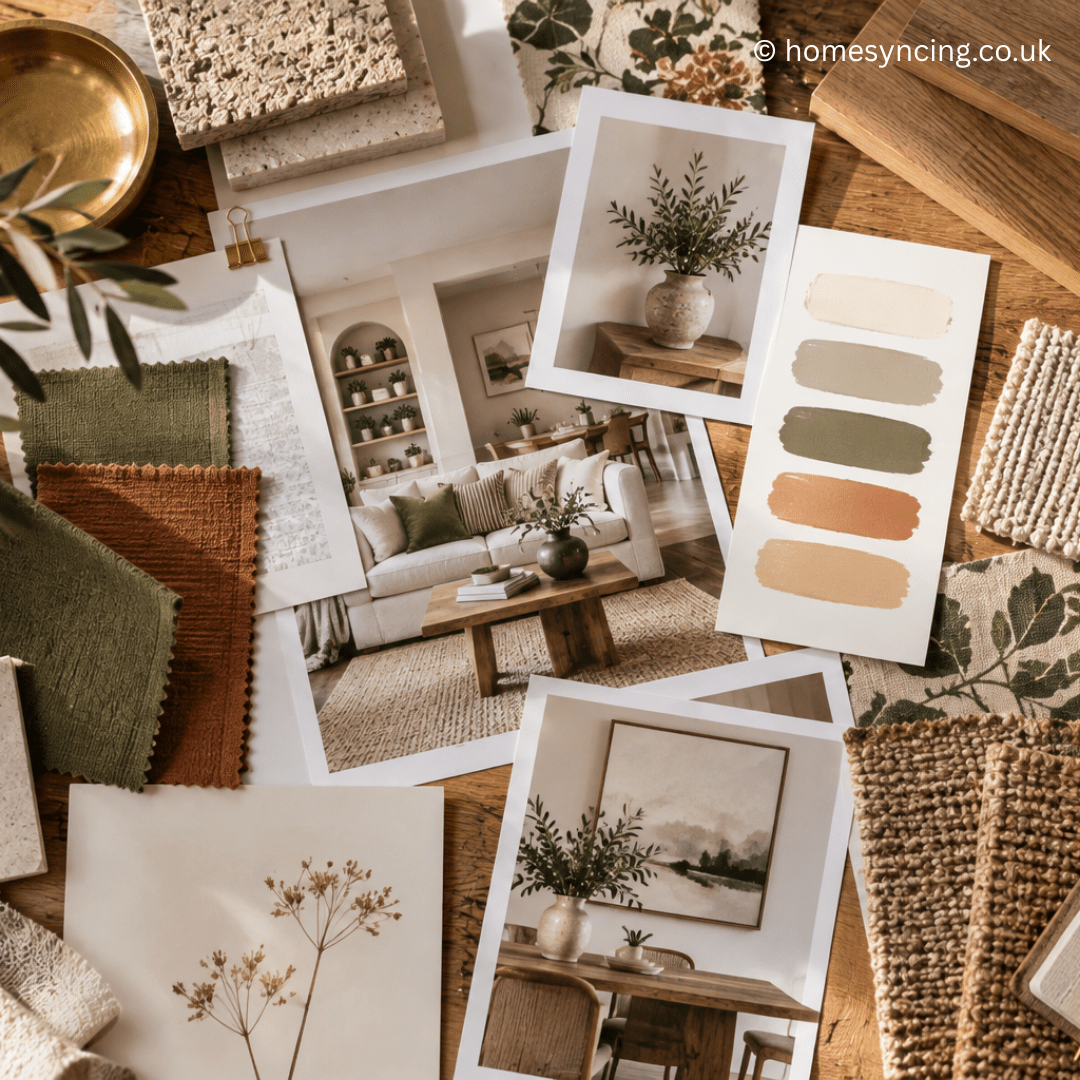
Once you have a collection of images, start organising them. You can use physical tools like a corkboard or digital platforms like Canva. Group similar styles, colours and textures together. This will help you see patterns and themes emerging, bringing clarity to your vision.

Research Interior Designs and Homes

Dive deeper into your favourite styles by researching interior designs and homes that embody them. Look for details that make these spaces unique and consider how they can be adapted to fit your needs. This research phase will provide you with concrete ideas and prevent your mood board from becoming a random assortment of images.

Crafting Your Mood Board

Choosing a Base

Decide whether you’ll create a physical or digital mood board. A physical board allows you to incorporate tactile elements like fabric swatches and paint samples, while a digital one offers greater flexibility and ease of sharing. Choose the format that works best for you.

Arranging Your Elements

Begin arranging your selected images and samples on your board. Start with the larger elements like furniture and flooring, then layer in smaller details like accessories and artwork. Play around with the arrangement until it feels balanced and cohesive. This step is all about experimentation, so don’t be afraid to make changes until it feels right.

Adding Personal Touches

Your mood board should reflect your personal style and taste. Include items that have sentimental value or unique pieces that you’ve collected over time. These personal touches will make your dream home truly ‘yours’, and set it apart from generic designs.

Evaluating Your Mood Board

Stepping Back

Take a step back and look at your mood board as a whole. Does it capture the style and mood you envisioned? Are there any elements that feel out of place? This evaluation helps you see the bigger picture and make any necessary adjustments.

Seeking Feedback

Sometimes, a fresh perspective can be invaluable. Share your mood board with friends, family, or even online design communities. Constructive feedback can highlight aspects you might have overlooked and provide new ideas to enhance your vision.

Making Adjustments

Based on your evaluation and any feedback you receive, make adjustments to your mood board. This might involve adding new elements, removing others, or re-arranging the layout. The goal is to refine your vision until it feels just right.

Bringing Your Mood Board to Life

Planning Your Project

With a clear vision in place, start planning your project. Create a timeline and budget, and list the materials and furnishings you’ll need. Having a plan ensures that your dream home becomes a reality in a structured and manageable way.

Sourcing Materials

Begin sourcing the materials and furnishings you’ve included in your mood board. Look for suppliers that offer quality products within your budget. Don’t be afraid to mix high-end pieces with more affordable finds to create a balanced and stylish space.

Executing Your Vision

Finally, it’s time to execute your vision. Whether you’re doing it yourself or hiring professionals, keep your mood board close at hand to guide the process. Refer to it often to ensure every decision aligns with your overall design.

Creating a mood board is an exciting and rewarding way to visualise your dream home. By discovering your style, collecting inspirations, and thoughtfully arranging your finds, you can bring your vision to life. Remember, your mood board is a reflection of your unique taste and personality, so have fun with it and make it your own.

Ready to start your design journey?

The Art of Cosiness – Crafting Your Perfect Sanctuary

Creating a cosy home is all about making your space feel warm, inviting and personal. Whether you’re a homeowner looking to revamp your living space or an interior design enthusiast seeking inspiration, comfort is key.

In this blog, we’ll explore how to create a cosy home by focusing on decor, colours, furnishings, ambience, scent, and more. Let’s transform your house into a sanctuary of comfort and style.

What Does Cosy Mean?

Cosiness is subjective, varying from person to person. For some, it’s about warmth and softness, while for others, it’s about nostalgia and familiarity.

A cosy home generally evokes feelings of relaxation and comfort. It’s a place where you can unwind and feel at ease. But what exactly defines a cosy home?

Defining a Cosy Home

A cosy home isn’t just about aesthetics; it’s about creating an environment that makes you feel good. It’s where you find peace and joy in the simplicity of everyday life.

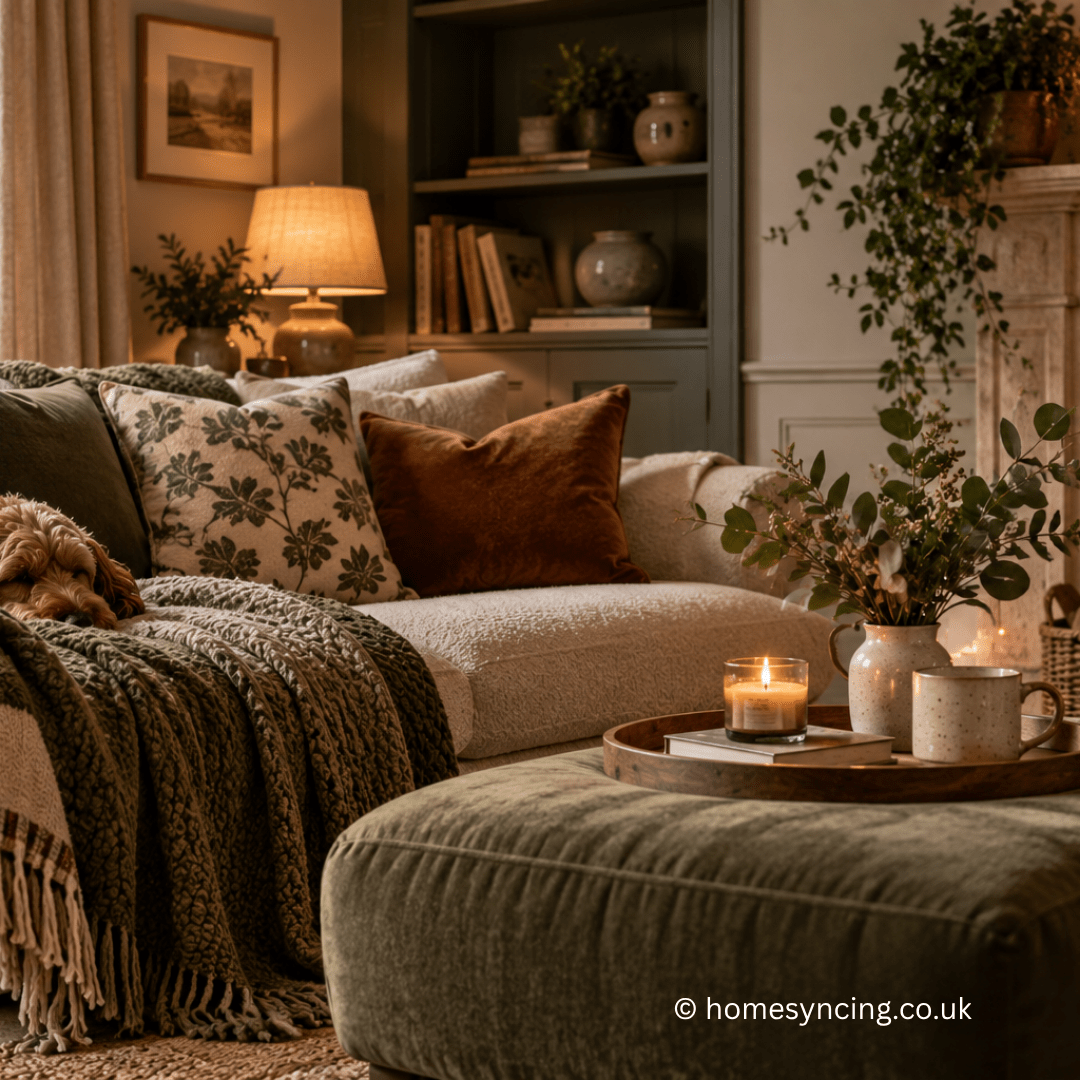
Think of a cosy home as a warm hug. It’s inviting, comforting, and makes you feel safe. The elements that contribute to this feeling include decor, furnishings, colours, lighting and even scent.

The Role of Decor

Decor plays a pivotal role in setting the tone for your home. From wall art to small knick-knacks, everything contributes to the overall atmosphere.

Choose decor items that resonate with your personality. Whether it’s a vintage vase, a set of framed family photos, or travel souvenirs, these elements add character and warmth to your space.

Choosing the Right Colours

Colours have a significant impact on how we perceive spaces. Warm tones like beige, brown and soft pastel shades can make a room feel more inviting and snug.

Muted colours tend to create a calming effect, which is essential for cosiness. Avoid overly bright or harsh colours as they can disrupt the soothing ambience you’re aiming to achieve.

The Importance of Furnishings

Your choice of furniture is crucial in creating a cosy atmosphere. Opt for pieces that are both comfortable and stylish.

Think plush sofas, cushioned chairs and soft rugs. These not only enhance the visual appeal but also provide physical comfort, making your home a haven of relaxation.

Setting the Ambience

Ambience is about creating a mood. This can be achieved through lighting, music and even the arrangement of your furniture.

Soft, warm lighting from lamps and candles can create a serene environment. Background music or natural sounds can also enhance the overall atmosphere.

Atmosphere Matters

The atmosphere of your home is a combination of all sensory experiences. The way your home looks, feels, smells and even sounds contributes to its overall cosiness.

A well-curated atmosphere can make any space feel like a retreat. Pay attention to details like the softness of your throw blankets, the gentle hum of a fan, or the flicker of candlelight.

Scents and Smells

Never underestimate the power of scent in creating a cosy home. Aromas like vanilla, lavender and cinnamon can evoke feelings of comfort and relaxation.

You can introduce these scents through candles, essential oils or even baking delicious treats. A pleasant aroma can instantly make your home feel more welcoming.

Soft Furnishings

Soft furnishings like cushions, throws, and curtains add layers of comfort to your home. They are not only functional but also enhance the aesthetic appeal.

Choose fabrics that feel good to the touch, like cotton, wool, or faux fur. These materials add a tactile dimension to your home, making it feel more lived-in and cosy.

Functional Furniture

While aesthetics are important, functionality should not be overlooked. Your furniture should be comfortable and practical.

Consider pieces that serve multiple purposes, like a sofa bed or an ottoman with storage. These functional items can help you make the most of your space without compromising on comfort.

Positioning Your Furniture

The way you arrange your furniture can significantly impact the cosiness of a room. Create intimate seating arrangements that encourage conversation and closeness.

Avoid placing furniture against the walls. Instead, bring pieces towards the centre to create a more inviting, compact space.

Art and Decorations

Art and decorative items add personality and warmth to your home. Choose pieces that speak to you and reflect your style.

From paintings to sculptures, these elements can make your home feel more complete. Don’t be afraid to mix and match different styles to create a unique look.

Creating a Warm Atmosphere

A warm atmosphere is key to a cosy home. This can be achieved through a combination of lighting, colours and furnishings.

Think of your home as a canvas, and each element as a brushstroke. Together, they paint a picture of comfort and warmth.

The Joy of Discovery

Part of creating a cosy home is about discovering what makes you comfortable. It’s a personal journey that involves exploring different styles and elements.

Don’t be afraid to experiment. Try different colours, rearrange your furniture and introduce new decor items. The process of discovery can be incredibly rewarding.

Concluding Thoughts

Creating a cosy home is about more than just aesthetics; it’s about fostering an environment that brings you comfort and joy. By paying attention to decor, colours, furnishings and atmosphere, you can transform your home into a sanctuary of warmth and relaxation.

If you need more personalised advice or want to explore more ideas, feel free to book a consultation with one of our expert stylists. They can help you refine your style and choose pieces that will make your home truly special.

Further Reading: How to Create a Bedroom Retreat, Affordable Decorating Ideas That Will Transform Your Home, Sustainable Chic: A Beginner’s Guide to Circular Design, Small Room, Big Impact

Daily Inspiration: Follow Us on Instagram, BlueSky, Threads , Pinterest, Twitter, TikTok

Translate »