Essential Tips to Select Bathroom Accessories

Your bathroom should be a place of relaxation and comfort, where you can luxuriate in long baths or invigorating showers. Having the right bathroom accessories can make all the difference in creating a serene and soothing atmosphere. With so many options available, how do you choose which accessories are right for your bathroom? We have put together some essential tips to selecting bathroom accessories that will help you create the perfect space for your needs.

Consider Your Needs and Preferences

When selecting bathroom accessories, begin by considering your own specific needs and preferences. Think about how you use your bathroom, and which accessories would best suit those needs. For instance, if you take long baths, a bath caddy can be a great addition, providing a convenient place to store your book, phone, and a glass of wine. If you prefer a minimalistic look, consider opting for simple and sleek accessories like a soap dispenser or toothbrush holder.

Think About Functionality

While aesthetics are important, functionality should not be overlooked. It’s important to choose bathroom accessories that serve their purpose effectively. For example, if you have a large family, you may require a towel rail or ring that can hold multiple towels at once. Similarly, a bathroom bin that is easy to open and can contain a good volume of waste is an essential consideration.

Coordinate Your Accessories

To create a harmonious bathroom, it’s important to coordinate your accessories. Choose colours and finishes that complement each other and create a cohesive look throughout your bathroom. One way to achieve this is to choose collections from a single manufacturer or retailer as they are guaranteed to be compatible with each other.

Choose Durable and Easy to Clean Accessories

Many bathroom accessories will be used on a daily basis, so durability is a key consideration. Look for accessories that are made from sturdy and long-lasting materials like chrome, stainless steel, or ceramic. Equally important is that they be easy to clean as this makes your new bathroom accessories easy to maintain over the long haul.

Don’t Ignore Price

It’s not just the features of accessories that need to be considered, but also budget. Quality bathroom accessories can vary greatly in price, and it’s important to consider a range of options before making a final decision. Take the time to compare prices and quality of different options to ensure you are getting the best value for your budget.

With these tips, you are well on your way to selecting the right bathroom accessories for your home. Remember to consider your needs and preferences, functionality, coordination, material, and price. With these considerations in mind, you’ll be able to create a bathroom that is as functional as it is beautiful. We offer a range of quality bathroom accessories to select from, so you can decorate and customize your bathroom according to your tastes and preferences. Start preparing now to transform your bathroom into a sanctuary of rest and relaxation with the perfect bathroom accessories.

Follow us on Instagram for Daily Inspiration
Tips on Choosing the Perfect Colour Scheme for your Home Interiors

Your home is a reflection of your personality and style, and the right colour scheme has the power to transform your space into a place that nourishes your soul and provides you the peace and calm that you need. However, with so many colours, shades, and hues available, choosing the perfect colour scheme for your home interiors can be a daunting task. Fear not, as we have some tips that can guide you through the process and help you create a beautiful and cohesive look that you’ll love.

Consider the Mood: First and foremost, consider the mood you want to create in your home. Do you want it to be cosy, relaxing, or energising? Different colours have different impacts on our mood, so choose colours that evoke the emotions you want it to. For instance, muted colours like lavender, sage green, and pale blue can create a calming and peaceful effect, while bold colours like red, orange and yellow can make the room feel alive and vibrant.

Think about the Lighting: Lighting has a significant impact on how colours appear, so it’s essential to consider the lighting of each room before choosing a colour palette. Natural lighting enhances the true hue of the colour, while warm yellow lights can make the colours appear warmer, and cool white lights can make them appear cooler. Take note of how light changes throughout the day and choose the colours accordingly, or opt for neutral colours that will work well in all lighting conditions.

Consider the Room’s Purpose: The function of each room can help you determine the colour scheme. For example, if you’re designing a bedroom, you may want to use soothing colours that promote rest and relaxation. Alternatively, if you’re designing a living room, you might opt for brighter colours to make it more welcoming and lively.

Create a Colour Palette: Once you have a general idea of the mood, lighting, and function of each room, it’s time to create a colour palette. Choose a neutral base for the walls and major pieces of furniture, and then add pops of colour through accessories, accent walls, or artwork. A good rule of thumb is to use three colours in a room – one dominant, one secondary, and one accent. This will create a cohesive look without being too monotonous or overwhelming.

Take Inspiration from Nature: Nature provides us with an endless palette of colours, and it’s a great source of inspiration for home interiors. Take a walk through a park, forest or beach and take note of the colours of the sky, sea, and plants. You can also take inspiration from the changing seasons, such as warm reds and oranges for autumn or pastel shades for the spring.

Choosing the perfect colour scheme for your home interiors can seem like a daunting task, but it’s also an exciting opportunity to express your style and create a space that you love. By following these tips and considering the mood, lighting, function, creating a colour palette, and taking inspiration from nature, you’ll be well on your way to creating a beautiful and harmonious interior. With a little bit of planning and creativity, your home can be transformed into a haven that uplifts your spirit and rejuvenates your soul.

For Daily Inspiration follow us on Instagram

The Chesterfield Sofa: A Timeless Icon of British Design

There are few pieces of furniture as instantly recognisable as the Chesterfield sofa.

With its deep buttoned upholstery, rolled arms and commanding presence, it has become a symbol of enduring style. Yet beyond its familiar appearance lies a story of craftsmanship, heritage and quiet evolution — one that has secured its place in homes and interiors for centuries.

Leather Brown Chesterfield Sofa

The origins of the Chesterfield sofa

The history of the Chesterfield sofa is rooted in 18th-century Britain, where furniture was not only functional but also a reflection of status and refinement.

It is widely believed that the design was commissioned by Lord Philip Stanhope, the fourth Earl of Chesterfield. He is said to have requested a seat that would allow a gentleman to sit upright in comfort, without creasing his garments. The result was a piece that balanced structure with ease — formal, yet inviting.

Early designs were simpler than those we recognise today, with lower backs and a more restrained form. Over time, however, the design developed, becoming richer in detail and more generous in proportion.


Defining features of a Chesterfield sofa

What distinguishes a Chesterfield sofa is not simply its shape, but its craftsmanship.

Key characteristics include:

  • Deep button-tufted upholstery across the back and arms
  • Low, rolled arms that are level with the back
  • A structured yet comfortable seat
  • Traditionally upholstered in leather, though now available in a range of fabrics

The buttoning is not purely decorative. It serves to secure the upholstery, creating both durability and a distinctive texture that catches the light and adds depth to the piece.

Durrie & Leather Mixed Sofa

A symbol of elegance and refinement

From its earliest days, the Chesterfield sofa became associated with sophistication.

It found its place in grand homes, private libraries and gentleman’s clubs — spaces designed for conversation, reflection and quiet comfort. Over time, it came to represent a certain standard of living, one rooted in quality and longevity rather than passing trends.

Its presence in notable interiors further reinforced this reputation. The Chesterfield sofa became a familiar sight in distinguished settings, valued as much for its visual impact as for its comfort.


Designed for comfort and endurance

While often admired for its appearance, the Chesterfield sofa is equally notable for its practicality.

Its design offers:

  • Supportive seating for extended use
  • Enclosed arms and back that create a sense of comfort and shelter
  • Durable construction intended to last for many years

Traditionally, high-quality materials were used throughout — from solid timber frames to carefully padded upholstery — ensuring that each piece could withstand daily use while retaining its character.

As the design evolved, variations emerged, including versions with higher backs, offering additional support while maintaining the signature style.


The Chesterfield sofa in modern interiors

Despite its historic origins, the Chesterfield sofa remains remarkably adaptable.

Today, it sits comfortably within both traditional and contemporary interiors. In classic settings, it reinforces a sense of heritage and continuity. In more modern spaces, it provides contrast — a grounding element that adds depth and texture.

It works particularly well:

  • As a statement piece in a living room
  • In studies or reading rooms where comfort and quiet are valued
  • Within open-plan spaces, where its form creates a natural focal point

The choice of upholstery also allows for flexibility, from rich leather finishes to softer, more relaxed fabrics.


Why the Chesterfield sofa endures

The lasting appeal of the Chesterfield sofa lies in its balance.

It is both decorative and functional, structured yet comfortable, traditional yet versatile. It does not rely on trend or novelty, but on proportion, detail and craftsmanship.

In a world of fast-changing interiors, it offers something more enduring — a sense of permanence and quiet confidence.


A considered addition to the home

Choosing a Chesterfield sofa is not simply about furnishing a room. It is about introducing a piece with history, presence and purpose.

Over time, it becomes part of the home’s fabric — not just something to sit on, but something that holds memory and use.

And perhaps that is why it continues to be chosen, generation after generation.

We have a great range of Chesterfield Sofas, take a look.

Further Reading: Affordable Decorating Ideas That Will Transform Your HomeSustainable Chic: A Beginner’s Guide to Circular Design

Daily Inspiration: Follow Us on Instagram, BlueSkyThreads , PinterestTwitterTikTok

Finding your Perfect Lighting

Lighting is often the quiet hero of a well-considered home. It softens hard edges, highlights treasured pieces and gently shapes the mood of a room from morning through to evening. Done well, interior lighting design brings harmony and warmth; done poorly, it can leave even the most beautifully decorated space feeling flat.

With so many styles, fittings and bulbs available, choosing the right lighting for your home can feel daunting. This guide will help you approach the process with confidence, ensuring your lighting enhances both your interiors and the way you live within them.


Begin with the Purpose of the Room

Every room in your home has its own character and function. The lighting should reflect this.

  • Kitchen lighting requires bright, focused task lighting to support food preparation and everyday activity.
  • Dining room lighting benefits from softer illumination that encourages conversation and comfort.
  • Living room lighting should feel layered and adaptable, shifting easily from daytime brightness to evening calm.
  • Home office lighting calls for clarity and reduced glare to support concentration.

Before selecting fittings, ask yourself how the space is used throughout the day. A room rarely serves just one purpose, and your lighting should be flexible enough to support each moment.


Embrace Layered Lighting

One ceiling light alone rarely creates a welcoming atmosphere. The most successful interiors use layered lighting — a thoughtful combination of three types:

1. Ambient Lighting

This is your main source of light, often provided by a ceiling fitting, pendant or discreet downlights. It establishes overall brightness.

2. Task Lighting

Table lamps, reading lamps and under-cabinet lights provide focused illumination for specific activities such as cooking, reading or working.

3. Accent Lighting

Wall lights, picture lights and subtle spotlights add depth and draw attention to artwork, architectural features or cherished objects.

Layering these elements brings texture and dimension to a room. It also allows you to adjust the mood with ease, whether hosting friends or settling down for a quiet evening.


Align Lighting with Your Interior Style

Lighting fixtures are more than practical necessities — they are design statements in their own right.

  • Traditional interiors often suit elegant chandeliers, wall sconces with soft shades and fittings in warm metallic finishes.
  • Contemporary spaces may call for clean lines, sculptural pendants or understated geometric designs.
  • Rustic or country-inspired homes pair beautifully with natural materials such as glass, linen, rattan or aged brass.

Rather than treating lighting as an afterthought, consider how each piece complements your furniture, colour palette and architectural details. A well-chosen pendant or statement chandelier can anchor a room with quiet confidence.


Choose the Right Light Bulbs

While fittings attract the eye, the bulb determines the quality of light.

Modern LED bulbs are energy-efficient, long-lasting and emit less heat than traditional incandescent options. When selecting bulbs, pay attention to colour temperature:

  • Warm white (around 2700K) creates a soft, inviting glow ideal for living rooms and bedrooms.
  • Neutral to cool white (3500K–4100K) provides clearer, brighter light suited to kitchens, bathrooms and workspaces.

Consistency matters. Mixing drastically different colour temperatures within one space can feel disjointed. Aim for harmony throughout each room.


Consider Scale and Proportion

The size of your lighting should feel balanced within the room.

  • In a smaller room, a carefully chosen pendant can draw the eye upward and create the illusion of height.
  • In a larger space, multiple light sources arranged in zones help prevent the room from feeling cavernous.
  • Over a dining table or kitchen island, ensure fittings are proportionate to the surface beneath.

Always measure carefully before purchasing. Allow adequate clearance so fittings do not obstruct movement or sightlines. Good lighting should enhance comfort, not hinder it.


Think Beyond Illumination

Lighting is not simply about visibility; it is about atmosphere. A softly lit corner can invite relaxation, while a well-placed wall light can add quiet drama. Dimmer switches are particularly useful, allowing you to tailor brightness to suit the time of day and occasion.

Natural light should also be considered. Observe how daylight moves through your home and use artificial lighting to complement it rather than compete with it.


Creating a Home That Feels Welcoming

Choosing the best lighting for your home interiors requires care, but it need not feel overwhelming. By considering the room’s purpose, layering your lighting, selecting appropriate bulbs and respecting proportion, you can create spaces that feel balanced, warm and thoughtfully designed.

When approached with intention, lighting becomes more than a practical necessity. It becomes a gentle expression of your home’s character — shaping moments, enhancing comfort and bringing each room quietly to life.

Take your time, experiment thoughtfully and allow your lighting to reflect the way you wish to live.

Take a look at our range of lighting for your home here.

Further Reading: Affordable Decorating Ideas That Will Transform Your HomeSustainable Chic: A Beginner’s Guide to Circular Design

Daily Inspiration: Follow Us on Instagram, BlueSkyThreads , PinterestTwitterTikTok

Choosing the Perfect Interior Style for your Home

How to Choose the Right Interior Style for Your Home

Choosing an interior style is one of the most important decisions you’ll make when shaping your home. The right approach can bring a sense of ease and coherence to everyday living, creating rooms that feel comfortable, welcoming and true to who you are. Rather than following trends, a well-chosen interior style grows naturally from how you live and what you value.

With so many interior styles to explore, it can feel difficult to know where to begin. Taking time to reflect, observe and plan will help you arrive at a style that feels both personal and enduring.


Take Time to Explore Different Interior Styles

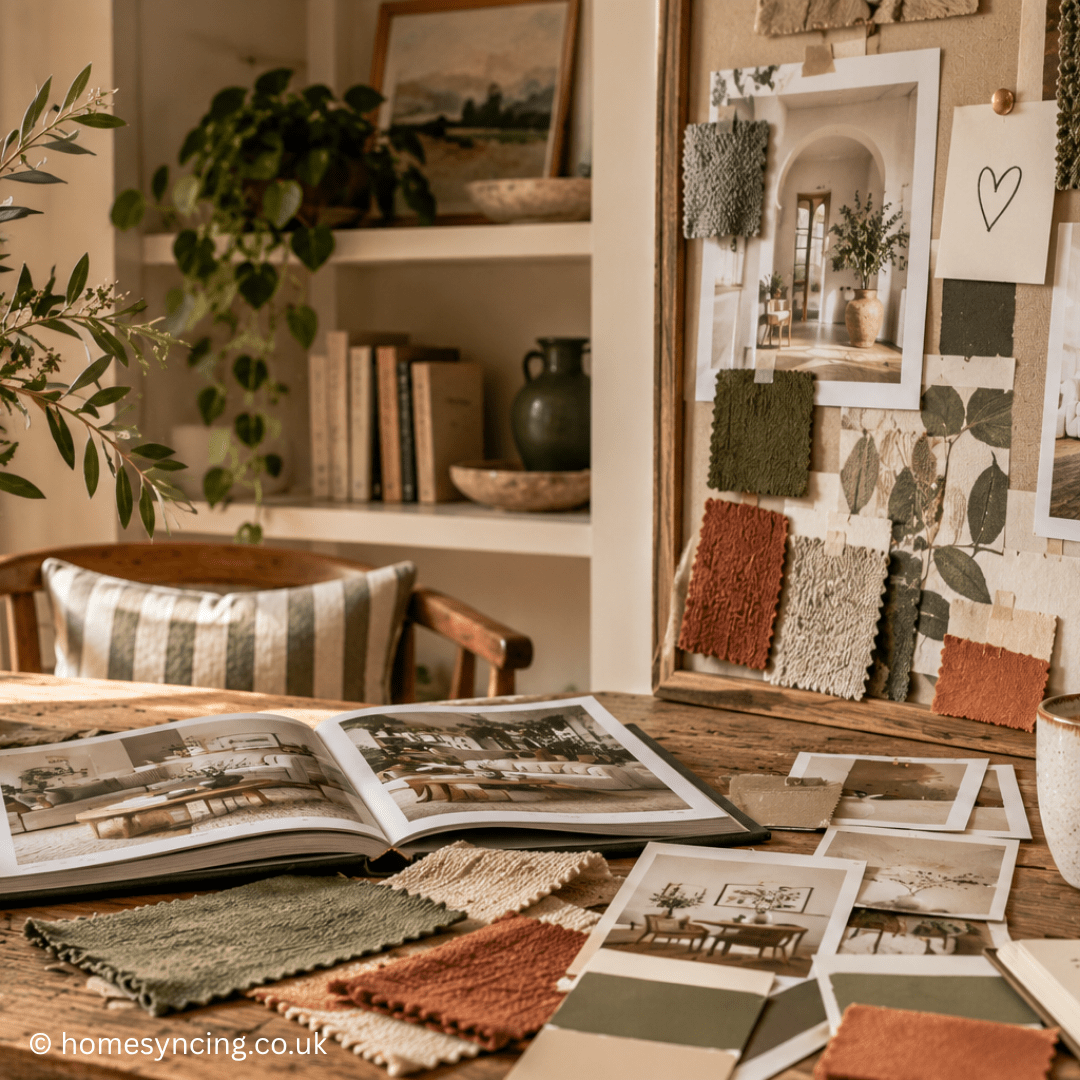
The first step is simply to look. Exploring a range of interior styles helps clarify what you’re drawn to and what you’d rather avoid. Some people are inspired by pared-back, light-filled spaces, while others prefer richer textures, layered patterns or raw, industrial finishes.

Spend time looking at interiors in books, magazines, exhibitions or historic buildings. Notice how different spaces make you feel. You may find yourself consistently drawn to certain materials, proportions or moods, even if you can’t yet name the style. This process of observation helps form a clear foundation for your own home.


Establish a Colour Palette That Feels Right

Colour plays a quiet but powerful role in shaping atmosphere. A thoughtful colour palette brings cohesion to a home, allowing rooms to flow naturally from one to the next.

Neutral shades such as soft whites, greys and earthy tones provide a calm backdrop and work well in spaces used daily. Deeper or brighter colours can then be introduced through walls, textiles or furniture to add warmth and character. When choosing colours, consider not only your personal taste but also the quality of light in your home and how rooms are used at different times of day.

A well-chosen palette doesn’t overwhelm; it supports the feeling you want to create, whether restful, sociable or uplifting.


Gather Inspiration From Meaningful Sources

Inspiration doesn’t need to come from a single place. Often, it grows from objects or spaces that already hold meaning. A much-loved painting, a piece of inherited furniture or a textile picked up on a holiday can all become starting points for a wider interior style.

Pay attention to details that catch your eye: textures, patterns, craftsmanship or colour combinations. These elements can help guide decisions and ensure your home feels layered and lived-in rather than overly styled.


Let the Way You Live Shape Your Choices

An interior style should support daily life, not compete with it. Before committing to any design direction, think honestly about how your home is used.

Family life, pets, working from home or frequent entertaining will all influence what works best. Durable materials, flexible layouts and thoughtful storage are just as important as aesthetics. A home that functions well will always feel more comfortable, regardless of style.

By considering practicality alongside appearance, you ensure your interior choices remain satisfying in the long term.


Combine Styles to Create Something Personal

Few homes fit neatly into a single category, and that’s no bad thing. Blending elements from different styles can result in a space that feels authentic and individual.

A largely neutral interior might be enriched with vintage pieces, handcrafted objects or contemporary accents. The key is balance — allowing one style to lead while others support it subtly. This approach gives a home depth and character, reflecting a life lived rather than a look imposed.


A Style That Grows With You

Choosing an interior style is not about reaching a final destination. It’s an ongoing process that evolves as tastes change and life moves on. By exploring widely, choosing colours with care, drawing inspiration from meaningful sources and prioritising how you live, you can create a home that feels both personal and timeless.

A thoughtful interior style doesn’t shout for attention. Instead, it quietly enhances everyday life, offering comfort, character and a sense of belonging.

Further Reading: Affordable Decorating Ideas That Will Transform Your HomeSustainable Chic: A Beginner’s Guide to Circular Design, Interior Design Trends 2026, The Return of Colour: Moody & Expressive Interiors, Make Every Square Metre Count: Multifunctional Spaces

Daily Inspiration: Follow Us on Instagram, BlueSkyThreads , PinterestTwitterTikTok

Translate »