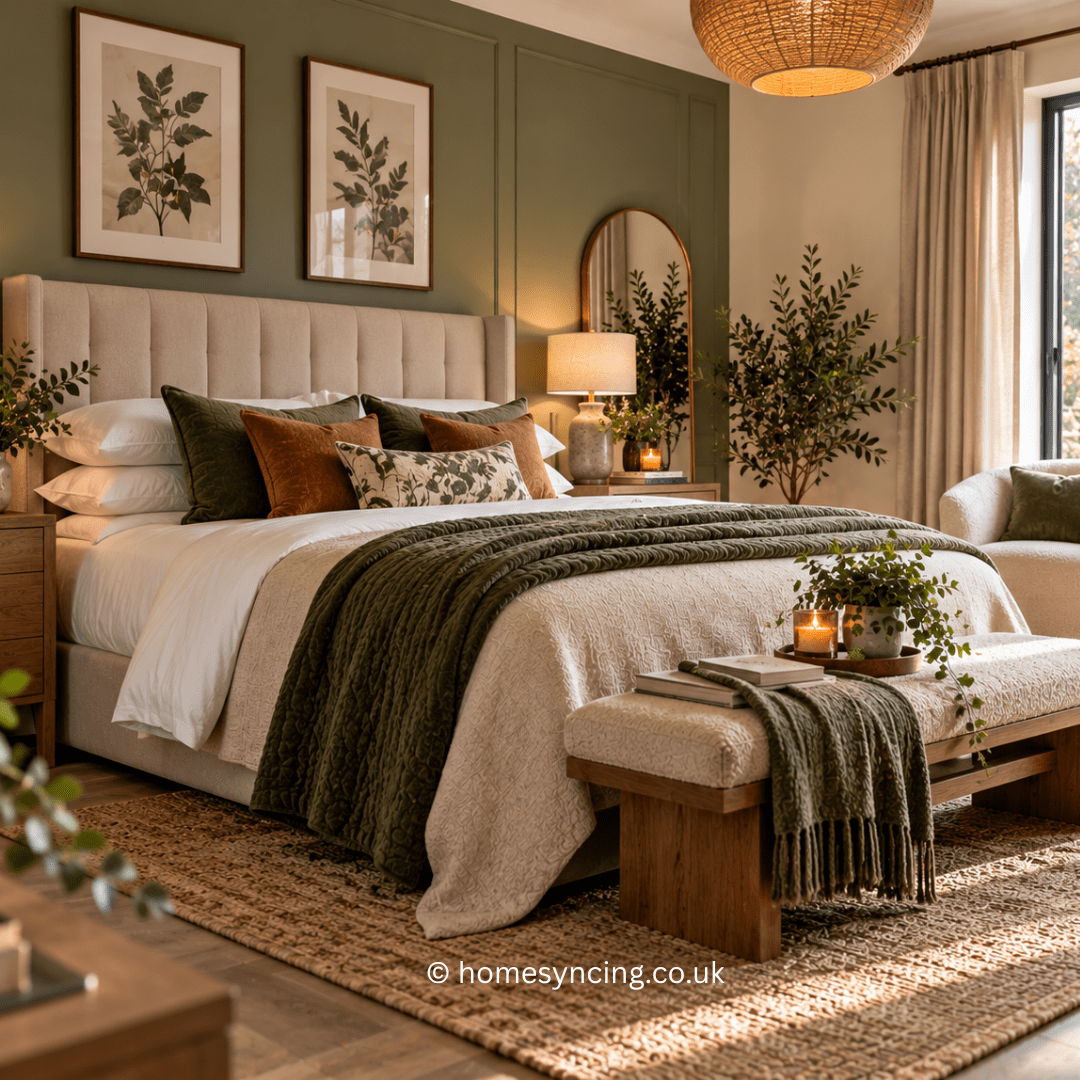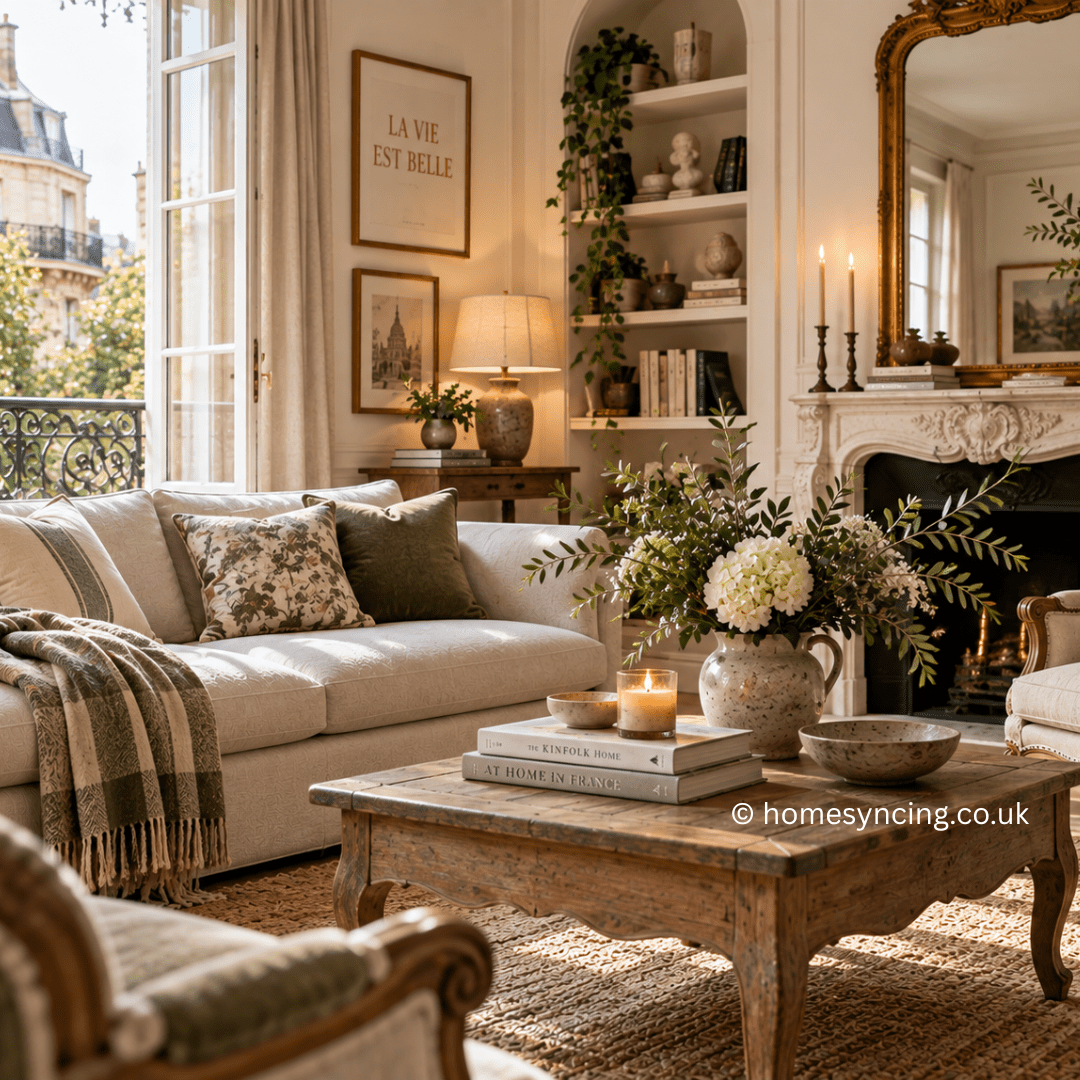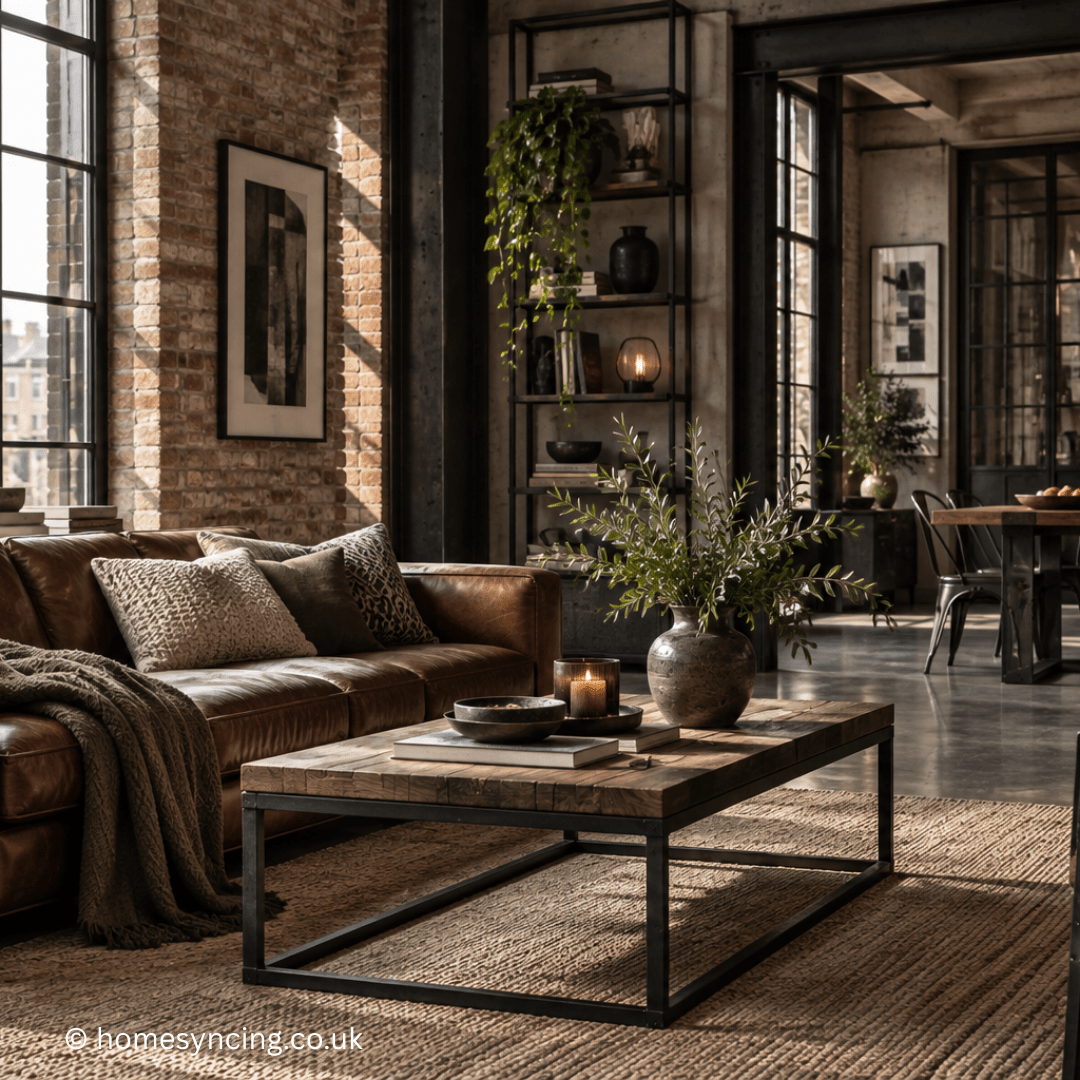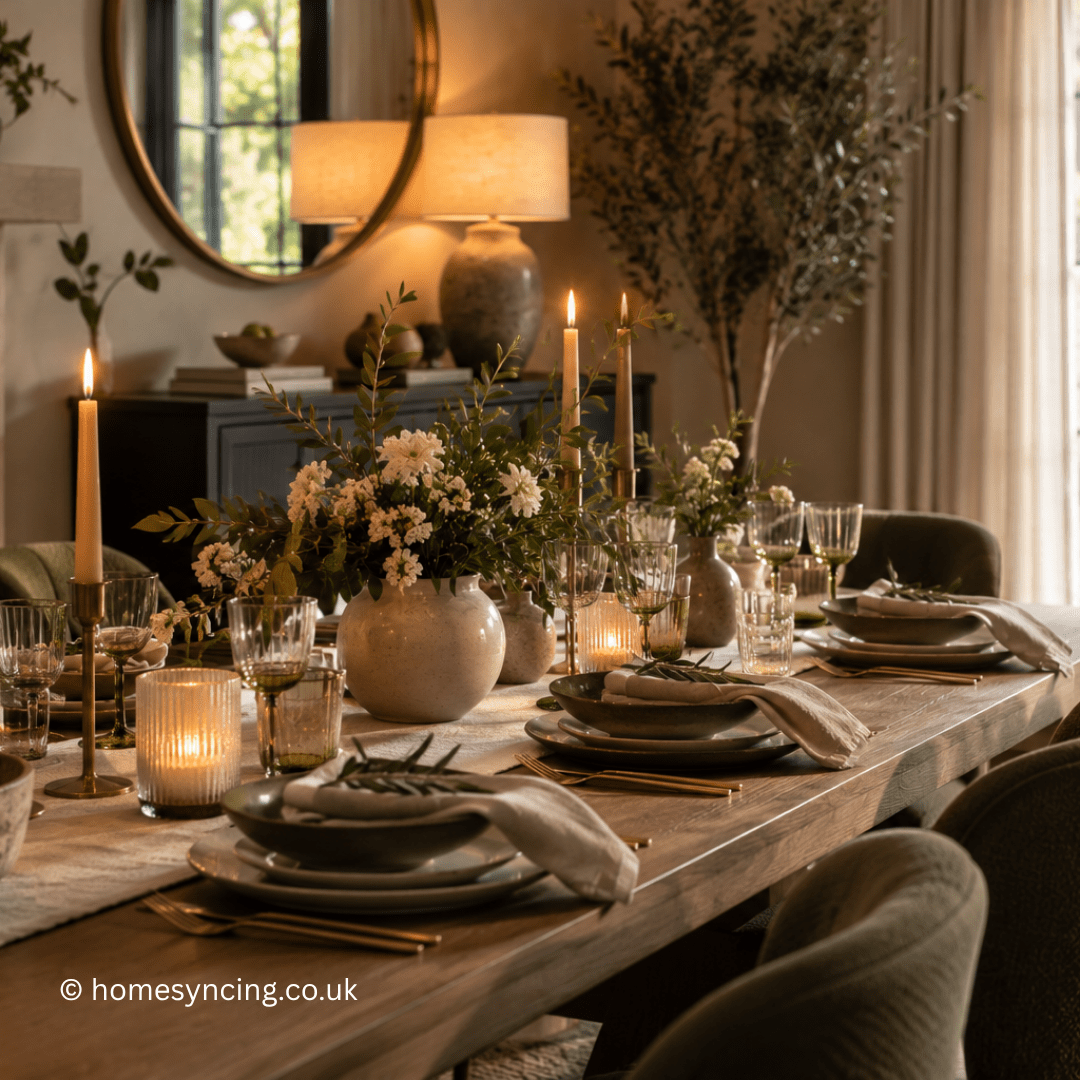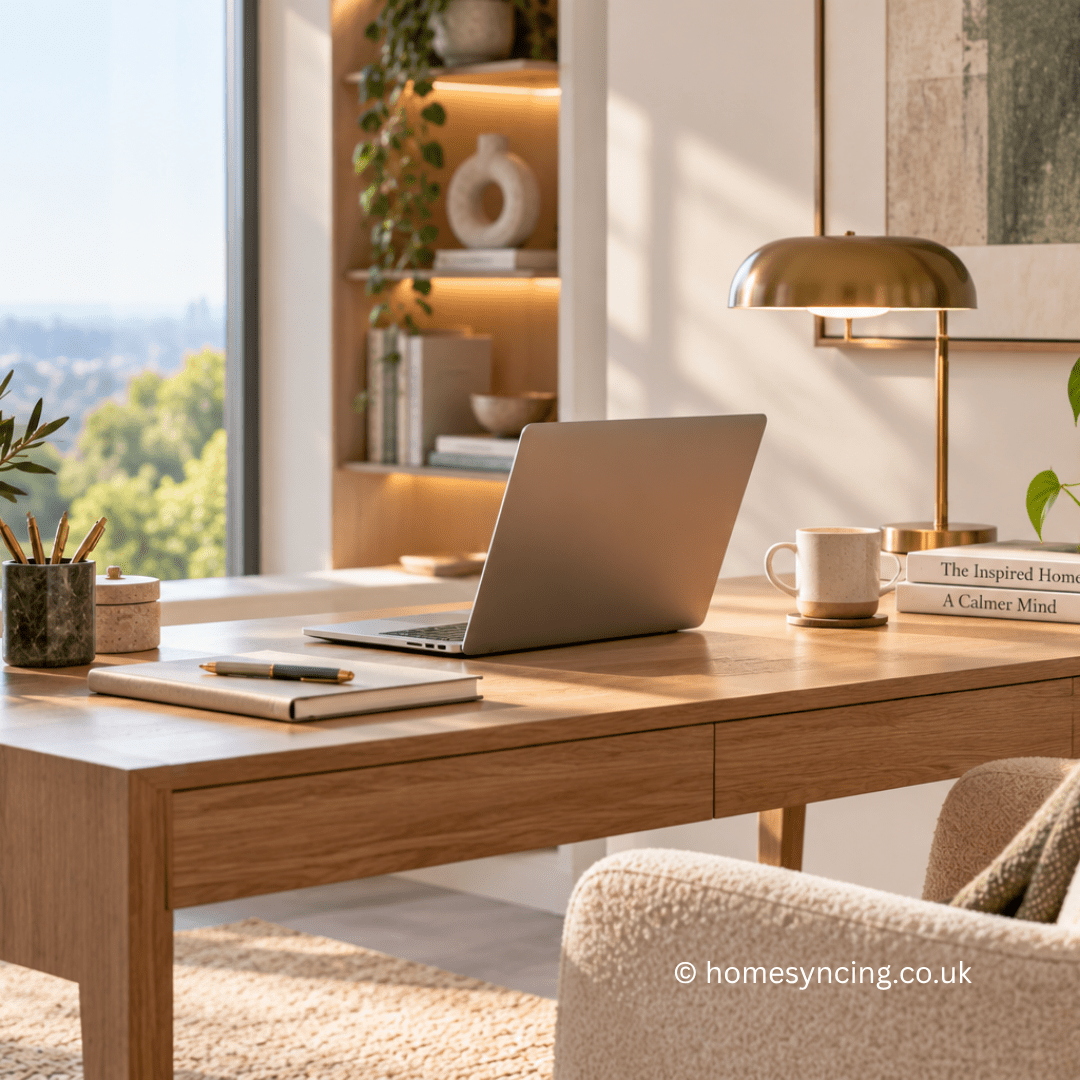
How to get the Industrial Look!

A Guide to Industrial Furniture–Themed Interiors

Industrial furniture–themed interiors have grown steadily in popularity, appealing to those drawn to spaces with honesty, character and a sense of history. Rooted in the careful adaptation of old workshops, mills and warehouses, the industrial style celebrates materials in their natural state and values function as much as form. What began as a practical response to reusing redundant buildings has evolved into a distinctive interior style that feels both robust and quietly refined.

At its heart, industrial design is about revealing rather than concealing. Brickwork is left bare, timber shows its scars, and metal is allowed to age gracefully. These elements come together to create interiors that feel grounded, purposeful and reassuringly authentic. Whether you are refreshing a single room at home or shaping a contemporary workspace, an industrial furniture–themed interior offers a timeless and adaptable approach.

This guide will help you navigate the key elements of the style, offering thoughtful ways to introduce industrial character while maintaining warmth and balance.


Choose a Considered Industrial Colour Palette

An industrial interior is anchored by a restrained and understated colour palette. Soft greys, warm charcoals, off-whites and earthy browns form the foundation, echoing the tones of stone, concrete and aged timber. These neutral shades allow the materials themselves to take centre stage.

Metallic accents – such as steel, patinated copper or brushed brass – can be introduced sparingly to add depth and quiet interest. Rather than relying on colour for impact, industrial interiors use texture and contrast: smooth metal against rough brick, pale plaster beside dark wood. This thoughtful simplicity gives the space a sense of calm while allowing individual features to shine.


Invest in Reclaimed Wood Furniture

Few materials capture the spirit of industrial design as beautifully as reclaimed wood. Furniture crafted from salvaged timber carries a sense of history, marked by knots, grain variations and time-worn surfaces. These imperfections are not flaws but stories, lending warmth and individuality to the space.

Reclaimed wood works particularly well for larger pieces such as dining tables, shelving units and sideboards, where its character can be fully appreciated. Whether left natural or gently darkened, these pieces bring balance to the harder edges of metal and concrete, ensuring the interior feels welcoming rather than stark.


Embrace Honest Metal Finishes

Metal plays a defining role in industrial interiors. Iron, steel and aged copper are commonly used for furniture frames, shelving, handles and structural details. Their appeal lies in their strength and simplicity, often expressed through clean lines and unfussy forms.

Rather than highly polished finishes, look for metal that shows subtle signs of age or wear. A soft patina or lightly distressed surface adds depth and reinforces the sense of authenticity that is central to the industrial style. When used alongside natural wood, metal introduces contrast without overpowering the space.


Choose Lighting with Purpose and Character

Lighting is an essential element in shaping an industrial interior. Fixtures are often bold and functional, drawing inspiration from factories and workshops. Pendant lights, wall-mounted fittings and simple floor lamps with exposed bulbs work particularly well.

Warm, soft light helps to counterbalance the robustness of industrial materials. Exposed filament bulbs, for example, add a gentle glow and a sense of craft, highlighting textures and architectural details. Wherever possible, allow light fittings to feel purposeful rather than decorative, contributing to the overall honesty of the space.


Think Beyond Furniture

An industrial interior is about more than the furniture alone. Architectural details and finishing touches play an equally important role. Exposed brick walls, visible pipework, concrete floors and utilitarian hardware all contribute to the character of the space.

Rather than hiding these elements, allow them to become part of the design. A simple shelf fixed with metal brackets, a visible beam, or a length of exposed ducting can add interest and authenticity. The key is restraint: select a few features to celebrate, allowing the space to breathe and avoiding clutter.


Creating a Space with Enduring Appeal

Designing an industrial furniture–themed interior need not feel daunting. By choosing a calm, neutral palette, investing in reclaimed materials, embracing metal finishes and allowing practical details to remain visible, you can create a space that feels both robust and inviting.

Above all, industrial design rewards patience and thoughtfulness. It is a style that values craftsmanship, longevity and the quiet beauty of materials shaped by use. When approached with care, it results in interiors that feel rooted, characterful and enduring – spaces to live and work in comfortably, now and for years to come.

We have some great pieces that will create a fantastic industrial look.  Click here to see a selection.

Further Reading: Affordable Decorating Ideas That Will Transform Your HomeSustainable Chic: A Beginner’s Guide to Circular Design

Daily Inspiration: Follow Us on Instagram, BlueSkyThreads , PinterestTwitterTikTok

How to Choose and Measure for a Dining Table

A dining table is more than a piece of furniture. It is the place where everyday routines unfold and special occasions are marked – from hurried breakfasts to long, lingering suppers with family and friends. Choosing the right table is therefore an important decision, one that deserves a little care and consideration. Getting the proportions right, selecting materials that will stand the test of time, and choosing a shape that suits the way you live will ensure your table becomes a natural and well-loved part of your home.

Size matters: measuring your space

Before browsing styles and finishes, it’s worth taking time to measure the room where your dining table will sit. Begin by measuring the length and width of the space, then allow sufficient room around the table for chairs and comfortable movement. As a general guide, leave at least 90–120cm (around 3–4 feet) between the table edge and walls or other furniture. This allows chairs to be drawn back easily and people to move around the table without feeling cramped.

It’s also helpful to consider how the room is used beyond mealtimes. In many homes, dining areas double as places for homework, crafts or quiet reading. Ensuring the table sits comfortably within the room will help it feel welcoming rather than dominant.

Material and style: working with your home

The material and design of your dining table should sit comfortably within the character of your home. Natural materials, particularly solid woods such as oak, sheesham or mango wood, have a warmth and durability that suit both traditional and contemporary interiors. Their grain and texture develop character over time, telling the story of daily life and shared moments.

In more modern spaces, tables combining glass or metal can bring a lighter, more streamlined feel. For period homes or rooms with classic features, a table with gentle detailing and a deeper, richer tone can echo the sense of history already present. Whichever style you choose, aim for something that feels honest and well-made, rather than overly fashionable.

Seating capacity: everyday living and special occasions

Think about how many people you usually seat, as well as how often you entertain. A table that seats six comfortably suits many households, offering enough space for daily meals while remaining manageable in size. Larger families or those who enjoy hosting may prefer a table for eight or more.

Extendable tables offer flexibility, allowing you to adapt the space as needed without committing to a permanently large footprint. When not fully extended, they sit quietly in the room; when guests arrive, they can be opened up to welcome everyone with ease.

Shape: finding the right balance

The shape of your dining table can have a surprising effect on how a room feels. Round tables work well in smaller or square rooms, creating an intimate atmosphere and allowing easy conversation. Without sharp corners, they can also be practical in compact spaces.

Square tables suit open-plan rooms and smaller households, while rectangular tables are a familiar and versatile choice for larger spaces. Their shape naturally accommodates more people and often works well in longer rooms, helping to anchor the space.

Quality and durability: a table for the long term

A dining table is a piece of furniture that earns its keep. It needs to withstand daily use, the occasional spill, and the gentle knocks of family life. Look for solid construction, stable legs and a well-finished surface. Investing in quality materials and craftsmanship may cost more initially, but it will reward you with a table that ages gracefully and remains a pleasure to use for many years.

A table at the heart of the home

Choosing a dining table is as much about how it feels as how it looks. By carefully measuring your space, considering how you live, and selecting materials and proportions that suit your home, you can find a table that feels settled and enduring. In time, it will become the backdrop to countless shared moments – quiet, ordinary, and memorable all the same.

Click here to see our great range of dining tables.

Further Reading: Affordable Decorating Ideas That Will Transform Your HomeSustainable Chic: A Beginner’s Guide to Circular Design

Daily Inspiration: Follow Us on Instagram, BlueSkyThreads , PinterestTwitterTikTok

The Art of Dressing a Dining Table

The tradition of gathering around a well-laid table is an old one, rooted in hospitality and shared moments. Yet when it comes to entertaining, many of us feel uncertain about how to strike the right balance between welcoming and overworked. A beautifully dressed dining table need not be elaborate. With a considered approach and a few well-chosen elements, it can feel both inviting and effortless.

Begin with a Simple Foundation

A tablecloth provides the starting point for any table setting. Crisp white remains a timeless choice, offering a sense of freshness and calm while allowing other details to shine. For a softer look, neutral tones such as stone, linen or pale grey can feel equally refined and sit comfortably in both traditional and modern homes.

Ensure the cloth sits well on the table, falling evenly on all sides. A well-pressed tablecloth immediately sets a tone of care and attention, even before any other elements are added.

Introduce Texture and Colour

Once your base is in place, add depth with a table runner or placemats. These layers bring warmth and interest, breaking up the expanse of cloth while helping to define each place setting. Linen runners introduce a relaxed elegance, while woven or subtly patterned placemats can add character without overwhelming the table.

Choose colours that echo the season or complement your room. Soft greens, muted blues or earthy tones feel natural and restful, while deeper shades can lend a sense of occasion for evening gatherings.

Choose a Thoughtful Centrepiece

A centrepiece draws the eye and anchors the table, but restraint is key. Fresh flowers or foliage are a classic choice, offering colour and life without feeling formal. A single vase can be striking, while a collection of smaller arrangements allows the table to feel more relaxed and conversational.

Candles also work beautifully, particularly for evening meals. Varying heights add interest, but keep everything low enough to allow guests to see one another easily. The aim is atmosphere, not obstruction.

Create Harmony with Dinnerware

There is no need for a perfectly matched set to achieve a cohesive look. Mixing and matching plates, bowls and glassware can bring charm and individuality to the table. What matters is a sense of harmony – whether through a shared colour palette, similar shapes or complementary finishes.

Layering plates, using cloth napkins and choosing cutlery that feels comfortable in the hand all contribute to a table that feels considered yet welcoming.

Add Personal Touches

Small details often leave the greatest impression. A handwritten name card placed thoughtfully at each setting makes guests feel expected and valued. A simple sprig of greenery, a folded napkin or a small token such as a candle or flower stem can add a quiet sense of generosity without excess.

These personal touches need not be elaborate; it is the thought behind them that resonates.

A Table Made for Sharing

Dressing a dining table is not about following strict rules, but about creating a space where people feel at ease. Start with a simple foundation, add layers with care, and allow each element to serve both beauty and purpose. When done well, the table becomes more than a setting for food – it becomes part of the experience itself.

With a little planning and a light touch, you can create a table that feels welcoming, thoughtful and ready to bring people together.

See our Range of Dining Tables here

Further Reading: Affordable Decorating Ideas That Will Transform Your HomeSustainable Chic: A Beginner’s Guide to Circular Design

Daily Inspiration: Follow Us on Instagram, BlueSkyThreads , PinterestTwitterTikTok

Choosing the Right Mirror for Your Home

There is something quietly transformative about a mirror.

Long before electric lights brightened our homes, mirrors were used to capture and amplify precious daylight, bringing brightness into dark corners and creating a sense of openness where space was limited. Today, they continue to serve much the same purpose, though their role has grown far beyond practicality. A thoughtfully chosen mirror can alter the character of a room, drawing the eye, reflecting beauty and creating a subtle sense of balance.

Whether hanging above a mantelpiece, welcoming guests in a hallway or adding light to a bedroom, a mirror has the unique ability to influence how a space feels. Choosing the right one is not simply about finding a design you like. It is about understanding how proportion, shape, light and style work together to create harmony within your home.

Looking Beyond the Reflection

When choosing a mirror, it is worth pausing for a moment to consider what it will reflect.

A mirror is not merely an object on a wall; it becomes part of the room itself. It doubles whatever lies opposite it, whether that is a beautiful garden view, a window flooded with natural light, a collection of treasured objects or, unfortunately, an area of clutter.

This simple consideration often determines the success of a mirror more than its frame or shape. The most effective mirrors enhance what is already present, drawing attention to the elements of a room you most want to celebrate.

In many traditional homes, mirrors were positioned to reflect candlelight or views of the surrounding landscape. The principle remains just as relevant today. A mirror opposite a window can transform a room, bringing movement, light and a greater connection to the outdoors.

Finding the Right Proportion

Size plays a vital role in creating balance.

A mirror that is too small can appear disconnected from its surroundings, while one that is too large may dominate a room and overwhelm nearby furnishings. The most successful mirrors feel naturally at home within their setting, neither demanding attention nor disappearing into the background.

When placing a mirror above a piece of furniture, such as a console table, sideboard or fireplace, a useful guide is to choose one that occupies around two-thirds to three-quarters of the width beneath it. This creates visual balance while allowing surrounding features room to breathe.

In smaller rooms, a larger mirror can be surprisingly effective. Rather than feeling intrusive, it often creates an illusion of greater depth and openness, helping compact spaces feel brighter and more expansive.

Large mirrors can also be used to soften awkward corners, narrow hallways or areas that lack natural light, quietly changing how the space is experienced.

The Language of Shape

Every shape carries its own character.

Round mirrors bring softness and a sense of ease. Their gentle curves provide contrast to the straight lines found in furniture, doors and windows, helping a room feel more relaxed and inviting. They work particularly well in hallways, cloakrooms and bedrooms where a lighter touch is desired.

Oval mirrors share a similar softness while introducing a little more elegance and height. Their proportions often feel graceful and timeless, making them particularly suited to period properties.

Rectangular and square mirrors offer structure and formality. They complement both traditional and contemporary interiors, providing a sense of order and symmetry. In dining rooms and sitting rooms, these shapes often create a reassuring sense of balance.

Arched mirrors have become increasingly popular in recent years, though their appeal is rooted in much older architectural traditions. Echoing the shape of church windows, garden gates and historic doorways, they bring a gentle vertical emphasis that can make ceilings feel higher and rooms more spacious.

The most successful choice is often one that complements the existing architecture rather than competing with it.

Choosing a Frame That Belongs

The frame should feel as though it is part of the wider story of your home.

Natural timber frames bring warmth and texture, sitting comfortably within country homes and interiors inspired by nature. Their organic character helps soften contemporary spaces while enhancing more traditional settings.

Metal frames offer a cleaner, more understated appearance. Antique brass, bronze and aged gold finishes can add warmth and sophistication, while black frames provide definition and contrast.

Decorative frames have their place too. Ornate carvings, distressed finishes and antique-inspired details can bring character and history to a room, particularly when paired with traditional furnishings or architectural features.

Yet often the most successful mirror is not the most elaborate. Instead, it is the one that feels entirely at ease within its surroundings, quietly complementing rather than competing with the room around it.

Using Mirrors to Create Light

Perhaps no decorative accessory works harder than a mirror when it comes to light.

In homes blessed with large windows, mirrors can help distribute daylight more evenly throughout a room. In darker spaces, they can make a remarkable difference, capturing available light and carrying it further into the interior.

Entrance halls often benefit particularly well from mirrors. Frequently narrower and darker than other rooms, they can be transformed by a well-positioned mirror that immediately creates a sense of openness and welcome.

Dining rooms become brighter and more atmospheric when mirrors reflect natural light during the day and candlelight in the evening. Bedrooms feel calmer and more spacious, while living rooms gain a subtle sense of depth and movement.

The effect is rarely dramatic or obvious. Instead, it is one of those quiet improvements that simply makes a room feel better.

Quality That Lasts

A mirror is something you are likely to live with for many years, making quality an important consideration.

Good glass should provide a clear, undistorted reflection. Viewed from different angles, the image should remain consistent and true. The frame should feel substantial, with careful finishing and secure construction.

Equally important are the fittings. A mirror should be safely mounted and properly supported, particularly when dealing with larger or heavier designs.

Like any well-chosen piece for the home, a quality mirror becomes part of daily life. It ages gracefully, adapts to changing interiors and continues to serve both practical and decorative purposes year after year.

A Reflection of Home

The best mirrors do more than reflect our image.

They capture light, create atmosphere and help rooms feel balanced and complete. They reveal views, highlight favourite possessions and quietly influence how a space is experienced.

Choosing the right mirror is not about following fashion or filling an empty wall. It is about understanding your home, considering its light, proportions and character, and selecting a piece that enhances what is already there.

When chosen thoughtfully, a mirror becomes far more than a decorative accessory. It becomes part of the story of your home, reflecting not only the room itself, but the way you live within it.

See Our Range of Mirrors here.

Further Reading: Affordable Decorating Ideas That Will Transform Your HomeSustainable Chic: A Beginner’s Guide to Circular Design, How to Choose Wall Art for your Home

Daily Inspiration: Follow Us on Instagram, BlueSkyThreads , PinterestTwitterTikTok

Translate »