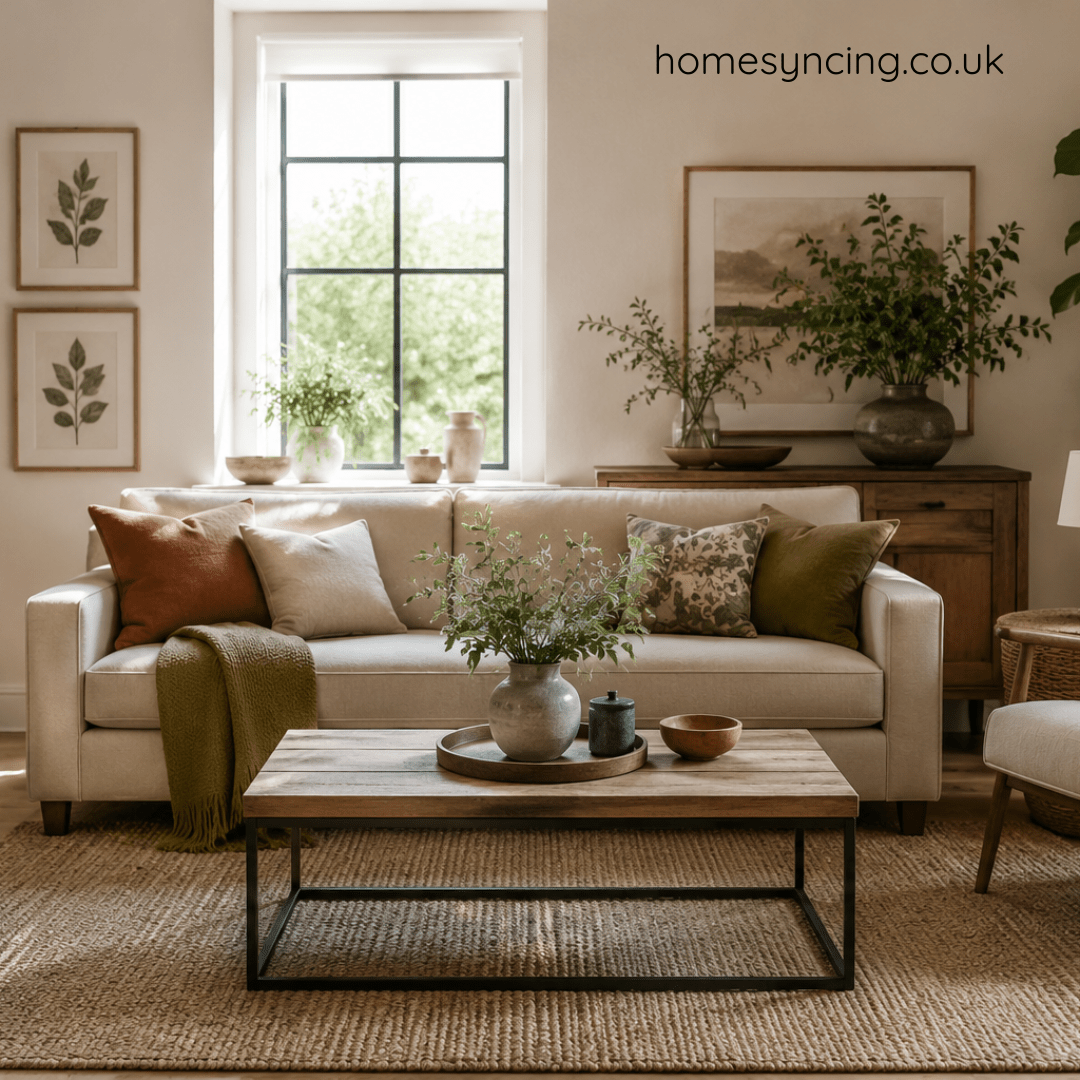
The living room has always been the heart of the home.
It is where we gather at the end of the day, settle down with a good book, welcome friends through the door and enjoy quiet moments with a cup of tea.
It is a room that needs to work hard.
A place for conversation, relaxation, entertainment and everyday life.
Creating the perfect living room layout is not about following strict rules or copying a picture from a magazine. The most successful rooms are those that feel comfortable, natural and suited to the people who use them.
A beautifully arranged living room should invite you in.
It should feel balanced rather than carefully staged.
And most importantly, it should make daily life easier.
Whether you are working with a spacious sitting room, a cosy cottage-style space or a smaller modern room, thoughtful planning can transform how you use your home.
Begin by Understanding Your Space
Before moving furniture around, take time to look carefully at your living room.
Every room has its own character.
A large window may create a natural focal point.
A fireplace may draw people towards it.
An unusual corner may become the perfect reading spot.
Rather than fighting the shape of your room, work with it.
Consider:
- Where does natural light enter?
- Which areas feel most welcoming?
- Where do people naturally walk through the room?
- What features do you want to highlight?
- How does your family use the space?
A good layout begins with understanding the room you already have.
Create a Natural Focal Point
Most living rooms benefit from having a focal point — something that naturally draws the eye.
Traditionally, this might have been a fireplace or a beautiful piece of architecture.
Today, it could be:
- A wood-burning stove
- A large window overlooking the garden
- A favourite piece of artwork
- A television and media area
- A statement piece of furniture
Once you have identified your focal point, arrange furniture so that the room feels connected to it.
The aim is not for every chair to face the same direction, but for the room to have a sense of purpose.
Arrange Furniture for Conversation
A living room should encourage people to sit, talk and spend time together.
One of the most common mistakes is pushing every piece of furniture against the walls, leaving a large empty space in the middle.
Although this can work in some rooms, it can sometimes make a space feel less inviting.
Try bringing seating slightly closer together.
A pair of armchairs facing a sofa creates a natural conversation area.
A small table between chairs provides somewhere to place a drink or a book.
The best layouts make it easy for people to connect.
Choosing the Right Sofa Position
The sofa is often the largest piece of furniture in the room, so its position has a significant impact.
In larger rooms, a sofa can help divide different areas without needing walls.
For example:
A sofa facing the fireplace can create a cosy seating area.
A sofa positioned away from the wall can separate a sitting area from a dining space.
In smaller rooms, placing the sofa carefully can make the space feel more open.
Avoid blocking windows where possible, as natural light helps rooms feel larger and more welcoming.
The Importance of Flow and Movement
A beautiful room still needs to function well.
Think about how people move through the space.
Can someone walk comfortably to a doorway without squeezing past furniture?
Can you reach a bookshelf easily?
Is there enough space to open drawers, cupboards or doors?
Good layouts create a natural flow.
Furniture should guide movement rather than interrupt it.
A home should feel effortless to live in.
Finding the Right Balance
Balance does not mean everything must match.
In fact, rooms with too much symmetry can sometimes feel a little formal.
Instead, think about visual balance.
A large sofa might be balanced by two smaller chairs.
A tall lamp might be balanced by artwork on the opposite wall.
A substantial wooden table might be softened by lighter fabrics and cushions.
The aim is harmony.
A room where every piece feels like it belongs.
Coffee Tables and Side Tables: The Finishing Touch
Small pieces of furniture often make the biggest difference.
A coffee table anchors a seating area and provides a practical surface for books, flowers, candles or everyday essentials.
Side tables add flexibility.
They create places to rest a cup of tea, display a favourite object or position a lamp for evening reading.
These details help a room feel complete.
The most comfortable homes are often those where beauty and practicality sit happily together.
Creating Cosy Corners
Not every part of a living room needs to be designed around conversation.
Some of the most enjoyable spaces are smaller, quieter corners.
A comfortable chair beside a window.
A reading lamp beside a bookshelf.
A small table holding a favourite plant.
These little areas give a room personality.
They encourage moments of calm and make a home feel lived in.
Lighting Matters More Than You Think
Furniture creates the structure of a room, but lighting creates the atmosphere.
A single overhead light rarely creates the warm, welcoming feeling most people want from a living room.
Instead, consider layers of lighting:
- Table lamps for warmth
- Floor lamps for reading corners
- Wall lights for gentle background lighting
- Candles for special evenings
The right lighting can completely change how a room feels.
Make Room for Your Life
The perfect living room is not one that looks untouched.
It is one that works.
A room where books are enjoyed.
Where blankets are folded over chairs.
Where flowers are placed on tables.
Where family photographs tell stories.
Where furniture supports everyday moments.
A home should not feel like a showroom.
It should feel like a place where life happens.
Small Living Rooms Can Still Feel Spacious
Limited space does not mean limited possibilities.
A smaller living room benefits from thoughtful choices.
Choose furniture that suits the scale of the room.
Avoid overcrowding.
Use mirrors to reflect light.
Select pieces that serve more than one purpose.
A well-planned small room can often feel more comfortable than a large room without clear organisation.
Creating a Timeless Living Room
Trends come and go, but a thoughtfully arranged room lasts.
Choose furniture you genuinely love.
Select colours and textures that make you feel at home.
Invest in pieces that will work through different seasons of life.
A beautiful living room is not created by following every new style.
It is created by understanding how you want to live.
A Room That Welcomes You Home
The perfect living room layout is not about measurements alone.
It is about feeling.
The feeling of walking into a room and instantly wanting to sit down.
The feeling of having space to breathe.
The feeling of knowing everything has its place.
Whether your style is traditional, contemporary, rustic or somewhere beautifully in between, the best living rooms share the same quality.
They are welcoming.
They are comfortable.
They tell the story of the people who live there.
Because a home is not made special by how perfectly furniture is arranged.
It is made special by the moments that happen within it.
Further Reading: Garden Party: Sunshine & Supper, The Picnic: A Guide to Dining Outdoors
Daily Inspiration: Follow Us on Instagram, BlueSky, Threads , Pinterest, Twitter, TikTok