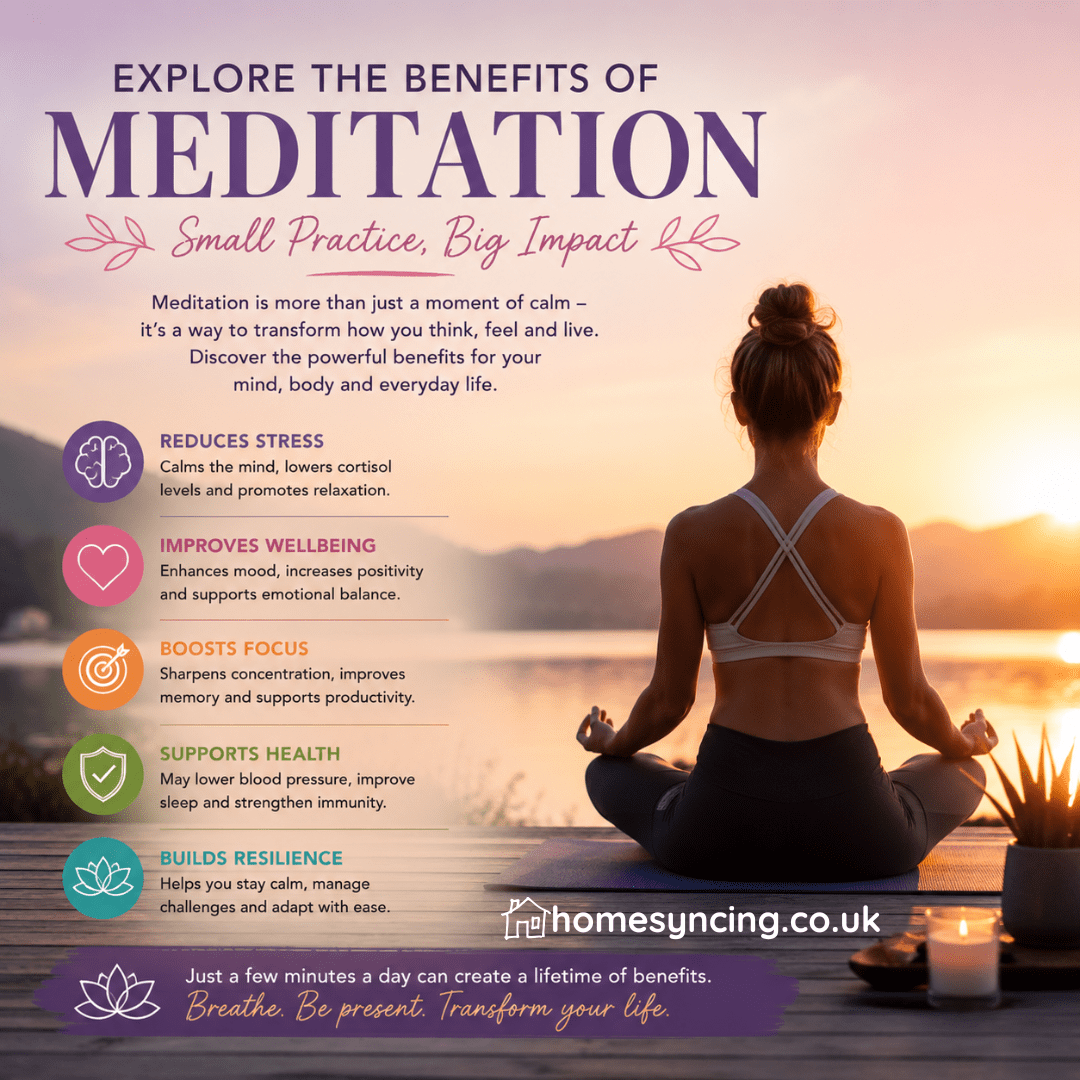
Explore the Benefits of Meditation

Meditation is an age-old practice to find peace, serenity & inner strength. Meditation is not exclusive to any religion or culture; anyone can practice it & everyone can benefit from the calming & centring effects of it. Meditative practices come in many forms, from seated introspection to physical activities like tai chi & yoga.

Meditation is all about aligning your mind, body & breath & focusing your attention on the present moment. The roots of meditation can be traced back to ancient India, where meditation was used as a mode of self-discovery & enlightenment. Whether you are feeling stressed, anxious or depressed, meditation can help you find relief & restore a sense of calm in your life.

Although meditation is a simple practice, it can take on many forms. Some of the most common types of meditation include mindfulness, movement meditation, mantra meditation & guided meditation. Mindfulness meditation involves focusing your attention on the present moment, while movement meditation incorporates activities like tai chi or yoga. Mantra meditation involves reciting a word/phrase repeatedly, while guided meditation involves following spoken instructions to achieve a state of relaxation.

The benefits are many & research has shown that regular meditation can help lower stress, reduce anxiety & depression, lower blood pressure & improve sleep quality. Meditation has also been shown to increase focus, attention, & memory retention, making it an ideal practice for anyone looking to enhance their concentration. It can help increase feelings of compassion, empathy, & self-awareness, as well as boost overall happiness & well-being.

Starting meditation can be daunting, but all you need is a quiet space & a willingness to be present in the moment. You can start by sitting comfortably with your eyes closed, focusing on your breath & watching your thoughts as they come & go. If you find your mind wandering, gently bring it back to the present moment. Aim to spend at least five to ten minutes meditating each day, gradually working your way up to longer sessions as you become more comfortable.

Meditation is a simple yet powerful tool that can help you achieve balance, peace & inner strength in your life. Whether you are looking to reduce stress, enhance your concentration or simply find time for self-reflection, meditation can help you achieve your goals.

Further Reading: The Power of a Smile: Radiate Confidence and JoyThe Power of Forgiveness

For Daily Inspiration Follow Us on Instagram

Finding your Happy Place

In today’s busy & often stressful world, it’s more important than ever to find your happy place – a space where you can relax, unwind, & feel at peace. To help you discover your own slice of paradise, here are some tips will help you find the perfect place to recharge & refresh.

Connect with Nature:  One of the most effective ways to find your happy place is by spending time in nature; whether you prefer the tranquillity of a quiet garden or the drama of a rugged coastline.  Research has shown that being in nature can significantly reduce stress, lower blood pressure & improve mood.

Embrace Silence:  In our fast-paced world, it’s easy to get overwhelmed by the constant noise & distractions around us. Escape the chaos by finding a quiet spot where you can relax & be still, from secluded benches to hidden clearings, these quiet spots are perfect for taking a moment to reflect & recharge.

Indulge Your Senses: When it comes to finding your happy place, it’s important to engage all of your senses. Take the time to really appreciate the beauty of your surroundings by listening to birdsong, feeling the sun on your skin, & breathing in the scent of flowers.  Sensory experiences help you fully appreciate the sights, sounds & smells of nature.

Nurture Your Creativity:  For many people, creativity is an essential part of finding their happy place. Whether you enjoy painting, writing, or simply taking photographs – find inspiration from breathtaking landscapes, fascinating historical buildings, & stunning works of art, it’s easy to find something that sparks your imagination.

Enjoy the Company of Others:  It’s worth remembering that finding your happy place doesn’t have to be a solitary experience. Sharing a special spot with friends, family or like-minded individuals can be a wonderful way to boost your happiness & strengthen relationships.

Finding your happy place is not only enjoyable, but essential for your health & wellbeing. So why not plan your next adventure today & find your happy place?

Further Reading: The Power of a Smile: Radiate Confidence and JoyThe Power of Forgiveness

For Daily Inspiration Follow Us on Instagram

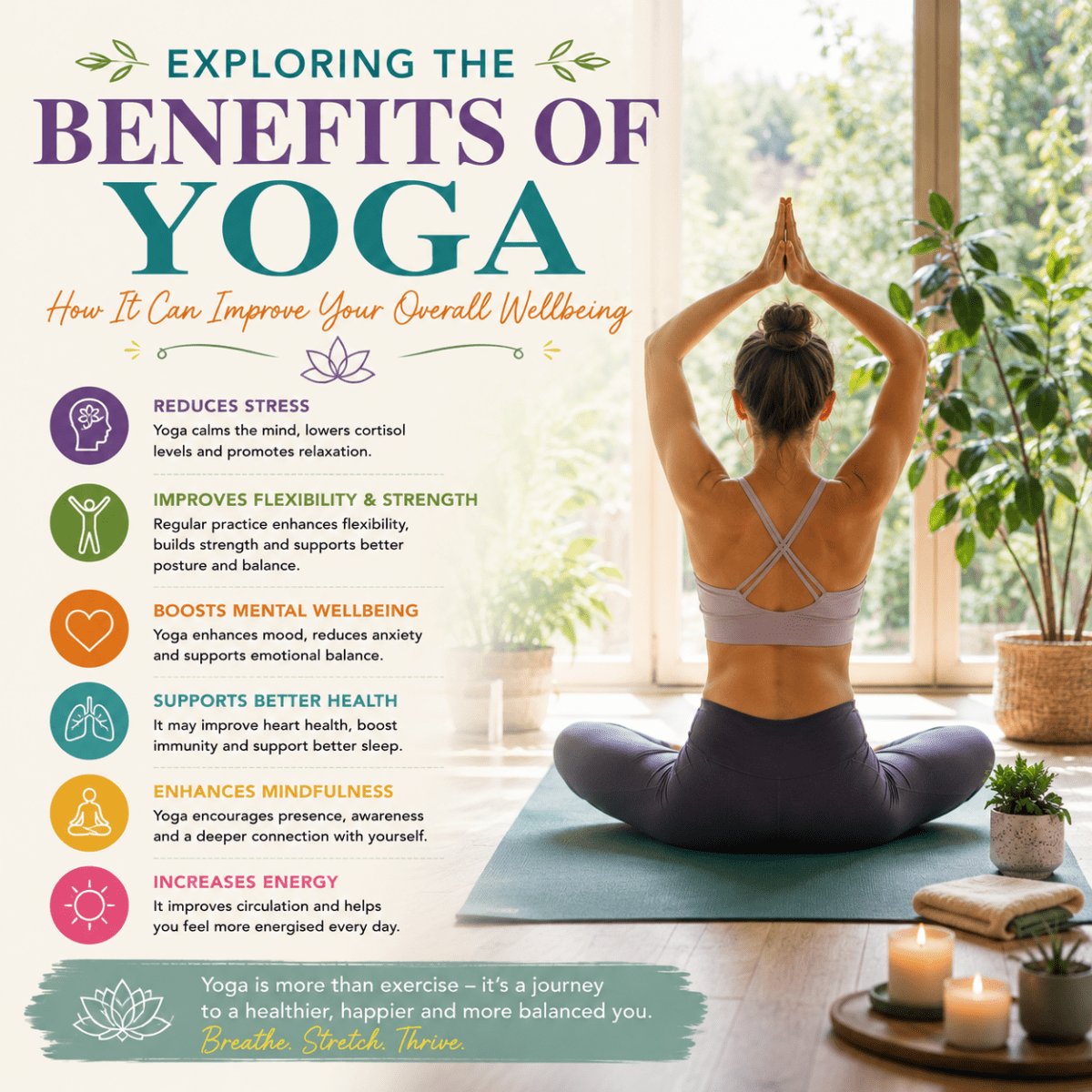
Exploring the Benefits of Yoga – Improve your Wellbeing

Yoga is recognised as an incredibly effective non-invasive form of exercise & meditation that can trace its roots back to ancient India & has been practiced for centuries as an essential part of an individual’s spiritual practice. It’s no surprise that many people across the world are embracing yoga as a way to attain physical & mental wellbeing.

Relief from pain & stress

Yoga helps you to connect the mind & body, which in turn can lead to a reduction in stress, pain & anxiety. When practised regularly, yoga can stimulate the production of serotonin, dopamine & other neurotransmitters associated with stress & pain reduction. This helps you enter a relaxed state that promotes healing by improving circulation, digestion & other bodily functions.

Improved flexibility & strength

One of the primary benefits of yoga is that it can help improve your physical flexibility & strength. Based on the type of yoga you choose to practice, it can help increase your body’s strength while providing greater flexibility. Regular practice can also improve your muscle tone & increase your overall stamina.

Better Sleep Quality

If you suffer from insomnia, practising yoga might be able to help. Yoga is not just an exercise routine, it’s an integrated approach to living that includes physical movement, meditation & regulated breathing. This means that it can help you de-stress & calm your mind before going to bed, leading to better sleep quality & improved cognitive function.

Reduced heart disease risk

Yoga can help reduce the risk of heart disease by lowering blood pressure, increasing heart rate variability & improving lipid profiles. In addition, yoga can help reduce stress & inflammation in the body. All of these factors combine to reduce the risk of heart disease & prevent other cardiovascular issues.

Improved mental wellbeing

Yoga can have a positive impact on mental wellbeing. Regular practice can improve your cognitive function, memory & concentration. Additionally, yoga can improve your mood & alleviate symptoms of depression & anxiety by combining movement, deep breathing & meditation.

With so many benefits to offer, you may need to consider incorporating it into your routine. If you’re new to yoga, it’s a good idea to start slow & work with a certified trainer to avoid injury. The good news is there are plenty of resources available, with classes offered both online & in-person, to get you started on your yoga journey. Yoga can get you started on your path to a healthier, happier life.

We have some great yoga equipment, take a look here

For Daily Inspiration Follow Us on Instagram

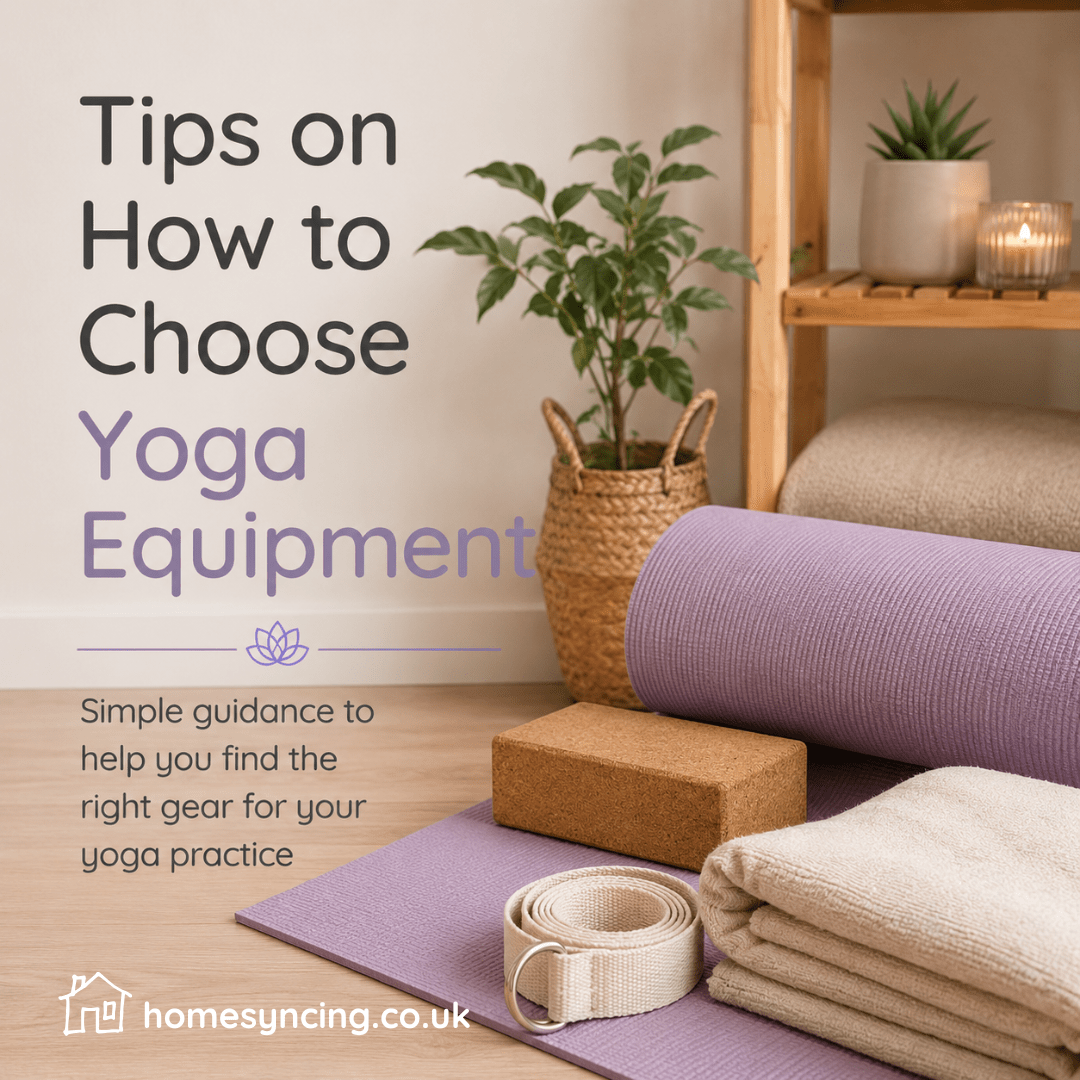
Tips on How to Choose Yoga Equipment

Beginning yoga is a quietly transformative step. Whether you are unrolling your mat at home before breakfast or joining a local class in the village hall, the right yoga equipment can help you feel supported, steady and confident from the very first pose.

Yet with so many options available — from eco-friendly yoga mats to supportive yoga blocks — knowing what to choose can feel overwhelming. This guide will help you select the best yoga equipment for your needs, balancing comfort, quality and value, so you can focus on what truly matters: your practice.


Start With Your Budget

Before adding items to your basket, take a moment to consider your budget. Investing in quality yoga equipment is worthwhile, but there is no need to overspend, especially if you are just starting out.

A well-made yoga mat at a sensible price will serve you perfectly while you explore your practice. Over time, you may decide to refine or expand your kit. Aim for a thoughtful balance between durability and affordability rather than being swayed by trends.


Prioritise Quality and Durability

Good yoga equipment should feel reliable and long-lasting. A mat that curls at the corners or blocks that compress too easily can distract from your focus and flow.

When choosing yoga accessories, consider:

  • Durability – Will it withstand regular practice?
  • Grip and stability – Does the mat stay in place on the floor?
  • Performance – Does it properly support your balance and alignment?

Reading reviews and choosing trusted brands can offer reassurance, but ultimately the equipment should feel solid and dependable in your hands.


Comfort Is Essential

Yoga invites you to tune into your body, so comfort is paramount. From yoga mats to yoga clothing, everything you use should allow ease of movement without irritation or restriction.

A comfortable yoga mat will cushion your joints during kneeling or seated poses. Supportive yoga wear should move with you rather than against you. If something causes distraction or discomfort, it is unlikely to enhance your practice.

When possible, test how a mat feels under your palms and feet. The right texture can make all the difference, particularly in standing or balancing postures.


Consider Size and Dimensions

Yoga equipment is not one-size-fits-all. Your height, build and the style of yoga you practise will influence what suits you best.

  • Yoga mats: Taller practitioners may prefer a longer or wider mat to allow full extension in poses such as Downward Facing Dog.
  • Yoga blocks: Smaller blocks may offer precision for certain poses, while larger ones can provide more stable support.
  • Yoga straps: Ensure the length allows you to comfortably extend your reach in seated stretches.

Choosing the correct size ensures you can move freely and safely without constantly adjusting your space.


Choose Materials Wisely

The material of your yoga equipment affects not only performance but also sustainability.

  • PVC yoga mats are often affordable and provide excellent grip, making them suitable for beginners.
  • Natural rubber mats offer strong traction and a more eco-conscious alternative.
  • Cork yoga blocks and recycled materials are increasingly popular for those wishing to tread more lightly on the environment.

If environmental impact matters to you, look for responsibly sourced and recyclable materials. Many modern yoga brands now offer sustainable options without compromising on quality.


Essential Yoga Equipment for Beginners

If you are just beginning, you do not need a vast collection. Start with:

  1. A reliable yoga mat
  2. One or two yoga blocks
  3. A yoga strap (optional but helpful for flexibility)

These simple pieces will support most beginner sequences and allow you to build confidence gradually.


Take Your Time

Choosing the right yoga equipment is not a race. The most satisfying purchases are made with care and consideration. Reflect on how and where you plan to practise — indoors, outdoors, at home or in class — and select equipment that complements that setting.

By considering budget, quality, comfort, size and materials, you can create a small but dependable collection of yoga essentials that supports your wellbeing for years to come.

A thoughtful beginning often leads to a lasting practice.

Explore our complete yoga range and find the pieces that feel right for you. Click here to see our complete yoga range.

Further Reading: How to Choose Equipment for your Home Gym, Dive into Wild Swimming: The Joy of Swimming Outdoors, The Ultimate Guide to Soft Spikey Massage Balls, Guide to Yoga Cushions, Exploring the Benefits of Yoga – Improve your Wellbeing

Daily Inspiration: Follow Us on Instagram, BlueSkyThreads , PinterestTwitterTikTok

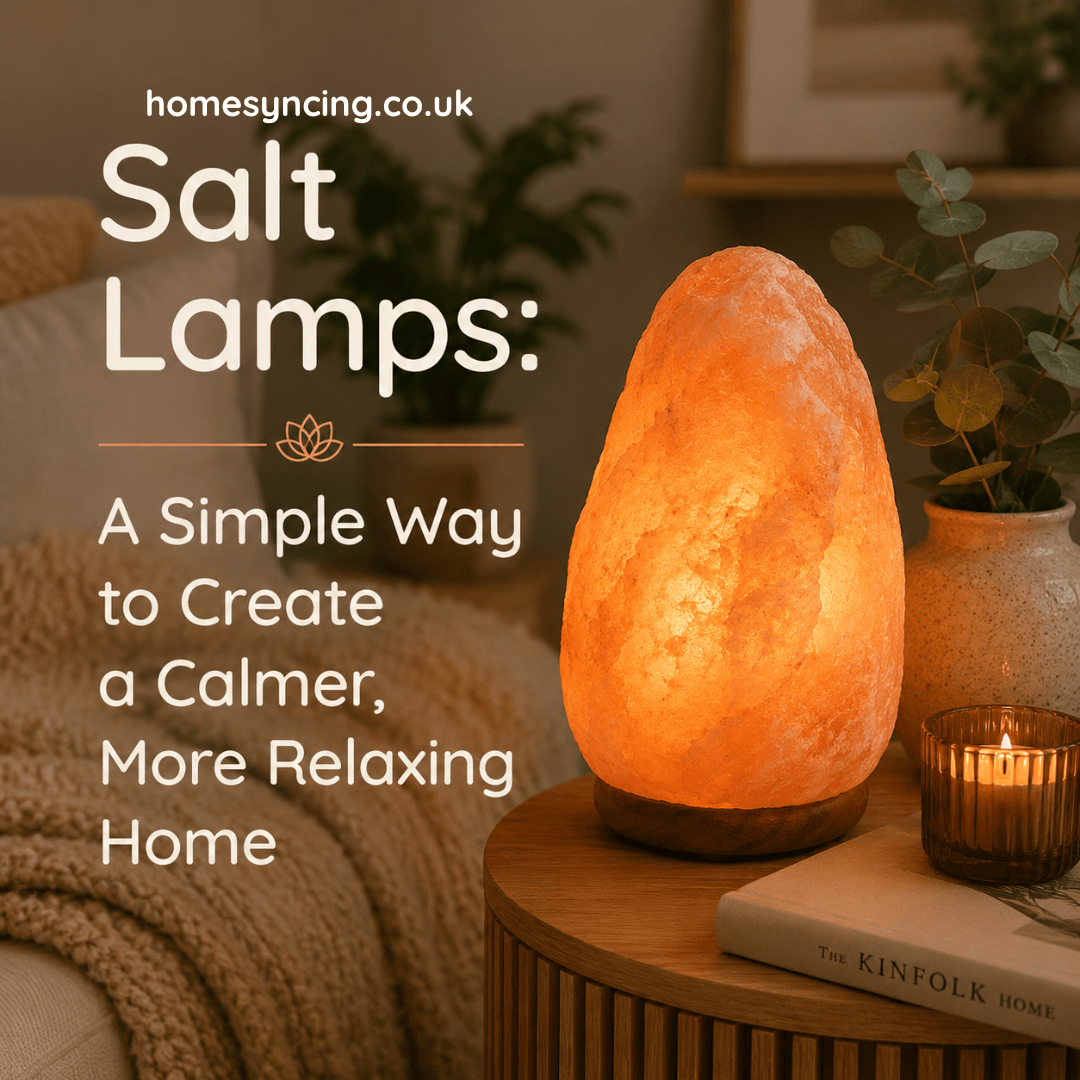
Discovering the Benefits of Salt Lamps

Imagine returning home to an atmosphere that helps you slow down, breathe more deeply and gently leave the day behind. As many of us spend a large part of our lives indoors, the way our homes feel matters more than we might realise. Creating a sense of calm, comfort and balance can have a quiet but meaningful effect on our wellbeing.

One simple way people choose to enhance the mood of their living spaces is with a salt lamp. Loved for their warm glow and natural form, salt lamps have become a familiar feature in homes seeking a softer, more restful ambience. But what exactly are they, and why do they hold such appeal?

What is a salt lamp?

Salt lamps are made from solid blocks of salt, traditionally mined from the Himalayan region. Each lamp is unique in shape and colour, ranging from pale peach to deep amber. A small bulb or tealight sits inside the salt crystal, gently warming it and allowing light to filter through the stone.

When lit, the lamp emits a soft, warm glow that many people find soothing. It’s this natural light, combined with the organic texture of the salt, that gives salt lamps their distinctive presence in a room.

Creating a calmer atmosphere

One of the most noticeable qualities of a salt lamp is the way it changes the feel of a space. The light is low and diffuse, making it well suited to evenings, quiet corners and moments of rest. In bedrooms, living rooms or reading nooks, this gentle illumination can help signal a shift away from the brightness and busyness of the day.

Unlike harsher artificial lighting, the warm tones of a salt lamp can create a sense of calm and ease, encouraging relaxation and unhurried moments.

Supporting mood and focus

Many people value salt lamps for the atmosphere they help create rather than any single defining benefit. A softly lit room can feel more grounded and welcoming, making it easier to concentrate, unwind or simply sit quietly. In work or study spaces, this calmer environment may help reduce feelings of stress and mental fatigue, particularly when paired with natural materials and uncluttered surroundings.

A gentler approach to evenings and sleep

In bedrooms, salt lamps are often used as an alternative to bright overhead lighting. Their low-level glow can help create a peaceful setting before bedtime, encouraging a slower pace as the day comes to a close. For some, this softer light becomes part of an evening routine, offering a sense of continuity and comfort.

Choosing the right salt lamp

When selecting a salt lamp, size matters. Larger lamps tend to cast more light and make a stronger visual statement, while smaller ones work well on bedside tables or shelves. Consider the scale of the room and the atmosphere you’d like to create.

Colour also plays a part. Lighter shades give a subtle glow, while deeper tones feel richer and more cocooning. As each lamp is naturally formed, no two are quite the same, which adds to their appeal.

A simple, natural addition

Salt lamps are valued not for being a cure-all, but for the way they contribute to a home’s overall feeling. Their natural origins, warm light and tactile quality sit comfortably alongside wood, stone and soft furnishings, helping to create spaces that feel considered and restorative.

Incorporating a salt lamp into your home is a small change, but one that can gently influence how a room feels and how you feel within it. Sometimes, it’s these quiet details that make the greatest difference, turning everyday spaces into places of calm and ease.

We have a great range of Salt Lamps.

Further Reading: Affordable Decorating Ideas That Will Transform Your HomeSustainable Chic: A Beginner’s Guide to Circular Design

Daily Inspiration: Follow Us on Instagram, BlueSkyThreads , PinterestTwitterTikTok

Translate »