How to Create a Cosy Autumn Home

There is a particular moment each autumn when home begins to feel different.

The light fades a little earlier, mornings acquire a chill and doors that stood open throughout summer are quietly closed. Outside, gardens begin their slow change from green to russet, ochre and brown; indoors, we find ourselves reaching instinctively for lamps, blankets and the first fire of the season.

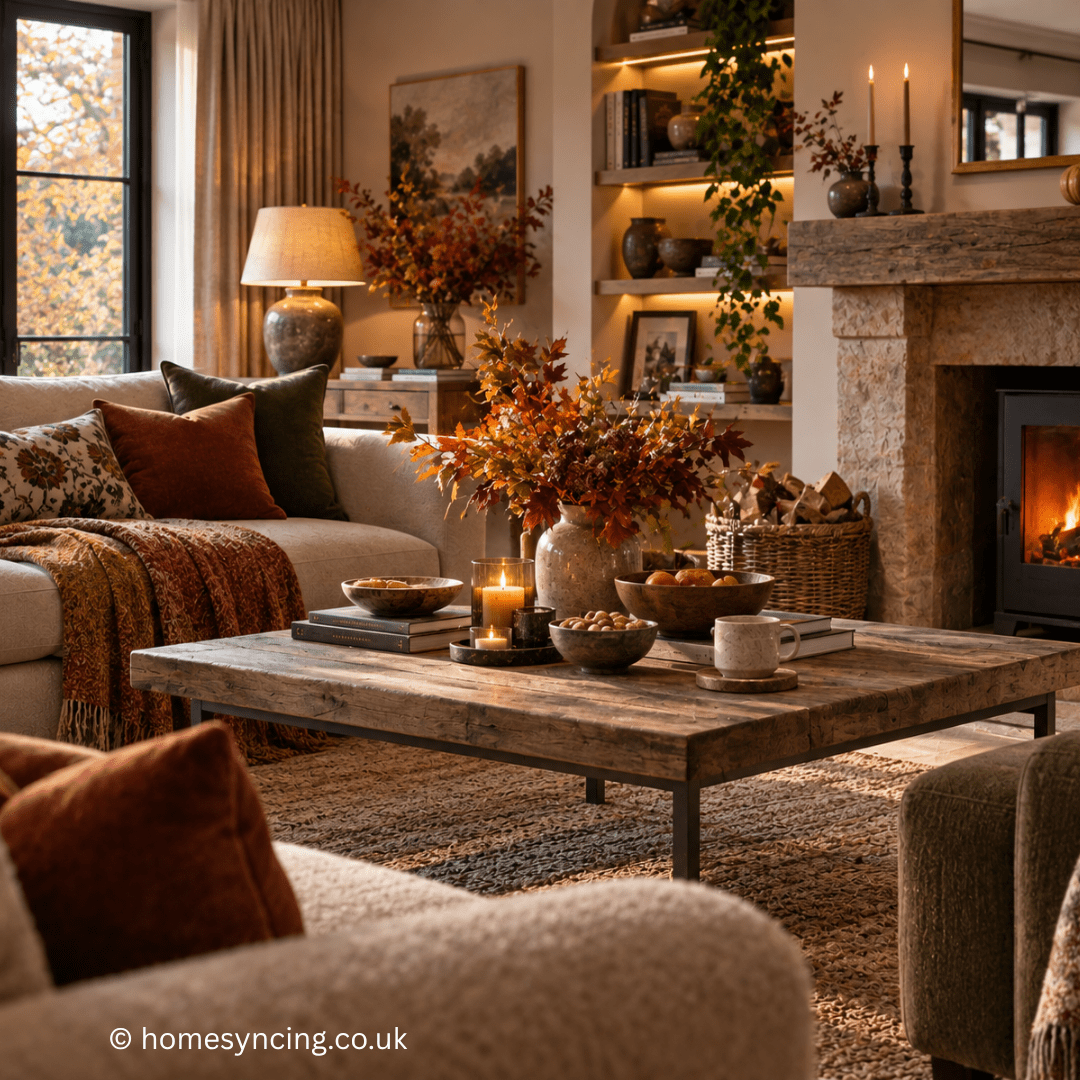
Creating a cosy autumn home needn’t involve redecorating or filling every surface with seasonal ornaments. Often, the most effective changes are small ones: a woollen throw returned to the arm of a sofa, a lamp switched on before dusk, branches brought in from the garden or a rug laid over a cool floor.

Autumn decorating is at its best when it follows the season rather than caricaturing it.

Instead of trying to make a home look ‘autumnal’, think about making it feel warmer, softer and more inviting – somewhere you genuinely want to retreat to when the weather turns.

Begin with the Changing Light

Perhaps the greatest transformation autumn brings is not colour but light.

As the days shorten, rooms that felt bright throughout summer can suddenly become shadowy by late afternoon. Rather than fighting this with one powerful ceiling light, use several smaller sources of illumination.

Table lamps are invaluable.

Place them beside sofas, on consoles and in darker corners where their light can fall gently across walls and furniture. A floor lamp beside a favourite chair can create a natural reading spot, while small lamps on shelves or side tables give a room greater depth after dark.

For a warm domestic glow, bulbs around 2700K are a useful starting point. They produce a warmer appearance than cooler white lighting and generally sit comfortably alongside timber, warm paint colours and natural fabrics.

But don’t feel every corner needs illuminating.

A little shadow is part of what makes an autumn room atmospheric.

Layer the Textures You Want to Touch

Autumn is a tactile season.

As temperatures fall, smooth summer linens and lightweight fabrics can be joined by wool, velvet, corduroy and heavier woven textiles.

A throw is one of the simplest additions.

Fold one loosely over the back of an armchair, place another within reach of the sofa or keep several in a basket beside the fireplace.

Natural wool has a particularly pleasing weight and texture, although cotton and other woven materials can work equally well depending on the household and how easily things need to be washed.

Cushions offer another opportunity to introduce texture without replacing the furniture itself.

Try combining rather than matching: velvet beside linen, a small-scale pattern against a plain weave, or something richly coloured alongside a quieter neutral.

The aim isn’t to cover every available surface.

A few well-chosen layers usually feel more inviting than a sofa so carefully arranged with cushions that there is nowhere left to sit.

Look to the Autumn Landscape for Colour

There is no need to limit an autumn colour scheme to orange and brown.

Look outside and the palette is far more interesting.

There are the deep greens of evergreens, faded pinks of late flowers, burgundy leaves, ochre grasses, grey skies, dark earth and the extraordinary reds of trees at their seasonal peak.

These colours translate beautifully indoors.

Try olive and forest green, rust, tobacco, berry red, plum, ochre and warm cream. Introduce them through cushions, blankets, ceramics, artwork or flowers rather than changing an entire room for one season.

If your home already contains strong colour, autumn may simply be a matter of deepening it.

A pale green room can take a dark olive cushion. Blue can be warmed by tobacco and rust. Pink can sit surprisingly well beside burgundy and deep green.

The most convincing autumn interiors rarely look as though every object was bought together.

Bring the Garden Indoors

By autumn, the garden offers a different sort of beauty.

Flowers may be fewer, but branches, berries, seed heads, grasses and turning leaves bring shape and texture that summer blooms cannot.

The original article suggests bringing natural seasonal finds indoors, and it is an idea worth keeping at the heart of autumn decorating.

A single branch of coloured leaves in a large ceramic vessel can make a wonderful centrepiece. Dried hydrangea heads, rose hips and ornamental grasses need little arranging.

Allow them to remain slightly unruly.

Part of their charm lies in looking as though they really have come from the garden rather than a decorating scheme.

When collecting wild material away from your own land, however, be mindful of where and what you gather. Leave fungi, berries and plants where collection is prohibited or where they form an important part of the habitat.

Sometimes the best seasonal decoration is simply something noticed rather than taken home.

Use Pumpkins with Restraint

Pumpkins and gourds aren’t only for Halloween.

Their muted greens, creams and earthy oranges can look beautiful in an autumn interior, particularly when grouped with timber, stone and pottery.

But a few are usually enough.

A small group on a kitchen table, a single unusual squash on a dresser or a bowl containing miniature gourds can acknowledge the season without making the room feel themed.

Edible varieties have the additional advantage of eventually becoming supper.

Seasonal decorating is particularly satisfying when nothing is wasted.

Make More of the Fireplace

For centuries, the hearth was quite literally the warm centre of the home.

Central heating has changed its practical importance, but a fireplace still has a remarkable ability to draw people towards it.

If yours is in working order and safe to use, autumn is the time to arrange the room around it again.

Move an armchair a little closer. Keep a basket for logs nearby where appropriate. Place a lamp within reach so the area remains useful for reading once daylight disappears.

Even a fireplace that is no longer used can become a seasonal focal point.

Rather than filling it with an elaborate display, consider a simple basket, an arrangement of logs or another understated feature suited to the room.

And if you use a working chimney or solid-fuel appliance, make sure it is properly maintained and follow the relevant safety guidance before lighting the first fire of the season.

Cosiness should never come at the expense of safety.

Introduce Candlelight Carefully

There is a quality to candlelight that electric lighting struggles to reproduce.

Its movement makes polished timber, glass and metal seem more alive, while even an ordinary supper can feel different once candles are lit.

Use them where they will actually be enjoyed: on a dining table, a mantel or a coffee table during the evening.

Varying the heights can create a more natural arrangement, but keep flames well clear of dried foliage, curtains, books and other combustible materials.

Never leave burning candles unattended.

Scented candles can add another layer, although restraint is worthwhile. One fragrance drifting gently through a room is far more pleasant than several competing for attention.

Let Autumn Have a Scent

We remember seasons through scent as much as sight.

Autumn brings damp leaves, wood smoke, apples, spices and the smell of the garden after rain.

Indoors, fragrance can help create atmosphere, but it needn’t come entirely from candles and diffusers.

Bake something.

Put apples in a bowl on the kitchen table. Bring aromatic herbs indoors. Allow the smell of supper to travel through the house.

The original article suggests gently simmering ingredients such as citrus peel and spices to scent a room. If doing so, keep the pan attended and make sure it doesn’t boil dry.

Natural seasonal scents tend to be most appealing when they remain subtle.

A home should still smell like a home.

Create Somewhere to Read

Autumn makes a persuasive case for the reading chair.

Look for a corner with natural daylight, then make sure it remains useful after dark with a well-positioned lamp. Add a small table large enough for a book and a cup, and perhaps a basket for magazines or current reads.

The original article proposes creating smaller seating areas away from the main sofa, which can make a room considerably more interesting.

A chair beside a window, two seats angled towards a fireplace or even a bench in a wide hallway can create places to stop rather than simply pass through.

Older houses are particularly good at offering these incidental corners.

Sometimes all that is missing is a reason to use them.

Warm Up Hard Floors

Timber, stone and tiled floors can be beautiful, but their character changes when the temperature falls.

Rugs introduce both physical and visual warmth.

A generous rug beneath the main seating area can help bring a room together and soften sound, while smaller rugs beside beds or favourite chairs provide warmth exactly where it is most appreciated.

Wool is an obvious autumn choice, bringing warmth and texture, while flatwoven rugs can provide pattern without feeling overly heavy.

When layering rugs, let the arrangement respond to the furniture rather than simply placing one rug neatly in the centre of another.

As elsewhere in the room, a little irregularity often feels more natural.

Dress the Dining Table for the Season

Autumn is a generous season for the table.

Apples and pears, garden foliage, late dahlias and richly coloured napkins can make an everyday supper feel quietly special.

There is no need to create an elaborate centrepiece.

Try a low bowl of seasonal fruit, several small vessels containing garden flowers or a few candles running down the centre of a timber table.

Keep arrangements low enough for people to see one another.

A table should encourage conversation rather than obstruct it.

And don’t save cloth napkins, favourite serving dishes and attractive glasses solely for guests. Using beautiful things on ordinary evenings is one of the simplest ways to make home feel more considered.

Rearrange the Room for Gathering

Rooms sometimes remain arranged according to the way they were first furnished rather than the way people actually use them.

Autumn is a good opportunity to reconsider.

The source article suggests pulling seating closer together and arranging furniture to encourage conversation. It is a small change that can make a surprising difference.

Angle an armchair towards the sofa rather than the television. Bring a small table within reach. Make sure every seat has somewhere nearby for a drink.

If the fireplace becomes the natural focus in winter, allow the furniture to acknowledge it.

Homes needn’t remain static throughout the year.

For generations, households changed with the seasons – curtains were drawn earlier, fires lit, textiles brought out and rooms used differently as temperatures fell.

There is something sensible about continuing that tradition.

Style Surfaces Without Filling Them

Mantels, coffee tables and sideboards offer obvious opportunities for seasonal decoration, but they don’t all need decorating at once.

Choose a few places to concentrate your attention.

A mantel might hold a pair of candlesticks, one piece of pottery and a branch gathered from the garden. A coffee table could have a bowl, two favourite books and a candle.

Vary height and texture, and leave empty space around the arrangement.

The original article recommends creating displays that feel collected rather than contrived, which is a useful principle well beyond autumn.

Objects acquire greater presence when they have room around them.

Don’t Hide Away the Signs of Everyday Life

There is a curious contradiction in the idea of a cosy home.

We sometimes try so hard to make rooms look inviting that we remove all evidence that anyone actually lives there.

Yet a book left beside a chair, a blanket slightly rumpled on the sofa and a pair of muddy boots near the back door can contribute more to a sense of home than immaculate styling.

Autumn interiors benefit particularly from this informality.

Keep blankets where they are used. Leave a basket of logs by the hearth. Put books where people read them.

Comfort rarely looks perfectly arranged.

Make the Entrance Feel Welcoming

Autumn often arrives indoors through the hallway first.

Wet coats, scarves, boots and umbrellas suddenly reappear, so make room for them before they begin accumulating on every available chair.

A sturdy doormat, useful hooks and a basket for hats and gloves can make an entrance considerably easier to live with.

Then add something beautiful.

A lamp on a console table provides a welcoming pool of light when returning home after dark. A branch of autumn foliage brings the season indoors without requiring much space.

The hallway sets the tone for the rooms beyond it.

On a dark October evening, a little warmth here goes a long way.

Choose Things That Will Last Beyond October

Good seasonal decorating shouldn’t require buying an entirely new collection of accessories every few months.

Look around the house first.

A blanket normally kept in a bedroom might move downstairs. A ceramic jug can become a vase. Books can be rearranged and candlesticks brought out of a cupboard.

If you do buy something, choose an object you would happily use beyond autumn.

A woollen throw, well-made lamp, ceramic vase or good rug has no expiry date.

Even strongly autumnal colours such as rust, olive and ochre can remain beautiful throughout the year when they are part of a broader, layered interior.

The objective is not to create a temporary stage set.

It is to make the home more comfortable as the season changes.

A Home That Changes with the Seasons

Creating a cosy autumn home is ultimately less about decoration than attention.

Notice where the evening light disappears first. Bring a lamp to that corner. Notice where you instinctively curl up with a book and put a blanket within reach. Bring in a branch from the garden because its leaves are extraordinary, not because an autumn checklist says that you should.

As the source article rightly suggests, genuine cosiness comes from comfort rather than perfection and from the small rituals that accompany the season.

Homes have always changed as the year turns.

Autumn simply asks us to draw things a little closer: curtains, chairs, blankets and people.

Perhaps that is why a cosy room feels particularly welcome at this time of year. While the world outside becomes darker and cooler, home becomes somewhere to gather, settle in and stay awhile.

Further Reading: English Pudding Season, Bursting with September Sunshine – Celebrate the Blackberry, September’s Symphony of Change, How To Make Your Home Smell Fabulous   , Cosy Bedroom Décor Ideas to Transform Your Space  
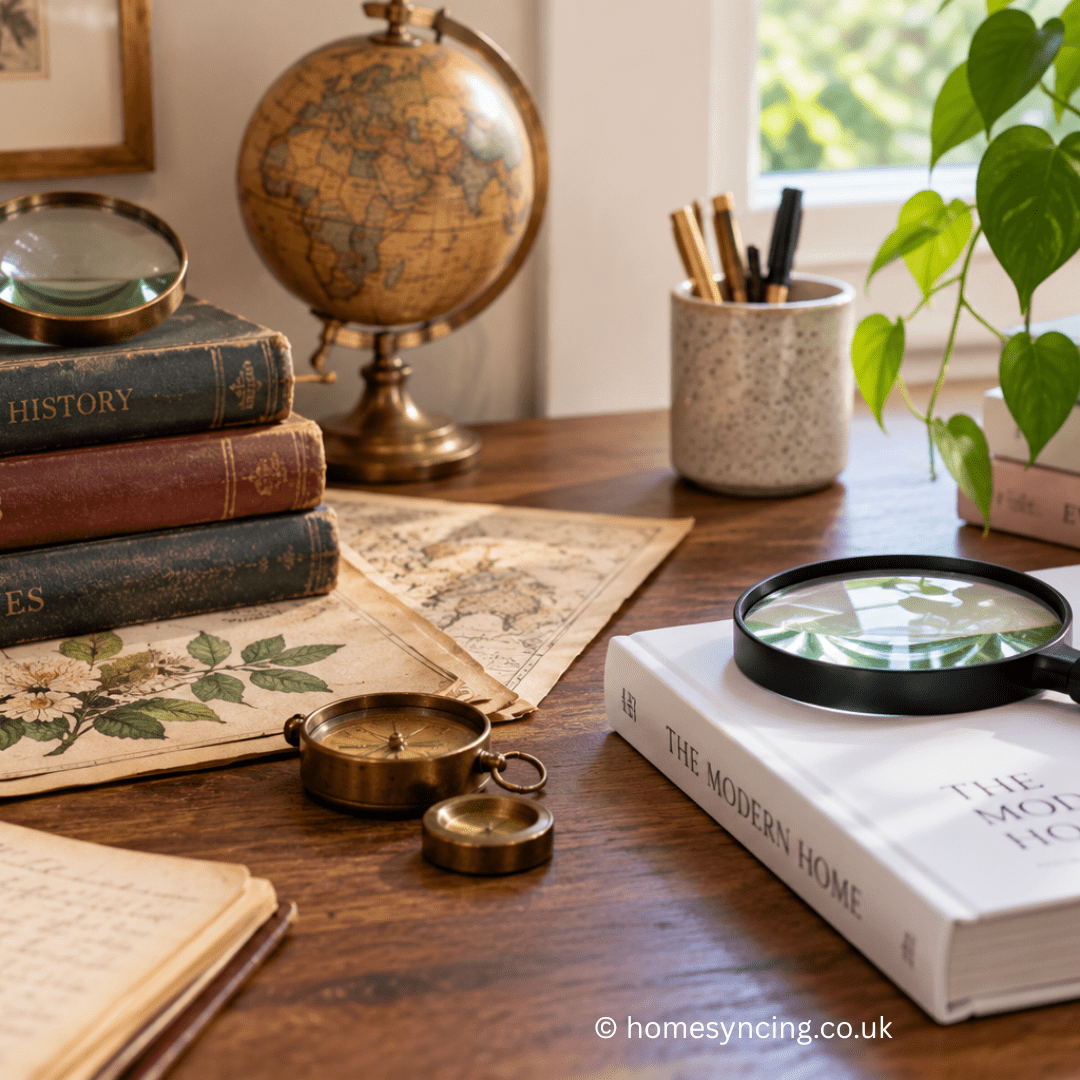
The Magnifying Glass: Then and Now

Few tools have captured human imagination quite like the magnifying glass. This simple yet ingenious device has helped us peer into worlds both microscopic and mysterious, transforming how we examine everything from ancient manuscripts to forensic evidence. Join us as we explore the fascinating journey of this remarkable optical instrument that continues to serve countless purposes across diverse fields.

The magnifying glass represents far more than a simple lens—it’s a gateway to discovery. Whether you’re examining the intricate details of a Victorian stamp, investigating the delicate structure of a flower petal, or helping a child marvel at the world of insects, this versatile tool opens up realms of wonder that remain invisible to the naked eye.

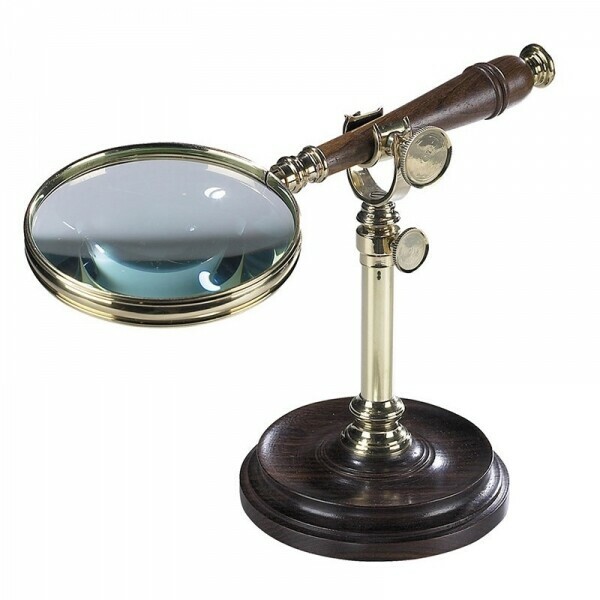
Magnifying Glass On Stand.

What Is a Magnifying Glass?

A magnifying glass is an optical instrument consisting of a convex lens mounted in a frame, typically with a handle for easy manipulation. The convex lens—thicker at its centre than at its edges—bends light rays to create an enlarged image of objects placed within its focal length.

The magic lies in the physics of refraction. When light passes through the curved lens, it converges towards a focal point, creating a virtual image that appears larger than the original object. The degree of magnification depends on the lens’s curvature and the distance between the object and the lens. Most standard magnifying glasses offer magnifications between 2x and 10x, though specialised versions can achieve much higher levels.

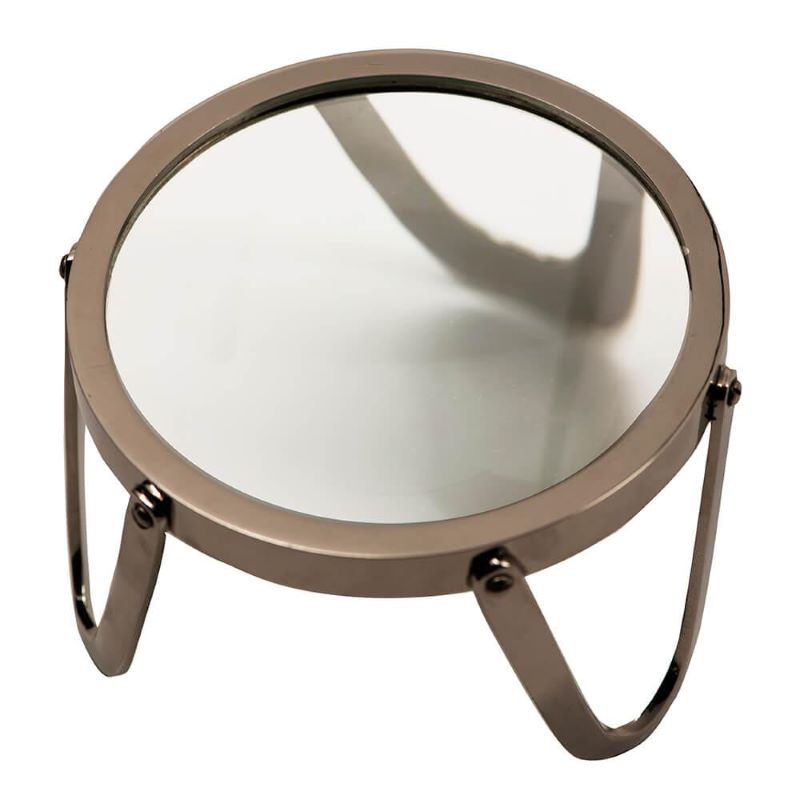
Modern magnifying glasses come in various configurations. Handheld models remain the most common, featuring a single lens with a comfortable grip. Desktop versions include adjustable arms and LED lighting for extended use. Specialised variants incorporate multiple lenses, measurement scales, or electronic components for specific applications.

Desk Magnifying Glass

Discovering the Many Uses of Magnifying Glasses

The applications for magnifying glasses span an impressive range of fields and activities. Each use demonstrates the tool’s remarkable versatility and enduring relevance in our technology-driven world.

Scientific and Medical Applications

Research laboratories rely heavily on magnifying glasses for preliminary examinations before moving to more sophisticated equipment. Biologists use them to study plant structures, insect anatomy, and mineral formations. Medical professionals employ magnifying glasses for dermatological examinations, wound assessment, and surgical procedures requiring enhanced visual precision.

Forensic investigators turn to magnifying glasses when examining evidence at crime scenes. Fingerprint analysis, document examination, and trace evidence collection all benefit from magnification. The tool’s portability makes it invaluable for fieldwork where larger microscopes prove impractical.

Arts and Crafts

Artists and craftspeople have embraced magnifying glasses as essential tools for detailed work. Jewellers rely on them for setting stones, engraving designs, and quality control. Watch repairers find them indispensable for working with tiny mechanical components. Textile artists use magnification when creating intricate embroidery, cross-stitch patterns, and detailed fabric work.

Model builders and hobbyists appreciate the enhanced visibility magnifying glasses provide when working with miniature components. From assembling model aeroplanes to painting figurines, these tools enable precision that would be impossible otherwise.

Reading and Education

Perhaps the most widespread application involves reading assistance. People with visual impairments use magnifying glasses to read books, newspapers, and documents. Students studying maps, diagrams, or detailed illustrations benefit from the enhanced clarity magnification provides.

Teachers frequently use magnifying glasses in science lessons, encouraging students to examine leaves, rocks, and insects. This hands-on approach to learning fosters curiosity and scientific thinking whilst making abstract concepts tangible and exciting.

Professional and Technical Fields

Electronics technicians use magnifying glasses when soldering circuit boards, identifying component markings, and troubleshooting minute connections. The precision required in modern electronics makes magnification not just helpful but essential for quality work.

Stamp and coin collectors depend on magnifying glasses to assess condition, identify varieties, and detect forgeries. The value of collectibles often hinges on details invisible to the naked eye, making magnification crucial for accurate evaluation.

Tracing the Rich History of the Magnifying Glass

The story of the magnifying glass begins in the mists of antiquity, intertwining with humanity’s quest to understand and manipulate light itself.

Ancient Foundations

Archaeological evidence suggests that humans have experimented with magnification for over 2,000 years. The ancient Assyrians crafted rock crystal lenses around 700 BCE, though their exact purpose remains debated among historians. Roman writers, including Pliny the Elder, documented the use of glass spheres filled with water to magnify text—an early precursor to the modern magnifying glass.

The Roman emperor Nero reportedly used an emerald to help him see gladiatorial contests more clearly, though whether this served as magnification or simply sun protection remains uncertain. These early experiments laid the groundwork for future optical developments.

Medieval Breakthroughs

The true development of magnifying glasses accelerated during the medieval period. Islamic scholars made significant contributions to optical science during the 9th and 10th centuries. The Persian mathematician Ibn Sahl described the law of refraction in 984 CE, whilst the Arab scientist Ibn al-Haytham (known in the West as Alhazen) revolutionised the understanding of optics through his comprehensive studies of light and vision.

European monasteries became centres of lens development during the 13th century. Monks, copying manuscripts by candlelight, desperately needed tools to ease eye strain and improve accuracy. The invention of reading stones—polished crystal or glass segments—marked a crucial step towards the modern magnifying glass.

Renaissance Innovation

The Renaissance period witnessed remarkable advances in lens technology. Italian glassmakers in Venice and Florence developed superior manufacturing techniques, producing clearer and more precisely shaped lenses. The combination of improved materials and better understanding of optics led to more effective magnifying glasses.

Roger Bacon, the English philosopher and scientist, wrote extensively about the properties of lenses in the 13th century. His work “Opus Majus” described how properly shaped glass could magnify objects, providing theoretical foundations for practical applications. These scholarly contributions helped transform magnifying glasses from curious novelties into scientific instruments.

Scientific Revolution

The Scientific Revolution of the 16th and 17th centuries elevated the magnifying glass to new prominence. Scientists like Antonie van Leeuwenhoek used simple magnifying glasses to make groundbreaking discoveries in microbiology. His observations of bacteria, sperm cells, and other microscopic life forms revolutionised biological science.

The development of compound microscopes built upon magnifying glass principles, though simple magnifiers remained valuable for their portability and ease of use. The Royal Society of London, founded in 1660, encouraged the use of optical instruments in scientific research, further promoting the magnifying glass as an essential tool.

Industrial and Modern Era

The Industrial Revolution brought mass production techniques to lens manufacturing. Improved glass quality and precision grinding made magnifying glasses more affordable and widely available. The 19th century saw the development of specialised versions for specific trades and professions.

The 20th century introduced synthetic materials, coated lenses, and LED lighting systems. These innovations enhanced performance whilst reducing weight and improving durability. Modern magnifying glasses incorporate ergonomic designs and electronic features that would have seemed magical to earlier users.

Exploring New Worlds Through Magnification

The magnifying glass continues to evolve, adapting to contemporary needs whilst maintaining its fundamental simplicity. Digital magnifiers now compete with traditional optical versions, offering zoom capabilities and image capture functions. However, the classic handheld magnifying glass retains its appeal due to its reliability, affordability, and ease of use.

Consider adding a quality magnifying glass to your toolkit, whether for professional use, educational exploration, or personal hobbies. From examining the intricate patterns of butterfly wings to reading the fine print on important documents, this versatile instrument opens doors to discoveries waiting just beyond normal vision.

The magnifying glass stands as a testament to human ingenuity—a simple tool that has expanded our perception of the world for centuries and continues to serve new generations of explorers, scientists, and curious minds.

Follow Us on Instagram for Daily Inspiration 💙

The Outdoor Dome

Calling all Pubs, Restaurants & Hotels – Are you looking to extend the use of your commercial outdoor space? We have a solution.🙃

Imagine stepping into your garden and finding a tranquil, luxurious retreat waiting just for you. A space that blends seamlessly with nature while offering shelter, comfort and a touch of modern elegance. This isn’t a dream—it’s the reality you can create with an Outdoor Dome Building. Designed to provide the ultimate outdoor living experience, this stunning structure is crafted with precision and packed with features that will inspire you to reimagine your garden.

Whether you envisage a quiet reading nook, a vibrant social hub, or a magical dining spot under the stars, the dome offers a versatile and beautiful solution. Let’s explore how this unique structure can transform your outdoor space and extend its use throughout the year.

Discover the Outdoor Dome Building

A garden dome is more than just a shelter; it’s a statement piece. With its sleek, contemporary design, it complements any landscape, from a rustic country garden to a modern urban patio. The geodesic structure is not only visually striking but also incredibly strong, providing a panoramic 360-degree view of your surroundings. It’s a space where you can feel connected to the outdoors without being exposed to the elements.

The spacious interior offers a blank canvas for your creativity. You can furnish it to become a peaceful yoga studio, a productive home office, a children’s play area, or an elegant dining room. The possibilities are limited only by your imagination.

Built to Last, Designed to Impress

When you invest in an outdoor structure, you want it to be durable. The Outdoor Dome Building is built to last, with a robust, weather-resistant frame engineered to withstand the elements for years of enjoyment. But the true star is the high-quality material used for the cover.

This advanced material is:

  • Exceptionally Tough: With excellent impact strength and heat resistance, it can handle whatever the British weather throws at it.
  • Safe and Reliable: It is non-toxic and flame retardant, giving you peace of mind.
  • Crystal Clear: The dome boasts high transparency with up to 90% light transmission, flooding the interior with natural light and offering unobstructed views.
  • UV Protective: An anti-ultraviolet and anti-ageing surface layer is co-extruded onto the material. This feature is crucial for protecting you and your furnishings from harmful UV rays. It’s so effective that it’s ideal for shielding valuable artworks and exhibits from sun damage.

A Perfect Addition to Commercial Spaces

The appeal of the garden dome extends far beyond the residential garden. For businesses looking to maximize their outdoor areas, these domes present a fantastic opportunity to create unique, profitable experiences.

Extend Your Seasons and Your Revenue

How many times has an unexpected downpour cleared out your beer garden or hotel terrace? With a dome, you can extend the usable time of your outdoor commercial space, turning unpredictable seasons into reliable revenue streams. Shield your guests from wind, rain and cold while still allowing them to enjoy the beauty of the outdoors. This means your prime seating areas can be used year-round, not just on the sunniest days.

Pubs, restaurants, hotels and event venues can all benefit from creating sheltered dining and socialising areas. Imagine offering your customers a cosy spot to enjoy a meal or a drink, even on a crisp autumn evening.

Create a Magical Winter Wonderland

The festive period is a crucial time for the hospitality industry. A garden dome allows you to create your very own private Winter Wonderland. Picture a collection of “dining igloos” scattered across a terrace, each one sparkling with fairy lights. These enchanting spaces are perfect for Christmas parties, festive meals, and romantic winter dinners.

Each igloo can be heated and is fully enclosed with clear panels to keep out the chill while letting in the magic of the season. With room for up to 10 guests, you can offer an exclusive and memorable dining experience that will have customers booking weeks in advance. It’s a unique attraction that sets your venue apart from the competition.

Versatility for Every Occasion

The true beauty of the Outdoor Dome Building lies in its versatility. It can be adapted to suit any lifestyle or business need, offering a unique setting for a wide range of activities.

Consider these uses:

  • For Campsites and Holiday Parks: Offer a unique glamping experience or a sheltered communal area for guests.
  • For restaurants and pubs: Make use of that outdoor space and book out premium private tables in domes, for your guests.
  • For Festivals and Events: Create VIP lounges, pop-up bars, or merchandise stalls that stand out from the crowd.
  • For Your Home: Design a private retreat for relaxation, a vibrant space for garden parties, a greenhouse for your plants, or a sheltered play area for your children.

The customisable nature of the dome means you can tailor it to your exact needs, creating a space that is both functional and inspiring. But, be careful. You will find domes with PVC panels or poor frames will not withstand stormy weather, or simply be uncomfortable or even scary for your guests! You don’t want that, do you? Our domes have strong frames and toughened glass panelling which are even bullet proof!

Ready to Transform Your Outdoor Space?

With its exceptional design, durable construction, and versatile use, the Outdoor Dome Building is the perfect addition to any outdoor space. It’s an investment in your home or business that delivers style, functionality, and a touch of magic.

Stop letting the weather dictate how you use your garden or commercial terrace. Embrace the outdoors all year round in comfort and style.

Take a look at our business services here 🙃

Contact us today for a quote and unlock the full potential of your outdoor space.

Daily Inspiration: Follow Us on Instagram, BlueSky, Threads , Pinterest, Twitter, TikTok


How to Create a Stunning Conservatory Living Space

A conservatory occupies a rather special place in a home.

Neither entirely indoors nor out, it sits between house and garden, changing character with the weather and the seasons. On a bright spring morning it can be filled with light; in autumn, it becomes a place from which to watch leaves turn without stepping into the rain.

Yet conservatories aren’t always easy rooms to get right.

Too often they become home to furniture that doesn’t quite belong elsewhere, an abundance of plants and, eventually, the inevitable collection of things waiting to be put away.

Creating a stunning conservatory living space begins by thinking of it not as an addition to the house, but as a proper room in its own right.

It needs comfortable furniture, thoughtful lighting and practical flooring just like any sitting room. What makes it different – and rather wonderful – is its relationship with the garden.

Here’s how to make the most of it.

Begin with How You Want to Use Your Conservatory

Before choosing furniture, decide what you actually want the room to do.

Will it be somewhere to read in the morning? An informal sitting room? A dining space overlooking the garden? Somewhere for coffee, conversation and the occasional afternoon sleep?

Larger conservatories may accommodate several purposes, but smaller spaces generally benefit from having one clear role.

A conservatory used mainly for relaxing might need little more than a comfortable sofa, an armchair, a coffee table and good lighting.

A dining conservatory requires enough room to pull chairs out comfortably and move around the table.

If the room needs to do both, resist filling every corner. A smaller dining table and a pair of generous chairs may be more successful than squeezing in a complete sitting-room arrangement as well.

Good conservatory interior design starts with function rather than furniture.

Let the Garden Be Part of the Decoration

One of the great pleasures of a conservatory is that the view changes without you having to redecorate.

Spring blossom gives way to summer foliage, autumn colour and the bare architectural shapes of winter.

Allow that changing landscape to do some of the work.

Arrange furniture so that at least some seats look towards the garden rather than placing everything around a television. Keep tall pieces of furniture away from important sightlines and avoid covering every glazed surface unnecessarily.

If the conservatory opens directly onto a terrace or garden, consider the relationship between the two spaces.

Repeating a material, colour or planting style on either side of the glass can create a gentle connection between indoors and out.

It doesn’t need to match.

It simply needs to feel as though the two spaces know one another.

Choose Conservatory Furniture with Proper Comfort

The old image of conservatory furniture often involves matching wicker chairs with rather upright cushions.

There is no reason to be restricted by it.

If your conservatory is used as a living room, furnish it with the same attention to comfort that you would give the rest of the house.

A beautifully proportioned sofa can immediately make the room feel more permanent and considered. Add an armchair if space permits, perhaps angled towards the garden rather than lined up obediently against the wall.

In a compact conservatory, furniture with slimmer arms and raised legs can preserve a greater sense of space.

Modular furniture can be useful in larger rooms, particularly if you occasionally rearrange the conservatory for entertaining.

Rattan and woven furniture still have a place, but contemporary designs tend to work best when used selectively rather than as a complete matching suite.

A woven armchair beside an upholstered sofa, for example, brings texture without making the room feel like garden furniture has simply been brought indoors.

Measure Before You Buy

Conservatories can be deceptive.

All that glass creates a feeling of openness, but the usable wall space may be surprisingly limited.

Measure the room carefully before ordering furniture, taking account of doors, radiators, opening windows and routes into the garden.

Then mark out the proposed furniture on the floor using low-tack masking tape.

Walk around it.

Can the garden doors still open fully? Can someone cross the room without weaving between the coffee table and sofa? Can dining chairs be pulled out comfortably?

Pay particular attention to circulation between the house and garden.

If everyone walks through the conservatory to reach the terrace, that route should remain generous and obvious.

The most successful rooms feel effortless to move through.

Think Carefully About Sunlight

Natural light is a conservatory’s greatest asset, but it can also be one of its challenges.

Strong sunlight can cause some upholstery, timber, artwork and rugs to fade over time. It can also make the room uncomfortable during particularly bright periods.

Before investing in furnishings, observe how sunlight travels through the conservatory during the day.

A sofa sitting in intense afternoon sun may need a more fade-resistant upholstery than a chair in a shaded corner.

Blinds can help manage glare and heat while still allowing the room to retain its light-filled character. Depending on the architecture, roof blinds may also be worth considering.

Avoid placing valuable paintings, photographs and delicate textiles where they will receive prolonged direct sunlight.

A conservatory rewards materials that can tolerate a little exposure to real life.

Choose a Colour Palette from Nature

When deciding on conservatory colour ideas, the garden is an obvious place to begin.

Soft olive, sage and forest greens sit naturally beside foliage. Warm cream and oatmeal provide a calm background, while rust, terracotta, ochre and tobacco can introduce warmth.

You needn’t limit yourself to pale colours simply because the room contains lots of glass.

A darker green chair, richly coloured cushion or painted piece of furniture can give the room greater depth and stop it feeling washed out on a bright day.

Botanical patterns can work beautifully too, particularly on cushions or an occasional chair.

The important thing is restraint.

When there is already a garden visible through almost every window, a room doesn’t need to be covered in leaves to establish its connection with nature.

Mix Natural Materials

Conservatories respond particularly well to materials with visible texture and character.

Timber, stone, linen, wool, woven fibres and ceramics all sit comfortably beside garden views.

Try combining rather than matching them.

An oak coffee table might sit on a woven rug beside an upholstered sofa, with a stone-topped side table and one woven chair completing the arrangement.

This mixture helps prevent the room from feeling like a furniture set.

Natural materials also tend to improve visually with age. Timber develops marks and variations in tone; linen relaxes; stone acquires subtle signs of use.

A room close to the garden rarely needs to feel pristine.

A little patina belongs there.

Choose the Right Flooring for a Conservatory

Conservatory flooring needs to be attractive, but it also has a practical job.

People may walk directly into the room from the garden, bringing damp shoes and the occasional trace of mud with them. Temperatures can fluctuate more than they do elsewhere in the house.

Stone and porcelain tiles are popular for good reason. They are durable, relatively straightforward to maintain and can provide a natural visual link with a terrace outside.

Timber or timber-effect flooring can bring warmth, although suitability will depend on the particular product and the conditions within the conservatory.

Whatever material you choose, check that the manufacturer recommends it for the environment in which it will be installed.

If you’re considering underfloor heating, make sure both the flooring and heating system are compatible.

Practical decisions made at this stage can make the conservatory considerably more enjoyable later.

Use a Rug to Make It Feel Like a Living Room

One of the simplest ways to make a conservatory feel less like a glazed extension and more like a genuine living space is to introduce a rug.

A large rug beneath the principal seating arrangement creates an immediate sense of enclosure and softness.

It can also help with acoustics.

Rooms containing large areas of glass and hard flooring can sometimes sound rather echoing; textiles absorb some of that sound and make the space feel more intimate.

Choose the material carefully.

Strong sunlight can fade some colours and fibres, while a conservatory frequently accessed from the garden may require something relatively forgiving.

A softly textured neutral rug can work beautifully, particularly when richer colour is introduced elsewhere.

Don’t Fill the Conservatory with Plants

It sounds almost contrary to the spirit of the room, but a conservatory doesn’t necessarily need dozens of houseplants.

The garden is already providing greenery.

Instead, choose a handful of plants with strong shapes and give them room to be noticed.

A small tree in a substantial pot can look magnificent beside glazed doors. A trailing plant might soften a shelf, while a group of herbs can be both attractive and useful in a sunny position.

Always choose plants according to the actual conditions.

A conservatory can experience strong sunlight and considerable changes in temperature, and not every houseplant will appreciate them.

Plants should make the room feel connected to the garden, not turn it into a greenhouse.

Layer the Lighting

During the day, a conservatory may need very little artificial light.

After sunset, everything changes.

Once the garden disappears into darkness, a poorly lit conservatory can suddenly feel exposed and rather cold.

This is where conservatory lighting ideas become important.

Instead of relying on one bright central fitting, build several layers of softer light.

A floor lamp beside an armchair creates somewhere comfortable to read. A table lamp can illuminate a darker corner, while carefully chosen wall lights may provide a gentle background glow.

If the architecture allows for a pendant, keep its scale in proportion with the room and make sure it doesn’t compete unnecessarily with the roof structure.

Lighting the garden immediately beyond the conservatory can also help. A softly illuminated tree or planted border extends the view after dark rather than turning the windows into black mirrors.

Outdoor lighting should be subtle.

The objective is to reveal the garden, not floodlight it.

Make the Room Comfortable in Every Season

A conservatory that is beautiful for three months and abandoned for the other nine isn’t fulfilling its potential.

Temperature control needs to be considered from the outset.

Depending on the conservatory’s construction, orientation and age, this might involve appropriate glazing, ventilation, blinds, heating or other improvements.

Older conservatories vary enormously, so if yours becomes exceptionally hot in summer or very cold in winter, it may be worth seeking professional advice before spending heavily on decoration.

Textiles can then add another layer of comfort.

Throws are useful on cooler evenings, while curtains or blinds can soften both light and acoustics where appropriate.

The goal is to make the room somewhere you naturally choose to spend time, rather than somewhere you use only when the weather happens to cooperate.

Keep Storage Quiet and Useful

A conservatory often attracts clutter because it sits between house and garden.

Gardening gloves arrive. Children’s toys migrate in. Books accumulate. Throws need somewhere to live.

Plan for this rather than pretending it won’t happen.

A sideboard can provide useful concealed storage while offering a surface for a lamp or vase. A coffee table with drawers or a shelf can hide smaller items, while a good-looking basket is useful for blankets.

Built-in window seating with storage beneath can work particularly well in compact conservatories, provided it suits the architecture.

The key word is concealed.

A room surrounded by glass has fewer places for visual clutter to hide.

Add Curtains and Blinds with Care

Window treatments can make a conservatory more comfortable, but they should enhance rather than obscure its defining feature: light.

Simple blinds can provide shade and privacy when required without dominating the architecture.

If curtains suit the style of the room, consider using them sparingly on the sections adjoining the main house or larger sets of doors rather than attempting to dress every pane of glass.

Soft linen-look fabrics can introduce movement and texture, particularly when combined with painted timber and natural flooring.

Before specifying anything, however, consider practical matters such as heat, moisture and the way doors and windows open.

Beautiful curtains are less appealing when they prevent the garden door from functioning properly.

Give the Room a Focal Point

Traditional sitting rooms often have an obvious focal point: a fireplace, a large window or perhaps a piece of art.

A conservatory can feel less grounded because its walls are predominantly glass.

Create a focal point through the furniture.

It might be a generous sofa facing the garden, a substantial coffee table, a beautiful armchair or a dining table positioned beneath the highest part of the roof.

A large ceramic vessel containing seasonal branches can provide height without requiring permanent decoration.

The garden itself may provide the best focal point of all.

If there is an old tree, beautiful border or distant view outside, arrange the room to acknowledge it.

Connect the Conservatory to the Rest of the House

A conservatory shouldn’t feel as though you have stepped into somebody else’s home.

Look at the rooms adjoining it.

If the kitchen contains oak cabinetry, perhaps timber can appear again in the conservatory. If the sitting room uses olive green, repeat the colour subtly in a cushion or chair. If aged brass appears throughout the house, use it again in a lamp.

These small repetitions establish continuity.

Avoid suddenly adopting an entirely different decorating style simply because the room has a glass roof.

The best modern conservatory interiors feel like a natural continuation of the home while remaining distinctly connected to the garden.

Allow the Room to Change with the Seasons

One of the pleasures of living close to a garden is noticing the year turn.

Let the conservatory change with it.

In spring, bring in blossom or bulbs. In summer, simplify the room and allow doors to remain open when the weather permits. Autumn might bring a woollen throw, richly coloured cushions and branches of turning leaves.

In winter, lamps become more important, as do texture and warmth.

These needn’t be wholesale decorating changes.

Moving a blanket from one room to another or replacing summer flowers with bare winter branches may be enough.

A conservatory should feel alive to the landscape around it.

What to Avoid When Decorating a Conservatory

Perhaps the easiest way to create a stylish conservatory is to resist doing too much.

Avoid filling every corner simply because there is room for another plant or side table.

Be wary of complete matching furniture suites. Too much wicker can quickly make a conservatory feel dated, while an abundance of botanical accessories can compete with the real garden outside.

Likewise, don’t assume everything needs to be pale.

A little contrast gives a light-filled room definition.

Most importantly, don’t furnish the conservatory as an afterthought.

It may have more glass than the rest of the house, but it deserves furniture and materials chosen with exactly the same care.

A Room Between House and Garden

A successful conservatory living space should make you want to linger.

It might become the place where you drink the first cup of tea in the morning, read on a rainy afternoon or sit with friends while the garden slowly disappears into evening.

Its beauty doesn’t need to come from elaborate decoration.

It comes from the particular things only a conservatory can offer: changing daylight, views of the garden, the sound of rain overhead and the feeling of being sheltered while still connected to what is happening outside.

Choose comfortable furniture. Leave room around it. Use materials that sit naturally beside the garden and lighting that makes the space inviting after sunset.

Then allow the seasons to do the rest.

A conservatory doesn’t need to compete with the view beyond its windows.

At its best, it simply gives you a beautiful place from which to enjoy it.

Further Reading: Make an Entrance: Your Guide to a Statement Hallway, Clever Ways to Use Mirrors in Your Home, How to Restyle Your Home Like an Interior Designer, Your Home Should Be Your Sanctuary

Follow Us on Instagram for Daily Inspiration 💙

Make an Entrance: Your Guide to a Statement Hallway

Often overlooked, the hallway is much more than just a path from one room to another. It’s the first impression your home makes, a welcoming space that sets the tone for everything that follows. Now, this transitional space is stepping into the spotlight, emerging as the design playground of choice for homeowners and interior enthusiasts alike.

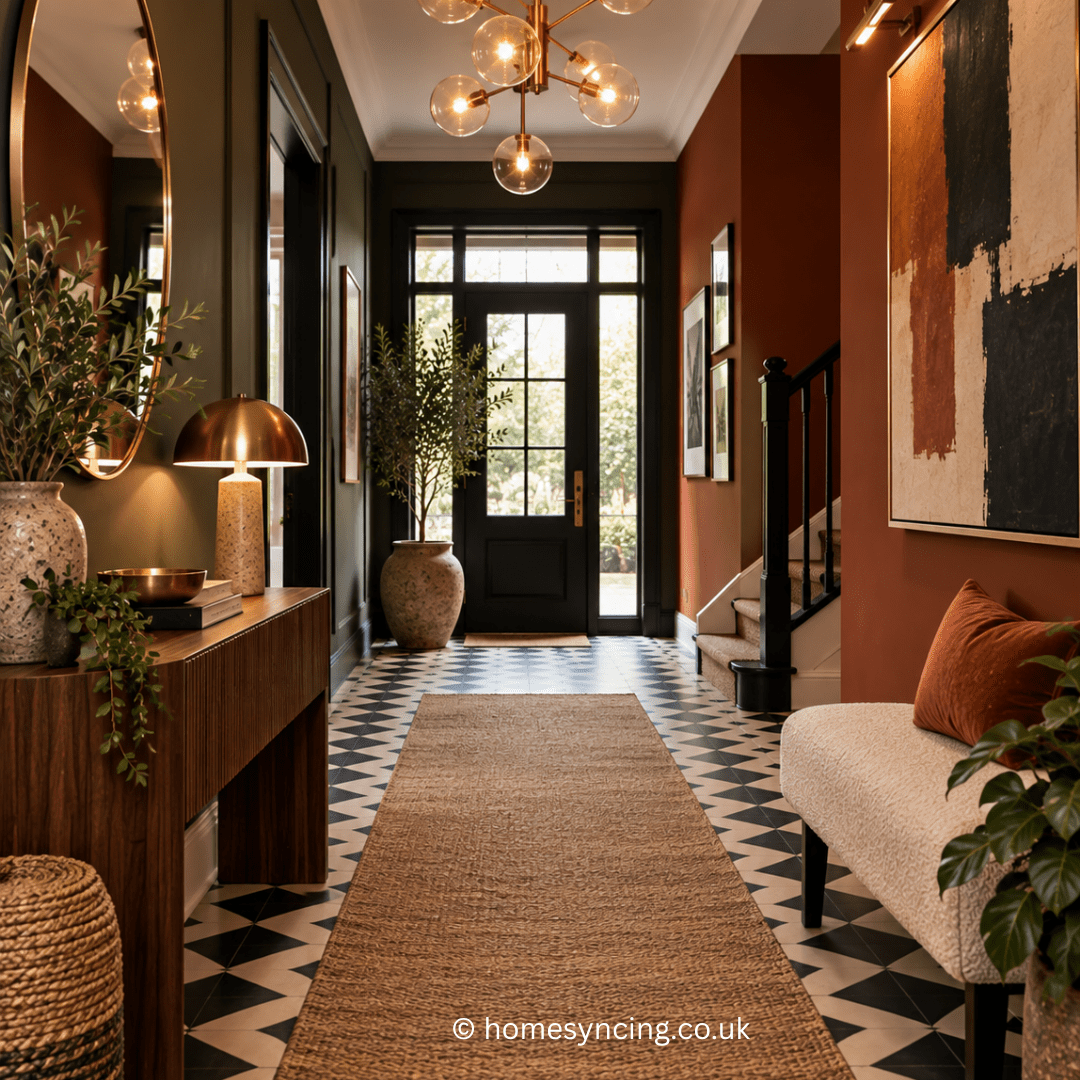
Because a hallway is rarely a space to linger, it offers a unique opportunity to be bold. It’s the perfect canvas to test vibrant colours, striking patterned runners, epic feature lights, and elaborately tiled floors that might feel overwhelming in rooms where you spend more time.

Ready to transform your entryway from a simple corridor into a stunning statement? Discover how you can unleash your creativity and give your hallway the grand entrance it deserves.

Why Your Hallway Deserves the Spotlight

Think of your hallway as the opening chapter of your home’s story. It’s the first thing guests see and the space that welcomes you home each day. A well-designed hallway can instantly lift the mood, introduce your personal style, and create a seamless flow into the rest of your home. It’s a chance to experiment with design ideas you might shy away from in a living room or bedroom, making it a low-risk, high-reward project.

Embrace Bold Colours

One of the quickest and most effective ways to make a statement is with colour. Since hallways are often smaller spaces with limited natural light, many people default to neutral shades. But this is exactly why you should consider going bold.

Go Dark and Dramatic

Don’t be afraid of dark hues. Deep blues, rich greens, or even a sophisticated charcoal can create a cosy, cocooning effect that feels incredibly chic. These dramatic colours can make a narrow space feel more intimate and distinguished. When paired with good lighting and reflective surfaces like mirrors, a dark hallway can feel anything but small.

Play with Bright Hues

If dark and moody isn’t your style, why not go for something bright and cheerful? A splash of sunny yellow, a vibrant teal, or a playful coral can inject energy and personality into your entrance. You could paint the entire hallway for a full-impact look, or create a feature wall to draw the eye as you enter.

The Fifth Wall: Your Ceiling

Don’t forget to look up! Painting the ceiling—often called the “fifth wall”—is a fantastic way to add an unexpected pop of colour and character. A contrasting ceiling colour can make the space feel taller and adds a layer of design sophistication.

Lay the Groundwork with Flooring

Your hallway floor has to be practical, but that doesn’t mean it has to be boring. Flooring is a brilliant opportunity to introduce pattern, texture, and style right from the front door.

Patterned Tiles for Timeless Appeal

Victorian-style geometric tiles are a classic choice for a reason. They are durable, easy to clean, and add instant character and charm. Whether you opt for a traditional monochrome design or something more colourful, patterned tiles create a stunning focal point and a hard-wearing surface perfect for a high-traffic area.

The Power of a Runner

If new flooring isn’t an option, a runner is the perfect solution. It adds warmth, colour, and pattern while protecting the floor underneath. Choose a bold, graphic print to make a modern statement, or a traditional Persian-style rug for a touch of timeless elegance. A striped runner can also be a clever trick to make a narrow hallway appear longer.

Let There Be Light

Lighting is crucial in any room, but it’s especially important in a hallway, which can often lack natural light. The right lighting can transform the space from a dark passageway into a bright and inviting entrance.

Choose an Epic Feature Light

Make a dramatic statement with a show-stopping ceiling light. A large, sculptural pendant or a dazzling chandelier can become the centrepiece of your hallway, drawing the eye upwards and adding a touch of glamour. Consider the scale of your space; a high ceiling can handle a larger, more elaborate fitting, while a lower ceiling might suit a stylish semi-flush mount light.

Layer Your Lighting

Don’t rely on just one overhead light. Layering your lighting creates depth and ambience. Wall sconces can add a soft, welcoming glow and highlight artwork, while a slim console table with a stylish lamp can create a warm, inviting focal point.

Furnish for Function and Flair

Even the narrowest of hallways can accommodate some well-chosen furniture. The key is to select pieces that are both beautiful and functional.

The Versatile Console Table

A slimline console table is a hallway hero. It provides a surface for keys, mail, and a decorative lamp or vase of flowers, without taking up too much floor space. Look for designs with drawers or a lower shelf for extra storage to keep clutter at bay.

Smart Seating Solutions

If you have the space, a bench can be a practical and stylish addition. It offers a place to sit while putting on or taking off shoes and can provide hidden storage for footwear, bags, and other outdoor essentials.

The Magic of Mirrors

A mirror is a must-have for any hallway. It will bounce light around, making the space feel brighter and larger, and it’s perfect for that last-minute check before you head out the door. Choose a large, ornate mirror to create a grand statement, or group several smaller mirrors together for a more eclectic look.

Your Hallway, Your Statement

Your hallway is the perfect place to let your personality shine. It’s a space where you can be daring with your design choices and create an entrance that truly reflects your style. By embracing bold colours, interesting patterns, and statement lighting, you can transform a functional corridor into a beautiful and memorable part of your home.

Discover our full range of paints, lighting, and home accessories to start creating your own statement hallway today.

Further Reading: Clever Ways to Use Mirrors in Your Home, How to Restyle Your Home Like an Interior Designer, Your Home Should Be Your Sanctuary

Follow Us on Instagram for Daily Offers and Inspiration 💙

Translate »