Home Décor Mistakes That Look Cheap

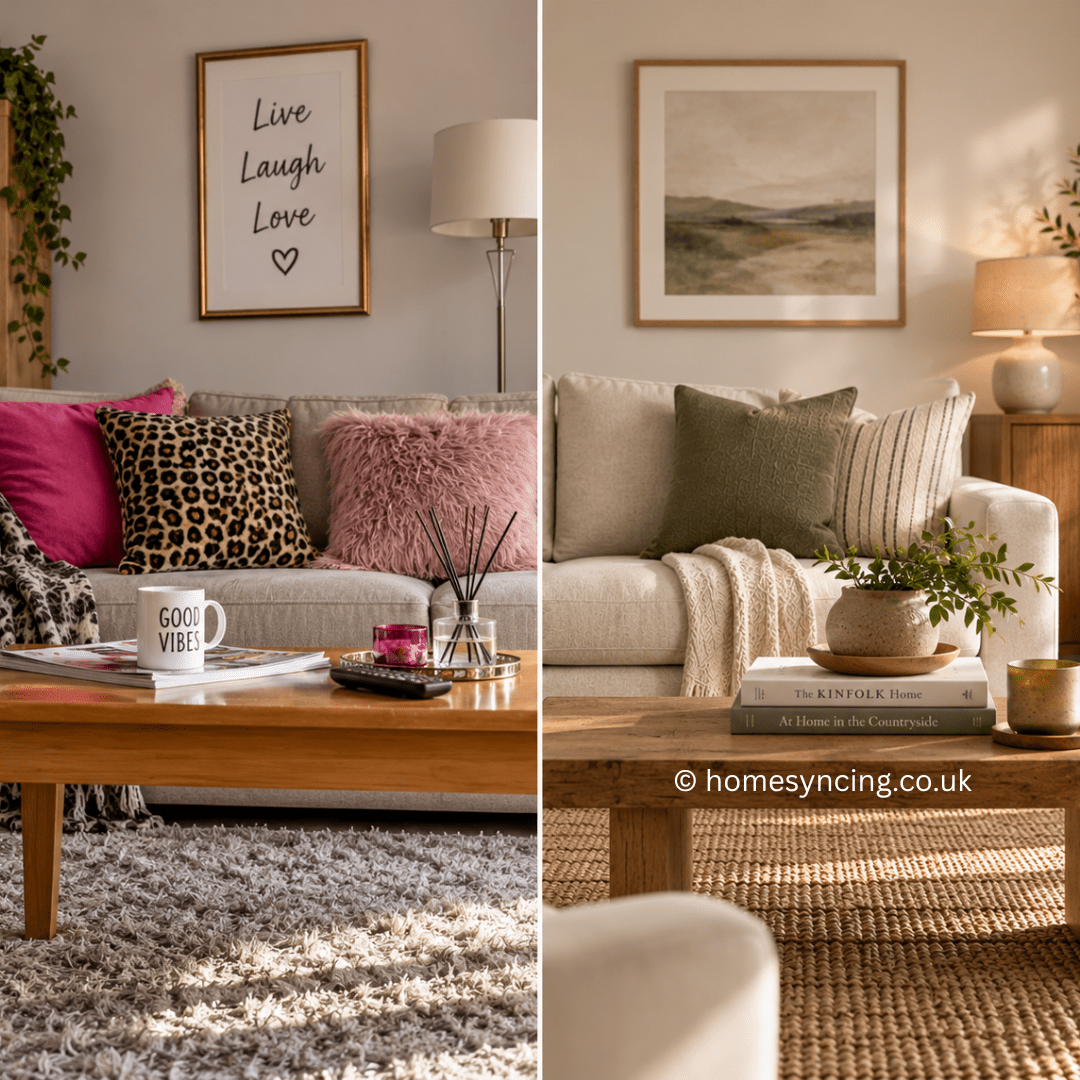
When it comes to designing our homes, we all want it to look stylish, chic and expensive. However, this can be difficult to achieve when you are decorating on a budget. But, don’t worry, here are eight things that are making your home look cheap and how to fix it on a budget.

A house is made of brick and mortar.  But a home is Made by the people who live there.  M K Soni

Lack of Lighting – One common mistake that homeowners make is not having enough lighting in their home. A poorly lit room can look dull and uninviting. However, you don’t have to spend a lot of money on fancy lighting fixtures to solve this problem. You can simply add more lamps or even some fairy lights to brighten up the room.

Misaligned Curtains – The way you hang your curtains can affect the overall look of the room. If your curtains are too short or too long, they can make your room look drab and cheap. A quick fix would be to hang your curtains high and wide to create the illusion of a bigger window.

Cluttered Surfaces – A cluttered surface can make a room look messy and disorganised. The solution is to have a designated spot for your things, like a shelf or a drawer. You can also use decorative boxes or trays to keep your items in place.

Cheap Bedding – Your bedding is one of the first things people notice when they enter your bedroom. If you have cheap-looking sheets and comforters, it can make your entire bedroom look cheap. Invest in quality bedding and choose something that fits your aesthetic.

Mismatched Furniture – Matching furniture can make your home look put together and sophisticated. But, if you can’t afford to buy a whole matching set, try mixing and matching pieces from different sets. Look for furniture that has similar colours or styles.

Boring Walls – Empty walls can make a room look unfinished and uninviting. Add some character to your walls by hanging art, mirrors or even shelves. You can also paint an accent wall to add some depth to the room.

Tiny Rugs – A small rug can make a room look cramped and unbalanced. If your rug is too small, it can look like an afterthought. Invest in a large rug that fits the room and anchors the furniture.

Lack of Greenery – Plants and flowers add life to your home and can make it feel more welcoming. If you don’t have a green thumb, start with easy-to-care-for plants like succulents or spider plants. You can also add some silk flowers to your home for a more long-term solution.

Home decorating can be difficult, especially when you’re on a budget. But, with a little creativity and some attention to detail, you can make your home look stylish and sophisticated.  So, go ahead and start transforming your home today!

Further Reading: Your Home Should Be Your Sanctuary, Transform Your Space with Rich Jewel Tones, Illuminate Your Space with Statement Lighting

Follow Us in Instagram for Daily Inspiration

Create your Own Perfect Bedroom Sleep Sanctuary

As we all know, sleep is extremely significant for our health and well-being. A good night’s sleep can help rejuvenate our body and mind and allow us to be productive throughout the day. However, creating an environment that is conducive to sleep can be a challenge for many of us. With so many distractions and stimuli around us, it can be hard to relax and unwind. Thankfully, by following a few simple interior design tips, you can create your very own perfect bedroom sleep sanctuary. Here are our top suggestions for creating a peaceful and blissful sleep space.

"Sleep is the golden chain that ties health and our bodies together." - Thomas Dekker

Invest in a good quality mattress and pillows

One of the most important factors for a good night’s sleep is a comfortable bed. Investing in a good quality mattress and pillows is important in order to have a comfortable and supportive sleep. Keep in mind that a mattress should be replaced about every eight years, and pillows every one to two years, depending on their quality and condition.

Soft and soothing colours

The colours you choose for your bedroom can have a huge impact on your mood and sense of relaxation. Opt for soft, neutral shades like pastels or muted greens and blues to create a calm and serene atmosphere. Bright colours like red or orange should be avoided as they can be too stimulating. You can add a touch of vibrancy to your room by including plants, artwork or decorative pillows in natural hues and colours.

Lighting is key

Lighting plays a crucial role in creating a sleep sanctuary. A good idea is to install dimmer switches or use lamps with low wattage bulbs to create a soft and relaxing ambiance in your bedroom. Blackout curtains can also be a great option to block out any light from the outside.

Keep it clutter-free

A cluttered bedroom can be distracting and stressful, making it difficult to unwind at the end of the day. To make your bedroom more serene, take time to declutter and keep things organized and neat. Store away any items that aren’t directly related to sleep including work projects and exercise equipment.

Choose comfortable bedding

Your bedding should be soft and made of natural materials, such as cotton or linen. They should be comfortable and provide a relaxing feeling. You should also choose bed coverings that are easily washable and warm enough for your climate. When choosing covers, designs that are simple or classic are recommended if you want to achieve a sleep-friendly appearance to your bedroom. Creating a perfect bedroom sleep sanctuary is about more than just a comfortable bed. It’s the ambiance of the room that makes a big difference, ensuring that it is a quiet, clean and serene environment that is conducive to sleep. By incorporating the above design elements, you’ll be able to create an oasis for yourself that promotes restorative sleep. It may take a bit of time and investment, but it’s worth it for the benefits of having a good night’s sleep.

Further Reading: Ignite your Inner Light with Chakra Meditation Candles, Explore the Benefits of Meditation

For Daily Inspiration Follow Us on Instagram

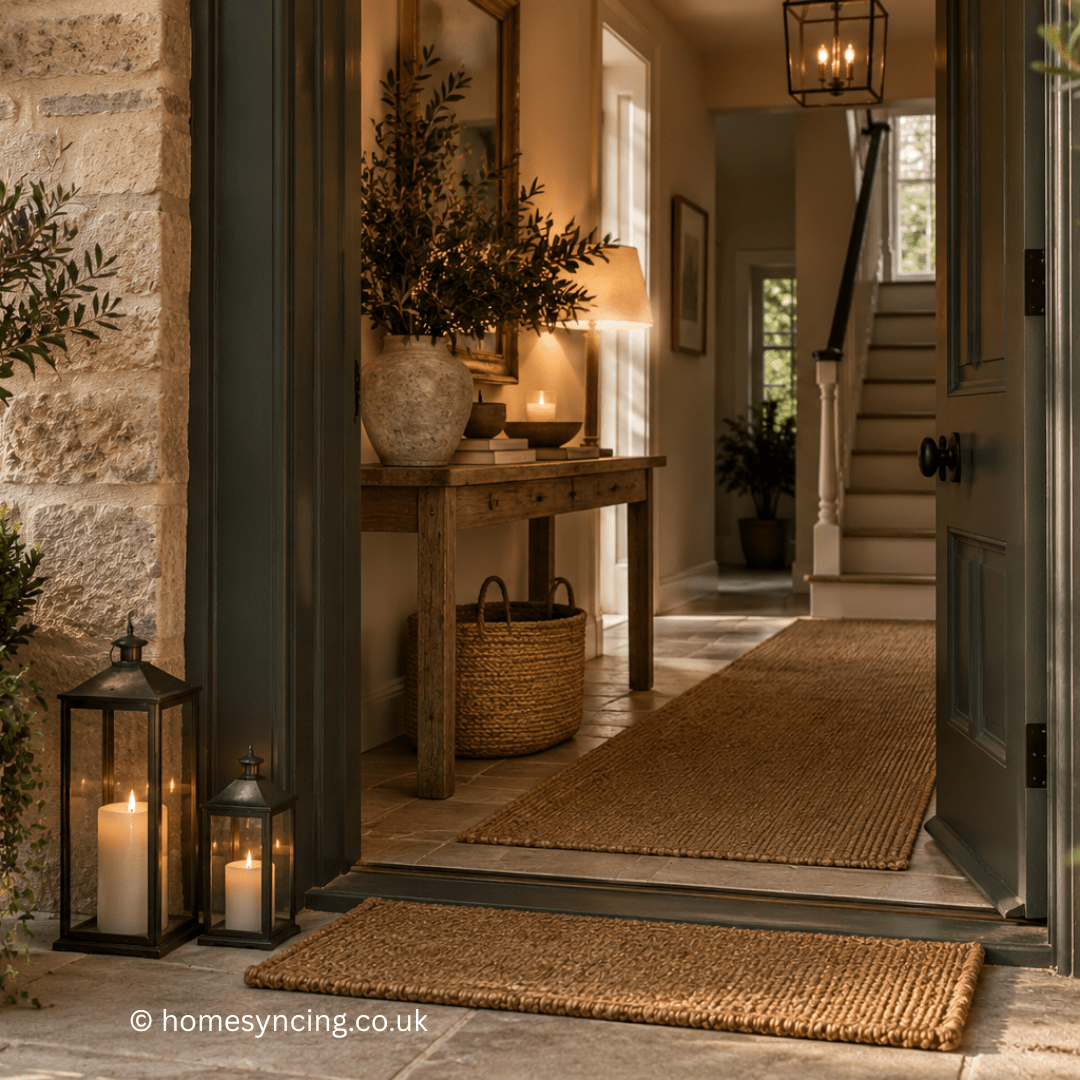
Creating an Inviting Entrance: Enhancing the First Impression of Your Home

Your entrance is far more than a doorway—it’s the first chapter of your home’s story. It offers visitors a glimpse of your style, sets expectations for what lies beyond and creates an immediate emotional response. Whether it’s a grand hallway, a compact porch or a simple front step, a thoughtfully designed entrance can make your home feel warm, welcoming and effortlessly organised.

The good news is that creating an inviting entrance doesn’t require a complete renovation. With careful planning, practical storage, thoughtful lighting and a few decorative touches, you can transform this often-overlooked space into one of the most impactful areas of your home.

Why Your Entrance Matters

First impressions are formed within seconds. The entrance to your home creates an immediate sense of comfort, elegance, personality or practicality. It’s also one of the hardest-working spaces in the house, coping with shoes, coats, bags, parcels, muddy paws and the daily comings and goings of family life.

A successful entrance should strike a balance between style and function. It needs to look inviting while providing practical solutions that help keep the rest of the home organised.

Prioritise Functionality First

Before selecting colours, furniture or accessories, consider how your entrance is used every day.

Ask yourself:

  • Do children regularly leave school bags and shoes by the door?
  • Do you need somewhere to store dog leads, umbrellas or sports equipment?
  • Is there enough space for guests to remove coats comfortably?
  • Could better organisation reduce clutter elsewhere in the home?

Designing around real-life habits creates a space that works beautifully as well as looking attractive.

Create Room to Move

A clutter-free entrance immediately feels more welcoming. Even in smaller spaces, maintaining clear pathways helps create a sense of openness and ease.

Where possible:

  • Avoid oversized furniture that obstructs movement.
  • Keep walkways clear.
  • Use slimline storage solutions in narrow hallways.
  • Choose furniture that serves multiple purposes.

A spacious-feeling entrance encourages a smoother flow through the home and instantly creates a positive first impression.

Smart Storage Solutions

One of the most important elements of any entrance is effective storage.

Without it, everyday items quickly accumulate and create visual clutter. Thoughtful storage helps maintain a tidy and welcoming environment.

Popular entrance storage ideas include:

  • Wall-mounted hooks for coats, hats and bags.
  • Built-in cabinetry for a seamless look.
  • Shoe cabinets that conceal footwear while maximising floor space.
  • Woven baskets for seasonal accessories.
  • Console tables with drawers for keys, post and everyday essentials.
  • Storage benches that combine seating and hidden organisation.

When everything has a designated place, your entrance remains calm, organised and ready to welcome visitors.

Add Practical Seating

A bench or chair is often overlooked but can significantly improve both comfort and functionality.

Seating provides a convenient spot to:

  • Put on or remove shoes.
  • Place shopping bags temporarily.
  • Wait comfortably before heading out.
  • Create a more welcoming atmosphere for guests.

Storage benches are particularly useful, offering hidden space for shoes, blankets or outdoor accessories.

Lighting: Creating Warmth and Atmosphere

Lighting is one of the most powerful tools in entrance design. It influences mood, highlights architectural features and ensures the space remains welcoming at all times of day.

Maximise Natural Light

Natural light instantly makes a home feel more inviting.

If you’re renovating or updating your entrance, consider:

  • Glass-panelled front doors.
  • Sidelights beside the entrance door.
  • Roof lanterns or skylights where appropriate.
  • Mirrors positioned to reflect daylight deeper into the space.

Natural light creates a bright and uplifting atmosphere while making even smaller entrances feel larger.

Make a Statement with Decorative Lighting

A beautiful light fitting can become the focal point of your entrance.

Depending on your style, consider:

  • Elegant chandeliers for classic interiors.
  • Oversized pendant lights for contemporary homes.
  • Industrial-style fittings for modern spaces.
  • Wall sconces for a softer, layered effect.

Lighting should feel welcoming rather than harsh, creating a warm transition from the outside world into your home.

Layer Your Lighting

Combining different light sources creates depth and ambience.

Layered lighting might include:

  • Overhead lighting for general illumination.
  • Wall lights for warmth.
  • Accent lighting to highlight artwork or architectural features.
  • LED lighting beneath shelving or cabinetry.

This combination creates a sophisticated and inviting atmosphere throughout the day and evening.

Bring Personality Through Colour and Décor

Your entrance provides an opportunity to introduce your home’s personality from the moment someone steps inside.

Introduce Colour with Confidence

Colour can dramatically influence how a space feels.

Soft neutrals create calm and elegance, while deeper tones add drama and sophistication. Even small accents such as cushions, artwork, rugs or painted furniture can inject warmth and character.

Popular entrance colours include:

  • Sage green for a calming, nature-inspired feel.
  • Warm terracotta for welcoming energy.
  • Deep navy for timeless sophistication.
  • Soft greys and creams for versatility.

Incorporate Greenery

Plants instantly make a home feel more alive and welcoming.

They add:

  • Natural texture.
  • Visual softness.
  • Improved air quality.
  • A calming connection to nature.

Even compact entrances can benefit from a small potted plant, while larger hallways may accommodate statement trees, oversized planters or decorative arrangements.

Display Meaningful Artwork

Artwork helps create a memorable entrance and gives visitors insight into your personality.

Consider:

  • A gallery wall of family photographs.
  • Large-scale statement artwork.
  • Framed prints that complement your interior style.
  • Sculptural pieces displayed on a console table.

Art adds depth, warmth and individuality, transforming an entrance from purely functional to truly personal.

The Importance of Scale and Balance

One of the most common design mistakes is choosing furniture or accessories that are disproportionate to the space.

Create a Strong Focal Point

Every successful entrance benefits from a focal feature.

This could be:

  • A statement mirror.
  • A beautiful console table.
  • A dramatic light fitting.
  • A large piece of artwork.
  • A decorative staircase.

A focal point draws the eye and helps establish visual structure.

Use Symmetry for a Polished Look

Symmetry naturally creates a sense of order and elegance.

Simple examples include:

  • Matching table lamps.
  • Pairs of planters beside the front door.
  • Balanced artwork arrangements.
  • Identical wall sconces on either side of a mirror.

These subtle details create a welcoming sense of harmony and refinement.

Don’t Forget Kerb Appeal

Creating an inviting entrance starts before anyone steps through the door.

The exterior entrance should feel just as welcoming as the interior.

Simple updates can include:

  • Fresh paint on the front door.
  • Attractive outdoor lighting.
  • Seasonal wreaths.
  • Well-maintained planting.
  • Stylish house numbers.
  • A quality doormat.

These finishing touches immediately elevate your home’s appearance and create a positive first impression.

A Welcoming Entrance Starts Here

An inviting entrance is about more than appearance. It’s about creating a space that welcomes you home every day while making guests feel instantly comfortable.

By combining practical storage, thoughtful lighting, personal décor and carefully chosen furnishings, you can create an entrance that feels organised, stylish and genuinely welcoming.

Whether your space is large or small, every entrance has the potential to make a lasting impression. After all, great design begins the moment the door opens.

Further Reading: Your Home Should Be Your Sanctuary, Illuminate Your Space with Statement Lighting

Follow us on Instagram for Daily Inspiration

The History of the Compass

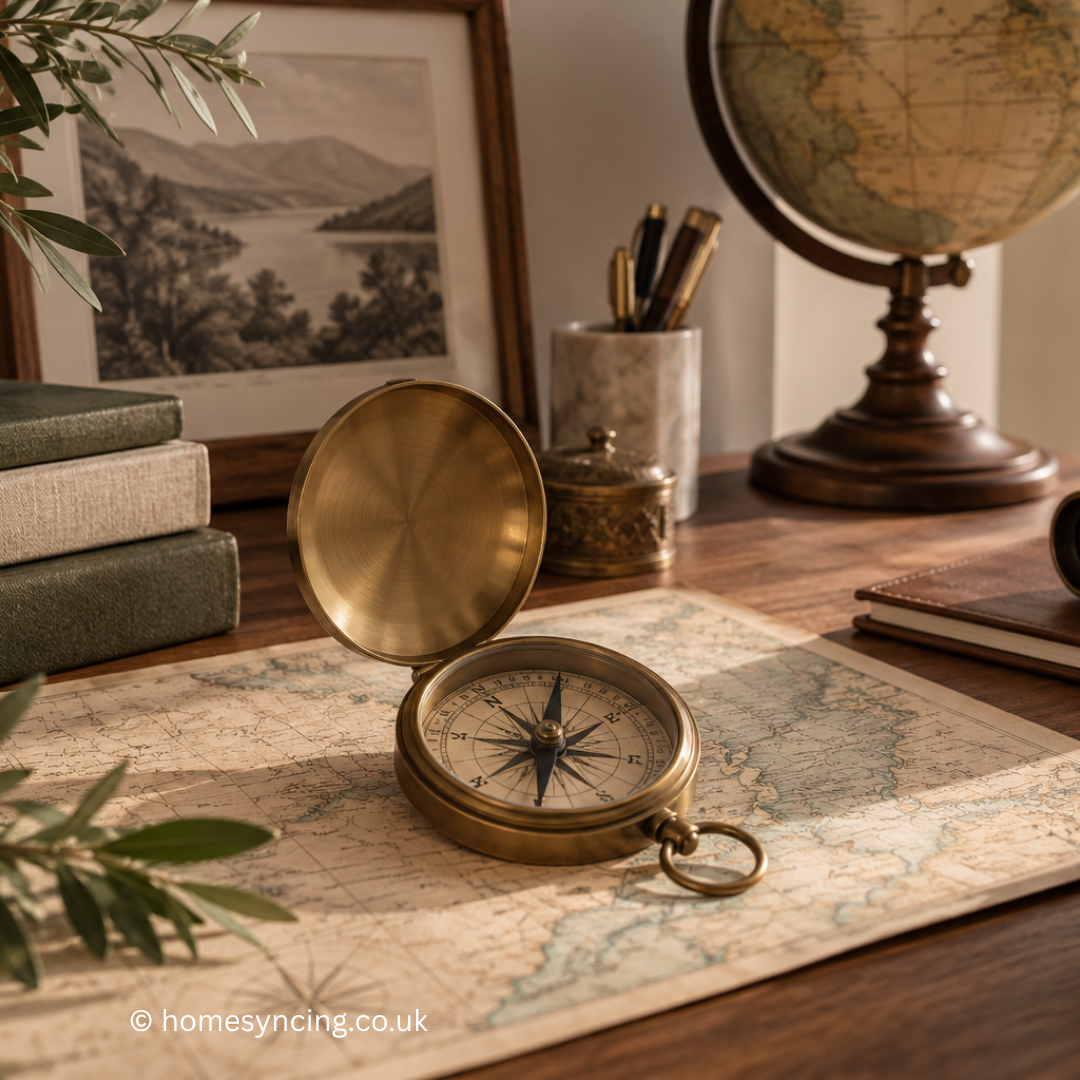
Have you ever wondered how ancient explorers managed to navigate vast oceans or traverse uncharted lands without modern technology? The answer lies in a simple yet ingenious instrument: the compass. Throughout history, the compass has been an essential tool for sailors, adventurers, and explorers, guiding them on their voyages of discovery.

The Ancient Origins

The story of the compass began thousands of years ago in ancient China. While there is some debate among historians, it is believed that around 200 BCE, Chinese inventors discovered a natural mineral called lodestone that possessed magnetic properties. They observed that when suspended freely, this mineral would align itself with Earth’s magnetic field, always pointing towards the north-south axis.

This early version of the compass was a significant breakthrough for navigation during that time. By attaching a piece of lodestone to a floating object such as wood or cork and allowing it to rotate freely in water or oil, mariners could determine their direction at sea. This invention revolutionised travel by enabling sailors to venture further from familiar coastlines.

The Rise of Navigation Tools in Europe

While the Chinese were pioneers in developing magnetic navigation tools, it wasn’t until several centuries later that knowledge of this remarkable device reached Europe. During the Middle Ages, Arab traders who had acquired compasses through their interactions with China introduced them to European merchants.

The arrival of compasses in Europe sparked great interest among seafarers and explorers who saw their potential for improving navigation accuracy. Over time, European craftsmen refined and improved upon these early models by replacing lodestones with magnetised needles and incorporating compass roses and cardinal directions into their designs.

The Compass in the Age of Exploration

As European nations embarked on ambitious voyages of exploration in the 15th and 16th centuries, the compass played a vital role in enabling their success. Explorers like Christopher Columbus, Vasco da Gama, and Ferdinand Magellan relied heavily on compasses to navigate uncharted waters.

During this era, the compass underwent further refinements. The addition of a locking mechanism called a gimbal allowed compasses to remain level even when ships pitched and rolled with the waves. This innovation ensured that navigators could maintain accurate readings regardless of rough seas or adverse weather conditions.

Modern Compass Technology

In modern times, advancements in technology have led to the development of more sophisticated compasses. While traditional magnetic needle compasses are still widely used today for land navigation, there are also electronic navigation devices available that utilize GPS (Global Positioning System) technology.

Electronic compasses offer additional features such as waypoint tracking, distance calculations, and digital displays. They provide real-time information and can be particularly useful for hikers, mountaineers and outdoor enthusiasts who require precise navigational data during their adventures.

Choosing the Perfect Compass for Your Adventures

Now that we’ve explored the captivating history of compasses let’s turn our attention to selecting the right one for your own expeditions. Here are some factors to consider:

1. Intended Use

Consider where you’ll be using your compass most frequently. Will it primarily be for hiking in forests or mountains? Or will you need it for marine navigation? Different environments may require specific types of compasses with features tailored to those conditions.

2. Accuracy and Reliability

Ensure that the compass you choose is accurate and reliable. Look for models with liquid-filled capsules as they provide better stability and minimize needle oscillation. Additionally, opt for a reputable brand known for producing high-quality compasses.

3. Ease of Use

Choose a compass that is user-friendly and easy to read. Look for clear markings, adjustable declination settings, and a comfortable grip. Consider the size and weight of the compass as well, especially if you’ll be carrying it on long journeys.

4. Additional Features

Depending on your specific needs, you may want to consider compasses with additional features such as sighting mirrors, clinometers (for measuring slope angles), or built-in magnifying glasses for map reading.

5. Budget

Finally, determine your budget range before making a purchase. Compasses come in various price ranges, so it’s essential to find one that meets your requirements without breaking the bank.

By considering these factors and understanding your navigational needs, you can confidently select a compass that will accompany you on your adventures and help you find your way with ease.

The history of compasses is a testament to human ingenuity and our unyielding desire to explore the unknown. From their humble origins in ancient China to their indispensable role in modern navigation technology, compasses have been instrumental in shaping our world.

Whether you’re an avid hiker, an aspiring sailor or simply curious about the wonders of navigation instruments, understanding the rich history behind compasses provides us with a deeper appreciation for these remarkable tools. So next time you embark on an adventure or explore unfamiliar territory, remember the trusty companion that has guided countless explorers throughout history—the humble but mighty compass.

See our great range of compasses here

Further Reading: Affordable Decorating Ideas That Will Transform Your Home, Sustainable Chic: A Beginner’s Guide to Circular Design, Small Room, Big Impact

Daily Inspiration: Follow Us on Instagram, BlueSky, Threads , Pinterest, Twitter, TikTok

The Allure of Velvet in Interior Design

Few materials have the power to transform a room quite like velvet. Rich, tactile and effortlessly elegant, velvet has long been associated with luxury and sophistication. Once reserved for grand interiors and stately homes, this timeless fabric has found its place in modern living spaces, bringing warmth, depth and character to homes of every style.

Whether used on a statement sofa, sumptuous curtains or carefully chosen accessories, velvet introduces a sense of refinement that few other fabrics can match. Its unique ability to catch and reflect light creates movement and visual interest, making even the simplest pieces feel special.

If you’re looking to add a touch of luxury to your home, velvet may be the perfect design choice.

Why Velvet Continues to Captivate

Velvet’s enduring appeal lies in its versatility. It can feel dramatic and glamorous in one setting, yet soft and contemporary in another. Available in a wide range of colours and finishes, velvet complements everything from traditional interiors to modern minimalist spaces.

Its plush texture creates an immediate sense of comfort while adding an extra layer of visual richness. In interior design, texture is just as important as colour, and velvet provides both in abundance.

Elevate Your Living Space with Velvet Upholstery

One of the most popular ways to introduce velvet into the home is through upholstered furniture.

A Statement That Never Goes Unnoticed

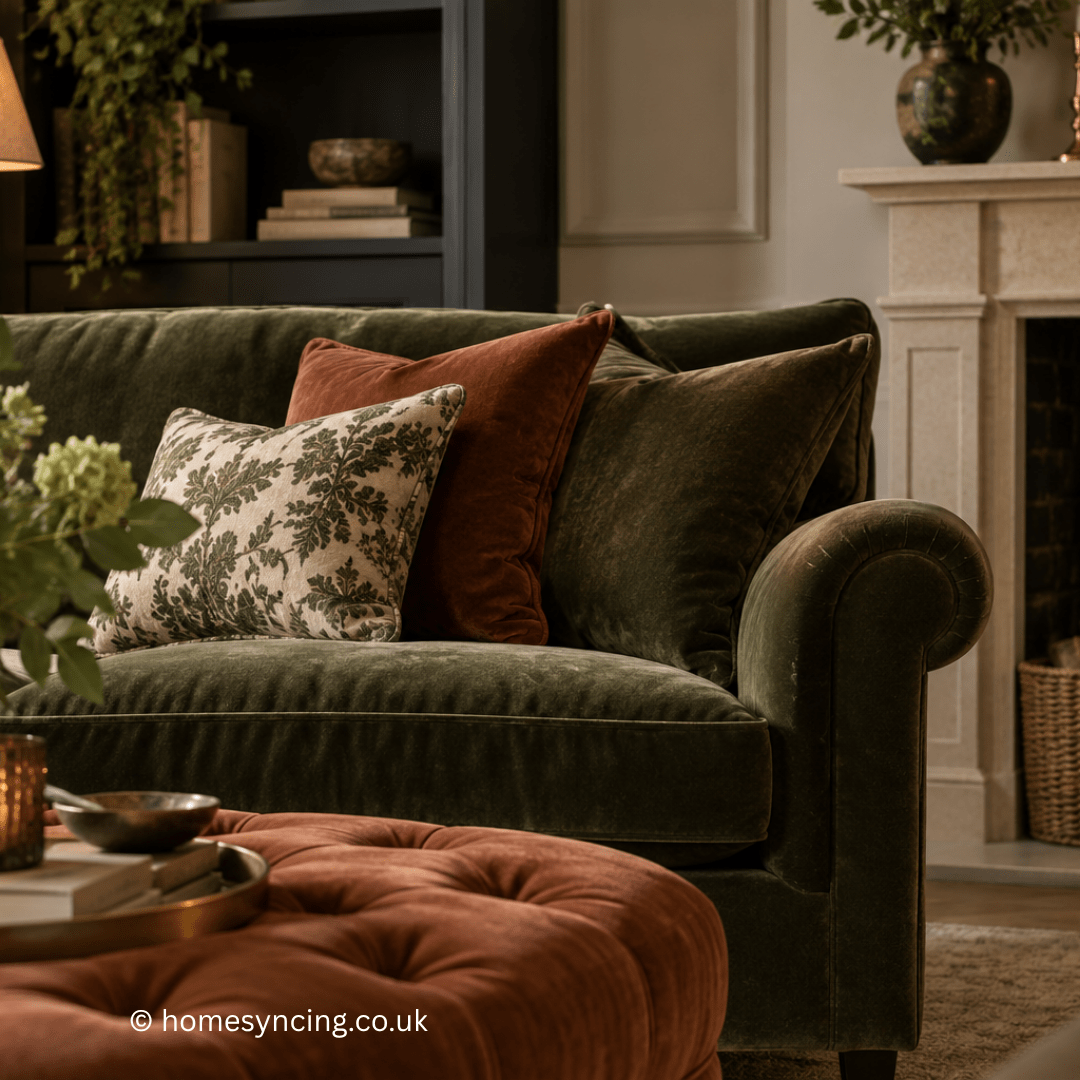
A velvet sofa or armchair instantly becomes a focal point. The fabric’s subtle sheen highlights curves, detailing and craftsmanship, allowing furniture to take centre stage within a room.

Deep emerald greens, navy blues, burgundy reds and charcoal greys remain popular choices, offering timeless elegance while complementing a wide variety of décor styles.

Comfort Meets Sophistication

Velvet is not just beautiful to look at—it is wonderfully comfortable too. Its soft, inviting texture encourages relaxation, making it ideal for spaces designed for entertaining, reading or unwinding after a busy day.

Works with Every Interior Style

Velvet’s versatility allows it to adapt to many design aesthetics:

  • Modern homes benefit from clean-lined velvet furniture in muted tones.
  • Traditional interiors embrace rich jewel colours and classic silhouettes.
  • Art Deco schemes celebrate bold velvet statement pieces with metallic accents.
  • Contemporary spaces use velvet to introduce warmth and softness.

The Drama and Elegance of Velvet Curtains

Window treatments often have a significant impact on a room’s atmosphere, and velvet curtains are among the most luxurious choices available.

Creating Instant Impact

Floor-to-ceiling velvet curtains add drama, sophistication and a sense of grandeur. Their generous folds create movement and texture, helping windows become architectural features in their own right.

Exceptional Light Control

Velvet’s dense weave makes it highly effective at blocking unwanted light. This makes it particularly useful in:

  • Bedrooms
  • Home cinemas
  • Living rooms
  • Snug spaces

The result is a more comfortable and relaxing environment.

Improved Insulation

Velvet curtains do more than look beautiful. Their thickness can help reduce heat loss during colder months while adding an extra layer of comfort to your home.

Enhanced Acoustics

Because velvet absorbs sound rather than reflecting it, it can help soften echoes and improve room acoustics, making larger spaces feel warmer and more intimate.

Make a Statement with Velvet Accent Chairs

If you’re not ready to commit to a velvet sofa, an accent chair offers a perfect introduction.

A beautifully designed velvet chair can transform an empty corner into a stylish feature while adding both comfort and personality.

Popular placements include:

  • Reading corners
  • Bedrooms
  • Home offices
  • Dressing rooms
  • Living room conversation areas

A bold colour choice can inject energy into a neutral space, while softer shades create understated elegance.

Create a Luxurious Bedroom Retreat

Velvet isn’t limited to living spaces. It can also transform a bedroom into a luxurious sanctuary.

Velvet Throws and Bed Runners

A velvet throw draped across the end of a bed instantly creates a boutique hotel feel. The rich texture introduces depth and softness, making the room feel more inviting and layered.

Velvet Headboards

For maximum impact, consider a velvet upholstered headboard. Whether tufted, curved or contemporary in design, it creates a stunning focal point while enhancing comfort.

Cushions and Accessories

Velvet cushions offer an easy and affordable way to introduce the trend. Mixing velvet with linen, cotton and wool creates a beautifully balanced and sophisticated look.

Small Velvet Touches, Big Design Impact

You don’t need to redesign an entire room to enjoy the beauty of velvet.

Velvet Cushions

Perhaps the easiest way to incorporate velvet, cushions instantly add:

  • Texture
  • Colour
  • Warmth
  • Visual interest

They work particularly well against natural materials such as linen sofas, wooden furniture and woven textiles.

Velvet Ottomans and Footstools

A velvet ottoman combines practicality with style. It can function as:

  • Additional seating
  • A footrest
  • A coffee table alternative
  • Hidden storage

These versatile pieces bring elegance to both large and small spaces.

Decorative Accessories

Velvet can also be introduced through smaller accents such as:

  • Lampshades
  • Pouffes
  • Storage boxes
  • Dining chair cushions

These subtle additions allow you to experiment with the trend without making a major investment.

Choosing the Right Velvet Colours

Colour plays a significant role in how velvet feels within a room.

Rich Jewel Tones

Emerald green, sapphire blue, ruby red and amethyst purple create a luxurious and dramatic aesthetic.

Earthy Neutrals

Warm taupes, caramel browns and olive greens offer a softer, more contemporary interpretation of velvet.

Soft Pastels

Blush pinks, dusty blues and muted lavenders introduce elegance without overwhelming the space.

Timeless Classics

Charcoal, navy and ivory remain enduring favourites that complement a wide range of interiors.

Why Velvet Remains a Timeless Design Choice

Unlike many interior trends that come and go, velvet has stood the test of time. Its ability to combine comfort, sophistication and visual impact ensures it remains a favourite among designers and homeowners alike.

Whether you’re introducing a dramatic velvet sofa, luxurious curtains or simply a few carefully chosen accessories, velvet has the unique ability to elevate a space and create a feeling of understated luxury.

Its softness invites comfort, its texture adds depth and its elegance never goes out of style.

For those looking to create a home that feels warm, refined and effortlessly beautiful, velvet remains one of the most rewarding design choices available.

We have some great velvet pieces – take a look here.

For Daily Inspiration Follow Us on Instagram
Translate »