How to Choose Equipment for your Home Gym

Creating a Home Gym That Works for You

Making space for movement at home is a positive step, whether you’re returning to exercise or simply looking for a more flexible way to stay active. A home gym doesn’t need to be large, expensive or filled with complex machinery. With a little planning and a clear sense of what you want to achieve, it can become a welcoming, practical part of everyday life.

Before buying any equipment, it’s worth taking a step back and thinking about how you’d like your home gym to support you — now and in the long term.


Start With Your Goals

Every home gym should begin with a clear sense of purpose. Consider what draws you to exercise in the first place. You might be hoping to build strength, improve cardiovascular fitness, support mobility, or simply move a little more during the week.

Your goals don’t need to be fixed or ambitious. Many people aim for a balance of strength, flexibility and gentle endurance. Once you’ve identified what matters most to you, choosing equipment becomes far simpler. Strength-focused routines might call for free weights or a bench, while endurance-based exercise could be supported by a bike, rower or treadmill. If general wellbeing is your priority, versatile, low-impact equipment may be all you need.


Work With the Space You Have

A home gym should fit comfortably into your home, not dominate it. Whether you’re converting a spare room, using part of a garage, or setting aside a corner of the living room, be realistic about the space available.

Measure carefully and think about how equipment will be stored when not in use. Foldaway or adjustable items can be particularly helpful in smaller homes. Resistance bands, mats, skipping ropes and compact weights can provide a wide range of exercises without requiring much room at all.

Good ventilation, natural light where possible, and enough space to move safely are just as important as the equipment itself.


Choose Quality Over Quantity

It can be tempting to buy lots of equipment at once, especially when starting out. In practice, fewer well-made items are often more useful than a collection of cheaper alternatives.

Quality equipment is safer, more comfortable to use and likely to last far longer. While it may cost a little more upfront, it often proves better value over time. Look for solid construction, clear instructions and materials that feel durable and reliable.

Start with the essentials and add to your setup gradually as your confidence and routines develop.


Don’t Overlook Simple Equipment

Some of the most effective fitness tools are also the simplest. A good mat, a set of resistance bands or a stability ball can support strength, balance, flexibility and core work, all with minimal space and expense.

These basics are also easy to store and adaptable to many different fitness levels. They work just as well for gentle stretching as they do for more challenging workouts, making them a sensible foundation for any home gym.


Consider Professional Guidance

If you’re unsure where to begin, or want reassurance that you’re choosing equipment suited to your needs, professional advice can be helpful. A qualified personal trainer can offer guidance on both equipment and safe, effective ways to use it. Even a small amount of expert input at the start can help build confidence and prevent injury.

Some people also find that an initial programme or routine makes it easier to stay motivated once the equipment is in place.


A Space to Return To

Building a home gym isn’t about recreating a commercial fitness centre. It’s about creating a space that feels approachable, practical and inviting — somewhere you’re happy to return to regularly.

By focusing on your goals, working within your space, choosing quality equipment and keeping things simple, you can create a home gym that supports your wellbeing for years to come. Small, consistent steps taken at home can make a meaningful difference to how you feel, move and live each day.

We have some great items for your home gym.  Click here!

Further reading: The Ultimate Guide to Soft Spikey Massage Balls, The Benefits of Recovery Home Saunas, The Icy Dip – Ice Baths

Daily Inspiration: Follow Us on Instagram, BlueSkyThreads , PinterestTwitterTikTok

Tips on How to Choose Yoga Equipment

Beginning yoga is a quietly transformative step. Whether you are unrolling your mat at home before breakfast or joining a local class in the village hall, the right yoga equipment can help you feel supported, steady and confident from the very first pose.

Yet with so many options available — from eco-friendly yoga mats to supportive yoga blocks — knowing what to choose can feel overwhelming. This guide will help you select the best yoga equipment for your needs, balancing comfort, quality and value, so you can focus on what truly matters: your practice.


Start With Your Budget

Before adding items to your basket, take a moment to consider your budget. Investing in quality yoga equipment is worthwhile, but there is no need to overspend, especially if you are just starting out.

A well-made yoga mat at a sensible price will serve you perfectly while you explore your practice. Over time, you may decide to refine or expand your kit. Aim for a thoughtful balance between durability and affordability rather than being swayed by trends.


Prioritise Quality and Durability

Good yoga equipment should feel reliable and long-lasting. A mat that curls at the corners or blocks that compress too easily can distract from your focus and flow.

When choosing yoga accessories, consider:

  • Durability – Will it withstand regular practice?
  • Grip and stability – Does the mat stay in place on the floor?
  • Performance – Does it properly support your balance and alignment?

Reading reviews and choosing trusted brands can offer reassurance, but ultimately the equipment should feel solid and dependable in your hands.


Comfort Is Essential

Yoga invites you to tune into your body, so comfort is paramount. From yoga mats to yoga clothing, everything you use should allow ease of movement without irritation or restriction.

A comfortable yoga mat will cushion your joints during kneeling or seated poses. Supportive yoga wear should move with you rather than against you. If something causes distraction or discomfort, it is unlikely to enhance your practice.

When possible, test how a mat feels under your palms and feet. The right texture can make all the difference, particularly in standing or balancing postures.


Consider Size and Dimensions

Yoga equipment is not one-size-fits-all. Your height, build and the style of yoga you practise will influence what suits you best.

  • Yoga mats: Taller practitioners may prefer a longer or wider mat to allow full extension in poses such as Downward Facing Dog.
  • Yoga blocks: Smaller blocks may offer precision for certain poses, while larger ones can provide more stable support.
  • Yoga straps: Ensure the length allows you to comfortably extend your reach in seated stretches.

Choosing the correct size ensures you can move freely and safely without constantly adjusting your space.


Choose Materials Wisely

The material of your yoga equipment affects not only performance but also sustainability.

  • PVC yoga mats are often affordable and provide excellent grip, making them suitable for beginners.
  • Natural rubber mats offer strong traction and a more eco-conscious alternative.
  • Cork yoga blocks and recycled materials are increasingly popular for those wishing to tread more lightly on the environment.

If environmental impact matters to you, look for responsibly sourced and recyclable materials. Many modern yoga brands now offer sustainable options without compromising on quality.


Essential Yoga Equipment for Beginners

If you are just beginning, you do not need a vast collection. Start with:

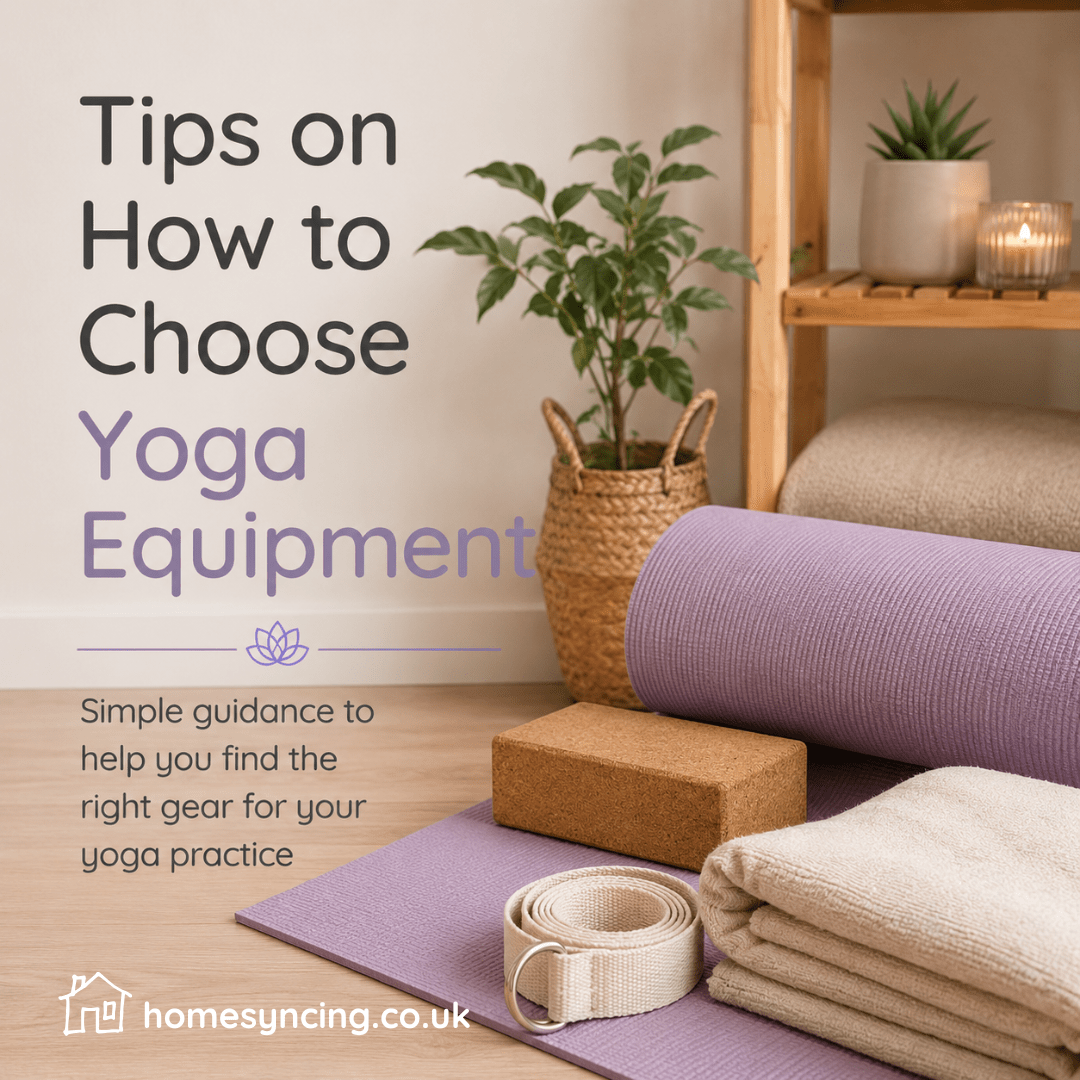
  1. A reliable yoga mat
  2. One or two yoga blocks
  3. A yoga strap (optional but helpful for flexibility)

These simple pieces will support most beginner sequences and allow you to build confidence gradually.


Take Your Time

Choosing the right yoga equipment is not a race. The most satisfying purchases are made with care and consideration. Reflect on how and where you plan to practise — indoors, outdoors, at home or in class — and select equipment that complements that setting.

By considering budget, quality, comfort, size and materials, you can create a small but dependable collection of yoga essentials that supports your wellbeing for years to come.

A thoughtful beginning often leads to a lasting practice.

Explore our complete yoga range and find the pieces that feel right for you. Click here to see our complete yoga range.

Further Reading: How to Choose Equipment for your Home Gym, Dive into Wild Swimming: The Joy of Swimming Outdoors, The Ultimate Guide to Soft Spikey Massage Balls, Guide to Yoga Cushions, Exploring the Benefits of Yoga – Improve your Wellbeing

Daily Inspiration: Follow Us on Instagram, BlueSkyThreads , PinterestTwitterTikTok

How to choose the Best Toys for Dogs

Dogs are far more than pets. They are companions in daily routines, quiet company on long walks and a constant source of loyalty and joy. Caring for them well means thinking beyond food and exercise, and considering how they spend their time when they’re at rest or play. The right toys can support your dog’s physical health, stimulate their mind and offer comfort when you’re not nearby.

With such a wide choice available, knowing where to begin can feel overwhelming. A thoughtful approach, guided by your dog’s needs and personality, will help you make choices that are both enjoyable and safe.

Consider age and breed

Your dog’s age plays an important role in the type of toys they’ll enjoy. Puppies explore the world with their mouths and benefit from softer toys that are gentle on developing teeth and gums. Teething toys, designed to soothe and withstand chewing, can help discourage unwanted nibbling around the house.

Older dogs may prefer toys that are easier to grip and kinder to ageing teeth and joints. At this stage of life, comfort often matters as much as play, so softer toys or gentle puzzle games can be a good fit.

Breed characteristics can also influence play style. Some dogs love to chase, others to chew, tug or retrieve. Choosing toys that reflect these natural instincts can make playtime more satisfying and rewarding.

Size matters

The size of a toy is just as important as its type. Toys should be large enough that they can’t be swallowed, yet small enough for your dog to carry and enjoy comfortably. A toy that fits easily in your dog’s mouth without posing a choking risk is a good guide.

For larger dogs, sturdier and more substantial toys are often needed, while smaller dogs usually benefit from lighter, scaled-down options that are easier to manage.

Choosing the right materials

Materials make a noticeable difference to how a toy is used and how long it lasts. Soft toys are ideal for gentle play and comfort, particularly indoors, while rubber or tougher materials suit dogs who enjoy chewing and more energetic play.

It’s important to check that toys are made from safe, non-toxic materials and are well constructed. If your dog is a determined chewer, look for durable designs that won’t break apart easily, and inspect toys regularly for signs of wear.

The value of interactive toys

Interactive toys can provide both mental and physical stimulation, helping to prevent boredom and encourage problem-solving. Puzzle toys, treat-dispensing designs and games that require effort and curiosity can keep dogs engaged, particularly when they’re spending time alone.

These toys can be especially helpful for intelligent or energetic dogs, offering a sense of purpose and achievement alongside play.

Let your dog lead the way

Every dog is different, and their preferences matter. Some thrive on chasing balls, others enjoy a good game of tug, while some are happiest with a toy they can settle down with. Paying attention to how your dog plays will guide you towards toys they’re more likely to love and use.

Introducing new toys gradually allows you to see what captures their interest and what’s best left aside.

Thoughtful choices for happy play

Choosing the right toys isn’t about quantity, but suitability. By considering your dog’s age, size, breed and personality, and by selecting safe, well-made toys that offer both comfort and challenge, you can enrich their everyday life in simple but meaningful ways.

A well-chosen toy can offer joy, reassurance and stimulation, strengthening the bond you share and helping your dog feel content, engaged and cared for.

For all things Dogs, Take a Look here! 🐕

Further Reading: Camping Adventures – A Beginner’s Guide, The Ultimate Guide to Pickleball a Game for Everyone

Daily Inspiration: Follow Us on Instagram, BlueSkyThreads , PinterestTwitterTikTok

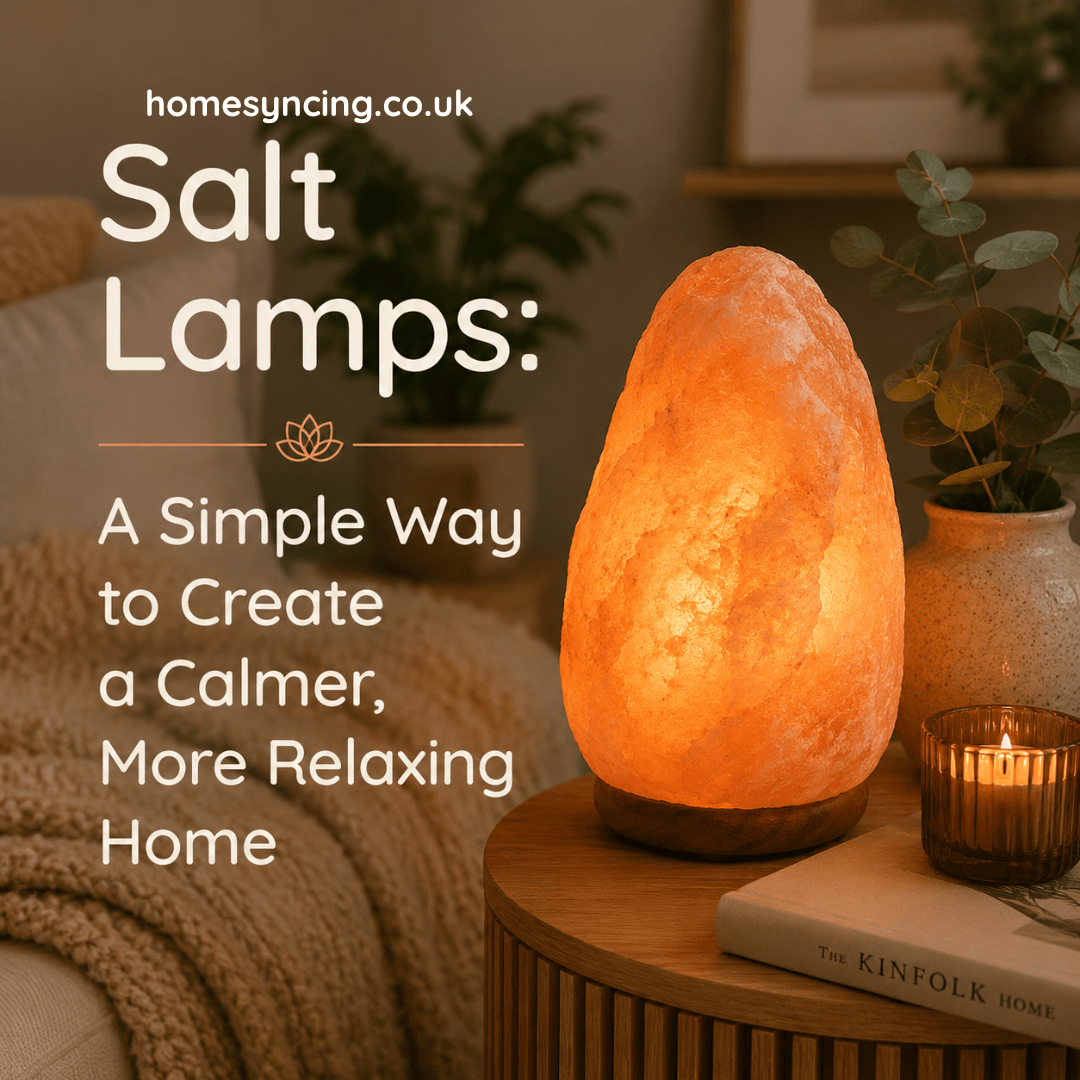
Salt Lamps: Create a Calmer, More Relaxing Home

Imagine returning home to a space that instantly helps you unwind — somewhere that encourages you to slow down, take a deeper breath, and gently leave the demands of the day behind. As we spend so much of our lives indoors, the atmosphere within our homes can have a significant influence on how we feel.

Creating a sense of calm, comfort and balance doesn’t always require major changes. Sometimes, it’s the small details that make the biggest difference. One increasingly popular way to enhance the mood of a living space is with a salt lamp.

Known for their warm glow and natural beauty, salt lamps have become a favourite feature in homes designed to feel peaceful, cosy and restorative. But what exactly are they, and why do so many people choose to incorporate them into their interiors?

What Is a Salt Lamp?

Salt lamps are crafted from solid blocks of natural salt, traditionally sourced from mines in the Himalayan region. Each piece is unique, with variations in shape, texture and colour ranging from soft peach and blush pink to rich amber and deep orange.

A small bulb or tealight placed inside the salt crystal gently illuminates the stone from within, creating a warm, inviting glow. The combination of natural materials and soft lighting gives salt lamps their distinctive character and makes them an attractive decorative feature in almost any room.

Transforming the Atmosphere of a Room

One of the most appealing qualities of a salt lamp is the way it can subtly transform the mood of a space. Unlike bright overhead lights, which can sometimes feel harsh or clinical, a salt lamp produces a gentle, diffused glow that creates a softer and more relaxing environment.

Whether placed in a living room, bedroom, reading nook or meditation corner, the warm light helps create an atmosphere that feels calm, comfortable and welcoming. Many people enjoy using salt lamps during the evening as a way of transitioning from the busyness of the day to a more restful state of mind.

Encouraging Relaxation and Wellbeing

The appeal of salt lamps lies less in any specific claim and more in the ambience they help create. A thoughtfully lit room often feels more inviting and peaceful, encouraging moments of rest, reflection and relaxation.

Combined with natural textures, soft furnishings and uncluttered surroundings, a salt lamp can contribute to a space that feels balanced and restorative. Whether you’re enjoying a quiet evening, practising mindfulness or simply taking a moment for yourself, the warm glow can help create a more soothing environment.

Creating a More Peaceful Evening Routine

Many people choose to place salt lamps in bedrooms as an alternative to bright bedside lighting. Their gentle illumination provides enough light to create a cosy atmosphere without overwhelming the senses.

As part of an evening routine, a salt lamp can help signal that it’s time to slow down and prepare for rest. Reading, journalling or simply relaxing in a softly lit room can feel more enjoyable and calming when harsh lighting is replaced with a warm, ambient glow.

Choosing the Right Salt Lamp for Your Home

When selecting a salt lamp, it’s worth considering both size and colour.

Larger lamps can create a stronger visual impact and illuminate a wider area, making them ideal for living rooms or larger spaces. Smaller lamps work beautifully on bedside tables, shelves or desks where a more subtle glow is desired.

Colour also influences the atmosphere. Lighter shades tend to produce a softer, more delicate light, while deeper amber tones create a richer, cosier feel. Because every salt crystal is naturally formed, each lamp has its own unique appearance, adding character and individuality to your home.

A Natural Addition to Any Interior

Salt lamps are valued not as a cure-all, but as a simple way to enhance the overall feeling of a space. Their organic textures and warm illumination complement a wide range of interior styles, from modern minimalist homes to rustic and nature-inspired settings.

Paired with natural materials such as wood, stone and soft textiles, they help create interiors that feel thoughtfully designed, comfortable and inviting.

Bringing More Calm Into Everyday Life

Creating a peaceful home doesn’t always require a complete redesign. Sometimes, a single carefully chosen feature can change the way a room feels.

A salt lamp offers a simple yet effective way to introduce warmth, softness and atmosphere into your living space. Its natural beauty and gentle glow encourage moments of calm, helping transform everyday rooms into places where you can truly relax and recharge.

After all, it’s often the quietest details that have the greatest impact.

We have a great range of Salt Lamps.

Further Reading: Affordable Decorating Ideas That Will Transform Your HomeSustainable Chic: A Beginner’s Guide to Circular Design

Daily Inspiration: Follow Us on Instagram, BlueSkyThreads , PinterestTwitterTikTok

Translate »