How to Choose the Perfect Picnic Hamper

Picnics are a great way to spend quality time with your loved ones while enjoying the great outdoors. However, to make the experience even more enjoyable, you need to have the perfect picnic hamper. A good picnic hamper should be functional, attractive, and able to hold all the essentials you need for your outdoor feast. We have some great tips on how to choose the perfect picnic hamper for your next outdoor adventure, so you can make the most out of your picnic!

Size & Capacity
The first thing to consider when choosing a picnic hamper is its size and capacity. You’ll need to think about how many people are going to attend the picnic, and how much food and drinks you need to bring. A hamper with a larger capacity may be suitable for a large group, but if you’re going for a more intimate setting, a smaller hamper may suffice. Keep in mind that you want a hamper that’s not too heavy or too bulky to carry around.

  1. Construction & Material
    The construction and material of the picnic hamper is another factor to consider. You want a hamper that is durable, sturdy, and able to withstand the elements. Wicker baskets are a popular choice as they’re lightweight, easy to carry, and provide a classic and rustic look. However, there are also picnic hampers made of materials such as canvas, leather, and even metal. Whichever material you choose, make sure that it’s easy to clean and maintain.
  2. Design & Style
    Picnic hampers come in a variety of designs and styles, from traditional to modern and everything in between. You should choose a design that you’re fond of, and that complements your personal style. For example, if you’re a fan of vintage pieces, you may want to opt for a classic wicker hamper with leather accents. Alternatively, if you prefer a more contemporary look, a sleek and modern picnic backpack may be more up your alley.
  3. Accessories
    Picnic hampers often come with various accessories such as plates, cups, utensils, blankets, and wine glasses. Be sure to check what accessories come with the picnic hamper you’re considering, and whether they meet your needs. This will not only save you money but will also ensure that you have all the essentials for a perfect picnic.
  4. Price Point
    Finally, consider the price point of the picnic hamper you’re interested in. While you don’t need to spend a fortune on a hamper, it’s always worth investing in a quality and well-made product. Inexpensive picnic hampers may be tempting, but they may not last long or survive adverse weather conditions. On the other hand, an expensive hamper may not necessarily provide you with the functionalities you require.

Choosing the perfect picnic hamper is not an easy task, but with the right considerations, you can get one that suits your needs. Remember to consider the size and capacity of the hamper, the construction and material, its design and style, any accessories it comes with, and your price point. At the end of the day, a quality picnic hamper is not only functional but also adds an element of style and sophistication to your outdoor adventures. So get ready to pack your picnic basket and hit the great outdoors with the perfect hamper!

We have a great range of picnic hampers – find them here!
Host the Perfect Summer Garden Party

Summer is the perfect time of year to host a garden party. With the sunny skies, warm weather & fresh air, nothing can beat this outdoor experience. If you’re planning to entertain guests this summer, why not take advantage of your beautiful garden space? Hosting a garden party is not only an excellent way to enjoy the great outdoors, but it’s also a fantastic opportunity to show off your stunning garden & impress your guests.

Firepits – A firepit is an excellent addition to your garden party as it creates a cosy & inviting atmosphere. Not only does it emit warmth & light, but it also serves as an excellent focal point. You can gather around the firepit & have a toast, roast marshmallows or simply enjoy each other’s company. You can also add some outdoor seating, such as bench cushions, chairs or throws, to make the area comfortable & cosy for your guests.

BBQ – A summer garden party would not be complete without some BBQ. You can create a BBQ area in your garden space by setting up a grill, utensils, & some tables. You can serve a variety of BBQ dishes, such as burgers, hotdogs, grilled meats & veggies. Not only is it a delicious & easy way to feed many people, but it’s also a fun & casual.

Outside dining – You can create a dining area in your garden space by setting up tables, chairs, tablecloths & cutlery. You can decorate the tables with flower arrangements or candles to create an intimate & beautiful atmosphere. You can even serve your food in outdoor-friendly plates & bowls to add an element of whimsy. Eating outdoors is always a delightful experience & it’s perfect for a summer garden party.

Lighting – Lighting can make or break your garden party atmosphere. You can create a magical & enchanting atmosphere by adding some fairy lights, solar-powered garden lights or lanterns. You can also use candles or tea lights but be careful not to create a fire hazard. Lighting can transform your garden space into a beautiful & inviting space that your guests will love.

Decoration & garden games – Decoration is essential to creating a welcoming & inviting atmosphere. You can add some bunting, balloons or paper lanterns to create a festive atmosphere. You can also add some garden games, such as croquet, badminton or giant Jenga, to provide some entertainment for your guests. These activities will keep your guests amused while they enjoy the garden space.

Garden Games. Click Here.

Bring your home outdoors – Finally, you can incorporate your home style into your garden party by bringing out some indoor furniture or nick-knacks. You can add some colourful cushions, carpets, or throw blankets on your outdoor seating, or bring out some indoor candles or vases. This will create a cohesive & stylish look that is both comfortable & chic.

Hosting a summer garden party can be a lot of fun & it’s an excellent way to connect with your friends & family while enjoying the outdoors. With these tips & ideas, you can create a beautiful & inviting garden space that your guests will love. Remember that the key to a successful garden party is to create a relaxed & casual atmosphere where everyone feels comfortable & welcome. So, go ahead & plan your perfect garden party today!

For Daily Inspiration Follow Us on Instagram

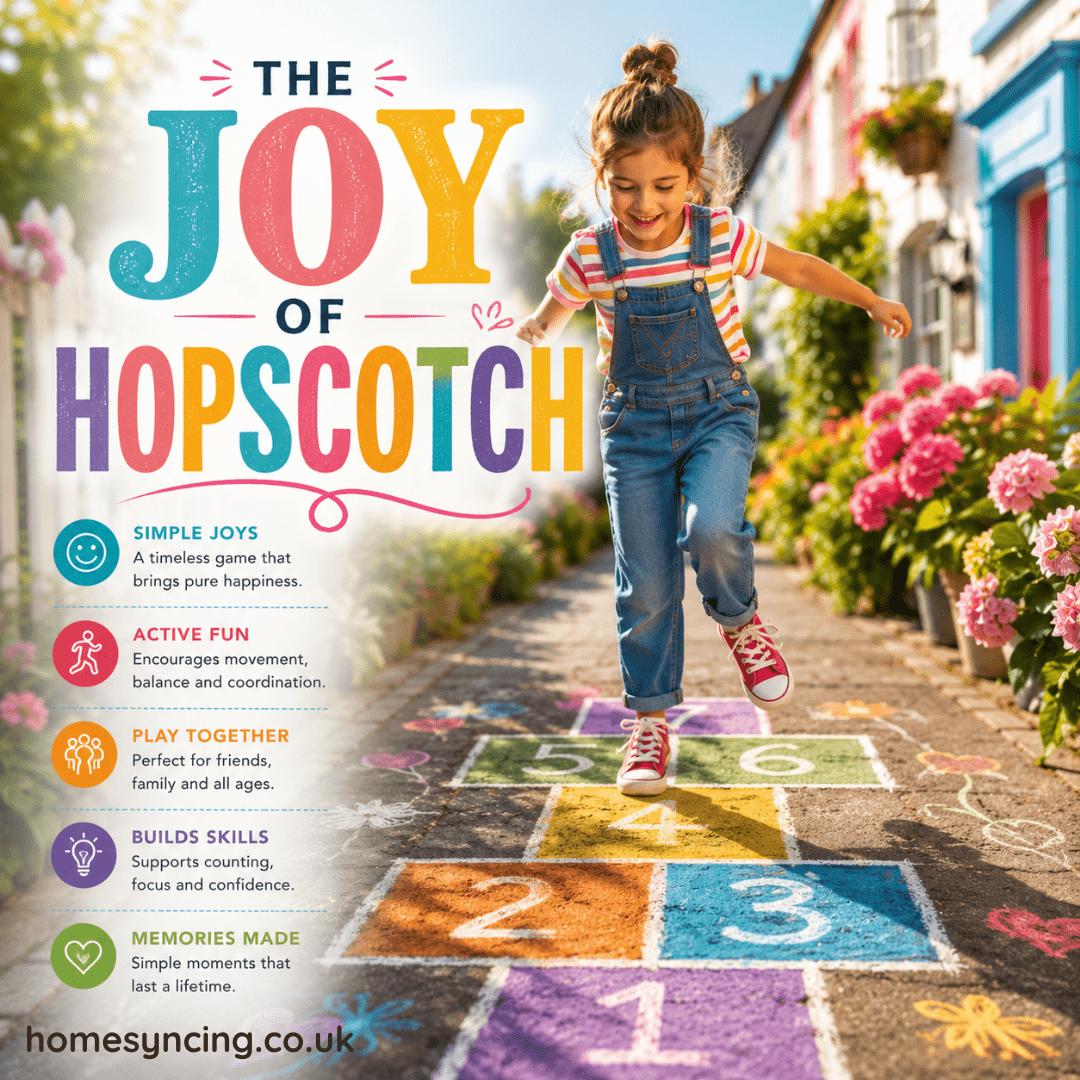
The Joy of Hopscotch

In our fast-paced digital age, it can be challenging to get children to spend time outdoors. It is important to engage children with nature, promoting physical activity. One classic outdoor game that has stood the test of time is hopscotch! The game is simple and enjoyable for kids of all ages, providing a fun way to keep kids engaged in outdoor activities.

First and foremost, hopscotch is a physical activity that promotes balance, coordination and motor skills in children. By jumping on one foot and shifting weight from one foot to the other, children develop these essential physical skills while having fun. Hopscotch can improve hand-eye coordination as children toss a stone or beanbag onto a square, honing their aim & timing. Lastly, hopscotch is an excellent activity for socialisation, as children can play with others and learn to take turns.

Hopscotch chalked on a brick path

So, what are the rules of hopscotch? The game is easy to play. The traditional grid consists of ten squares, numbered 1 to 10, with the squares arranged in a specific pattern. You can either use a pre-made stencil or create your own grid design. Players then take turns throwing a stone or beanbag onto a square, starting with square one. The player hops through the grid, hopping on one foot into each square. However, the player must skip the square with the marker on it (the one they threw the rock or beanbag onto) and instead land on the square after it. Players must complete the entire grid without stepping on the lines or losing their balance; otherwise, they start again from the beginning. The first player to complete the grid wins and the game can be restarted for additional rounds.

There are many variations that can make the game more exciting. You can create different elements or add obstacles to increase the difficulty level. Try playing with 3 + players or even adding a race element to the game. You can also change the rules for a more challenging game. EG; players can only use their non-dominant foot or they must complete the game in reverse order. With some creative thinking, the possibilities are endless.

Further Reading: Affordable Decorating Ideas That Will Transform Your HomeSustainable Chic: A Beginner’s Guide to Circular Design, Interior Design Trends 2026, The Return of Colour: Moody & Expressive Interiors, Make Every Square Metre Count: Multifunctional Spaces

Daily Inspiration: Follow Us on Instagram, BlueSkyThreads , PinterestTwitterTikTok

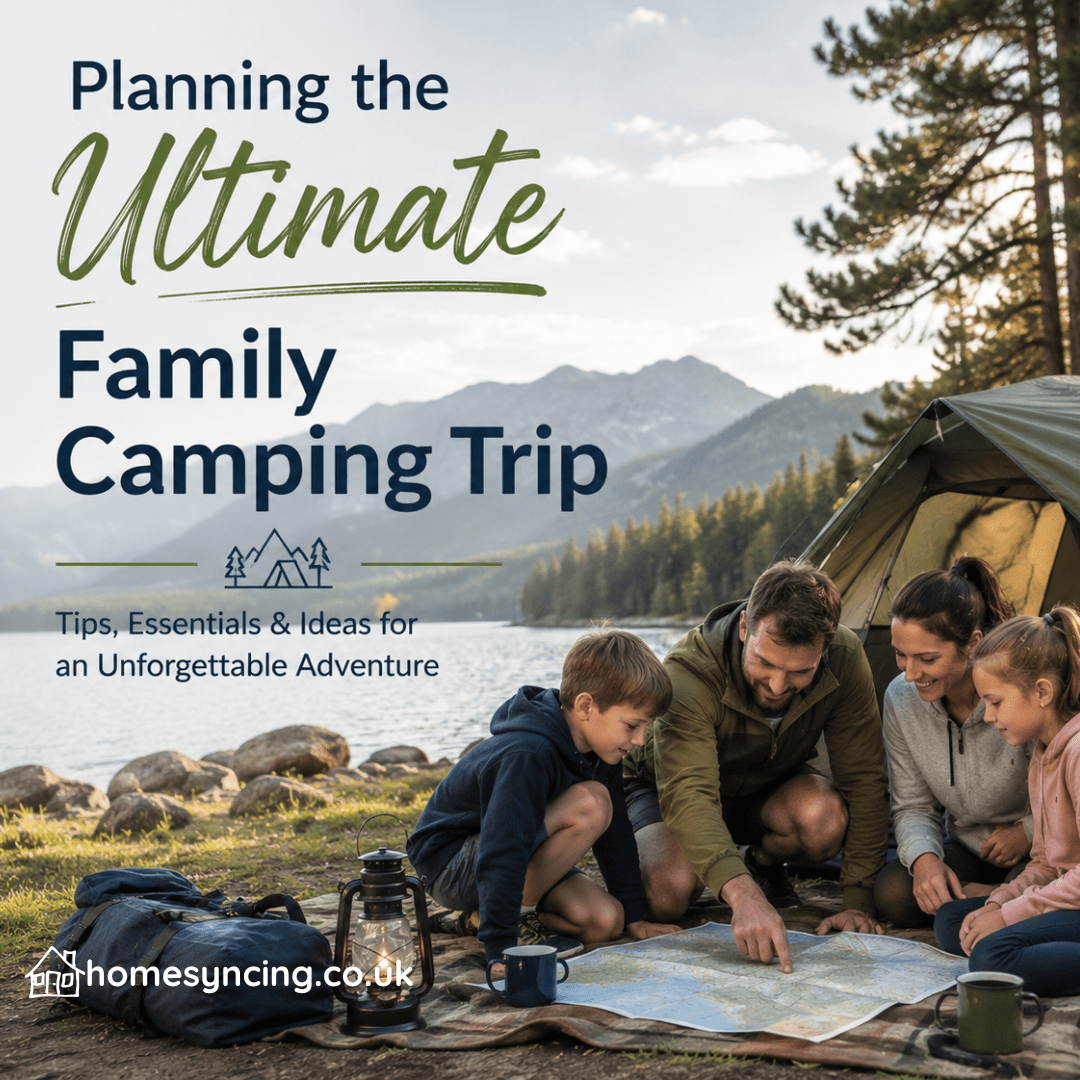
Planning the Ultimate Family Camping Trip

A family camping holiday offers something increasingly rare: time together, unhurried days and a chance to reconnect with the natural world. Away from screens and schedules, camping encourages simple pleasures — shared meals outdoors, early mornings filled with birdsong, and evenings spent watching the light fade.

The UK is particularly well suited to family camping, with its varied landscapes, well-managed campsites and easy access to countryside, coast and woodland. With a little thoughtful planning, a camping trip can be both relaxing and rewarding for all ages. Here are some practical tips to help make your next family camping adventure a success.


Choose a Campsite That Suits Your Family

The campsite you choose will shape the entire experience, so it’s worth taking time to find one that meets your family’s needs. Think about how far you’re willing to travel, what facilities will make life easier, and the type of landscape you’d like to wake up to.

Across the UK, campsites range from simple, back-to-basics pitches to family-friendly sites with toilets, showers, play areas and small shops. Coastal campsites offer fresh air and open views, woodland sites provide shelter and a sense of seclusion, while lakeside and countryside settings are ideal for walking and wildlife spotting.

For families new to camping, options such as camping pods, glamping tents or bunkhouses can provide extra comfort while still offering the outdoor experience.


Plan Activities, but Leave Room for Discovery

Camping holidays are at their best when there’s a balance between gentle structure and freedom. Planning a few activities in advance helps everyone feel engaged, especially children, but leaving space for unplanned moments is just as important.

Walking and cycling are easy ways to explore the local area, with many family-friendly paths suitable for pushchairs or little legs. Fishing, paddling, beachcombing or den-building can provide hours of simple entertainment. Many rural areas also offer nearby historic sites, villages and nature reserves that add variety to the trip without feeling rushed.

Remember that not every day needs to be full. Sometimes the most memorable moments come from slowing down and enjoying where you are.


Pack Carefully and Pack Well

Good preparation makes camping more comfortable and far more enjoyable. Make a checklist well in advance so nothing essential is forgotten. Alongside your tent, sleeping bags and ground mats, consider folding chairs, a torch, reusable water bottles and a reliable camping stove.

Weather in the UK can change quickly, so pack with flexibility in mind. Extra layers, waterproofs, sturdy footwear and spare socks are always worth bringing, even in summer. A few familiar items from home, such as favourite snacks or a bedtime book, can help children settle more easily.

Quality equipment doesn’t need to be expensive, but it should be reliable. Well-made gear keeps everyone warmer, drier and more relaxed.


Be Ready for the Unexpected

Safety is an important part of any family camping trip. A basic first-aid kit should always be close to hand, along with any necessary medication. It’s sensible to carry extra warm clothing, plenty of drinking water and simple emergency supplies, particularly when staying in more remote areas.

Before you arrive, familiarise yourself with the campsite layout and ask staff about local services, including shops and healthcare facilities. Checking the weather forecast regularly will help you plan days wisely and avoid unnecessary discomfort.


Respect the Landscape You’re Staying In

Camping offers the chance to stay close to nature, and with that comes responsibility. The countryside is shared with wildlife and other visitors, and caring for it ensures it remains special for everyone.

Follow campsite guidance, keep noise to a minimum, and dispose of waste responsibly. Avoid disturbing plants and animals, stick to marked paths, and leave your pitch clean and tidy when you depart. Teaching children to care for the environment helps build respect and appreciation that lasts long after the holiday ends.


Creating Lasting Family Memories

A family camping trip doesn’t need to be complicated to be meaningful. With the right campsite, thoughtful preparation and a flexible approach, camping can offer space to breathe, talk and simply enjoy being together.

From cooking outdoors to watching the stars emerge, these shared experiences often become the moments families remember most. With a little planning and an open mind, your next camping holiday could be the start of a much-loved family tradition.

We have some great items that are sure to make your camping trip a success!

Further Reading: Camping Adventures – A Beginner’s Guide, Fancy a Game of Pickleball?, Summer Holiday Activity Day for Kids – Fun Archery Day, First Time Camping Aventures, The History of the Compass, How to Choose the Perfect Picnic Hamper

Daily Inspiration: Follow Us on Instagram, BlueSkyThreads , PinterestTwitterTikTok

Dive into Wild Swimming: The Joy of Swimming Outdoors

Discovering the Quiet Rewards of Wild Swimming

For many years, swimming was largely confined to pools: controlled environments with set lanes, regulated temperatures and the familiar scent of chlorine. While these spaces still serve an important purpose, a growing number of people are rediscovering a more elemental way to swim — outdoors, in rivers, lakes and the sea.

Wild swimming offers something different. It is less about performance and more about presence. You don’t need to be an elite swimmer or chasing personal records. With basic swimming ability, care, and a respect for natural places, wild swimming becomes an accessible way to move, breathe and reconnect with the landscape.


Benefits for Body and Mind

Swimming is widely recognised as a low-impact, full-body exercise, and taking it outdoors adds further dimensions. The rhythm of moving through open water encourages steady breathing, while cooler temperatures can feel invigorating rather than exhausting.

Cold water immersion is often associated with reduced muscle soreness, improved circulation and a greater sense of alertness. Many swimmers also speak of the mental benefits: clearer thinking, reduced stress and a renewed sense of calm after time in open water. The experience can feel grounding, particularly when combined with fresh air, natural light and the simple focus required to swim steadily and safely.


A Deeper Connection With Nature

Perhaps the greatest appeal of wild swimming lies in its setting. Rivers shift with rainfall, lakes reflect changing skies, and the sea responds constantly to wind and tide. Each swim is different, shaped by season, weather and light.

Wild swimmers often describe a heightened awareness of their surroundings — the sound of water moving, the play of sunlight beneath the surface, or the quiet presence of wildlife nearby. These moments invite a slower pace and a deeper appreciation of the natural world. They also offer opportunities to discover lesser-known places: secluded river bends, woodland pools, waterfalls or sheltered coves.


What to Wear and Take With You

While wild swimming can be simple, it does require preparation. Alongside a swimming costume, many swimmers choose a wetsuit, particularly in colder months, to help retain warmth. Neoprene gloves and footwear can offer protection against cold temperatures and uneven or rocky entry points.

A brightly coloured swim cap improves visibility and helps with temperature regulation. Practical additions such as a waterproof phone pouch or watch can be useful, whether for navigation, safety or simply recording the experience. As with all outdoor activities, it’s best to carry only what you need and keep equipment well maintained.


Shared Experiences

Although wild swimming can be a solitary pleasure, many people choose to swim with others. Sharing the experience adds reassurance, builds confidence and often deepens enjoyment.

Across the UK, informal groups and organised communities welcome swimmers of all levels. Social platforms such as Instagram and activity-tracking apps like Strava are often used to stay connected, share locations and celebrate swims. Being part of a community can help newcomers learn from more experienced swimmers and discover safe, well-loved spots.


Staying Safe in Open Water

Wild swimming takes place in environments that are constantly changing, so safety should always come first. Water temperature, depth, currents and weather conditions can vary widely, even at familiar locations.

Swim with others where possible, and take time to understand the area before entering the water. Check forecasts, note entry and exit points, and be mindful of how cold water affects your body. Moving slowly into the water, limiting time spent swimming, and warming up properly afterwards are all sensible precautions.

Listening to your instincts and knowing when not to swim is just as important as preparation.


A Simple, Enduring Pleasure

Wild swimming is not about pushing limits or collecting achievements. At its heart, it is about immersion — in water, in landscape and in the moment itself. It offers a way to move gently, to feel part of the seasons, and to experience familiar places from a new perspective.

With care, patience and respect for nature, wild swimming can become a rewarding part of everyday life. All it asks is a willingness to slow down, pay attention, and step carefully into the water.

We have some great items to assist in your Wild Swimming Adventures

Further reading: The Ultimate Guide to Soft Spikey Massage BallsThe Benefits of Recovery Home SaunasThe Icy Dip – Ice Baths

Daily Inspiration: Follow Us on Instagram, BlueSkyThreads , PinterestTwitterTikTok

Translate »