The Art of Cosiness – Crafting Your Perfect Sanctuary

Creating a cosy home is all about making your space feel warm, inviting and personal. Whether you’re a homeowner looking to revamp your living space or an interior design enthusiast seeking inspiration, comfort is key.

In this blog, we’ll explore how to create a cosy home by focusing on decor, colours, furnishings, ambience, scent, and more. Let’s transform your house into a sanctuary of comfort and style.

What Does Cosy Mean?

Cosiness is subjective, varying from person to person. For some, it’s about warmth and softness, while for others, it’s about nostalgia and familiarity.

A cosy home generally evokes feelings of relaxation and comfort. It’s a place where you can unwind and feel at ease. But what exactly defines a cosy home?

Defining a Cosy Home

A cosy home isn’t just about aesthetics; it’s about creating an environment that makes you feel good. It’s where you find peace and joy in the simplicity of everyday life.

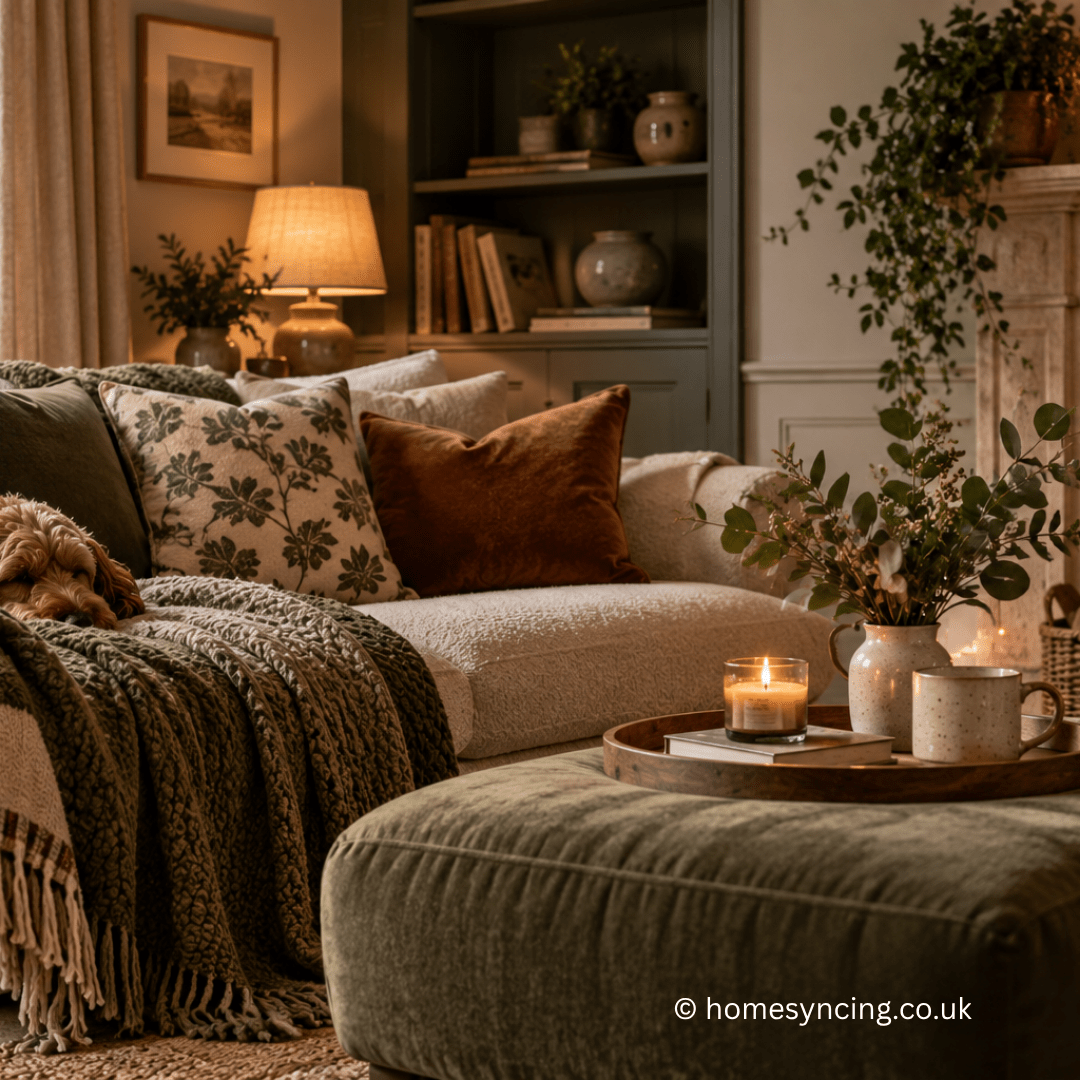
Think of a cosy home as a warm hug. It’s inviting, comforting, and makes you feel safe. The elements that contribute to this feeling include decor, furnishings, colours, lighting and even scent.

The Role of Decor

Decor plays a pivotal role in setting the tone for your home. From wall art to small knick-knacks, everything contributes to the overall atmosphere.

Choose decor items that resonate with your personality. Whether it’s a vintage vase, a set of framed family photos, or travel souvenirs, these elements add character and warmth to your space.

Choosing the Right Colours

Colours have a significant impact on how we perceive spaces. Warm tones like beige, brown and soft pastel shades can make a room feel more inviting and snug.

Muted colours tend to create a calming effect, which is essential for cosiness. Avoid overly bright or harsh colours as they can disrupt the soothing ambience you’re aiming to achieve.

The Importance of Furnishings

Your choice of furniture is crucial in creating a cosy atmosphere. Opt for pieces that are both comfortable and stylish.

Think plush sofas, cushioned chairs and soft rugs. These not only enhance the visual appeal but also provide physical comfort, making your home a haven of relaxation.

Setting the Ambience

Ambience is about creating a mood. This can be achieved through lighting, music and even the arrangement of your furniture.

Soft, warm lighting from lamps and candles can create a serene environment. Background music or natural sounds can also enhance the overall atmosphere.

Atmosphere Matters

The atmosphere of your home is a combination of all sensory experiences. The way your home looks, feels, smells and even sounds contributes to its overall cosiness.

A well-curated atmosphere can make any space feel like a retreat. Pay attention to details like the softness of your throw blankets, the gentle hum of a fan, or the flicker of candlelight.

Scents and Smells

Never underestimate the power of scent in creating a cosy home. Aromas like vanilla, lavender and cinnamon can evoke feelings of comfort and relaxation.

You can introduce these scents through candles, essential oils or even baking delicious treats. A pleasant aroma can instantly make your home feel more welcoming.

Soft Furnishings

Soft furnishings like cushions, throws, and curtains add layers of comfort to your home. They are not only functional but also enhance the aesthetic appeal.

Choose fabrics that feel good to the touch, like cotton, wool, or faux fur. These materials add a tactile dimension to your home, making it feel more lived-in and cosy.

Functional Furniture

While aesthetics are important, functionality should not be overlooked. Your furniture should be comfortable and practical.

Consider pieces that serve multiple purposes, like a sofa bed or an ottoman with storage. These functional items can help you make the most of your space without compromising on comfort.

Positioning Your Furniture

The way you arrange your furniture can significantly impact the cosiness of a room. Create intimate seating arrangements that encourage conversation and closeness.

Avoid placing furniture against the walls. Instead, bring pieces towards the centre to create a more inviting, compact space.

Art and Decorations

Art and decorative items add personality and warmth to your home. Choose pieces that speak to you and reflect your style.

From paintings to sculptures, these elements can make your home feel more complete. Don’t be afraid to mix and match different styles to create a unique look.

Creating a Warm Atmosphere

A warm atmosphere is key to a cosy home. This can be achieved through a combination of lighting, colours and furnishings.

Think of your home as a canvas, and each element as a brushstroke. Together, they paint a picture of comfort and warmth.

The Joy of Discovery

Part of creating a cosy home is about discovering what makes you comfortable. It’s a personal journey that involves exploring different styles and elements.

Don’t be afraid to experiment. Try different colours, rearrange your furniture and introduce new decor items. The process of discovery can be incredibly rewarding.

Concluding Thoughts

Creating a cosy home is about more than just aesthetics; it’s about fostering an environment that brings you comfort and joy. By paying attention to decor, colours, furnishings and atmosphere, you can transform your home into a sanctuary of warmth and relaxation.

If you need more personalised advice or want to explore more ideas, feel free to book a consultation with one of our expert stylists. They can help you refine your style and choose pieces that will make your home truly special.

Further Reading: How to Create a Bedroom Retreat, Affordable Decorating Ideas That Will Transform Your Home, Sustainable Chic: A Beginner’s Guide to Circular Design, Small Room, Big Impact

Daily Inspiration: Follow Us on Instagram, BlueSky, Threads , Pinterest, Twitter, TikTok
Illuminate Your World: How to Maximise Natural Light in Your Home

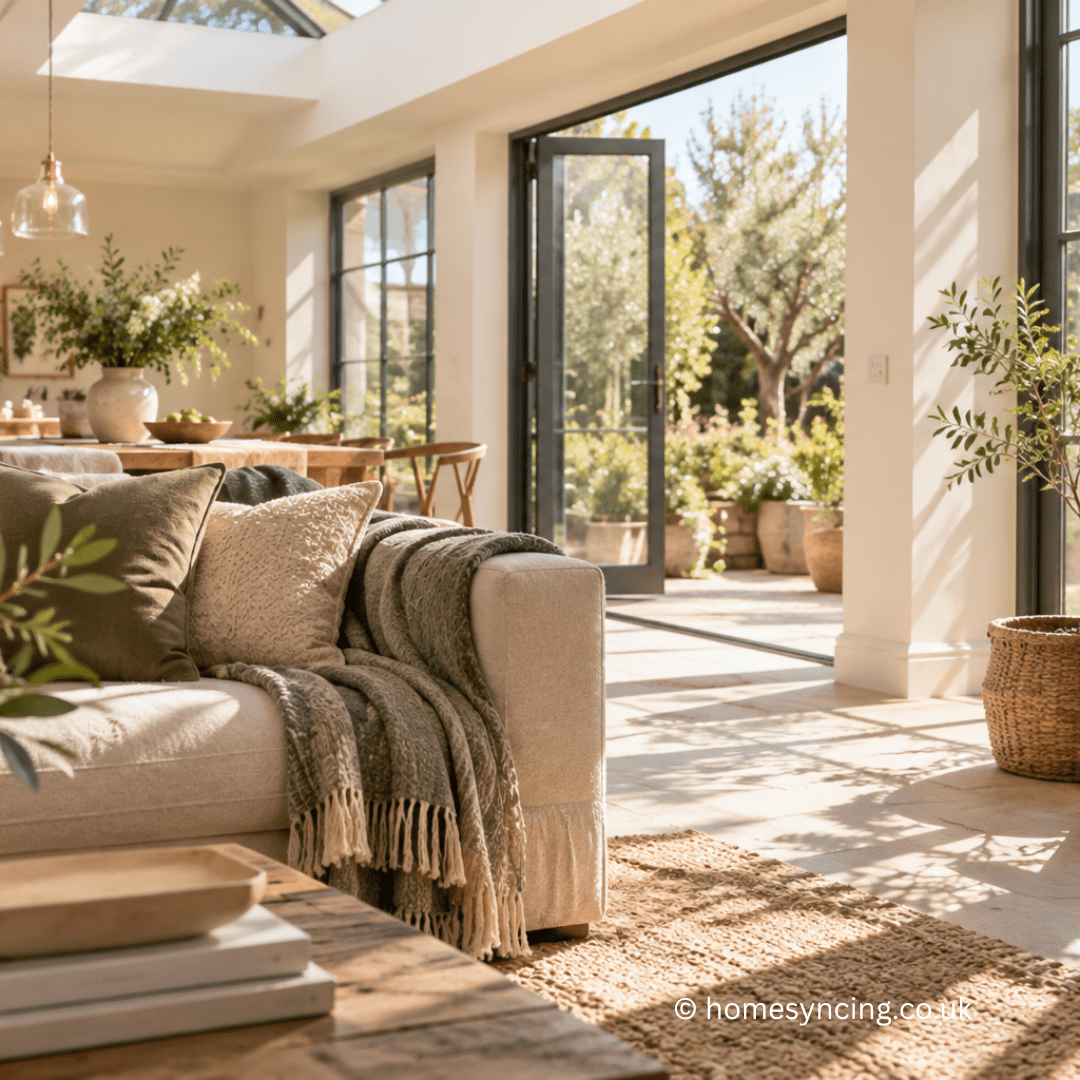
Imagine waking up to the soft glow of morning light streaming through your windows, illuminating your living space with a warm and inviting ambience. Natural light has the power to transform any home, making it feel more spacious, vibrant and welcoming.

There are a myriad of benefits of natural light, from enhancing the aesthetics of your home to promoting your well-being. Whether you’re looking to brighten a dim room or create a sunlit sanctuary, we’ve got you covered.

The Benefits of Natural Light

Enhancing Aesthetics

Natural light can dramatically enhance the visual appeal of your home. Sunlight brings out the true colours of your decor, making them appear richer and more vibrant. The play of light and shadow creates dynamic visual interest, highlighting architectural details and textures. Rooms bathed in natural light feel more open and airy, creating a sense of spaciousness that artificial lighting simply cannot replicate.

Promoting Well-being

Beyond its aesthetic appeal, natural light offers numerous health benefits. Exposure to natural light helps regulate your circadian rhythm, the body’s internal clock that governs sleep-wake cycles. This regulation can improve sleep quality, leading to better overall health. Natural light also boosts mood and energy levels by increasing the production of serotonin, a neurotransmitter that promotes feelings of happiness and well-being.

Sustainable Living

Incorporating natural light into your home is a sustainable choice. By relying more on natural light during the day, you can reduce your dependence on artificial lighting, leading to lower energy consumption and utility bills. This eco-friendly approach not only benefits your wallet but also contributes to a reduced carbon footprint, supporting efforts towards sustainable living.

How to Encourage Natural Light in Your Home

Use Light Colours

One of the simplest ways to enhance natural light in your home is by using light colours in your decor. Pale shades, such as whites, creams and pastels, reflect light rather than absorb it, helping to bounce sunlight around the room. Consider painting walls, ceilings and even floors in lighter hues to maximise brightness. Additionally, opt for light-coloured furnishings and accessories to complement the overall aesthetic.

Strategic Placement of Mirrors

Mirrors are a powerful tool for amplifying natural light. Placing mirrors opposite windows can reflect sunlight into darker corners of the room, effectively doubling the amount of natural light. Large mirrors can create the illusion of more windows, adding depth and dimension to your space. For best results, choose mirrors with sleek, minimalist frames that blend seamlessly with your decor.

Window Treatments

Selecting the right window treatments can make a significant difference in the amount of natural light entering your home. Opt for sheer curtains or blinds that allow sunlight to filter through while maintaining a degree of privacy. Avoid heavy, dark drapes that block out light and create a gloomy atmosphere. If privacy is a concern, consider installing top-down, bottom-up shades that provide flexibility in light control.

Skylights and Roof Windows

For a more substantial renovation, consider installing skylights or roof windows. These additions can flood your home with natural light from above, particularly in areas where traditional windows are not feasible. Skylights are ideal for rooms with high ceilings, bathrooms or hallways, where they can create stunning light displays throughout the day. Ensure that skylights are strategically placed to avoid excessive heat gain and glare.

Maximise Window Space

If your home has small or few windows, consider enlarging them to increase the influx of natural light. Expanding existing windows or installing additional ones can significantly brighten your living space. Floor-to-ceiling windows or glass doors create a seamless connection with the outdoors, allowing for unobstructed views and an abundance of sunlight. Consult with a professional to determine the best window placements for optimal light exposure.

Open Floor Plan

An open floor plan can enhance the flow of natural light throughout your home. By removing unnecessary walls and barriers, you can create a more expansive and light-filled environment. Open layouts allow sunlight to travel freely from one room to another, ensuring that every corner of your home benefits from daylight. This design approach is particularly effective in smaller homes, where it can create a sense of openness and continuity.

Glass Doors and Partitions

Incorporate glass doors and partitions to allow light to pass through different areas of your home. Interior glass doors can be used to separate rooms without sacrificing natural light. Glass partitions or room dividers offer a modern and stylish way to delineate spaces while maintaining a bright and airy feel. Frosted or textured glass can provide privacy while still allowing light to filter through.

Reflective Surfaces

Utilise reflective surfaces to amplify natural light in your home. Glossy finishes on walls, ceilings, and furniture can reflect light, making the space appear brighter. Choose materials such as glossy tiles, metallic accents and glass tabletops to enhance light reflection. Incorporating reflective surfaces strategically can create a luminous and sophisticated ambiance.

Outdoor Landscaping

The exterior of your home plays a crucial role in natural light exposure. Keep outdoor spaces, such as gardens and patios, well-maintained and free of obstructions that may block sunlight from entering your home. Trim overgrown trees and shrubs, and position outdoor furniture to avoid casting shadows on windows. A well-designed landscape can complement your efforts to maximise natural light indoors.

Light Tubes

Light tubes, also known as solar tubes or sun tunnels, are an innovative solution for bringing natural light into interior spaces that lack windows. These cylindrical devices capture sunlight from the roof and channel it down a reflective tube, delivering daylight to rooms below. Light tubes are an excellent option for areas such as closets, hallways and bathrooms, where traditional windows are not feasible.

Glass Block Walls

For a unique and stylish approach to enhancing natural light, consider incorporating glass block walls into your home design. Glass blocks allow light to pass through while providing privacy and insulation. They can be used as part of an exterior wall or as an interior partition to create a stunning visual effect. Glass block walls are available in various patterns and textures, allowing for creative and customised designs.

Maintenance and Cleaning

Regular maintenance and cleaning of windows and light fixtures are essential to ensure maximum light transmission. Dust, dirt, and grime can accumulate on window panes, reducing the amount of sunlight that enters your home. Clean windows thoroughly, both inside and out, to keep them clear and sparkling. Additionally, clean light fixtures and reflective surfaces to maintain their effectiveness in bouncing light around the room.

Maximising natural light in your home is a rewarding and achievable goal. By incorporating these tips and ideas, you can create a brighter, more inviting and energy-efficient living space. Whether you’re drawn to the aesthetic appeal, health benefits or sustainability of natural light, there’s no denying its profound impact on our homes and well-being.

Ready to transform your home with natural light? Start today by implementing these practical strategies and enjoy the countless benefits of a sunlit sanctuary.

Illuminate your world, and bask in the beauty of natural light!

Take a look at our great selection of Mirrors and Lighting

Follow us on Instagram for Daily Inspiration

Using Textiles to Weave Wonders into your Home Décor

Textiles have a magical way of transforming spaces, infusing warmth, texture, and personality into any room. Whether you’re an avid home decorator, an interior design enthusiast or a textile artist, understanding the art of mixing and matching textiles can elevate your interiors from ordinary to extraordinary.

The Magic of Textiles in Interior Design

Textiles are more than just fabrics; they are the silent storytellers in our homes. They can make a room feel cosy, luxurious, vibrant or serene. By incorporating various textiles, you can add layers of depth and interest to your space. From curtains and cushions to rugs and throws, each piece plays a pivotal role in the overall aesthetic. But how do you use textiles creatively to achieve a cohesive look?

Understanding the Fundamentals

Before you start mixing and matching, it’s essential to grasp the basics of textiles. Different fabrics have distinct textures, weights and appearances. For example, velvet exudes luxury and warmth, while linen offers a relaxed, airy feel. Understanding these characteristics helps in choosing the right textiles for your desired ambience.

Choosing the Right Textiles

When selecting textiles, consider the function and feel of the room. In a cosy living room, plush fabrics like wool and velvet can create an inviting atmosphere. For a breezy bedroom, lightweight cotton and linen work wonders. Think about durability too; high-traffic areas may need more robust fabrics like leather or twill.

Themes and Textiles

Creating a theme for your space can guide your textile choices. Whether it’s a bohemian escape, a modern minimalist retreat or a vintage haven, textiles help reinforce the theme. For a boho look, mix vibrant patterns and textures. In a minimalist setting, keep the palette neutral and fabrics simple yet elegant.

The Art of Mixing and Matching

Mixing and matching textiles is where the magic happens. But it can be daunting if you don’t know where to start. Begin with a focal point, such as a statement rug or patterned sofa, and build around it. Mix different textures to add depth—pair a soft wool throw with a sleek leather chair, for instance. Don’t shy away from blending patterns; just ensure they share a common colour palette.

The Power of Contrast

Contrast adds drama and interest. Juxtapose rough textures with smooth ones, or bold patterns with solids. A rough jute rug can highlight the smoothness of a silk cushion. Contrasting colours can also make elements pop. Think of a navy blue throw against a crisp white couch.

Complementing Textiles

While contrast is vital, harmony is equally important. Ensure your textiles complement each other rather than clash. Stick to a cohesive colour scheme. If you have a busy patterned rug, balance it with solid-coloured cushions and curtains. The key is to create a visually pleasing balance.

Layers and Depth

Layering textiles can bring a room to life. Start with larger pieces like rugs and curtains, then add layers with cushions, throws and smaller accents. This not only adds depth but also allows you to easily change the look by swapping out smaller items.

Seasonal Switches

One of the joys of textiles is the ease with which you can update your space. Switch up your textiles seasonally to keep your home feeling fresh. Opt for light, breathable fabrics in the summer and cosy, warm textiles in the winter. This not only refreshes your decor but also makes your home feel in tune with the seasons.

Cultural Inspirations

Drawing inspiration from different cultures can add a unique touch to your décor. Think Turkish kilims, Japanese shibori, or Indian block prints. These textiles bring rich histories and traditions into your home, creating a space that feels global and well-travelled.

Sustainability in Textiles

In today’s world, being mindful of sustainability is crucial. Opt for eco-friendly fabrics like organic cotton, bamboo, or recycled materials. Not only are they better for the planet, but they also often boast superior quality and longevity.

Caring for Your Textiles

Proper care extends the life of your textiles. Follow care instructions diligently—some fabrics may need dry cleaning, while others are machine washable. Regular maintenance, like vacuuming rugs and fluffing cushions, keeps them looking fresh and vibrant.

Textiles as Art

Finally, don’t forget that textiles themselves can be art. A beautifully woven tapestry or an intricately embroidered throw can be a statement piece in your home. Use these artistic textiles strategically to draw attention and add a focal point to your room.

Textiles are an incredible tool in interior design, offering endless possibilities for creativity and personal expression. By understanding how to mix and match, complement and contrast different fabrics, you can transform any space into a harmonious and visually appealing haven.

Further Reading: How to Create a Bedroom Retreat, Affordable Decorating Ideas That Will Transform Your Home, Sustainable Chic: A Beginner’s Guide to Circular Design, Small Room, Big Impact

Daily Inspiration: Follow Us on Instagram, BlueSky, Threads , Pinterest, Twitter, TikTok
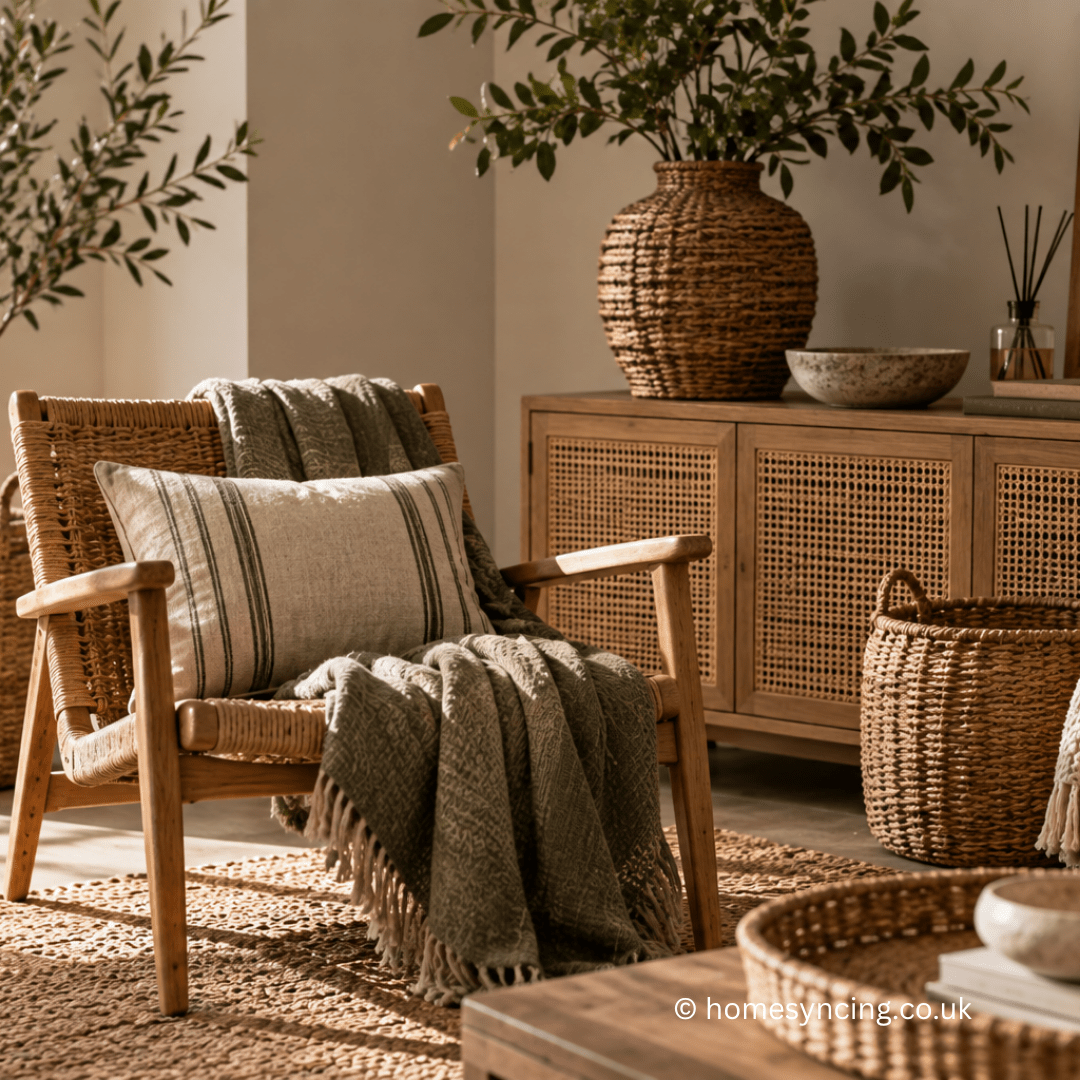
Crafting a Unique Home Style That Truly Reflects You

Creating a home that is uniquely yours isn’t just about following the latest trends or picking the most popular paint colours. It’s about infusing your personality into every corner and crevice of your space, ensuring that it reflects who you are and what you love.

The Essence of Personal Style in Home Decor

Your home is your sanctuary. It’s the place where you start and end your day, where you entertain guests and where you retreat for comfort. Infusing your personal style into your home decor is essential for creating a space that not only looks good but feels good too.

Personal style in home decor goes beyond aesthetics. It captures your stories, your passions and your quirks. When your home reflects you, it becomes a place of comfort and inspiration, not just for you, but for everyone who steps through your door.

Understanding Your Style

Before you start decorating, it’s crucial to understand your style. Are you drawn to minimalist designs or do you prefer a more eclectic mix of patterns and colours? Do you love vintage finds or are you a fan of modern, sleek lines?

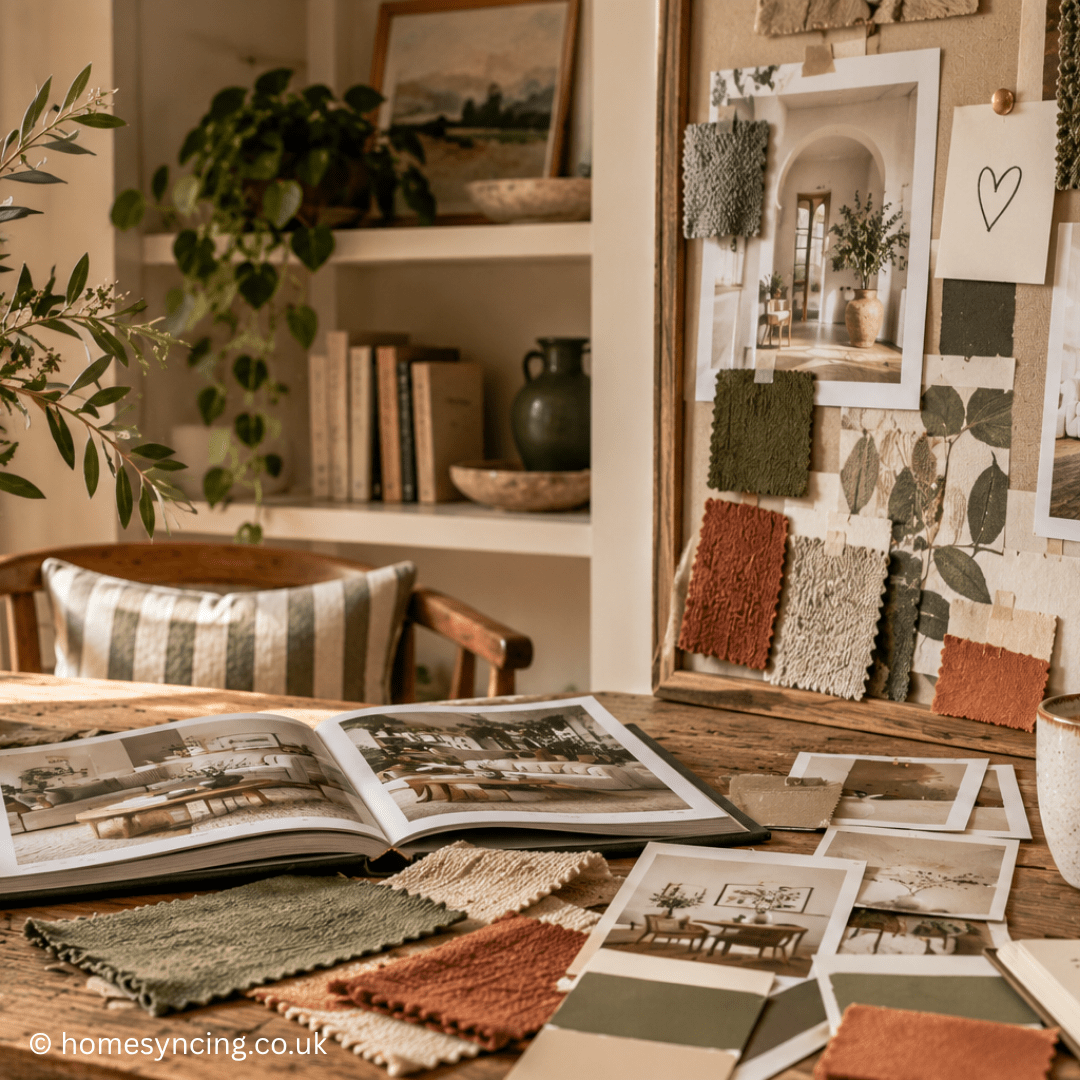
Take some time to explore different styles and see what resonates with you. Create a mood board with images, colours and textures that you love. This process will help you identify the elements that you want to incorporate into your home.

What to Consider When Creating Your Dream Space

When creating a home that reflects you, there are several factors to consider. These include your lifestyle, your preferences and the architecture of your home.

Lifestyle

Your home should cater to your lifestyle. If you love hosting dinner parties, a spacious dining area and a well-equipped kitchen are essential. If you work from home, a comfortable and functional home office is a must.

Preferences

Your preferences play a significant role in shaping your home decor. Whether it’s your favourite colour, a beloved piece of art or a treasured family heirloom, these elements should find a place in your home.

Architecture

The architecture of your home can also influence your decor choices. A Victorian home may call for different design elements compared to a modern apartment. Work with the features of your space rather than against them.

Translating Your Style into Interior Design

Once you have a clear understanding of your style and considerations, it’s time to translate this into your interior design. Here’s how you can do it with texture, colours, lighting, decor, furniture and art.

The Power of Texture

Texture adds depth and interest to your home decor. It can make a space feel cosy and inviting or sleek and modern. Incorporate a variety of textures through textiles like rugs, cushions and throws. Don’t be afraid to mix materials like wood, metal and glass to create a balanced and harmonious look.

Playing with Colours

Colours can dramatically change the mood of a room. Choose a colour palette that resonates with you. If you’re unsure, start with a neutral base and add pops of colour through accessories and decor. Remember, colours should flow seamlessly from one room to another to create a cohesive look.

The Importance of Lighting

Lighting is a crucial element in home decor. It sets the mood and enhances the overall aesthetic. Layer your lighting with a mix of ambient, task and accent lighting. Use dimmers to control the intensity and create different atmospheres throughout the day.

Incorporating Meaningful Decor

Decor items are the finishing touches that bring your space to life. Choose decor pieces that have meaning to you. It could be a souvenir from your travels, a family heirloom, or an art piece that you love. These items tell your story and make your home uniquely yours.

Choosing the Right Furniture

Furniture is a significant investment, so choose pieces that are not only stylish but also functional. Consider the scale and proportion of your furniture to ensure it fits well in your space. Mix and match different styles to create a look that is uniquely yours.

The Role of Art in Home Decor

Art can be a reflection of your personality and taste. Whether it’s a painting, a sculpture or a photograph, art adds character to your home. Choose pieces that resonate with you and place them strategically to create focal points in your rooms.

Bringing the Outdoors In

Nature has a calming effect on our minds and bodies. Bring the outdoors in by incorporating plants and natural elements into your decor. Plants not only add beauty but also improve air quality and create a sense of tranquillity.

Personalising with DIY Projects

DIY projects are a fantastic way to add a personal touch to your home. Whether it’s painting a wall, creating a gallery wall or upcycling old furniture, DIY projects allow you to express your creativity and make your home truly yours.

Creating Functional Spaces

A beautiful home is also a functional home. Ensure that each room serves a purpose and is organised in a way that makes everyday tasks easier. Use storage solutions that blend seamlessly with your decor to keep your space clutter-free.

Staying True to Yourself

While it’s great to seek inspiration from magazines, blogs and social media, it’s essential to stay true to yourself. Don’t feel pressured to follow trends if they don’t resonate with you. Your home should be a reflection of you, not what’s popular at the moment.

Creating a home that reflects you is a rewarding process. It requires thought, effort and a bit of creativity, but the result is a space that feels truly yours. By understanding your style, considering your needs and carefully selecting each element, you can create a home that is not only beautiful but also deeply personal.

Ready to start your home decor journey? Explore our range of curated home decor items and find pieces that resonate with your style. Happy decorating!

Further Reading: Grounding Colours in Interior Design: Transform Your Space with Calm and Balance

Follow Us on Instagram for Daily Inspiration

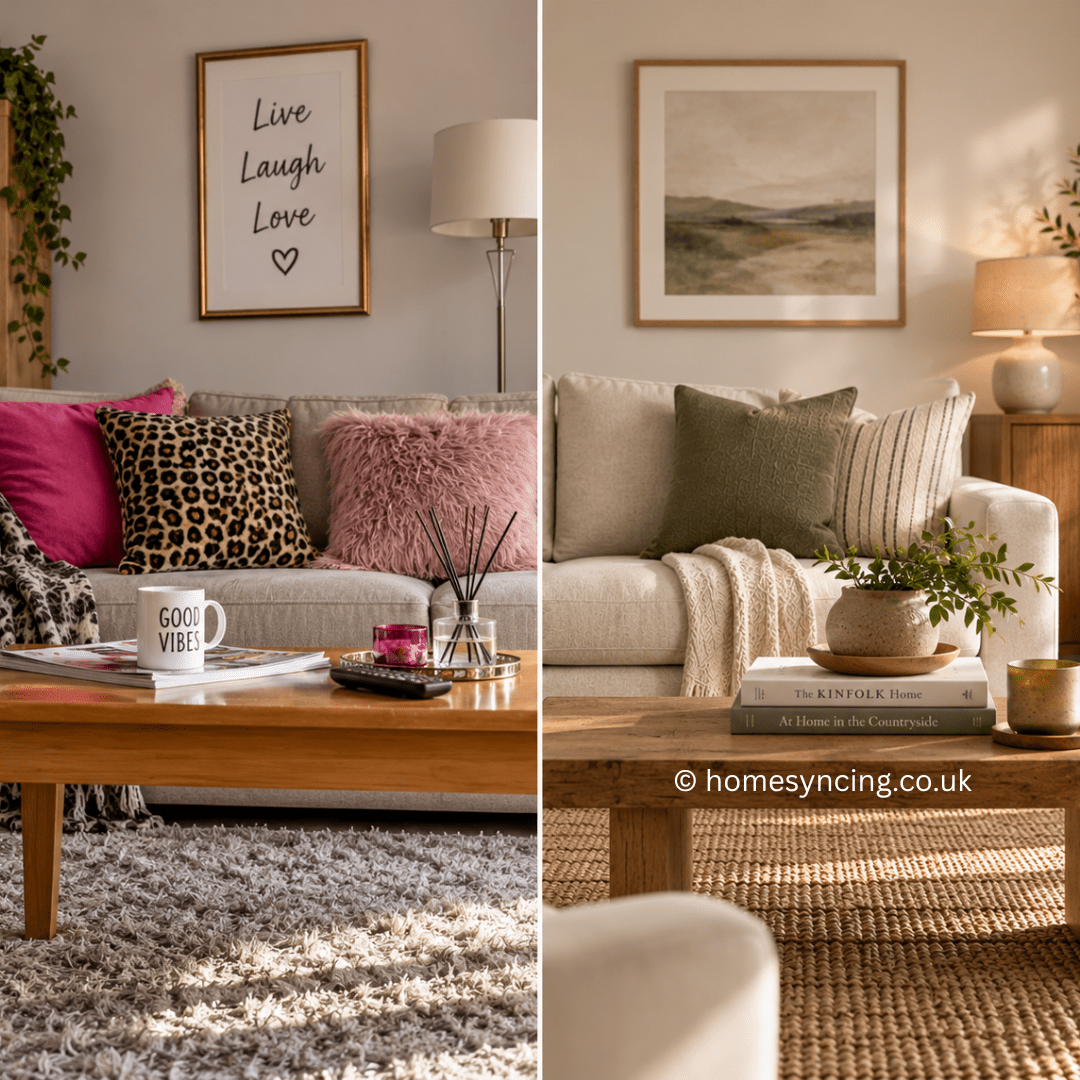
Home Décor Mistakes That Look Cheap

When it comes to designing our homes, we all want it to look stylish, chic and expensive. However, this can be difficult to achieve when you are decorating on a budget. But, don’t worry, here are eight things that are making your home look cheap and how to fix it on a budget.

A house is made of brick and mortar.  But a home is Made by the people who live there.  M K Soni

Lack of Lighting – One common mistake that homeowners make is not having enough lighting in their home. A poorly lit room can look dull and uninviting. However, you don’t have to spend a lot of money on fancy lighting fixtures to solve this problem. You can simply add more lamps or even some fairy lights to brighten up the room.

Misaligned Curtains – The way you hang your curtains can affect the overall look of the room. If your curtains are too short or too long, they can make your room look drab and cheap. A quick fix would be to hang your curtains high and wide to create the illusion of a bigger window.

Cluttered Surfaces – A cluttered surface can make a room look messy and disorganised. The solution is to have a designated spot for your things, like a shelf or a drawer. You can also use decorative boxes or trays to keep your items in place.

Cheap Bedding – Your bedding is one of the first things people notice when they enter your bedroom. If you have cheap-looking sheets and comforters, it can make your entire bedroom look cheap. Invest in quality bedding and choose something that fits your aesthetic.

Mismatched Furniture – Matching furniture can make your home look put together and sophisticated. But, if you can’t afford to buy a whole matching set, try mixing and matching pieces from different sets. Look for furniture that has similar colours or styles.

Boring Walls – Empty walls can make a room look unfinished and uninviting. Add some character to your walls by hanging art, mirrors or even shelves. You can also paint an accent wall to add some depth to the room.

Tiny Rugs – A small rug can make a room look cramped and unbalanced. If your rug is too small, it can look like an afterthought. Invest in a large rug that fits the room and anchors the furniture.

Lack of Greenery – Plants and flowers add life to your home and can make it feel more welcoming. If you don’t have a green thumb, start with easy-to-care-for plants like succulents or spider plants. You can also add some silk flowers to your home for a more long-term solution.

Home decorating can be difficult, especially when you’re on a budget. But, with a little creativity and some attention to detail, you can make your home look stylish and sophisticated.  So, go ahead and start transforming your home today!

Further Reading: Your Home Should Be Your Sanctuary, Transform Your Space with Rich Jewel Tones, Illuminate Your Space with Statement Lighting

Follow Us in Instagram for Daily Inspiration

Translate »