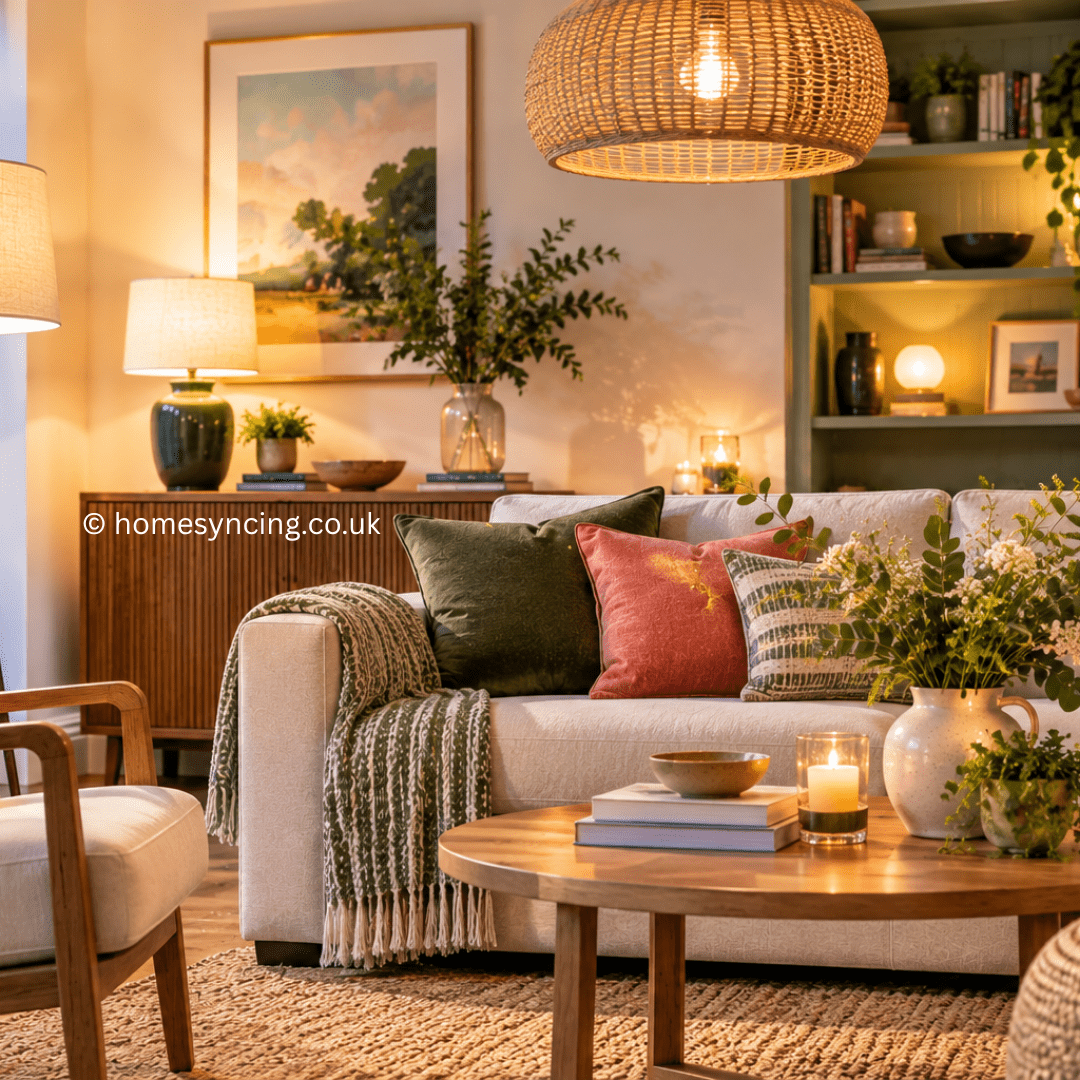
Finding your Perfect Lighting

Lighting is often the quiet hero of a well-considered home. It softens hard edges, highlights treasured pieces and gently shapes the mood of a room from morning through to evening. Done well, interior lighting design brings harmony and warmth; done poorly, it can leave even the most beautifully decorated space feeling flat.

With so many styles, fittings and bulbs available, choosing the right lighting for your home can feel daunting. This guide will help you approach the process with confidence, ensuring your lighting enhances both your interiors and the way you live within them.


Begin with the Purpose of the Room

Every room in your home has its own character and function. The lighting should reflect this.

  • Kitchen lighting requires bright, focused task lighting to support food preparation and everyday activity.
  • Dining room lighting benefits from softer illumination that encourages conversation and comfort.
  • Living room lighting should feel layered and adaptable, shifting easily from daytime brightness to evening calm.
  • Home office lighting calls for clarity and reduced glare to support concentration.

Before selecting fittings, ask yourself how the space is used throughout the day. A room rarely serves just one purpose, and your lighting should be flexible enough to support each moment.


Embrace Layered Lighting

One ceiling light alone rarely creates a welcoming atmosphere. The most successful interiors use layered lighting — a thoughtful combination of three types:

1. Ambient Lighting

This is your main source of light, often provided by a ceiling fitting, pendant or discreet downlights. It establishes overall brightness.

2. Task Lighting

Table lamps, reading lamps and under-cabinet lights provide focused illumination for specific activities such as cooking, reading or working.

3. Accent Lighting

Wall lights, picture lights and subtle spotlights add depth and draw attention to artwork, architectural features or cherished objects.

Layering these elements brings texture and dimension to a room. It also allows you to adjust the mood with ease, whether hosting friends or settling down for a quiet evening.


Align Lighting with Your Interior Style

Lighting fixtures are more than practical necessities — they are design statements in their own right.

  • Traditional interiors often suit elegant chandeliers, wall sconces with soft shades and fittings in warm metallic finishes.
  • Contemporary spaces may call for clean lines, sculptural pendants or understated geometric designs.
  • Rustic or country-inspired homes pair beautifully with natural materials such as glass, linen, rattan or aged brass.

Rather than treating lighting as an afterthought, consider how each piece complements your furniture, colour palette and architectural details. A well-chosen pendant or statement chandelier can anchor a room with quiet confidence.


Choose the Right Light Bulbs

While fittings attract the eye, the bulb determines the quality of light.

Modern LED bulbs are energy-efficient, long-lasting and emit less heat than traditional incandescent options. When selecting bulbs, pay attention to colour temperature:

  • Warm white (around 2700K) creates a soft, inviting glow ideal for living rooms and bedrooms.
  • Neutral to cool white (3500K–4100K) provides clearer, brighter light suited to kitchens, bathrooms and workspaces.

Consistency matters. Mixing drastically different colour temperatures within one space can feel disjointed. Aim for harmony throughout each room.


Consider Scale and Proportion

The size of your lighting should feel balanced within the room.

  • In a smaller room, a carefully chosen pendant can draw the eye upward and create the illusion of height.
  • In a larger space, multiple light sources arranged in zones help prevent the room from feeling cavernous.
  • Over a dining table or kitchen island, ensure fittings are proportionate to the surface beneath.

Always measure carefully before purchasing. Allow adequate clearance so fittings do not obstruct movement or sightlines. Good lighting should enhance comfort, not hinder it.


Think Beyond Illumination

Lighting is not simply about visibility; it is about atmosphere. A softly lit corner can invite relaxation, while a well-placed wall light can add quiet drama. Dimmer switches are particularly useful, allowing you to tailor brightness to suit the time of day and occasion.

Natural light should also be considered. Observe how daylight moves through your home and use artificial lighting to complement it rather than compete with it.


Creating a Home That Feels Welcoming

Choosing the best lighting for your home interiors requires care, but it need not feel overwhelming. By considering the room’s purpose, layering your lighting, selecting appropriate bulbs and respecting proportion, you can create spaces that feel balanced, warm and thoughtfully designed.

When approached with intention, lighting becomes more than a practical necessity. It becomes a gentle expression of your home’s character — shaping moments, enhancing comfort and bringing each room quietly to life.

Take your time, experiment thoughtfully and allow your lighting to reflect the way you wish to live.

Take a look at our range of lighting for your home here.

Further Reading: Affordable Decorating Ideas That Will Transform Your Home, Sustainable Chic: A Beginner’s Guide to Circular Design

Daily Inspiration: Follow Us on Instagram, BlueSky, Threads , Pinterest, Twitter, TikTok
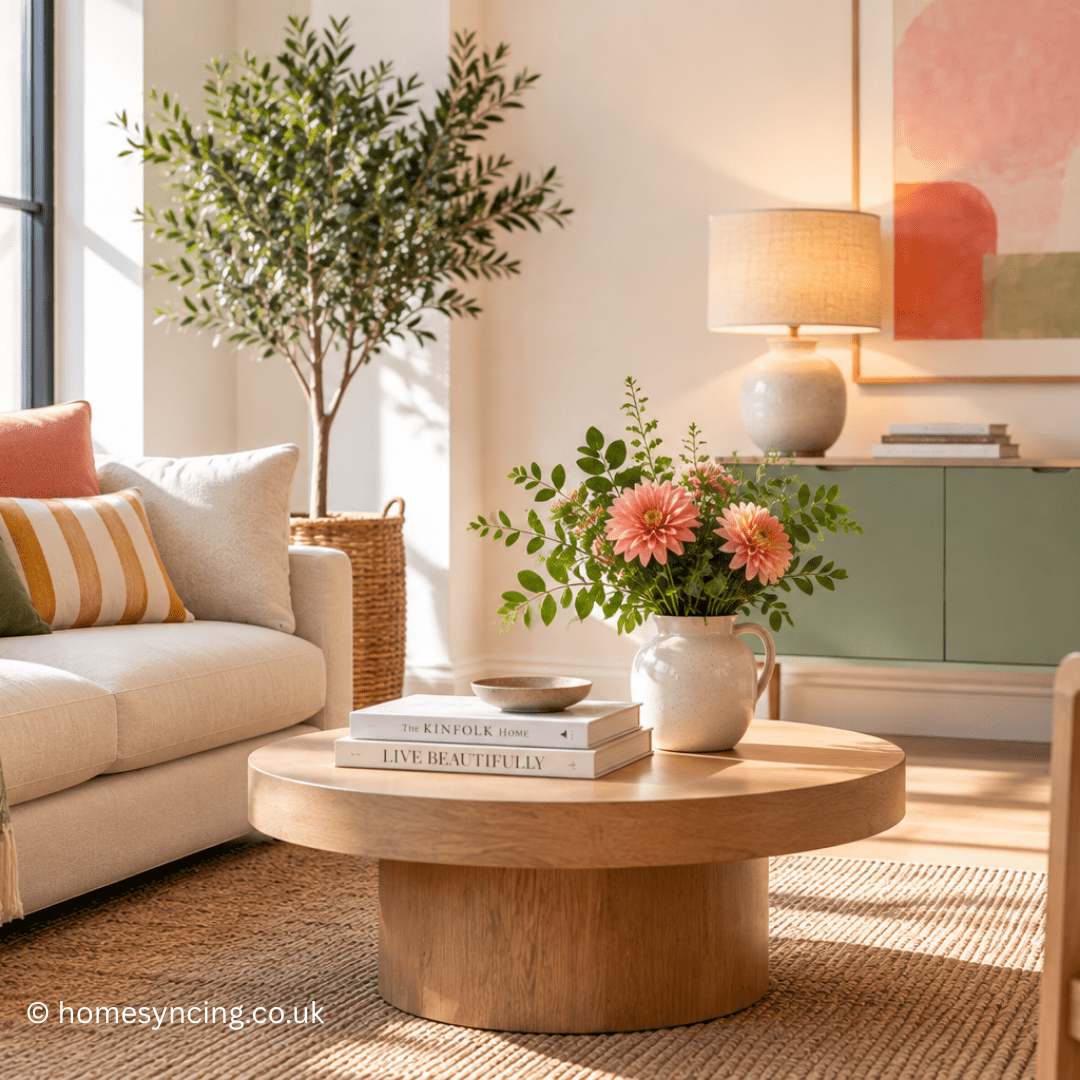
Choosing the Perfect Interior Style for your Home

Choosing an interior style is one of the most important decisions you’ll make when shaping your home. The right approach can bring a sense of ease and coherence to everyday living, creating rooms that feel comfortable, welcoming and true to who you are. Rather than following trends, a well-chosen interior style grows naturally from how you live and what you value.

With so many interior styles to explore, it can feel difficult to know where to begin. Taking time to reflect, observe and plan will help you arrive at a style that feels both personal and enduring.


Take Time to Explore Different Interior Styles

The first step is simply to look. Exploring a range of interior styles helps clarify what you’re drawn to and what you’d rather avoid. Some people are inspired by pared-back, light-filled spaces, while others prefer richer textures, layered patterns or raw, industrial finishes.

Spend time looking at interiors in books, magazines, exhibitions or historic buildings. Notice how different spaces make you feel. You may find yourself consistently drawn to certain materials, proportions or moods, even if you can’t yet name the style. This process of observation helps form a clear foundation for your own home.


Establish a Colour Palette That Feels Right

Colour plays a quiet but powerful role in shaping atmosphere. A thoughtful colour palette brings cohesion to a home, allowing rooms to flow naturally from one to the next.

Neutral shades such as soft whites, greys and earthy tones provide a calm backdrop and work well in spaces used daily. Deeper or brighter colours can then be introduced through walls, textiles or furniture to add warmth and character. When choosing colours, consider not only your personal taste but also the quality of light in your home and how rooms are used at different times of day.

A well-chosen palette doesn’t overwhelm; it supports the feeling you want to create, whether restful, sociable or uplifting.


Gather Inspiration From Meaningful Sources

Inspiration doesn’t need to come from a single place. Often, it grows from objects or spaces that already hold meaning. A much-loved painting, a piece of inherited furniture or a textile picked up on a holiday can all become starting points for a wider interior style.

Pay attention to details that catch your eye: textures, patterns, craftsmanship or colour combinations. These elements can help guide decisions and ensure your home feels layered and lived-in rather than overly styled.


Let the Way You Live Shape Your Choices

An interior style should support daily life, not compete with it. Before committing to any design direction, think honestly about how your home is used.

Family life, pets, working from home or frequent entertaining will all influence what works best. Durable materials, flexible layouts and thoughtful storage are just as important as aesthetics. A home that functions well will always feel more comfortable, regardless of style.

By considering practicality alongside appearance, you ensure your interior choices remain satisfying in the long term.


Combine Styles to Create Something Personal

Few homes fit neatly into a single category, and that’s no bad thing. Blending elements from different styles can result in a space that feels authentic and individual.

A largely neutral interior might be enriched with vintage pieces, handcrafted objects or contemporary accents. The key is balance — allowing one style to lead while others support it subtly. This approach gives a home depth and character, reflecting a life lived rather than a look imposed.


A Style That Grows With You

Choosing an interior style is not about reaching a final destination. It’s an ongoing process that evolves as tastes change and life moves on. By exploring widely, choosing colours with care, drawing inspiration from meaningful sources and prioritising how you live, you can create a home that feels both personal and timeless.

A thoughtful interior style doesn’t shout for attention. Instead, it quietly enhances everyday life, offering comfort, character and a sense of belonging.

Further Reading: Affordable Decorating Ideas That Will Transform Your Home, Sustainable Chic: A Beginner’s Guide to Circular Design, Interior Design Trends 2026, The Return of Colour: Moody & Expressive Interiors, Make Every Square Metre Count: Multifunctional Spaces

Daily Inspiration: Follow Us on Instagram, BlueSky, Threads , Pinterest, Twitter, TikTok

Sleep in Style – How to Create the Perfect Bedroom

Creating a Bedroom That Feels Like a True Retreat

Your bedroom should be a place of quiet restoration – somewhere you can withdraw from the day, slow your pace and feel at ease. Creating a space that supports rest and relaxation does take thought, but it need not feel daunting. With careful choices and a measured approach, your bedroom can become a calm, welcoming retreat that is both comfortable and characterful.


Begin with the Bed

The bed is the heart of the bedroom and deserves careful attention. A well-made bed sets the tone for the entire space, both visually and practically. Invest in a good-quality mattress and pillows that offer proper support, and choose bed linen that feels soft and breathable against the skin.

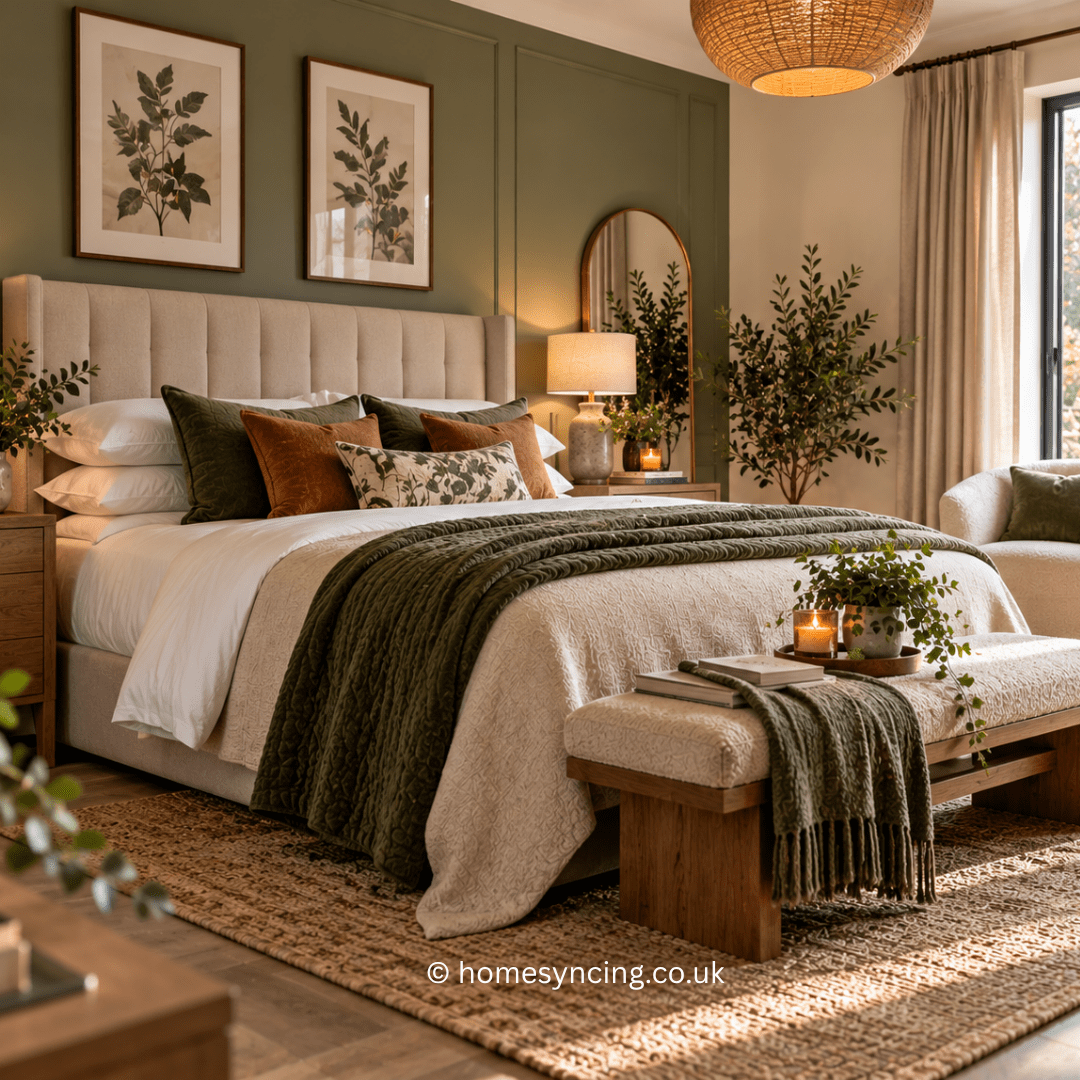
Neutral shades such as warm white, soft stone or gentle beige create a sense of calm and timelessness. Layering is key: a light duvet, a textured throw and a small selection of cushions add comfort without excess, giving the bed an inviting, considered feel.


Make Space for Storage

A restful bedroom is one free from unnecessary clutter. Thoughtful storage allows the room to feel ordered and unhurried. Choose pieces that suit the scale of the space, whether that is a wardrobe, chest of drawers or a discreet bedside cabinet.

Well-made storage furniture can add quiet character as well as function. Natural materials, simple lines and gentle finishes help the room feel settled and balanced, ensuring practical needs are met without disrupting the calm.


Use Lighting to Shape the Mood

Lighting plays a vital role in how a bedroom feels throughout the day. Rather than relying on a single source, aim for a layered approach. Soft overhead lighting provides general illumination, while bedside lamps or wall lights offer gentle pools of light for reading and winding down.

Daylight is equally important. Where possible, allow natural light to enter freely by keeping window dressings light and unfussy. As evening falls, warmer lighting will help the room feel cosy and reassuring.


Create a Sense of Comfort

Comfort lies at the centre of a successful bedroom. Introduce softness through textiles: a rug underfoot, layered bedding and perhaps an upholstered chair or bench. These elements bring warmth and help the room feel lived-in rather than styled.

Choose a colour palette that soothes you personally. Muted tones, natural hues and gentle contrasts tend to work well, creating an atmosphere that encourages rest. Personal touches – a favourite picture, a cherished photograph or a well-loved book – help the room feel truly your own.


Finish with Thoughtful Details

Accessories should be chosen with care and restraint. A mirror to catch the light, a simple vase, or a softly scented candle can add interest without overwhelming the space. Each item should earn its place, contributing either beauty or usefulness.

Too many decorative objects can disrupt the sense of calm, so allow the room space to breathe. Often, less truly is more.


A Room Made for Rest

A well-considered bedroom reflects both your needs and your character. It is not created overnight, but gradually, through thoughtful decisions and an appreciation for comfort, quality and simplicity. With time and care, your bedroom can become a place of quiet refuge – a space that restores and reassures, night after night.

See our range of bedroom furniture here.

Further Reading: Affordable Decorating Ideas That Will Transform Your Home, Sustainable Chic: A Beginner’s Guide to Circular Design

Daily Inspiration: Follow Us on Instagram, BlueSky, Threads , Pinterest, Twitter, TikTok
Translate »