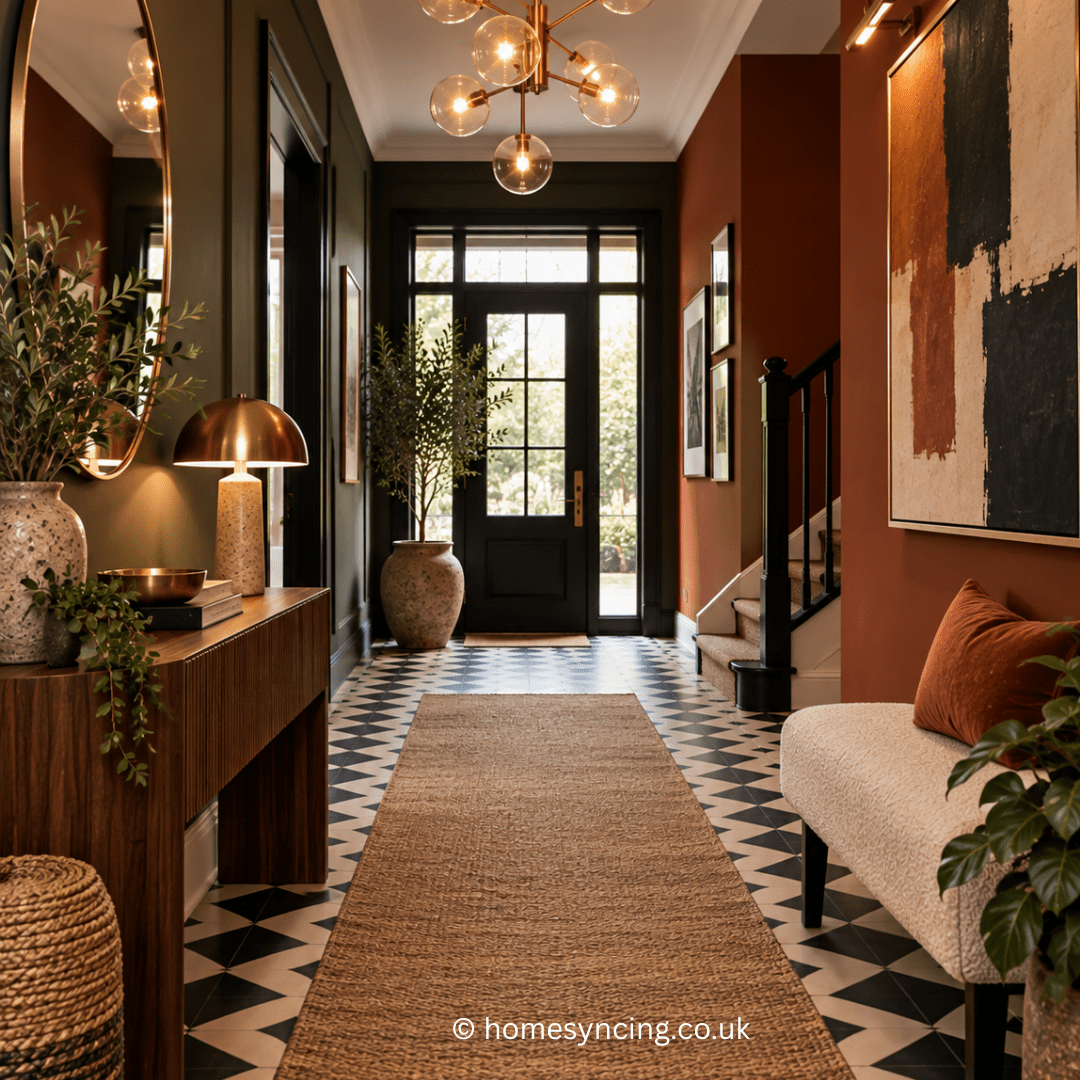
The Allure of Velvet in Interior Design

Few materials have the power to transform a room quite like velvet. Rich, tactile and effortlessly elegant, velvet has long been associated with luxury and sophistication. Once reserved for grand interiors and stately homes, this timeless fabric has found its place in modern living spaces, bringing warmth, depth and character to homes of every style.

Whether used on a statement sofa, sumptuous curtains or carefully chosen accessories, velvet introduces a sense of refinement that few other fabrics can match. Its unique ability to catch and reflect light creates movement and visual interest, making even the simplest pieces feel special.

If you’re looking to add a touch of luxury to your home, velvet may be the perfect design choice.

Why Velvet Continues to Captivate

Velvet’s enduring appeal lies in its versatility. It can feel dramatic and glamorous in one setting, yet soft and contemporary in another. Available in a wide range of colours and finishes, velvet complements everything from traditional interiors to modern minimalist spaces.

Its plush texture creates an immediate sense of comfort while adding an extra layer of visual richness. In interior design, texture is just as important as colour, and velvet provides both in abundance.

Elevate Your Living Space with Velvet Upholstery

One of the most popular ways to introduce velvet into the home is through upholstered furniture.

A Statement That Never Goes Unnoticed

A velvet sofa or armchair instantly becomes a focal point. The fabric’s subtle sheen highlights curves, detailing and craftsmanship, allowing furniture to take centre stage within a room.

Deep emerald greens, navy blues, burgundy reds and charcoal greys remain popular choices, offering timeless elegance while complementing a wide variety of décor styles.

Comfort Meets Sophistication

Velvet is not just beautiful to look at—it is wonderfully comfortable too. Its soft, inviting texture encourages relaxation, making it ideal for spaces designed for entertaining, reading or unwinding after a busy day.

Works with Every Interior Style

Velvet’s versatility allows it to adapt to many design aesthetics:

  • Modern homes benefit from clean-lined velvet furniture in muted tones.
  • Traditional interiors embrace rich jewel colours and classic silhouettes.
  • Art Deco schemes celebrate bold velvet statement pieces with metallic accents.
  • Contemporary spaces use velvet to introduce warmth and softness.

The Drama and Elegance of Velvet Curtains

Window treatments often have a significant impact on a room’s atmosphere, and velvet curtains are among the most luxurious choices available.

Creating Instant Impact

Floor-to-ceiling velvet curtains add drama, sophistication and a sense of grandeur. Their generous folds create movement and texture, helping windows become architectural features in their own right.

Exceptional Light Control

Velvet’s dense weave makes it highly effective at blocking unwanted light. This makes it particularly useful in:

  • Bedrooms
  • Home cinemas
  • Living rooms
  • Snug spaces

The result is a more comfortable and relaxing environment.

Improved Insulation

Velvet curtains do more than look beautiful. Their thickness can help reduce heat loss during colder months while adding an extra layer of comfort to your home.

Enhanced Acoustics

Because velvet absorbs sound rather than reflecting it, it can help soften echoes and improve room acoustics, making larger spaces feel warmer and more intimate.

Make a Statement with Velvet Accent Chairs

If you’re not ready to commit to a velvet sofa, an accent chair offers a perfect introduction.

A beautifully designed velvet chair can transform an empty corner into a stylish feature while adding both comfort and personality.

Popular placements include:

  • Reading corners
  • Bedrooms
  • Home offices
  • Dressing rooms
  • Living room conversation areas

A bold colour choice can inject energy into a neutral space, while softer shades create understated elegance.

Create a Luxurious Bedroom Retreat

Velvet isn’t limited to living spaces. It can also transform a bedroom into a luxurious sanctuary.

Velvet Throws and Bed Runners

A velvet throw draped across the end of a bed instantly creates a boutique hotel feel. The rich texture introduces depth and softness, making the room feel more inviting and layered.

Velvet Headboards

For maximum impact, consider a velvet upholstered headboard. Whether tufted, curved or contemporary in design, it creates a stunning focal point while enhancing comfort.

Cushions and Accessories

Velvet cushions offer an easy and affordable way to introduce the trend. Mixing velvet with linen, cotton and wool creates a beautifully balanced and sophisticated look.

Small Velvet Touches, Big Design Impact

You don’t need to redesign an entire room to enjoy the beauty of velvet.

Velvet Cushions

Perhaps the easiest way to incorporate velvet, cushions instantly add:

  • Texture
  • Colour
  • Warmth
  • Visual interest

They work particularly well against natural materials such as linen sofas, wooden furniture and woven textiles.

Velvet Ottomans and Footstools

A velvet ottoman combines practicality with style. It can function as:

  • Additional seating
  • A footrest
  • A coffee table alternative
  • Hidden storage

These versatile pieces bring elegance to both large and small spaces.

Decorative Accessories

Velvet can also be introduced through smaller accents such as:

  • Lampshades
  • Pouffes
  • Storage boxes
  • Dining chair cushions

These subtle additions allow you to experiment with the trend without making a major investment.

Choosing the Right Velvet Colours

Colour plays a significant role in how velvet feels within a room.

Rich Jewel Tones

Emerald green, sapphire blue, ruby red and amethyst purple create a luxurious and dramatic aesthetic.

Earthy Neutrals

Warm taupes, caramel browns and olive greens offer a softer, more contemporary interpretation of velvet.

Soft Pastels

Blush pinks, dusty blues and muted lavenders introduce elegance without overwhelming the space.

Timeless Classics

Charcoal, navy and ivory remain enduring favourites that complement a wide range of interiors.

Why Velvet Remains a Timeless Design Choice

Unlike many interior trends that come and go, velvet has stood the test of time. Its ability to combine comfort, sophistication and visual impact ensures it remains a favourite among designers and homeowners alike.

Whether you’re introducing a dramatic velvet sofa, luxurious curtains or simply a few carefully chosen accessories, velvet has the unique ability to elevate a space and create a feeling of understated luxury.

Its softness invites comfort, its texture adds depth and its elegance never goes out of style.

For those looking to create a home that feels warm, refined and effortlessly beautiful, velvet remains one of the most rewarding design choices available.

We have some great velvet pieces – take a look here.

For Daily Inspiration Follow Us on Instagram

How to Choose Wall Art for your Home

The right wall art can take your home’s aesthHow to Choose Wall Art for Your Home
A blank wall can feel full of possibility.
It might be a quiet corner waiting for character, a hallway longing for interest or a living room that doesn’t quite feel complete. The right piece of wall art has the remarkable ability to transform a space, adding personality, atmosphere and a sense of belonging.
Art is often one of the most personal choices we make in our homes. Unlike furniture or paint colours, it tells a story. It reflects our interests, memories, travels and tastes. Whether it’s a dramatic landscape, a collection of botanical prints, contemporary photography or a treasured family heirloom, wall art helps turn a house into a home.
Yet choosing artwork can sometimes feel surprisingly daunting. With so many styles, sizes and colours available, where do you begin?
The good news is that selecting wall art needn’t be complicated. By considering the character of your room and the feeling you’d like to create, you can find pieces that feel both beautiful and meaningful.
Start with the Room, Not the Artwork
Before falling in love with a particular print or painting, take a moment to look carefully at the room itself.
Consider how the space is used and how you want it to feel. Is it a busy family room designed for gathering and conversation? A peaceful bedroom intended for rest and relaxation? Or perhaps a hallway that provides the first impression of your home?
The most successful interiors feel cohesive because every element works together. Artwork should enhance the atmosphere rather than compete with it.
A calm, neutral room may benefit from soft landscapes, delicate line drawings or nature-inspired prints. Meanwhile, a more vibrant space can often carry bold colours, striking abstracts or expressive contemporary pieces.
Rather than matching everything perfectly, think about how artwork can contribute to the overall mood and character of the room.
Consider What You Want the Artwork to Do
Wall art serves many purposes beyond decoration.
Sometimes it introduces colour into an otherwise neutral space. At other times it creates a focal point, draws the eye or helps define a particular area within an open-plan room.
Ask yourself:
Do I want this piece to be the centre of attention?
Am I adding warmth and personality?
Do I want to create a sense of calm?
Is this an opportunity to showcase something meaningful?
The answers will help guide your choices.
A large statement artwork above a fireplace or sofa naturally becomes a focal point. Smaller pieces grouped together can tell a more personal story and encourage closer inspection.
Size Matters More Than You Think
One of the most common decorating mistakes is choosing artwork that is too small for the wall it occupies.
A tiny picture on a large wall can feel lost, while an oversized piece in a compact room may overwhelm the space.
As a general guide, artwork should feel proportionate to the furniture and architecture around it.
When hanging art above a sofa, sideboard or bed, the artwork should typically occupy around two-thirds of the furniture’s width. This creates visual balance and helps anchor the piece within the room.
If you have a large wall to fill, consider:
Oversized statement artwork
A pair of matching prints
A gallery wall arrangement
A collection of framed photographs
Before making any holes in the wall, lay out your arrangement on the floor or use paper templates to experiment with positioning.
Let Colour Guide You
Colour has a powerful influence on how a room feels.
Some homeowners prefer artwork that echoes existing colours within their décor, creating a harmonious and unified scheme. Others use artwork as an opportunity to introduce contrast and energy.
Neither approach is right or wrong.
If your room already contains soft greens, earthy terracottas or warm neutrals, artwork that includes similar tones can help tie the scheme together beautifully.
Alternatively, a bold piece in contrasting colours can provide a welcome focal point and prevent the room from feeling too predictable.
The key is balance. Artwork should feel connected to the room without disappearing into it.
Create Interest Through Texture
Wall art doesn’t always have to be a framed print or painting.
Texture can bring just as much visual interest to a space.
Consider:
Woven wall hangings
Textile art
Sculptural pieces
Vintage maps
Pressed botanicals
Decorative plates
Framed fabrics
Mixing textures alongside traditional artwork can add depth and personality while creating a more layered and collected appearance.
Gallery Walls: Telling Your Story
Gallery walls remain a popular choice because they offer endless opportunities for personal expression.
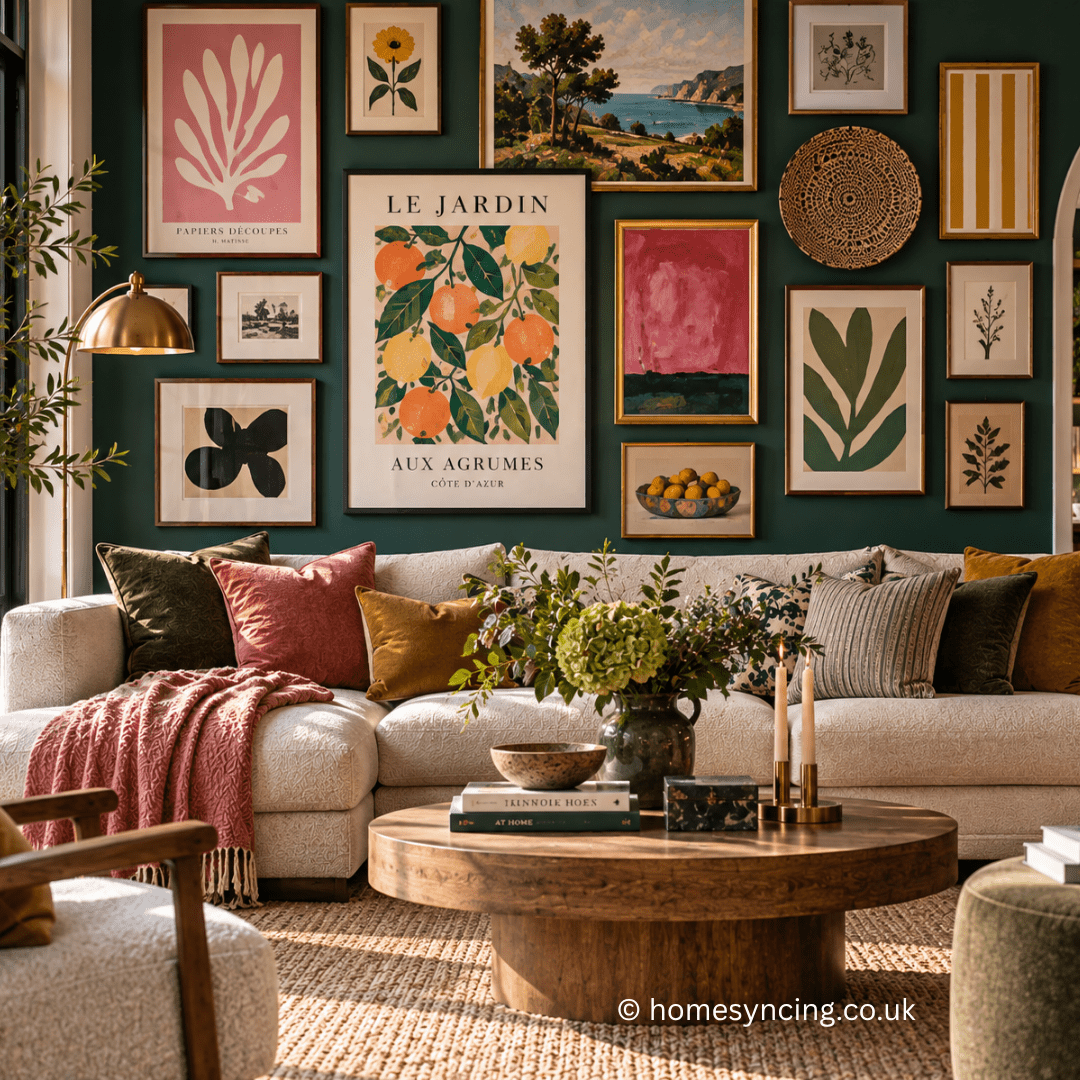
Rather than relying on a single piece, they allow you to combine photographs, prints, illustrations and treasured mementoes into a carefully curated display.
The most successful gallery walls often share a common thread, whether through colour, subject matter, framing style or overall mood.
Don’t be afraid to include meaningful items alongside traditional artwork. Travel photographs, family memories and collected treasures often become the pieces that spark the most conversation.
Trust Your Instincts
Perhaps the most important advice when choosing wall art is also the simplest.
Choose pieces that resonate with you.
Trends come and go, but the artwork you live with should bring genuine enjoyment. It should evoke a memory, inspire a feeling or simply make you smile when you walk into the room.
Art has the unique ability to shape how a space feels. It can add warmth, create atmosphere and express personality in ways few other decorative elements can achieve.
If a piece speaks to you, there’s every chance it will continue to do so long after decorating trends have faded.
Bringing Your Walls to Life
The best homes feel personal, collected and lived in. Wall art plays an important role in creating that sense of individuality.
Whether you’re selecting a single statement piece or building a carefully curated gallery wall, take time to consider the character of your space and the story you’d like it to tell.
After all, the most beautiful interiors are not simply decorated; they are thoughtfully layered with objects, colours and artworks that reflect the people who live there.
And sometimes, all it takes is the right piece on the right wall to make a room feel complete.

Further Reading: Affordable Decorating Ideas That Will Transform Your HomeSustainable Chic: A Beginner’s Guide to Circular DesignSmall Room, Big Impact

Daily Inspiration: Follow Us on Instagram, BlueSkyThreads , PinterestTwitterTikTok

Take a Look at our great range of Wall Art here

Home Decor Trends for 2023

Trends come and go, but your home is the one constant place that you want to feel comfortable and in-trend. Keeping up with the latest home decor trends is an exciting task that every homeowner enjoys. As we draw closer to 2024, we can expect to see some amazing trends that can elevate the aesthetic of any space. In this blog, we’ll walk you through some of the most anticipated home decor trends that will take over the UK in the coming months.

Greenery:  Adding greenery to your home decor is a timeless trend that is set to continue in 2023 and beyond. Plants help purify the air, bring a touch of nature indoors, and have a calming effect. Despite the undeniable positive impact that plants have on your home, not everyone has green fingers. So, if you’re looking for easy to care for plants, succulents, Monstera or Snake plants are great options. Upcoming twists in this trend include incorporating plant walls, and living floors, that can turn any room into a natural oasis.

Rattan:  Rattan may remind you of your Granny’s garden furniture, but it’s coming back into fashion in a big way. Rattan adds texture and warmth to a room, making it the perfect material for accent chairs, tables or planters. Rattan furniture can suit any style- modern or traditional- and can be painted in a variety of colours to fit any decor scheme.

Statement Ceilings: Gone are the days of plain white ceilings! Now you can expect to see statement ceilings that can steal the show in any room. Statement ceilings can add character, depth and drama to any space, and can be achieved using wallpaper, murals, paint or even adding tiles, beams or lighting to a ceiling.

Pastels:  Pastels have been around for a while and it looks like they’re here to stay. Pastels add a sense of calm and serenity to a space and can provide a much-needed break from bolder colours. Pink and baby blue still remain popular but peach, lavender, powder green and even mint are set to take over the UK in 2023.

Textured Walls:  Walls covered in textured wallpaper are making a big comeback. Textured wallpaper adds dimension and depth to a wall and can create a cosy, inviting atmosphere in any room. Textured wallpaper can include anything from 3D, fabric, shimmery, coarse, or even hand-painted wallpapers.

Home decor trends are ever-evolving, so don’t be afraid to embrace new trends and mix them with existing decor to create something truly unique to your taste. Home decor trends this year will allow you to add character and personality to your home. From the greenery trend, which brings life to a room to using textured walls, everything has been designed to make your home a more comfortable space that reflects your personality. So, grab your tools and start decorating!

Further Reading: Creating an Inviting Entrance: Enhancing the First Impression of Your Home, The Allure of Velvet in Interior Design

Follow us on Instagram

Finding your Perfect Lighting

Lighting is often the quiet hero of a well-considered home. It softens hard edges, highlights treasured pieces and gently shapes the mood of a room from morning through to evening. Done well, interior lighting design brings harmony and warmth; done poorly, it can leave even the most beautifully decorated space feeling flat.

With so many styles, fittings and bulbs available, choosing the right lighting for your home can feel daunting. This guide will help you approach the process with confidence, ensuring your lighting enhances both your interiors and the way you live within them.


Begin with the Purpose of the Room

Every room in your home has its own character and function. The lighting should reflect this.

  • Kitchen lighting requires bright, focused task lighting to support food preparation and everyday activity.
  • Dining room lighting benefits from softer illumination that encourages conversation and comfort.
  • Living room lighting should feel layered and adaptable, shifting easily from daytime brightness to evening calm.
  • Home office lighting calls for clarity and reduced glare to support concentration.

Before selecting fittings, ask yourself how the space is used throughout the day. A room rarely serves just one purpose, and your lighting should be flexible enough to support each moment.


Embrace Layered Lighting

One ceiling light alone rarely creates a welcoming atmosphere. The most successful interiors use layered lighting — a thoughtful combination of three types:

1. Ambient Lighting

This is your main source of light, often provided by a ceiling fitting, pendant or discreet downlights. It establishes overall brightness.

2. Task Lighting

Table lamps, reading lamps and under-cabinet lights provide focused illumination for specific activities such as cooking, reading or working.

3. Accent Lighting

Wall lights, picture lights and subtle spotlights add depth and draw attention to artwork, architectural features or cherished objects.

Layering these elements brings texture and dimension to a room. It also allows you to adjust the mood with ease, whether hosting friends or settling down for a quiet evening.


Align Lighting with Your Interior Style

Lighting fixtures are more than practical necessities — they are design statements in their own right.

  • Traditional interiors often suit elegant chandeliers, wall sconces with soft shades and fittings in warm metallic finishes.
  • Contemporary spaces may call for clean lines, sculptural pendants or understated geometric designs.
  • Rustic or country-inspired homes pair beautifully with natural materials such as glass, linen, rattan or aged brass.

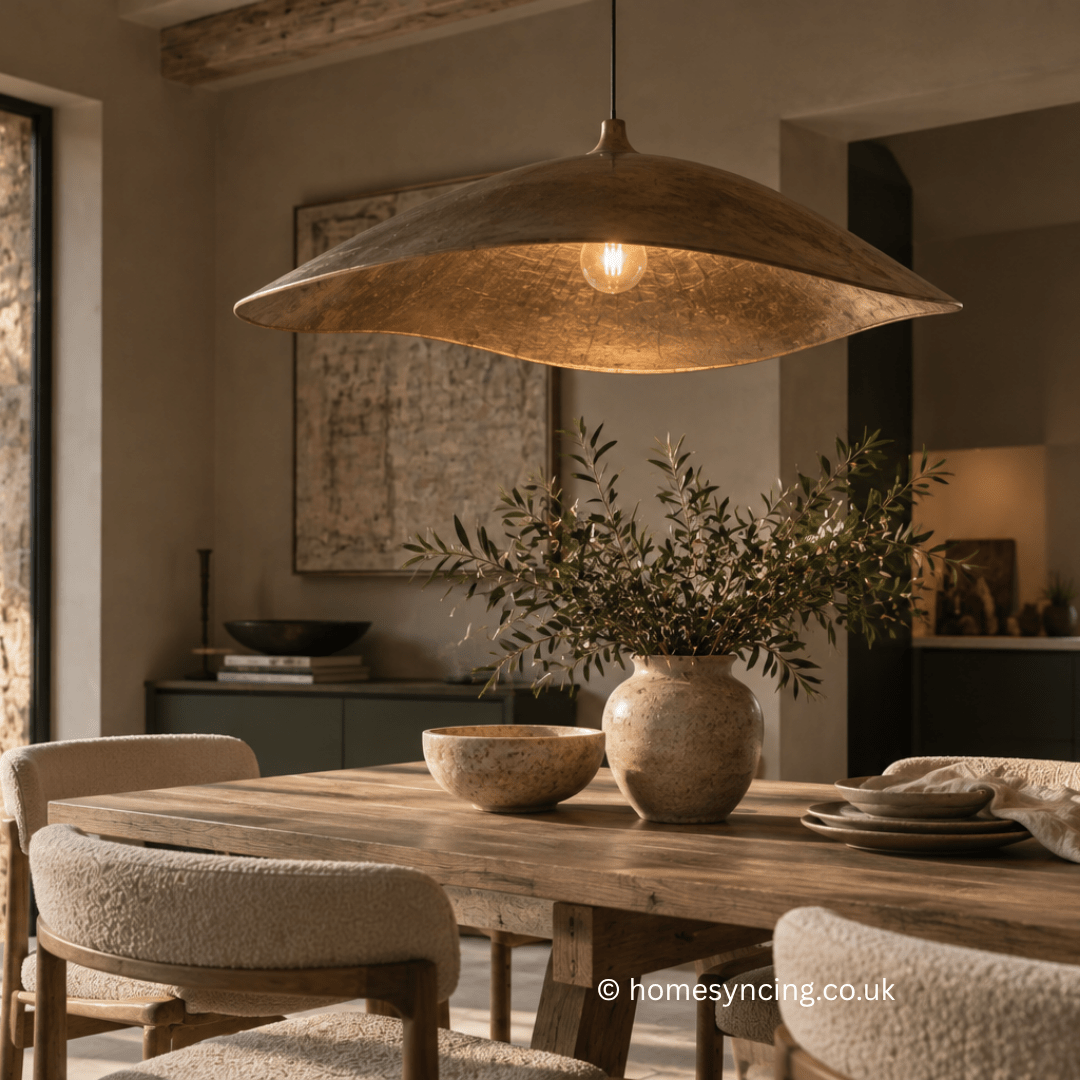
Rather than treating lighting as an afterthought, consider how each piece complements your furniture, colour palette and architectural details. A well-chosen pendant or statement chandelier can anchor a room with quiet confidence.


Choose the Right Light Bulbs

While fittings attract the eye, the bulb determines the quality of light.

Modern LED bulbs are energy-efficient, long-lasting and emit less heat than traditional incandescent options. When selecting bulbs, pay attention to colour temperature:

  • Warm white (around 2700K) creates a soft, inviting glow ideal for living rooms and bedrooms.
  • Neutral to cool white (3500K–4100K) provides clearer, brighter light suited to kitchens, bathrooms and workspaces.

Consistency matters. Mixing drastically different colour temperatures within one space can feel disjointed. Aim for harmony throughout each room.


Consider Scale and Proportion

The size of your lighting should feel balanced within the room.

  • In a smaller room, a carefully chosen pendant can draw the eye upward and create the illusion of height.
  • In a larger space, multiple light sources arranged in zones help prevent the room from feeling cavernous.
  • Over a dining table or kitchen island, ensure fittings are proportionate to the surface beneath.

Always measure carefully before purchasing. Allow adequate clearance so fittings do not obstruct movement or sightlines. Good lighting should enhance comfort, not hinder it.


Think Beyond Illumination

Lighting is not simply about visibility; it is about atmosphere. A softly lit corner can invite relaxation, while a well-placed wall light can add quiet drama. Dimmer switches are particularly useful, allowing you to tailor brightness to suit the time of day and occasion.

Natural light should also be considered. Observe how daylight moves through your home and use artificial lighting to complement it rather than compete with it.


Creating a Home That Feels Welcoming

Choosing the best lighting for your home interiors requires care, but it need not feel overwhelming. By considering the room’s purpose, layering your lighting, selecting appropriate bulbs and respecting proportion, you can create spaces that feel balanced, warm and thoughtfully designed.

When approached with intention, lighting becomes more than a practical necessity. It becomes a gentle expression of your home’s character — shaping moments, enhancing comfort and bringing each room quietly to life.

Take your time, experiment thoughtfully and allow your lighting to reflect the way you wish to live.

Take a look at our range of lighting for your home here.

Further Reading: Affordable Decorating Ideas That Will Transform Your HomeSustainable Chic: A Beginner’s Guide to Circular Design

Daily Inspiration: Follow Us on Instagram, BlueSkyThreads , PinterestTwitterTikTok

Choosing the Perfect Interior Style for your Home

Choosing an interior style is one of the most important decisions you’ll make when shaping your home. The right approach can bring a sense of ease and coherence to everyday living, creating rooms that feel comfortable, welcoming and true to who you are. Rather than following trends, a well-chosen interior style grows naturally from how you live and what you value.

With so many interior styles to explore, it can feel difficult to know where to begin. Taking time to reflect, observe and plan will help you arrive at a style that feels both personal and enduring.


Take Time to Explore Different Interior Styles

The first step is simply to look. Exploring a range of interior styles helps clarify what you’re drawn to and what you’d rather avoid. Some people are inspired by pared-back, light-filled spaces, while others prefer richer textures, layered patterns or raw, industrial finishes.

Spend time looking at interiors in books, magazines, exhibitions or historic buildings. Notice how different spaces make you feel. You may find yourself consistently drawn to certain materials, proportions or moods, even if you can’t yet name the style. This process of observation helps form a clear foundation for your own home.


Establish a Colour Palette That Feels Right

Colour plays a quiet but powerful role in shaping atmosphere. A thoughtful colour palette brings cohesion to a home, allowing rooms to flow naturally from one to the next.

Neutral shades such as soft whites, greys and earthy tones provide a calm backdrop and work well in spaces used daily. Deeper or brighter colours can then be introduced through walls, textiles or furniture to add warmth and character. When choosing colours, consider not only your personal taste but also the quality of light in your home and how rooms are used at different times of day.

A well-chosen palette doesn’t overwhelm; it supports the feeling you want to create, whether restful, sociable or uplifting.


Gather Inspiration From Meaningful Sources

Inspiration doesn’t need to come from a single place. Often, it grows from objects or spaces that already hold meaning. A much-loved painting, a piece of inherited furniture or a textile picked up on a holiday can all become starting points for a wider interior style.

Pay attention to details that catch your eye: textures, patterns, craftsmanship or colour combinations. These elements can help guide decisions and ensure your home feels layered and lived-in rather than overly styled.


Let the Way You Live Shape Your Choices

An interior style should support daily life, not compete with it. Before committing to any design direction, think honestly about how your home is used.

Family life, pets, working from home or frequent entertaining will all influence what works best. Durable materials, flexible layouts and thoughtful storage are just as important as aesthetics. A home that functions well will always feel more comfortable, regardless of style.

By considering practicality alongside appearance, you ensure your interior choices remain satisfying in the long term.


Combine Styles to Create Something Personal

Few homes fit neatly into a single category, and that’s no bad thing. Blending elements from different styles can result in a space that feels authentic and individual.

A largely neutral interior might be enriched with vintage pieces, handcrafted objects or contemporary accents. The key is balance — allowing one style to lead while others support it subtly. This approach gives a home depth and character, reflecting a life lived rather than a look imposed.


A Style That Grows With You

Choosing an interior style is not about reaching a final destination. It’s an ongoing process that evolves as tastes change and life moves on. By exploring widely, choosing colours with care, drawing inspiration from meaningful sources and prioritising how you live, you can create a home that feels both personal and timeless.

A thoughtful interior style doesn’t shout for attention. Instead, it quietly enhances everyday life, offering comfort, character and a sense of belonging.

Further Reading: Affordable Decorating Ideas That Will Transform Your HomeSustainable Chic: A Beginner’s Guide to Circular Design, Interior Design Trends 2026, The Return of Colour: Moody & Expressive Interiors, Make Every Square Metre Count: Multifunctional Spaces

Daily Inspiration: Follow Us on Instagram, BlueSkyThreads , PinterestTwitterTikTok

Translate »