Clever Ways to Use Mirrors in Your Home

A well-placed mirror can change the character of a room before you have moved a single piece of furniture.

It can catch the pale morning light from a window and carry it into a darker corner. It can make a narrow hallway seem more generous, bring a glimpse of the garden indoors or turn an ordinary fireplace into the natural focus of a room.

Mirrors are practical, of course, but their real value in interior design lies in what they allow us to see differently. Used thoughtfully, they become part of the architecture of a home — shaping light, altering our sense of space and creating views where previously there were none.

The secret is not simply to find an empty wall and hang a mirror on it. It is to consider what the mirror will reflect, how it relates to the proportions of the room and what you would like it to achieve.

Here are some of our favourite ways to decorate with mirrors and make more of the light, space and character already present in your home.

Use Mirrors to Bring More Light into a Room

There are rooms in almost every home that seem reluctant to embrace the daylight. Perhaps they face north, have a small window or sit in the middle of the house where sunshine rarely reaches.

A mirror can help.

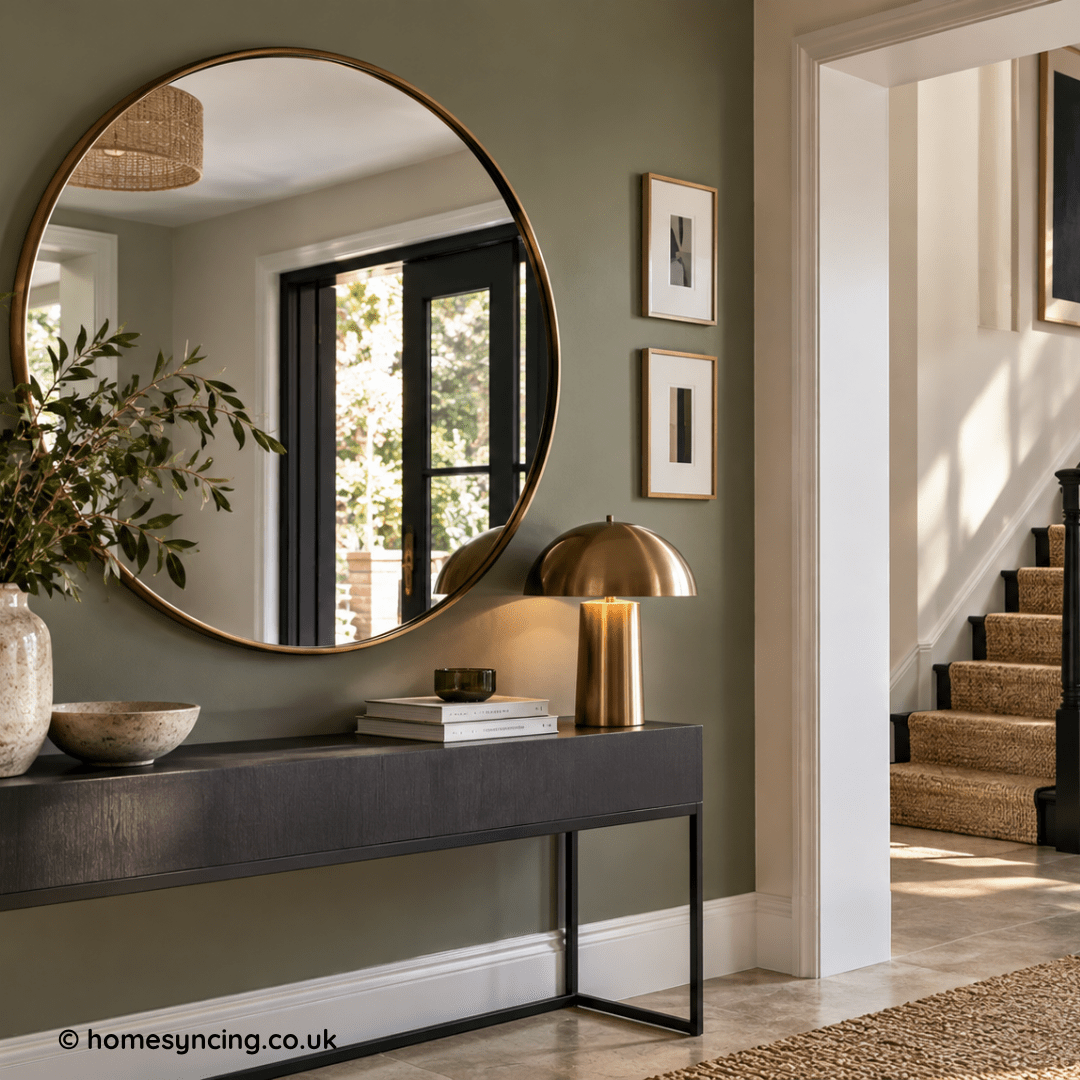
Positioned opposite or at an angle to a window, a generously sized mirror catches natural light and reflects it back into the room. The effect can be particularly lovely when the mirror also captures a patch of blue sky, the movement of trees or another attractive outdoor view.

There is no need to place it directly opposite the window. In fact, experimenting with the angle can produce a softer result. Watch how the light travels through the room at different times of day and position your mirror where it can make the most of it.

Lamps and wall lights can work in much the same way after dusk. A mirror placed near a table lamp or wall light gently multiplies its glow, creating warmth without making the room excessively bright.

The aim is not simply to create more light, but to make better use of the light you already have.

Make a Hallway Feel Lighter and More Generous

Hallways are hardworking spaces. They greet us when we come home, gather shoes and coats, connect one room with another and yet are often among the smallest and darkest areas of the house.

This makes them particularly well suited to mirrors.

A large round mirror above a slim console table can soften the straight lines of a narrow hallway, while a tall mirror can emphasise ceiling height. In a particularly tight space, a broad horizontal mirror can visually widen the wall.

Before hanging one, stand where you will normally see it and consider the reflection.

A mirror facing an attractive doorway, piece of artwork or view into another room creates an additional layer of interest. One reflecting a crowded coat rack is rather less successful.

This small consideration — designing the reflection as carefully as the wall itself — is one of the simplest ways to make mirrors look considered rather than merely convenient.

Create a View Where There Isn’t One

One of the cleverest uses of mirrors is to create the impression of another opening in the room.

A large mirror positioned to reflect a garden can almost become a second window. Greenery, changing skies and seasonal colour appear within the room, and the boundary between indoors and out feels a little less definite.

This can work beautifully in dining rooms and living rooms where the real window sits to one side rather than directly in front of you.

Window-style mirrors can achieve a similar effect in rooms without an obvious outlook, although restraint is worthwhile. Choose a simple design whose proportions suit the architecture of your home rather than something overly decorative.

Done well, the eye notices the apparent view before it notices the trick.

Give a Small Room a Greater Sense of Space

Mirrors cannot make a room physically larger, but they can alter how we perceive its boundaries.

A large mirror reflects not only light but also floor, furniture and architectural details, effectively giving the eye somewhere further to travel. This can be particularly useful in a small living room, compact bedroom, entrance hall or dining area.

Scale matters here.

It can be tempting to choose a small mirror for a small room, but a larger design will often have considerably more impact. One substantial mirror can make a wall seem to recede, whereas several little ones may make the same space feel busier.

A tall mirror can also draw attention upwards, making the ceiling appear higher and bringing a welcome sense of vertical space.

Make More of a Fireplace

There is a reason mirrors have been hung above fireplaces for generations.

The fireplace naturally anchors a room, and a mirror above it strengthens that sense of symmetry while introducing another source of reflected light.

The proportions are important. A mirror that is too small can appear rather lost above a substantial mantelpiece, while one that overwhelms the chimney breast can upset the balance of the room.

Look for a size that relates comfortably to the width of the fireplace below.

In a period interior, an aged or gently decorative frame can sit happily alongside traditional architectural details. In a more contemporary room, a simple round, arched or slim-framed mirror provides contrast without competing with the fireplace itself.

And once again, consider the reflection. A mirror above a mantel often sits high enough to reflect a ceiling or bare wall. If possible, position it so that it catches a pendant light, artwork, window or some other interesting element of the room.

Bring Forgotten Alcoves to Life

Alcoves have a habit of becoming repositories for things we do not quite know where else to put.

Mirrors offer another possibility.

A mirror fitted to the back of an alcove creates depth and allows objects displayed in front of it to be seen from several angles. Glassware, ceramics and sculptural objects can look particularly effective, especially when softly illuminated.

In traditional rooms, antiqued or lightly foxed mirror glass can produce a gentler reflection than pristine modern glass. It gives depth without turning the alcove into something resembling a bathroom cabinet.

Pairing the mirror with discreet wall lighting or a small lamp adds another layer after dark.

It is a lovely way to turn an awkward architectural recess into a deliberate feature.

Let a Floor-Standing Mirror Become Part of the Furniture

Not every mirror needs to be hung.

A large floor-standing mirror can have the presence of a piece of furniture, particularly in a bedroom, dressing room or generous landing.

Leaning a substantial mirror against a wall gives a room a more relaxed quality than fixing it formally above furniture. It also allows the mirror to capture more of the room, creating a greater feeling of depth.

The frame can introduce another useful material into the scheme — timber for warmth, aged brass for a subtle gleam or a simple painted finish that relates to the walls.

There is a practical consideration, however. Large leaning mirrors should always be appropriately secured, particularly in homes with children or pets. The relaxed appearance need not mean the mirror itself is unsecured.

Use Shape to Change the Rhythm of a Room

Look around most homes and you will find rectangles everywhere: doors, windows, cupboards, pictures, tables and television screens.

A mirror offers an easy opportunity to introduce another shape.

Round and oval mirrors soften rooms dominated by straight architectural lines. Arched mirrors can introduce height without feeling severe, while irregular and more sculptural designs can act almost like artwork.

The key is knowing when the room already has enough going on.

If you have patterned wallpaper, colourful artwork and strongly shaped furniture, a simple mirror may provide the quieter note the scheme needs. In a restrained interior, however, an unusual shape can provide just enough character to bring the room to life.

A statement mirror does not necessarily need an elaborate frame. Sometimes shape and scale are statement enough.

Choose a Frame That Belongs in the Room

A mirror frame is another opportunity to introduce colour, texture and material.

Warm timber can make a contemporary room feel more relaxed. Dark metal provides definition against pale walls. Brass catches changing light beautifully, while a painted frame can quietly echo another colour elsewhere in the room.

There is no rule that says everything must match.

In fact, rooms often become more interesting when finishes are related rather than identical. An aged brass mirror does not require every lamp, handle and candlestick to be aged brass too.

Think of the frame as you would the frame around a painting: it should complement what surrounds it without becoming a distraction.

Use Mirrors in Groups — Sparingly

A collection of smaller mirrors can work wonderfully on a staircase, landing or generous wall, particularly if the pieces have been collected over time.

The most convincing arrangements tend to share something in common — perhaps similar frames, related shapes or a consistent period — without being completely identical.

Before reaching for the hammer, lay the arrangement out on the floor.

Start with the largest mirror and allow the smaller pieces to develop around it. Keep enough space between them for each shape to be appreciated.

There is a fine line between a collection and visual clutter. If the wall already contains plenty of architectural detail, one beautifully proportioned mirror may ultimately say more.

Think About What the Mirror Sees

This is perhaps the most important rule of all.

Every mirror creates another picture within the room.

Before deciding where it belongs, stand in front of the proposed position and look behind you. That is approximately what the mirror is going to bring into view.

A reflection of a window, artwork, fireplace, handsome piece of furniture or doorway into another attractive room adds something. A reflection of a television, open bathroom door or pile of paperwork probably does not.

This is also why moving a mirror by only a few centimetres can sometimes make an unexpectedly large difference.

Interior designers do not simply decorate the surface on which a mirror hangs. They design the view within it.

Living with Mirrors

The most successful interiors rarely reveal all their tricks immediately.

A mirror might first be noticed for its beautiful frame, and only later for the way it catches the last of the afternoon sun. Another might appear to be simply part of a hallway arrangement until you realise that it is reflecting the garden at the other end of the house.

That is where mirrors become particularly rewarding.

They respond to a home as it changes throughout the day. Morning light becomes evening lamplight; an open door becomes part of the view; bare winter branches give way to summer greenery.

So when choosing where to place mirrors in your home, begin not with the mirror but with the room.

Look for the light worth capturing, the view worth repeating and the corner that could benefit from a little more depth. Consider proportion and shape, but leave room for instinct too.

A thoughtfully placed mirror does more than show us our reflection.

It allows us to see the home itself in an entirely new light.

Our Mirrors can be found here.

Further reading: How to choose the perfect mirror for your home
Follow us on Instagram for Daily Inspiration

How to Restyle Your Home Like an Interior Designer

There is a particular pleasure in walking into a room that simply feels right.

It may not be the grandest room, nor the most fashionable. The furniture might have been gathered over many years rather than bought as a matching set. There may be an old chair beside a contemporary lamp, books that have escaped their shelves and a much-loved table bearing the marks of everyday life.

Yet somehow, it all belongs.

This is one of the quieter skills of good interior design. A beautifully styled home is rarely about filling a room with expensive things. It is about understanding colour, proportion, texture, light and the way a room is actually lived in.

And that means you do not necessarily need to redecorate your home from top to bottom to transform it. Sometimes the most successful changes begin with what you already have.

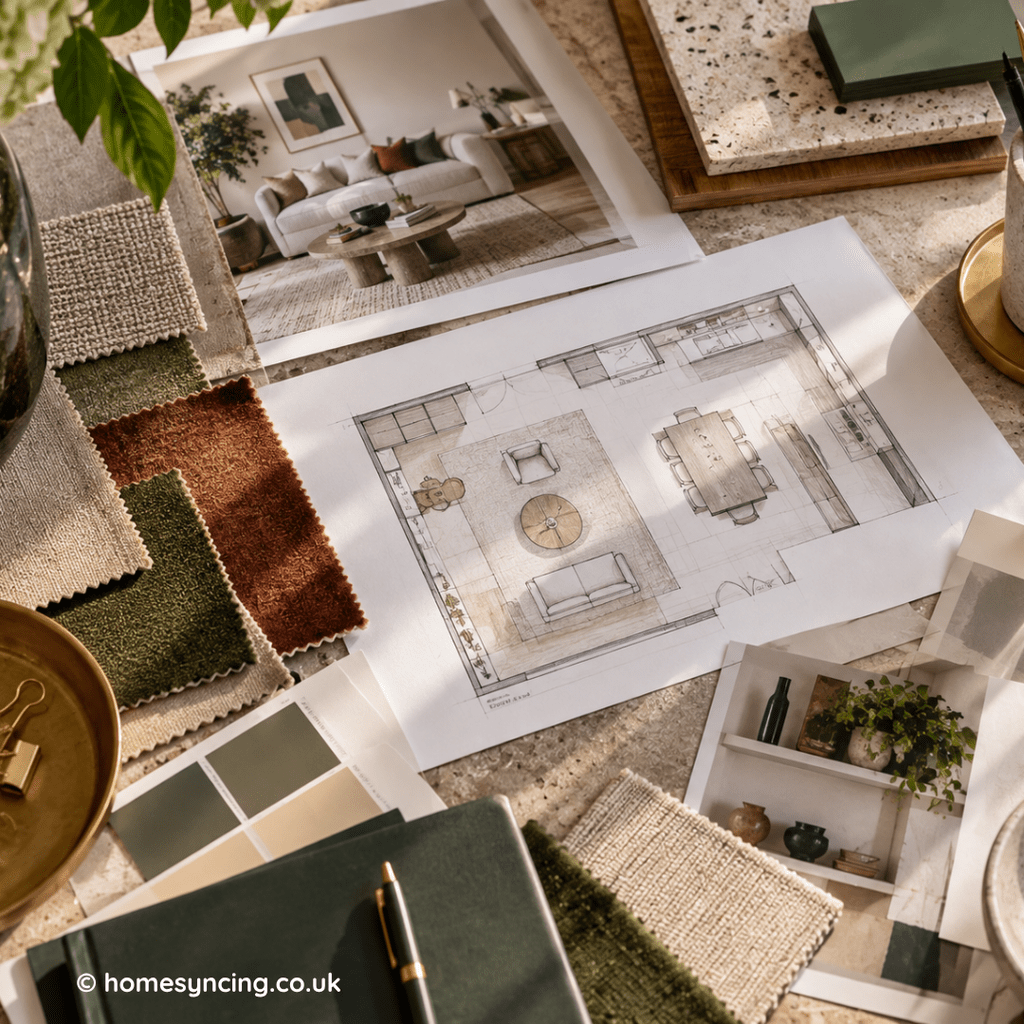
Interior designer’s desk viewed from above, with room plans, fabric swatches, paint samples and interior inspiration arranged across a stone worktop.

Begin by looking, not shopping

Before choosing paint colours or searching for a new sofa, spend a little time in the room you want to restyle.

Look at it at different times of day. Notice where the morning light falls and which corners become gloomy by late afternoon. Think about where you naturally sit, where people walk and which pieces of furniture you use without thinking.

Then consider what feels wrong.

Perhaps the room is technically well furnished but somehow lacks warmth. Perhaps everything is pushed against the walls. A large piece of furniture may be dominating the space, while something beautiful is tucked away where nobody notices it.

Interior designers spend a great deal of time considering these relationships. How a room works comes before how it is decorated.

Try removing a few things before adding anything new. Move an armchair. Turn a rug. Bring a side table out from a corner. Take several ornaments from a crowded surface and leave only the ones you particularly enjoy.

It is surprising how often a room begins to reveal itself when it has a little more space to breathe.

Decide how you want the room to feel

A mood board can be useful, but it need not become an elaborate design exercise.

Collect a handful of interiors that genuinely appeal to you and then look for what they have in common.

It might be generous use of colour, dark timber, softly patterned fabrics or rooms filled with old paintings. You may repeatedly save interiors with simple furniture and beautifully made ceramics, or rooms where contemporary pieces sit happily alongside antiques.

Look beyond individual products and consider the atmosphere.

Do you want your room to feel calm and restorative? Warm and enveloping? Bright and sociable? Characterful and collected?

Having that idea in mind makes every decision that follows rather easier.

Work with your home, rather than against it

One of the best interior design ideas is also one of the simplest: pay attention to the building.

Every home gives you clues.

In an older house, that might mean fireplaces, timber floors, deep skirting boards, alcoves or slightly imperfect walls. In a newer home, it could be generous windows, open-plan spaces and clean architectural lines.

You do not have to decorate slavishly according to the age of your property. In fact, some of the most interesting interiors come from introducing contrast. A contemporary table can look wonderful in an old room; an antique chest can bring warmth and individuality to a modern one.

The important thing is not to erase character unnecessarily.

A home usually becomes more interesting when its history — however modest — is allowed to remain part of the story.

Find your colour thread

Colour has enormous influence over how a room feels, but a successful interior colour scheme does not necessarily mean choosing three colours from a chart and repeating them precisely.

Think instead about a family of colours.

Begin with the elements that are unlikely to change: flooring, large pieces of furniture, stone, timber and perhaps curtains. Then introduce colours that sit comfortably alongside them.

A warm neutral might be accompanied by olive, tobacco and soft red. Deep blue can work beautifully with chalky whites, natural timber and ochre. Greens can move from muted sage to richer forest tones without everything having to match.

And do not judge paint from a tiny card.

Paint a generous sample and watch it throughout the day. British light can be wonderfully changeable, and a colour that appears warm in bright afternoon sunshine can look entirely different on a grey November morning.

Let furniture create the shape of the room

Furniture should not simply occupy a room; it should help to shape it.

A common mistake when restyling a living room is to place every substantial piece of furniture against a wall, leaving an uncertain patch of empty floor in the middle.

Where space permits, bring furniture slightly inwards.

An armchair turned towards a sofa immediately creates conversation. A console behind a sofa can subtly divide an open-plan room. A rug large enough for furniture to sit partly upon it can draw several separate pieces into one coherent arrangement.

Consider height as well as width. A room in which everything sits at roughly the same level can feel strangely flat. Floor lamps, artwork, mirrors and taller pieces of furniture encourage the eye to travel around the whole space.

Good rooms have rhythm.

Layer old and new

Homes tend to feel most convincing when they appear to have developed over time.

This is difficult to achieve if everything comes from one collection, in one finish, bought at once.

Instead, allow different periods and materials to meet.

A clean-lined sofa might sit beside an old wooden table. A contemporary lamp can give new life to a traditional chest. A rather formal piece of furniture can become more relaxed when surrounded by books, pottery and everyday objects.

There is no need to manufacture age or character. One genuinely interesting older piece often contributes more to a room than several objects designed merely to look old.

Equally, contemporary furniture can prevent a traditional interior from becoming overly nostalgic.

The contrast is often where the personality lies.

Use texture to make a room feel lived in

Colour catches the eye first, but texture is often what makes us want to stay.

Timber, wool, linen, velvet, stone, glass, metal, basketry and ceramics all respond differently to light. Combining them creates depth without requiring an abundance of pattern or decoration.

This is particularly valuable in a neutral room.

A linen curtain beside a wool rug, a timber table and a piece of glazed pottery can create far more interest than introducing another colour simply for the sake of it.

When choosing fabrics and soft furnishings, consider how they feel as well as how they photograph. Homes are touched, sat upon, walked through and lived in. Materials that become more appealing through use will generally serve a room better than those that need to remain immaculate.

Treat lighting as part of the decoration

Few things alter the atmosphere of a room as quickly as lighting.

A single bright ceiling light may illuminate everything, but it rarely makes everything look its best.

Instead, create several pools of light.

A table lamp beside an armchair makes a natural place to read. A lamp on a console draws attention to artwork above it. Wall lights can soften a dining area, while a floor lamp brings height and warmth to an otherwise forgotten corner.

Think about the lamps themselves, too. Even when switched off, they are part of the composition of the room.

Good interior lighting should work practically, but it should also make an ordinary evening at home feel rather lovely.

Give the eye somewhere to rest

Not every wall needs a picture. Not every table needs an arrangement.

Empty space is an important part of decorating.

If a room contains several strong elements — patterned curtains, artwork, colourful furniture or a striking rug — quieter areas give them room to be appreciated.

The same principle applies when styling shelves, sideboards and coffee tables. Rather than distributing small objects evenly across every surface, create a few deliberate groupings and leave space around them.

A stack of books, a favourite piece of pottery and a lamp may be all a sideboard needs.

Objects gain importance when they are not competing with twenty others.

Display things that mean something

This is perhaps where a well-designed home becomes a personal one.

Books you return to, paintings found on holiday, inherited furniture, old photographs, ceramics made by a local potter, shells picked up on a beach — these things introduce a layer that cannot simply be purchased as a coordinated collection.

They need not be valuable.

Their importance comes from belonging to you.

Try moving treasured objects into more prominent positions. Frame something that has been sitting in a drawer. Place an inherited bowl on the table rather than keeping it safely in a cupboard. Hang artwork where you will actually notice it.

The most memorable homes tell you something about the people who live there.

Know when to stop

Perhaps the most useful interior design lesson is also the hardest: a room does not have to be finished.

Homes change.

Books accumulate. Furniture moves from one room to another. Paint fades, fabrics soften and new objects arrive while others quietly disappear.

Allowing for that evolution can make an interior feel much more natural.

Once the essential pieces are in place, live with the room for a while before filling every corner. You may discover that the empty wall does not need anything after all, or that the table you thought you needed would simply get in the way.

A little restraint leaves room for life.

Creating a home that feels like yours

Restyling your home like an interior designer is not really about making it look professionally styled.

It is about learning to notice.

Notice the light. The proportions. The view from one room into another. The colours already present in timber and stone. The objects you use every day and those you have kept simply because you love them.

Then edit, rearrange and add with purpose.

Some rooms may need new furniture. Others might be transformed by moving what is already there, changing the lighting, introducing a generous rug or finally hanging the picture that has been leaning against the wall for six months.

Take your time.

The best interiors rarely feel as though they arrived fully formed. They have layers, quirks and signs of life. They evolve alongside the people who inhabit them.

And that, rather more than following any particular decorating rule, is what makes a house feel wonderfully at home.

Further Reading: Your Home Should Be Your Sanctuary, Illuminate Your Space with Statement Lighting, Grounding Colours in Interior Design: Transform Your Space with Calm and Balance,

Follow us on Instagram for Daily Inspiration

Your Home Should Be Your Sanctuary

Home should be the place where the day softens around the edges.

After the noise of work, errands, appointments and everything else competing for our attention, there is something wonderfully reassuring about closing the front door and feeling able to switch off. A home that feels calm, comfortable and distinctly yours can offer more than somewhere to live; it can become a place to rest, restore and simply be.

Creating that sense of sanctuary does not require a complete redesign, nor does it mean filling every room with pale colours and candles. Often, it is the quieter details that make the greatest difference: a comfortable chair beside a window, a lamp casting a warm pool of light, natural materials beneath your fingertips, or a favourite view left beautifully uncluttered.

The aim is not perfection. It is to create a home that feels good to return to.

Begin with Colours That Make You Feel at Ease

Colour has a remarkable ability to change the atmosphere of a room. Before thinking about trends, consider how you would like your home to feel.

Soft neutrals, chalky whites, muted greens, gentle blues and warm earthy shades can all create a restful backdrop. Colours borrowed from the landscape often work particularly well because they feel familiar and easy to live with: think moss, clay, stone, sand and weathered timber.

That does not mean every room needs to be quiet or neutral. Deeper shades can feel wonderfully cocooning, particularly in a snug, bedroom or reading room. A rich olive green, warm terracotta or deep blue can bring intimacy and character without disturbing the sense of calm.

The most successful palette is simply one you enjoy living amongst.

Bring in Natural Materials and Tactile Layers

A sanctuary should appeal to more than the eye. Texture plays an important part in making a room feel comfortable and welcoming.

Natural materials such as timber, linen, wool, rattan, stone and woven fibres bring warmth and subtle variation. Unlike highly polished surfaces, they often become more characterful with age, helping a home feel settled rather than overly styled.

Layer these materials gradually. A linen curtain softening the light, a woollen throw folded over an armchair, a woven basket beside the fireplace or a thick rug beneath your feet can transform the way a room feels without overwhelming it.

There is no need for everything to match. In fact, a thoughtful mixture of old and new, smooth and textured, refined and rustic often gives a room far more personality.

Make Space for Calm

It is difficult for a room to feel restful when every surface is competing for attention.

This does not mean stripping your home of everything you love. A sanctuary should still tell your story. Instead, give favourite possessions a little breathing room and find practical homes for the things that do not need to be on display.

Closed cupboards, baskets, drawers and well-planned shelving can quietly take care of everyday clutter. Even something as simple as clearing a bedside table or organising an entrance hall can make a space feel noticeably calmer.

The idea is not to create a minimalist home. It is to make room for the things that matter.

Let the Lighting Change with the Day

Natural daylight is one of the simplest pleasures a home can offer, so make the most of it where you can.

Keep windows relatively uncluttered and position furniture to enjoy the light and views beyond. Mirrors can help carry daylight into darker corners, while lighter fabrics and softly reflective surfaces can make a room feel brighter without becoming stark.

As evening arrives, the atmosphere should be able to change.

Rather than relying solely on a central ceiling light, create smaller pools of illumination with table lamps, floor lamps and wall lights. Warm, dimmable lighting can make even a practical room feel softer at the end of the day.

Candles bring another layer of warmth, particularly during the darker months, while the glow of a fire or wood-burning stove naturally draws people together.

Bring a Little of the Outdoors In

There is something inherently restorative about being close to nature, and even the smallest connection can change the character of a room.

Houseplants are an obvious place to begin, but greenery is only part of the story. A vase filled with branches gathered from the garden, a bowl of seasonal fruit, natural stone, dried seed heads or simply an uninterrupted view through a window can all strengthen the connection between indoors and out.

Consider the seasons, too. Your home does not need to look exactly the same throughout the year.

In spring and summer, lighter fabrics, fresh flowers and open windows can make rooms feel airy and relaxed. As autumn arrives, warmer colours, woollen blankets and softer lighting naturally make the house feel more comforting.

Allowing your home to change gently with the seasons can make it feel more connected to the world beyond its walls.

Create a Corner That Is Just for You

Not every sanctuary needs to be an entire room.

Sometimes all that is needed is one particularly comfortable corner: an armchair beside a window, a small table for a cup of tea, a good reading lamp and somewhere to put your feet.

Perhaps yours is a window seat overlooking the garden. It might be a favourite chair beside the fire, a quiet corner of the bedroom or even a sheltered spot outdoors.

What matters is giving yourself somewhere that encourages you to stop for a while.

Keep a favourite book nearby. Add a blanket for colder evenings. Put your phone somewhere else.

Small rituals such as reading, enjoying a morning coffee or simply sitting quietly can help a particular corner become associated with rest.

Consider Scent and Sound

Some of the most comforting qualities of home cannot be seen at all.

Scent can immediately change the mood of a room. Lavender, cedarwood, sandalwood and other natural fragrances can create a gentle background aroma, whether introduced through candles, diffusers or fresh foliage.

There is no need to fragrance every room. Subtlety is often more inviting.

Sound deserves consideration too. For some, sanctuary means complete quiet. For others, it might be gentle music, the crackle of a fire, birdsong through an open window or the familiar sounds of family elsewhere in the house.

Think about what makes you instinctively relax and allow your home to support it.

Surround Yourself with Things That Mean Something

Beautiful homes are not necessarily those filled with the newest things. Often, the rooms we remember are those that reveal something about the people who live there.

Display photographs you genuinely love. Keep books within reach rather than arranging them purely for decoration. Make room for inherited furniture, objects brought home from travels, children’s drawings or pieces discovered in antique shops and markets.

These are the details that prevent a carefully decorated room from feeling like a showroom.

Your home should feel collected rather than simply completed.

Make the Bedroom a Place to Retreat

If there is one room where comfort deserves particular attention, it is the bedroom.

Begin with the bed itself. Natural, breathable bedding, comfortable pillows and layers that can be adjusted with the seasons make an immediate difference. A soft rug beneath your feet and curtains that filter or block the light can add to the feeling of retreat.

Keep lighting gentle and, where possible, reduce visual clutter around the bed.

A bedroom does not need very much to feel luxurious. Often, freshly laundered bedding, a good bedside lamp, a favourite book and somewhere to place a morning cup of tea are luxuries enough.

Remember That Sanctuary Looks Different for Everyone

There is no single formula for a peaceful home.

For one person, it might be an uncluttered room in soft neutral shades. For another, it could be a richly coloured sitting room filled with books, paintings and treasured objects. Some of us relax surrounded by plants; others feel happiest beside a roaring fire with the curtains drawn.

That individuality is important.

Creating a sanctuary is less about following a particular interior style and more about noticing how your surroundings make you feel. Keep what brings comfort. Change what creates unnecessary noise or inconvenience. Introduce colours, textures and objects that make you want to linger.

Most importantly, give your home time to evolve.

The most welcoming spaces are rarely created in a weekend. They develop gradually, shaped by the people who live there and the lives unfolding within them.

A sanctuary does not have to be immaculate. It simply needs to be somewhere that, when you walk through the door, feels unmistakably like home.

Further Reading: Creating Garden Slow Life Areas, How to Make your Home Smell Fabulous

Bold Black Interior Design: A Striking Trend for 2025

Sophisticated, dramatic, and undeniably chic—black has reclaimed its throne as a design staple, and this time it’s bolder than ever. From sleek raven accents to daring monochrome spaces, black is transforming interiors into powerful, high-impact havens. Are you ready to make a statement?

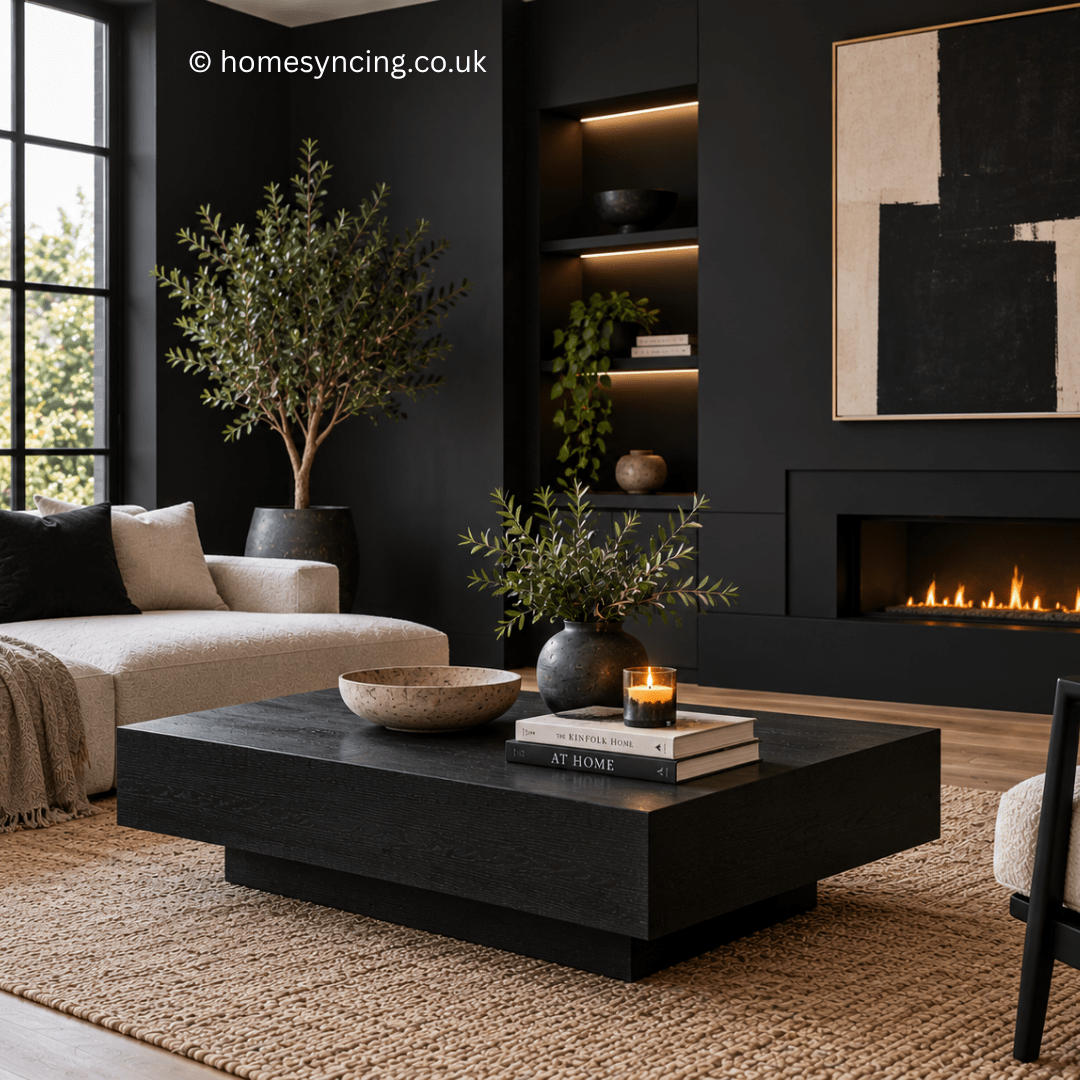
Black Interior Styling Image

Why Black?

Black often carries with it an air of mystery and elegance, but in 2025, it’s not just elegant—it’s audacious. Used strategically, black can add depth, contrast, and a sense of modernity to any space. When paired with other colours and textures, it anchors the room, allowing every other element to shine.

But why stop at a few accents when you could go all in? Entirely black interiors are having an unforgettable moment. Far from being overwhelming, the right execution creates a cosy, cocoon-like atmosphere that’s as inviting as it is dramatic.

How to Incorporate Black into Your Interiors

If you’re ready to take the plunge but unsure of where to begin, here are some stylish and practical ways to introduce the boldness of black into your home design.

1. Raven Accents for Subtle Impact

Not quite ready to go full monochrome? Start small. Think sleek black furniture, light fixtures, vases, or picture frames. Against a backdrop of neutrals or lighter tones, these touches create a striking contrast.

A velvet black armchair nestled in a neutral living room or matte black handles in an otherwise all-white kitchen can redefine the space entirely. These subtle touches are like punctuation marks in your design, adding definition and character.

2. The Power of Contrast

Black thrives on contrast. Pair it with crisp whites for a timeless black-and-white theme, or soften its intensity with warm hues like terracotta or beige. Want something edgier? Try pairing black accents with jewel tones like deep emerald green or sapphire for an opulent feel.

Focus on balance—black works best when it’s offset by lighter tones and complementary colours, ensuring that the dramatic doesn’t become overpowering.

3. Create Drama Through Black Fixtures

Transform your bathroom or kitchen by incorporating black fixtures. Think sleek black taps, door handles, or light fittings. These small touches add just the right amount of boldness while maintaining a luxurious and modern edge.

Black doesn’t just play well with colour—it also thrives when paired with texture. Combine frosted glass, rough stone, or brushed metal with black fixtures for added intrigue and character.

4. Go All-In with Monochrome Magic

Feeling brave? Step into the world of blacked-out interiors. A black wall, complemented by matching furniture and décor, creates an intimate yet impressive space. To avoid the room feeling flat, focus on layering textures. Mix matte paint with plush upholstery, glossy finishes, or natural wood to bring depth and visual appeal.

Add soft lighting to underline the ambience—think strategically placed floor lamps or pendant lighting to keep the space inviting and cosy.

5. Black in Unexpected Spaces

Why confine black to your living room or kitchen? Take it to places that surprise. A black ceiling, for instance, adds a dramatic flair that makes any room feel unique. Alternatively, line your home office shelves with black accents or paint the back of your bookcases black to highlight their contents.

Bathrooms, often overlooked, are reborn with black tiling or a matte black vanity. These unexpected choices turn functional rooms into design features.

The Benefits of Bold Black Design

Wondering if this trend is worth it? Here’s why black should make it to the top of your design list in 2025:

  • Timeless Elegance: Black is classic. It never truly goes out of style, and its timeless appeal ensures longevity.
  • Versatile Foundations: Black works with virtually any colour palette, giving you limitless creativity with your design.
  • Depth and Dimension: Whether used as an accent or a predominant shade, black effortlessly adds depth, making spaces feel more dynamic.
  • A Statement Piece Every Time** : Black commands attention without shouting. It’s bold, and yet it feels effortless.

Final Thoughts – Dare to Design

Black is more than just a colour—it’s a powerful design tool that can elevate your interiors from ordinary to extraordinary. Whether you’re adding a touch of raven or going full monochrome, this sophisticated hue offers endless possibilities to anyone bold enough to incorporate it.

Our Black is Back Edit ⬤

Follow us on Instagram for Daily Inspiration

Transform Your Space with Rich Jewel Tones

Are you ready to elevate your home décor game? Rich jewel tones have been reigning supreme in interior design—and they’re not going anywhere. These bold, sumptuous colours are timeless, effortlessly infusing any room with a sense of luxury, drama and opulence.

What Are Jewel Tones?

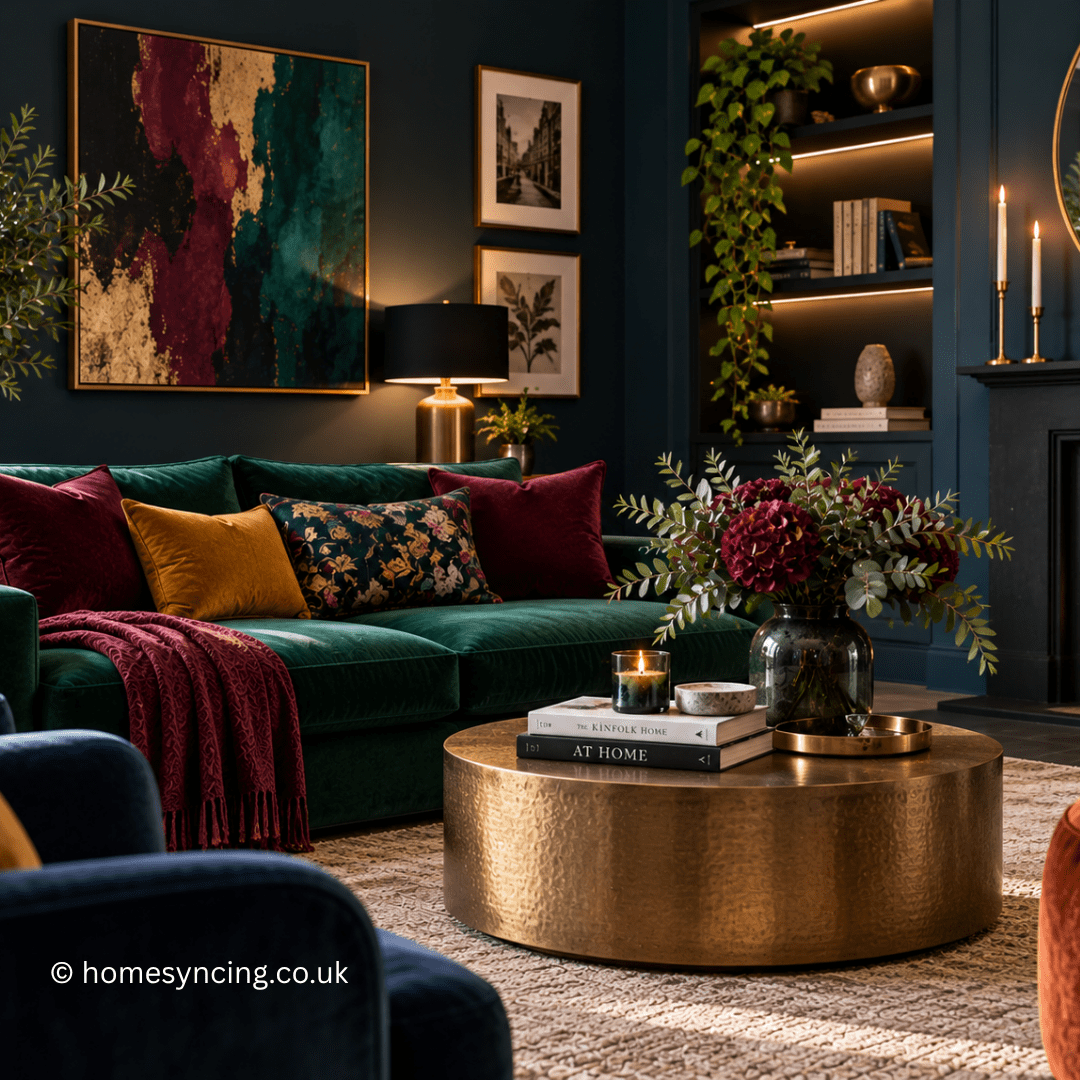
Inspired by the brilliance and depth of gemstones, rich jewel tones include colours like emerald green, sapphire blue, ruby red, amethyst purple and topaz gold. Just like their namesakes, these shades are deeply saturated and rich, offering an unmatched vibrancy.

But here’s the magic—they don’t just radiate boldness; they have an innate ability to pair beautifully with other colours and textures, unlocking endless possibilities for your décor.

Why Jewel Tones Are Timeless in Decor

Think of jewel tones as the little black dress of interior design—versatile, classic and always in style. They’ve been trending for years and experts predict this palette will remain a go-to choice well into 2025. Why? Because jewel tones strike that perfect balance between grandeur and accessibility.

  • Luxury & Drama

They immediately elevate the look and feel of a space. A plush emerald green velvet sofa or sapphire blue accent wall screams sophistication.

  • Versatility Across Styles

Jewel tones work regardless of your interior design approach. From modern glam and mid-century vibes to boho chic or classic Victorian detailing, these colours weave themselves beautifully into any aesthetic.

  • A Sense of Comfort

While vibrant, these hues carry a depth that feels grounding and inviting, making even the boldest choices feel warm and livable.

How to Use Jewel Tones in Your Home

Now that you know why jewel tones are here to stay, how can you incorporate them into your space? Here are some ideas to get you started:

1. Choose a Statement Piece

Make a bold impact with a key item that serves as the focal point of your room.

  • A ruby-hued armchair? Perfect for adding a romantic touch.
  • An emerald green area rug? Instantly anchors your living room.

Using a single piece in a jewel tone allows you to play with the trend while keeping the rest of the space neutral.

2. Paint It Bold

One of the easiest ways to experiment with jewel tones is through paint.

  • A navy sapphire feature wall in a bedroom creates a cosy yet dramatic vibe.
  • Amethyst purple paired with brushed gold hardware in your office space spells elegance.

The key is to balance these strong shades with neutral trims or lighter accent walls to keep the space balanced.

3. Accessorise with Flair

Not ready for a big commitment? Start small.

  • Drapes, cushions, or throws in jewel tones can layer richness into your dĂ©cor. Imagine the decadence of topaz yellow cushions against a white linen sofa.
  • Opt for small touches like a sapphire vase or emerald glassware—they add a pop without overwhelming the room.

4. Pair with Neutrals or Pastels

To avoid an overload of drama, pair your jewel tones carefully.

  • Neutrals: Whites, greys, or soft beiges provide a calm backdrop that lets your bold pieces shine.
  • Pastels: Add a whisper of butter yellow or powder pink to complement and soften the intensity of rich tones.

This approach creates balance and prevents the space from feeling “too heavy.”

5. Get Playful with Textures

Velvet, silk, and satin are natural companions to jewel tones. Why? Because their reflective surfaces amplify the already stunning depth of these hues. A sapphire velvet cushion or an emerald porcelain lamp can add both texture and sophistication to your home.

Jewel Tones Wait for No One!

What are you waiting for? Whether you introduce jewel tones through a DIY accent wall or add a plush emerald throw to your sofa, the possibilities are endless. These colours will revolutionise the way your home feels—transforming it into a vibrant, luxurious sanctuary.

Rich jewel tones are your invitation to turn a house into a home that sparkles with personality and style. Go bold. Get creative. Make a statement.

Further Reading: Interior Design Trends for 2025

Follow us on Instagram for daily inspiration

Translate »