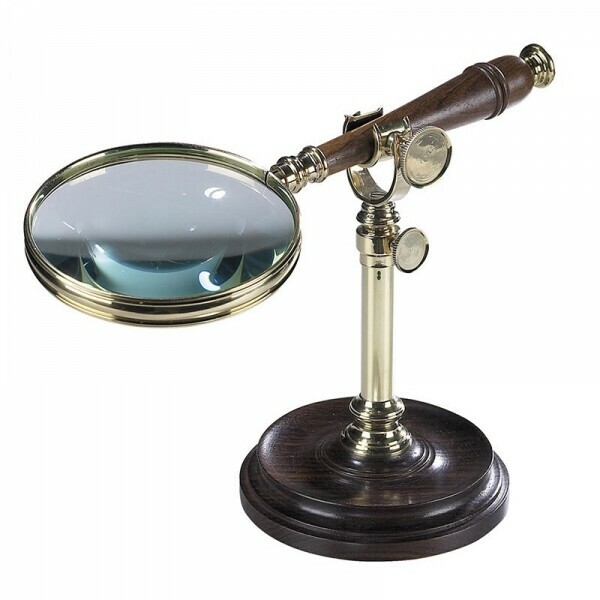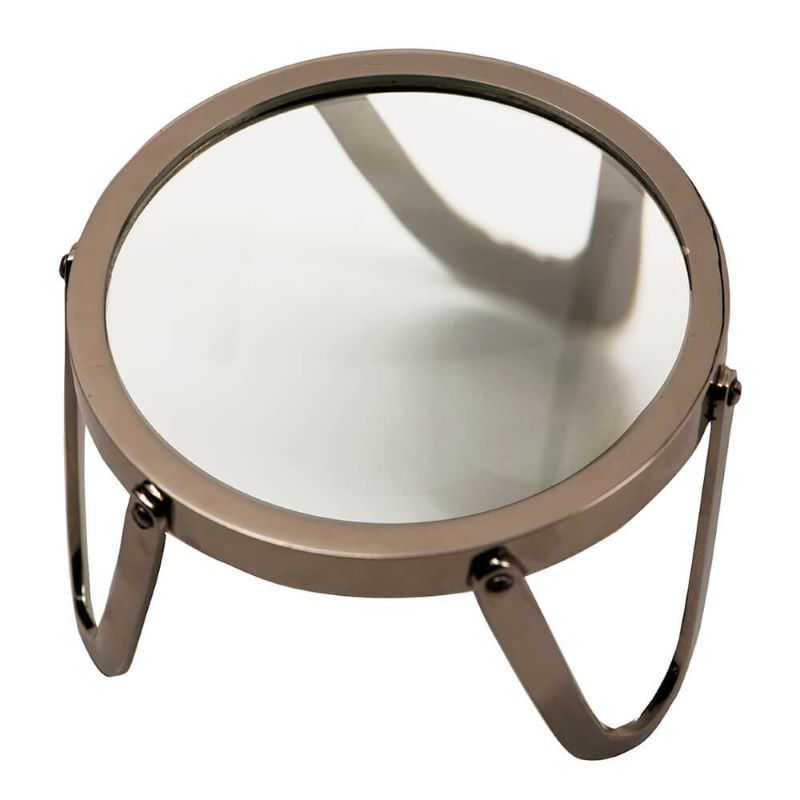
The Compass: Your Guide to Adventure

Have you ever wondered how ancient mariners navigated vast, open oceans or how explorers found their way through uncharted wilderness? For centuries, one remarkable instrument has been the trusted guide for adventurers, sailors, and travellers alike: the compass. This simple yet ingenious device has shaped history, enabled discovery, and continues to be an essential tool for anyone looking to explore the great outdoors.

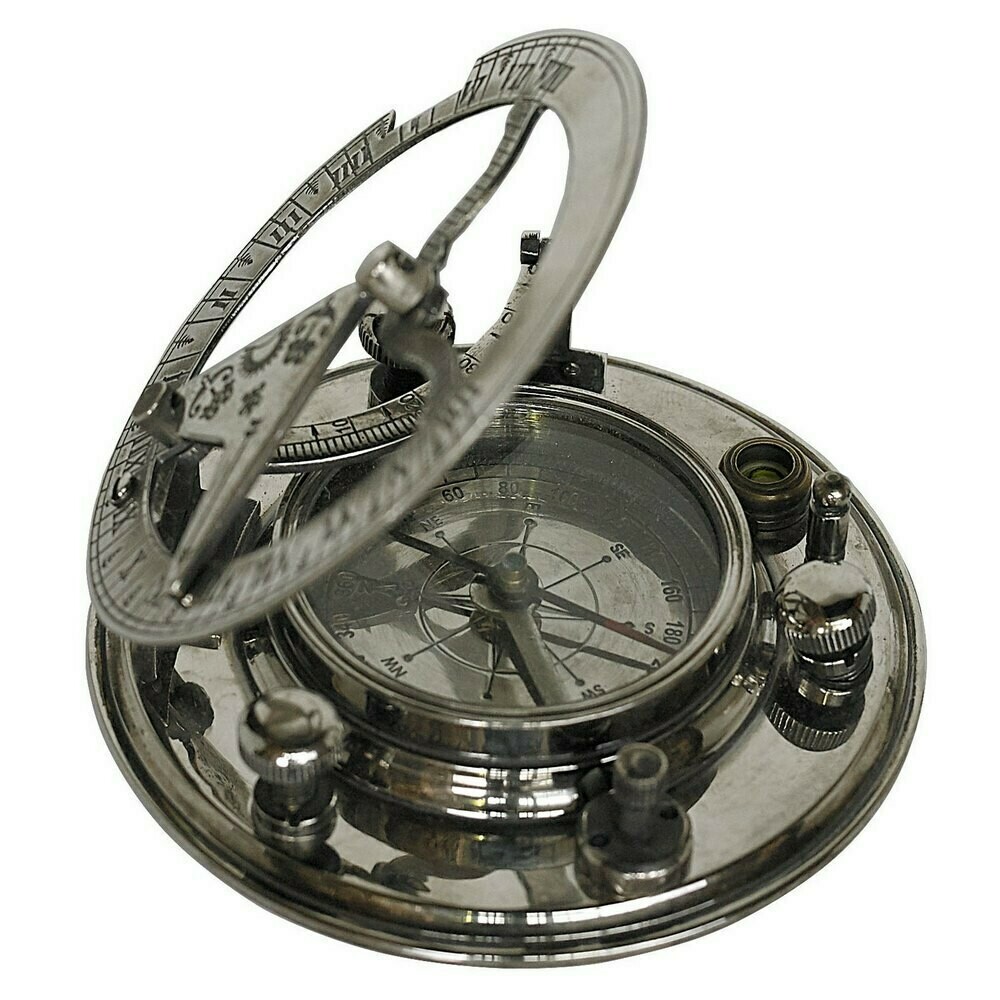
Mariner's Compass

Let’s uncover the fascinating story of the compass, from its mysterious origins to its modern-day uses. Discover how this timeless tool works, what to look for when choosing one, and how you can use it to embark on your own adventures.

What is a Compass?

At its heart, a compass is a straightforward navigational instrument that shows direction relative to the geographic cardinal points. A standard magnetic compass contains a magnetised pointer—the needle—that aligns itself with the Earth’s magnetic field. The “north” end of this needle points towards the Earth’s magnetic North Pole, giving you a reliable and constant reference point to find your bearings.

Compasses come in various forms, from simple, pocket-sized devices to complex instruments used in ships and aircraft. But they all share the same fundamental purpose: to help you find your way.

Why Use a Compass?

In an age of GPS and digital maps on our phones, you might think the traditional compass is obsolete. However, this classic tool offers several unique advantages, especially for those who love to venture off the beaten path.

  • Reliability: A compass doesn’t need batteries or a satellite signal to work. Whether you’re deep in a forest, high on a mountain, or in a remote area with no reception, your compass will always be a dependable guide.
  • Durability: Most outdoor compasses are built to withstand tough conditions. They’re often waterproof, shock-resistant, and can handle extreme temperatures, making them a rugged companion for any expedition.
  • Skill Building: Learning to use a map and compass is a rewarding skill. It deepens your connection with the landscape, improves your spatial awareness, and builds your confidence in the outdoors. It’s a true art of navigation that connects you with generations of explorers.
  • A Perfect Backup: Even if you prefer using a GPS, a compass is a lightweight and essential backup. Technology can fail, but a magnetic compass is a failsafe tool that can help you get back on track.

The Journey Through Time: A History of the Compass

The story of the compass is a tale of innovation that spans continents and centuries. Its invention wasn’t a single event but a gradual evolution of ideas.

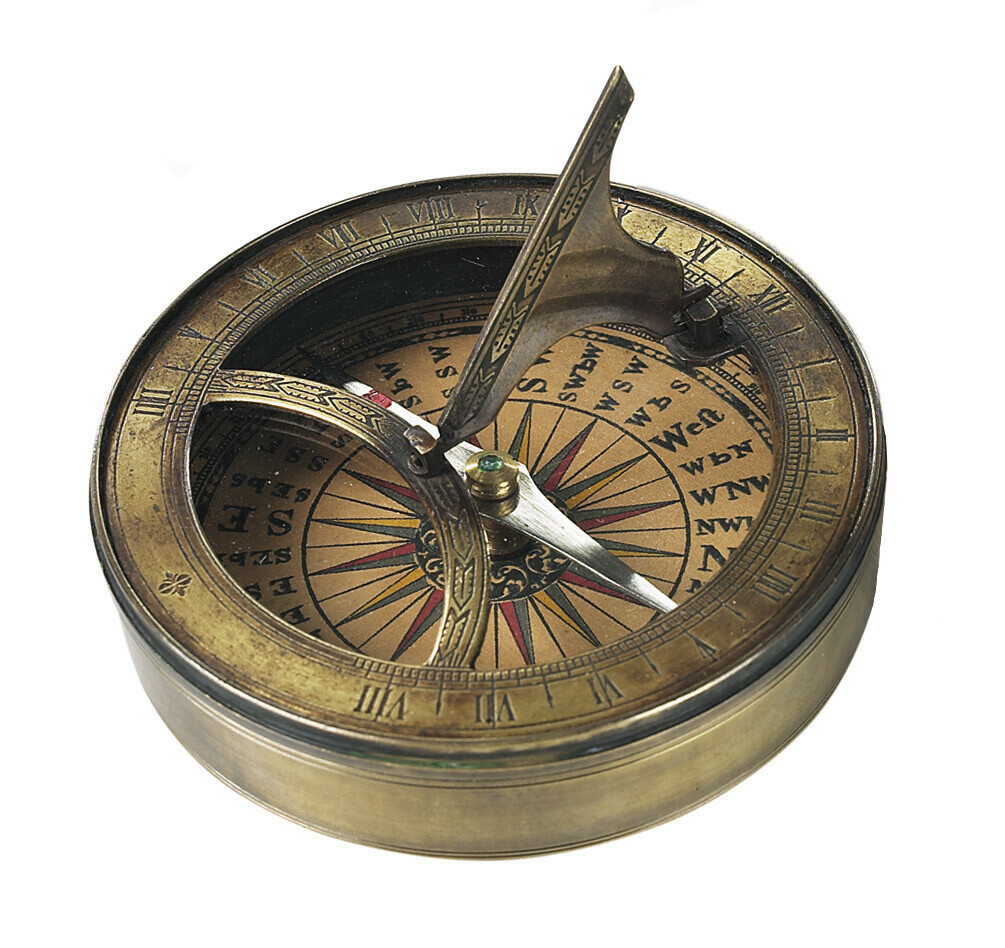
18th Century Design Sundial & Compass

Ancient Chinese Origins

The journey begins in China during the Han Dynasty, around the 2nd century BC. The earliest compasses weren’t used for navigation but for divination and feng shui. These first instruments, known as “south-pointers,” were often spoon-shaped ladles made of lodestone (a naturally magnetised iron ore) placed on a bronze plate. When the spoon was spun, it would eventually come to rest pointing south.

By the Song Dynasty (around the 11th century), the Chinese had started using the compass for navigation at sea. They discovered that a magnetised needle floating in a bowl of water was a far more practical design for ships. This innovation allowed sailors to navigate the oceans with greater accuracy, even on cloudy days when the stars were hidden.

Spreading to Europe and the Middle East

The concept of the magnetic compass travelled along the Silk Road and maritime trade routes, reaching the Middle East and Europe by the 12th and 13th centuries. European sailors quickly adopted the device, which revolutionised their ability to explore. The compass was instrumental during the Age of Discovery, enabling explorers like Christopher Columbus and Vasco da Gama to embark on their world-changing voyages.

Early European compasses were simple: a magnetised needle placed on a pin inside a wooden box with a wind rose, a design that showed the cardinal directions. Over time, improvements were made, such as placing the needle in liquid to dampen its movement and make it more stable on rough seas.

Choosing Your Compass: What to Look For

Ready to get your own compass? With so many options available, it’s helpful to know what features matter most. Here are a few things to consider when buying a compass for hiking and outdoor adventures.

  • Baseplate Compass: This is the most common and versatile type for hiking. It features a clear, flat base that you can place on a map, making it easy to take bearings.
  • Liquid-Filled Housing: Look for a compass where the needle is housed in a liquid-filled capsule. The liquid (usually a type of oil or alcohol) steadies the needle, allowing it to settle quickly and provide a stable reading.
  • Declination Adjustment: The Earth’s magnetic north and true north (the geographic North Pole) are not in the same place. This difference is called declination. A compass with adjustable declination allows you to set it for your local area, making navigation with a map much simpler and more accurate.
  • Sighting Mirror: More advanced compasses often include a sighting mirror. This feature allows you to see the compass dial and a distant landmark at the same time, which helps you take more precise bearings.
  • Luminescent Markings: If you plan to navigate in low-light conditions, such as at dawn or dusk, choose a compass with glowing markings on the needle and direction points.

How to Use Your Compass

Learning to use a compass is an exciting step into the world of traditional navigation. Here’s a simple guide to get you started with a baseplate compass and a map.

1. Orient Your Map

First, you need to align your map with the world around you.

  • Place your compass flat on your map.
  • Adjust the declination on your compass if it has that feature.
  • Rotate the map and compass together until the north end of the magnetic needle aligns with the “N” on the compass dial.
  • Your map is now oriented to true north. The features on the map should now correspond with the landscape around you.

2. Take a Bearing from the Map

Let’s say you want to walk from your current location (Point A) to a landmark on the map (Point B).

  • Place your compass on the map so the long edge of the baseplate connects Point A and Point B.
  • Make sure the direction of travel arrow on the baseplate points from A to B.
  • Hold the baseplate steady and rotate the compass housing until the orienting lines inside the housing are parallel with the north-south grid lines on the map. Ensure the “N” on the dial points to the north on your map.
  • The number on the dial that aligns with the direction of travel arrow is your bearing.

3. Follow Your Bearing

Now, it’s time to follow that bearing in the real world.

  • Hold the compass flat and level in front of you, with the direction of travel arrow pointing away from you.
  • Turn your body until the north end of the magnetic needle is inside the orienting arrow in the compass housing.
  • The direction of travel arrow now points towards your destination. Pick a landmark in that direction (like a distinctive tree or rock) and walk towards it. Once you reach it, repeat the process to stay on course.

Your Adventure Awaits

The compass is more than just a tool; it’s a symbol of exploration, discovery, and self-reliance. By learning to use it, you unlock a deeper understanding of the world around you and gain the confidence to forge your own path.

So, why not pick up a compass and a map of your local area? Start with small adventures in a familiar park or nearby trail. Practice taking bearings and orienting your map. Before you know it, you’ll be ready to navigate new landscapes and discover the incredible places waiting just beyond the horizon. The journey is yours to command.

For Daily Inspiration Follow Us on Instagram 💙

The Outdoor Dome

Calling all Pubs, Restaurants & Hotels – Are you looking to extend the use of your commercial outdoor space? We have a solution.🙃

Imagine stepping into your garden and finding a tranquil, luxurious retreat waiting just for you. A space that blends seamlessly with nature while offering shelter, comfort and a touch of modern elegance. This isn’t a dream—it’s the reality you can create with an Outdoor Dome Building. Designed to provide the ultimate outdoor living experience, this stunning structure is crafted with precision and packed with features that will inspire you to reimagine your garden.

Whether you envisage a quiet reading nook, a vibrant social hub, or a magical dining spot under the stars, the dome offers a versatile and beautiful solution. Let’s explore how this unique structure can transform your outdoor space and extend its use throughout the year.

Discover the Outdoor Dome Building

A garden dome is more than just a shelter; it’s a statement piece. With its sleek, contemporary design, it complements any landscape, from a rustic country garden to a modern urban patio. The geodesic structure is not only visually striking but also incredibly strong, providing a panoramic 360-degree view of your surroundings. It’s a space where you can feel connected to the outdoors without being exposed to the elements.

The spacious interior offers a blank canvas for your creativity. You can furnish it to become a peaceful yoga studio, a productive home office, a children’s play area, or an elegant dining room. The possibilities are limited only by your imagination.

Built to Last, Designed to Impress

When you invest in an outdoor structure, you want it to be durable. The Outdoor Dome Building is built to last, with a robust, weather-resistant frame engineered to withstand the elements for years of enjoyment. But the true star is the high-quality material used for the cover.

This advanced material is:

  • Exceptionally Tough: With excellent impact strength and heat resistance, it can handle whatever the British weather throws at it.
  • Safe and Reliable: It is non-toxic and flame retardant, giving you peace of mind.
  • Crystal Clear: The dome boasts high transparency with up to 90% light transmission, flooding the interior with natural light and offering unobstructed views.
  • UV Protective: An anti-ultraviolet and anti-ageing surface layer is co-extruded onto the material. This feature is crucial for protecting you and your furnishings from harmful UV rays. It’s so effective that it’s ideal for shielding valuable artworks and exhibits from sun damage.

A Perfect Addition to Commercial Spaces

The appeal of the garden dome extends far beyond the residential garden. For businesses looking to maximize their outdoor areas, these domes present a fantastic opportunity to create unique, profitable experiences.

Extend Your Seasons and Your Revenue

How many times has an unexpected downpour cleared out your beer garden or hotel terrace? With a dome, you can extend the usable time of your outdoor commercial space, turning unpredictable seasons into reliable revenue streams. Shield your guests from wind, rain and cold while still allowing them to enjoy the beauty of the outdoors. This means your prime seating areas can be used year-round, not just on the sunniest days.

Pubs, restaurants, hotels and event venues can all benefit from creating sheltered dining and socialising areas. Imagine offering your customers a cosy spot to enjoy a meal or a drink, even on a crisp autumn evening.

Create a Magical Winter Wonderland

The festive period is a crucial time for the hospitality industry. A garden dome allows you to create your very own private Winter Wonderland. Picture a collection of “dining igloos” scattered across a terrace, each one sparkling with fairy lights. These enchanting spaces are perfect for Christmas parties, festive meals, and romantic winter dinners.

Each igloo can be heated and is fully enclosed with clear panels to keep out the chill while letting in the magic of the season. With room for up to 10 guests, you can offer an exclusive and memorable dining experience that will have customers booking weeks in advance. It’s a unique attraction that sets your venue apart from the competition.

Versatility for Every Occasion

The true beauty of the Outdoor Dome Building lies in its versatility. It can be adapted to suit any lifestyle or business need, offering a unique setting for a wide range of activities.

Consider these uses:

  • For Campsites and Holiday Parks: Offer a unique glamping experience or a sheltered communal area for guests.
  • For restaurants and pubs: Make use of that outdoor space and book out premium private tables in domes, for your guests.
  • For Festivals and Events: Create VIP lounges, pop-up bars, or merchandise stalls that stand out from the crowd.
  • For Your Home: Design a private retreat for relaxation, a vibrant space for garden parties, a greenhouse for your plants, or a sheltered play area for your children.

The customisable nature of the dome means you can tailor it to your exact needs, creating a space that is both functional and inspiring. But, be careful. You will find domes with PVC panels or poor frames will not withstand stormy weather, or simply be uncomfortable or even scary for your guests! You don’t want that, do you? Our domes have strong frames and toughened glass panelling which are even bullet proof!

Ready to Transform Your Outdoor Space?

With its exceptional design, durable construction, and versatile use, the Outdoor Dome Building is the perfect addition to any outdoor space. It’s an investment in your home or business that delivers style, functionality, and a touch of magic.

Stop letting the weather dictate how you use your garden or commercial terrace. Embrace the outdoors all year round in comfort and style.

Discover how an Outdoor Dome Building can enhance your space. Contact us for a quote today and start planning your perfect outdoor retreat.

Further Reading: Illuminate Your Space with Statement Lighting, Interior Design Trends for 2025

Follow Us on Instagram for Daily Inspiration 🙃


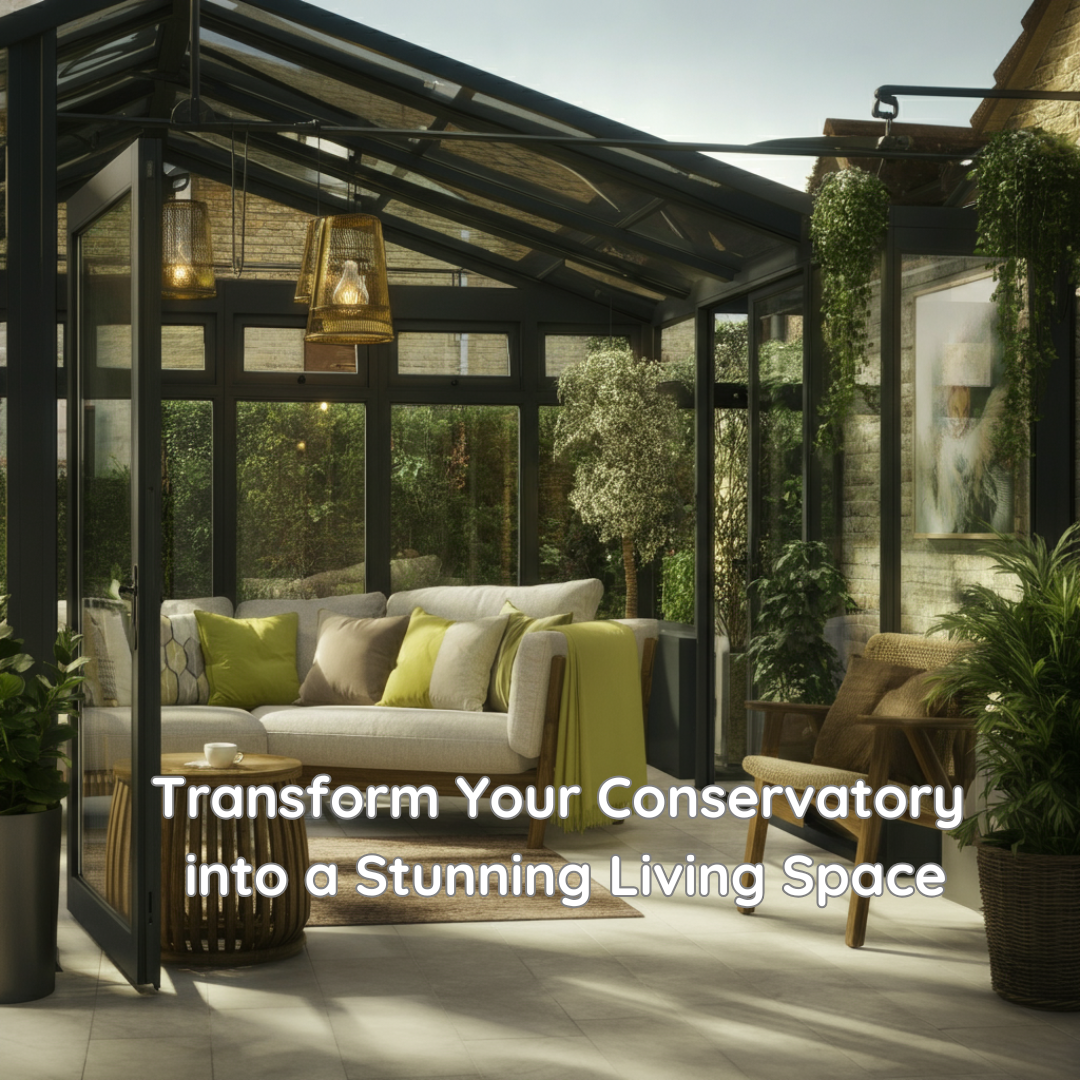
Transform Your Conservatory into a Stunning Living Space

Your conservatory holds incredible potential as one of the most versatile rooms in your home. This glass-wrapped sanctuary can become anything from a tranquil reading nook to an entertaining hub that seamlessly blends indoor comfort with outdoor beauty. Whether your conservatory currently serves as storage space or you’re looking to refresh its design, 2025 brings exciting trends that will help you create a space you’ll love spending time in.

Modern conservatory design has evolved far beyond the traditional sunroom filled with wicker furniture and houseplants. Today’s approach focuses on creating multi-functional spaces that work year-round, incorporating contemporary design elements whilst celebrating the unique architectural features that make conservatories so special. The key lies in balancing comfort, style and practicality to create a room that truly enhances your lifestyle.

Essential Furniture for Your Conservatory

Seating That Works All Year Round

The foundation of any well-designed conservatory begins with comfortable seating that can withstand temperature fluctuations and varying light conditions. Modular sofas have emerged as the top choice for 2025, offering flexibility to reconfigure your space for different occasions. Look for pieces with removable, washable covers in natural fabrics like linen or cotton, which breathe well in warmer months.

Rattan and wicker furniture continues to reign supreme, but 2025’s interpretation favours sleeker, more contemporary designs. Choose pieces with clean lines and neutral cushions that can be easily swapped out seasonally. Avoid overly ornate traditional styles, which can make your conservatory feel dated.

Built-in bench seating along one wall maximises space whilst providing storage underneath. Add comfortable cushions and throws to create a cosy reading corner that takes advantage of natural light throughout the day.

Tables That Multitask

Coffee tables with storage compartments are essential for maintaining a clutter-free conservatory. Opt for pieces made from sustainable materials like reclaimed wood or bamboo, which align with 2025’s eco-conscious design trends. Nesting tables offer versatility, allowing you to expand surface space when entertaining and tuck them away when not needed.

Dining tables in conservatories work best when they’re appropriately scaled to the space. Round tables promote conversation and work well in smaller conservatories, whilst rectangular tables suit larger spaces and can double as work surfaces during the day.

Lighting Solutions for Every Hour

Layered Lighting Approach

Conservatories present unique lighting challenges due to their abundant natural light during the day and potential darkness at night. A layered lighting approach ensures your space remains inviting throughout all hours.

Pendant lights suspended from the ceiling create dramatic focal points whilst providing ambient lighting. Choose fixtures with adjustable heights to accommodate the varying ceiling heights typical in conservatories. Natural materials like rattan or bamboo shades complement the outdoor connection.

String lights remain popular but avoid the basic fairy light approach. Instead, invest in commercial-grade café lights with Edison bulbs for a sophisticated bistro atmosphere. These work particularly well when draped along the roofline or wrapped around structural elements.

Floor lamps with adjustable arms provide task lighting for reading whilst adding height variation to your furniture arrangement. Look for pieces that can withstand humidity and temperature changes common in conservatories.

What’s Out: Harsh Overhead Lighting

Avoid single, bright overhead fixtures that create harsh shadows and make the space feel more like a greenhouse than a living room. Similarly, overly decorative chandeliers can compete with the conservatory’s architectural features and feel out of place in this naturally-focused environment.

Colour Schemes and Decorative Elements

Nature-Inspired Palettes

2025’s conservatory colour trends draw heavily from natural palettes. Sage greens, warm terracotta, and creamy whites create a harmonious connection between indoor and outdoor spaces. These colours work beautifully with the abundant plant life that conservatories naturally accommodate.

Deep jewel tones like navy blue or forest green can anchor the space and provide sophistication, particularly when used in larger furniture pieces or accent walls. However, use these sparingly to avoid overwhelming the airy feel that makes conservatories so appealing.

Textile Choices That Endure

Natural fibres take centre stage in 2025 conservatory design. Jute, cotton, and linen offer both style and practicality, handling temperature fluctuations better than synthetic materials. Layer different textures to create visual interest without relying solely on colour.

Indoor-outdoor fabrics have improved dramatically and now offer the durability needed for conservatory use without sacrificing style. These materials resist fading, moisture and temperature extremes whilst maintaining the soft feel essential for comfort.

Flooring and Rugs: Foundation Elements

Practical Yet Beautiful Flooring

Your conservatory’s flooring needs to withstand temperature changes, potential moisture, and heavy foot traffic. Natural stone, ceramic tiles or luxury vinyl planks that mimic wood offer durability whilst maintaining style. Underfloor heating transforms these harder surfaces into comfortable options year-round.

Rug Selection Strategy

Large area rugs help define seating areas and add warmth to hard flooring surfaces. Choose rugs made from natural materials like jute, sisal or wool that can handle the unique conditions of conservatory living. Flat-weave styles are easier to clean and less likely to trap moisture than high-pile alternatives.

Layering smaller rugs creates visual interest and allows for easy cleaning or replacement. This approach also lets you experiment with patterns and textures without committing to one large, expensive piece.

Avoid delicate Persian or silk rugs, which can be damaged by temperature fluctuations and sun exposure. Similarly, very dark colours may fade unevenly over time.

Storage Solutions That Blend Seamlessly

Built-in storage maximises your conservatory’s potential without cluttering the visual space. Window seat storage, floating shelves, and integrated plant stands keep necessities within reach whilst maintaining clean lines.

Decorative baskets serve dual purposes, providing storage for throws, magazines or gardening supplies whilst adding texture and natural elements to your design scheme. Choose pieces that complement your colour palette and can withstand humidity changes.

Avoid plastic storage containers or temporary solutions that detract from the sophisticated atmosphere you’re creating. Instead, invest in beautiful storage pieces that enhance your overall design.

Bringing Your Vision to Life

Creating your ideal conservatory requires thoughtful planning and attention to the unique characteristics of this special space. Start with your largest pieces—seating and tables—then layer in lighting, textiles and decorative elements that reflect your personal style whilst embracing current trends.

Remember that your conservatory should feel connected to both your home’s interior design and your garden’s natural beauty. The most successful conservatory designs celebrate this unique position, creating a space that truly bridges indoor and outdoor living.

Transform your conservatory into the stunning living space you’ve always envisioned. Begin with one element—perhaps a beautiful new seating arrangement or a dramatic lighting fixture—and build from there. Your glass-wrapped sanctuary awaits its next chapter.

Further Reading: Make an Entrance: Your Guide to a Statement Hallway, Clever Ways to Use Mirrors in Your Home, How to Restyle Your Home Like an Interior Designer, Your Home Should Be Your Sanctuary

Follow Us on Instagram for Daily Inspiration 💙

Make an Entrance: Your Guide to a Statement Hallway

Often overlooked, the hallway is much more than just a path from one room to another. It’s the first impression your home makes, a welcoming space that sets the tone for everything that follows. Now, this transitional space is stepping into the spotlight, emerging as the design playground of choice for homeowners and interior enthusiasts alike.

Because a hallway is rarely a space to linger, it offers a unique opportunity to be bold. It’s the perfect canvas to test vibrant colours, striking patterned runners, epic feature lights, and elaborately tiled floors that might feel overwhelming in rooms where you spend more time.

Ready to transform your entryway from a simple corridor into a stunning statement? Discover how you can unleash your creativity and give your hallway the grand entrance it deserves.

Why Your Hallway Deserves the Spotlight

Think of your hallway as the opening chapter of your home’s story. It’s the first thing guests see and the space that welcomes you home each day. A well-designed hallway can instantly lift the mood, introduce your personal style, and create a seamless flow into the rest of your home. It’s a chance to experiment with design ideas you might shy away from in a living room or bedroom, making it a low-risk, high-reward project.

Embrace Bold Colours

One of the quickest and most effective ways to make a statement is with colour. Since hallways are often smaller spaces with limited natural light, many people default to neutral shades. But this is exactly why you should consider going bold.

Go Dark and Dramatic

Don’t be afraid of dark hues. Deep blues, rich greens, or even a sophisticated charcoal can create a cosy, cocooning effect that feels incredibly chic. These dramatic colours can make a narrow space feel more intimate and distinguished. When paired with good lighting and reflective surfaces like mirrors, a dark hallway can feel anything but small.

Play with Bright Hues

If dark and moody isn’t your style, why not go for something bright and cheerful? A splash of sunny yellow, a vibrant teal, or a playful coral can inject energy and personality into your entrance. You could paint the entire hallway for a full-impact look, or create a feature wall to draw the eye as you enter.

The Fifth Wall: Your Ceiling

Don’t forget to look up! Painting the ceiling—often called the “fifth wall”—is a fantastic way to add an unexpected pop of colour and character. A contrasting ceiling colour can make the space feel taller and adds a layer of design sophistication.

Lay the Groundwork with Flooring

Your hallway floor has to be practical, but that doesn’t mean it has to be boring. Flooring is a brilliant opportunity to introduce pattern, texture, and style right from the front door.

Patterned Tiles for Timeless Appeal

Victorian-style geometric tiles are a classic choice for a reason. They are durable, easy to clean, and add instant character and charm. Whether you opt for a traditional monochrome design or something more colourful, patterned tiles create a stunning focal point and a hard-wearing surface perfect for a high-traffic area.

The Power of a Runner

If new flooring isn’t an option, a runner is the perfect solution. It adds warmth, colour, and pattern while protecting the floor underneath. Choose a bold, graphic print to make a modern statement, or a traditional Persian-style rug for a touch of timeless elegance. A striped runner can also be a clever trick to make a narrow hallway appear longer.

Let There Be Light

Lighting is crucial in any room, but it’s especially important in a hallway, which can often lack natural light. The right lighting can transform the space from a dark passageway into a bright and inviting entrance.

Choose an Epic Feature Light

Make a dramatic statement with a show-stopping ceiling light. A large, sculptural pendant or a dazzling chandelier can become the centrepiece of your hallway, drawing the eye upwards and adding a touch of glamour. Consider the scale of your space; a high ceiling can handle a larger, more elaborate fitting, while a lower ceiling might suit a stylish semi-flush mount light.

Layer Your Lighting

Don’t rely on just one overhead light. Layering your lighting creates depth and ambience. Wall sconces can add a soft, welcoming glow and highlight artwork, while a slim console table with a stylish lamp can create a warm, inviting focal point.

Furnish for Function and Flair

Even the narrowest of hallways can accommodate some well-chosen furniture. The key is to select pieces that are both beautiful and functional.

The Versatile Console Table

A slimline console table is a hallway hero. It provides a surface for keys, mail, and a decorative lamp or vase of flowers, without taking up too much floor space. Look for designs with drawers or a lower shelf for extra storage to keep clutter at bay.

Smart Seating Solutions

If you have the space, a bench can be a practical and stylish addition. It offers a place to sit while putting on or taking off shoes and can provide hidden storage for footwear, bags, and other outdoor essentials.

The Magic of Mirrors

A mirror is a must-have for any hallway. It will bounce light around, making the space feel brighter and larger, and it’s perfect for that last-minute check before you head out the door. Choose a large, ornate mirror to create a grand statement, or group several smaller mirrors together for a more eclectic look.

Your Hallway, Your Statement

Your hallway is the perfect place to let your personality shine. It’s a space where you can be daring with your design choices and create an entrance that truly reflects your style. By embracing bold colours, interesting patterns, and statement lighting, you can transform a functional corridor into a beautiful and memorable part of your home.

Discover our full range of paints, lighting, and home accessories to start creating your own statement hallway today.

Further Reading: Clever Ways to Use Mirrors in Your Home, How to Restyle Your Home Like an Interior Designer, Your Home Should Be Your Sanctuary

Follow Us on Instagram for Daily Offers and Inspiration 💙

The Ultimate Guide to Organising Your Pantry  

A perfectly organised pantry is more than just a pretty sight; it’s the secret to efficient cooking, smarter shopping and reducing food waste. If you’ve been longing to transform that chaotic jumble of tins, jars and dried goods into a calm, harmonious space, you’re in the right place. This step-by-step guide will walk you through how to organise your pantry with clever storage solutions, practical strategies and plenty of inspiration to maintain it long-term.  

Get ready to turn your pantry into a space that sparks joy and makes meal prep an absolute breeze!  

Why a Tidy Pantry is Worth the Effort  

Before we jump into organising, it’s worth taking a moment to imagine what an organised pantry can do for you.  

Save Time: No more rummaging through shelves searching for missing spices or hidden bags of flour in mid-recipe. 

Minimise Waste: Proper organisation ensures you use items before they expire, saving money and reducing unnecessary food waste. 

Simplify Meals: With everything visible and easily accessible, meal prep happens like a dream. 

Aesthetic Appeal: Who doesn’t want a pantry that looks Pinterest-worthy? 

Now, roll up your sleeves and prepare to give your pantry the makeover it deserves.  

Empty Your Pantry and Take Inventory  

The first step to any reorganisation project is to start fresh. Empty out your entire pantry onto a clean surface and group similar items together. Use this opportunity to:  

Check Expiry Dates: Toss anything that’s past its best or unidentifiable (yes, those unlabelled spice packets count!). 

Take Stock: Make a quick list of what you have. This will help you when deciding how to reorganise. 

Clean the Shelves: Wipe down all surfaces and consider the next step to elevate your pantry. 

Upgrade with Smart Storage Solutions  

The backbone of an organised pantry lies in effective storage. Here are some clever solutions to maximise space and organisation.  

Airtight Jars  

Store dry goods like flour, sugar, pasta and cereals in clear, airtight containers. Not only do they keep food fresh, but they also make spotting what you need (and when you’re running low) a breeze.  

Stacking Baskets  

Perfect for grouping bulky items like snacks, canned goods or fresh produce, stackable baskets create neat, vertical storage and free up precious shelf space.  

Drawer Dividers  

If your pantry includes drawers, dividers can help you keep smaller items like tea bags, granola bars or spice sachets in order.  

Lazy Susans  

These rotating organisers are brilliant for corners or awkwardly deep shelves. Use them for oils, vinegars and other condiments to make every item easy to reach.  

Over-the-Door Racks  

Utilise often-overlooked space behind your pantry door with hanging racks for spices, smaller condiments, or even baking trays.  

Label, Label, Label  

Labels aren’t just for aesthetics (although they do look amazing). Clearly marking your containers and shelves eliminates any second-guessing about what’s inside. Use either a label maker for a clean, uniform look or opt for handwritten chalkboard labels to add a personal touch.  

Pro tip: Include the cooking instructions or expiry date on the label if you’re transferring items from original packaging!  

Shelf Strategy  

The key to an organised pantry is knowing where each item should live. Use this simple formula to map out your shelves effectively.  

Eye-Level = Essentials  

Place the items you reach for most often at eye or chest level. This includes daily-use condiments, pasta, rice or snacks.  

Lower Shelves = Heavy or Bulk Items  

Store heavy items like bulk bags of flour, rice or cans on the lower shelves to make lifting and access easier.  

Top Shelves = Occasional Use  

Reserve your top shelves for items you don’t use every day, such as baking tools or seasonal ingredients like Christmas sprinkles.  

Back vs Front  

Place long-lasting items like tins and jars at the back. Items that expire sooner, such as dried fruits and nuts, should go towards the front for easier access.  

Group Similar Items  

Organising your pantry into categories can make a world of difference. Here’s a handy breakdown of what to group and where to store it.  

Spices and Herbs: Arrange alphabetically in a spice rack or drawer organiser for fast access. 

Condiments and Oils: Use a lazy Susan to keep your go-to sauces and oils within easy reach. 

Tins and Canned Goods: Line them up neatly in rows, grouped by type (vegetables, soups, beans, etc.). 

Dry Goods: Store grains, pastas and legumes in labelled jars, ideally on middle shelves. 

Baking Essentials: Keep sugars, flours, and baking powders together in a dedicated basket or container. 

Teas and Coffees: Arrange in a stylish caddy or drawer divider to streamline your morning routine. 

Snacks and Drinks: Use clear bins or baskets for grab-and-go convenience. 

Managing Expiry Dates  

Keeping track of expiry dates is crucial to minimising food waste and preventing unpleasant surprises. Here’s how to get a handle on it:  

First-In, First-Out (FIFO): When restocking, place new items at the back and older items at the front. This rotation ensures older stock is used first. 

Use By Categories: Separate items by expiry timeframes (e.g., within a week, a month, or longer). 

Track with a Pantry Log: Maintain a simple list or use an app to check expiry dates at a glance. 

Maintain the Magic  

Once your pantry is beautifully organised, keeping it that way is key. Dedicate a few minutes every month to tidy up, wipe shelves clean, and restock. Make it a habit to put everything back in its rightful place.  

And remember, organisation doesn’t have to be perfect. Your pantry should work for you and your needs, so feel free to adjust and customise as life changes.  

Transform Your Pantry with Confidence  

Congratulations! With these tips, you’re well on your way to turning your pantry into a tidy, functional, and beautiful space. From smart storage to thoughtful placement strategies, every step you take will bring more ease and joy to your everyday cooking routine.  

Now it’s time to take action. Grab a cup of tea, roll up your sleeves and start transforming your pantry today. Got an organising hack or pantry tip of your own? Share it in the comments below—we’d love to hear from you!  

Further Reading: The Ultimate Guide to Tinned Food, Clean Up and Organise your Pantry, How to Organise your Kitchen Like a Pro & Clever Storage Solutions

Translate »