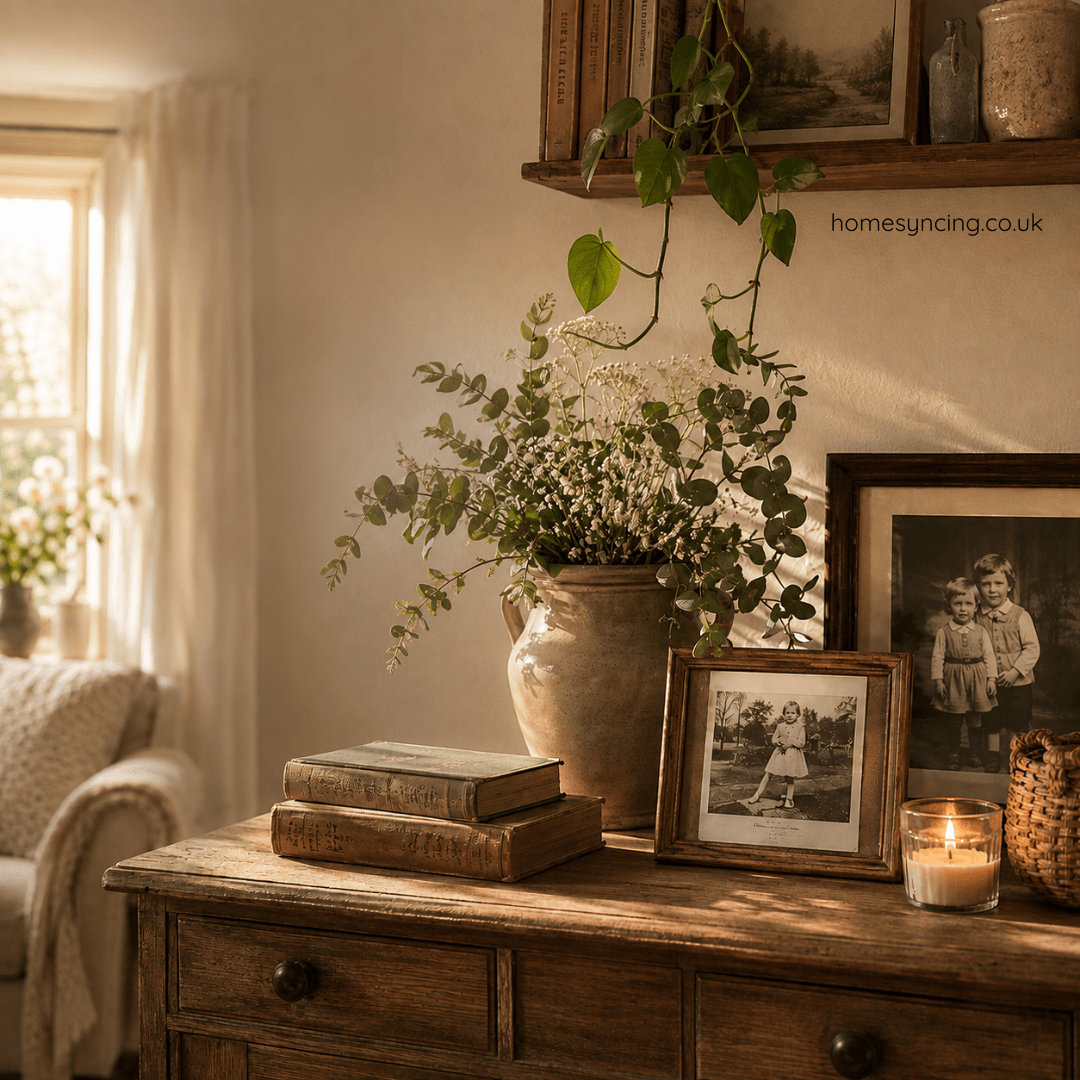
Small Room, Big Impact

There is something rather charming about a smaller home.

Perhaps it is the way light settles more softly in compact rooms, or how every corner feels purposeful and personal. Small homes encourage a certain kind of living — thoughtful rather than excessive, careful rather than cluttered. They ask us to consider not simply what we own, but how we wish to feel within the spaces we inhabit.

Across Britain, some of the most memorable interiors are found not in sprawling houses, but in cottages, terraces, converted lofts and modest rooms shaped by ingenuity and warmth. Historic homes have long understood the quiet art of making compact spaces feel generous. Window seats were built into alcoves. Furniture worked harder. Walls reflected light. Every inch carried meaning.

And perhaps that is why smaller homes often feel so comforting. They invite closeness. They gather life around them.

Designing a compact space well is rarely about trying to make it appear grand. Instead, it is about creating balance, calm and ease. A room that functions beautifully immediately feels larger because it allows the eye — and mind — to rest.

Light plays an extraordinary role in this.

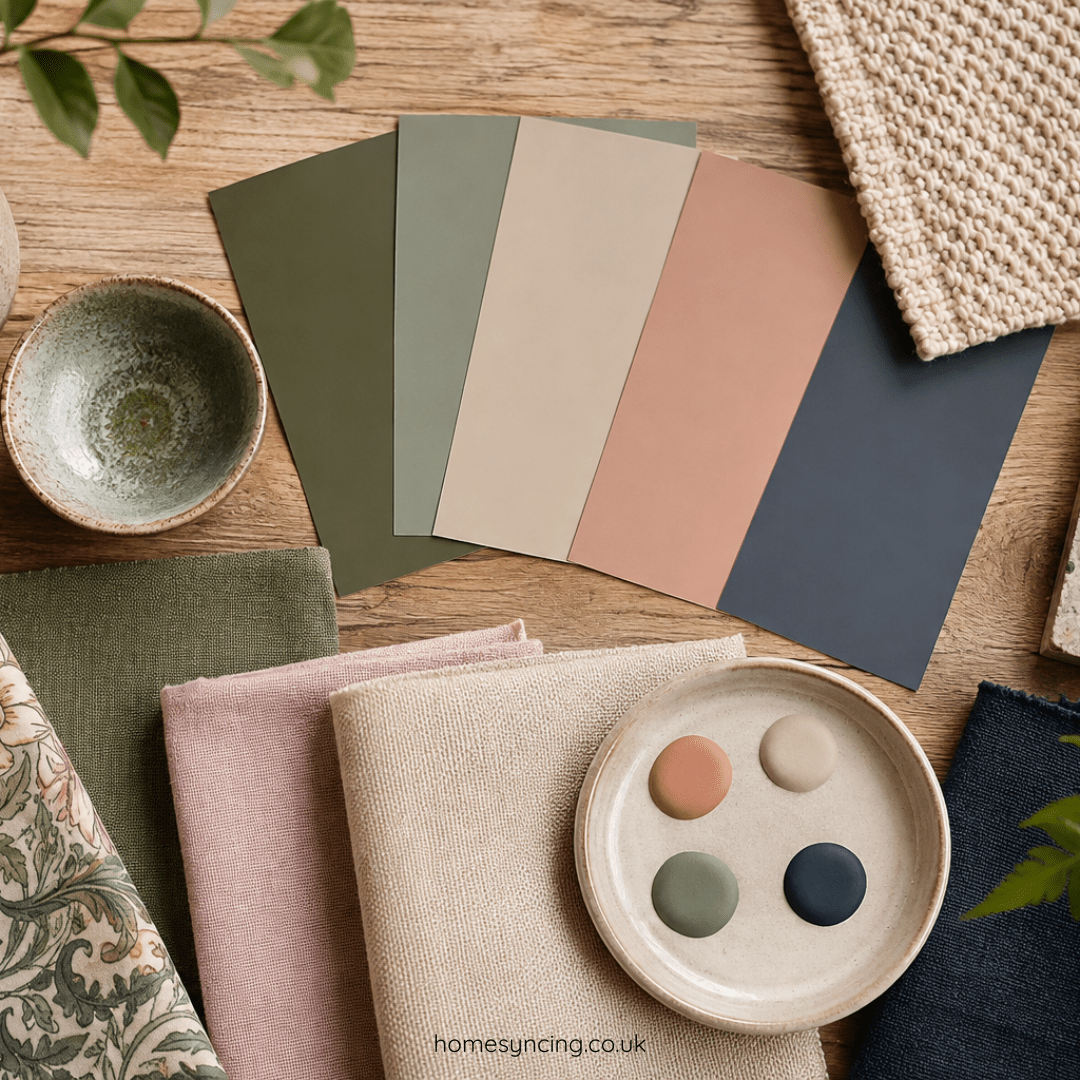
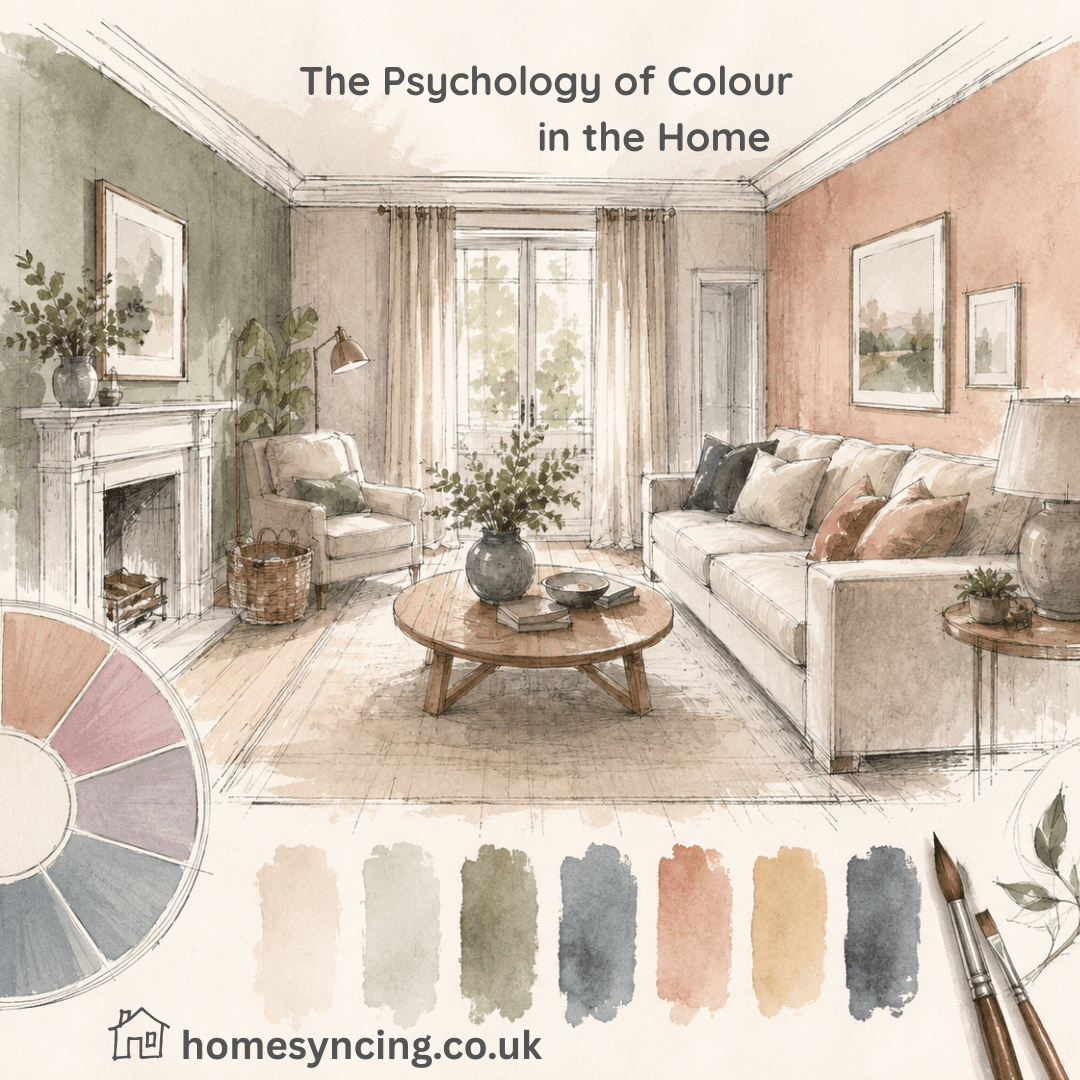
In smaller rooms, natural light becomes almost architectural in its importance. Pale walls that catch changing daylight can transform even the narrowest room into somewhere airy and calm. Soft whites, warm stone shades, muted greens and gentle earth tones help spaces feel open without becoming cold or clinical.

There is a tendency in modern interiors to chase stark brightness, yet smaller homes often benefit from warmth rather than starkness. A creamy neutral reflects light beautifully while still feeling welcoming on darker winter afternoons. Soft sage greens and weathered blues echo the natural world outside, bringing a sense of quiet spaciousness indoors.

Mirrors, too, have long been used to remarkable effect.

In old cottages and Georgian townhouses alike, mirrors were carefully positioned to draw daylight deeper into interiors. A well-placed mirror opposite a window does far more than reflect a room; it doubles the sense of atmosphere. Candlelight flickers further. Garden views stretch indoors. Small dining rooms suddenly feel layered with depth.

Yet the secret lies in subtlety. A mirror should feel part of the room rather than a trick within it. Antique finishes, aged frames and softly shaped glass often create a gentler, more timeless effect than oversized, overly polished designs.

Furniture choices shape compact living perhaps more than anything else.

A room crowded with oversized pieces can quickly feel heavy, regardless of square footage. Smaller homes benefit from furniture that allows space to breathe around it. Raised legs beneath sofas and chairs reveal more floor, helping rooms feel lighter and less enclosed. Round dining tables soften movement through tight spaces. Benches tuck neatly beneath tables when not in use.

Multifunctional furniture has become increasingly valuable in modern homes, though the concept itself is hardly new. Window seats once stored blankets beneath hinged lids. Kitchen dressers displayed crockery while concealing practical storage below. Day beds shifted effortlessly between seating and sleeping.

Today, the same thoughtful approach continues. Ottomans hide away winter throws. Console tables unfold into dining spaces when guests arrive. Shelving climbs vertically rather than spreading outwards, drawing the eye upwards and giving rooms greater visual height.

Storage, when handled well, quietly transforms a home.

The most peaceful interiors are rarely those with the fewest possessions, but those where belongings have somewhere proper to belong. Built-in shelving around doorways, baskets tucked beneath benches, hooks lining hallway walls and fitted cupboards painted to blend with surrounding walls all help reduce visual noise.

In smaller homes especially, clutter does not simply occupy physical space. It interrupts calm.

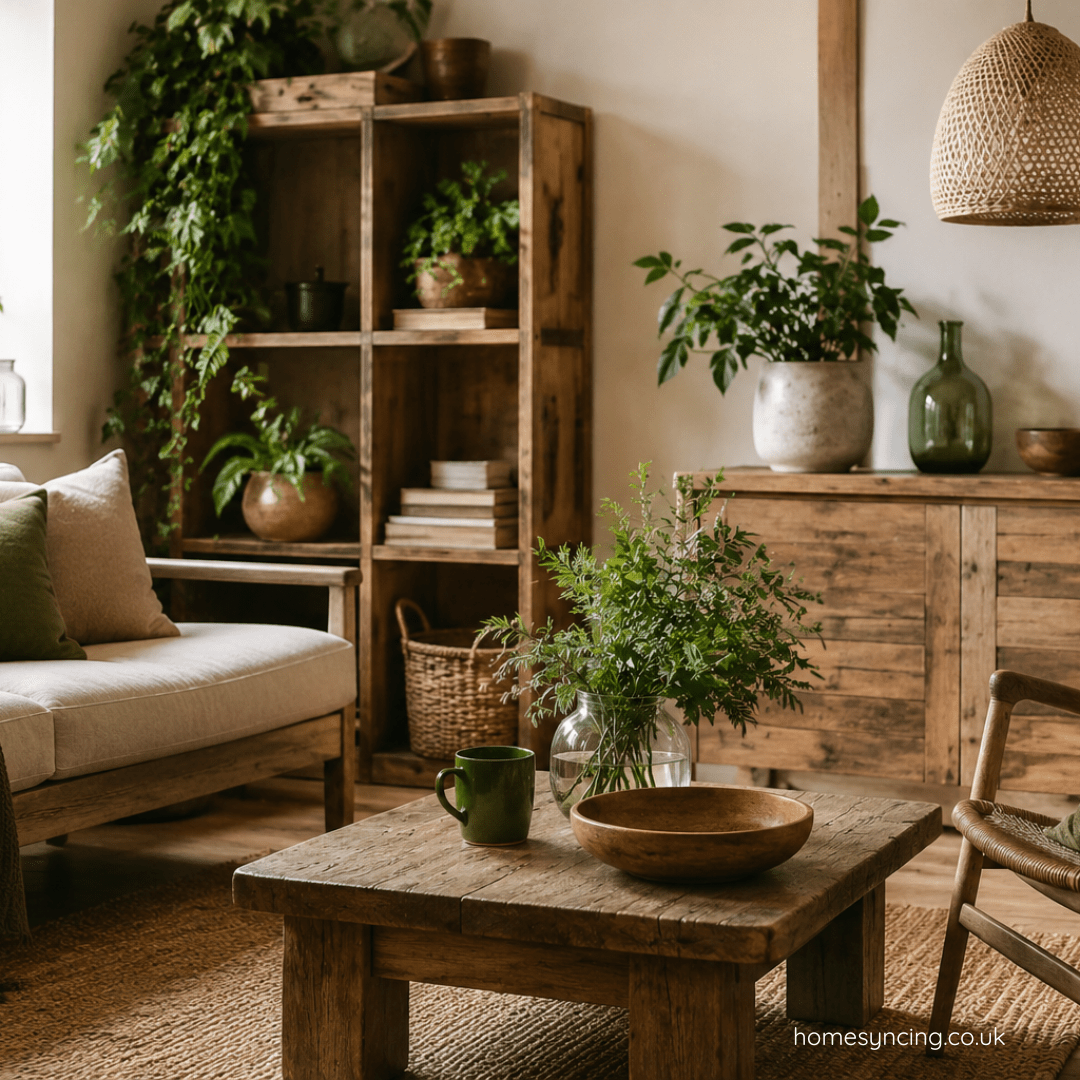
Texture becomes particularly important in compact interiors because it adds richness without overcrowding a room. Linen curtains softening a window. Wool throws folded across an armchair. Woven baskets beside the fire. Natural textures create depth gently, allowing smaller spaces to feel layered and lived in without becoming visually overwhelming.

There is also something deeply comforting about compact rooms designed around everyday rituals.

A reading chair beside a lamp and small table. A kitchen shelf lined with favourite mugs. A narrow hallway made welcoming through warm lighting and framed prints. These details may seem modest, yet they shape how a home feels emotionally.

And ultimately, that is what successful small-space design is truly about.

Not pretending a room is larger than it is, but helping it feel calm, useful and deeply welcoming.

Some of the most inviting homes are not expansive at all. They are homes where light falls softly across painted floorboards, where furniture has been chosen with care, and where every corner serves a quiet purpose.

Homes where life fits beautifully within the space available.

Because a small room, thoughtfully designed, never feels lacking.

Instead, it feels intimate, characterful and wonderfully alive.


Further Reading: Affordable Decorating Ideas That Will Transform Your HomeSustainable Chic: A Beginner’s Guide to Circular Design

Daily Inspiration: Follow Us on Instagram, BlueSkyThreads , PinterestTwitterTikTok

The Art of a Welcoming Home

There is a certain feeling some homes carry the moment you step through the door.

It is not perfection. Nor is it necessarily size, expense or the latest interior trend. Instead, it is something quieter. A softness in the lighting. The familiar creak of floorboards beneath your feet. A chair angled towards the fire as though someone has only just risen from it. The faint scent of lavender drifting through the hallway. A sense that life is unfolding gently here.

The most welcoming homes are rarely the most polished. They are the homes that feel lived in, layered over time with comfort, meaning and care.

Across old country houses, cottages and historic homes throughout Britain, there is a recurring thread that makes interiors memorable. Rooms are designed not simply to impress, but to nurture. Furniture is chosen for use as much as beauty. Fabrics soften hard edges. Lamps glow warmly against dark evenings. Shelves gather books, photographs and objects collected over years rather than hurriedly bought to fill empty space.

A welcoming home tells a story long before anyone speaks.

In many ways, modern life has shifted our understanding of home. Our houses are no longer simply somewhere to sleep at the end of the day. They have become offices, sanctuaries, gathering places and retreats from an increasingly noisy world. The desire to create calm interiors has grown alongside the pace of modern living itself.

And perhaps that is why people are once again drawn towards slower, more thoughtful interiors. Natural wood. Linen curtains moving gently in an open window. Handmade ceramics stacked beside the kettle. A comfortable armchair that invites you to sit for a while rather than scroll endlessly on a screen.

Furniture plays a remarkable role in shaping this atmosphere.

A well-made dining table, for instance, becomes far more than furniture. It is where homework is finished, birthday candles are blown out, conversations drift long into the evening and cups of tea are shared on difficult days. Sofas soften with use and familiarity. Hall benches gather muddy boots after long countryside walks. Bookshelves quietly reveal the personality of the people who live there.

The most welcoming interiors are rarely overfilled. Instead, they allow space for breathing room. Rooms feel calmer when furniture is arranged thoughtfully, with movement and comfort in mind rather than simply symmetry. A chair beside a lamp creates an invitation to read. A bench beneath a window encourages quiet moments of pause. Even in smaller homes, carefully chosen pieces create ease rather than clutter.

Lighting matters just as deeply.

Harsh overhead lights can flatten a room entirely, while softer pools of layered light create warmth and intimacy. Table lamps, wall lights, candles and low evening lighting gently alter the atmosphere of a home as daylight fades.

There is a reason historic homes often feel comforting even on grey days. Light is allowed to glow softly against painted walls, wood panelling and textured fabrics. Shadows are embraced rather than erased. Cosiness is created not through brightness, but through balance.

In many homes, scent quietly completes the experience.

The smell of bread baking in the kitchen. Beeswax polish on old furniture. Eucalyptus hanging in the bathroom. Fresh herbs on a windowsill. These small sensory details linger in memory long after visual impressions fade.

Natural scents often create the strongest feeling of comfort because they connect us instinctively to seasons and places. Citrus in summer. Woodsmoke in winter. Lavender in freshly washed linen. Rosemary brushed accidentally in the garden before guests arrive.

Texture, too, changes how a home feels emotionally.

Smooth stone beside soft wool throws. Worn wooden tables beneath cool ceramics. Linen bedding crumpled slightly by use. Texture prevents interiors from feeling flat or impersonal. It brings warmth, depth and humanity into a room.

Some of the most beautiful interiors are built quietly through layering rather than decorating all at once. A vintage chest found at a market. A woven basket carried home from holiday. A lamp inherited from family. Homes gain soul through gradual collection.

And perhaps that is the true art of a welcoming home.

Not chasing perfection, but creating spaces that allow people to exhale.

A welcoming home does not ask visitors to admire it from a distance. It invites them in. To sit down. To stay longer than planned. To feel comforted by familiar rituals and softened surroundings.

Because in the end, the homes we remember most are rarely the immaculate ones.

They are the homes where lamps glowed warmly against rainy evenings. Where kitchens smelled of something cooking slowly. Where blankets were draped carelessly across chairs and conversation filled the rooms.

Homes that felt deeply, reassuringly lived in.

Further Reading: Affordable Decorating Ideas That Will Transform Your HomeSustainable Chic: A Beginner’s Guide to Circular DesignSmall Room, Big Impact

Daily Inspiration: Follow Us on Instagram, BlueSkyThreads , PinterestTwitterTikTok


Create a Relaxing Bedroom Retreat

There is something deeply comforting about walking into a bedroom that instantly encourages you to slow down.

The curtains are half drawn against the evening sky. Lamps glow softly beside the bed. Fresh linen carries the faint scent of lavender. Cushions sit slightly imperfectly against crumpled bedding, inviting rest rather than display. The room feels calm, unhurried and restorative — less like somewhere designed merely for sleeping and more like a quiet retreat from the noise of everyday life.

Perhaps that is why boutique hotels continue to hold such appeal. Beyond beautiful interiors, they offer something people increasingly crave: atmosphere. A sense of pause. Spaces designed carefully enough to make us feel cared for the moment we arrive.

Yet creating this feeling at home rarely depends upon extravagance. The most restful bedrooms are often the simplest. Rooms where colour, texture, lighting and furniture work gently together to create ease.

Historically, bedrooms were not always designed with comfort as their central purpose. In many older homes, bedrooms were practical, often cold spaces, furnished modestly and used largely for necessity rather than retreat. Today, however, our understanding of rest has shifted entirely.

Bedrooms have become sanctuaries.

In a world filled with constant notifications, harsh lighting and endless distraction, the bedroom offers one of the few opportunities to step away from stimulation and return to quiet. The way a room feels emotionally has become just as important as how it functions physically.

And often, the transformation begins with the bed itself.

There is a noticeable difference between a bed made purely for appearance and one layered for genuine comfort. Boutique hotels understand this instinctively. Bedding is rarely flat or overly structured. Instead, layers create softness and warmth. Crisp cotton sheets beneath textured quilts. Linen pillowcases alongside heavier cushions. A wool throw folded loosely across the end of the bed.

These layers invite rest not simply because they look beautiful, but because they appeal to the senses. Texture creates comfort visually long before we climb beneath the covers.

Natural fabrics play an important role in this atmosphere. Linen softens over time and carries an effortless, relaxed quality. Cotton remains cool and breathable. Wool adds warmth through colder months without feeling overly heavy. Together, these materials create a bedroom that feels lived in rather than staged.

Colour shapes the mood just as deeply.

The most restful bedrooms rarely rely on bright contrast or strong visual noise. Instead, they borrow gently from nature. Soft stone shades, muted greens, warm whites, dusty blues and earthy neutrals all create a sense of stillness.

There is something undeniably calming about colours that echo landscapes beyond the window. Sage greens reminiscent of gardens after rain. Sand tones that carry warmth even on grey mornings. Deep blue-greys that feel cocooning as daylight fades.

Importantly, restful colour palettes do not need to feel cold or minimalist. Warmth matters enormously in a bedroom. A room should feel enveloping, particularly during long winter evenings when comfort becomes essential.

Lighting perhaps changes a bedroom more dramatically than any other single element.

Overhead lights alone often leave bedrooms feeling functional rather than restorative. Softer layers of lighting create depth and gentleness instead. Bedside lamps cast pools of warm light for reading. Wall lights soften corners. Candles flicker quietly across dressing tables and shelves.

The most inviting bedrooms allow darkness to arrive gradually.

Boutique hotels often use lighting to create emotional calm rather than brightness, and the same principle works beautifully at home. Warm bulbs, dimmable lamps and shaded lighting immediately make a room feel more restful.

Furniture choices also shape how a bedroom functions emotionally.

Crowded rooms rarely feel peaceful. Bedrooms benefit from thoughtful restraint — furniture chosen carefully for comfort, proportion and purpose rather than excess. A bedside table with space for books and tea. A comfortable chair in the corner for quiet mornings. Storage that conceals rather than overwhelms.

The most relaxing bedrooms often leave a little empty space visible. Floorboards uncovered by unnecessary furniture. Shelves with breathing room between objects. Surfaces that feel calm rather than crowded.

This sense of space allows the mind to settle too.

Scent quietly completes the atmosphere in ways people often underestimate.

Lavender resting beside the bed. Eucalyptus hanging gently from a wardrobe handle. Fresh linen dried outdoors carrying traces of summer air. These subtle details create familiarity and comfort that linger long after the lights are switched off.

Even sound influences how a bedroom feels. Thick curtains soften noise from outside. Rugs absorb echoes. Upholstered headboards and layered textiles help create a quieter, gentler room overall.

And perhaps that is the true secret behind creating a restful bedroom retreat.

It is not about recreating luxury for appearance alone.

It is about designing a room that allows rest to happen more naturally. A room that softens the edges of busy days. Somewhere that welcomes you at the end of winter evenings, rainy afternoons and exhausting weeks with warmth and quiet reassurance.

Because the best bedrooms are not simply places where we sleep.

They are places where we recover.


Further Reading: Affordable Decorating Ideas That Will Transform Your HomeSustainable Chic: A Beginner’s Guide to Circular DesignSmall Room, Big Impact

Daily Inspiration: Follow Us on Instagram, BlueSkyThreads , PinterestTwitterTikTok

Slow Living at Home

There is a certain kind of comfort found in ordinary moments at home.

A chair pulled close to the window on a rainy afternoon. The first cup of coffee before the rest of the house wakes. A blanket folded over the arm of the sofa, ready for colder evenings. Lamps glowing softly while darkness gathers outside. These small rituals often bring more peace than grand gestures ever could.

Modern life moves quickly. Notifications arrive constantly. Days become crowded with errands, screens and endless background noise. Home, increasingly, has become somewhere people long to feel restored rather than simply occupied.

And perhaps that is why so many are drawn towards a gentler way of living indoors.

Not necessarily slower in the literal sense, but more intentional. More comforting. More connected to everyday rituals that allow space to breathe.

Historically, homes naturally encouraged this rhythm. Before constant entertainment and digital distraction, evenings unfolded differently. People gathered around fires, wrote letters beneath lamplight, read quietly in corners softened by candlelight and listened to weather moving beyond the windows. Rooms were designed around warmth, conversation and rest.

Many of those comforting traditions still hold enormous appeal today.

Creating a calmer atmosphere at home rarely depends upon expensive interiors or dramatic redesigns. Instead, it is often the quieter details that change how a space feels emotionally.

A reading corner, for instance, can transform an overlooked corner of a room into somewhere restorative. A comfortable chair beside a lamp. A small table stacked with books. A throw folded nearby for colder evenings. The space itself may be simple, yet it gently encourages stillness in a world that rarely pauses.

Importantly, these spaces work because they invite use rather than perfection.

The most comforting homes are rarely immaculate. They carry signs of life within them — books left open, mugs cooling beside armchairs, blankets softened through use. Rooms feel welcoming when they support real rituals rather than existing purely for display.

Soft lighting shapes this atmosphere profoundly.

Harsh overhead lights often keep rooms feeling functional and alert long into the evening, while warmer layered lighting helps signal rest. Table lamps glowing in darker corners. Candles flickering quietly on shelves. Wall lights softening hallways and bedrooms. The transition from daylight into evening becomes gentler and calmer when lighting is approached thoughtfully.

Historic homes understood this instinctively. Interiors were shaped around fireside warmth and pools of candlelight rather than bright uniform illumination. Even today, homes feel more peaceful when light arrives softly rather than all at once.

Texture also contributes enormously to comfort.

Natural fabrics invite people to settle in properly. Linen cushions, wool throws, cotton bedding and woven rugs all create warmth both visually and physically. Texture softens hard surfaces and prevents rooms from feeling cold or impersonal.

Cosiness, after all, is not about clutter.

It is about softness.

Coffee and tea rituals have quietly become part of this slower approach to home too. Simple coffee stations arranged with favourite mugs, jars of beans, loose-leaf teas and well-used cafetières turn ordinary mornings into something more grounding. The process itself becomes part of the comfort — boiling the kettle, grinding coffee, waiting for tea to steep while early light settles across the kitchen.

These small pauses create rhythm within the day.

Bedrooms increasingly reflect this desire for calm as well. Soft bedding layered gently rather than perfectly arranged. Books beside the bed instead of glowing screens. Curtains filtering morning light slowly rather than abruptly. Bedrooms are becoming less about decoration alone and more about genuine restoration.

Even scent influences how restful a home feels.

Lavender on freshly washed linen. Eucalyptus in the bathroom. Bread baking slowly in the kitchen. Cedarwood candles glowing during darker evenings. Familiar scents create reassurance and emotional warmth often before we consciously notice them.

There is also something deeply comforting about creating spaces that encourage hobbies and slower pleasures.

A table for puzzles or painting. Shelves lined with gardening books. A basket beside the sofa filled with knitting or sketchbooks. These details remind us that home should support creativity and rest as much as productivity.

And perhaps that is the heart of slow living at home.

Not withdrawing entirely from modern life, but creating moments within the day that feel quieter, softer and more intentional.

Moments that allow people to reconnect with themselves, with family and with the spaces they inhabit.

Because often, the homes we remember most are not the grandest.

They are the homes where lamps glowed warmly on winter evenings. Where rain tapped against windows while tea brewed nearby. Where blankets gathered people together and conversation stretched long into the night.

Homes that offered comfort not through perfection, but through atmosphere.

Places where life felt gentler for a little while.

Further Reading: Affordable Decorating Ideas That Will Transform Your HomeSustainable Chic: A Beginner’s Guide to Circular DesignSmall Room, Big Impact

Daily Inspiration: Follow Us on Instagram, BlueSkyThreads , PinterestTwitterTikTok


The Quiet Power of Yoga Equipment

Discover how yoga equipment—from blocks and mats to cushions and rollers—can gently support your practice. Learn their benefits, uses, and how to choose wisely in this calming, practical guide.

A thoughtful guide to props, practice and presence

There is a quiet moment before practice begins. The mat is unrolled, the room settles, and the day loosens its grip. Yoga asks very little of us at first—just to arrive. Yet, over time, we come to understand that the smallest supports can make the deepest difference.

Yoga equipment is often seen as an optional extra, but in truth, it can become a trusted companion. Each piece—simple in design—offers steadiness, comfort, or challenge where it is needed most. What follows is a gentle exploration of these tools, how they serve us, and how they might find their place in your own practice.


Yoga Blocks and Bricks: Meeting Yourself Where You Are

There is something reassuring about a yoga block. Solid and dependable, it meets you exactly where you are, without expectation.

Blocks and bricks are used to bring the ground closer, particularly in moments when the body is still learning its range. In poses that ask for reach or balance, they offer a steady hand.

Urban Fitness Marbled Yoga Block

Their Purpose in Practice

Placed beneath the hand in a standing pose, or beneath the hips in a seated one, blocks create space where there may otherwise be strain. They encourage alignment without force, allowing the body to open gradually.

The Benefits

With their support, posture becomes more considered, and movement more mindful. They reduce the urge to overstretch, replacing it with a sense of ease and quiet progression.

How to Work Them In

You might reach for a block in a triangle pose, resting your hand upon it rather than the floor. Or sit upon one at the start of practice, allowing the spine to lengthen naturally.

Choosing Well

A block should feel firm but not unyielding. Cork offers a grounded weight; foam, a lighter touch. What matters most is that it feels steady beneath you.

A Gentle Note

Two blocks will serve you better than one. They bring balance—both physically and in the way you move.


Yoga Rollers: A Slow Unwinding

After movement comes release. The yoga roller invites you to pause and listen more closely to the body’s quieter signals.

Urban Fitness Cork Yoga Roller

Their Purpose in Practice

Used for self-massage, rollers ease the tension that lingers in muscles. They are not hurried tools, but ones that ask for patience.

The Benefits

With steady use, they can soften tightness, improve circulation, and restore a sense of lightness after effort.

How to Work Them In

At the close of practice, you might roll gently along the back or beneath the legs. The motion is slow, deliberate, and attentive.

Choosing Well

A softer roller suits those new to the practice; a firmer one offers deeper release. Texture is a matter of preference—smooth for broad strokes, ridged for precision.

A Gentle Note

Less is often more. Move slowly, and allow the body time to respond.


The Yoga Mat: A Place to Begin

Every practice begins here. The mat is not simply a surface, but a small, defined space that becomes your own.

Yoga-Mad Warrior II Mat

Its Purpose in Practice

It offers grip beneath the hands and feet, and a layer of comfort between you and the ground.

The Benefits

A good mat steadies you. It allows you to move with confidence, without slipping or distraction.

How to Work It In

From the first stretch to the final rest, the mat holds the entire arc of your practice. Its edges quietly guide your alignment.

Choosing Well

Look for a mat that feels secure underfoot, with enough cushioning to protect the joints. Materials vary, but a natural feel and reliable grip are worth seeking out.

A Gentle Note

A well-chosen mat becomes familiar over time—something you return to, again and again.


Yoga Cushions: Resting Into Stillness

There is a softness to a yoga cushion that invites the body to let go.

Fair Trade Elephant Print Yoga Cushion

Their Purpose in Practice

Cushions, or bolsters, support the body in restful poses. They are often used in slower practices, where stillness is the aim.

The Benefits

They allow the body to relax deeply, easing pressure from the joints and encouraging a longer, more restful hold.

How to Work Them In

Placed beneath the knees or along the spine, a cushion can transform a simple rest into something more restorative.

Choosing Well

Some prefer a firmer, cotton-filled cushion; others a softer feel. Shape matters less than comfort and support.

A Gentle Note

These are tools for rest, not effort. Let them hold you fully.


The Soft Exercise Ball: A Subtle Challenge

Small and unassuming, the soft exercise ball brings a quiet intensity to practice.

Yoga-Mad Exer-Soft Ball

Its Purpose in Practice

Used to engage the body more deeply, it introduces an element of balance and control.

The Benefits

It awakens smaller muscle groups, particularly through the core, and refines coordination.

How to Work It In

Held gently between the thighs or placed beneath the lower back, it encourages the body to work with greater awareness.

Choosing Well

A modest size and a lightly textured surface will offer the best control.

A Gentle Note

It is not about force, but subtle engagement—small adjustments that make a lasting difference.


The Skipping Rope: A Rhythm Before Stillness

Though not traditional, the skipping rope has its place. It brings warmth and rhythm before the stillness of yoga begins.

Yoga-Mad Speed Rope
Yoga-Mad Speed Rope

Its Purpose in Practice

Used as a simple warm-up, it prepares the body and sharpens the breath.

The Benefits

It lifts the heart rate, improves coordination, and readies the body for movement.

How to Work It In

A few minutes of gentle skipping at the start of practice can shift your energy, making the transition into yoga feel more fluid.

Choosing Well

A rope that turns smoothly and adjusts to your height will feel effortless to use.

A Gentle Note

Keep it light. This is a beginning, not a test of endurance.


Bringing It All Together

There is no need to use everything at once. Yoga is not built on accumulation, but on attention.

A simple practice might begin with a mat and a block, adding a cushion for rest. On another day, a roller may follow, easing the body back into balance.

The value of these tools lies not in their number, but in how thoughtfully they are used.


A Final Reflection

Yoga equipment does not change the essence of practice—it simply supports it. Each piece offers a quiet form of guidance, helping you move with greater care, awareness, and ease.

Over time, these small additions become part of the rhythm. Not essential, perhaps, but deeply appreciated.

And so, as you return to your mat, you may find that what once seemed like simple objects have become something more: companions in a practice that continues to unfold.


Daily Inspiration: Follow Us on Instagram, BlueSkyThreads , PinterestTwitterTikTok

Translate »