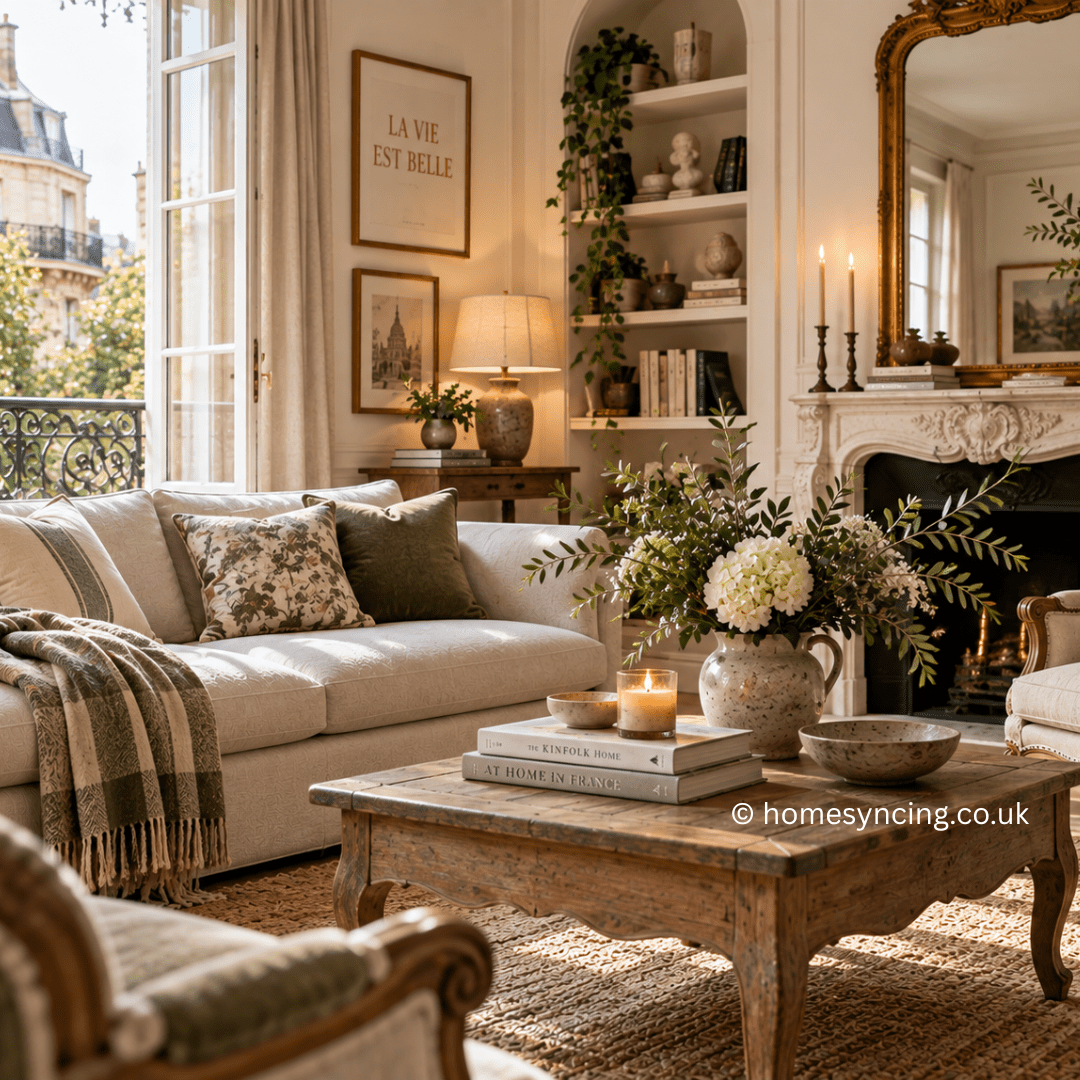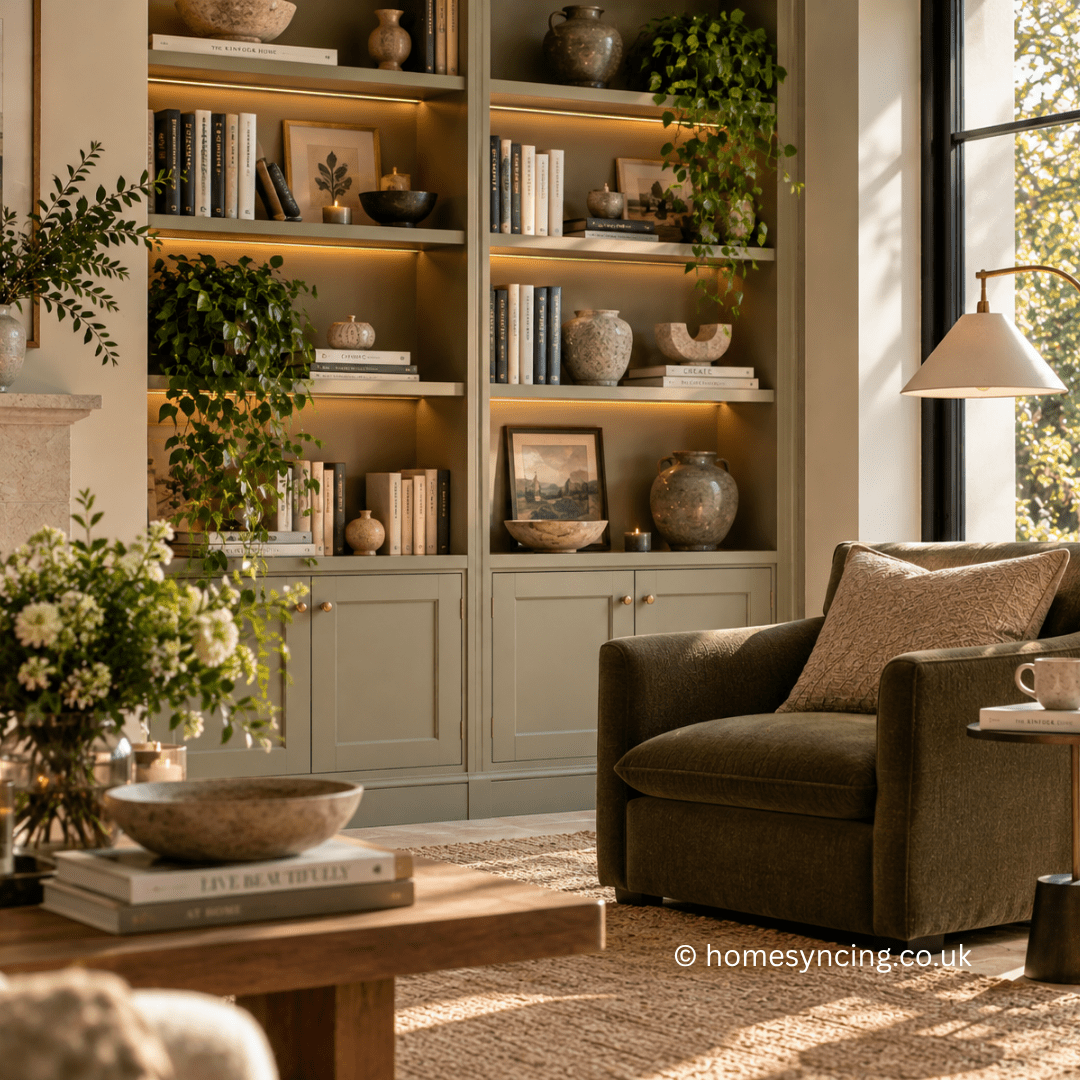
There is something particularly satisfying about a well-filled bookcase.
Unlike furniture chosen purely for appearance, bookshelves tend to become increasingly personal with time. A row of much-read novels sits beside a book brought home from a holiday; gardening volumes mingle with family photographs, pottery and objects collected over the years. Gradually, the shelves become as much a record of the people who live in the house as a means of keeping books in order.
Choosing the right bookcase, however, requires more thought than simply finding enough shelves.
Its proportions need to suit the room, its construction needs to support the weight placed upon it and its style should sit comfortably alongside the architecture and furniture already there.
Whether you’re looking for a substantial solid wood bookcase for a sitting room, a narrow bookshelf for an alcove or something altogether more contemporary, these are the considerations worth making before you buy.
Begin with What Your Bookshelves Need to Hold
Before measuring the room, look at what you intend to put on the shelves.
A collection of paperbacks has very different requirements from shelves filled with large art, cookery or interiors books. If you plan to display ceramics, framed photographs or baskets alongside books, those need considering too.
Take a little time to look through your collection.
Measure some of the tallest and deepest books rather than assuming that standard shelves will accommodate everything. Large-format books can require considerably more depth and height than novels.
Think ahead as well.
Book collections have a habit of expanding. If your existing books would completely fill a new bookcase on the day it arrives, a little additional capacity may prove useful.
The aim isn’t necessarily to buy the largest bookcase possible, but to choose one that accommodates what you own without immediately looking overcrowded.
Measure the Space Carefully
One of the most important considerations when choosing bookshelves is proportion.
Measure the available width, height and depth, remembering to account for skirting boards, dado rails, radiators, sockets, switches and nearby doors.
Skirting boards are particularly easy to overlook. They can prevent a bookcase from sitting completely against the wall and may make a surprisingly noticeable difference in a narrow space.
Then consider the room as a whole.
A tall bookcase can make excellent use of vertical space and draw attention towards a high ceiling. In a cottage or room with lower ceilings, something broader and lower may feel more comfortable.
A narrow bookcase can turn an otherwise unused corner into useful storage, while a substantial pair of bookcases can bring balance to either side of a fireplace.
Before buying, mark the dimensions on the wall with low-tack masking tape.
Stand back and look.
This simple exercise often tells you more about proportion than measurements alone.
Consider the Architecture of the Room
The best bookshelves often appear to belong to the room rather than having simply been placed in it.
Look at the architecture for clues.
Alcoves beside a chimney breast naturally lend themselves to shelving or fitted cabinetry. Tall Georgian or Victorian rooms may accommodate bookcases of greater height and presence, while cottages can suit lower pieces that don’t compete with beams, windows or irregular walls.
Freestanding bookcases have a particular advantage in older houses because they allow the building to remain visible around them.
A beautifully made timber bookcase against an old plaster wall can provide just enough contrast between furniture and architecture.
Built-in bookshelves offer a different character. They can make excellent use of awkward spaces and allow shelving to extend towards the ceiling, particularly when combined with cupboards beneath.
Neither approach is inherently better.
The question is whether you want the bookcase to read as a piece of furniture or as part of the room itself.
Choose the Right Bookcase Height
Height has an enormous influence on how a bookcase feels.
A tall bookcase makes use of space that might otherwise be wasted and can give a room a pleasing sense of height. It is particularly useful for larger collections.
But taller isn’t automatically better.
In a small room, a very tall, dark bookcase can feel imposing. Equally, a low bookcase in a large room with high ceilings may appear rather insignificant unless it is part of a wider furniture arrangement.
Lower bookshelves have advantages of their own.
The top becomes an additional surface for a lamp, artwork, flowers or a collection of favourite objects. In a sitting room, this can help the bookcase behave more like a sideboard and less like purely functional storage.
Consider what is happening above it too.
A lower bookcase beneath a painting can make a beautiful arrangement, while tall shelves may provide all the visual interest that particular wall needs.
Pay Attention to Shelf Depth
Shelf depth is easily overlooked when buying a bookcase online.
For most novels and ordinary hardbacks, excessively deep shelves can waste space and leave books disappearing towards the back.
Larger art, photography, architecture and cookery books require more generous dimensions.
If you intend to display objects as well as books, deeper shelves may also be useful for bowls, ceramics and framed photographs.
Adjustable shelving offers greater flexibility, allowing the spacing to change as your collection develops.
If shelves are fixed, study the internal measurements carefully.
A handsome bookcase is considerably less useful if your favourite books don’t actually fit inside it.
Look at How the Shelves Are Constructed
Books are heavy.
A shelf that looks perfectly adequate when empty may behave rather differently after several years beneath a tightly packed row of substantial hardbacks.
When comparing bookshelves and bookcases, look beyond the finish and examine the construction.
Consider the width and thickness of the shelves, how they are supported and what the manufacturer recommends regarding maximum loads.
Long unsupported shelves are more vulnerable to bowing, particularly when heavily loaded.
For a serious book collection, sturdy construction matters considerably more than decorative details.
A good bookcase should be capable of doing the job for which it was designed.
Solid Wood Bookcases
There is good reason why wooden bookcases remain such an enduring choice.
Timber brings natural variation to a room. Grain, knots and subtle differences in tone prevent a large piece of furniture from feeling completely uniform.
Oak can have a robust, architectural quality, while other timbers and finishes can create everything from a pale contemporary appearance to something deeper and more traditional.
A darker chestnut finish, for example, can give a bookcase considerable warmth and works particularly well alongside olive green, warm neutrals, aged brass and natural fabrics.
The appeal of timber also lies in the way it changes.
Rather than remaining perfectly untouched, a well-used piece may gradually acquire small marks and variations in colour. In the right interior, these aren’t necessarily defects to disguise.
They are part of the life of the furniture.
Painted Bookcases
A painted bookcase can either blend quietly into the room or become one of its strongest features.
Painting shelving in a colour close to the walls can create a calm, almost architectural effect, particularly with fitted bookcases.
Alternatively, a deeper shade can add considerable character.
Olive and forest greens, warm earthy reds, muted blues and rich brown-based colours can make books and objects stand out beautifully, especially when the room has good natural light.
Don’t assume shelving must be white simply because the room is small.
Sometimes a darker bookcase creates depth rather than making a room feel smaller.
The success of the colour depends as much on the light and surrounding materials as it does on the size of the space.
Metal and Contemporary Bookshelves
Metal shelving can provide a lighter visual alternative to substantial timber furniture.
Fine frames and open sides allow more of the wall to remain visible, which can be useful in smaller rooms or contemporary interiors.
Metal and timber also work particularly well together.
A dark metal frame combined with warm wooden shelves can introduce a subtle industrial influence without making the room feel like a converted warehouse.
Open shelving does, however, reveal everything.
If you prefer to hide paperwork, cables and the less attractive necessities of daily life, look for a design incorporating drawers or cupboards at the bottom.
Open Shelves or Cupboard Storage?
Not everything deserves to be displayed.
One of the most useful features a bookcase can have is some concealed storage.
A bookcase with cupboards beneath provides somewhere for paperwork, games, chargers and other objects that are necessary but don’t contribute much to the room visually.
This combination can work particularly well in sitting rooms and home offices.
Books and favourite objects remain visible above, while everyday clutter disappears behind doors below.
Drawers can serve the same purpose on a smaller scale.
Think honestly about how tidy you are before choosing entirely open shelving.
Furniture should work with the household rather than demanding that the household change its habits.
Consider a Bookcase with Adjustable Shelves
Book collections are rarely uniform.
A tiny paperback might sit beside an enormous atlas; cookery books need more room than novels, while decorative objects introduce another set of proportions altogether.
Adjustable shelves make it easier to accommodate this variety.
Rather than creating identical rows from top to bottom, vary the spacing according to what is stored there.
This can make a bookcase visually more interesting too.
A taller opening containing a ceramic vessel or framed picture breaks up the repetition of books and allows the arrangement to breathe.
Think About Where the Bookcase Will Stand
Bookshelves needn’t automatically occupy the largest empty wall.
Sometimes a less obvious position is more successful.
A narrow bookcase can fit beautifully beside a doorway. Low shelving can sit beneath a window where tall furniture would obstruct the light. A pair of bookcases may frame a fireplace, while open shelving can occasionally help define different areas within a larger room.
Home offices are natural places for bookshelves, but don’t overlook bedrooms, kitchens and hallways.
Cookery books arranged on sturdy shelving can bring character to a kitchen. A small collection beside a bedroom chair creates an instant reading corner.
Even a landing can become a miniature library if there is enough room to pass comfortably.
Books have a way of making overlooked parts of a house feel inhabited.
Don’t Forget the Delivery Route
As with sofas and dining tables, the measurements of the room aren’t the only ones that matter.
Check how the bookcase will reach its final position.
Measure doorways, corridors, staircases, landings and any particularly tight turns.
Find out whether the bookcase arrives fully assembled or in sections.
A tall solid wood bookcase may fit its intended wall beautifully while proving impossible to manoeuvre around a staircase.
Checking beforehand is considerably easier than discovering this when the delivery van is outside.
Safety Matters with Tall Bookshelves
Tall furniture should be treated with care, particularly in homes with children.
Follow the manufacturer’s instructions for positioning and securing the bookcase and use the recommended anti-tip fittings or wall restraints where supplied or required.
The appropriate fixing will depend upon both the furniture and the construction of the wall, so seek professional advice if you’re unsure.
Heavier books and objects are generally better placed lower down, which can also give the bookcase a more visually grounded appearance.
Avoid balancing heavy objects precariously on high shelves.
A beautifully styled bookcase still needs to be a safe one.
How to Style a Bookcase
Once the practical decisions have been made comes the enjoyable part.
A well-styled bookcase shouldn’t look like a shop display.
Begin with the books themselves.
Arrange most vertically, but introduce an occasional horizontal stack to alter the rhythm and provide a small platform for an object.
Don’t feel compelled to arrange books according to the colour of their spines. A collection naturally assembled over many years has a richness and irregularity that is difficult to manufacture.
Then introduce a few other things.
A piece of pottery brought home from a journey, a small framed photograph, an inherited object, a shell, a drawing or something found in the garden can all sit comfortably among books.
The important word is few.
Leave some space.
When every centimetre is occupied by a carefully positioned accessory, the shelves can begin to feel more staged than lived in.
Use Plants Sparingly
Plants can soften the hard lines of shelving beautifully.
A trailing plant on a higher shelf or a small pot beside a group of books introduces movement and colour.
But consider the conditions.
A plant tucked into a dark bookcase several metres from the nearest window may not remain as attractive as it was on the day it was styled.
Choose plants according to the available light rather than simply according to appearance.
And don’t turn every shelf into a miniature indoor garden.
The books should still have somewhere to live.
Add Lighting to Bookshelves
Lighting can transform bookshelves after dark.
Integrated shelf lighting can create a gentle glow, particularly in fitted cabinetry, while a nearby table or floor lamp can illuminate a freestanding bookcase without requiring electrical work.
Avoid excessively bright lighting.
Bookshelves usually look their best with warm, restrained illumination that reveals their contents rather than flooding them with light.
If the shelves contain older or valuable books, remember that prolonged exposure to strong daylight can fade bindings and paper.
Position treasured volumes away from intense direct sunlight where possible.
Buy for the Collection You Want to Keep
Bookshelves have become part of an increasingly fast-moving world of interiors, but the furniture itself needn’t be temporary.
A well-made bookcase can move between rooms and sometimes between homes.
It can begin in a sitting room, spend several years in a study and eventually find itself holding children’s books, records or ceramics somewhere entirely different.
Look for construction that can withstand that change.
Consider whether the shelves are adjustable, whether the piece can be repaired and whether its proportions are versatile enough to work in more than one setting.
Buying fewer, better pieces often makes more sense than filling a room quickly.
Allow Your Bookshelves to Evolve
Perhaps the most appealing bookcases are those that never feel entirely finished.
Books arrive and disappear. Photographs change. A newly found piece of pottery takes the place of something that has been there for years.
Let that happen.
There is no need to achieve a perfectly styled arrangement on the first afternoon.
Start with the books you love, add a handful of objects with meaning and leave some room for whatever comes next.
A home becomes interesting through accumulation.
Bookshelves make that process visible.
Bookshelves That Tell a Story
When choosing the right bookshelves for your home, size, storage capacity, material and price all matter.
But there is another consideration that is harder to measure.
A bookcase becomes a backdrop to everyday life.
It holds the novel picked up every winter, the cookery book with flour between its pages, the enormous volume nobody remembers buying and the children’s stories that somehow remain on the shelf long after the children have grown.
That is why the best bookcases don’t need to shout for attention.
Choose one with good proportions, sound construction and materials you will enjoy living with. Give the books enough room, but not so much that the shelves feel impersonal.
Then allow time to do the decorating.
Eventually, a good bookcase should reveal far more than what was fashionable when it was bought.
It should tell the story of the home around it.
Take a Look at our Bookcases and Shelves 🙃
Further Reading: Affordable Decorating Ideas That Will Transform Your Home, Sustainable Chic: A Beginner’s Guide to Circular Design, Small Room, Big Impact
Daily Inspiration: Follow Us on Instagram, BlueSky, Threads , Pinterest, Twitter, TikTok