How to Create a Fabulous Home Bar

Whether you want to up your hosting game, enjoy a peaceful drink after a busy day or add a touch of sophistication to your home, creating a fabulous bar might be just the thing. A home bar can transform your space into the ultimate entertaining hub, reflect your style and make serving drinks an art form. Here’s a step-by-step guide to designing your dream home bar.

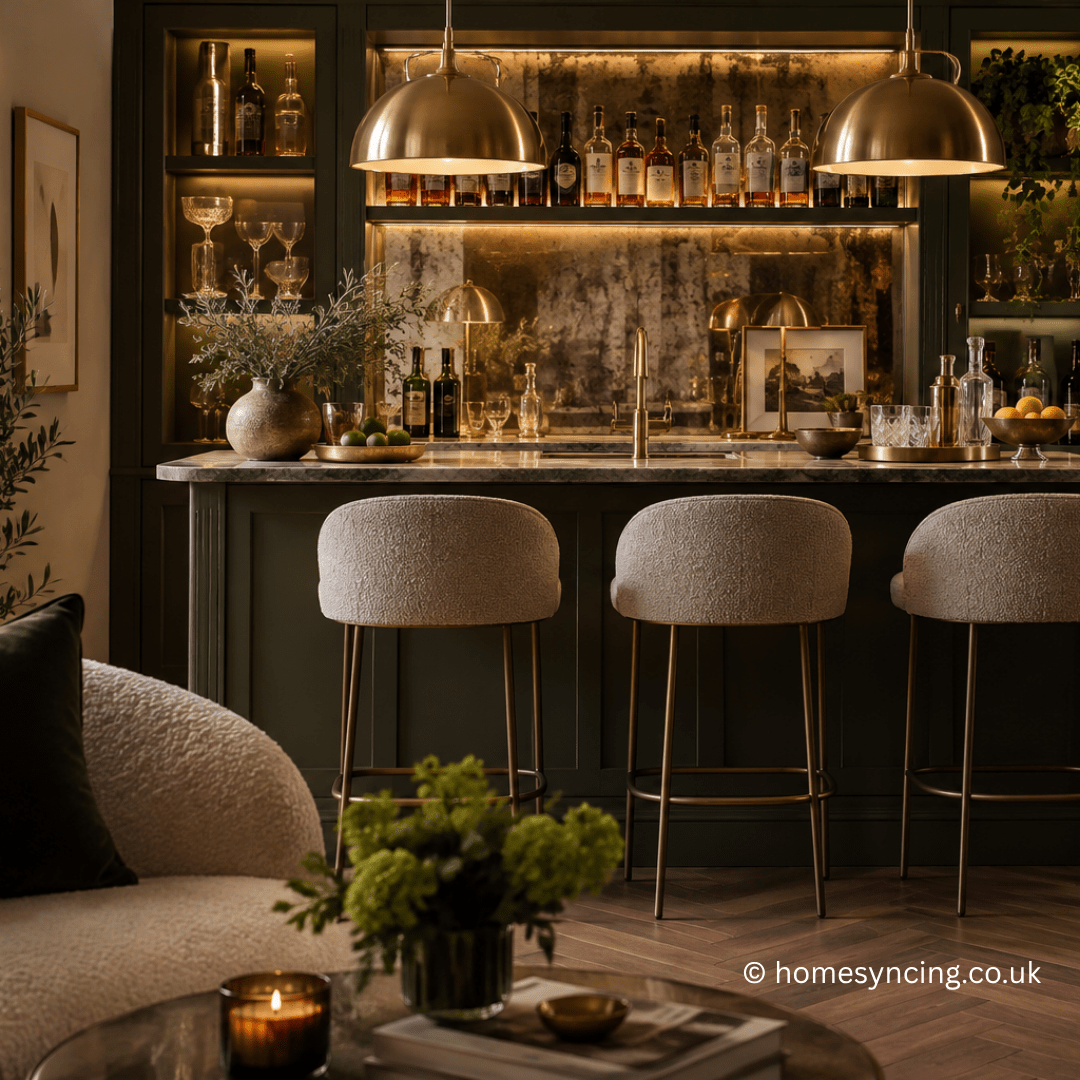
The Stateroom Bar Cabinet - Field Green

Why Have a Home Bar?

A home bar isn’t just about storage for your spirits; it’s a space that brings people together. It can elevate an ordinary evening to something special and set the stage for memorable gatherings. Imagine effortlessly whipping up cocktails for friends or sipping your favourite wine in a stylish, carefully curated setting. Plus, when designed thoughtfully, a home bar becomes a stunning focal point.

Whether you’re hosting a lively celebration or winding down with your partner, a home bar creates a sense of occasion, offering convenience, luxury and a personal connection to your drinks of choice.

How to Design a Fabulous Home Bar

1. Decide on Location

Your home bar should fit seamlessly into its environment. Start by identifying a location that makes sense in your home. A small corner of your living room, an unused nook under the stairs or a wall in your kitchen can all transform beautifully into a bar space.

If space is limited, consider a compact bar cart or wall-mounted shelving. For those with more room, a built-in bar or a freestanding unit can be an ideal option.

2. Choose Your Theme

Every fabulous bar starts with a clear design direction. Whether it’s a sophisticated speakeasy vibe, a rustic wine cellar feel or a vibrant tropical aesthetic, choose a theme that complements your home and reflects your personality.

  • Speakeasy: Focus on vintage details, dim lighting and dark wood tones.
  • Rustic: Opt for warm wood accents, exposed bricks and industrial touches.
  • Tropical: Incorporate bold colours, leafy patterns and rattan furniture.
  • Modern minimalist: Sleek lines, metallic finishes and a monochromatic palette work wonders.

3. Play with Colours and Trends

Your colour choices can transform your space. If you’re into trends, jewel tones like emerald green or sapphire blue are on-trend and create an elegant statement. For a modern look, go for gold accents or matte black finishes. Keep the balance between functional and atmospheric by pairing bold colours with neutral elements.

4. Storage is Key

A well-organised bar not only looks good but is also efficient to use. Include shelving for glasses, racks for your favourite wines and cabinets to hide away less attractive essentials.

  • Use open shelves for displaying your most beautiful bottles and glasses.
  • Install under-the-counter storage for bulky items like mixers and bar tools.
  • For smaller spaces, vertical storage solutions make the most of tight corners.

5. The Perfect Backdrop

Your bar’s backdrop will make the biggest visual impact. Consider textured wallpapers, mirrored panels, or even LED lighting to create an eye-catching display. A marble slab or wood panelling behind your bottles adds a polished, high-end touch.

6. Decide on Accessories and Décor

The details make all the difference when bringing your bar to life. Add character and functionality with the right accessories and décor. Here’s what to include:

  • Barware: Invest in high-quality tools like a shaker, muddler and jigger to make cocktail preparation seamless.
  • Glassware: Include a variety—wine glasses, tumblers, martini glasses and champagne flutes.
  • Lighting: Choose warm illumination for a cosy feel or under-shelf lighting for a modern effect. Battery-powered LEDs work brilliantly in smaller setups.
  • Greenery: Bring the space to life by placing a statement plant or small succulents on shelves or the counter.
  • Finishing touches: Think personalised coasters, stylish drink trays or framed art that complements your theme.

7. Focus on Functionality

While aesthetics are crucial, functionality is the backbone of a fabulous home bar. Consider a mini-fridge for chilled wines and mixers, a sink if plumbing allows or an ice bucket for easy cocktail preparation. Arrange your layout to ensure bartending feels effortless.

8. Keep a Well-Curated Stock

A fabulous bar doesn’t need to house every spirit and mixer. Start with a small selection and build up slowly. Essentials include a reliable gin, vodka, whisky, rum and tequila, plus a few popular liquors like vermouth and triple sec. Don’t forget mixers, garnishes and non-alcoholic options for inclusive hosting!

Creating Memories with Every Sip

Designing a home bar isn’t just about crafting a space; it’s about creating an experience. It’s where old friends gather, new traditions are made, and quiet moments are savoured.

If you’re unsure how to take your home bar to the next level, don’t hesitate to seek professional advice or inspiration from interior design experts. With a little planning and creativity, your fabulous bar will soon become the heart of your home.

Whatever your taste or budget, there’s a bar design that’s perfect for you. Start small, dream big, and most importantly, make it your own! Cheers to stylish sipping! 🍸🍹

We have some great products to help you create your perfect home bar here! 😉

For Daily Inspiration follow us on Instagram here! 🙏

Bold Black Interior Design: A Striking Trend for 2025

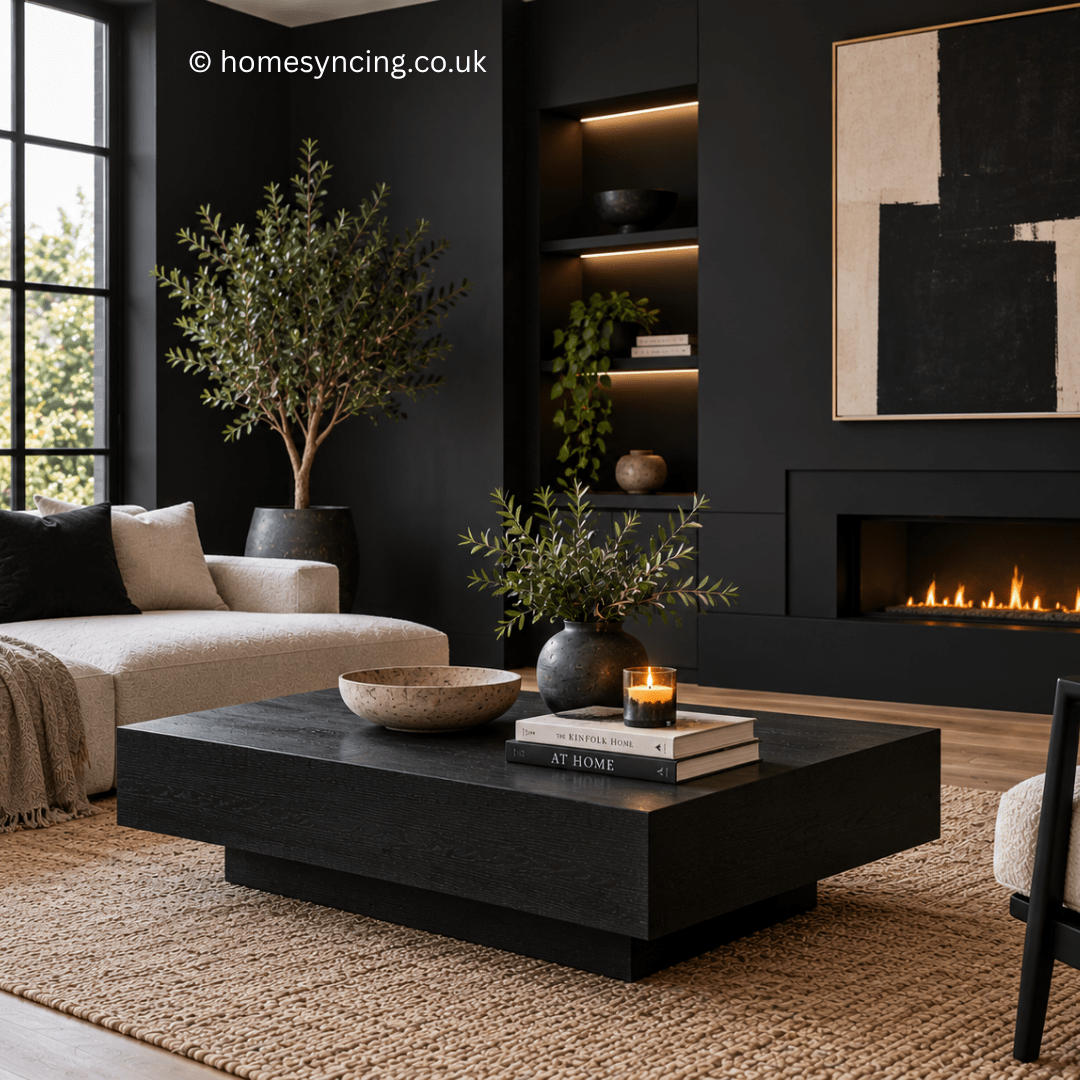
Sophisticated, dramatic, and undeniably chic—black has reclaimed its throne as a design staple, and this time it’s bolder than ever. From sleek raven accents to daring monochrome spaces, black is transforming interiors into powerful, high-impact havens. Are you ready to make a statement?

Black Interior Styling Image

Why Black?

Black often carries with it an air of mystery and elegance, but in 2025, it’s not just elegant—it’s audacious. Used strategically, black can add depth, contrast, and a sense of modernity to any space. When paired with other colours and textures, it anchors the room, allowing every other element to shine.

But why stop at a few accents when you could go all in? Entirely black interiors are having an unforgettable moment. Far from being overwhelming, the right execution creates a cosy, cocoon-like atmosphere that’s as inviting as it is dramatic.

How to Incorporate Black into Your Interiors

If you’re ready to take the plunge but unsure of where to begin, here are some stylish and practical ways to introduce the boldness of black into your home design.

1. Raven Accents for Subtle Impact

Not quite ready to go full monochrome? Start small. Think sleek black furniture, light fixtures, vases, or picture frames. Against a backdrop of neutrals or lighter tones, these touches create a striking contrast.

A velvet black armchair nestled in a neutral living room or matte black handles in an otherwise all-white kitchen can redefine the space entirely. These subtle touches are like punctuation marks in your design, adding definition and character.

2. The Power of Contrast

Black thrives on contrast. Pair it with crisp whites for a timeless black-and-white theme, or soften its intensity with warm hues like terracotta or beige. Want something edgier? Try pairing black accents with jewel tones like deep emerald green or sapphire for an opulent feel.

Focus on balance—black works best when it’s offset by lighter tones and complementary colours, ensuring that the dramatic doesn’t become overpowering.

3. Create Drama Through Black Fixtures

Transform your bathroom or kitchen by incorporating black fixtures. Think sleek black taps, door handles, or light fittings. These small touches add just the right amount of boldness while maintaining a luxurious and modern edge.

Black doesn’t just play well with colour—it also thrives when paired with texture. Combine frosted glass, rough stone, or brushed metal with black fixtures for added intrigue and character.

4. Go All-In with Monochrome Magic

Feeling brave? Step into the world of blacked-out interiors. A black wall, complemented by matching furniture and décor, creates an intimate yet impressive space. To avoid the room feeling flat, focus on layering textures. Mix matte paint with plush upholstery, glossy finishes, or natural wood to bring depth and visual appeal.

Add soft lighting to underline the ambience—think strategically placed floor lamps or pendant lighting to keep the space inviting and cosy.

5. Black in Unexpected Spaces

Why confine black to your living room or kitchen? Take it to places that surprise. A black ceiling, for instance, adds a dramatic flair that makes any room feel unique. Alternatively, line your home office shelves with black accents or paint the back of your bookcases black to highlight their contents.

Bathrooms, often overlooked, are reborn with black tiling or a matte black vanity. These unexpected choices turn functional rooms into design features.

The Benefits of Bold Black Design

Wondering if this trend is worth it? Here’s why black should make it to the top of your design list in 2025:

  • Timeless Elegance: Black is classic. It never truly goes out of style, and its timeless appeal ensures longevity.
  • Versatile Foundations: Black works with virtually any colour palette, giving you limitless creativity with your design.
  • Depth and Dimension: Whether used as an accent or a predominant shade, black effortlessly adds depth, making spaces feel more dynamic.
  • A Statement Piece Every Time** : Black commands attention without shouting. It’s bold, and yet it feels effortless.

Final Thoughts – Dare to Design

Black is more than just a colour—it’s a powerful design tool that can elevate your interiors from ordinary to extraordinary. Whether you’re adding a touch of raven or going full monochrome, this sophisticated hue offers endless possibilities to anyone bold enough to incorporate it.

Our Black is Back Edit ⬤

Follow us on Instagram for Daily Inspiration

Transform Your Space with Rich Jewel Tones

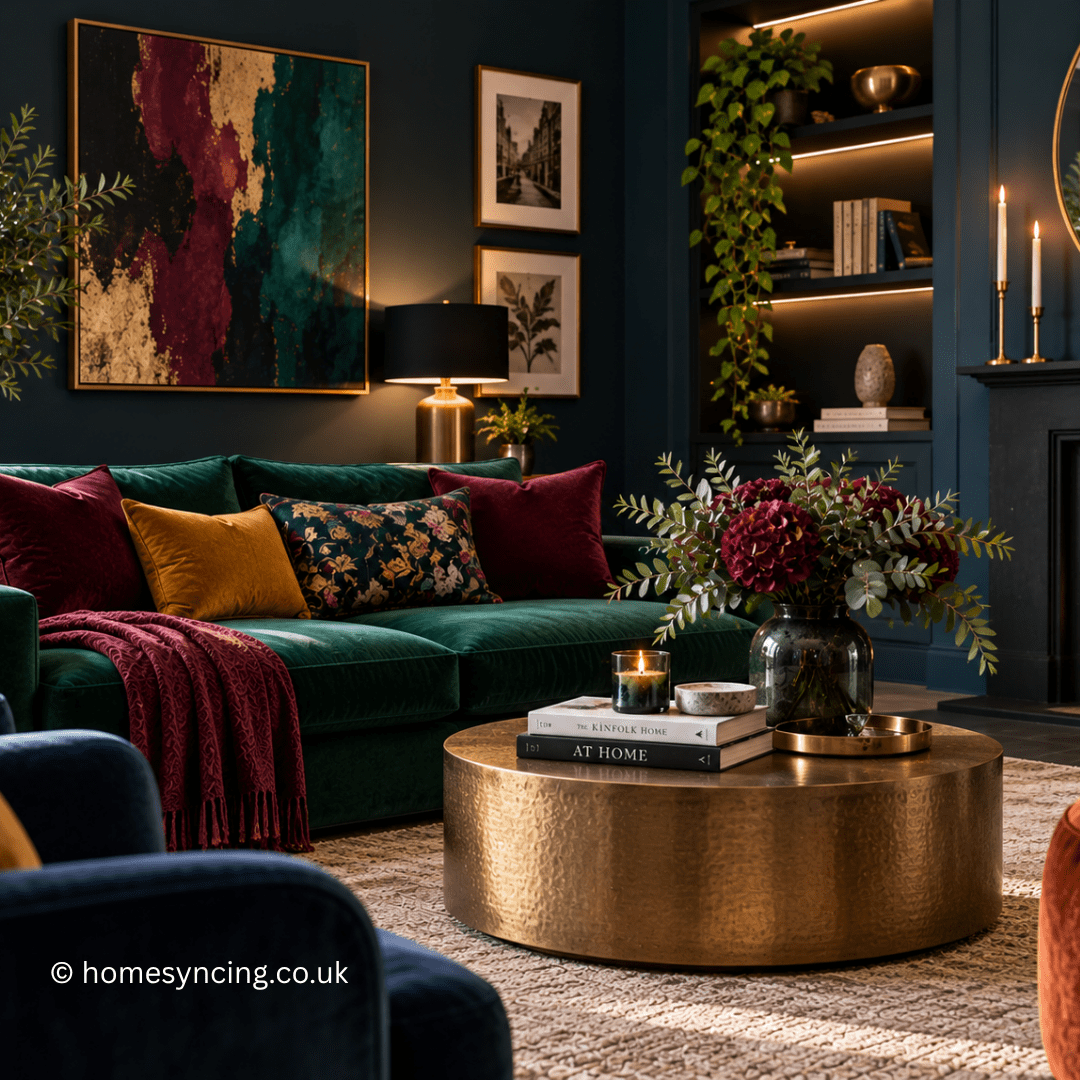
Are you ready to elevate your home décor game? Rich jewel tones have been reigning supreme in interior design—and they’re not going anywhere. These bold, sumptuous colours are timeless, effortlessly infusing any room with a sense of luxury, drama and opulence.

What Are Jewel Tones?

Inspired by the brilliance and depth of gemstones, rich jewel tones include colours like emerald green, sapphire blue, ruby red, amethyst purple and topaz gold. Just like their namesakes, these shades are deeply saturated and rich, offering an unmatched vibrancy.

But here’s the magic—they don’t just radiate boldness; they have an innate ability to pair beautifully with other colours and textures, unlocking endless possibilities for your décor.

Why Jewel Tones Are Timeless in Decor

Think of jewel tones as the little black dress of interior design—versatile, classic and always in style. They’ve been trending for years and experts predict this palette will remain a go-to choice well into 2025. Why? Because jewel tones strike that perfect balance between grandeur and accessibility.

  • Luxury & Drama

They immediately elevate the look and feel of a space. A plush emerald green velvet sofa or sapphire blue accent wall screams sophistication.

  • Versatility Across Styles

Jewel tones work regardless of your interior design approach. From modern glam and mid-century vibes to boho chic or classic Victorian detailing, these colours weave themselves beautifully into any aesthetic.

  • A Sense of Comfort

While vibrant, these hues carry a depth that feels grounding and inviting, making even the boldest choices feel warm and livable.

How to Use Jewel Tones in Your Home

Now that you know why jewel tones are here to stay, how can you incorporate them into your space? Here are some ideas to get you started:

1. Choose a Statement Piece

Make a bold impact with a key item that serves as the focal point of your room.

  • A ruby-hued armchair? Perfect for adding a romantic touch.
  • An emerald green area rug? Instantly anchors your living room.

Using a single piece in a jewel tone allows you to play with the trend while keeping the rest of the space neutral.

2. Paint It Bold

One of the easiest ways to experiment with jewel tones is through paint.

  • A navy sapphire feature wall in a bedroom creates a cosy yet dramatic vibe.
  • Amethyst purple paired with brushed gold hardware in your office space spells elegance.

The key is to balance these strong shades with neutral trims or lighter accent walls to keep the space balanced.

3. Accessorise with Flair

Not ready for a big commitment? Start small.

  • Drapes, cushions, or throws in jewel tones can layer richness into your décor. Imagine the decadence of topaz yellow cushions against a white linen sofa.
  • Opt for small touches like a sapphire vase or emerald glassware—they add a pop without overwhelming the room.

4. Pair with Neutrals or Pastels

To avoid an overload of drama, pair your jewel tones carefully.

  • Neutrals: Whites, greys, or soft beiges provide a calm backdrop that lets your bold pieces shine.
  • Pastels: Add a whisper of butter yellow or powder pink to complement and soften the intensity of rich tones.

This approach creates balance and prevents the space from feeling “too heavy.”

5. Get Playful with Textures

Velvet, silk, and satin are natural companions to jewel tones. Why? Because their reflective surfaces amplify the already stunning depth of these hues. A sapphire velvet cushion or an emerald porcelain lamp can add both texture and sophistication to your home.

Jewel Tones Wait for No One!

What are you waiting for? Whether you introduce jewel tones through a DIY accent wall or add a plush emerald throw to your sofa, the possibilities are endless. These colours will revolutionise the way your home feels—transforming it into a vibrant, luxurious sanctuary.

Rich jewel tones are your invitation to turn a house into a home that sparkles with personality and style. Go bold. Get creative. Make a statement.

Further Reading: Interior Design Trends for 2025

Follow us on Instagram for daily inspiration

Illuminate with Statement Lighting

Are you ready to transform your home into a visual masterpiece? Statement lighting is not just a way to brighten a room—it’s a bold design choice that brings personality, drama and sophistication to your space. From oversized pendants to sculptural lamps, the right lighting can capture attention, set the mood and elevate your interiors to dazzling new heights.

Whether you’re an interior design enthusiast, a lighting aficionado or just looking for fresh ideas, this guide to statement lighting will spark your imagination and inspire your next big design move.

Lighting is No Longer Just Functional

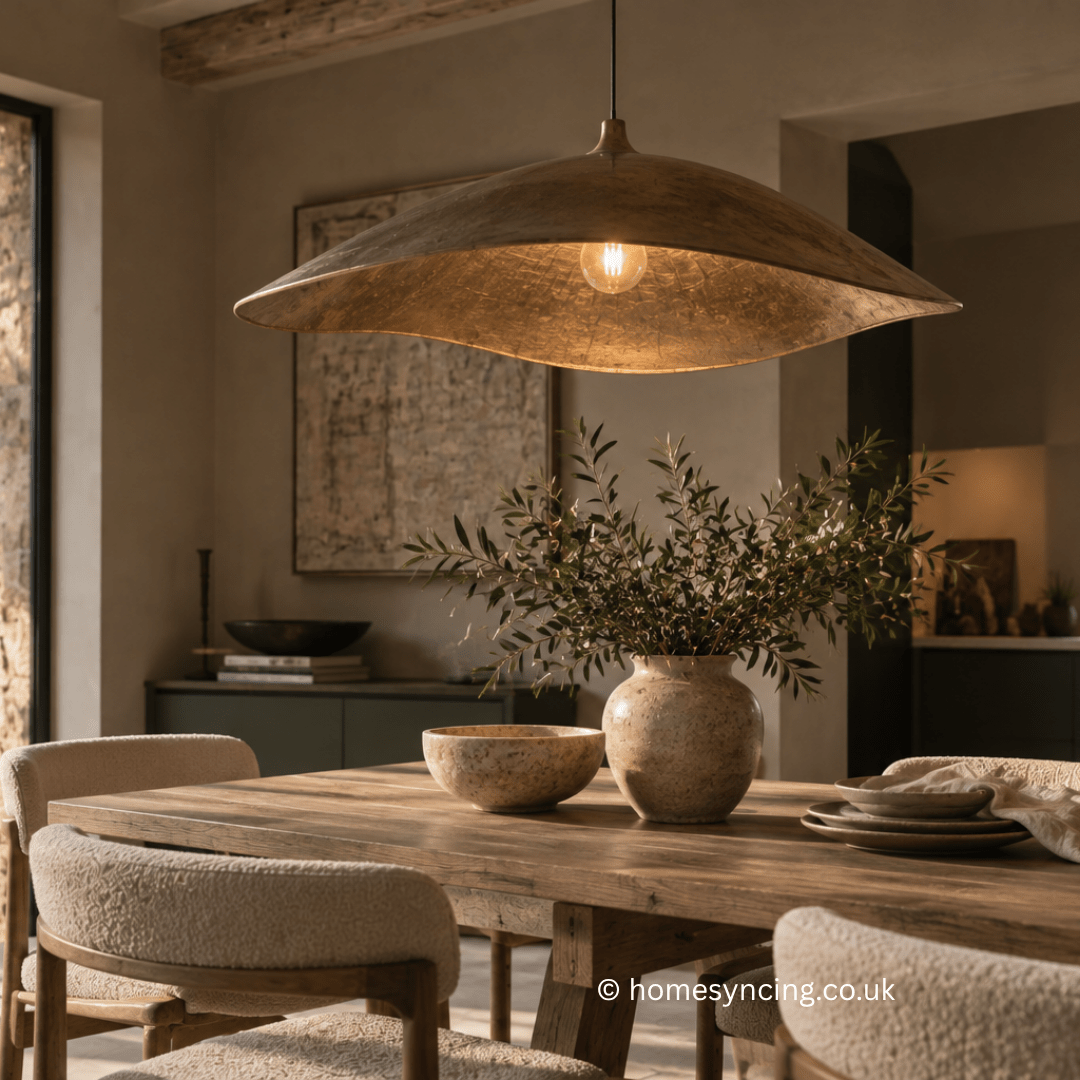
Gone are the days when lighting simply served a practical purpose. Today, it’s an integral part of interior design—a powerful tool to transform the ambiance of any room. Picture this: a dramatic chandelier cascading over your dining table, casting soft, golden light that creates an intimate and inviting atmosphere. Or a modern floor lamp with geometric lines that becomes the centrepiece of your living room. Lighting isn’t just functional anymore—it’s art.

Statement lighting excels when it combines aesthetics with practicality. These fixtures not only illuminate your space but command attention and become a conversation starter. Whether you’re designing a minimalist haven or a bold, eclectic environment, the right lighting can uniquely define and amplify your room’s style.

Contemporary Lighting Fixtures as Works of Art

When it comes to statement lighting, think big and bold. Oversized pendants, sculptural table lamps, and intricate chandeliers blur the lines between function and art. These contemporary fixtures make a bold impression while complementing your interior décor.

Here are some trending options to consider:

  • Oversized Pendants: Perfect for dining tables or kitchen islands, these lights make a dramatic impact without overwhelming the space.
  • Sculptural Lamps: Think organic shapes, modern materials and edgy silhouettes that double as artistic sculptures.
  • Clustered Bulbs: A collection of hanging lights at various heights creates drama and visual intrigue.
  • Industrial Designs: From exposed Edison bulbs to matte black metals, industrial lighting offers a raw yet stylish addition to your home.

By incorporating these attention-grabbing designs, you can instantly update your space with modern appeal.

Accentuate Your Space with Statement Lighting

The true magic of statement lighting lies in its ability to highlight your room’s best features. A well-chosen fixture draws the eye to key areas of your home while enhancing its overall aesthetic.

  • Dining Areas: A striking chandelier or pendant light over the dining table adds a sense of elegance and intimacy, perfect for cosy dinners or festive gatherings.
  • Living Rooms: Highlight your seating area with a unique floor lamp or a dramatic overhead fixture, creating a focal point that anchors the space.
  • Bedrooms: Swap a traditional bedside lamp for a pendant light or wall-mounted fixture to add sophistication with a soft glow.
  • Entryways: Make an unforgettable first impression with a show-stopping ceiling light in your hall or foyer.

To maximise the impact of statement lighting, complement it with subtle accents and balanced décor. This ensures it shines as the hero of the room without seeming out of place.

Set the Mood with Dimmable Features

Dimmable lighting is a secret weapon in interior design. It allows you to control the atmosphere of a room, adjusting the brightness to suit your needs—bright and energising for productive mornings or warm and subdued for relaxing evenings.

For example:

  • Install dimmable chandeliers in your living room to switch effortlessly between entertaining guests and enjoying a quiet movie night.
  • Use dimmable pendant lights in your dining room to create a gentle glow for romantic dinners.
  • Incorporate LED strip lights with dimming capabilities under shelves or cabinets for soft, ambient lighting.

With dimmable features, you have complete control over your space, ensuring the lighting adapts to every occasion and time of day.

Make Your Statement Lighting Shine

If you’re ready to elevate your interiors, it’s time to unlock the potential of statement lighting. Begin by evaluating the style and purpose of each room, then choose fixtures that align with your design vision. Don’t shy away from bold choices—after all, the best statement pieces are the ones that leave a lasting impression.

Whether you want to refresh a single room or completely reimagine your home, statement lighting offers endless opportunities to experiment, be creative and showcase your personal style.

Your Turn to Shine

Inspired to transform your space with striking statement lighting? Start exploring your options, and let your creativity light the way. For more interior design ideas and expert tips, visit our website or consult our lighting specialists to find the perfect fixtures for your home.

It’s not just lighting—it’s a work of art waiting to illuminate your world. ✨

Further Reading: Choosing the Perfect Lighting for your Home

Follow us on Instagram for Daily Inspiration

The Gallery Wall: How to Revive Your Space with Art and Objects

There is something irresistible about a wall covered with things somebody has chosen because they genuinely love them.

An old landscape found in a market sits beside a botanical print. A tiny family photograph occupies a gilt frame that is rather grander than necessary. Perhaps there is a piece of embroidery, a ceramic plate or a drawing brought home from a holiday.

Nothing quite matches, and that is precisely why it works.

For several years, the gallery wall became an interiors formula: matching frames, carefully measured gaps and prints arranged into an immaculate grid. There is still a place for that ordered approach, but increasingly the most interesting gallery walls feel rather less obedient.

They borrow something from the way pictures have accumulated in houses for generations – gradually, instinctively and with little concern for whether every frame belongs to the same collection.

The result is a wall that feels less decorated and more collected.

And that is where its real character begins.

Gallery Walls Have Always Been About Collecting

The idea of filling a wall with pictures is hardly new.

Historic houses, galleries and private collections have long displayed paintings in groups, sometimes extending upwards towards the ceiling. Pictures of different subjects, periods and sizes might sit remarkably close together.

Domestic collections were often similarly personal.

Portraits joined landscapes, prints, maps and drawings as families inherited, bought and rearranged things over generations.

The lesson for today’s home isn’t to recreate a historic picture hang.

It is that an engaging wall doesn’t necessarily need perfect uniformity.

Allowing pictures to differ in scale, frame, subject and age can produce something far richer.

Start with Art You Actually Want to Look At

Before thinking about layouts, begin with the pictures.

A gallery wall shouldn’t exist simply because a large wall needs filling.

Look for art that makes you stop.

It might be an original painting, an inexpensive print, a child’s drawing, a photograph, an old map or a botanical study. Exhibition posters, sketches and pieces of textile can be just as interesting when thoughtfully framed.

Second-hand shops, markets and auctions can be wonderful places to look because the search itself becomes part of the pleasure.

You needn’t understand why everything works together immediately.

Collections often become interesting precisely because they weren’t bought all at once.

Find One Piece to Begin the Story

A successful gallery wall often has an anchor.

This doesn’t necessarily mean placing the largest picture exactly in the middle. Instead, choose one piece with enough presence to establish the composition.

A colourful landscape, large abstract work, botanical print or portrait might do the job.

Then begin adding smaller pieces around it.

This creates a more natural rhythm than starting with an imaginary grid and trying to find artwork to fit each predetermined rectangle.

Let the collection determine the arrangement rather than the arrangement determining the collection.

Forget Perfect Symmetry

One of the easiest ways to give a modern gallery wall more character is to loosen the geometry.

Perfect rows and identical frames create order, which can be useful in contemporary interiors or for a collection of closely related photographs.

But if you want the wall to feel collected and expressive, allow the edges to wander.

Hang a tall picture beside a landscape-format work. Place a circular plate or mirror among rectangular frames. Let smaller pictures occupy the gaps between larger ones.

The arrangement should still feel balanced, but balance doesn’t require symmetry.

Think of it more like arranging flowers.

Different heights, shapes and colours can work together without being identical.

Mix Frame Styles

Frames are an important part of a gallery wall, but they don’t all have to match.

In fact, mixing them can be one of the simplest ways to introduce character.

Warm timber might sit beside aged brass, dark-painted wood and a fine contemporary frame. An ornate gilt frame can make a wonderful contrast with something deliberately plain.

The trick is repetition.

If one brass frame appears alone, it can look accidental. Repeat a similar warm metallic tone elsewhere and it begins to feel intentional.

The same applies to timber and darker frames.

Aim for relationships rather than uniformity.

And don’t overlook mounts. A generous mount can give a small drawing more presence, while an older painting may look perfectly at home without one.

Put More Than Pictures on the Wall

Some of the most memorable gallery wall ideas move beyond framed art altogether.

A decorative plate can introduce a circular shape. A small mirror catches light. A piece of embroidery brings texture. Woven objects, shallow ceramics and sculptural pieces can all break up the procession of rectangular frames.

The important thing is that they have a reason to be there.

An inherited plate, something made by a local craftsperson or an object brought home from travelling will usually add more character than something bought simply because a gap needed filling.

This is where a gallery wall can become genuinely personal.

It stops being a collection of pictures and becomes a collection of memories.

Introduce Colour with Confidence

A gallery wall is a wonderful place to be braver with colour.

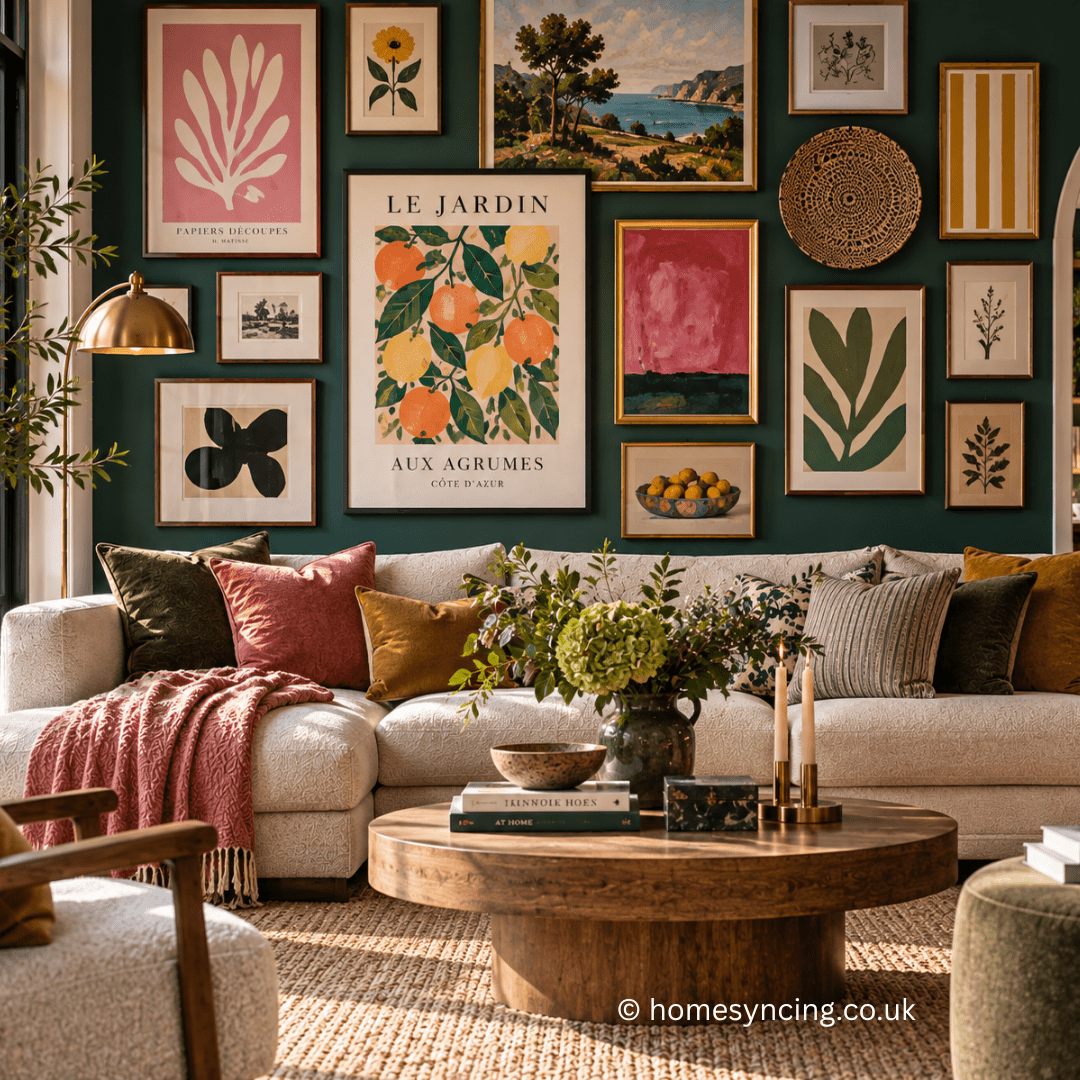
A deep green, warm blue or earthy painted wall can make artwork appear remarkably vivid, particularly when combined with timber and gilt frames.

Alternatively, a pale wall allows colourful paintings and prints to provide the energy.

Look within the artwork itself for connections.

A mustard yellow in one botanical print might reappear in an abstract painting. A coral detail could be picked up by a cushion elsewhere in the room. Olive green might travel from a landscape into upholstery or painted furniture.

These connections needn’t be obvious.

When colours quietly recur around a room, the eye recognises the relationship even when we don’t consciously notice it.

Mix Large and Small Artwork

Scale creates energy.

A wall covered entirely with similarly sized pictures can become visually repetitive, no matter how beautiful the individual pieces are.

Instead, introduce contrast.

Allow one or two larger works to command attention and use smaller pictures around them to create movement.

Tiny pieces can be particularly effective.

A miniature painting or photograph surrounded by larger works encourages you to move closer and inspect it. These changes in scale make the wall more engaging because the eye doesn’t take everything in at once.

Avoid making every gap identical too.

Some variation in spacing can help a more informal collection feel natural, provided the overall composition remains connected.

How High Should You Hang a Gallery Wall?

There is no single measurement that works in every house.

Ceiling height, furniture and the proportions of the artwork all matter.

As a broad starting point, galleries often position the centre of an individual artwork at roughly eye level. At home, however, the relationship with nearby furniture can be more important than a particular number.

A gallery wall above a sofa should feel visually connected to the sofa rather than floating somewhere near the ceiling.

The same applies above a sideboard, console or fireplace.

Stand back frequently while planning.

The wall should belong to the entire room, not exist independently from everything beneath it.

Plan the Layout Before Reaching for a Hammer

An informal gallery wall may look spontaneous, but a little preparation can save a great many unwanted holes.

Begin by arranging the pieces on the floor.

Move them around until the balance feels right. Take a photograph once you’re happy so you have something to refer to.

For a larger arrangement, cut paper templates corresponding to the dimensions of the frames and attach them temporarily to the wall.

This allows you to experiment with spacing and position at full scale.

Look at the composition from different parts of the room.

Then leave it overnight.

Something that seemed perfect after an hour of rearranging can look surprisingly different the following morning.

Work with the Architecture

Before deciding where your gallery wall should go, look at the room itself.

A staircase naturally lends itself to an arrangement that rises with the steps. An alcove might suit a tighter group of smaller pictures. A large wall above a sofa can accommodate a more expansive collection.

Architectural features can become part of the composition too.

A gallery wall surrounding a doorway can be wonderfully effective, while artwork arranged around a wall light or above panelling can feel as though it has gradually accumulated with the house.

Don’t automatically choose the largest uninterrupted wall.

Sometimes the more unexpected position has considerably more charm.

Gallery Walls Can Work in Small Spaces

You don’t need a grand sitting room to create one.

In fact, gallery walls can be particularly effective in the overlooked parts of a house.

A collection of small landscapes can enliven a hallway. Family photographs can follow the staircase. Botanical prints might fill a kitchen corner, while a handful of tiny paintings can transform the wall beside a bed.

Even a downstairs cloakroom can become an opportunity for art.

Small rooms often give you greater freedom because you aren’t viewing the wall from a great distance.

A close arrangement of unusual pictures can turn a previously forgettable space into one of the most characterful corners of the house.

Light Your Artwork Thoughtfully

Good lighting allows a gallery wall to change character after sunset.

Picture lights can create pools of warm illumination, while a wall light incorporated into the arrangement can become part of the composition itself.

Floor and table lamps positioned nearby can be equally effective and often produce a softer atmosphere.

Be mindful of the artwork itself.

Strong direct sunlight can fade works on paper, photographs, textiles and some pigments over time. Particularly treasured or valuable pieces may benefit from conservation-quality framing and appropriate glazing.

If you’re unsure about preserving an important work, advice from a professional framer or conservator is worth seeking.

Give Old Frames Another Look

Old frames are worth seeking out in their own right.

A slightly worn gilt frame can bring richness to a contemporary print. Dark timber can give a botanical drawing more weight, while a painted frame might provide exactly the note of colour a composition needs.

Markets, second-hand shops and auctions often contain frames whose contents are less interesting than the frames themselves.

Small scratches and signs of age needn’t always be restored away.

Patina can give a gallery wall the sense that it has evolved rather than been installed.

Just make sure older frames and hanging fittings are structurally sound before putting them on the wall.

Don’t Buy a Gallery Wall All at Once

Perhaps the easiest way to make a gallery wall look contrived is to buy the entire thing in an afternoon.

Allow it to develop.

Hang five pieces now and leave room for another.

You may find a little landscape six months later or rediscover a photograph in a drawer. Perhaps a print comes home from an exhibition or somebody gives you a small painting.

Add it.

Move something else if necessary.

There is no reason a gallery wall ever needs to be declared finished.

Avoid Styling Away the Personality

There is a point at which carefully curated can become overly curated.

If every picture shares precisely the same colours as the cushions, rug and curtains, the room can begin to feel more like a showroom than a home.

Let something be unexpected.

Keep the painting that doesn’t quite match because you love it.

Hang the peculiar little drawing that makes you smile. Give the inherited picture a place even if its frame is more elaborate than everything around it.

Individuality usually comes from the things that resist the scheme slightly.

Those are often the things people remember.

A Wall That Tells Your Story

The enduring appeal of a gallery wall isn’t really about filling an empty space.

It is about bringing together things that would otherwise remain scattered through drawers, cupboards and memories.

Pictures bought on holidays. Family photographs. Art discovered in markets. A child’s drawing that deserved a proper frame. Something inherited whose history is only partly remembered.

Individually, these objects may be modest.

Together, they can transform a room.

So don’t worry too much about creating the perfect gallery wall. Start with something you love, add another piece when you find it and allow the arrangement to change as the years pass.

Eventually, the wall will become something no interiors trend can reproduce.

A portrait, in fragments, of the people who live there.

Further Reading: How to Choose Wall Art for your Home

For Daily Inspiration Follow us on Instagram
Translate »