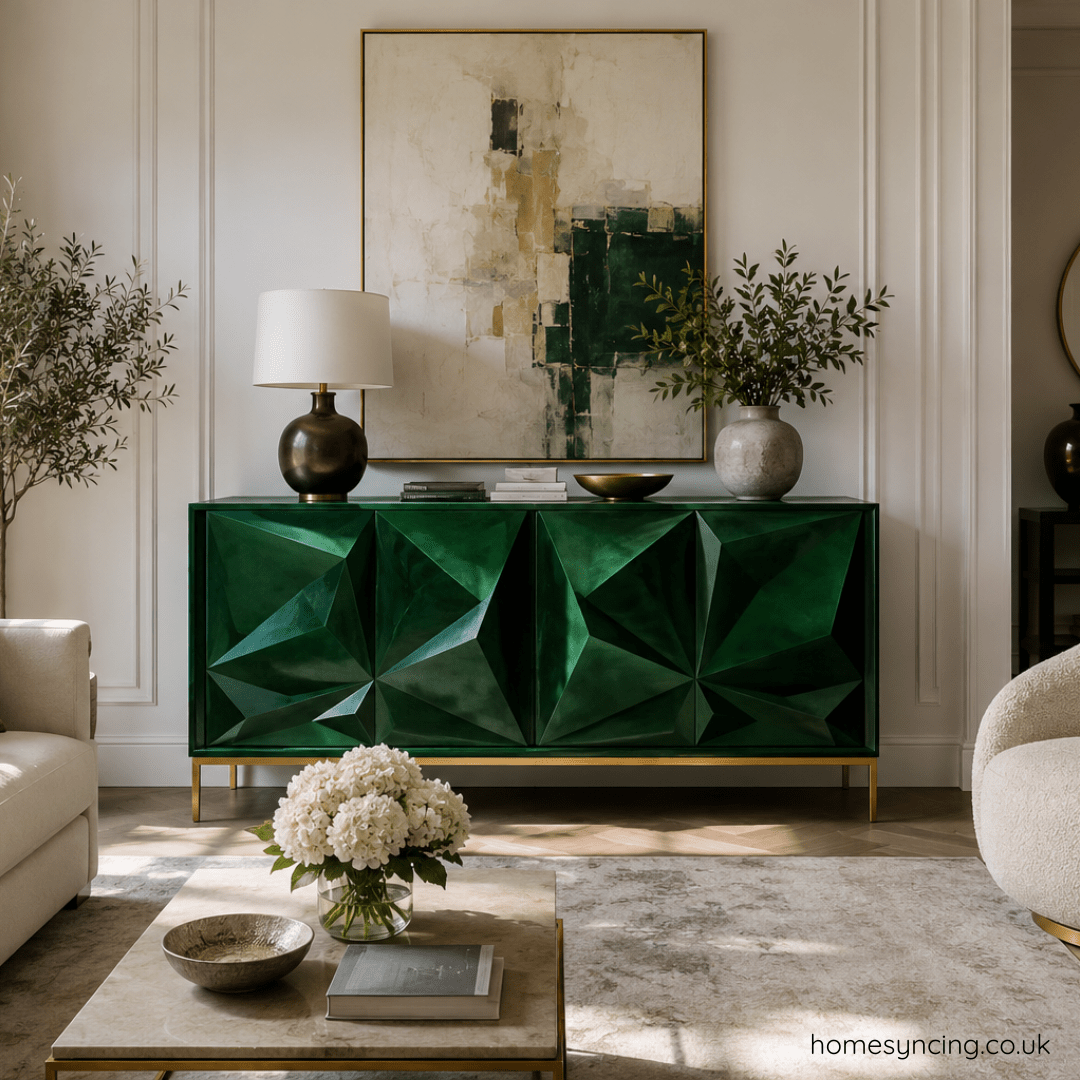
The Art of a Welcoming Home

There is a certain feeling some homes carry the moment you step through the door.

It is not perfection. Nor is it necessarily size, expense or the latest interior trend. Instead, it is something quieter. A softness in the lighting. The familiar creak of floorboards beneath your feet. A chair angled towards the fire as though someone has only just risen from it. The faint scent of lavender drifting through the hallway. A sense that life is unfolding gently here.

The most welcoming homes are rarely the most polished. They are the homes that feel lived in, layered over time with comfort, meaning and care.

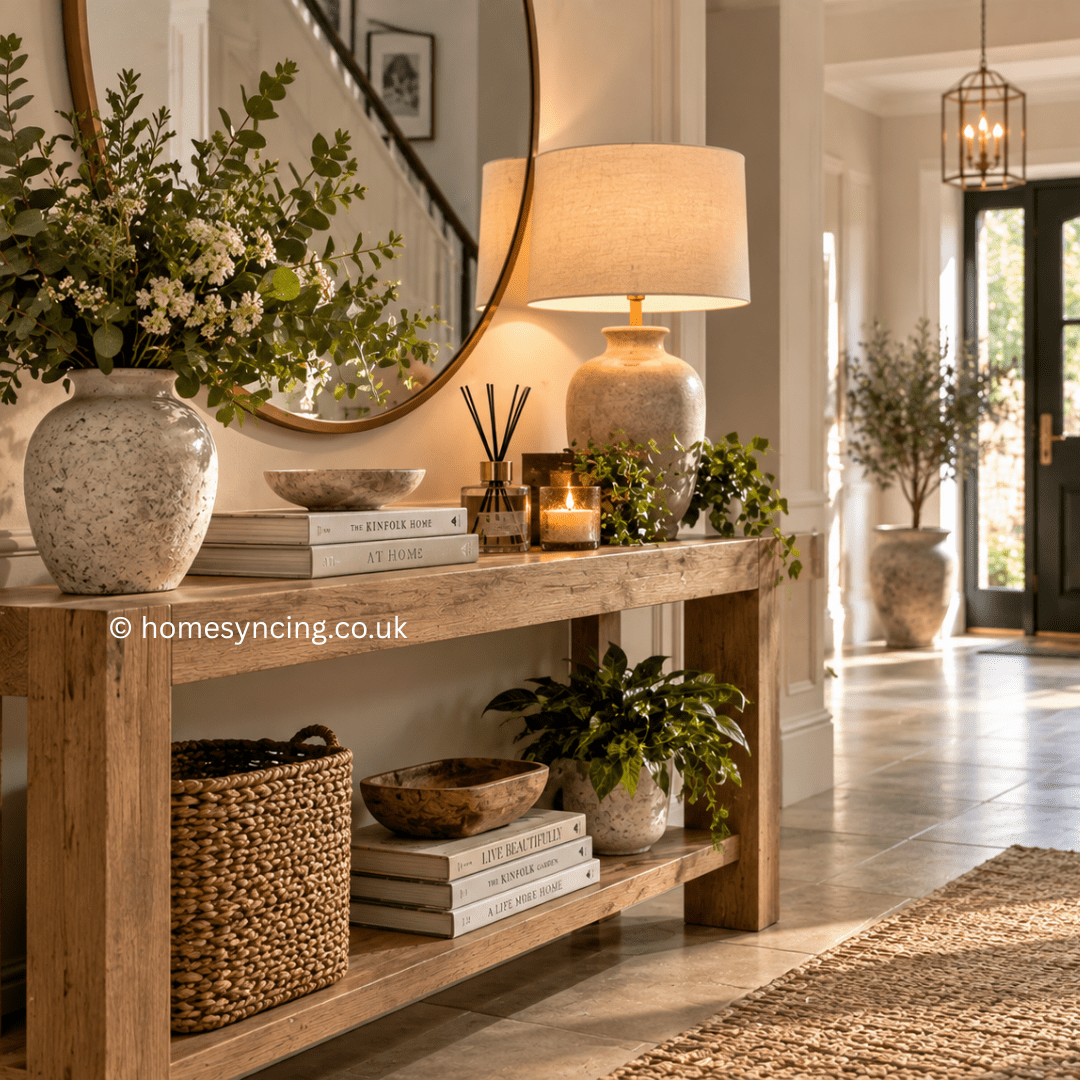
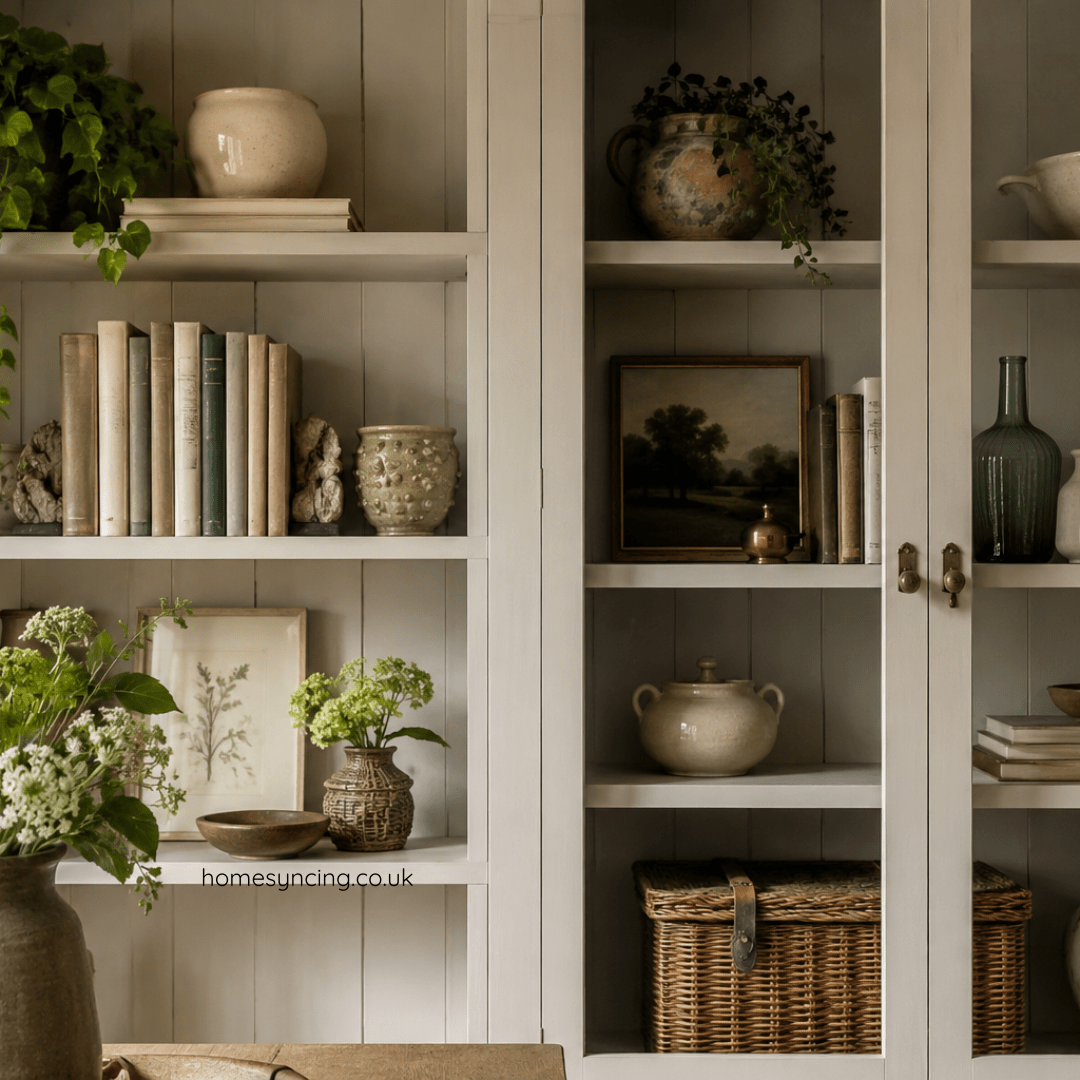
Across old country houses, cottages and historic homes throughout Britain, there is a recurring thread that makes interiors memorable. Rooms are designed not simply to impress, but to nurture. Furniture is chosen for use as much as beauty. Fabrics soften hard edges. Lamps glow warmly against dark evenings. Shelves gather books, photographs and objects collected over years rather than hurriedly bought to fill empty space.

A welcoming home tells a story long before anyone speaks.

In many ways, modern life has shifted our understanding of home. Our houses are no longer simply somewhere to sleep at the end of the day. They have become offices, sanctuaries, gathering places and retreats from an increasingly noisy world. The desire to create calm interiors has grown alongside the pace of modern living itself.

And perhaps that is why people are once again drawn towards slower, more thoughtful interiors. Natural wood. Linen curtains moving gently in an open window. Handmade ceramics stacked beside the kettle. A comfortable armchair that invites you to sit for a while rather than scroll endlessly on a screen.

Furniture plays a remarkable role in shaping this atmosphere.

A well-made dining table, for instance, becomes far more than furniture. It is where homework is finished, birthday candles are blown out, conversations drift long into the evening and cups of tea are shared on difficult days. Sofas soften with use and familiarity. Hall benches gather muddy boots after long countryside walks. Bookshelves quietly reveal the personality of the people who live there.

The most welcoming interiors are rarely overfilled. Instead, they allow space for breathing room. Rooms feel calmer when furniture is arranged thoughtfully, with movement and comfort in mind rather than simply symmetry. A chair beside a lamp creates an invitation to read. A bench beneath a window encourages quiet moments of pause. Even in smaller homes, carefully chosen pieces create ease rather than clutter.

Lighting matters just as deeply.

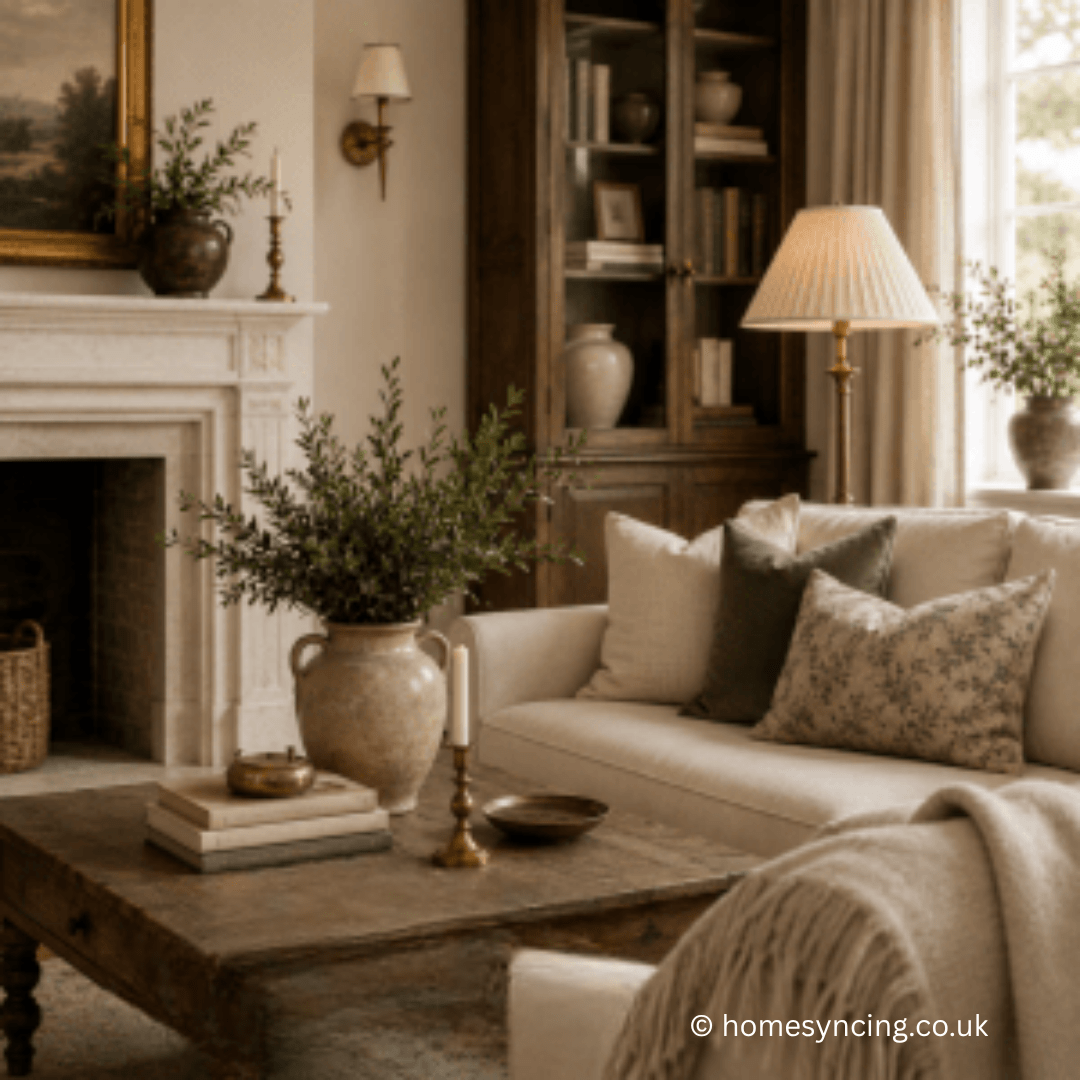
Harsh overhead lights can flatten a room entirely, while softer pools of layered light create warmth and intimacy. Table lamps, wall lights, candles and low evening lighting gently alter the atmosphere of a home as daylight fades.

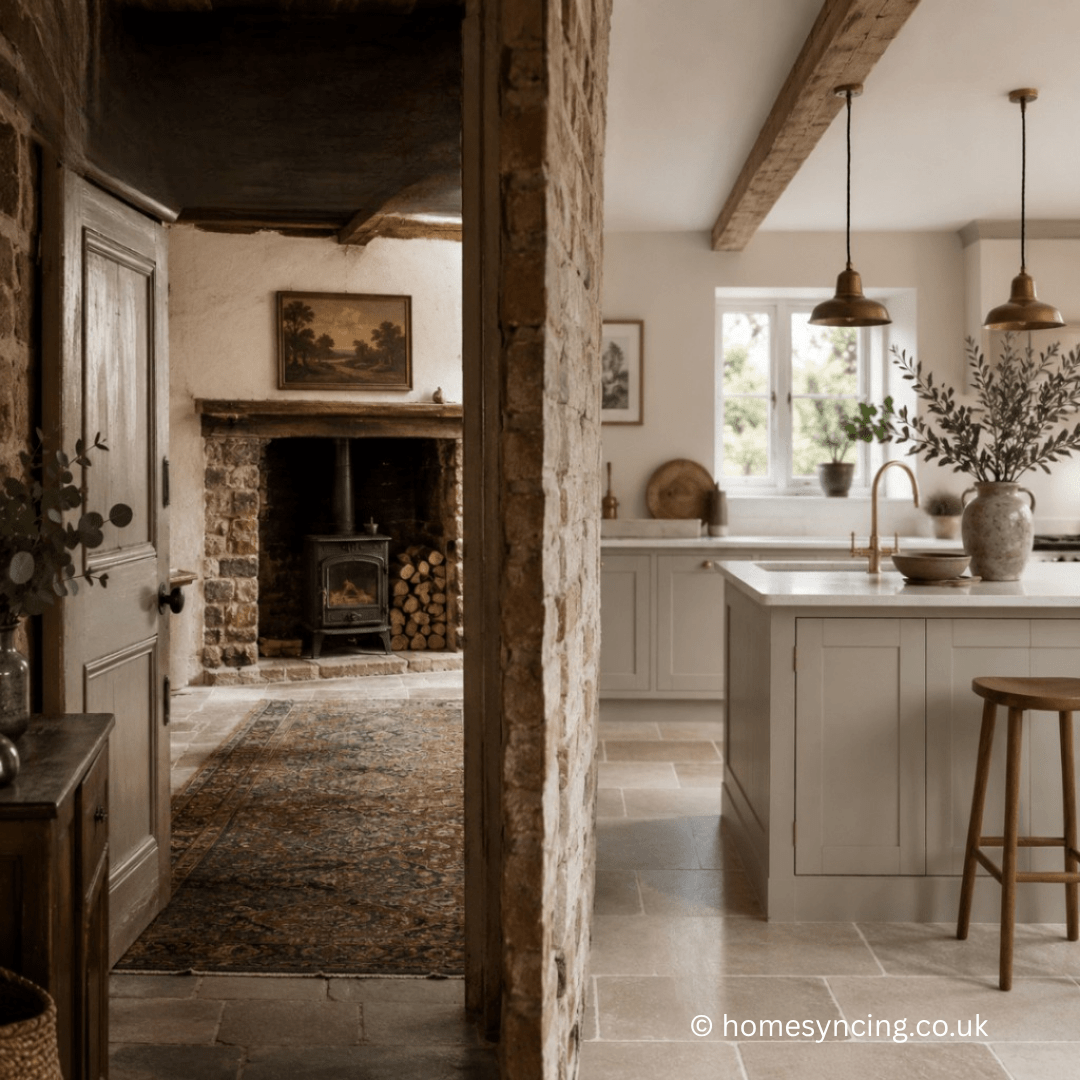
There is a reason historic homes often feel comforting even on grey days. Light is allowed to glow softly against painted walls, wood panelling and textured fabrics. Shadows are embraced rather than erased. Cosiness is created not through brightness, but through balance.

In many homes, scent quietly completes the experience.

The smell of bread baking in the kitchen. Beeswax polish on old furniture. Eucalyptus hanging in the bathroom. Fresh herbs on a windowsill. These small sensory details linger in memory long after visual impressions fade.

Natural scents often create the strongest feeling of comfort because they connect us instinctively to seasons and places. Citrus in summer. Woodsmoke in winter. Lavender in freshly washed linen. Rosemary brushed accidentally in the garden before guests arrive.

Texture, too, changes how a home feels emotionally.

Smooth stone beside soft wool throws. Worn wooden tables beneath cool ceramics. Linen bedding crumpled slightly by use. Texture prevents interiors from feeling flat or impersonal. It brings warmth, depth and humanity into a room.

Some of the most beautiful interiors are built quietly through layering rather than decorating all at once. A vintage chest found at a market. A woven basket carried home from holiday. A lamp inherited from family. Homes gain soul through gradual collection.

And perhaps that is the true art of a welcoming home.

Not chasing perfection, but creating spaces that allow people to exhale.

A welcoming home does not ask visitors to admire it from a distance. It invites them in. To sit down. To stay longer than planned. To feel comforted by familiar rituals and softened surroundings.

Because in the end, the homes we remember most are rarely the immaculate ones.

They are the homes where lamps glowed warmly against rainy evenings. Where kitchens smelled of something cooking slowly. Where blankets were draped carelessly across chairs and conversation filled the rooms.

Homes that felt deeply, reassuringly lived in.

Further Reading: Affordable Decorating Ideas That Will Transform Your HomeSustainable Chic: A Beginner’s Guide to Circular DesignSmall Room, Big Impact

Daily Inspiration: Follow Us on Instagram, BlueSkyThreads , PinterestTwitterTikTok


Create a Relaxing Bedroom Retreatparty

There is something deeply comforting about walking into a bedroom that instantly encourages you to slow down.

The curtains are half drawn against the evening sky. Lamps glow softly beside the bed. Fresh linen carries the faint scent of lavender. Cushions sit slightly imperfectly against crumpled bedding, inviting rest rather than display. The room feels calm, unhurried and restorative — less like somewhere designed merely for sleeping and more like a quiet retreat from the noise of everyday life.

Perhaps that is why boutique hotels continue to hold such appeal. Beyond beautiful interiors, they offer something people increasingly crave: atmosphere. A sense of pause. Spaces designed carefully enough to make us feel cared for the moment we arrive.

Yet creating this feeling at home rarely depends upon extravagance. The most restful bedrooms are often the simplest. Rooms where colour, texture, lighting and furniture work gently together to create ease.

Historically, bedrooms were not always designed with comfort as their central purpose. In many older homes, bedrooms were practical, often cold spaces, furnished modestly and used largely for necessity rather than retreat. Today, however, our understanding of rest has shifted entirely.

Bedrooms have become sanctuaries.

In a world filled with constant notifications, harsh lighting and endless distraction, the bedroom offers one of the few opportunities to step away from stimulation and return to quiet. The way a room feels emotionally has become just as important as how it functions physically.

And often, the transformation begins with the bed itself.

There is a noticeable difference between a bed made purely for appearance and one layered for genuine comfort. Boutique hotels understand this instinctively. Bedding is rarely flat or overly structured. Instead, layers create softness and warmth. Crisp cotton sheets beneath textured quilts. Linen pillowcases alongside heavier cushions. A wool throw folded loosely across the end of the bed.

These layers invite rest not simply because they look beautiful, but because they appeal to the senses. Texture creates comfort visually long before we climb beneath the covers.

Natural fabrics play an important role in this atmosphere. Linen softens over time and carries an effortless, relaxed quality. Cotton remains cool and breathable. Wool adds warmth through colder months without feeling overly heavy. Together, these materials create a bedroom that feels lived in rather than staged.

Colour shapes the mood just as deeply.

The most restful bedrooms rarely rely on bright contrast or strong visual noise. Instead, they borrow gently from nature. Soft stone shades, muted greens, warm whites, dusty blues and earthy neutrals all create a sense of stillness.

There is something undeniably calming about colours that echo landscapes beyond the window. Sage greens reminiscent of gardens after rain. Sand tones that carry warmth even on grey mornings. Deep blue-greys that feel cocooning as daylight fades.

Importantly, restful colour palettes do not need to feel cold or minimalist. Warmth matters enormously in a bedroom. A room should feel enveloping, particularly during long winter evenings when comfort becomes essential.

Lighting perhaps changes a bedroom more dramatically than any other single element.

Overhead lights alone often leave bedrooms feeling functional rather than restorative. Softer layers of lighting create depth and gentleness instead. Bedside lamps cast pools of warm light for reading. Wall lights soften corners. Candles flicker quietly across dressing tables and shelves.

The most inviting bedrooms allow darkness to arrive gradually.

Boutique hotels often use lighting to create emotional calm rather than brightness, and the same principle works beautifully at home. Warm bulbs, dimmable lamps and shaded lighting immediately make a room feel more restful.

Furniture choices also shape how a bedroom functions emotionally.

Crowded rooms rarely feel peaceful. Bedrooms benefit from thoughtful restraint — furniture chosen carefully for comfort, proportion and purpose rather than excess. A bedside table with space for books and tea. A comfortable chair in the corner for quiet mornings. Storage that conceals rather than overwhelms.

The most relaxing bedrooms often leave a little empty space visible. Floorboards uncovered by unnecessary furniture. Shelves with breathing room between objects. Surfaces that feel calm rather than crowded.

This sense of space allows the mind to settle too.

Scent quietly completes the atmosphere in ways people often underestimate.

Lavender resting beside the bed. Eucalyptus hanging gently from a wardrobe handle. Fresh linen dried outdoors carrying traces of summer air. These subtle details create familiarity and comfort that linger long after the lights are switched off.

Even sound influences how a bedroom feels. Thick curtains soften noise from outside. Rugs absorb echoes. Upholstered headboards and layered textiles help create a quieter, gentler room overall.

And perhaps that is the true secret behind creating a restful bedroom retreat.

It is not about recreating luxury for appearance alone.

It is about designing a room that allows rest to happen more naturally. A room that softens the edges of busy days. Somewhere that welcomes you at the end of winter evenings, rainy afternoons and exhausting weeks with warmth and quiet reassurance.

Because the best bedrooms are not simply places where we sleep.

They are places where we recover.


Further Reading: Affordable Decorating Ideas That Will Transform Your HomeSustainable Chic: A Beginner’s Guide to Circular DesignSmall Room, Big Impact

Daily Inspiration: Follow Us on Instagram, BlueSkyThreads , PinterestTwitterTikTok

Slow Living at Home

There is a certain kind of comfort found in ordinary moments at home.

A chair pulled close to the window on a rainy afternoon. The first cup of coffee before the rest of the house wakes. A blanket folded over the arm of the sofa, ready for colder evenings. Lamps glowing softly while darkness gathers outside. These small rituals often bring more peace than grand gestures ever could.

Modern life moves quickly. Notifications arrive constantly. Days become crowded with errands, screens and endless background noise. Home, increasingly, has become somewhere people long to feel restored rather than simply occupied.

And perhaps that is why so many are drawn towards a gentler way of living indoors.

Not necessarily slower in the literal sense, but more intentional. More comforting. More connected to everyday rituals that allow space to breathe.

Historically, homes naturally encouraged this rhythm. Before constant entertainment and digital distraction, evenings unfolded differently. People gathered around fires, wrote letters beneath lamplight, read quietly in corners softened by candlelight and listened to weather moving beyond the windows. Rooms were designed around warmth, conversation and rest.

Many of those comforting traditions still hold enormous appeal today.

Creating a calmer atmosphere at home rarely depends upon expensive interiors or dramatic redesigns. Instead, it is often the quieter details that change how a space feels emotionally.

A reading corner, for instance, can transform an overlooked corner of a room into somewhere restorative. A comfortable chair beside a lamp. A small table stacked with books. A throw folded nearby for colder evenings. The space itself may be simple, yet it gently encourages stillness in a world that rarely pauses.

Importantly, these spaces work because they invite use rather than perfection.

The most comforting homes are rarely immaculate. They carry signs of life within them — books left open, mugs cooling beside armchairs, blankets softened through use. Rooms feel welcoming when they support real rituals rather than existing purely for display.

Soft lighting shapes this atmosphere profoundly.

Harsh overhead lights often keep rooms feeling functional and alert long into the evening, while warmer layered lighting helps signal rest. Table lamps glowing in darker corners. Candles flickering quietly on shelves. Wall lights softening hallways and bedrooms. The transition from daylight into evening becomes gentler and calmer when lighting is approached thoughtfully.

Historic homes understood this instinctively. Interiors were shaped around fireside warmth and pools of candlelight rather than bright uniform illumination. Even today, homes feel more peaceful when light arrives softly rather than all at once.

Texture also contributes enormously to comfort.

Natural fabrics invite people to settle in properly. Linen cushions, wool throws, cotton bedding and woven rugs all create warmth both visually and physically. Texture softens hard surfaces and prevents rooms from feeling cold or impersonal.

Cosiness, after all, is not about clutter.

It is about softness.

Coffee and tea rituals have quietly become part of this slower approach to home too. Simple coffee stations arranged with favourite mugs, jars of beans, loose-leaf teas and well-used cafetières turn ordinary mornings into something more grounding. The process itself becomes part of the comfort — boiling the kettle, grinding coffee, waiting for tea to steep while early light settles across the kitchen.

These small pauses create rhythm within the day.

Bedrooms increasingly reflect this desire for calm as well. Soft bedding layered gently rather than perfectly arranged. Books beside the bed instead of glowing screens. Curtains filtering morning light slowly rather than abruptly. Bedrooms are becoming less about decoration alone and more about genuine restoration.

Even scent influences how restful a home feels.

Lavender on freshly washed linen. Eucalyptus in the bathroom. Bread baking slowly in the kitchen. Cedarwood candles glowing during darker evenings. Familiar scents create reassurance and emotional warmth often before we consciously notice them.

There is also something deeply comforting about creating spaces that encourage hobbies and slower pleasures.

A table for puzzles or painting. Shelves lined with gardening books. A basket beside the sofa filled with knitting or sketchbooks. These details remind us that home should support creativity and rest as much as productivity.

And perhaps that is the heart of slow living at home.

Not withdrawing entirely from modern life, but creating moments within the day that feel quieter, softer and more intentional.

Moments that allow people to reconnect with themselves, with family and with the spaces they inhabit.

Because often, the homes we remember most are not the grandest.

They are the homes where lamps glowed warmly on winter evenings. Where rain tapped against windows while tea brewed nearby. Where blankets gathered people together and conversation stretched long into the night.

Homes that offered comfort not through perfection, but through atmosphere.

Places where life felt gentler for a little while.

Further Reading: Affordable Decorating Ideas That Will Transform Your HomeSustainable Chic: A Beginner’s Guide to Circular DesignSmall Room, Big Impact

Daily Inspiration: Follow Us on Instagram, BlueSkyThreads , PinterestTwitterTikTok


Ideas to Brighten Your Space

After months of cosy blankets, warm lighting, and rich winter tones, there’s something deeply satisfying about shaking off the cold and welcoming a new season indoors. Spring offers the perfect opportunity to refresh your home with lighter fabrics, cheerful colours, and natural touches that reflect the renewal happening outside your windows.

You don’t need a complete overhaul to transform your space. Small, thoughtful changes can make a significant difference, breathing new life into familiar rooms and creating an atmosphere that feels both uplifting and inviting. From swapping out heavy textiles to incorporating fresh florals and opening up your space to natural light, spring styling is about embracing simplicity and celebrating the brighter days ahead.

Whether you’re looking to make subtle adjustments or embark on a more comprehensive refresh, these ideas will help you transition your home from winter’s embrace to spring’s gentle awakening. Let’s explore how to create a space that feels as fresh and inspiring as the season itself.

Clear the Clutter and Create Space

Before introducing new elements, take time to declutter and create breathing room in your home. Winter often brings an accumulation of items—extra blankets, boots by the door, layers of decor that made spaces feel snug during darker months. Spring is your chance to edit thoughtfully.

Start by removing items that served a specific winter purpose. Pack away heavy throws, thick cushions, and any seasonal decorations that no longer feel relevant. As you clear surfaces and tidy shelves, you’ll notice how much lighter and more spacious your rooms begin to feel.

Consider donating items you no longer need or use. Clearing out unused belongings creates physical space and mental clarity, making room for the fresh energy spring brings. A decluttered home provides the perfect canvas for your spring styling to truly shine.

Lighten Your Textiles

One of the most effective ways to welcome spring is by changing your soft furnishings. Heavy wool throws, velvet cushions, and thick curtains that provided warmth during winter can be replaced with lighter alternatives that suit the season.

Swap dark, dense fabrics for cotton, linen, or lightweight blends in softer colours. Think cream, pale blue, soft green, or gentle coral tones that mirror the colours emerging in nature. These fabrics feel fresh against the skin and allow your rooms to breathe as temperatures rise.

Don’t forget about bedding. Replacing your winter duvet with a lighter tog and choosing crisp cotton or linen sheets can transform your bedroom into a restful spring sanctuary. Layer with a lightweight throw at the foot of the bed for those cooler evenings that still linger early in the season.

Window treatments also deserve attention. If you’ve been using heavy curtains to keep warmth in, consider switching to sheer or semi-sheer fabrics that filter light beautifully while maintaining privacy. This simple change allows natural light to flood your rooms, instantly lifting the atmosphere.

Embrace Natural Light

After months of relying on artificial lighting, spring is the time to maximise natural light throughout your home. Clean your windows inside and out to remove winter grime and allow sunshine to stream through unobstructed.

Rearrange furniture to take advantage of light sources. Move reading chairs closer to windows, reposition mirrors to reflect light into darker corners, and remove any obstacles blocking natural light flow. The more daylight you invite in, the more spacious and energised your home will feel.

Consider your lighting fixtures as well. Replace dim bulbs with brighter ones, or switch to warm-toned LED bulbs that mimic natural daylight. During the day, open blinds and curtains fully to let the outside in, blurring the boundaries between indoor and outdoor spaces.

Introduce Fresh Florals and Greenery

Nothing says spring quite like fresh flowers and vibrant greenery. Incorporating plants and blooms throughout your home brings life, colour, and a connection to the natural world just outside your door.

Start with fresh-cut flowers in key areas—a vase on the dining table, a small arrangement on your bedside table, or a cheerful bunch in the kitchen. Choose seasonal flowers like tulips, daffodils, or ranunculus for an authentic spring feel. Even a single stem in a simple glass can make a delightful statement.

Houseplants offer lasting greenery that purifies air and adds visual interest. If you’re new to plant care, start with easy-to-maintain varieties like pothos, snake plants, or peace lilies. Display them on shelves, windowsills, or in hanging planters to add vertical interest.

For those with outdoor space, bringing potted herbs indoors serves both decorative and practical purposes. Basil, mint, and rosemary add lovely scents while providing fresh ingredients for cooking. Place them on a sunny kitchen windowsill for easy access and visual appeal.

Refresh Your Colour Palette

Spring styling often involves shifting from the deep, moody tones of winter to lighter, more cheerful hues. You don’t need to repaint entire rooms—subtle colour introductions through accessories can achieve the same effect.

Incorporate pastels like blush pink, soft yellow, mint green, or powder blue through cushions, artwork, or decorative objects. These gentle colours evoke the freshness of spring blooms without overwhelming your existing colour scheme.

If pastels feel too sweet for your taste, consider crisp whites, warm creams, or natural earth tones like terracotta and soft sage. These colours feel clean and refreshing while maintaining sophistication and versatility.

Add pops of brighter colour through flowers, books, or small decorative pieces. A vibrant yellow vase, a stack of coral-spined books, or a bowl of fresh lemons can inject energy into neutral spaces without requiring major changes.

Bring the Outdoors In

Creating connections between your interior and the natural world outside enhances the spring feeling throughout your home. Beyond plants and flowers, there are numerous ways to incorporate natural elements into your styling.

Display natural materials like driftwood, smooth stones, or branches in interesting vessels. These organic elements add texture and visual interest while maintaining the fresh, uncluttered aesthetic spring styling favours.

Open windows when weather permits to invite fresh air inside. The sound of birdsong, the scent of blooming flowers, and the gentle breeze through open windows all contribute to a genuine spring atmosphere that can’t be replicated artificially.

Consider your outdoor spaces as extensions of your interior. If you have a garden, balcony, or patio, style these areas to encourage outdoor living. Add comfortable seating, outdoor cushions, and perhaps some string lights to create inviting spaces for enjoying longer, warmer evenings.

Refresh Your Surfaces

Winter often means surfaces become covered with layers of items—candles for atmosphere, books for long evenings, decorative objects for visual warmth. Spring is the perfect time to edit these displays and create cleaner, more streamlined surfaces.

Clear coffee tables, shelves, and mantels of excess items. Keep only what you truly love or use regularly, creating space for surfaces to breathe. This doesn’t mean leaving everything bare—thoughtful curation is key.

Style surfaces with fewer, more impactful pieces. A single beautiful vase, a stack of your favourite books, or a sculptural object can make more of a statement than numerous smaller items competing for attention.

Introduce trays to contain smaller objects while maintaining visual order. A wooden or marble tray can hold a few carefully chosen items—perhaps a candle, a small plant, and a decorative object—creating a cohesive vignette without clutter.

Update Your Scent Story

Our sense of smell powerfully influences how we experience our homes. Transitioning from winter’s warm, spicy scents to spring’s lighter, fresher fragrances helps signal the seasonal change on a sensory level.

Replace heavy candles scented with cinnamon, vanilla, or wood notes with lighter options featuring florals, citrus, or herbs. Lavender, lemon, eucalyptus, and fresh linen scents all evoke spring’s clean, revitalising qualities.

Fresh flowers naturally perfume rooms with delicate fragrances that change throughout their lifespan. Hyacinths, freesias, and lily of the valley offer particularly lovely scents that aren’t overwhelming.

Consider opening windows regularly to let fresh air circulate, naturally refreshing your home’s scent. Sometimes the best spring fragrance is simply the clean smell of outdoor air moving through your space.

Create Inviting Outdoor Connections

If you’re fortunate to have outdoor space, spring is the time to make it welcoming and usable. Clean outdoor furniture, refresh cushions, and sweep away winter debris to prepare patios, balconies, or gardens for the season ahead.

Even small outdoor areas can become extensions of your living space with thoughtful styling. Add weatherproof cushions in spring colours, hang outdoor lights, or place potted plants strategically to define the space.

For those without private outdoor access, create window boxes or style a balcony edge with flowering plants. These small touches connect you to nature and bring spring’s vibrancy right to your doorstep.

Layer Textures Thoughtfully

Spring styling isn’t about removing all warmth and texture—it’s about choosing lighter, more varied textures that feel appropriate for the season. Layer different materials to create depth and interest without heaviness.

Combine natural linen with smooth ceramics, woven baskets with glass vases, or wooden elements with soft cotton. This variety creates visual and tactile interest while maintaining the lighter feeling spring calls for.

Incorporate texture through natural materials—rattan furniture, jute rugs, or bamboo accessories all add warmth and character while feeling perfectly suited to warmer weather. These materials also help bridge the gap between indoor and outdoor aesthetics.

Refresh Your Artwork and Displays

Consider rotating artwork and decorative displays to reflect the changing season. This doesn’t require purchasing new pieces—simply moving existing artwork to different locations can make your space feel refreshed.

If you have botanical prints, landscape paintings, or photography featuring natural scenes, bring these to prominence during spring. Their subject matter resonates with the season and reinforces your styling efforts.

Create small seasonal displays on shelves or mantels using objects you already own. A collection of white ceramics, a grouping of glass vessels, or a display of natural objects like shells or smooth stones can capture spring’s essence without requiring new purchases.

Make It Your Own

While these suggestions offer a starting point, the most important aspect of spring home styling is making choices that resonate with you and your lifestyle. Not every trend or idea will suit your space, and that’s perfectly fine.

Choose elements that bring you joy and reflect your personal style. If bright colours aren’t your preference, embrace a more neutral palette with texture and natural materials. If you love bold patterns, incorporate them through spring-appropriate fabrics and colours.

The goal isn’t perfection—it’s creating a home that feels fresh, welcoming, and aligned with the energy of the season. Small changes can have significant impact, and the process of refreshing your space should be enjoyable rather than stressful.

Embrace the Season’s Invitation

Spring home styling offers more than aesthetic updates—it’s an opportunity to align your living space with the natural cycles happening around you. By making thoughtful changes that lighten, brighten, and refresh your home, you create an environment that supports this season of renewal and growth.

Start with the changes that feel most appealing or manageable, whether that’s introducing fresh flowers, swapping textiles, or simply opening windows to let spring air circulate. Each small adjustment contributes to a larger transformation that welcomes the season fully into your home.

As you refresh your space, you might find that spring styling inspires other positive changes—perhaps encouraging you to spend more time outdoors, try new recipes with seasonal ingredients, or simply pause to appreciate the beauty of this transitional time. Your home can become a place that not only reflects spring’s arrival but actively helps you celebrate it.

Further Reading: Affordable Decorating Ideas That Will Transform Your HomeSustainable Chic: A Beginner’s Guide to Circular Design

Daily Inspiration: Follow Us on Instagram, BlueSkyThreads , PinterestTwitterTikTok

The Tartan Edit: A Timeless Design Style for Your Home

Tartan has long been synonymous with Scottish heritage, evoking images of Highland landscapes, clan gatherings and centuries-old traditions. But this iconic pattern has transcended its origins to become a beloved design element in contemporary interiors. The Tartan Edit celebrates this enduring motif, pairing its rich history with modern sensibilities to create spaces that feel both classic and fresh.

Whether you’re drawn to tartan’s bold intersecting lines or its softer, muted iterations, incorporating this pattern into your home offers a unique opportunity to blend tradition with personal style. This article explores the essence of the Tartan Edit design style, practical considerations for adopting it and tips to help you achieve a cohesive, inviting aesthetic.

What is the Tartan Edit Design Style?

The Tartan Edit is a design approach that embraces tartan patterns as a central or complementary element within a space. Rather than overwhelming a room with wall-to-wall plaid, this style thoughtfully integrates tartan through textiles, upholstery, and accessories, often balanced with neutral tones and natural materials.

At its core, the Tartan Edit draws inspiration from country estates, historic lodges, and the rugged beauty of the Scottish Highlands. Yet it’s far from stuffy or overly traditional. Contemporary interpretations might feature tartan cushions against crisp white linen sofas, tartan throws draped over mid-century armchairs, or even tartan wallpaper used as a feature wall in an otherwise minimalist room.

The beauty of this style lies in its versatility. Tartan can evoke warmth and cosiness in a living room, add a dash of heritage to a bedroom, or bring unexpected character to a hallway or study. The key is finding the right balance between pattern and simplicity, allowing tartan to shine without dominating the space.

Understanding the Vibe: Heritage Meets Modern Living

Tartan carries with it centuries of history. Each pattern, or “sett,” traditionally represented a specific Scottish clan, woven with colours derived from natural dyes found in the local landscape. Over time, tartan evolved beyond its clan associations to become a symbol of Scottish identity and, eventually, a global design icon.

The Tartan Edit taps into this heritage while embracing modern living. It’s about honouring the past without being bound by it. You might choose a classic Black Watch tartan for its deep greens and blues, or opt for a contemporary interpretation in unexpected hues like blush pink and grey. The pattern itself remains timeless, but how you use it can be entirely your own.

This design style also speaks to a broader desire for authenticity and craftsmanship. Tartan textiles are often woven using traditional methods, and incorporating them into your home is a way of supporting age-old skills and celebrating enduring quality. There’s something deeply satisfying about owning a tartan blanket or cushion that’s been crafted with care, knowing it will only grow more beautiful with age.

Key Considerations Before Adopting the Tartan Edit

While tartan offers undeniable charm, there are a few considerations to keep in mind before committing to this design style.

Scale and Proportion

Tartan is a bold pattern, and its impact depends largely on scale. A large-scale tartan can make a dramatic statement, ideal for feature walls or oversized cushions. Smaller-scale tartans, on the other hand, offer subtlety and can be layered more easily with other patterns and textures.

Consider the size of your room and the effect you want to achieve. In a small space, a large-scale tartan might feel overwhelming, whereas a smaller sett can add interest without crowding the room. Conversely, in a spacious living area, a bold tartan can anchor the design and create a sense of warmth.

Colour Palette

Tartan comes in a vast array of colour combinations, from traditional reds, greens, and blues to more modern interpretations in pastels or monochrome. Your choice of tartan should complement your existing colour scheme.

If your home leans towards neutral tones, a classic tartan in earthy hues can add depth and character. For more colourful interiors, consider a tartan that picks up on accent colours already present in the room. This creates cohesion and ensures the pattern feels like a natural extension of your design, rather than an afterthought.

Mixing Patterns

One of the joys of the Tartan Edit is its ability to coexist with other patterns. Tartan pairs beautifully with stripes, florals, and even geometric prints, provided you maintain a consistent colour palette and vary the scale of each pattern.

For example, you might combine a tartan cushion with a striped throw and a floral rug, all in complementary shades. The key is to avoid using multiple large-scale patterns in close proximity, as this can create visual chaos. Instead, let one pattern take centre stage while others play supporting roles.

Benefits of the Tartan Edit

Adopting the Tartan Edit offers several compelling advantages:

Timeless Appeal: Tartan has endured for centuries and shows no signs of falling out of favour. Unlike trend-driven patterns, tartan offers longevity, meaning your investment in tartan textiles or furnishings will remain stylish for years to come.

Warmth and Cosiness: There’s an inherent warmth to tartan, making it particularly well-suited to autumn and winter interiors. A tartan throw or cushion can instantly make a room feel more inviting and comfortable.

Versatility: Tartan works across a range of design styles, from traditional country homes to modern urban apartments. It can be dressed up or down, formal or casual, depending on how you use it.

Cultural Richness: Incorporating tartan into your home is a way of celebrating Scottish heritage and craftsmanship. It adds a layer of narrative and meaning to your interiors, connecting you to a rich cultural tradition.

Potential Disadvantages

Of course, the Tartan Edit isn’t without its challenges:

Risk of Overuse: Tartan is a strong pattern, and it’s easy to go overboard. Too much tartan can make a space feel busy or cluttered. The solution is to use it sparingly and balance it with solid colours and neutral tones.

Polarising Pattern: Not everyone loves tartan. Its bold lines and traditional associations might not appeal to those who prefer minimalist or ultra-modern aesthetics. If you’re unsure, start small with a tartan cushion or throw before committing to larger pieces.

Maintenance: Depending on the fabric, tartan textiles may require careful maintenance to preserve their colours and texture. Wool tartans, for example, often need dry cleaning, while cotton blends may be more forgiving.

Tips and Hints for Mastering the Tartan Edit

Ready to embrace the Tartan Edit in your home? Here are some practical tips to help you achieve a polished, cohesive look:

Start Small: If you’re new to tartan, begin with accessories like cushions, throws, or a table runner. These are easy to swap out if you change your mind, and they allow you to experiment with different patterns and colours.

Balance with Neutrals: Pair tartan with neutral tones like white, cream, grey, or natural wood finishes. This provides breathing space and prevents the pattern from overwhelming the room.

Layer Textures: Combine tartan with other textures such as chunky knits, linen, leather, or sheepskin. This adds depth and interest while softening the formality of the pattern.

Use Tartan as an Accent: Rather than covering entire sofas or walls in tartan, use it as an accent. A single tartan armchair, a set of tartan curtains, or a tartan ottoman can make a striking statement without dominating the space.

Mix Old and New: Blend vintage tartan pieces with modern furnishings to create a look that feels curated rather than themed. An antique tartan blanket draped over a contemporary sofa, for instance, bridges past and present beautifully.

Consider Seasonal Swaps: Tartan’s warmth makes it ideal for autumn and winter, but you might prefer to swap it out for lighter fabrics in spring and summer. This keeps your interiors feeling fresh and seasonally appropriate.

Bringing Heritage Home

The Tartan Edit offers a wonderful way to infuse your home with history, warmth, and character. By thoughtfully incorporating this timeless pattern, you can create spaces that feel both grounded in tradition and perfectly suited to modern life. Whether you choose a bold statement piece or subtle accents, tartan has the power to transform a room, making it feel more inviting, layered, and uniquely yours.

As you explore the possibilities of the Tartan Edit, remember that the best interiors are those that reflect your personality and tell your story. Let tartan be a chapter in that narrative—a celebration of craftsmanship, heritage, and enduring style.

Further Reading: Affordable Decorating Ideas That Will Transform Your Home

Daily Inspiration: Follow Us on Instagram, BlueSkyThreads , PinterestTwitterTikTok

Translate »