Grounding Colours in Interior Design: Transform Your Space with Calm and Balance

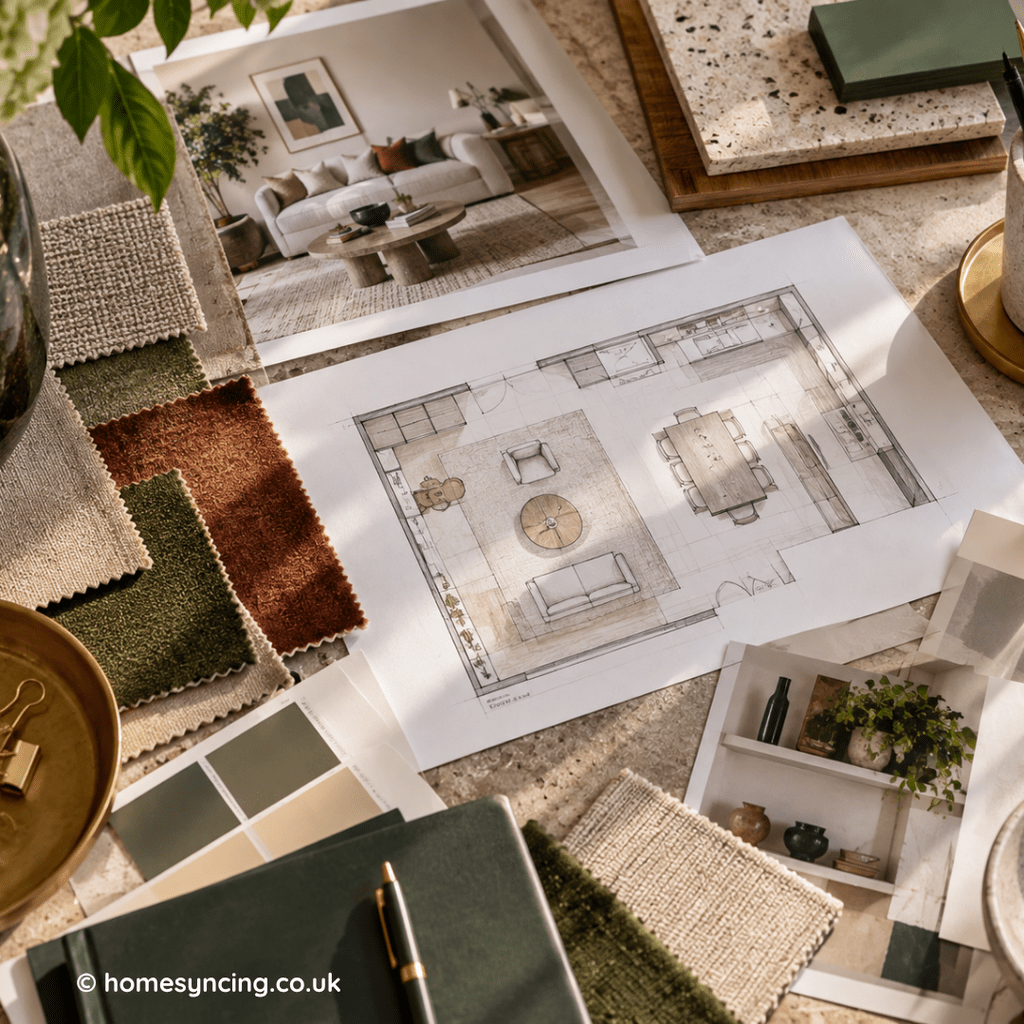
Have you heard the term “grounding colours” thrown about in design conversations? If it sounds like fancy designer jargon, don’t worry—it’s more straightforward than you think. Grounding colours are simply shades that make a room feel calm, balanced and firmly rooted. They’re the unsung heroes of interior design, weaving harmony and warmth into your living spaces.

If you’ve been craving a home that feels like a sanctuary rather than a showroom, grounding colours might just be the secret ingredient you’re looking for. Grab your swatches and let’s explore the power of grounding hues.

“Mere color, unspoiled by meaning, and unallied with definite form, can speak to the soul in a thousand different ways.”
- Oscar Wilde

What Are Grounding Colours?

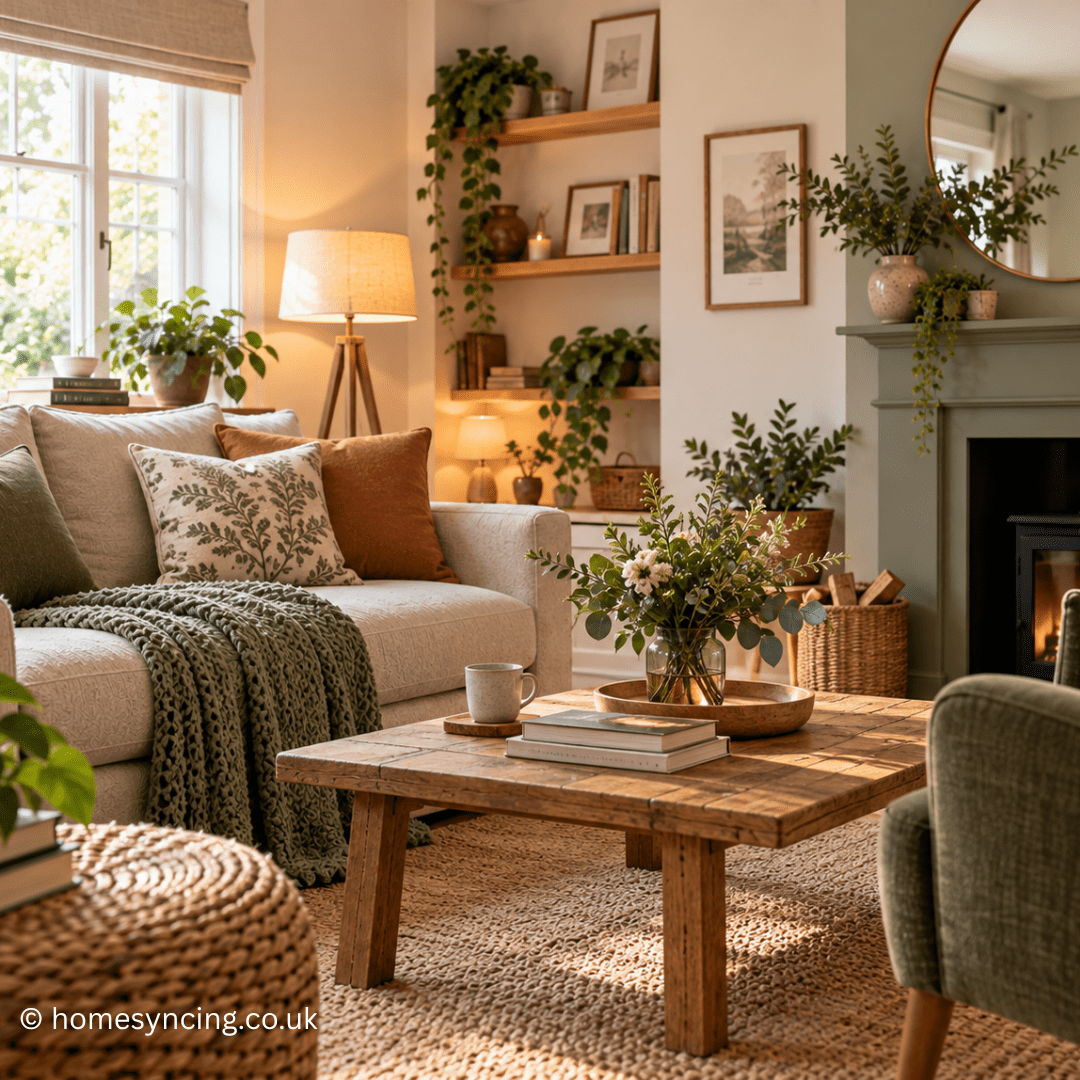
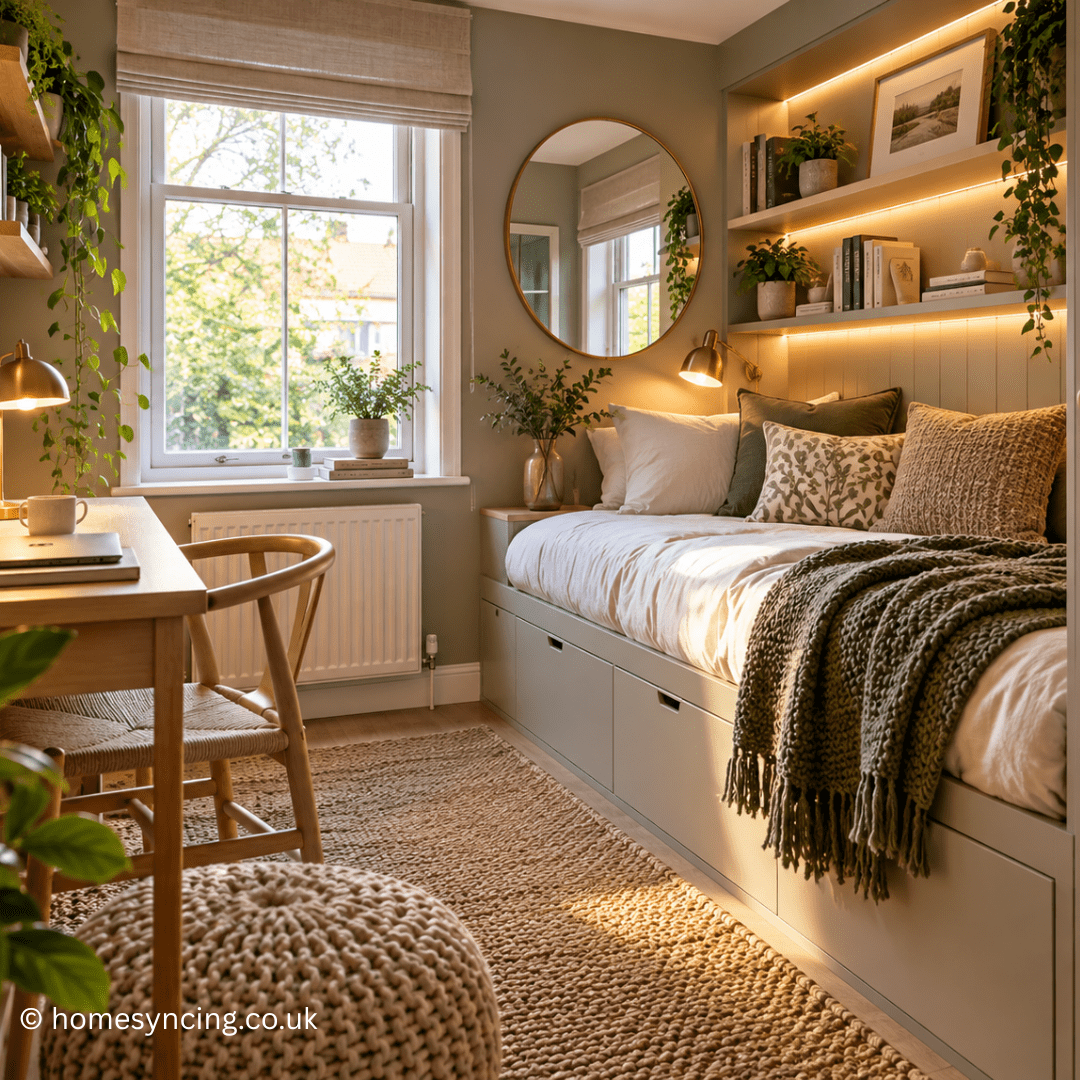
Grounding colours, in essence, are tones that provide stability and peace to a room. Think of deep browns, earthy greens, slate blues and moody greys—colours that carry a sense of visual weight and depth. Unlike brighter pastels or creams, these hues are rooted in nature and they have the ability to anchor a space, emotionally and visually.

Picture entering a room painted in earthy green. You immediately feel comforted, almost as if the walls are giving you a gentle hug. Or imagine sitting in a grey-blue living room while it’s raining outside—serene, right? That’s the magic of grounding colours.

Why Grounding Colours Are on the Rise

We’re seeing grounding colours crop up more and more in interior design, and it’s no coincidence. After years of all-over neutrals like stark whites, beiges and greiges dominating our homes, many spaces have started to feel a bit… washed out. Don’t get us wrong—neutrals have their place, but overusing them can make a room feel lifeless.

Grounding colours are a shift towards something richer and more dynamic. They’re a response to our yearning for spaces that feel lived-in, cosy, and reflective of the natural world. It’s a trend that doesn’t just look beautiful—it feels good too.

How to Use Grounding Colours in Your Home

Feeling inspired yet? Incorporating grounding colours is easier than you might think, whether you’re revamping your entire space or making smaller styling tweaks. Here are some ideas to get you started:

1. Anchor the Room with a Feature Wall

Thinking about a bold change? A feature wall in a grounding shade like forest green or charcoal can command just the right amount of attention. Whether it’s your living room or bedroom, this focal point provides depth and cosiness without overwhelming the space.

2. Update Your Furniture

If you’re not ready for paint, why not bring in grounding hues through your furniture? A deep-brown leather sofa, navy velvet armchair or walnut coffee table introduces richness and pairs beautifully with existing neutrals.

3. Layer Through Textiles

One of the quickest ways to bring in grounding colours is through textiles like cushions, throws, curtains and rugs. A grey-blue wool throw over a cream couch or terracotta cushions added to your bed creates a sense of comfort and visual interest instantly.

4. Accessorise with Greenery

When in doubt, go green—literally! Houseplants are the perfect way to introduce grounding tones while connecting your home to nature. Think mossy greens and olive hues through plants like ferns, rubber plants, or trailing ivy.

5. Create a Balanced Palette

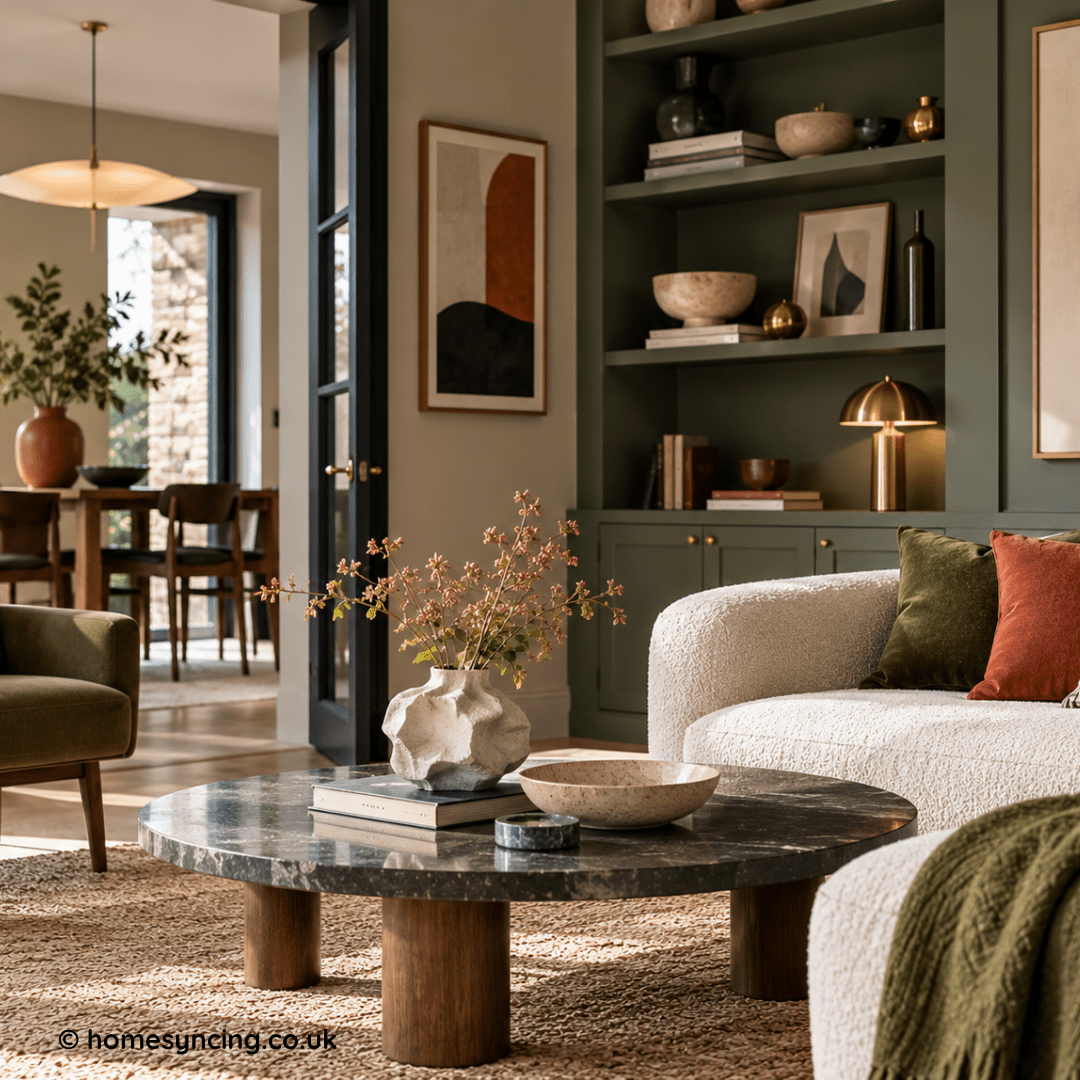
Grounding colours are about harmony, so balance is key. Pair darker grounding hues with lighter neutrals to keep your space from feeling heavy. For instance, pair a slate blue wall with white trim and taupe furnishings for a refined, layered look.

Can Grounding Colours Work with DIY Projects?

Absolutely! If you’re taking on DIY home decor projects, grounding colours bring sophistication to even the simplest updates. Try painting a vintage dresser in a muted green or transforming basic wooden shelves into stylish statement pieces with a deep walnut stain.

Better yet, grounding colours work incredibly well with upcycled projects too! An old mirror frame could be painted navy or mismatched picture frames could be unified with an earthy brown for a curated gallery wall effect.

Not a DIY expert? No problem. The beauty of grounding colours is that even small changes (like swapping a few accessories) can make a world of difference.

The Emotional Power of Grounding Tones

It’s not just about aesthetics—colour psychology shows that grounding shades bring composure and clarity to spaces, which can impact your overall mood. Rooms with grounding colours often feel more intimate and secure, making them ideal for spaces where you want to relax, like bedrooms and lounges.

But they’re not limited to “calming” areas either. Paired with the right accents, grounding colours can also add elegance to dining rooms or create a professional feel in home offices. Their versatility knows no bounds.

Tips for Choosing the Perfect Grounding Colours

If you’re not sure where to start, here’s a quick cheat sheet:

  • For Warmth: Opt for terracotta, deep mustard or olive green.
  • For Cool Vibes: Choose slate blue, charcoal or mossy green.
  • For a Timeless Look: Stick to greys, taupes and chocolate browns.

And remember, lighting matters! Test swatches on your wall and observe how the colours change throughout the day. What may look lively in the morning light could feel somber in the evening, so get a sense of how your chosen hues behave.

Final Thoughts

When done right, grounding colours have the power to elevate your home from ordinary to extraordinary. They’re calming yet bold, elegant yet approachable, making them a perfect choice for any interior design style. Whether you’re painting an entire room, adding a statement piece, or experimenting with accessories, these versatile shades will transform your space into the retreat you’ve always dreamed of.

Now it’s your turn to channel those creative vibes. Which grounding colour will you use to transform your home? Time to grab your paintbrush (or your Pinterest board) and get inspired!

Further Reading: Interior Design Trends for 2025

Daily Inspiration: Follow us on Instagram

Transform Your Space with Baked Earth Colours

Are you ready to infuse your home with the warmth and charm of nature? Baked earth colours are the latest interior design trend sweeping through eco-conscious homes—and for good reason. These rich, grounding tones draw inspiration from the natural world, bringing a timeless elegance and sustainability to any living space.

Whether you’re an interior design enthusiast or a sustainable living advocate, this guide will inspire you to weave these soul-soothing hues into your home.

What Are Baked Earth Colours?

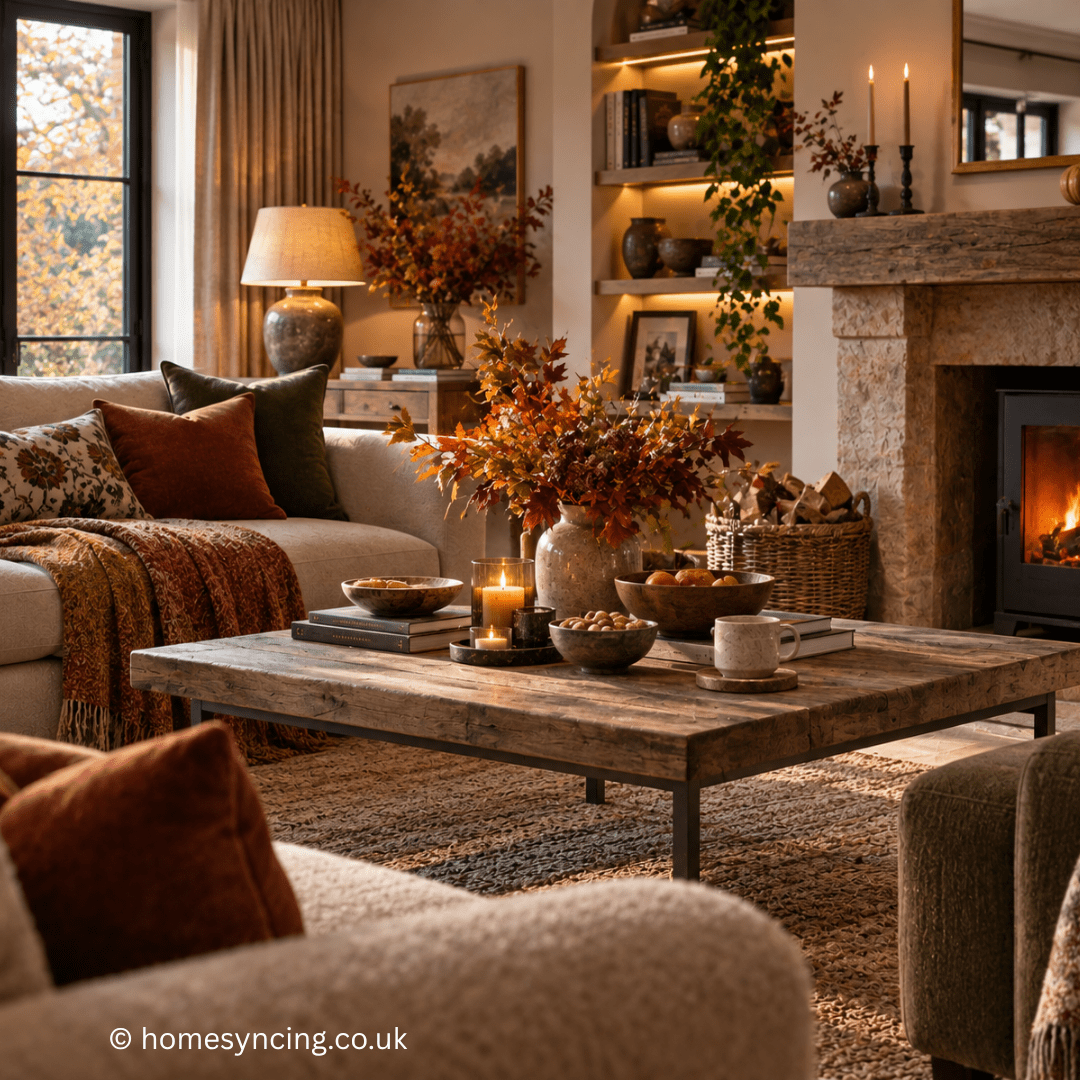
Imagine warm ochres, deep terracottas, dusty rose pinks and earthy clays. These tones are the embodiment of nature—evoking sun-baked landscapes, clay-rich soil and rustic tranquillity.

Baked earth colours are muted enough to feel sophisticated yet vibrant enough to add character. They seamlessly blend with natural materials like wood, stone, linen and jute, creating a harmonious balance between colour and texture.

Why Choose Baked Earth Colours for Your Home?

  1. A Connection to Nature

Want to feel like you’re breathing in the calm of a sunset or wandering through a terracotta villa in Tuscany? Baked earth hues bring the outdoors in, creating a serene, grounded atmosphere that reconnects us to nature.

  1. Sustainability Meets Style

Earthy palettes naturally align with sustainable living. These tones pair beautifully with eco-friendly elements—think recycled wood furniture or organic textiles—making it easier to create a home steeped in style and sustainability.

  1. Timeless Design

Trendy interiors are fleeting, but baked earth colours are deeply timeless. Their versatility makes them suitable for everything from traditional homes to contemporary, minimalistic spaces.

  1. Warm and Inviting

Homes are meant to be lived in, and these colours radiate warmth and comfort. Whether you’re hosting guests or winding down after a busy day, a space decorated in these hues will make you feel right at home.

How to Introduce Baked Earth Colours to Your Home

1. Start with the Walls

Give your walls a fresh coat of paint in a muted terracotta, sun-dried ochre, or soft clay tone. These create a dramatic yet comforting backdrop that instantly sets the mood.

Tip: Pair your baked earth walls with natural white or cream trims for a balanced contrast that maintains an airy feel.

2. Mix with Natural Materials

Furnish your space with materials that complement an earthy palette. A rattan chair, a weathered oak coffee table or linen curtains will help you build a cohesive, eco-friendly look.

3. Play with Textures

Texture is the key to stopping earthy tones from feeling flat. Add organic jute rugs, handwoven cotton throws or ceramic pots for depth and interest.

Imagine the joy of sitting on a plush terracotta sofa, your feet resting on a clay-coloured rug, surrounded by soft linen cushions.

4. Statement Artwork and Accents

Brighten your walls with statement artwork that incorporates baked earth tones, or use ceramics and vases in similar hues to tie the room together.

Tip: Vintage or handmade accessories have charm and authenticity, reinforcing the grounded, natural feel of your space.

5. Layer with Plants

What better way to celebrate nature than with lush greenery? Add an air-cleansing monstera or trailing pothos to complement the sandy pinks and golden ochres of your room.

6. Create an Accent Nook

Not ready to transform an entire room? Dedicate one corner—perhaps your reading nook or workspace—and decorate it in all-natural tones. A deep walnut desk or a rust-hued cushion can create a harmonious vibe in a small space.

The Future Is Natural

Baked earth colours aren’t just a trend—they’re an investment in a tranquil and enduring aesthetic that celebrates the beauty of the natural world. They allow you to reconnect with nature and create a sustainable sanctuary that reflects your values and personal style.

Are you ready to transform your home into the ultimate earthy retreat? Start small or renovate big—the possibilities are endless when working with colours as inspiring as nature itself.

Connect with Us to Learn More

If you’re ready to breathe new life into your home but need guidance in bringing these tones to life, our expert design consultants are here to help. Get in touch today and start reimagining your space.

Design your home with intention. Live with inspiration.

Further Reading: Interior Design Trends for 2025, Interior Design Trends for 2025 – Colour Drenching  .

For daily inspiration: Follow us on Instagram

How to Choose Wall Art for your Home

The right wall art can take your home’s aesthetic to the next level. It can add colour, personality, and style to any room. But how do you choose the right wall art for your home? When you’re browsing through pieces, it can seem overwhelming, and it’s hard to know where to start.

Well, fear not, because we’ve put together a comprehensive guide to help you choose the perfect wall art for your home. Follow these steps, and you’ll have a cohesive and beautiful wall art collection in no time.

Step 1: Think About Your Space

Before you start browsing for wall art, take a good look at the space you want to fill. What colours and textures are in the room? What is the style? The artwork you choose should complement the overall aesthetic of the room.

If you have a minimalist space, for example, you may want to pick a simple and understated piece of wall art. On the other hand, if your home has a bohemian vibe, you can have fun with bright colours and eclectic patterns.

Step 2: Determine the Purpose

Why are you looking for wall art? Is it to add colour to an empty room, or do you want to create a focal point? Knowing the purpose of the art can help you narrow down your choices.

For example, if you want to create a focal point in your living room, a large statement piece like an abstract painting or a bold photograph could be perfect. However, if you want to create a calming atmosphere in your bedroom, a serene landscape or a soothing abstract print will work better.

Step 3: Consider the Size

The size of your wall art can make or break the overall look of the room. A small piece of art on a large wall can get lost, while a large piece on a small wall can be overwhelming.

Measure your wall space and decide whether you want one large piece or a collection of smaller artworks. Keep in mind that if you decide on a gallery wall, you’ll want to plan out the placement of each piece in advance.

Step 4: Pick a Colour Scheme

When planning out your wall art, it’s essential to consider the colour scheme. You can choose art that complements the colours already in the room, or you can pick an artwork with colours that will create a contrast and add interest.

A popular decorating tip is to choose a print with the same colours as the surrounding decor. If you have blue throw pillows on your sofa, for example, a print with blue hues can bring the room together in a cohesive way.

Step 5: Have Fun with It

Last but not least, don’t forget that it’s essential to pick wall art that makes you happy! Your home is a reflection of your personality, so make sure that the art you choose speaks to you.

Whether you prefer classic paintings, contemporary photography, or abstract prints, make sure that the wall art you select makes you feel good every time you look at it.

Choosing wall art for your home doesn’t have to be overwhelming. Just remember to think about your space, determine the purpose, consider the size, pick a colour scheme, and have fun with it. With these tips in mind, you can choose wall art that will elevate your home’s decor and create a beautiful space that speaks to your unique style and taste.

How to choose the perfect mirror for your home

A mirror is one of the most versatile pieces in the home. It can quietly brighten a dark corner, lend balance to a room, and reflect both light and character back into a space. Practical by nature, yet rich in decorative potential, the right mirror can feel as though it belongs just where it is placed.

With so many designs available, choosing one can feel overwhelming. A thoughtful approach, guided by proportion, placement and style, will help you find a mirror that enhances your home rather than simply fills a wall.

Consider the Proportions of Your Space

Begin by looking closely at the room where the mirror will hang. Size matters greatly. A generously sized mirror can open up a smaller room, creating a sense of space and light, while also acting as a focal point. In larger rooms, a mirror should feel in balance with surrounding furniture and architectural features, rather than dominating them.

Take careful measurements before choosing. Consider not only the wall itself, but also how the mirror will sit in relation to fireplaces, doorways, furniture or panelling. A mirror that is too small may feel insignificant, while one that is too large can overwhelm its surroundings.

Choose a Shape That Suits the Room

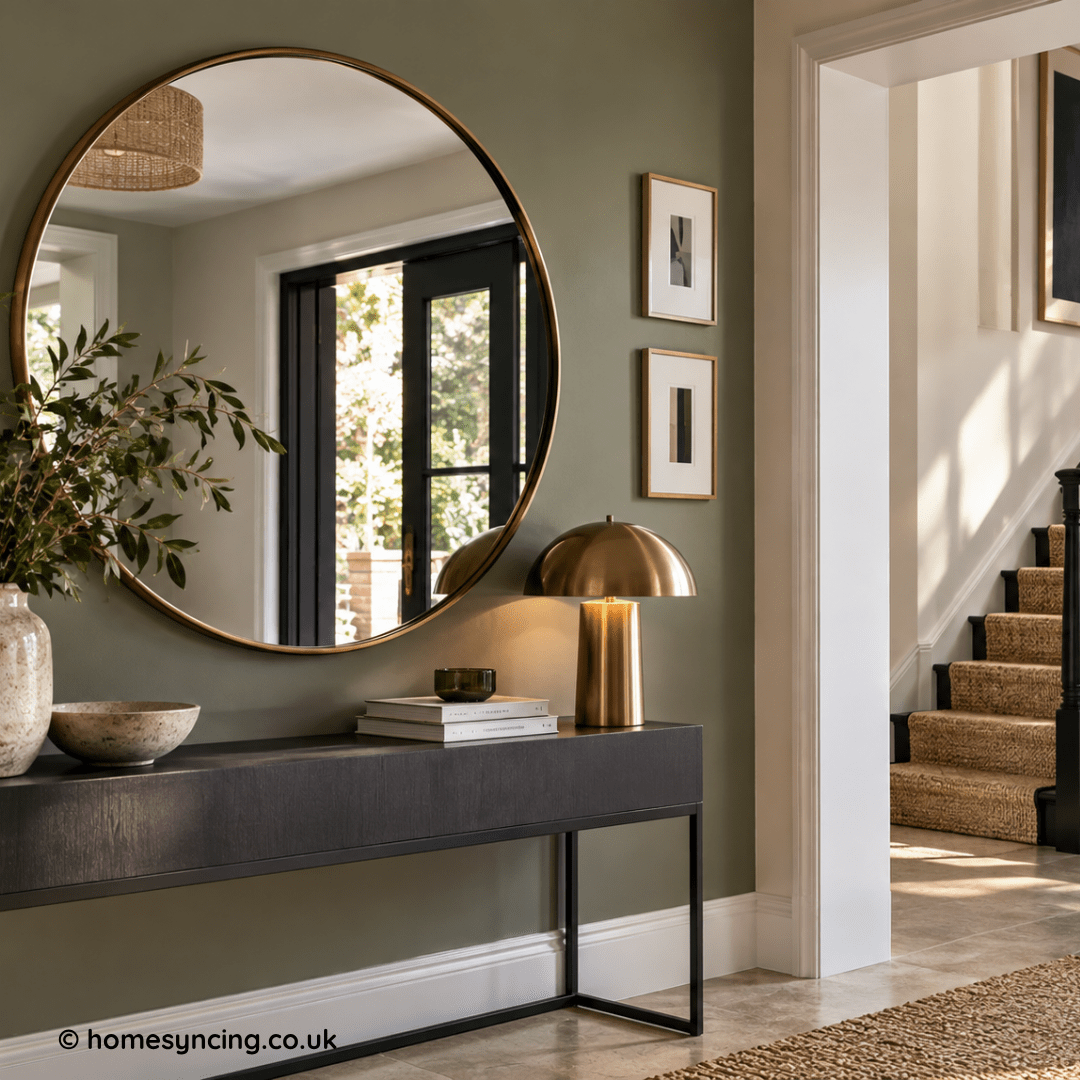
The shape of a mirror has a subtle but important influence on the mood of a space. Round and oval mirrors introduce softness, helping to offset strong lines or angular furniture. They work particularly well in hallways, bathrooms or above sideboards where a gentler presence is welcome.

Rectangular and square mirrors feel more structured and formal, lending themselves to living rooms, dining spaces and bedrooms. Arched mirrors can echo traditional architectural details, adding height and a sense of elegance, particularly in rooms with period features.

Let the existing lines and shapes in the room guide your decision.

Reflect Your Interior Style

A mirror should sit comfortably within the wider story of your home. Ornate or antique-style frames bring warmth and character, complementing traditional interiors and well-loved furnishings. Simpler designs, with clean lines and understated frames, suit contemporary spaces where calm and clarity are key.

Materials also matter. Gilded or metallic finishes can lift a room and add a sense of occasion, while wooden frames bring warmth and texture, working beautifully in relaxed or country-style settings. Consider whether you want the mirror to blend in quietly or make a more confident statement.

Think Carefully About Placement

Where you place a mirror is as important as the mirror itself. Positioned thoughtfully, it can enhance natural light by reflecting windows or bright spaces, making rooms feel lighter and more welcoming.

In an entrance hall, a mirror offers both practicality and a sense of arrival, helping to brighten what is often a narrow space. In bedrooms, a full-length mirror is invaluable, while smaller mirrors can be used above dressing tables or chests of drawers. In bathrooms, mirrors must balance function with durability, standing up well to moisture while remaining easy to clean.

Avoid placing mirrors where they reflect clutter or harsh lighting, as this can disrupt the calm of a room.

Pay Attention to Quality

A well-made mirror is an investment that should last for years. Look for clear, undistorted glass that reflects accurately from every angle. The frame should feel solid and carefully finished, with no loose joints or rough edges.

Consider how the mirror will be fixed to the wall. Secure fittings are essential, particularly for larger or heavier pieces, ensuring the mirror sits safely and securely in place.

A Lasting Addition to Your Home

A mirror is something you will live with every day. It should feel considered, well-proportioned and right for its setting. By taking time to think about size, shape, style, placement and quality, you can choose a mirror that brings both beauty and purpose to your home.

Explore our range of mirrors to find a piece that complements your space and quietly enhances the way you live within it.

See Our Range of Mirrors here.

Further Reading: Affordable Decorating Ideas That Will Transform Your HomeSustainable Chic: A Beginner’s Guide to Circular Design, How to Choose Wall Art for your Home

Daily Inspiration: Follow Us on Instagram, BlueSkyThreads , PinterestTwitterTikTok

Selecting Soft Furnishings

Soft furnishings are often the quiet storytellers of a home. They bring warmth to bare spaces, soften hard edges and create an atmosphere that feels lived-in and welcoming. A well-placed cushion, a carefully chosen throw or a thoughtfully layered textile can transform a room, inviting you to pause, settle in and stay a while.

With such a wide choice of fabrics, colours and styles available, knowing where to begin can feel overwhelming. Yet, by taking a considered and gentle approach, it becomes less about following trends and more about creating a home that feels comfortable, personal and enduring.

Choosing the right materials for everyday living

The foundation of any soft furnishing lies in its material. Natural fibres tend to offer both practicality and quiet beauty, ageing gracefully over time.

Cotton remains a reliable favourite. It is breathable, durable and easy to care for, making it well-suited to busy households and everyday use. Whether in the form of cushion covers, lightweight throws or upholstery accents, it offers a timeless simplicity.

Linen, by contrast, brings a more relaxed character. Its soft creases and slightly textured finish lend a sense of informality that works particularly well in spaces designed for rest. Over time, linen becomes softer still, adding to its appeal.

As the seasons shift, wool comes into its own. Naturally insulating and resilient, it provides warmth and comfort during cooler months. A woollen throw draped across a chair or folded at the end of a bed can instantly make a space feel more inviting.

For those looking to introduce a touch of richness, materials such as velvet or silk can add depth and subtle luxury. These fabrics reflect light beautifully and create contrast when paired with simpler textures, though they are often best reserved for quieter areas of the home where wear is gentler.

Using colour and pattern with confidence

Soft furnishings offer one of the easiest ways to introduce colour into a room without committing to larger changes. The key is to begin with a restrained palette. Two or three complementary tones can create a sense of harmony, allowing the room to feel calm rather than crowded.

Once a palette is established, pattern can be introduced gradually. Stripes, checks and florals can sit comfortably together when united by a shared colour or similar scale. The effect is layered but not overwhelming.

For a more tranquil feel, consider working within a single colour family. A range of greens or blues, for example, can echo the natural world and create a restful atmosphere. Texture then becomes just as important as colour, with different weaves adding interest without disrupting the overall balance.

Creating comfort through shape and scale

A thoughtful mix of shapes and sizes brings ease and rhythm to a space. Square cushions provide structure, while rectangular or round designs soften the overall arrangement. When layered together, they offer both visual interest and practical comfort.

Scale is equally important. In smaller rooms, lighter, more proportionate pieces allow the space to breathe, preventing it from feeling crowded. In larger rooms, more generous textiles — oversized cushions, deep throws or layered rugs — can help create a sense of intimacy, defining areas for relaxation.

Soft furnishings can also be used to shape how a room is used. A throw placed over an armchair invites quiet reading, while a cluster of cushions can turn a corner into a place for conversation or rest.

Practical considerations for modern homes

While aesthetics matter, soft furnishings must also suit the rhythm of daily life. In homes with children or pets, durability is key. Fabrics that are robust and easy to clean will stand up to regular use without losing their appeal.

Removable, machine-washable covers are a practical choice, allowing you to refresh your space with ease. Natural, hypoallergenic fibres may also be preferable for those seeking a gentler option for sensitive skin.

Choosing well-made pieces can make a noticeable difference. Quality fabrics and thoughtful construction not only look better but tend to last longer, making them a more sustainable choice over time.

The art of layering and seasonal change

One of the pleasures of soft furnishings lies in their flexibility. Unlike larger pieces of furniture, they can be changed or rearranged with little effort, allowing your home to evolve with the seasons.

In spring and summer, lighter fabrics and softer colours can help create a sense of freshness and openness. As autumn and winter arrive, heavier textures such as wool or velvet bring warmth and depth, making rooms feel more enclosed and comforting.

Layering is key. Combining different textures — smooth cotton, soft wool, woven linen — creates a richness that feels natural rather than styled. A folded throw here, a cushion there, and gradually a room begins to take on its own quiet character.

Taking time to create a home that feels right

Perhaps most importantly, choosing cushions and soft furnishings should be an enjoyable process. There is no single formula to follow. Instead, it is about noticing what feels comfortable, what brings a sense of calm, and what reflects how you live.

Try different arrangements. Move pieces from one room to another. Allow your home to evolve slowly, rather than seeking an immediate result.

With a thoughtful balance of materials, colour, pattern and scale, soft furnishings can transform not just how a room looks, but how it feels. They create spaces that are inviting, adaptable and deeply personal — places that welcome you at the end of the day and encourage you to linger a little longer.

We have a great range of cushions to add colour, comfort and warmth to your home.  To see them click here!

Further Reading: Affordable Decorating Ideas That Will Transform Your HomeSustainable Chic: A Beginner’s Guide to Circular Design

Daily Inspiration: Follow Us on Instagram, BlueSkyThreads , PinterestTwitterTikTok

Translate »