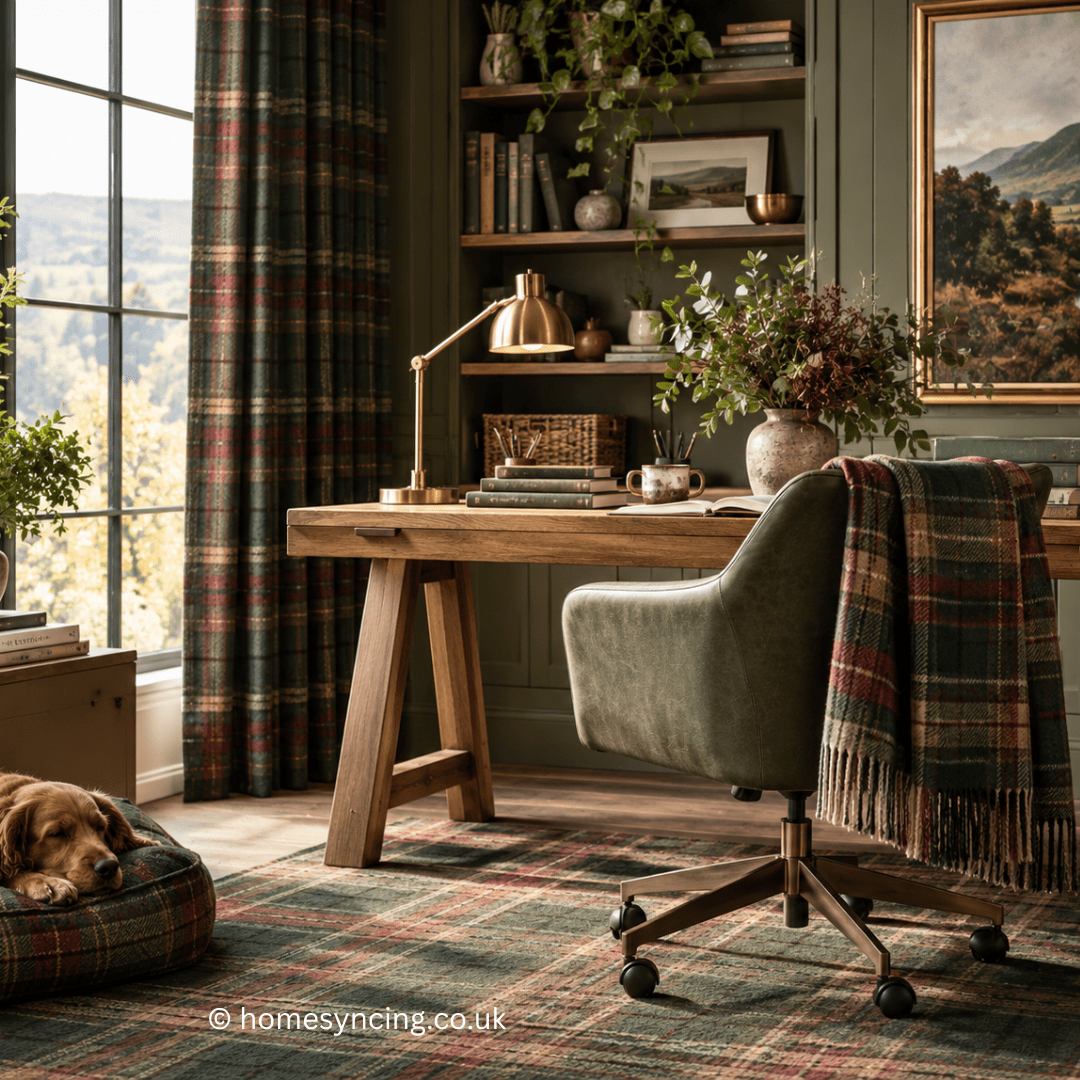
How to Create a Productive Home Workspace

Working from home offers fantastic flexibility, but it also presents unique challenges. Without a dedicated office, the lines between work and personal life can blur, making it difficult to stay focused and productive. Creating a functional and pleasant workspace is one of the most effective ways to overcome this.

This guide will walk you through everything you need to consider when setting up your home office. You’ll find practical tips on choosing the right furniture, creating a positive environment and ensuring you have the privacy you need to get your work done. You can build a workspace that helps you thrive, no matter how much room you have.

The Foundation of Your Workspace

Your desk and chair are the cornerstones of your home office. Since you’ll be spending a lot of time here, it’s important to choose options that support good posture and prevent discomfort.

Finding the Right Desk

Your desk needs to be large enough for your essential equipment, like your laptop and monitor, but also fit comfortably within your space.

  • Standard Desks: A simple, sturdy desk is often all you need. Look for one with enough surface area to keep your work essentials within reach without feeling cluttered.
  • Standing Desks: If you want to avoid sitting all day, a standing desk is an excellent choice. Many models are adjustable, allowing you to easily switch between sitting and standing. This can boost your energy levels and reduce the health risks associated with a sedentary workday.
  • Compact Solutions: If you’re short on space, consider a wall-mounted or folding desk. These can be tucked away at the end of the day, helping you reclaim your living area. A small corner desk can also make great use of an otherwise awkward space.

Choosing a Comfortable Chair

An ergonomic chair is a crucial investment for your long-term health and comfort. Sitting for long hours in a poor-quality chair can lead to back pain and other physical strain.

  • Ergonomic Chairs: Look for a chair with adjustable features, including height, armrests and lumbar support. This allows you to customise the fit to your body, promoting a healthy posture.
  • Alternative Seating: Some people prefer exercise balls or kneeling chairs to encourage active sitting and engage core muscles. While these can be beneficial, it’s a good idea to alternate them with a traditional ergonomic chair.
  • Budget-Friendly Options: If a high-end ergonomic chair isn’t an option, you can still improve your current seating. Use cushions for back support and ensure your feet can rest flat on the floor to maintain a good posture.

Creating a Productive Environment

The atmosphere of your workspace has a significant impact on your mood and ability to concentrate. Pay attention to lighting, noise levels and the overall feel of the space to create an environment where you can do your best work.

Let There Be Light

Good lighting is essential for reducing eye strain and boosting your energy.

  • Natural Light: Position your desk near a window if possible. Natural light is proven to improve mood and productivity. You can use sheer curtains to diffuse harsh sunlight while still enjoying the benefits.
  • Task Lighting: A good desk lamp is a must-have. It provides focused light for reading and writing, preventing you from straining your eyes, especially during the darker months or late-night work sessions.
  • Ambient Lighting: Ensure the overall room is well-lit. Poor ambient light can make your screen seem overly bright, which can cause headaches and eye fatigue.

Finding Peace and Quiet

Distractions are one of the biggest challenges of working from home. Creating a quiet space is key to maintaining focus.

  • Dedicated Space: If you can, set up your workspace in a separate room with a door you can close. This creates a physical boundary that signals to others that you are working.
  • Noise-Cancelling Headphones: These are a lifesaver if you live in a noisy household or neighborhood. They can help you block out distractions and create your own bubble of concentration.
  • Room Dividers: If a separate room isn’t an option, use a bookshelf or a folding screen to visually separate your workspace from the rest of the room. This can help you mentally switch off from household distractions.

Staying Organised and Inspired

A cluttered desk can lead to a cluttered mind. Keeping your workspace tidy and personalising it with things that inspire you can make it a much more enjoyable place to be.

Clever Storage Solutions

Good storage will help you keep your desk clear and your essentials organised.

  • Desk Organisers: Use pen holders, file trays, and drawer dividers to keep your stationery and papers in order.
  • Shelving: Wall-mounted shelves are a great way to use vertical space for books, files and decorative items without taking up floor space.
  • Cable Management: Tangled wires can make your space look messy. Use cable ties, clips or a cable management box to keep them neat and out of sight.

Making Your Space Your Own

Your home office shouldn’t feel sterile. Add a few personal touches to make it a place you enjoy spending time in.

  • Add Greenery: A plant or two can bring life to your workspace, improve air quality and reduce stress.
  • Inspirational Decor: Display a few pieces of art, photos or quotes that motivate you.
  • Choose a Calming Colour: If you have the option to paint, choose a colour that promotes focus and calmness, such as a soft blue or green.

Your Path to a Better Workday

Creating a functional home office is about more than just setting up a desk and chair. It’s about designing a space that supports your physical well-being, helps you focus and makes you feel good. By thoughtfully considering your environment, furniture, and organisation, you can build a workspace that empowers you to be productive and happy while working from home.

Start with small changes and see what works for you. You’ll soon have a home office that feels like a natural and supportive part of your home.

Further Reading: Transform Your Small Space: Ways to Create Big Interior Design Impact, Home Styling: Personality & Character, Affordable Decorating Ideas That Will Transform Your Home.

Keep uptodate with our Offers, New In Items and Latest Blogs by following us on Instagram 💚

Transform Your Small Space: Big Interior Design Impact

Small spaces don’t have to feel cramped or limited. With the right approach, even the tiniest room can deliver maximum style and functionality. Whether you’re working with a studio flat, compact bedroom or cosy living area, you can create a space that feels both spacious and spectacular.

The key lies in understanding how to make every design choice count. Small spaces require thoughtful planning, but they also offer unique opportunities for creativity and impact. You’ll discover that constraints often lead to the most innovative solutions.

This guide will walk you through practical strategies to maximise your small space’s potential. From choosing the perfect colour palette to selecting furniture that works harder, these techniques will help you create a room that feels twice its actual size.

Understanding Your Small Space Potential

Before diving into specific design strategies, take time to assess your space objectively. Measure your room’s dimensions and note architectural features like windows, doors and built-in elements. Consider how natural light moves through the space throughout the day.

Think about your lifestyle needs. A small space often serves multiple purposes, so identify which functions are most important. Do you need a workspace within your bedroom? Should your living area accommodate both relaxation and entertaining?

Document any structural limitations, such as low ceilings or awkward corners. These aren’t necessarily problems to solve—they can become distinctive features that add character to your design.

Strategic Colour Choices for Maximum Impact

Light and Neutral Palettes

Light colours remain the most reliable choice for making small spaces feel larger. Whites, creams and soft greys reflect light effectively and create visual continuity throughout the room. However, avoid stark white, which can feel clinical in intimate spaces.

Consider warm whites with subtle undertones like ivory or pearl. These add warmth whilst maintaining the space-enhancing benefits of light colours. Pair your chosen white with two or three complementary neutrals to create depth without overwhelming the space.

Pros: Creates illusion of space, reflects natural light, provides versatile backdrop for accessories

Cons: Can feel bland without careful styling, shows dirt and marks easily, may lack personality

Implementation: Paint walls, ceiling, and trim in similar light tones. Add texture through fabrics and materials rather than colour contrast.

Bold Accent Wall Strategies

A single dramatic wall can add significant impact without overwhelming your small space. Choose the wall that naturally draws attention—often the one behind your bed or sofa. Dark colours like navy, forest green

or charcoal can create surprising depth when used strategically.

Consider wallpaper with large-scale patterns or textural finishes. Grasscloth, wood panelling, or geometric designs can add visual interest whilst creating a focal point that distracts from the room’s compact dimensions.

Pros: Creates focal point, adds personality and drama, can make walls appear further away

Cons: May reduce sense of space if overdone, limits furniture placement options, can date quickly

Implementation: Choose one wall for maximum impact. Keep remaining walls neutral and ensure adequate lighting to prevent the space feeling enclosed.

Smart Furniture Selection and Placement

Multi-Functional Pieces

Every piece of furniture in a small space should earn its place through multiple functions. Ottoman storage boxes provide seating, surface space, and hidden storage. Extendable dining tables adapt to your needs without permanently consuming floor space.

Look for beds with built-in drawers, coffee tables with shelving, and console tables that double as desks. Wall-mounted drop-down desks disappear when not in use, whilst fold-out dining tables attach to walls for ultimate space efficiency.

Nesting tables offer surface space when needed but tuck away completely when not required. Choose pieces with clean lines and legs that don’t obstruct sightlines across the room.

Scale and Proportion Principles

Contrary to popular belief, small spaces can handle substantial furniture pieces. One large sofa often works better than several small chairs, as it creates a strong anchor without cluttering the space with multiple pieces.

Choose furniture with exposed legs to maintain visual flow across the floor. Glass or acrylic pieces practically disappear whilst providing necessary function. Round tables take up less visual space than rectangular ones and improve traffic flow.

Avoid furniture that’s too small for the space, as this can make the room feel cluttered rather than spacious. A few well-chosen, appropriately scaled pieces create more impact than many tiny items.

Maximising Vertical Space and Storage

Your walls offer untapped potential for both storage and visual interest. Floor-to-ceiling shelving draws the eye upward and provides extensive storage without consuming floor space. Install shelves close to the ceiling to store items you don’t access daily.

Use wall-mounted lighting instead of table lamps to free up surface space. Floating nightstands, wall-mounted desks, and hanging planters all contribute to a cleaner, more spacious feel.

Consider tall, narrow storage units that make use of vertical space efficiently. Ladder-style bookcases and tower storage units provide ample storage whilst maintaining a light, airy appearance.

Lighting Strategies for Spacious Feel

Layered Lighting Approach

Multiple light sources at different levels create depth and dimension in small spaces. Combine overhead lighting with task lighting and accent lighting to eliminate dark corners that make spaces feel smaller.

Use table lamps, floor lamps, and wall sconces to create pools of light throughout the room. This layered approach makes the space feel more dynamic and expansive than relying solely on overhead fixtures.

Install dimmer switches to adjust lighting levels throughout the day. Bright light makes spaces feel larger during daytime, whilst softer evening lighting creates intimacy and warmth.

Mirror Placement for Light Amplification

Mirrors remain one of the most effective tools for expanding small spaces visually. Position mirrors opposite windows to reflect natural light and outdoor views, instantly doubling the visual space.

Large mirrors make more impact than collections of small ones. A floor-to-ceiling mirror or oversized wall mirror creates the illusion of additional square footage. Mirrored furniture pieces, such as side tables or wardrobes, add function whilst maintaining the light-reflecting benefits.

Avoid placing mirrors where they reflect cluttered areas or unflattering angles. The goal is to reflect light and attractive views, not multiply visual chaos.

Creating Visual Flow and Continuity

Maintain consistent flooring throughout your small space to create uninterrupted visual flow. If you rent and can’t change existing flooring, use large area rugs to unify different areas and define zones within the space.

Keep window treatments minimal and mounted high and wide to maximise natural light. Sheer curtains or blinds that disappear completely when open help maintain the connection between indoor and outdoor spaces.

Use a consistent colour palette throughout the space, varying tones and textures rather than introducing multiple colours. This creates cohesion whilst preventing the space from feeling chopped up or disjointed.

Design Styles That Work in Small Spaces

Minimalist Approach

Minimalism naturally suits small spaces by emphasising quality over quantity. Focus on a few well-chosen pieces with clean lines and simple forms. Keep surfaces clear and storage hidden to maintain the serene, uncluttered aesthetic.

Choose furniture with dual purposes and built-in storage. A minimalist approach doesn’t mean cold or impersonal—add warmth through natural materials like wood and stone, and introduce personality through one or two carefully selected art pieces.

Pros: Creates calm, spacious feeling, easy to maintain, timeless appeal

Cons: Can feel stark without careful styling, requires excellent organisation, may not suit all personalities

Maximalist Techniques

Small spaces can successfully embrace maximalist principles when executed thoughtfully. The key lies in creating visual cohesion through colour coordination and careful curation. Choose a unifying colour palette and vary patterns and textures within that scheme.

Layer rugs, mix patterns in similar scales, and group collections together rather than scattering them throughout the space. Gallery walls can add significant visual interest without consuming floor space.

Pros: Allows for personality expression, creates cosy, intimate atmosphere, can disguise architectural flaws

Cons: Requires careful balance to avoid overwhelming the space, can feel cluttered if not well-organised, may make cleaning more challenging

Make Your Small Space Work Harder

Small spaces offer unique advantages that larger rooms cannot match. They’re easier to heat and cool, require less maintenance, and force you to be intentional about your possessions. Embrace these benefits whilst implementing the strategies outlined above.

Start with one area of your space and implement changes gradually. This allows you to see what works and make adjustments before committing to larger changes. Remember that creating impact in small spaces is about making smart choices rather than expensive purchases.

Your small space has enormous potential waiting to be unlocked. With thoughtful planning and creative solutions, you can create a home that feels spacious, stylish and perfectly suited to your lifestyle.

Further Reading: Home Styling: Personality & Character, Affordable Decorating Ideas That Will Transform Your Home, Transform Your Conservatory into a Stunning Living Space

Keep uptodate with our Offers, New In Items and Latest Blogs by following us on Instagram 💚

Affordable Decorating Ideas to Transform Your Home

Creating a beautiful home doesn’t require a massive budget or a complete renovation. With some creativity and the right approach, you can transform any space into something special without breaking the bank. Whether you’re starting from scratch or looking to refresh your current décor, these practical decorating ideas will help you achieve the look you want whilst keeping costs low.

The key to successful affordable decorating lies in understanding that impact changes often come from small, thoughtful adjustments rather than expensive overhauls. By focusing on strategic updates and clever styling tricks, you can create a home that feels fresh, personalised and welcoming.

Here are ten proven decorating ideas that will help you transform your space without stretching your budget. Each suggestion includes practical tips to ensure you get the best results for your money.

Rearrange Your Furniture for a Fresh Perspective

One of the most cost-effective ways to refresh your home is to simply rearrange what you already have. Moving furniture around can completely change how a room feels and functions.

Start by pulling furniture away from walls. This creates a more intimate conversation area in living rooms and makes spaces feel larger. Try floating your sofa in the middle of the room with a console table behind it, or angle chairs to create better flow.

Experiment with different layouts over a weekend. Take photos of each arrangement to help you decide which works best. You might discover that your dining table works perfectly as a desk in another room, or that swapping bedroom and living room furniture creates better proportions.

Consider the room’s focal point when rearranging. Direct furniture towards windows with great views, fireplaces or artwork rather than automatically facing the television.

Add Impact with Affordable Artwork and Prints

Bare walls can make any space feel unfinished, but artwork doesn’t need to cost a fortune. Create visual interest with a mix of prints, photographs, and DIY art pieces.

Visit charity shops, car boot sales, and online marketplaces for unique finds. Look for interesting frames that you can repurpose with new artwork. Sometimes the frame is worth more than what’s inside it.

Create your own gallery wall using free printables available online, family photographs or children’s artwork in matching frames. Maintain cohesion by sticking to a consistent colour palette or frame style.

For larger walls, consider creating oversized art by printing favourite photographs at your local print shop and mounting them on foam board. This technique works particularly well with black and white images or nature photography.

Bring Life to Your Space with Plants

Plants instantly make any room feel more vibrant and welcoming. They’re an affordable way to add colour, texture and natural beauty to your home whilst also improving air quality.

Start with easy-care varieties like pothos, snake plants or spider plants if you’re new to plant care. These resilient options forgive occasional neglect and propagate easily, giving you more plants for free.

Group plants of different heights and textures together for maximum impact. Use plant stands, books, or upturned pots to create varying levels. A collection of three plants often looks more intentional than a single specimen.

Propagate cuttings from friends’ plants or your own collection to expand your indoor garden without spending money. Many plants, including pothos, mint, and geraniums, root easily in water before being transplanted to soil.

Transform Spaces with Strategic Lighting

Good lighting can completely change a room’s atmosphere and make it feel more expensive and welcoming. The key is layering different types of light sources rather than relying on overhead fixtures alone.

Add table lamps, floor lamps, and string lights to create warm, ambient lighting. Look for secondhand lamps that you can update with new shades or a coat of spray paint. Plug-in wall sconces eliminate the need for electrical work whilst adding sophisticated lighting.

Replace harsh white bulbs with warm white or soft white alternatives. The colour temperature makes a significant difference in how cosy and inviting your space feels, especially during evening hours.

Use mirrors strategically to reflect and amplify both natural and artificial light. Position mirrors opposite windows or near light sources to brighten dark corners and make rooms appear larger.

Add Warmth with Textiles and Soft Furnishings

Textiles are one of the most affordable ways to add colour, pattern and comfort to your home. Cushions, throws and rugs can transform a neutral room into something special.

Mix textures and patterns whilst keeping to a cohesive colour scheme. Combine smooth cotton with chunky knits or pair geometric patterns with florals in similar tones. Start with three colours maximum to avoid overwhelming the space.

Make your own cushion covers using remnant fabrics or repurpose old clothing and linens. Tea towels often make excellent cushion covers for kitchens and dining areas, whilst vintage scarves can become unique throw pillow covers.

Layer rugs of different sizes and textures to define spaces and add warmth. A smaller patterned rug over a larger neutral one creates visual interest whilst protecting your investment pieces.

Maximise Storage with Stylish Organisational Solutions

Clutter makes even the most beautiful spaces feel chaotic, but storage solutions don’t need to be expensive or purely functional. Choose organisational pieces that serve as décor whilst keeping belongings tidy.

Use attractive baskets, vintage suitcases, or decorative boxes to store items whilst adding visual interest. These pieces can double as side tables or display surfaces when not being used for storage.

Install floating shelves to display books, plants, and decorative objects whilst keeping surfaces clear. Style shelves with a mix of practical items and beautiful pieces, varying heights and spacing for visual appeal.

Repurpose items you already own for storage. Large glass jars become attractive containers for bathroom supplies, whilst vintage tins can organise craft supplies or office materials.

Create Visual Interest with Paint Techniques

Paint offers the biggest impact for the smallest budget, but you don’t need to paint entire rooms to make a difference. Strategic use of paint can create focal points and add personality to your space.

Paint an accent wall in a bold colour or try techniques like colour blocking or geometric shapes. Use painter’s tape to create clean lines and patterns. Even painting just the bottom half of a wall in a darker shade can add sophistication.

Update furniture with paint to create custom pieces that perfectly match your décor. Chalk paint requires minimal preparation and creates a beautiful matte finish on wood and metal surfaces.

Paint the back wall of bookcases or the inside of alcoves in contrasting colours to create depth and highlight displayed items. This technique works particularly well with dark, dramatic colours that might overwhelm larger areas.

Style Your Shelves and Surfaces Like a Professional

The way you arrange items on shelves, coffee tables and other surfaces can make the difference between a cluttered look and a curated, magazine-worthy appearance.

Follow the rule of threes when grouping items. Collections of three objects in varying heights create pleasing visual triangles. Mix textures, shapes and colours whilst maintaining some common elements.

Layer items at different depths on shelves. Place some items at the front edge whilst pushing others toward the back. This creates dimension and prevents the flat, lined-up look that screams amateur styling.

Include a mix of functional and decorative items. Beautiful storage boxes, attractive books, and everyday objects that happen to be lovely can all contribute to well-styled surfaces without requiring additional purchases.

Enhance Your Space with Mirrors

Mirrors are powerful decorating tools that can make spaces appear larger, brighter, and more sophisticated. They’re also relatively affordable, especially when purchased secondhand.

Hang large mirrors opposite windows to reflect natural light and outdoor views into your space. This technique works particularly well in small or dark rooms where you want to create the illusion of more space.

Create gallery walls using mirrors of different shapes and sizes instead of artwork. This approach works beautifully in hallways, bathrooms, or any area where you want to add visual interest without overwhelming the space with colour.

Use mirrors to reflect beautiful views or interesting architectural features. Position them strategically to showcase the best aspects of your room from multiple angles.

Personalise Your Space with DIY Projects

Handmade elements add character and ensure your home reflects your personal style. Choose projects that match your skill level and time availability whilst creating meaningful improvements to your space.

Create custom artwork using materials you already have or can obtain inexpensively. Frame pressed flowers, create abstract paintings using leftover paint, or photograph interesting textures and patterns in your neighbourhood.

Update existing items with simple techniques like decoupage, stencilling, or new hardware. Kitchen cupboards can be transformed with new handles, whilst old picture frames become fresh again with a coat of paint in an unexpected colour.

Make seasonal decorations that you can change throughout the year. This keeps your space feeling fresh without requiring permanent changes or significant investment.

Transform Your Home Without Breaking Your Budget

These affordable decorating ideas prove that creating a beautiful, personalised home doesn’t require spending a fortune. The key lies in being creative with what you have whilst making strategic additions that maximise impact.

Start with one or two ideas that appeal to you most, then gradually implement others as time and budget allow. Remember that the most successful decorating happens over time, allowing you to live with changes and adjust as needed.

Focus on projects that bring you joy and make your daily life more pleasant. Your home should reflect your personality and support your lifestyle, regardless of your decorating budget. With patience and creativity, you can create a space that feels both beautiful and authentically yours.

Further Reading: Transform Your Space with Baked Earth Colours, Grounding Colours in Interior Design: Transform Your Space with Calm and Balance, Transform Your Space with Rich Jewel Tones, Simple Decluttering Challenges to Transform Your Space, Harmonise Your Home with Feng Shui Principles

Create a Cosy Autumn Home

Autumn brings shorter days, crisp air and the perfect excuse to transform your home into a warm sanctuary. Creating a cosy autumn atmosphere doesn’t require a complete makeover or expensive purchases. With thoughtful touches and seasonal elements, you can embrace the beauty of this transitional season whilst making your space feel more inviting than ever.

The key to autumn cosiness lies in engaging your senses. Think soft textures that beg to be touched, warm lighting that creates gentle shadows, and natural scents that remind you of woodland walks. These elements work together to create an environment that feels both comforting and celebratory of the season’s unique charm.

Let’s explore ten practical ways to bring autumn’s warmth into your home, using items you likely already own alongside a few seasonal additions that will make all the difference.

Layer Warm Textures Throughout Your Space

Nothing says autumn comfort quite like soft, inviting textures that make you want to curl up and stay awhile. Start by swapping lightweight summer fabrics for richer, more substantial materials that provide both visual and physical warmth.

Add chunky knit throws to your sofa and armchairs. Choose colours that reflect the season—burnt orange, deep burgundy, forest green or warm cream. Drape them casually over furniture so they’re always within reach when the evening chill sets in.

Switch your cushion covers to materials like velvet, corduroy, or textured linen in autumn hues. You don’t need to replace everything; simply adding two or three new cushions can instantly transform a room’s feel. Mix different textures together for visual interest—pair a smooth velvet cushion with a cable-knit one.

Consider switching to heavier curtains or adding thermal linings to existing ones. This practical change not only helps retain heat but also creates a cocoon-like feeling that’s perfect for the season.

Embrace Natural Elements from Outdoors

Bringing the outdoors inside connects your home to the season’s natural beauty whilst adding authentic autumn charm. You can gather many of these elements during walks or from your own garden.

Create simple arrangements using branches with colourful leaves, pine cones, acorns, and seasonal berries. Place these in vases or wooden bowls throughout your home. The beauty of natural decorations lies in their imperfection and the way they change over time.

Pumpkins and gourds make excellent seasonal decorations that go far beyond Halloween. Choose various sizes and colours, grouping them on mantels, side tables, or as a dining table centrepiece. Small pumpkins work beautifully as individual place settings for dinner parties.

Fill bowls with chestnuts, walnuts or pine cones for instant autumn atmosphere. These natural elements add texture and can be used year after year. Store them in a dry place once the season ends, and they’ll be ready for next autumn.

Transform Your Lighting for Warmth

Harsh overhead lighting can instantly kill a cosy atmosphere. Autumn evenings call for softer, warmer illumination that mimics the golden hour light of the season.

Replace bright white bulbs with warm white or soft yellow alternatives. The colour temperature should be around 2700K for the most flattering, cosy glow. This simple change costs very little but makes an enormous difference to your home’s atmosphere.

Introduce multiple light sources at different heights. Table lamps, floor lamps, and fairy lights create layers of illumination that feel much more inviting than a single overhead fixture. Place lamps in corners to eliminate harsh shadows and create pools of warm light.

Candles remain unmatched for creating instant cosiness. Group different sized candles together on mantels, coffee tables, and windowsills. Choose autumn scents like cinnamon, vanilla or wood smoke, but don’t overwhelm your space—subtle fragrance works best.

Bring Autumn Scents Into Your Home

The right scents can instantly transport you to a crisp autumn day, making your home feel connected to the season. Natural fragrances work better than artificial ones for creating an authentic atmosphere.

Simmer seasonal spices on your hob. Fill a small saucepan with water and add cinnamon sticks, star anise, orange peel and a few cloves. Let it bubble gently, adding more water as needed. This natural room freshener costs pennies and fills your home with the most wonderful autumn fragrance.

Create pot pourri using dried orange slices, cinnamon bark, and whole spices. Place small bowls in different rooms for a subtle, long-lasting scent. You can dry orange slices in a low oven or dehydrator, then store them for use throughout the season.

Reed diffusers with autumn scents like cedarwood, bergamot, or spiced apple provide constant, gentle fragrance without the need for flames. Place them in hallways or bedrooms where you want subtle scent throughout the day.

Create Cosy Reading Nooks

Autumn evenings practically demand a comfortable spot for reading, whether it’s a captivating novel or simply browsing through magazines with a cup of tea.

Choose a corner with good natural light during the day and add a comfortable chair or cushioned window seat. A small side table for your drink and books completes the basic setup.

Layer your reading spot with soft blankets and cushions. Add a basket nearby for storing current reads and a small lamp for evening use. The key is making everything easily accessible so you can settle in without getting up again.

Consider creating multiple small seating areas rather than relying solely on your main sofa. A reading corner by a window, a pair of chairs by the fireplace, or even cushions arranged on the floor near a bookshelf all create intimate spaces perfect for autumn relaxation.

Switch to Seasonal Colour Palettes

Colour has an enormous impact on how a space feels, and autumn offers a rich palette that instantly warms any room. You don’t need to repaint walls; smaller changes can be just as effective.

Incorporate deep, warm colours through accessories like cushions, throws, artwork, or table runners. Think burnt sienna, deep plum, golden yellow and rich brown. These colours feel naturally warming and complement the season’s outdoor palette.

Balance rich colours with neutral tones to avoid overwhelming your space. Cream, taupe, and soft grey work beautifully alongside autumn colours and help create a sophisticated rather than themed look.

Fresh flowers in seasonal colours make an immediate impact. Chrysanthemums, dahlias and late-blooming roses in warm tones bring life and colour to any room whilst celebrating the season’s natural beauty.

Add Warmth to Your Floors

Cold floors can make an entire room feel unwelcoming, regardless of how cosy your other elements are. Adding warmth underfoot makes a significant difference to comfort levels.

Layer rugs over existing carpets or hard floors. Choose materials like wool or jute that feel substantial and warming. Rich, warm colours or natural tones work best for autumn.

Place smaller rugs in strategic locations—beside beds, in front of sofas, or by reading chairs. These create warm spots where you’ll naturally place your feet and help define cosy seating areas.

If you have hard floors throughout, consider investing in one larger rug that anchors your main living space. This creates an instant feeling of warmth and helps absorb sound, making the room feel more intimate.

Style Your Mantel and Surfaces

Your mantel, side tables and other surfaces offer perfect opportunities to showcase seasonal style without major changes to your room’s layout.

Create asymmetrical arrangements using items of different heights and textures. Combine candles, small pumpkins, framed photos and natural elements for displays that feel collected rather than contrived.

Use wooden trays or vintage books as bases for small groupings. This technique helps unify disparate objects and creates more polished-looking arrangements.

Change your artwork seasonally by leaning framed prints against existing pictures or swapping out just one or two pieces. Autumn landscapes, botanical prints or warm abstract art can instantly shift your room’s mood.

Prepare Spaces for Gathering

Autumn naturally encourages gathering—whether it’s family dinners, casual drinks with friends, or simply spending more time together as the evenings draw in.

Rearrange furniture to encourage conversation. Pull chairs closer to sofas, angle seating toward each other, and ensure everyone has a surface within reach for drinks and snacks.

Create a hot drinks station with mugs, herbal teas, hot chocolate and a thermos of something warming. Having everything easily accessible encourages spontaneous cosy moments.

Prepare your dining space for impromptu meals by keeping seasonal table linens accessible and having serving pieces ready. Simple touches like cloth napkins and a basket of seasonal fruit make everyday meals feel more special.

Embrace Hygge Elements

The Danish concept of hygge (pronounced “hoo-gah”) perfectly captures autumn’s cosy spirit. It’s about creating atmosphere and enjoying life’s simple pleasures.

Focus on comfort over perfection. Rumpled blankets, lived-in furniture, and the gentle chaos of family life all contribute to genuine cosiness.

Create rituals around seasonal activities—evening tea by candlelight, weekend baking sessions, or regular family game nights. These recurring moments of togetherness embody the autumn spirit.

Prioritise experiences over things. While new cushions and candles certainly help, the cosiest homes are those filled with laughter, good food and quality time spent with loved ones.

Making Autumn Last

Creating a cosy autumn home isn’t about following trends or spending lots of money. It’s about understanding what makes a space feel welcoming and using seasonal elements to enhance that feeling.

Start with one or two changes that appeal to you most—perhaps swapping your throw pillows or adding some warm lighting. Build from there, adding elements as you find items that speak to you or as your budget allows.

Remember that the cosiest homes reflect their inhabitants’ personalities. Use these ideas as starting points, but trust your instincts about what feels right in your space. The goal is creating a home that feels like a warm embrace every time you walk through the door.

Most importantly, don’t wait for the perfect setup. Light a candle tonight, wrap yourself in a soft throw, and enjoy the simple pleasure of being comfortable in your own space. That’s what autumn cosiness is really about.

Further Reading: English Pudding Season, Bursting with September Sunshine – Celebrate the Blackberry, September’s Symphony of Change, How To Make Your Home Smell Fabulous   , Cosy Bedroom Décor Ideas to Transform Your Space  

Clever Ways to Use Mirrors in Your Home

Mirrors are more than just functional décor. They have the unique power to transform spaces, amplify light, and create stunning visual effects. Whether you’re looking to illuminate a dim room, add depth to a small space, or make a bold design statement, mirrors are your go-to tool.

This blog explores clever ways to use mirrors in your home while offering practical interior design tips that will inspire you to reimagine your space.

Lighten Up Your Room

Struggling with a dark, shadowy room? Mirrors can work wonders by reflecting natural or artificial light throughout the space.

  • Position a mirror opposite or near a window to bounce daylight around the room.
  • Use mirrored furniture, such as console tables or cabinets, to subtly reflect light without overwhelming the décor.
  • Explore mirrors with metallic finishes, which further enhance the light-reflecting effect while adding a luxe touch.

The strategic placement of mirrors can brighten even the gloomiest corners, giving your room a vibrant and airy feel.

Brighten a Hallway

Hallways are often narrow and poorly lit, but mirrors can help you turn this overlooked area into an inviting space.

  • Hang a long, horizontal mirror along one wall to stretch the perception of space.
  • Place multiple smaller mirrors in a gallery-style arrangement for an eclectic, eye-catching design.
  • Install LED lights around a mirror for a contemporary illuminated effect.

These small adjustments can make a significant impact, turning your hallway into a standout feature of your home.

Enhance Ambiance with Floor-Standing Mirrors

Floor-standing mirrors don’t just offer practicality; they double as timeless statement pieces for your décor.

  • Place a full-length mirror in a bedroom or dressing area to combine elegance with utility.
  • Prop a vintage or oversized mirror against a wall in your living room for a relaxed yet sophisticated touch.
  • Use mirrors with decorative frames to complement your existing style, from rustic wood to sleek metal.

The grandeur and versatility of floor-standing mirrors instantly elevate any space they’re in.

Add Charm with Statement Mirrors

Why settle for ordinary when you can make a bold statement? Statement mirrors are an excellent way to inject personality into your home.

  • Consider shapes beyond the standard square or rectangle. Circular, hexagonal, or abstract mirrors can introduce an architectural element to the room.
  • Opt for ornate frames or unconventional materials like rattan, brass, or coloured glass.
  • Hang statement mirrors over consoles, vanities, or dining tables for maximum impact.

A thoughtfully chosen statement mirror can become the focal point of your room.

Transform Alcove Areas

Alcoves and recesses are often underutilised, but mirrors can breathe life into these spaces.

  • Install a mirror at the back of an alcove to enhance depth and showcase decorative items.
  • Use mirrored tiles for a modern, textured look that adds subtle interest to your design.
  • Combine mirrors with lighting, such as wall lamps, to create a layered, cosy effect.

With a bit of creativity, alcove areas can become exciting design features rather than overlooked nooks.

Create a Faux Window Effect

Dreaming of more windows? Mirrors can give the illusion of additional ones, enhancing the feeling of openness in your home.

  • Use mirrors with grids or frames that mimic window panes for a realistic effect.
  • Position the mirror to reflect outdoor elements, such as trees or gardens, creating the impression of an extended view.
  • Choose large mirrors with naturalistic frames to blend seamlessly with your décor.

This trick is ideal for rooms with limited windows, instantly making them feel larger and airier.

Elevate Your Fireplace

A mirror positioned over a fireplace adds an undeniable touch of elegance and draws the eye upward, creating a sense of height.

  • Opt for an antique mirror or one with a decorative frame to maintain the cosy charm of a traditional fireplace.
  • For modern interiors, a sleek, frameless mirror can amplify light and create a polished look.
  • Bring seasonal flair by placing smaller decorative items, such as candles or vases, on the mantel to complement the mirror.

This simple addition transforms your fireplace into a dynamic feature that commands attention.

Make Small Spaces Feel Bigger

Perhaps one of the most well-known uses for mirrors is their ability to make small spaces appear larger.

  • Place a large mirror on a wall opposite a door or window to create the illusion of depth and space.
  • Use mirrored wardrobes in bedrooms for a functional and sleek storage solution.
  • Create verticality by hanging mirrors close to the ceiling or in tall, narrow shapes to draw the eye upward.

Mirrors create a sense of expansiveness, helping you maximise even the smallest of areas in your home.

Tips for Styling Mirrors in Your Home

When incorporating mirrors into your home décor, consider these interior design tips for a cohesive look:

  • Match the scale: Choose mirror proportions that complement the size of your space.
  • Mind the reflection: Ensure that what the mirror reflects is visually appealing, like an artistic arrangement or a beautiful view.
  • Frame it right: Select frames that match the overall aesthetic of your room for a harmonious feel.
  • Layer with lighting: Pair mirrors with thoughtfully placed lighting to maximise their impact.

Reflect Your Style with Mirrors

Mirrors are one of the most versatile and stylish additions to any home. From brightening dark spaces to creating the illusion of depth, they offer both aesthetic and functional benefits. Whether you’re working with a compact studio or sprawling home, there’s a creative way to incorporate mirrors into your décor.

Feeling inspired to refresh your interiors? Start with your favourite ideas and experiment to see how mirrors can transform your space.

Our Mirrors can be found here.

Further reading: How to choose the perfect mirror for your home

Follow us on Instagram for Daily Inspiration

Translate »