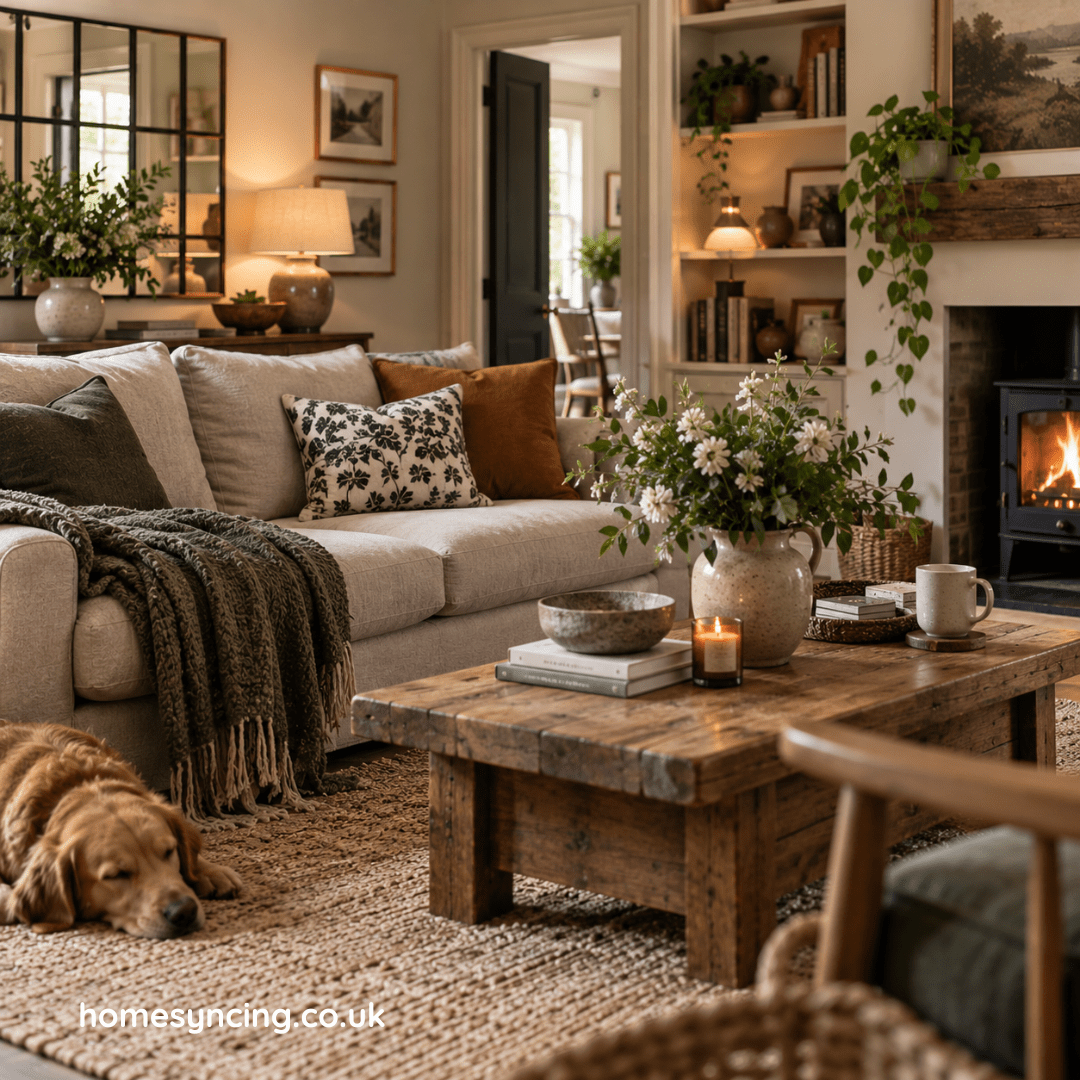
Renovating Without Losing Character

There is something unmistakably special about an older home.

Perhaps it is the uneven floorboards worn smooth by generations of footsteps, or the way afternoon light settles across original stone walls. Perhaps it is the quiet creak of a staircase, the depth of old window frames or fireplaces that once gathered entire households around their warmth. Period homes, cottages and traditional properties carry stories within them. They feel rooted, layered and deeply human in a way newer spaces sometimes struggle to replicate.

And yet, living in an older property often requires compromise too.

Modern life asks different things of our homes than it once did. We expect warmth, storage, efficient kitchens, practical bathrooms and spaces that support busy daily routines. Renovation becomes necessary not simply for aesthetics, but for comfort and functionality.

The challenge, of course, lies in improving a home without stripping away the very qualities that made it beautiful to begin with.

Because character, once removed, is remarkably difficult to restore.

Across Britain, many historic homes have survived because generations understood how to adapt them gradually rather than erase them entirely. Farmhouses gained extensions over centuries. Kitchens evolved as technology changed. Rooms shifted purpose alongside family life. Yet often, the original spirit of the building remained intact because alterations respected the rhythm and materials of the house itself.

Successful renovation still follows this principle today.

The most sympathetic renovations begin not with trends, but with observation. Older homes reveal what they need if given time. Thick walls shape light differently. Small windows create intimacy rather than expansiveness. Low ceilings encourage warmth and comfort. Original features often exist for practical reasons as much as aesthetic ones.

There can be a temptation during renovation to force period properties into modern expectations entirely — to open every room, smooth every surface and replace every imperfect detail. Yet homes lose depth when their individuality disappears beneath uniformity.

Crooked beams, worn brickwork and slightly uneven floors are not flaws to correct. They are often what make a property memorable.

Original materials play a remarkable role in preserving this atmosphere.

Natural stone, timber, lime plaster and aged brick all carry texture and warmth that modern synthetic finishes struggle to imitate convincingly. Where possible, restoring rather than replacing these materials often helps retain the soul of a home. Sanding back original floorboards, repairing sash windows or uncovering fireplaces can completely transform a property without removing its history.

Even signs of age can become beautiful when embraced thoughtfully. Wood darkened over time. Iron latches softened by use. Stone steps hollowed gently through centuries of footsteps. These details connect a home to its past in ways newer materials rarely can.

At the same time, renovation should never mean preserving discomfort for the sake of authenticity alone.

Older homes need to function for contemporary life. Kitchens must work practically. Bathrooms require warmth and efficiency. Insulation, lighting and heating improvements often make an enormous difference to how a property feels day to day.

The key lies in balance.

Modern additions tend to work best when they complement rather than compete with original architecture. Shaker kitchens sit naturally within cottages because their simplicity echoes traditional craftsmanship. Brass fittings age gracefully alongside older materials. Neutral paint colours allow original beams, stonework and fireplaces to remain central features within a room.

Lighting deserves particular attention within period properties.

Older homes were designed around natural daylight, firelight and softer evening illumination rather than bright overhead fixtures. Harsh modern lighting can quickly strip warmth from historic interiors. Layered lighting — wall lights, lamps and warm-toned bulbs — helps maintain atmosphere while improving practicality.

Storage also requires careful thought.

Traditional homes were not built around modern levels of possessions, and clever storage can dramatically improve comfort without compromising character. Built-in cupboards painted into alcoves, benches with hidden storage and shelving designed around existing architectural details all help preserve flow and openness within smaller spaces.

Colour choices matter enormously too.

Soft, earthy palettes tend to sit beautifully within older properties because they respond gently to natural materials and changing light. Warm whites, muted greens, clay tones and weathered blues create continuity with surrounding landscapes and architectural features. Strong trend-led colours can sometimes feel disconnected from the building itself, while more timeless tones allow the home’s original character to breathe.

Importantly, renovation is rarely only about aesthetics.

It is often about stewardship.

Owning a period home carries a quiet responsibility to protect what makes it distinctive while ensuring it continues to be lived in and loved for generations to come. The best renovations rarely feel entirely new. Instead, they feel as though the house has simply evolved naturally over time.

And perhaps that is why thoughtfully renovated homes feel so comforting.

They carry both history and life together within their walls.

Old beams above modern family kitchens. Antique fireplaces beside comfortable sofas. Traditional architecture softened by contemporary living. Rooms that respect the past without becoming trapped within it.

Because ultimately, character is not created through perfection.

It lives within texture, craftsmanship, age and atmosphere.

And when renovation honours those things carefully, older homes do not lose their soul.

They simply continue their story.

Further Reading: Affordable Decorating Ideas That Will Transform Your HomeSustainable Chic: A Beginner’s Guide to Circular DesignSmall Room, Big Impact

Daily Inspiration: Follow Us on Instagram, BlueSkyThreads , PinterestTwitterTikTok


Garden Rooms & Outdoor Living Spaces

There is a particular kind of magic that happens outdoors in the warmer months.

A table set beneath soft evening light. The scent of lavender drifting across a patio. Cushions warmed by the afternoon sun. The distant hum of bees moving through flower borders while conversation stretches gently into dusk. Outdoor spaces have a way of slowing life down, inviting people to linger longer than they intended.

And increasingly, gardens, balconies and patios are becoming far more than seasonal afterthoughts. They are evolving into true extensions of the home — outdoor rooms designed not simply for occasional use, but for living well.

Perhaps this shift reflects a growing desire to reconnect with nature and simpler rhythms. In a world dominated by screens and schedules, outdoor living offers something restorative. Fresh air through open doors. Morning coffee beneath climbing roses. Evenings gathered around lanterns while the light fades slowly overhead.

Historically, gardens have always been deeply connected to daily life. Cottage gardens provided food and medicine. Courtyards became spaces for work and gathering. Victorian terraces often centred around carefully tended outdoor retreats, however modest their size. The boundary between indoors and outdoors was softer than modern life sometimes allows.

Now, many people are rediscovering that connection once again.

The most welcoming outdoor spaces rarely depend upon size. A small balcony can feel every bit as atmospheric as a large country garden when designed thoughtfully. What matters most is creating comfort, warmth and a sense of invitation.

Furniture shapes this feeling immediately.

Outdoor seating has evolved far beyond practical plastic chairs hurriedly arranged for summer. Today’s garden furniture is designed with the same consideration as interior spaces — comfortable, textured and intended to encourage people to settle in properly.

Natural materials continue to hold timeless appeal outdoors. Wooden tables weather beautifully over time, softening into silvery tones beneath rain and sunlight. Rattan and woven furniture bring warmth and texture, helping patios and terraces feel relaxed rather than rigidly styled. Metal furniture, particularly in aged or heritage finishes, adds structure while still feeling elegant and enduring.

Comfort matters enormously in creating an outdoor room that genuinely gets used. Cushions layered across benches, throws draped over chairs for cooler evenings and generous seating arrangements all help blur the line between house and garden.

The goal is not perfection.

It is creating somewhere people naturally wish to gather.

Lighting transforms outdoor spaces perhaps more dramatically than anything else.

As daylight fades, carefully placed lighting changes the atmosphere entirely. Lanterns glowing beside pathways. String lights threaded through pergolas and fences. Candles flickering gently across dining tables. Warm lighting creates intimacy outdoors in much the same way it does indoors, softening edges and encouraging people to remain outside long after sunset.

Some of the most memorable gardens are experienced at dusk rather than in full daylight. Shadows deepen beneath trees. Pots and planting become silhouettes. The air cools and stillness settles gradually over the space. Good lighting allows gardens to remain part of the home well into the evening.

Plants themselves become part of the design far beyond decoration alone.

Climbing jasmine around seating areas introduces scent into summer evenings. Tall grasses soften patios with movement. Olive trees, herbs and lavender in terracotta pots create atmosphere even in compact courtyards and balconies. Layered planting helps outdoor spaces feel immersive and enclosed, particularly in urban settings where privacy may be limited.

And importantly, outdoor living works beautifully throughout the seasons, not solely during heatwaves.

Blankets stored within easy reach. Fire pits glowing on autumn evenings. Evergreen planting providing structure through winter. Covered pergolas sheltering outdoor tables from rain showers. The most successful outdoor rooms are those designed to evolve alongside changing weather rather than disappear once summer ends.

Accessories help complete the sense of continuity between indoors and outdoors.

Outdoor rugs soften stone patios beneath bare feet. Ceramic pots echo interior textures and colours. Side tables hold books, drinks and candles exactly as they would indoors. Thoughtful details prevent outdoor spaces from feeling temporary or disconnected from the rest of the home.

There is also a growing appreciation for slower outdoor rituals.

Breakfast outdoors before the day properly begins. Reading beneath an umbrella while rain clouds gather in the distance. Children playing barefoot across lawns while supper cooks nearby. These moments often become the memories people treasure most about home itself.

And perhaps that is why outdoor living spaces have become so important again.

Not because gardens need to look perfect for photographs, but because people increasingly value spaces that help them feel calmer, more connected and more present.

A garden room, whether large or small, offers something rare in modern life.

The opportunity simply to pause.

To sit beneath open skies. To listen to birdsong drifting through evening air. To gather with family and friends around tables softened by candlelight and conversation.

To feel, however briefly, part of the seasons once more.


Further Reading: Affordable Decorating Ideas That Will Transform Your HomeSustainable Chic: A Beginner’s Guide to Circular DesignSmall Room, Big Impact, The Return of the Dining Room

Daily Inspiration: Follow Us on Instagram, BlueSkyThreads , PinterestTwitterTikTok

Timeless Interior Trends That Never Date

Interior trends arrive and disappear with remarkable speed.

One year, homes are filled with cool grey tones and polished minimalism. The next, bold patterns and dramatic colours take centre stage. Yet while fashions shift endlessly, certain interiors continue to feel beautiful decade after decade. They age gently rather than becoming outdated. They settle into a home naturally, gathering warmth and character over time.

Perhaps that is because truly timeless interiors are not driven by trends at all.

Instead, they are shaped by materials, craftsmanship and atmosphere. They draw quietly from history, nature and everyday comfort rather than passing fashions. Across country cottages, Georgian townhouses and historic homes throughout Britain, many of the same details continue to appear generation after generation — natural wood worn smooth with use, linen curtains lifting softly at an open window, brass fittings dulled beautifully with age.

These are interiors designed not simply to impress, but to endure.

Natural wood sits at the heart of many timeless homes because it carries an honesty few materials can replicate. Oak tables marked gently by years of family meals. Pine dressers stacked with everyday crockery. Walnut desks positioned beside windows for morning light. Wood softens a room instinctively, bringing warmth and texture that never feels forced.

Unlike synthetic finishes that often date quickly, natural timber changes beautifully over time. Scratches, faded patches and softened edges become part of the story of a home rather than flaws to conceal. Historic houses understand this well. Floors creak gently beneath footsteps. Banisters shine where hands have passed over them for generations. Wear becomes character.

Linen has endured for similar reasons.

There is something wonderfully relaxed about linen interiors. Curtains never hang too stiffly. Bedding gathers softly in natural folds. Tablecloths wrinkle gently after long lunches shared with friends. Linen allows rooms to feel elegant without becoming formal.

Its appeal lies partly in imperfection. The texture catches light beautifully and creates movement within a room, softening harder surfaces like stone, wood and metal. In bedrooms especially, linen bedding brings an effortless calm that feels both luxurious and deeply comforting.

Soft neutral colours remain equally enduring because they create space for light and atmosphere to shift throughout the day.

Warm whites, chalky creams, stone shades and muted earth tones provide a quiet backdrop that rarely overwhelms a room. Rather than dominating attention, these colours allow architectural details, furniture and natural textures to take centre stage.

Historic interiors often rely on this balance instinctively. Gentle paint colours reflect changing daylight rather than fighting against it. Rooms feel calm during bright summer mornings and cocooning during darker winter evenings.

Importantly, timeless neutrals are rarely stark. There is warmth within them — hints of clay, oat, parchment and weathered stone. They echo landscapes beyond the window and connect interiors subtly to the natural world outside.

Antique brass carries a similar sense of quiet permanence.

Unlike highly polished chrome or trend-led metallic finishes, brass ages gracefully. Door handles soften with touch. Lamps gather warmth through patina. Kitchen fittings develop richness over years of use. There is something deeply reassuring about materials that improve rather than deteriorate with time.

Brass also works beautifully because it bridges styles so effortlessly. It sits comfortably beside traditional furniture yet feels equally at home within more contemporary interiors. This adaptability is often what makes a design truly timeless — the ability to evolve gently rather than remain fixed to one particular era.

Heritage-inspired interiors continue to resonate because they prioritise comfort, craftsmanship and longevity over novelty.

This does not necessarily mean filling homes with antiques or recreating historic rooms exactly as they once appeared. Instead, it is about borrowing the principles that made those interiors feel enduring in the first place.

Layered textures. Thoughtful furniture placement. Natural materials. Rooms designed for conversation, reading, gathering and rest.

Many older homes were arranged around daily rituals rather than visual perfection alone. Fireside chairs angled towards warmth and conversation. Long farmhouse tables positioned for family meals. Window seats built to capture changing light across gardens and countryside.

These details continue to appeal because they support how people genuinely wish to live.

Timeless interiors also resist excess.

There is breathing space within them. Shelves are curated rather than crowded. Furniture serves a purpose beyond decoration. Rooms unfold gradually instead of revealing everything at once. This restraint creates calm, allowing homes to feel welcoming rather than overwhelming.

Perhaps this growing appreciation for timeless interiors reflects something deeper within modern life itself.

In a world increasingly fast-paced and disposable, people are drawn towards homes that feel grounding and lasting. Interiors that age well offer reassurance. They encourage slower, more thoughtful living and remind us that beauty does not need constant reinvention.

And ultimately, that may be why certain styles never truly date.

Because they are rooted not in fashion, but in feeling.

Warmth. Comfort. Simplicity. Craftsmanship. Light.

The very things that have always made a house feel like home.

Further Reading: Affordable Decorating Ideas That Will Transform Your HomeSustainable Chic: A Beginner’s Guide to Circular DesignSmall Room, Big Impact

Daily Inspiration: Follow Us on Instagram, BlueSkyThreads , PinterestTwitterTikTok


The Return of the Dining Room

There was a time when the dining room quietly disappeared from many homes.

Tables were pushed into kitchen corners. Meals were balanced on laps in front of televisions. Busy schedules and hurried evenings slowly transformed dining spaces into somewhere occasional rather than essential. Formal dining rooms, in particular, were often viewed as unnecessary luxuries — rooms reserved for Christmas lunch or untouched beneath carefully arranged chandeliers.

And yet, something has shifted once again.

Across homes both large and small, people are rediscovering the simple importance of gathering around a table. Not for perfection or ceremony, but for connection. For conversation stretching long after plates are cleared. For slowing the rhythm of everyday life, even briefly, and returning to rituals that feel grounding and human.

The dining room, in many ways, is returning not as a formal showpiece, but as the emotional centre of the home.

Historically, dining spaces have always carried significance far beyond food itself. In cottages, farmhouses and historic homes across Britain, tables were places where life unfolded collectively. Bread was sliced beside candlelight. Letters were written after supper. Children learnt, families argued, guests lingered and stories passed between generations.

The table anchored the household.

Even today, some of the most memorable moments in life still happen gathered around one. Sunday roasts shared slowly while rain taps against windows. Tea poured for visiting friends. Birthday candles glowing softly in dim evening light. Quiet weekday meals after difficult days.

A dining space offers something modern life often lacks — uninterrupted presence.

Perhaps that is why people are increasingly drawn towards creating dining rooms that feel welcoming, relaxed and deeply lived in rather than overly formal. The modern dining room is no longer about preserving untouched perfection. Instead, it is about atmosphere.

And atmosphere begins with the table itself.

Natural wood continues to hold enduring appeal because it immediately introduces warmth and familiarity. Oak, pine and walnut dining tables soften beautifully with time, collecting marks and memories rather than losing value through wear. Scratches from family dinners and faded patches from sunlight become part of the room’s story.

Round tables create intimacy in smaller spaces, encouraging conversation to flow more naturally. Long rectangular farmhouse tables suit larger gatherings beautifully, drawing people together while allowing the room to feel generous and sociable.

Importantly, the dining room no longer needs to exist as a separate formal room to feel special. In many homes, even the smallest corner can become somewhere inviting with thoughtful design.

A simple table beside a window. A bench softened with cushions. A pendant light hanging low overhead. Shelves lined with ceramics and glassware gathered over time rather than purchased all at once. These details transform everyday dining into something slower and more intentional.

Lighting changes dining spaces dramatically.

Harsh ceiling lights rarely encourage lingering. Softer lighting creates intimacy instead. Pendant lamps positioned low above a table help define the dining area even within open-plan homes, while candles and table lamps soften the atmosphere further as evening falls.

Some of the most welcoming dining spaces feel almost cocooning at night — pools of warm light surrounded by darker corners and gentle shadows. Restaurants have long understood this balance, but increasingly people are bringing the same layered warmth into their own homes.

Texture also plays an important role in making dining rooms feel comfortable rather than staged.

Linen tablecloths draped casually across wooden tables. Woven placemats. Upholstered chairs softened with use. Fresh flowers gathered loosely from the garden. These layers create ease and warmth without demanding perfection.

There is also a growing appreciation for dining spaces that evolve naturally throughout the day.

Morning coffee beside newspapers and sunlight. Afternoon homework spread across the table. Evening meals shared beneath soft lighting. The modern dining room is expected to work harder than before — not only for entertaining guests, but for supporting everyday life itself.

Storage has become part of this evolution too. Dressers, sideboards and open shelving help dining areas remain practical while adding character. Glassware catches the light beautifully behind cabinet doors. Stacks of plates and bowls create a sense of abundance and hospitality. Vintage finds mixed with modern pieces prevent rooms from feeling overly styled.

And perhaps that is the real charm of today’s dining rooms.

They are becoming less formal and more personal.

Less about presentation and more about belonging.

Because in the end, people rarely remember perfectly arranged interiors. They remember the feeling of warmth around a table. The sound of laughter carrying late into the evening. The comfort of shared meals after long days.

The dining room’s return is not truly about furniture or trends at all.

It is about rediscovering the quiet importance of gathering together.

Something humans have always needed, and perhaps always will.

Further Reading: Affordable Decorating Ideas That Will Transform Your HomeSustainable Chic: A Beginner’s Guide to Circular DesignSmall Room, Big Impact

Daily Inspiration: Follow Us on Instagram, BlueSkyThreads , PinterestTwitterTikTok


Ways to Make Your Home Feel More Expensive

There is a common misconception that beautiful interiors are built entirely through large budgets and endless renovation projects.

Yet some of the most elegant homes feel luxurious for far quieter reasons. A softly glowing lamp in the corner of a room. Linen curtains moving gently in an open window. A polished wooden table carrying the marks of years of use. Fresh flowers gathered carelessly in a jug by the sink. These details create atmosphere and depth long before expensive furniture ever enters the picture.

A home that feels refined rarely depends upon extravagance.

Instead, it is shaped by thoughtfulness.

Across historic houses, cottages and country homes throughout Britain, there is often a shared sense of calm and permanence within interiors. Rooms feel layered rather than hurried. Furniture sits comfortably within the space. Nothing shouts for attention, yet everything feels considered. The overall effect is welcoming, elegant and timeless.

And importantly, much of that feeling can be recreated without spending excessively at all.

Perhaps the greatest difference between interiors that feel expensive and those that feel cluttered lies in restraint. A room overloaded with decoration, furniture or accessories quickly loses its sense of calm. The eye has nowhere to settle. By contrast, thoughtfully edited spaces immediately feel more refined because they allow individual pieces room to breathe.

This does not mean homes should feel sparse or impersonal. Quite the opposite.

Character is what gives a home richness.

But carefully chosen objects often create greater impact than endless accumulation. A single oversized lamp beside a chair. One large framed artwork rather than many smaller pieces competing for attention. A beautiful ceramic bowl resting on a coffee table instead of crowded shelves.

Expensive-looking interiors tend to feel intentional rather than crowded.

Lighting changes a room perhaps more dramatically than anything else.

Harsh overhead lighting can flatten even the most beautifully designed space, while softer layered lighting instantly creates warmth and atmosphere. Table lamps positioned thoughtfully around a room draw attention to cosy corners and soften shadows. Wall lights add depth. Candles flickering on shelves or dining tables introduce movement and intimacy.

Historic homes have long understood the importance of gentle lighting. Rooms were designed around fires, candlelight and natural daylight rather than bright central fixtures. Even today, spaces feel far more luxurious when lighting is layered and warm rather than overly bright.

Texture quietly adds richness too.

One of the reasons boutique hotels and carefully designed interiors feel so inviting is because they combine contrasting materials beautifully. Linen beside polished wood. Wool throws against smooth cotton bedding. Stoneware ceramics resting on reclaimed timber surfaces. Texture prevents rooms from feeling flat or sterile.

Natural materials in particular always carry an understated elegance. Linen curtains soften light beautifully. Wooden furniture develops character over time. Woven baskets add warmth while remaining practical. Brass details gain depth through age and touch.

These materials not only look timeless, but also age gracefully — something cheaper synthetic finishes often struggle to achieve.

Colour palettes also shape how a home feels emotionally.

Soft neutrals continue to endure because they create calm rather than visual noise. Warm whites, muted greens, stone shades and earthy tones reflect natural light gently and allow rooms to feel larger, lighter and more cohesive. Importantly, luxurious interiors rarely rely on stark contrast alone. Instead, colours are layered subtly, creating harmony throughout the home.

Even in smaller spaces, continuity of colour between rooms helps interiors feel calmer and more thoughtfully designed.

Curtains and soft furnishings are often overlooked, yet they contribute enormously to the feeling of comfort and quality within a home. Full-length curtains hung higher than window frames naturally draw the eye upwards, helping rooms feel taller and more elegant. Cushions layered thoughtfully across sofas and beds soften interiors immediately.

And sometimes, it is the smallest rituals that create the strongest impression of luxury.

Fresh flowers on the kitchen table. A tray beside the bed with books and a carafe of water. Thick towels folded neatly in the bathroom. Scented candles glowing softly on rainy evenings. These details create atmosphere not because they are extravagant, but because they encourage people to slow down and enjoy their surroundings more fully.

Decluttering also plays an important role, though not in the stark, clinical way often portrayed online.

The most beautiful homes still feel lived in. Shoes by the door. Books stacked beside chairs. Blankets draped casually across sofas. The difference is that belongings have rhythm and purpose rather than visual chaos.

Storage helps enormously here. Baskets conceal everyday clutter while adding texture. Sideboards allow surfaces to remain calmer. Shelving creates display space for meaningful objects rather than endless accumulation.

Ultimately, making a home feel more expensive has very little to do with chasing trends.

It is about creating a sense of ease.

Rooms that feel comfortable rather than chaotic. Spaces layered with warmth, texture and gentle lighting. Interiors that reflect the people living within them rather than temporary fashions.

Because true luxury at home is rarely about perfection.

It is about atmosphere.

A quiet sense of calm when you walk through the door. Warm pools of light on winter evenings. Furniture softened through use. Rooms that welcome people in and invite them to stay a little longer.

And often, those are the details that cost the least, yet matter the most.

Further Reading: Affordable Decorating Ideas That Will Transform Your HomeSustainable Chic: A Beginner’s Guide to Circular Design, Small Room, Big Impact

Daily Inspiration: Follow Us on Instagram, BlueSkyThreads , PinterestTwitterTikTok


Translate »