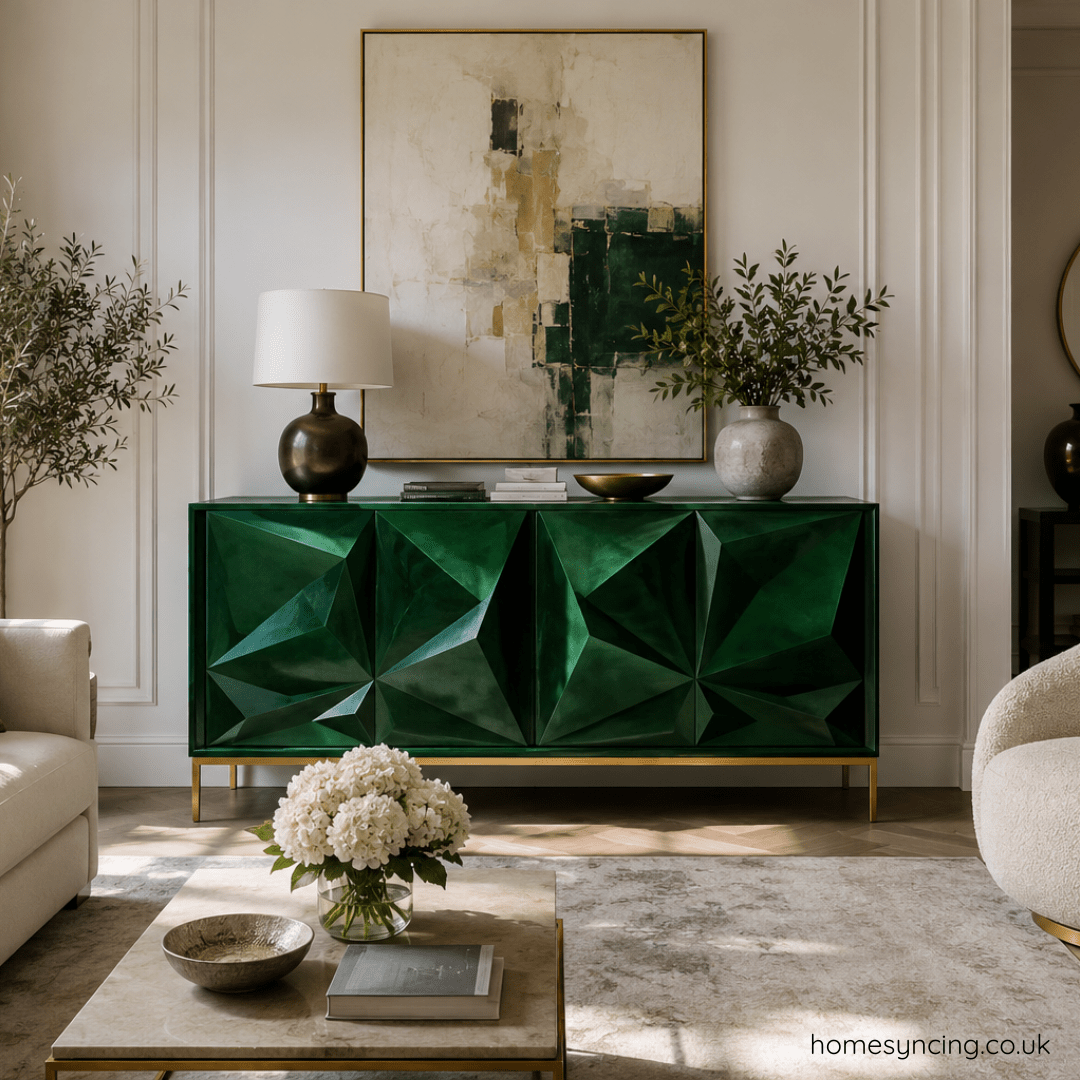
Small Room, Big Impact

There is something rather charming about a smaller home.

Perhaps it is the way light settles more softly in compact rooms, or how every corner feels purposeful and personal. Small homes encourage a certain kind of living — thoughtful rather than excessive, careful rather than cluttered. They ask us to consider not simply what we own, but how we wish to feel within the spaces we inhabit.

Across Britain, some of the most memorable interiors are found not in sprawling houses, but in cottages, terraces, converted lofts and modest rooms shaped by ingenuity and warmth. Historic homes have long understood the quiet art of making compact spaces feel generous. Window seats were built into alcoves. Furniture worked harder. Walls reflected light. Every inch carried meaning.

And perhaps that is why smaller homes often feel so comforting. They invite closeness. They gather life around them.

Designing a compact space well is rarely about trying to make it appear grand. Instead, it is about creating balance, calm and ease. A room that functions beautifully immediately feels larger because it allows the eye — and mind — to rest.

Light plays an extraordinary role in this.

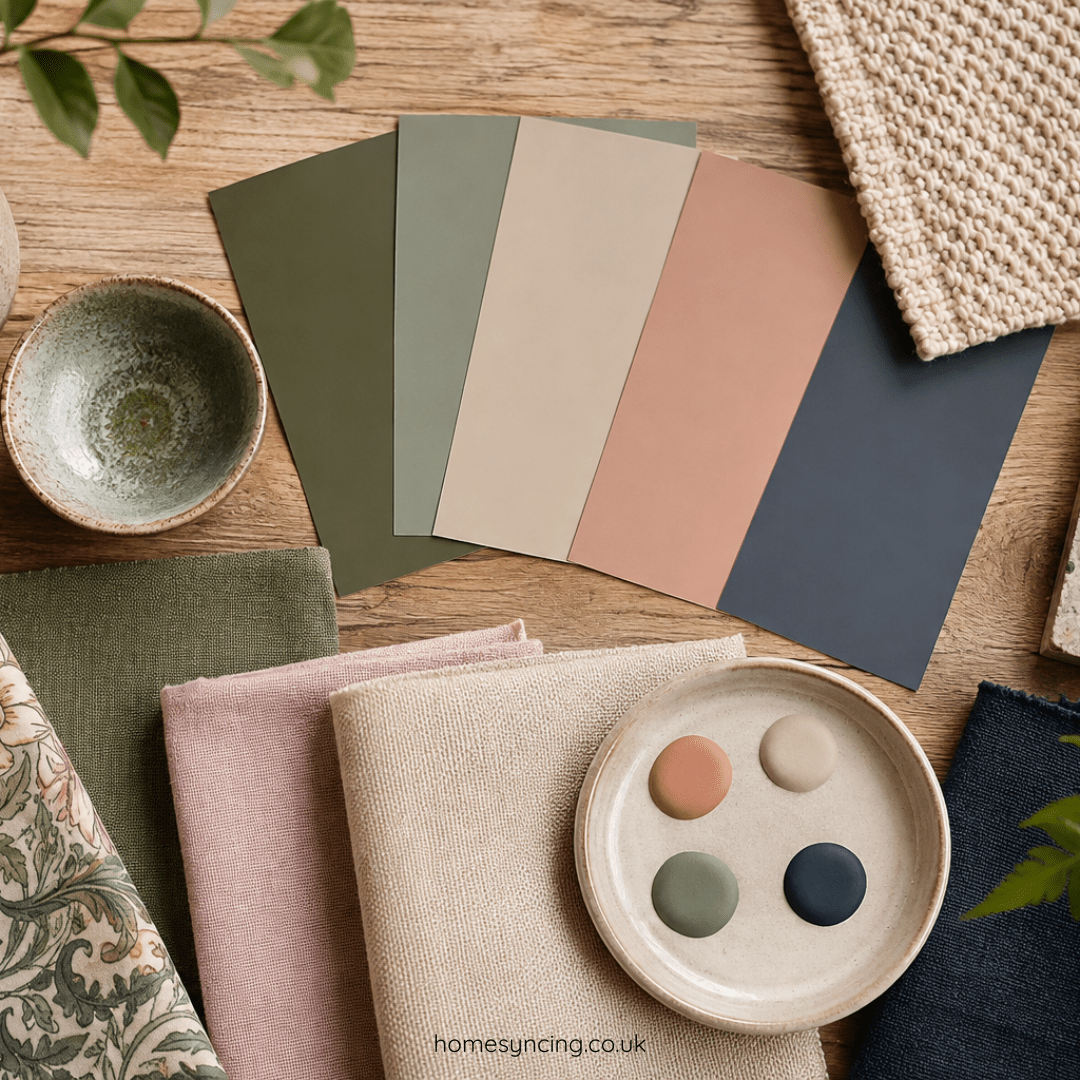
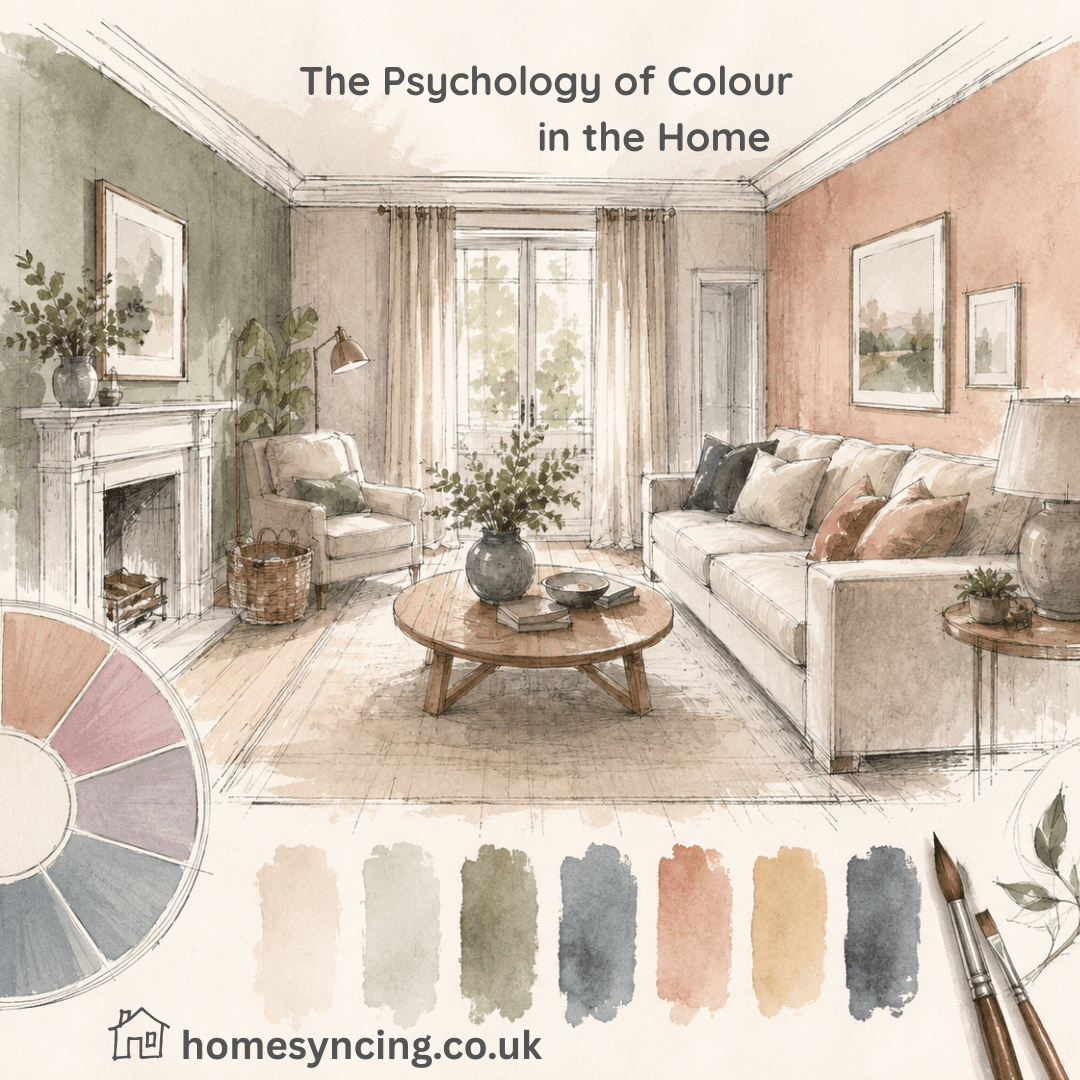
In smaller rooms, natural light becomes almost architectural in its importance. Pale walls that catch changing daylight can transform even the narrowest room into somewhere airy and calm. Soft whites, warm stone shades, muted greens and gentle earth tones help spaces feel open without becoming cold or clinical.

There is a tendency in modern interiors to chase stark brightness, yet smaller homes often benefit from warmth rather than starkness. A creamy neutral reflects light beautifully while still feeling welcoming on darker winter afternoons. Soft sage greens and weathered blues echo the natural world outside, bringing a sense of quiet spaciousness indoors.

Mirrors, too, have long been used to remarkable effect.

In old cottages and Georgian townhouses alike, mirrors were carefully positioned to draw daylight deeper into interiors. A well-placed mirror opposite a window does far more than reflect a room; it doubles the sense of atmosphere. Candlelight flickers further. Garden views stretch indoors. Small dining rooms suddenly feel layered with depth.

Yet the secret lies in subtlety. A mirror should feel part of the room rather than a trick within it. Antique finishes, aged frames and softly shaped glass often create a gentler, more timeless effect than oversized, overly polished designs.

Furniture choices shape compact living perhaps more than anything else.

A room crowded with oversized pieces can quickly feel heavy, regardless of square footage. Smaller homes benefit from furniture that allows space to breathe around it. Raised legs beneath sofas and chairs reveal more floor, helping rooms feel lighter and less enclosed. Round dining tables soften movement through tight spaces. Benches tuck neatly beneath tables when not in use.

Multifunctional furniture has become increasingly valuable in modern homes, though the concept itself is hardly new. Window seats once stored blankets beneath hinged lids. Kitchen dressers displayed crockery while concealing practical storage below. Day beds shifted effortlessly between seating and sleeping.

Today, the same thoughtful approach continues. Ottomans hide away winter throws. Console tables unfold into dining spaces when guests arrive. Shelving climbs vertically rather than spreading outwards, drawing the eye upwards and giving rooms greater visual height.

Storage, when handled well, quietly transforms a home.

The most peaceful interiors are rarely those with the fewest possessions, but those where belongings have somewhere proper to belong. Built-in shelving around doorways, baskets tucked beneath benches, hooks lining hallway walls and fitted cupboards painted to blend with surrounding walls all help reduce visual noise.

In smaller homes especially, clutter does not simply occupy physical space. It interrupts calm.

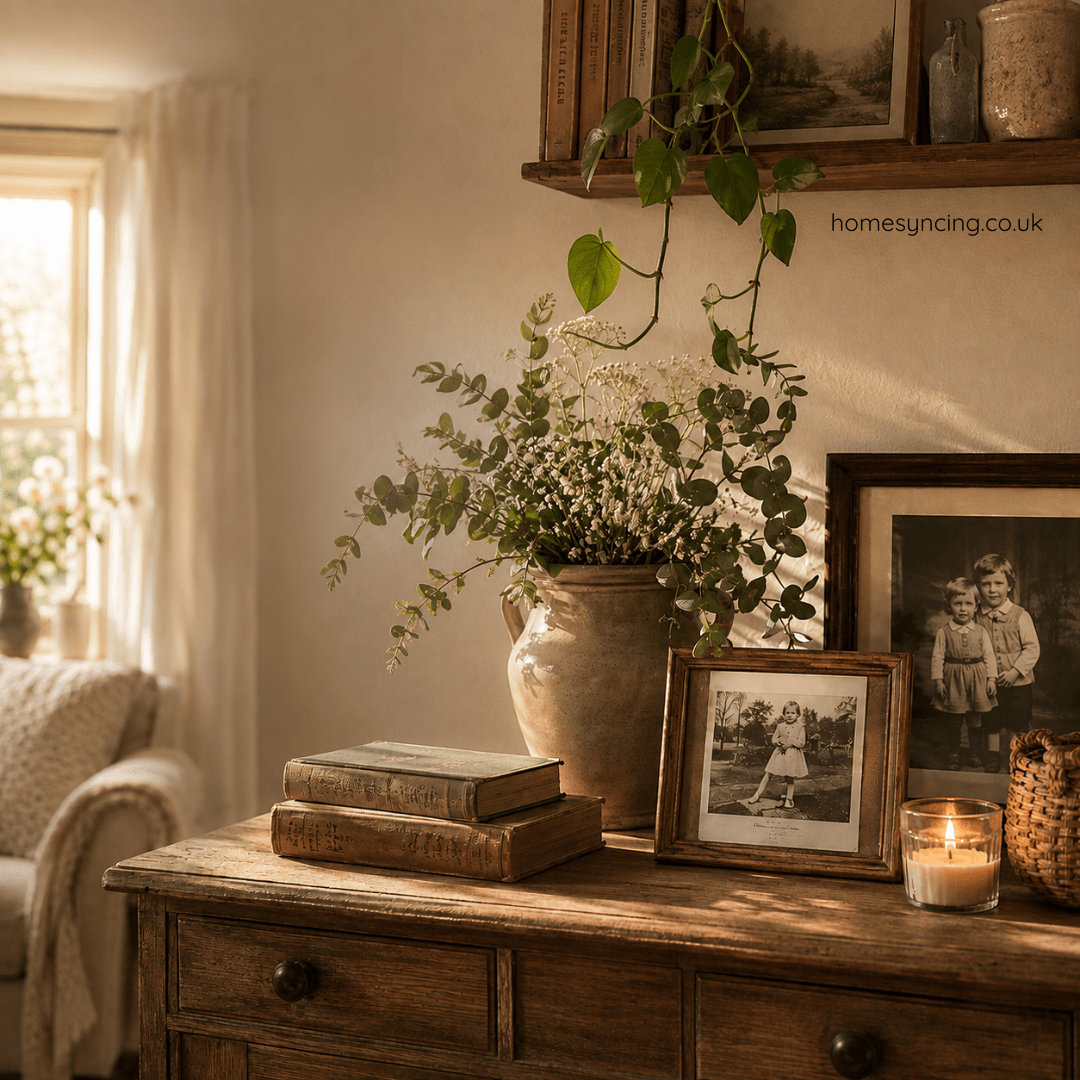
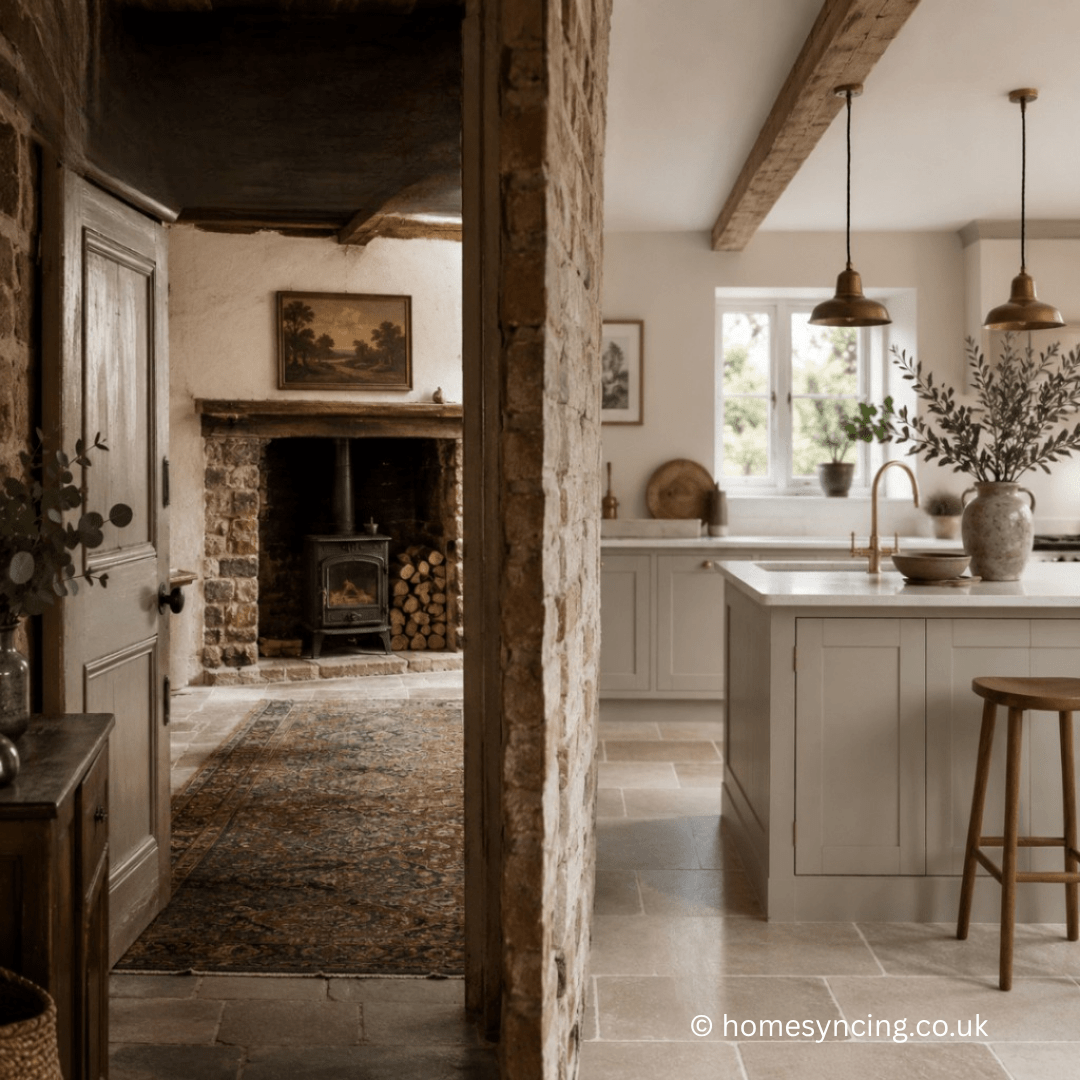
Texture becomes particularly important in compact interiors because it adds richness without overcrowding a room. Linen curtains softening a window. Wool throws folded across an armchair. Woven baskets beside the fire. Natural textures create depth gently, allowing smaller spaces to feel layered and lived in without becoming visually overwhelming.

There is also something deeply comforting about compact rooms designed around everyday rituals.

A reading chair beside a lamp and small table. A kitchen shelf lined with favourite mugs. A narrow hallway made welcoming through warm lighting and framed prints. These details may seem modest, yet they shape how a home feels emotionally.

And ultimately, that is what successful small-space design is truly about.

Not pretending a room is larger than it is, but helping it feel calm, useful and deeply welcoming.

Some of the most inviting homes are not expansive at all. They are homes where light falls softly across painted floorboards, where furniture has been chosen with care, and where every corner serves a quiet purpose.

Homes where life fits beautifully within the space available.

Because a small room, thoughtfully designed, never feels lacking.

Instead, it feels intimate, characterful and wonderfully alive.


Further Reading: Affordable Decorating Ideas That Will Transform Your HomeSustainable Chic: A Beginner’s Guide to Circular Design

Daily Inspiration: Follow Us on Instagram, BlueSkyThreads , PinterestTwitterTikTok

The Art of a Welcoming Home

There is a certain feeling some homes carry the moment you step through the door.

It is not perfection. Nor is it necessarily size, expense or the latest interior trend. Instead, it is something quieter. A softness in the lighting. The familiar creak of floorboards beneath your feet. A chair angled towards the fire as though someone has only just risen from it. The faint scent of lavender drifting through the hallway. A sense that life is unfolding gently here.

The most welcoming homes are rarely the most polished. They are the homes that feel lived in, layered over time with comfort, meaning and care.

Across old country houses, cottages and historic homes throughout Britain, there is a recurring thread that makes interiors memorable. Rooms are designed not simply to impress, but to nurture. Furniture is chosen for use as much as beauty. Fabrics soften hard edges. Lamps glow warmly against dark evenings. Shelves gather books, photographs and objects collected over years rather than hurriedly bought to fill empty space.

A welcoming home tells a story long before anyone speaks.

In many ways, modern life has shifted our understanding of home. Our houses are no longer simply somewhere to sleep at the end of the day. They have become offices, sanctuaries, gathering places and retreats from an increasingly noisy world. The desire to create calm interiors has grown alongside the pace of modern living itself.

And perhaps that is why people are once again drawn towards slower, more thoughtful interiors. Natural wood. Linen curtains moving gently in an open window. Handmade ceramics stacked beside the kettle. A comfortable armchair that invites you to sit for a while rather than scroll endlessly on a screen.

Furniture plays a remarkable role in shaping this atmosphere.

A well-made dining table, for instance, becomes far more than furniture. It is where homework is finished, birthday candles are blown out, conversations drift long into the evening and cups of tea are shared on difficult days. Sofas soften with use and familiarity. Hall benches gather muddy boots after long countryside walks. Bookshelves quietly reveal the personality of the people who live there.

The most welcoming interiors are rarely overfilled. Instead, they allow space for breathing room. Rooms feel calmer when furniture is arranged thoughtfully, with movement and comfort in mind rather than simply symmetry. A chair beside a lamp creates an invitation to read. A bench beneath a window encourages quiet moments of pause. Even in smaller homes, carefully chosen pieces create ease rather than clutter.

Lighting matters just as deeply.

Harsh overhead lights can flatten a room entirely, while softer pools of layered light create warmth and intimacy. Table lamps, wall lights, candles and low evening lighting gently alter the atmosphere of a home as daylight fades.

There is a reason historic homes often feel comforting even on grey days. Light is allowed to glow softly against painted walls, wood panelling and textured fabrics. Shadows are embraced rather than erased. Cosiness is created not through brightness, but through balance.

In many homes, scent quietly completes the experience.

The smell of bread baking in the kitchen. Beeswax polish on old furniture. Eucalyptus hanging in the bathroom. Fresh herbs on a windowsill. These small sensory details linger in memory long after visual impressions fade.

Natural scents often create the strongest feeling of comfort because they connect us instinctively to seasons and places. Citrus in summer. Woodsmoke in winter. Lavender in freshly washed linen. Rosemary brushed accidentally in the garden before guests arrive.

Texture, too, changes how a home feels emotionally.

Smooth stone beside soft wool throws. Worn wooden tables beneath cool ceramics. Linen bedding crumpled slightly by use. Texture prevents interiors from feeling flat or impersonal. It brings warmth, depth and humanity into a room.

Some of the most beautiful interiors are built quietly through layering rather than decorating all at once. A vintage chest found at a market. A woven basket carried home from holiday. A lamp inherited from family. Homes gain soul through gradual collection.

And perhaps that is the true art of a welcoming home.

Not chasing perfection, but creating spaces that allow people to exhale.

A welcoming home does not ask visitors to admire it from a distance. It invites them in. To sit down. To stay longer than planned. To feel comforted by familiar rituals and softened surroundings.

Because in the end, the homes we remember most are rarely the immaculate ones.

They are the homes where lamps glowed warmly against rainy evenings. Where kitchens smelled of something cooking slowly. Where blankets were draped carelessly across chairs and conversation filled the rooms.

Homes that felt deeply, reassuringly lived in.

Further Reading: Affordable Decorating Ideas That Will Transform Your HomeSustainable Chic: A Beginner’s Guide to Circular DesignSmall Room, Big Impact

Daily Inspiration: Follow Us on Instagram, BlueSkyThreads , PinterestTwitterTikTok


Create a Relaxing Bedroom Retreat

There is something deeply comforting about walking into a bedroom that instantly encourages you to slow down.

The curtains are half drawn against the evening sky. Lamps glow softly beside the bed. Fresh linen carries the faint scent of lavender. Cushions sit slightly imperfectly against crumpled bedding, inviting rest rather than display. The room feels calm, unhurried and restorative — less like somewhere designed merely for sleeping and more like a quiet retreat from the noise of everyday life.

Perhaps that is why boutique hotels continue to hold such appeal. Beyond beautiful interiors, they offer something people increasingly crave: atmosphere. A sense of pause. Spaces designed carefully enough to make us feel cared for the moment we arrive.

Yet creating this feeling at home rarely depends upon extravagance. The most restful bedrooms are often the simplest. Rooms where colour, texture, lighting and furniture work gently together to create ease.

Historically, bedrooms were not always designed with comfort as their central purpose. In many older homes, bedrooms were practical, often cold spaces, furnished modestly and used largely for necessity rather than retreat. Today, however, our understanding of rest has shifted entirely.

Bedrooms have become sanctuaries.

In a world filled with constant notifications, harsh lighting and endless distraction, the bedroom offers one of the few opportunities to step away from stimulation and return to quiet. The way a room feels emotionally has become just as important as how it functions physically.

And often, the transformation begins with the bed itself.

There is a noticeable difference between a bed made purely for appearance and one layered for genuine comfort. Boutique hotels understand this instinctively. Bedding is rarely flat or overly structured. Instead, layers create softness and warmth. Crisp cotton sheets beneath textured quilts. Linen pillowcases alongside heavier cushions. A wool throw folded loosely across the end of the bed.

These layers invite rest not simply because they look beautiful, but because they appeal to the senses. Texture creates comfort visually long before we climb beneath the covers.

Natural fabrics play an important role in this atmosphere. Linen softens over time and carries an effortless, relaxed quality. Cotton remains cool and breathable. Wool adds warmth through colder months without feeling overly heavy. Together, these materials create a bedroom that feels lived in rather than staged.

Colour shapes the mood just as deeply.

The most restful bedrooms rarely rely on bright contrast or strong visual noise. Instead, they borrow gently from nature. Soft stone shades, muted greens, warm whites, dusty blues and earthy neutrals all create a sense of stillness.

There is something undeniably calming about colours that echo landscapes beyond the window. Sage greens reminiscent of gardens after rain. Sand tones that carry warmth even on grey mornings. Deep blue-greys that feel cocooning as daylight fades.

Importantly, restful colour palettes do not need to feel cold or minimalist. Warmth matters enormously in a bedroom. A room should feel enveloping, particularly during long winter evenings when comfort becomes essential.

Lighting perhaps changes a bedroom more dramatically than any other single element.

Overhead lights alone often leave bedrooms feeling functional rather than restorative. Softer layers of lighting create depth and gentleness instead. Bedside lamps cast pools of warm light for reading. Wall lights soften corners. Candles flicker quietly across dressing tables and shelves.

The most inviting bedrooms allow darkness to arrive gradually.

Boutique hotels often use lighting to create emotional calm rather than brightness, and the same principle works beautifully at home. Warm bulbs, dimmable lamps and shaded lighting immediately make a room feel more restful.

Furniture choices also shape how a bedroom functions emotionally.

Crowded rooms rarely feel peaceful. Bedrooms benefit from thoughtful restraint — furniture chosen carefully for comfort, proportion and purpose rather than excess. A bedside table with space for books and tea. A comfortable chair in the corner for quiet mornings. Storage that conceals rather than overwhelms.

The most relaxing bedrooms often leave a little empty space visible. Floorboards uncovered by unnecessary furniture. Shelves with breathing room between objects. Surfaces that feel calm rather than crowded.

This sense of space allows the mind to settle too.

Scent quietly completes the atmosphere in ways people often underestimate.

Lavender resting beside the bed. Eucalyptus hanging gently from a wardrobe handle. Fresh linen dried outdoors carrying traces of summer air. These subtle details create familiarity and comfort that linger long after the lights are switched off.

Even sound influences how a bedroom feels. Thick curtains soften noise from outside. Rugs absorb echoes. Upholstered headboards and layered textiles help create a quieter, gentler room overall.

And perhaps that is the true secret behind creating a restful bedroom retreat.

It is not about recreating luxury for appearance alone.

It is about designing a room that allows rest to happen more naturally. A room that softens the edges of busy days. Somewhere that welcomes you at the end of winter evenings, rainy afternoons and exhausting weeks with warmth and quiet reassurance.

Because the best bedrooms are not simply places where we sleep.

They are places where we recover.


Further Reading: Affordable Decorating Ideas That Will Transform Your HomeSustainable Chic: A Beginner’s Guide to Circular DesignSmall Room, Big Impact

Daily Inspiration: Follow Us on Instagram, BlueSkyThreads , PinterestTwitterTikTok

Slow Living at Home

There is a certain kind of comfort found in ordinary moments at home.

A chair pulled close to the window on a rainy afternoon. The first cup of coffee before the rest of the house wakes. A blanket folded over the arm of the sofa, ready for colder evenings. Lamps glowing softly while darkness gathers outside. These small rituals often bring more peace than grand gestures ever could.

Modern life moves quickly. Notifications arrive constantly. Days become crowded with errands, screens and endless background noise. Home, increasingly, has become somewhere people long to feel restored rather than simply occupied.

And perhaps that is why so many are drawn towards a gentler way of living indoors.

Not necessarily slower in the literal sense, but more intentional. More comforting. More connected to everyday rituals that allow space to breathe.

Historically, homes naturally encouraged this rhythm. Before constant entertainment and digital distraction, evenings unfolded differently. People gathered around fires, wrote letters beneath lamplight, read quietly in corners softened by candlelight and listened to weather moving beyond the windows. Rooms were designed around warmth, conversation and rest.

Many of those comforting traditions still hold enormous appeal today.

Creating a calmer atmosphere at home rarely depends upon expensive interiors or dramatic redesigns. Instead, it is often the quieter details that change how a space feels emotionally.

A reading corner, for instance, can transform an overlooked corner of a room into somewhere restorative. A comfortable chair beside a lamp. A small table stacked with books. A throw folded nearby for colder evenings. The space itself may be simple, yet it gently encourages stillness in a world that rarely pauses.

Importantly, these spaces work because they invite use rather than perfection.

The most comforting homes are rarely immaculate. They carry signs of life within them — books left open, mugs cooling beside armchairs, blankets softened through use. Rooms feel welcoming when they support real rituals rather than existing purely for display.

Soft lighting shapes this atmosphere profoundly.

Harsh overhead lights often keep rooms feeling functional and alert long into the evening, while warmer layered lighting helps signal rest. Table lamps glowing in darker corners. Candles flickering quietly on shelves. Wall lights softening hallways and bedrooms. The transition from daylight into evening becomes gentler and calmer when lighting is approached thoughtfully.

Historic homes understood this instinctively. Interiors were shaped around fireside warmth and pools of candlelight rather than bright uniform illumination. Even today, homes feel more peaceful when light arrives softly rather than all at once.

Texture also contributes enormously to comfort.

Natural fabrics invite people to settle in properly. Linen cushions, wool throws, cotton bedding and woven rugs all create warmth both visually and physically. Texture softens hard surfaces and prevents rooms from feeling cold or impersonal.

Cosiness, after all, is not about clutter.

It is about softness.

Coffee and tea rituals have quietly become part of this slower approach to home too. Simple coffee stations arranged with favourite mugs, jars of beans, loose-leaf teas and well-used cafetières turn ordinary mornings into something more grounding. The process itself becomes part of the comfort — boiling the kettle, grinding coffee, waiting for tea to steep while early light settles across the kitchen.

These small pauses create rhythm within the day.

Bedrooms increasingly reflect this desire for calm as well. Soft bedding layered gently rather than perfectly arranged. Books beside the bed instead of glowing screens. Curtains filtering morning light slowly rather than abruptly. Bedrooms are becoming less about decoration alone and more about genuine restoration.

Even scent influences how restful a home feels.

Lavender on freshly washed linen. Eucalyptus in the bathroom. Bread baking slowly in the kitchen. Cedarwood candles glowing during darker evenings. Familiar scents create reassurance and emotional warmth often before we consciously notice them.

There is also something deeply comforting about creating spaces that encourage hobbies and slower pleasures.

A table for puzzles or painting. Shelves lined with gardening books. A basket beside the sofa filled with knitting or sketchbooks. These details remind us that home should support creativity and rest as much as productivity.

And perhaps that is the heart of slow living at home.

Not withdrawing entirely from modern life, but creating moments within the day that feel quieter, softer and more intentional.

Moments that allow people to reconnect with themselves, with family and with the spaces they inhabit.

Because often, the homes we remember most are not the grandest.

They are the homes where lamps glowed warmly on winter evenings. Where rain tapped against windows while tea brewed nearby. Where blankets gathered people together and conversation stretched long into the night.

Homes that offered comfort not through perfection, but through atmosphere.

Places where life felt gentler for a little while.

Further Reading: Affordable Decorating Ideas That Will Transform Your HomeSustainable Chic: A Beginner’s Guide to Circular DesignSmall Room, Big Impact

Daily Inspiration: Follow Us on Instagram, BlueSkyThreads , PinterestTwitterTikTok


Touch of Sparkle: Chandelier Lighting

Lighting does so much more than simply help us see in the dark. It shapes the mood of a room, influences how we feel, and acts as the jewellery that finishes an outfit. While spotlights are practical and lamps are cosy, nothing quite captures the imagination like a chandelier.

For centuries, these dazzling fixtures have been the crown jewels of interiors. But if you think they are reserved solely for grand ballrooms or palaces, think again. Today, the chandelier has evolved. It is accessible, versatile, and ready to transform any space into something truly special. Whether you are renovating a period property or adding character to a new build, discovering the joy of statement lighting is an adventure in design.

What defines a chandelier?

At its simplest, a chandelier is a branched ornamental light fixture designed to be mounted on ceilings or walls. Unlike a standard pendant light, which typically hangs from a single cord with one bulb, a chandelier features multiple arms or branches holding multiple light sources.

The word itself comes from the French ‘chandelle’ meaning candle, hinting at its origins. However, the modern definition has expanded beautifully. While we still love the classic tiered crystal designs that catch the light in a thousand tiny rainbows, the category now includes sleek industrial metals, rustic wooden beams, and mid-century modern starbursts. It is less about a specific material and more about the impact. A chandelier is designed to command attention and serve as the artistic centrepiece of a room.

From candlelight to electric dreams

The history of the chandelier is a journey through time, reflecting the changing tastes and technologies of the ages.

In the medieval period, the earliest chandeliers were strictly functional. They were simple wooden crosses with spikes to hold candles, hoisted into the air by ropes in churches and abbeys. They were rustic, practical, and a far cry from the glitter we associate with the name today.

It wasn’t until the 16th and 17th centuries that they became status symbols. Rock crystal chandeliers began to appear in the homes of the wealthy, designed to refract the weak light of candles and amplify the brightness in a room. By the 18th century, the discovery of lead crystal changed everything. Glassmakers discovered that adding lead oxide to glass made it clearer, easier to cut, and incredibly prismatic. This led to the creation of the elaborate, glittering fixtures that adorned the palaces of Europe.

The 19th century brought gas lighting, followed by the electric revolution. Suddenly, chandeliers didn’t need to catch candle smoke; they could be cleaner, brighter, and more creative. Today, we have the freedom to enjoy designs from any of these eras, mixing history with modern LED efficiency.

Breaking the ‘stately home’ myth

There is a common misconception that you need high ceilings, decorative cornicing, and a manor house address to hang a chandelier. This simply isn’t true.

Modern lighting designers have democratised elegance. You can find petite chandeliers designed specifically for cloakrooms or hallways, and flush-mount options (where the fixture sits closer to the ceiling) that provide all the drama without stealing your headspace in rooms with lower ceilings.

The style of your home shouldn’t hold you back, either.

  • For the minimalist: Look for clean lines, geometric shapes, and matte black or brass finishes.
  • For the rustic cottage: Consider fixtures made from distressed wood, wrought iron, or designs that mimic antlers.
  • For the urban apartment: Industrial styles using exposed bulbs and pipework create a trendy, loft-style vibe.

A chandelier is no longer a symbol of exclusion; it is an invitation to express your personal style, regardless of your square footage.

Why invite a chandelier into your home?

Aside from their obvious beauty, there are compelling reasons to choose a chandelier over standard downlights or plain shades.

Instant focal point

Every room needs an anchor—a place for the eye to rest. In a living room, this might be the fireplace; in a bedroom, the bed. A chandelier provides an immediate, stunning focal point that pulls a design scheme together. It draws the eye upward, making a room feel taller and more spacious.

Unmatched ambience

Because chandeliers use multiple bulbs, they offer a different quality of light. Rather than a single harsh beam, you get a diffuse, glowing radiance that spreads evenly across the room. When paired with a dimmer switch, a chandelier becomes a mood-maker. Turn it up for board games and homework, or dim it down for a romantic dinner or a relaxing evening with a book.

versatile elegance

A chandelier has the power to soften hard edges. In a kitchen full of stainless steel appliances and stone worktops, a crystal or glass chandelier adds a necessary touch of softness and glamour. In a bathroom, it transforms a functional space into a personal spa.

How to choose the perfect chandelier

Selecting the right fixture can feel daunting, but it creates a wonderful opportunity to be creative. Keep these practical tips in mind to ensure your choice fits perfectly.

Get the scale right

Size matters. A fixture that is too small will look lost, while one that is too large will overwhelm the space. A handy designer’s trick is to add the length and width of the room together in feet, and use that number as the diameter of your chandelier in inches. For example, if your room is 10 feet by 12 feet, look for a fixture with a diameter of roughly 22 inches.

Consider the drop

Height is crucial for safety and aesthetics. In a dining room, the bottom of the chandelier should hang roughly 30 to 36 inches above the table surface. This ensures it illuminates the meal without blocking the view across the table. In open walking areas, ensure the bottom of the light is at least 7 feet from the floor so no tall guests bump their heads.

Match the finish

Look at the existing metals in your room. What finish are your door handles, curtain rails, or cabinet knobs? You don’t have to match everything perfectly, but keeping within the same family (like warm gold/brass or cool chrome/nickel) helps create a cohesive look.

Check the light source

Think about the quality of light you need. Do you want the warm, flickering look of candle-style bulbs, or the bright, clean light of modern LEDs? Many chandeliers now come with integrated LEDs, which mean you never have to change a bulb, but traditional sockets offer more flexibility to change the “colour temperature” of the room later on.

Light up your life

Installing a chandelier is one of the most effective upgrades you can make to your home. It creates a sense of occasion every time you flick the switch. Whether you crave the romance of dripping crystals or the sharp edge of modern sculpture, there is a light out there waiting to transform your ceiling.

So, look up. Is your space reaching its full potential? perhaps it’s time to add a little sparkle. Explore our collection today and find the piece that makes your home shine.

See our range of chandeliers here

Further Reading: Affordable Decorating Ideas That Will Transform Your HomeSustainable Chic: A Beginner’s Guide to Circular Design

Daily Inspiration: Follow Us on Instagram, BlueSkyThreads , PinterestTwitterTikTok

Translate »